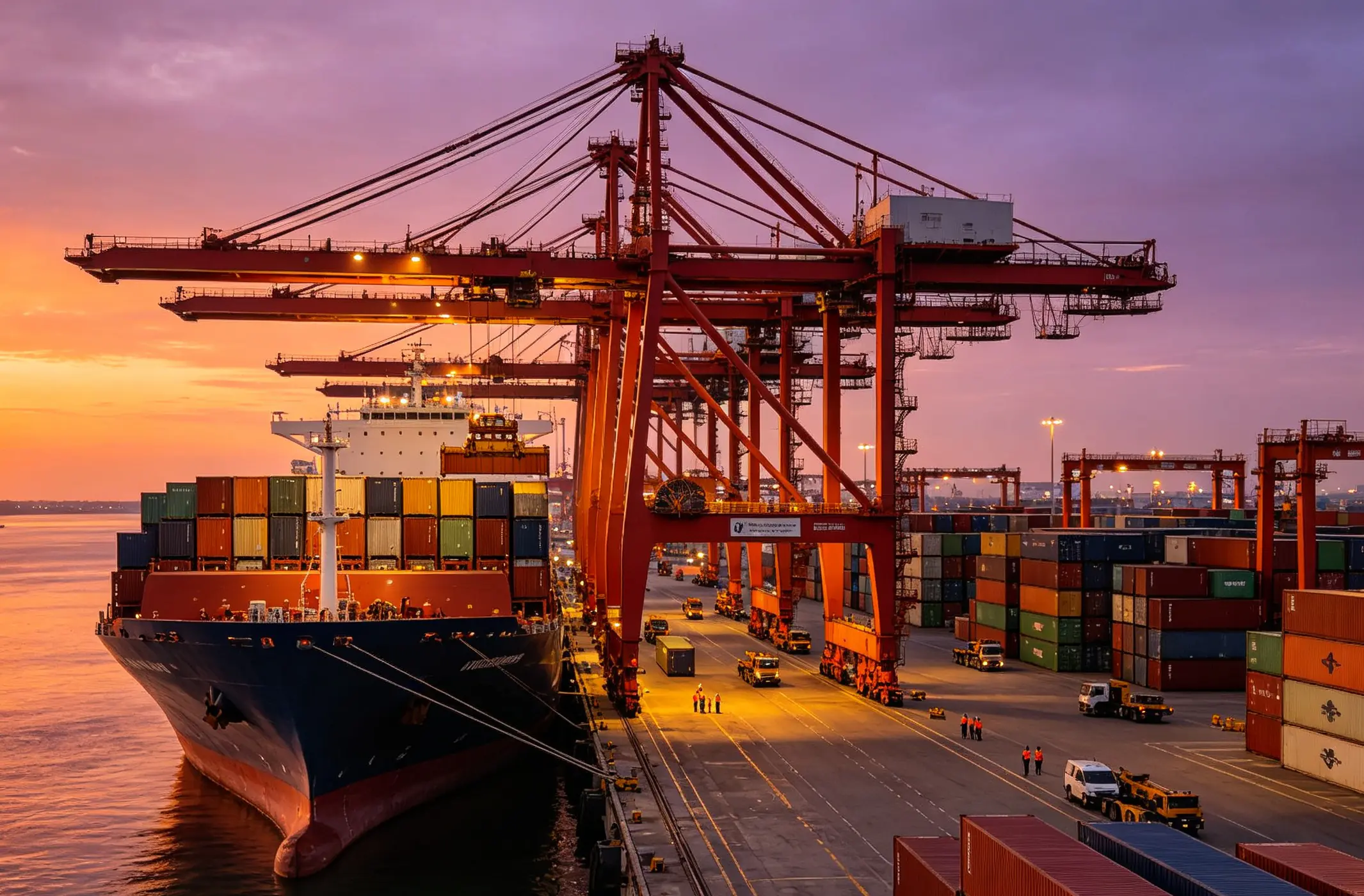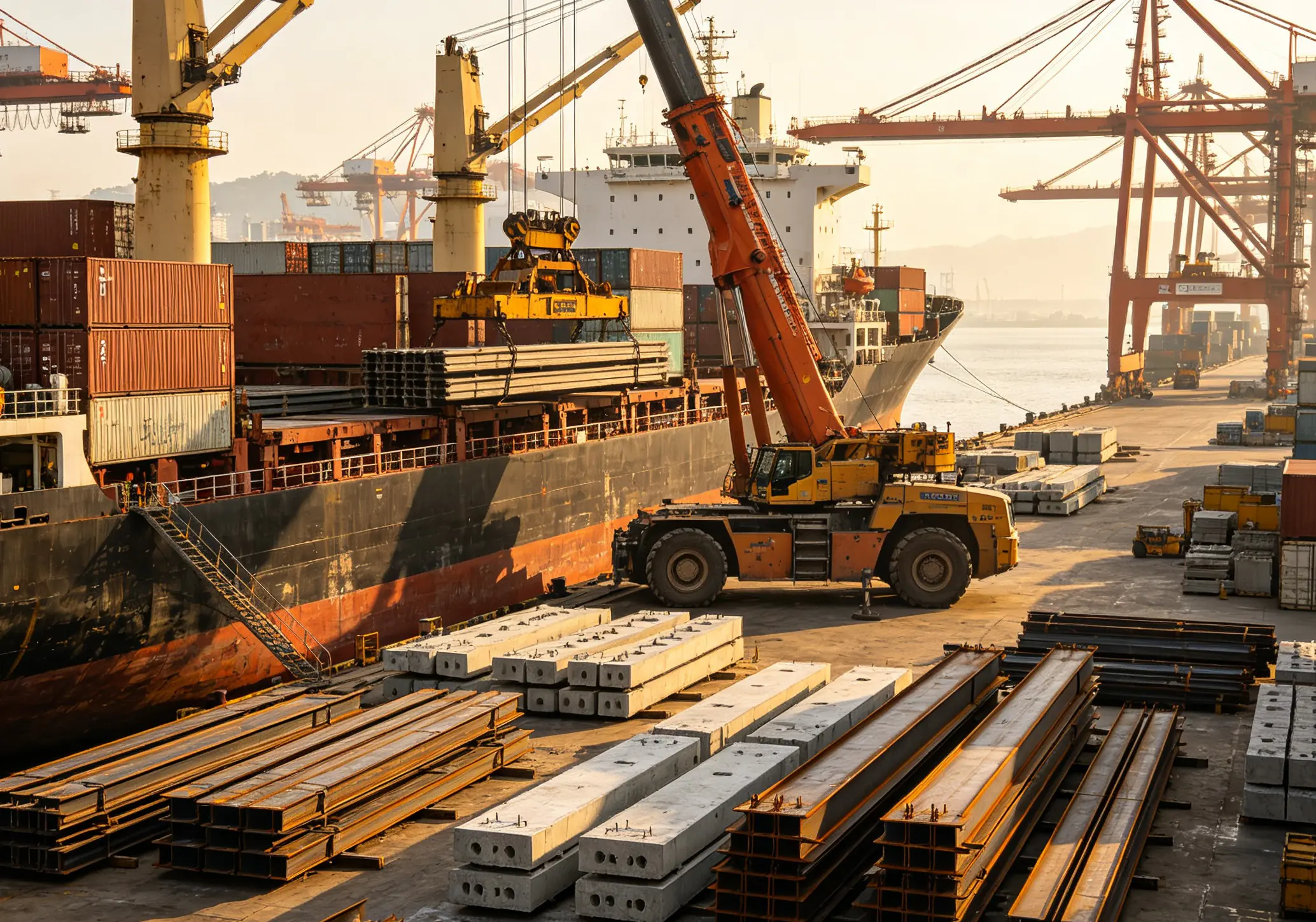
Are you planning to ship containers from China to Algeria in 2026 but feeling overwhelmed by the new banking regulations? You are not alone. With China firmly established as Algeria’s number one trading partner—supplying everything from construction machinery and automotive parts to consumer electronics—the trade lane is bustling. However, 2025 and 2026 have marked a seismic shift in how imports are managed.
Shipping from China to Algeria via FCL (Full Container Load) is no longer just about booking a container and paying ocean freight. It is now a rigorous compliance exercise involving the new Algerian Import Authority, strict Bank Domiciliation rules, and mandatory Import Forecast Programs. Fail to prepare, and your cargo could face indefinite seizure at the Port of Algiers.
This comprehensive guide is written by the experts at Efanda Logistics. We don’t just move boxes; we navigate the complex bureaucracy of the Ministry of Foreign Trade to ensure your goods clear customs smoothly. Whether you are shipping 20ft containers of textiles from Shenzhen or 40ft HQ containers of machinery from Shanghai, this guide covers every cost, route, and regulation you need to know for 2026.
2. 2026 Algeria Import Regulations & New Authority (Expert Update)
If you are using a guide written in 2024, throw it away. The regulatory landscape in Algeria has transformed completely. The era of loose enforcement is over, and a new, more centralized system is in place to control foreign currency reserves and protect local production.
The End of ALGEX and the New Authority
The National Agency for the Promotion of Foreign Trade (ALGEX) has been restructured. Its responsibilities have been transferred to the newly established Algerian Import Authority, which operates under the direct supervision of the Ministry of Foreign Trade. This new body is stricter and more data-driven.
The Mandatory Import Forecast Program
This is the single biggest hurdle for importers in 2026.
- The Rule: Before you can even apply for Bank Domiciliation to pay your Chinese supplier, you must submit a 6-month Import Forecast Program to the Ministry of Foreign Trade.
- The Requirement: You must detail exactly what you plan to import, the volume, and the value for the coming semester.
- The Consequence: If your specific shipment was not included in your approved forecast, your bank will refuse to open the Letter of Credit (L/C), and you cannot pay your supplier.
Single Bank Domiciliation Rule
In the past, importers could “shop around” different banks to find the best exchange rates or faster processing for different shipments.
- New Rule: You must domicile all your imports with a single bank.
- Expert Insight: According to the Bank of Algeria (Banque d’Algérie) regulations (specifically Instruction n°05-2017 and subsequent 2025 updates), you must register your import dossier at least 30 days before shipment.
- Financial Requirement: You are often required to deposit 120% of the import value in local currency (DZD) at the time of domiciliation. This ties up significant cash flow, so plan accordingly.
Eligibility Restrictions: Who Can Import?
The Algerian government has drawn a hard line to boost domestic industry.
- Allowed: Companies importing raw materials for Production (factories) or goods for Resale in the Same State (traders with proper commercial registers).
- Banned: Service Providers are now expressly excluded from importing goods for resale. If your trade registry lists you as a service company, you cannot clear commercial cargo.
3. FCL Shipping Routes & Transit Time from China to Algeria
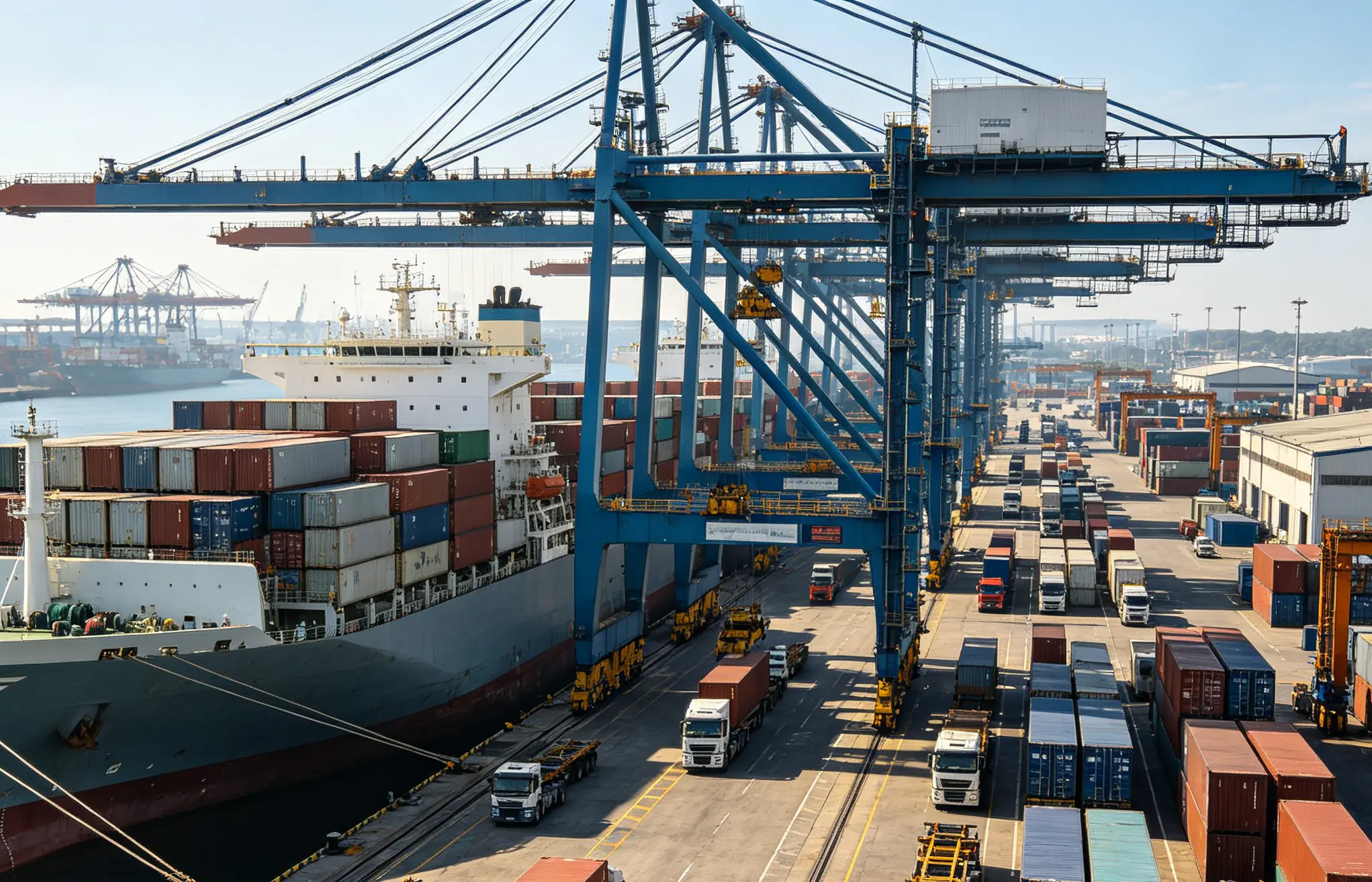
Choosing the right port pair can save you 5-7 days of transit time and hundreds of dollars in inland transport costs. Algeria’s coastline is vast, but container traffic is concentrated in a few key hubs.
Major Ports of Loading (China)
- Shanghai / Ningbo: The powerhouse for heavy industry. If you are shipping machinery, auto parts, or solar panels, this is likely your origin.
- Shenzhen (Yantian / Shekou): The global hub for electronics and high-tech goods. Efanda Logistics provides specialized warehouse services here to consolidate goods from different suppliers in the Pearl River Delta.
- Qingdao: The primary exit point for tires, glass, and raw materials from Northern China.
- Guangzhou (Nansha): A key alternative for Southern China exports, offering competitive rates.
Major Ports of Discharge (Algeria)
- Algiers (Port d’Alger): The capital and largest port. It handles about 60% of the country’s container traffic.
- Warning: The “Central Zone” for containers is chronically congested. In our recent experience with a client shipping auto parts, delays at Algiers port extended to 12 days during Ramadan.
- Oran: The gateway to the West. Essential for importers distributing to the western provinces.
- Bejaia: A critical port for the Kabylie region and central-east logistics.
- Skikda: The petrochemical hub, also serving the eastern industrial zones.
Estimated Transit Times (China to Algeria)
| Origin Port (China) | Destination Port (Algeria) | Transit Time (Direct) | Transit Time (Transshipment) |
|---|---|---|---|
| Shanghai / Ningbo | Algiers | 35 – 40 Days | 45 – 55 Days |
| Shenzhen / Guangzhou | Algiers | 30 – 35 Days | 40 – 50 Days |
| Qingdao | Oran | 40 – 45 Days | 50 – 60 Days |
| Tianjin | Skikda | 42 – 48 Days | 52 – 62 Days |
Note: Carriers like CMA CGM Algeria offer reliable services, but even they are subject to transshipment delays in Malta or Valencia. We always recommend adding a 7-day buffer to these estimates for your inventory planning.
4. FCL Shipping Cost from China to Algeria (2026 Market Rates)
Freight rates fluctuate weekly based on the General Rate Increases (GRI), bunker fuel prices, and seasonal demand. However, for planning purposes, here are the estimated market ranges for 2026.
Ocean Freight Rates (Port-to-Port)
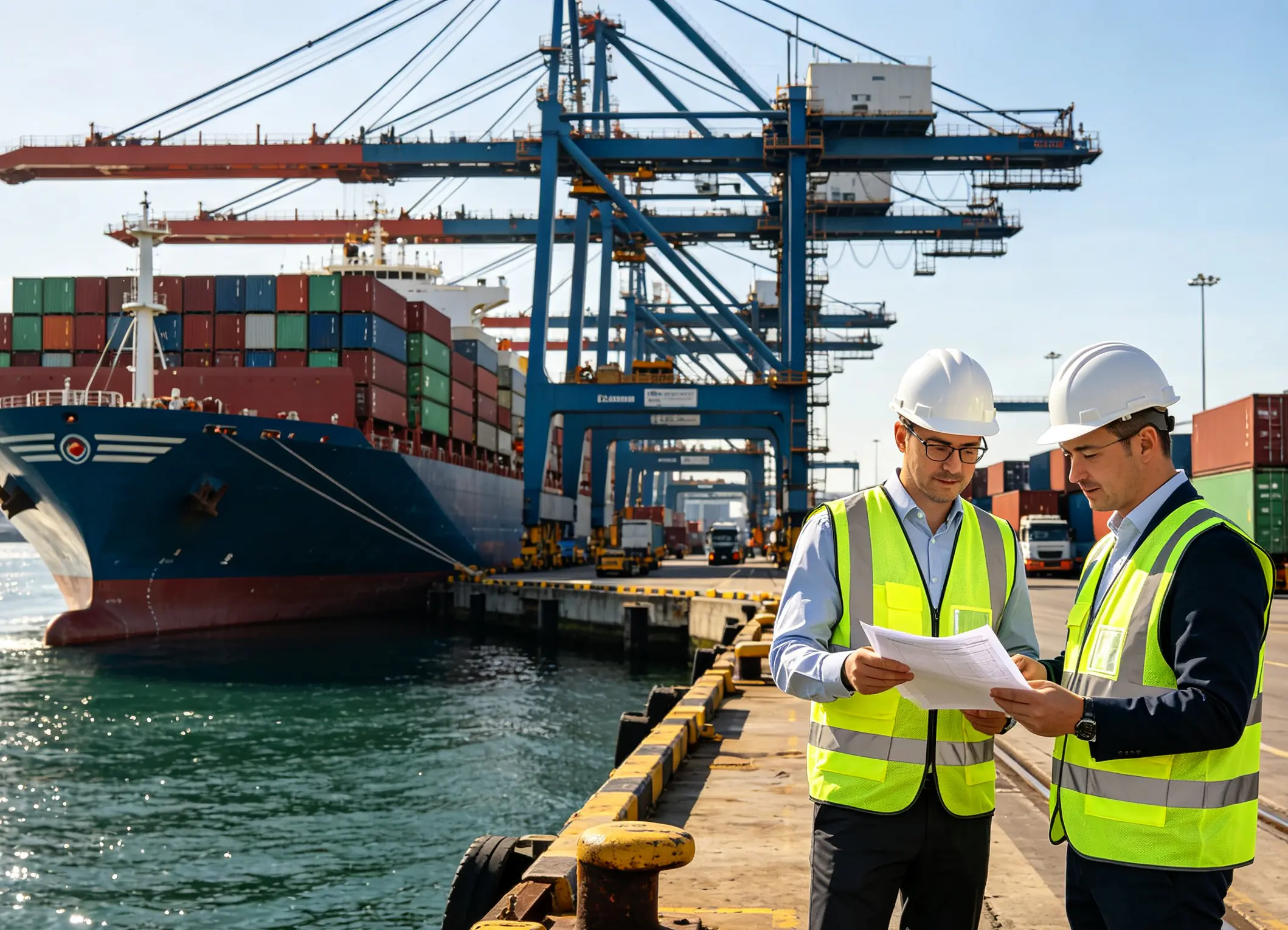
Our primary service is sea freight, which offers the most economical solution for bulk imports.
- 20ft Container (General Cargo): $2,500 – $3,500 USD
- Best for heavy goods like tiles, metals, or machinery parts where you hit the weight limit before filling the volume.
- 40ft / 40HQ Container: $4,500 – $6,000 USD
- Best for voluminous goods like textiles, furniture, toys, and electronics.
Hidden Costs You Must Budget For
Shipping to Algeria is famous for its “hidden” costs. Do not look at the ocean freight alone.
- Quality Control Inspection ($300 – $500): You must pay a third-party agency (like Bureau Veritas or SGS) in China to inspect the goods and issue a Certificate of Conformity. Without this, you cannot ship.
- Bank Domiciliation Fees (1% – 3%): Your Algerian bank will charge fees to process the dossier and open the Letter of Credit.
- Port Storage (Demurrage & Detention):
- Algiers port is slow. Standard free time (7 days) is rarely enough.
- Efanda Tip: We negotiate 14 to 21 days of free time with the shipping line for our clients to avoid massive penalty fees while customs clearance processes your paperwork.
- THC (Terminal Handling Charges): Payable at destination, typically around €150-€200 per container.
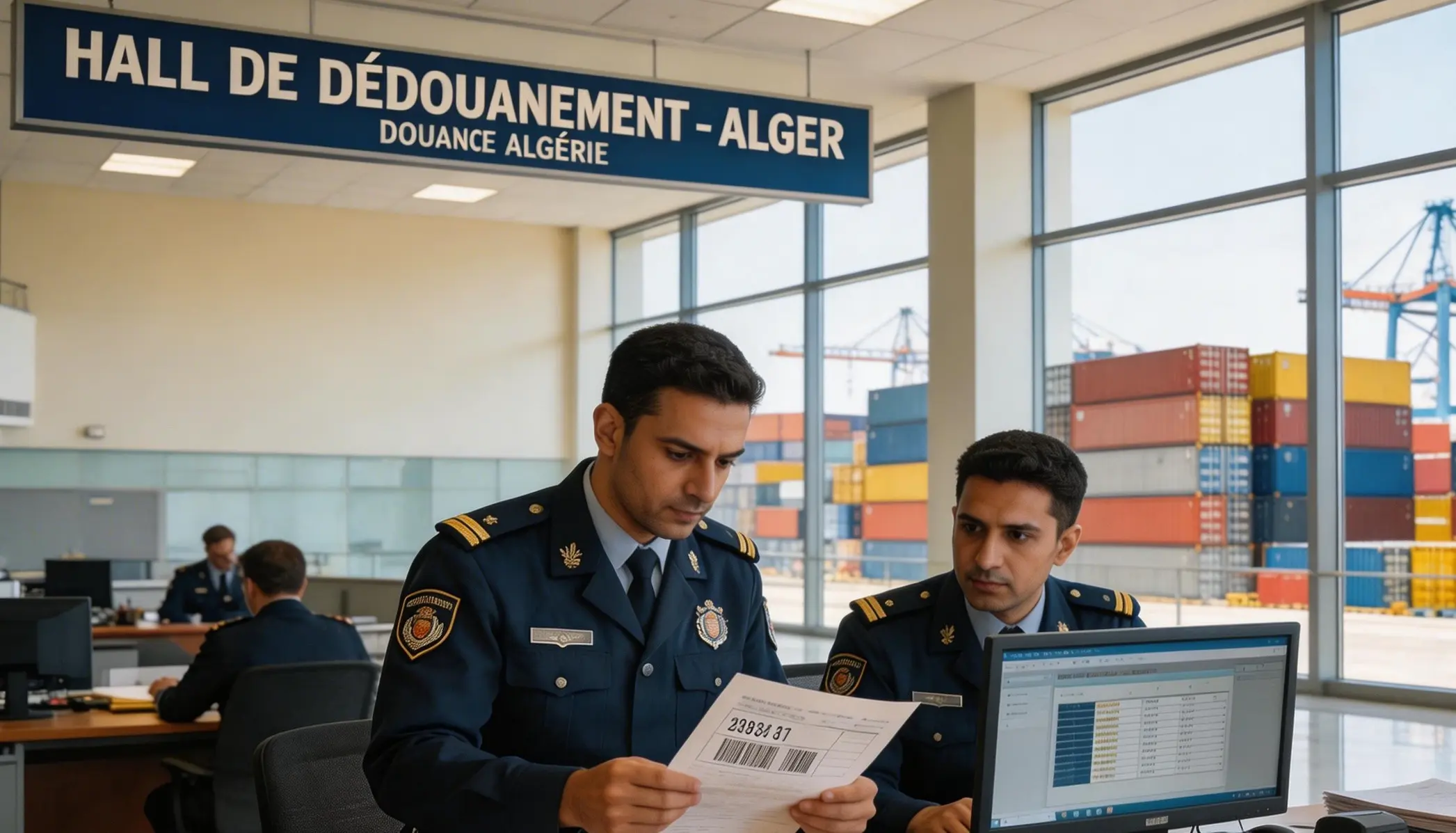
- DAPS (Droit Additionnel Provisoire de Sauvegarde): Be aware that certain goods may be subject to this “Provisional Additional Safeguard Duty,” which can range from 30% to 200%. Check the latest list on the Algerian Customs (Douane Algérienne) website before ordering.
5. Sea Freight vs. Air Freight: Making the Right Choice
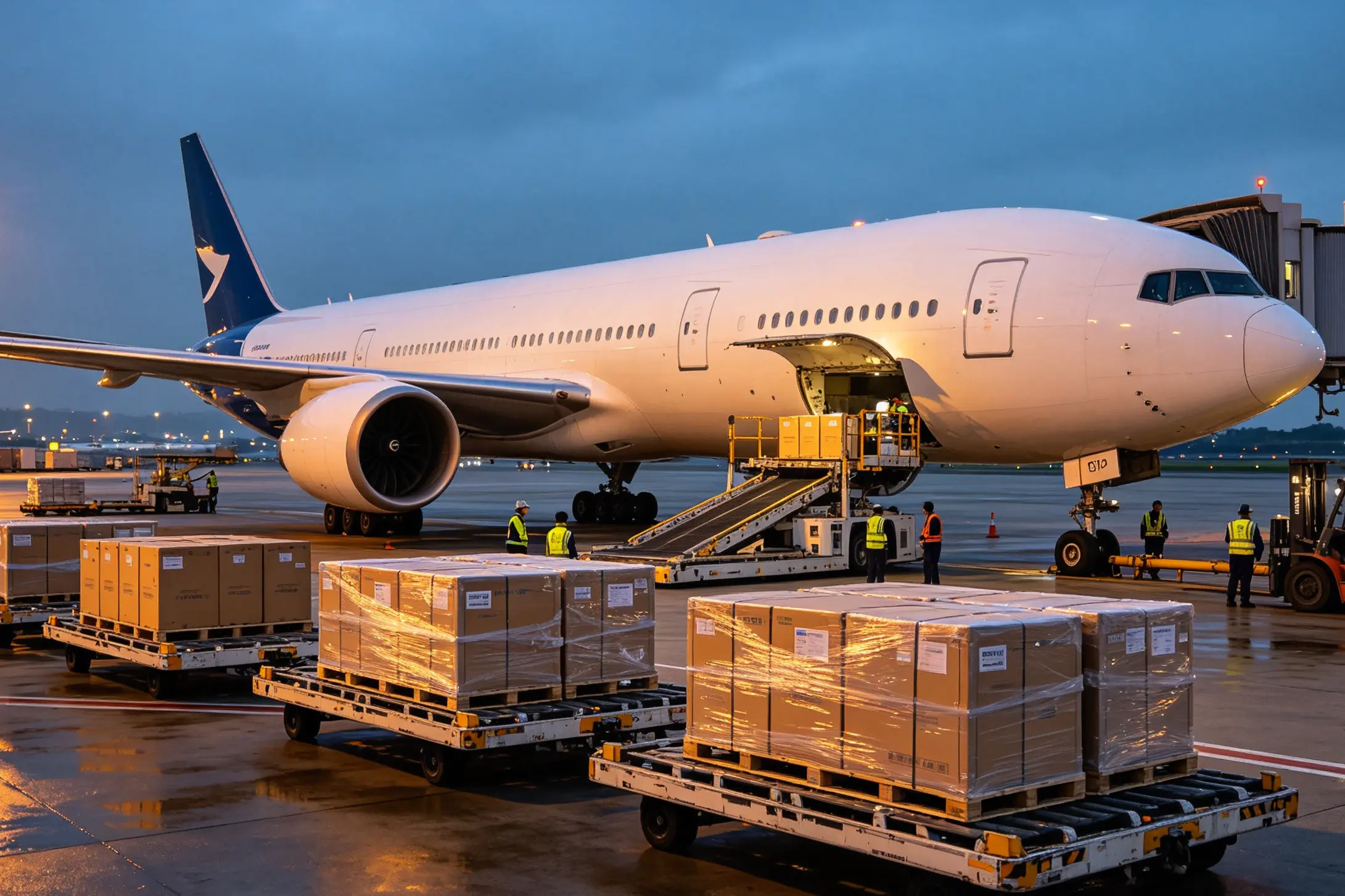
While 95% of commercial cargo moves via sea, sometimes speed is critical.
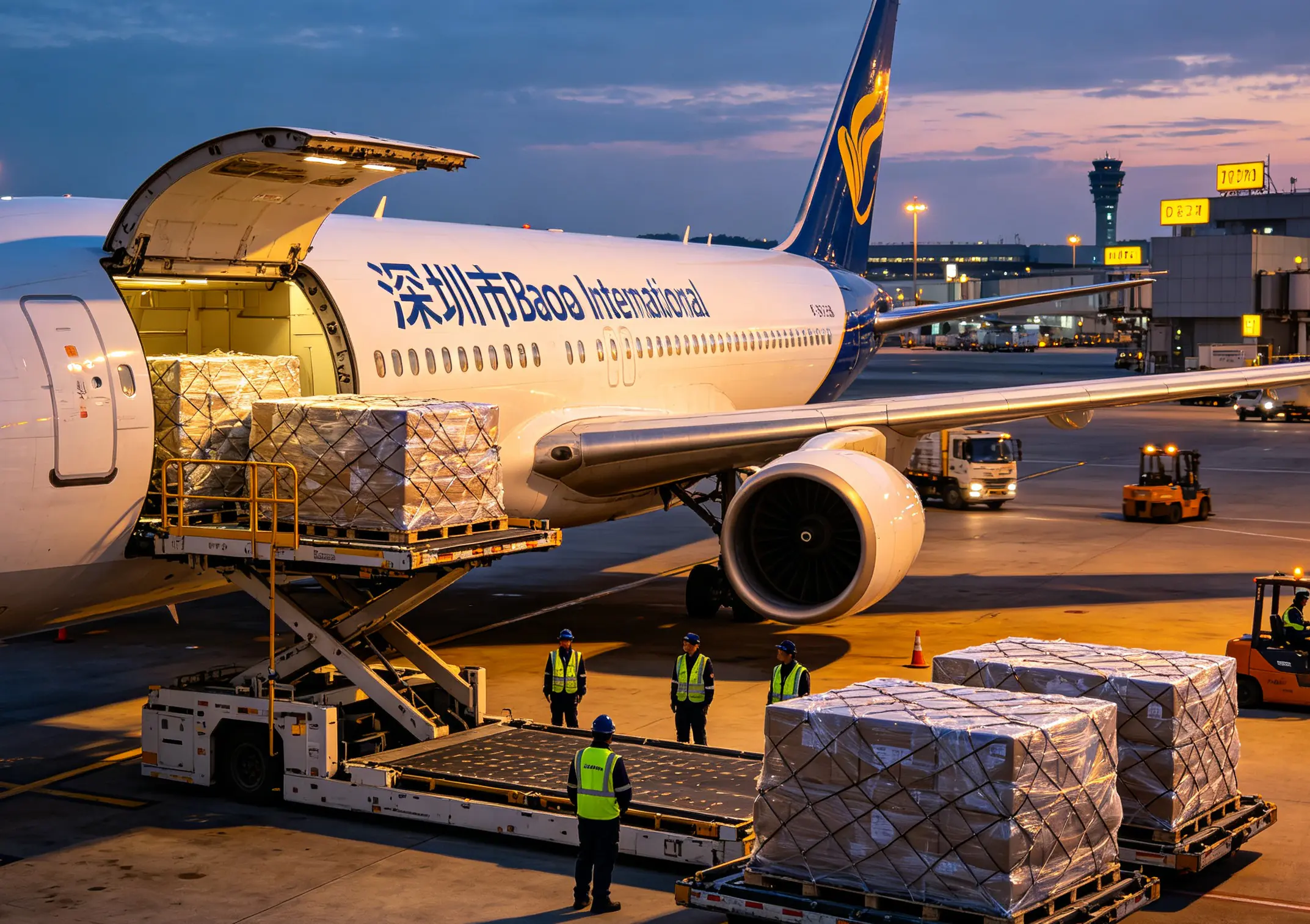
- Air Freight: Ideal for urgent spare parts, samples, or high-value electronics.
- Transit Time: 3-7 days.
- Cost: Significantly higher (approx. $5-$8 per kg).
- Regulation Note: Air cargo requires the same strict banking domiciliation as sea freight if the value exceeds a certain threshold (typically roughly 100,000 DZD for commercial goods).
- FCL Sea Freight: The standard for bulk trade.
- Transit Time: 30-45 days.
- Cost: Most economical per unit.
For most importers in Algeria, Sea Freight is the only viable option due to the strict profit margin controls and currency restrictions.
6. Customs Clearance Documents for Algeria Imports
Documentation in Algeria is not just a formality; it is the law. A single typo between your Commercial Invoice and your Bank Domiciliation can cause your container to be blocked for months.
The “Golden List” of Mandatory Documents
Based on the latest requirements from the U.S. International Trade Administration and local practice:
- Bank Domiciliation Certificate: The absolute prerequisite. You cannot clear customs without proof that the transaction was domiciled with a local bank.
- Certificate of Conformity (Quality Control):
- Issued in China before loading.
- Mandatory for regulated goods (Auto parts, Tires, Electronics, Home Appliances, Textiles, Shoes, Cosmetics).
- Note: The “Certificate of Free Marketing” in the country of origin is also often requested.
- Commercial Invoice: Must be final, detailed, and include Incoterms (CFR or FOB), HS Codes, and the Bank Domiciliation number.
- Packing List: Must accurately reflect the weight, dimensions, and number of packages.
- Certificate of Origin: Must be issued by the Chinese authorities (CCPIT) to prove the goods are of Chinese origin.
- Bill of Lading (B/L): The original B/L is required. It must be “Clean on Board”.
- NIF (Numéro d’Identification Fiscale): Your Tax ID number must appear on all documents.
- Cheque for Duties: Customs duties and VAT must be paid via certified cheque or bank transfer before release.
7. Payment Methods: Letter of Credit (L/C) & Bank Domiciliation
Forget about T/T (Telegraphic Transfer) or Western Union. For commercial imports of goods for resale, Cash is NOT King in Algeria. The government strictly controls foreign exchange.
The Letter of Credit (L/C) Reality
The vast majority of trade is conducted via Documentary Credit (Letter of Credit / L/C) or Documentary Remittance (Cash against Documents / CAD).
- Restriction: Direct transfer (Free Transfer) is severely restricted and often limited to small amounts or specific industrial equipment.
The Step-by-Step L/C Process
- Proforma Invoice: You request a Proforma Invoice from your Chinese supplier.
- Import Forecast Check: Ensure this shipment is in your approved Ministry forecast.
- Domiciliation: You submit the Proforma to your Single Bank. The bank reviews it and issues the Domiciliation.
- L/C Opening: The bank opens the L/C in favor of the Chinese supplier.
- Shipment: The supplier receives the L/C notification, produces the goods, passes the Quality Inspection, and ships the cargo.
- Presentation: The supplier presents the shipping documents (B/L, Invoice, Cert of Origin, Quality Cert) to their bank in China.
- Payment: If documents match the L/C terms exactly, the banks process the payment.
Efanda’s Role: We act as your bridge. We review the draft L/C to ensure the Chinese supplier can actually meet the terms (e.g., “latest shipment date,” “port of loading”). This prevents “Discrepancies” which can delay payment and release. We strongly recommend consulting the ICC Incoterms® 2020 rules to ensure your contract terms (FOB vs CFR) align perfectly with your L/C.
8. Step-by-Step Guide: How to Ship from China to Algeria
Here is the roadmap to a successful shipment with Efanda Logistics:
- Sourcing & Proforma: Find your supplier in China. Ask for a Proforma Invoice based on CFR (Cost and Freight) or FOB (Free on Board) Incoterms. Note: CIF is allowed, but insurance must often be domiciled locally.
- Bank Approval: Take the Proforma to your bank in Algeria for Domiciliation. Do not ship before this step.
- Booking: Once domiciled, send the booking order to Efanda. We contact your supplier to arrange container pickup.
- Quality Inspection: We coordinate with the inspection agency (e.g., SGS/Bureau Veritas) to inspect the goods at the factory before the container is sealed.
- Export Clearance: Efanda handles the Chinese customs declaration and moves the container to the port (Shanghai, Shenzhen, etc.).
- Shipping: The vessel departs. We issue the Bill of Lading.
- Document Transmission: The supplier sends the full set of original documents to the bank.
- Arrival & Clearance: Your customs broker in Algeria collects the documents from the bank and clears the goods at the port.
Does Efanda Offer Door to Door Shipping?
Due to the strict banking and customs regulations in Algeria, full DDP (Delivered Duty Paid) service is challenging for commercial goods. However, we offer comprehensive door to door shipping solutions where we handle everything up to the Algerian port, and then coordinate seamlessly with your local broker for the final delivery.
9. Why Choose Efanda as Your China to Algeria Freight Forwarder?
Shipping to Algeria is not for amateurs. It requires a forwarder who understands both Chinese logistics and Algerian bureaucracy.
- Regulatory Experts: We stay updated on every new decree from the Ministry of Foreign Trade. We won’t let you ship banned goods.
- L/C Assistance: Our documentation team is trained to handle Letter of Credit requirements, ensuring every dot and comma matches to avoid bank rejection.
- Local Network: We have strong relationships with reliable clearing agents in Algiers, Oran, and Skikda to help resolve issues on the ground.
- Competitive Rates: Through our contracts with carriers like CMA CGM and COSCO, we secure space even during peak seasons.
Ready to ship? Don’t let compliance scares stop your business. Contact Efanda Logistics today for a free consultation and a quote for your next FCL shipment to Algeria.
10. FAQ: Shipping from China to Algeria
Q: Can I pay my supplier via Western Union?
A: No. For commercial imports intended for resale, paying via Western Union or personal bank transfer is strictly illegal and can lead to fines. You must use the formal banking channel (L/C or Documentary Remittance).
Q: What happens if I ship without a Certificate of Conformity?
A: Your cargo will be blocked at the port. You cannot obtain this certificate after the goods have arrived. The goods will likely have to be re-exported to China or destroyed, at your cost.
Q: Is shipping insurance mandatory?
A: Yes. For the domiciliation process, you are usually required to present an insurance certificate. Most Algerian importers prefer to purchase cargo insurance services locally in Algeria (with a company like CAAT or SAA) to satisfy bank requirements easily.
Q: Can I combine goods from multiple suppliers into one container?
A: Yes, this is called Buyer’s Consolidation. Efanda can collect goods from different factories in our Shenzhen warehouse, consolidate them into one FCL container, and issue a single set of documents to simplify your bank domiciliation.
Q: How long does customs clearance take in Algiers?
A: It typically takes 5 to 10 days if all documents are perfect. However, if there are errors or if the port is congested, it can take 2-3 weeks. This is why we recommend securing 21 days of free detention time.