Is your supply chain still bleeding from the “temporary” disruptions of late 2023? You are not alone. As we enter February 2026, the Red Sea crisis has mutated from a shocking geopolitical event into a structural reality of global trade. The days of a swift 28-day transit from Shanghai to Rotterdam via the Suez Canal are gone, perhaps for the foreseeable future.
For importers in Europe and the US East Coast, this “New Normal” means one thing: uncertainty is the only certainty.
In this comprehensive guide, we dissect the latest developments from February 2026, analyze the hidden costs of the “Cape of Good Hope” routing, and provide actionable strategies to keep your goods moving. At Efanda, we believe that while you cannot control geopolitics, you can absolutely control your logistics strategy.
1. The Current State (February 2026): No End in Sight
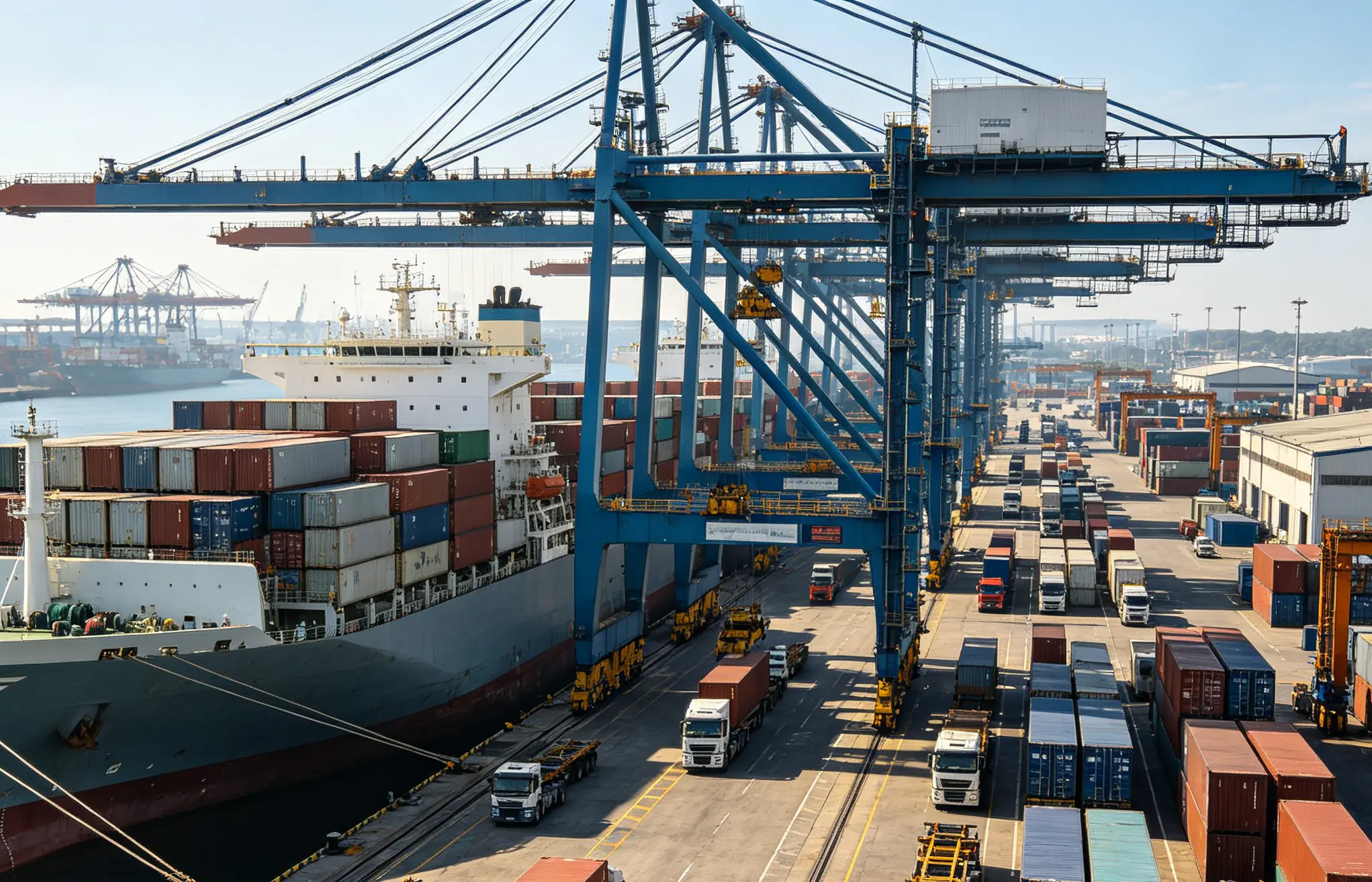
According to the latest carrier announcements and data from UNCTAD (United Nations Conference on Trade and Development), the situation has crystallized into a hard reality. The Suez Canal, once the artery carrying 12% of global trade, has seen container throughput drop by over 60% compared to 2023 levels.
Why Are We Still Here?
The persistent threat from Houthi forces in Yemen continues to make the Bab el-Mandeb Strait a “no-go zone” for major commercial vessels. Despite the presence of international naval coalitions like Operation Prosperity Guardian, the risk of missile and drone attacks remains unacceptably high for insurers.
- Cape Routing Confirmed for Q1 2026: Major alliances (MSC, Maersk, CMA CGM) have confirmed that vessels will continue to bypass the Suez Canal, routing instead via the Cape of Good Hope at the southern tip of Africa.
- Security Risks Remain Extreme: Despite international naval coalitions, the threat to commercial vessels in the Bab el-Mandeb Strait remains too high for insurers to underwrite standard transits.
- The “35-45 Day” Reality: What used to be a 30-day journey is now consistently 40-45 days on the water. This adds two full weeks of inventory financing costs to every shipment.
Why This Matters Now:
We are approaching the critical TPM24 (Trans-Pacific Maritime) conference in Long Beach this March. Carriers are using the “Red Sea persistence” narrative to maintain elevated spot rates and lock in higher long-term contract rates for the 2026-2027 season. If you are negotiating contracts now, you are doing so at the peak of carrier leverage.
2. The Anatomy of the “Cape Route”: Hidden Costs Revealed
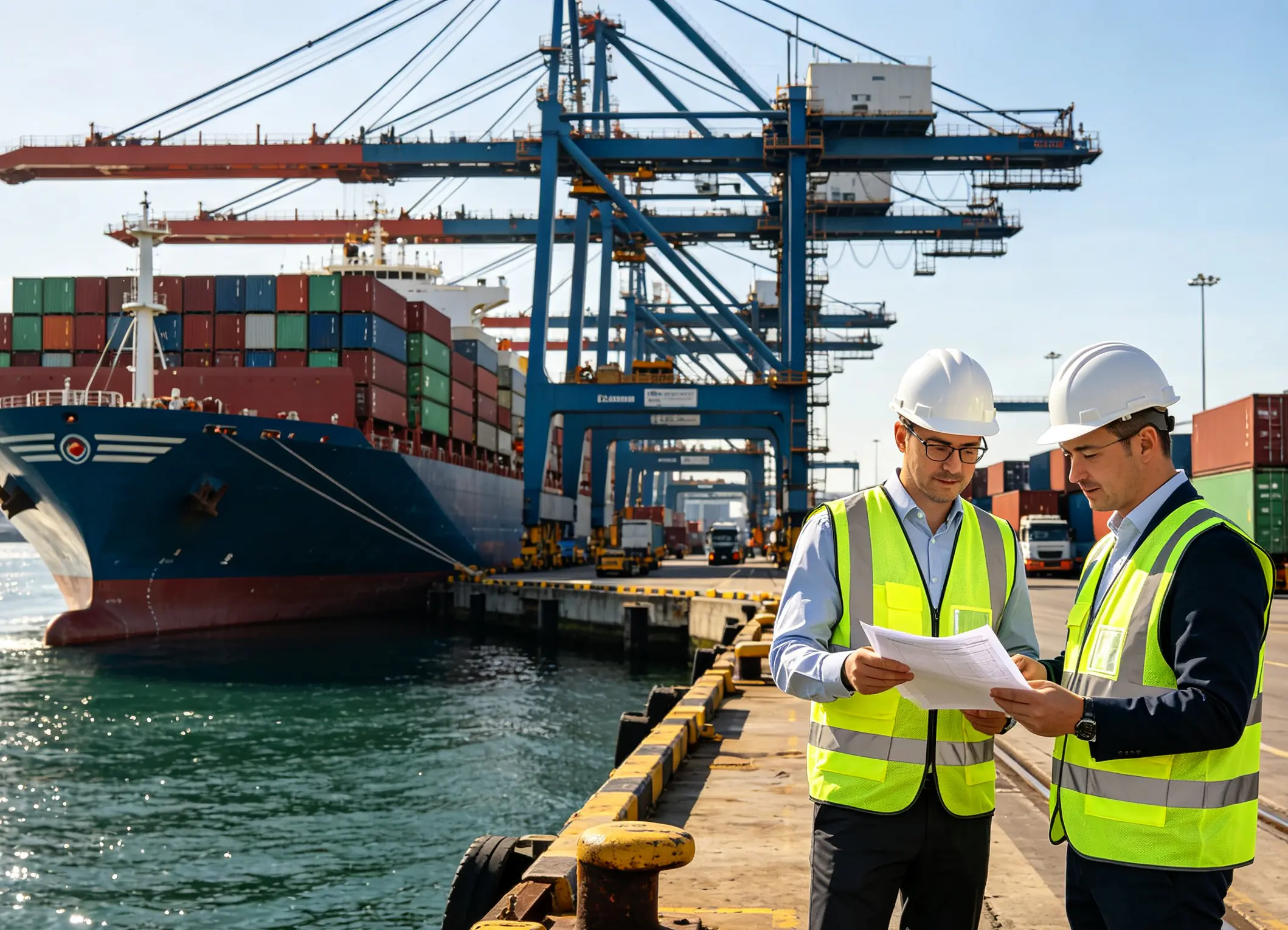
Diverting a 20,000 TEU vessel around Africa isn’t just about time; it’s a massive financial undertaking that carriers pass directly to you. Let’s break down the components of your invoice in 2026.

A. The Fuel Surcharge (BAF) Explosion
The route via the Cape adds approximately 3,500 nautical miles (6,400 km) to a typical Asia-Europe voyage.
- Fuel Consumption: An ultra-large container vessel burns an extra 1,000 tons of fuel for this detour.
- Your Cost: This is reflected in the Bunker Adjustment Factor (BAF) or “Emergency Contingency Surcharges,” which have stabilized at levels $500-$800/TEU higher than pre-crisis rates.
B. The Green Cost: EU ETS Impact
A hidden factor often overlooked is the European Union Emissions Trading System (EU ETS). Since 2024, shipping companies must pay for their carbon emissions on voyages to/from EU ports.
- The Math: A longer route means more fuel burned, which means higher CO2 emissions.
- The Impact: According to the European Commission’s Climate Action, the maritime sector’s inclusion in ETS means these extra emissions directly translate into higher surcharges for importers. You are not just paying for fuel; you are paying for the carbon tax on that extra fuel.
C. Equipment Imbalance & Leasing Costs
This is the silent killer of supply chains. When a ship takes 2 weeks longer to complete a round trip, it effectively removes capacity from the market.
- The Shortage: Containers spend 30% more time on the water. This leads to severe shortages of empty equipment in key Chinese ports (Ningbo, Shanghai, Shenzhen) as boxes don’t return fast enough.
- Result: You might pay premium “Priority Equipment Fees” just to get a container released.
D. Cargo Insurance Services & Risk Premiums
Even for vessels taking the long route, “War Risk” premiums have expanded to cover broader zones in the Indian Ocean. While not as high as a direct Red Sea transit, these costs are now baked into the base ocean freight. Proper insurance is no longer optional; it is a critical safeguard against the increased risk of maritime accidents on longer routes.
3. Operational Impact: The “Reliability Gap”
The most damaging aspect for retailers and manufacturers isn’t just the cost—it’s the unpredictability.
Case Study: The Furniture Crisis of Hamburg
In January 2026, one of our clients, a large furniture importer in Germany, faced a critical situation. Their shipment of seasonal outdoor furniture, originally scheduled to arrive in Hamburg by mid-February via Suez, was rerouted via the Cape.
- The Problem: The vessel faced severe weather off the coast of South Africa, delaying it further. The total transit time ballooned to 52 days.
- The Consequence: They missed the start of the spring sales season, leading to a projected revenue loss of €150,000.
- The Lesson: Relying on a single mode of transport (pure sea freight) is a gamble you cannot afford in 2026.
The “Bunching” Effect
Vessels often arrive in clusters at European hubs like Rotterdam, Antwerp, and Hamburg after the long journey.
- Port Congestion: Terminals get overwhelmed by simultaneous arrivals, leading to 3-5 day berthing delays.
- Feeder Failures: With mainliners late, they miss their feeder connections to smaller ports (e.g., UK, Scandinavia, Baltics), adding another 7 days of delay.
Transshipment Hub Overload
Ports in the Western Mediterranean (Algeciras, Tangier) are overflowing as carriers use them to reorganize cargo after the long African haul. We have seen containers stuck in transshipment for 10-14 days simply waiting for a feeder vessel.
Efanda’s Insight: Do not trust the ETA on the carrier’s website. In our experience handling shipments in Feb 2026, the actual arrival is consistently 5-7 days later than the initial projection.
4. Strategic Alternatives: Escaping the Ocean Trap
If your supply chain cannot tolerate a 45-day transit, you must diversify. Reliance solely on sea freight is a single point of failure.

Option A: The China-Europe Railway Express (The “Iron Silk Road”)
For high-value goods (electronics, automotive parts, fashion), the train is the “Goldilocks” solution. The Middle Corridor (Trans-Caspian International Transport Route) has seen significant investment to bypass Russian territory where necessary, though the Northern Corridor remains the primary volume mover.
- Route: Xi’an/Chengdu/Chongqing -> Kazakhstan -> Russia/Belarus -> Poland/Germany.
- Transit Time: 18-22 days (Station to Station).
- Reliability: High. Trains are immune to Red Sea missiles and sea storms.
- Cost: Higher than sea, but significantly lower than air.
- Efanda’s Role: We offer DDP Rail services, handling the complex customs transit through the Eurasian Economic Union so you don’t have to.
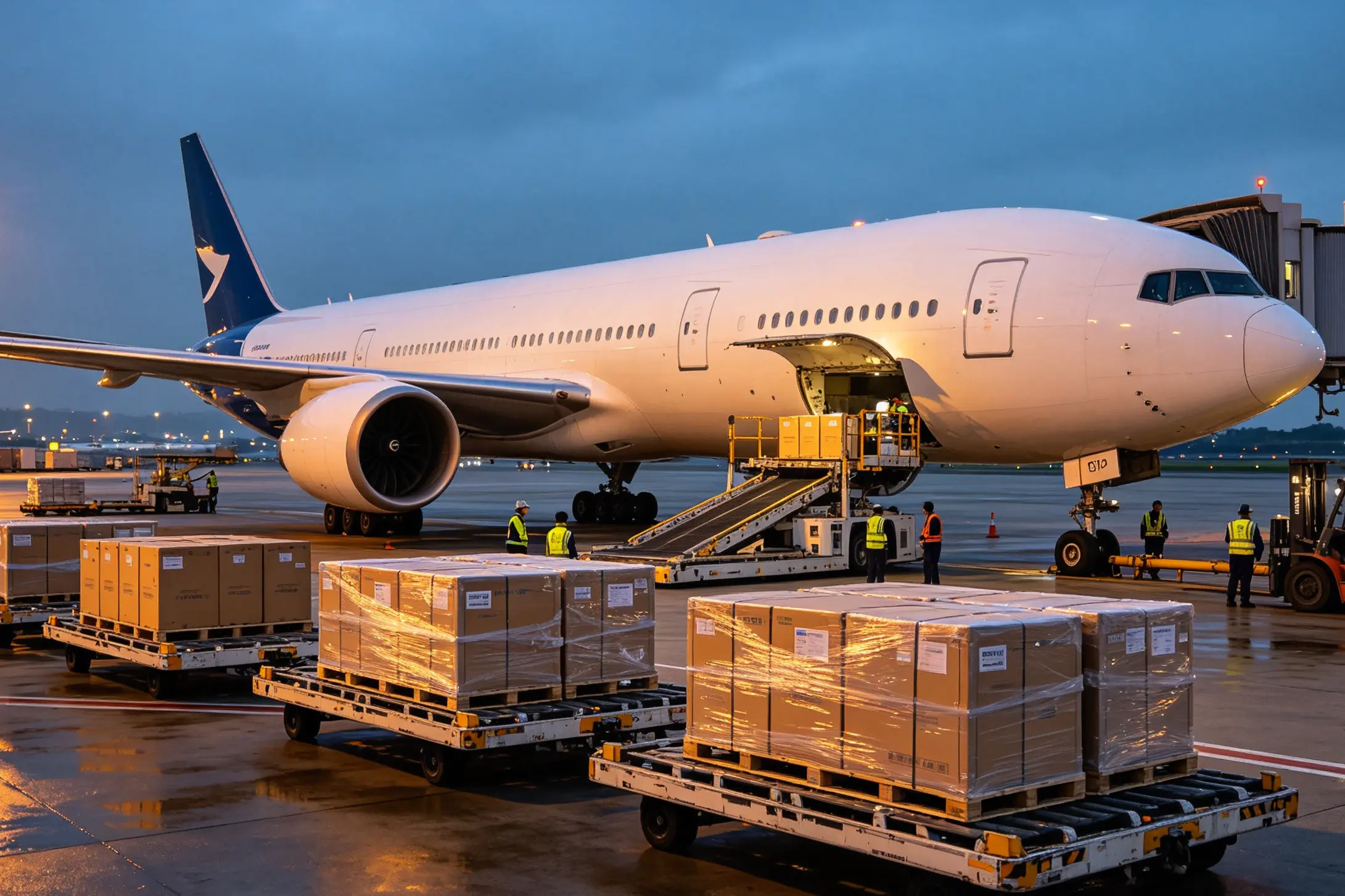
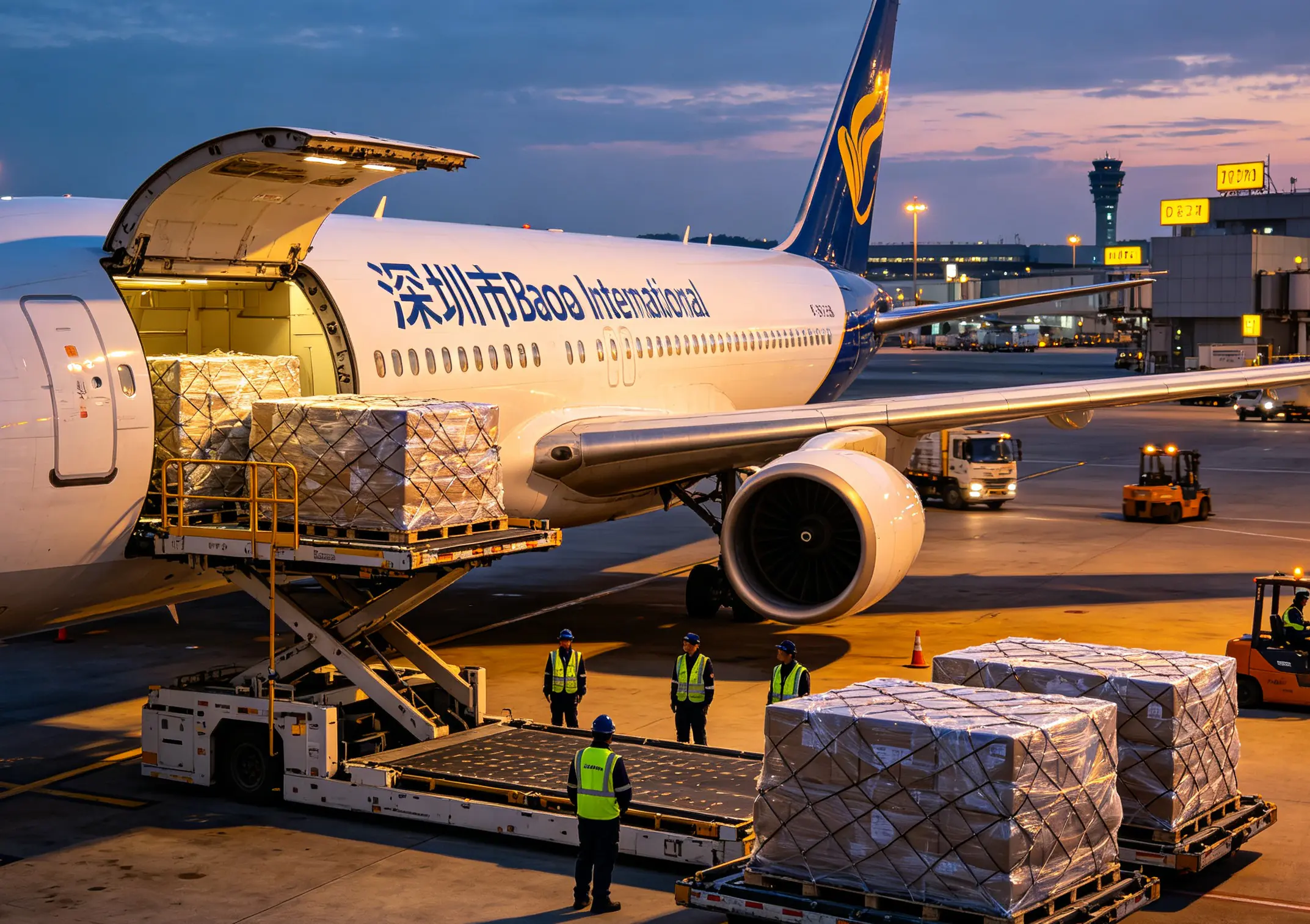
Option B: Sea-Air (The “Dubai Bridge”)
This hybrid solution is gaining massive popularity in 2026.
- The Process:
- Sea Leg: Ocean freight from China to Jebel Ali (Dubai), avoiding the Red Sea danger zone. This is ideal for shipping from China to UAE.
- Transit: Quick transfer to Dubai International Airport (DXB).
- Air Leg: Air freight from Dubai to Europe/USA.
- The Benefit: Saves 50% of the time compared to pure sea freight, at 50% of the cost of pure air freight.
- Best For: Seasonal retail goods that missed the pure sea freight window but can’t afford pure air.
5. Efanda’s Action Plan for Importers
As your logistics partner, we don’t just move boxes; we strategize. Here is our 3-step plan to navigate the 2026 crisis:
Step 1: Buffer Your Inventory (The “Just-in-Case” Model)
The era of “Just-in-Time” (JIT) is paused.
- Advice: Increase your safety stock by 2-3 weeks. Consider using our warehouse services to hold buffer stock closer to your final market. The cost of holding inventory is lower than the cost of stockouts or emergency air freight.
Step 2: Diversify Your Routing (The “40-40-20” Rule)
Don’t put all your eggs in one basket.
- 40%: Standard Ocean Freight (lowest cost, early planning).
- 40%: Premium Ocean/Direct Service (pay for priority loading).
- 20%: Faster modes (Rail or Sea-Air) for urgent replenishment.
Step 3: Leverage DDP for Cost Certainty
With surcharges fluctuating weekly, landed costs are hard to predict.
- Efanda DDP: We offer comprehensive door to door shipping services where we lock in the total price (Freight + Duty + Delivery) upfront. We absorb the risk of surcharge fluctuations during transit, giving you financial peace of mind.
Step 4: Stay Informed with Authoritative Data
In a volatile market, information is power. We recommend monitoring the World Bank’s Global Economic Prospects for macro trends and relying on Drewry’s Supply Chain Advisors for specific lane rate intelligence. At Efanda, we subscribe to these premium insights so we can pass the strategy on to you.
FAQ: Navigating the Crisis
Q1: Will the Red Sea route open up later in 2026?
A: Highly unlikely. Most analysts and carriers, including data from the International Maritime Organization (IMO), predict the threat will persist throughout 2026. Even if attacks stop today, it would take months for insurance confidence to return. Plan for the Cape route to be permanent for this year.
Q2: Is the China-Europe Railway safe given the Russia-Ukraine situation?
A: Yes. The “Northern Corridor” remains fully operational for transit cargo. The sanctions primarily target trade with Russia, not transit through Russia. Efanda ensures full compliance with all EU/US transit regulations.
Q3: How much more does the Cape route cost?
A: While rates fluctuate, expect to pay a premium of $1,000 – $2,000 per 40ft container compared to pre-crisis Suez rates, accounting for fuel and war risk surcharges.
Q4: Can I avoid the delays?
A: You cannot speed up the ship, but you can speed up the process. Using Efanda’s expert customs clearance services, we clear customs while the ship is still at sea, ensuring your cargo leaves the port immediately upon arrival, saving 3-4 days.
Disclaimer: The logistics landscape is volatile. This information is based on the situation as of February 27, 2026. For the most current rates and tailored advice, contact the Efanda team today.