Need to move goods quickly from China to Paris, Lyon, or Marseille?
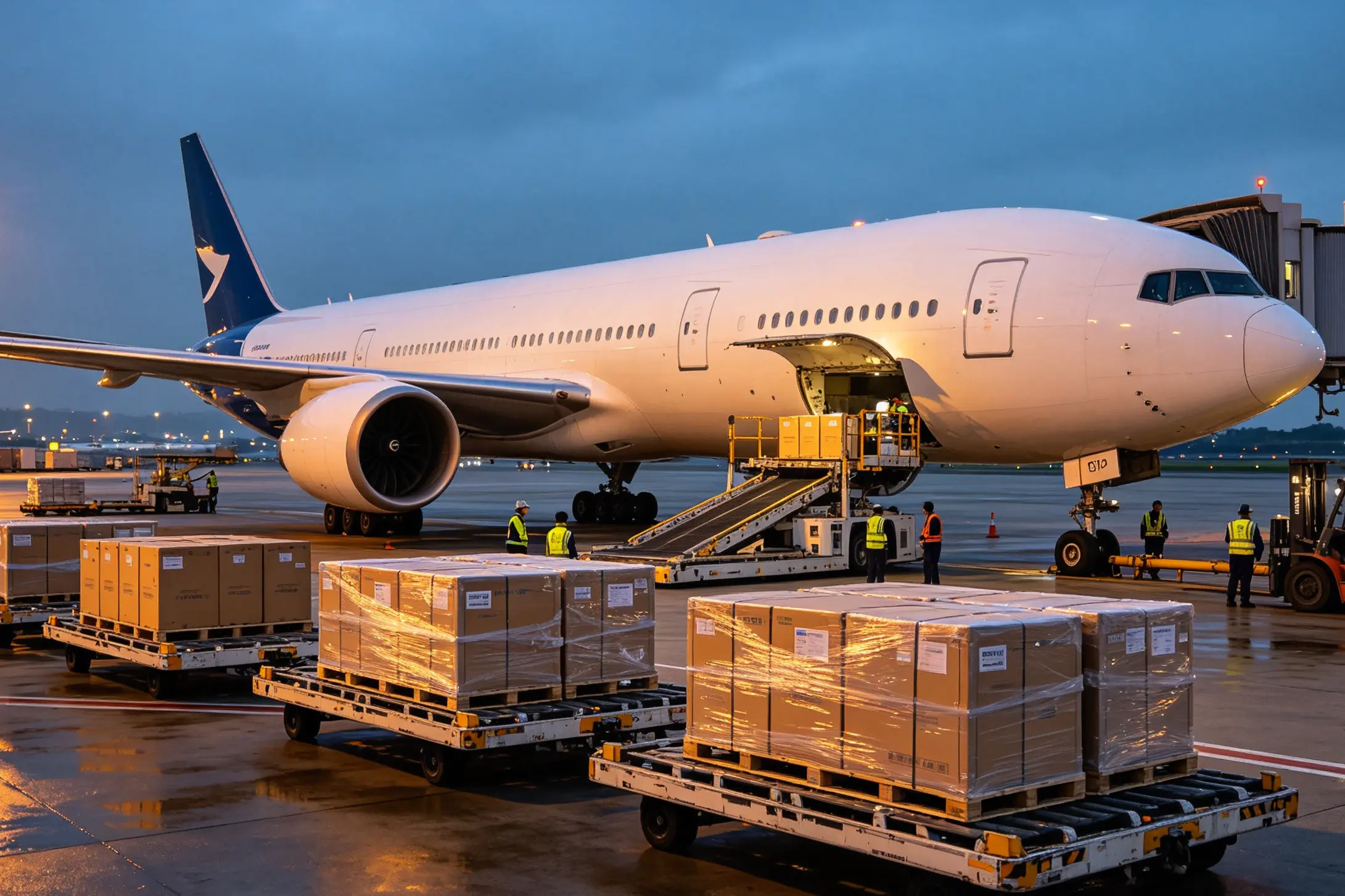
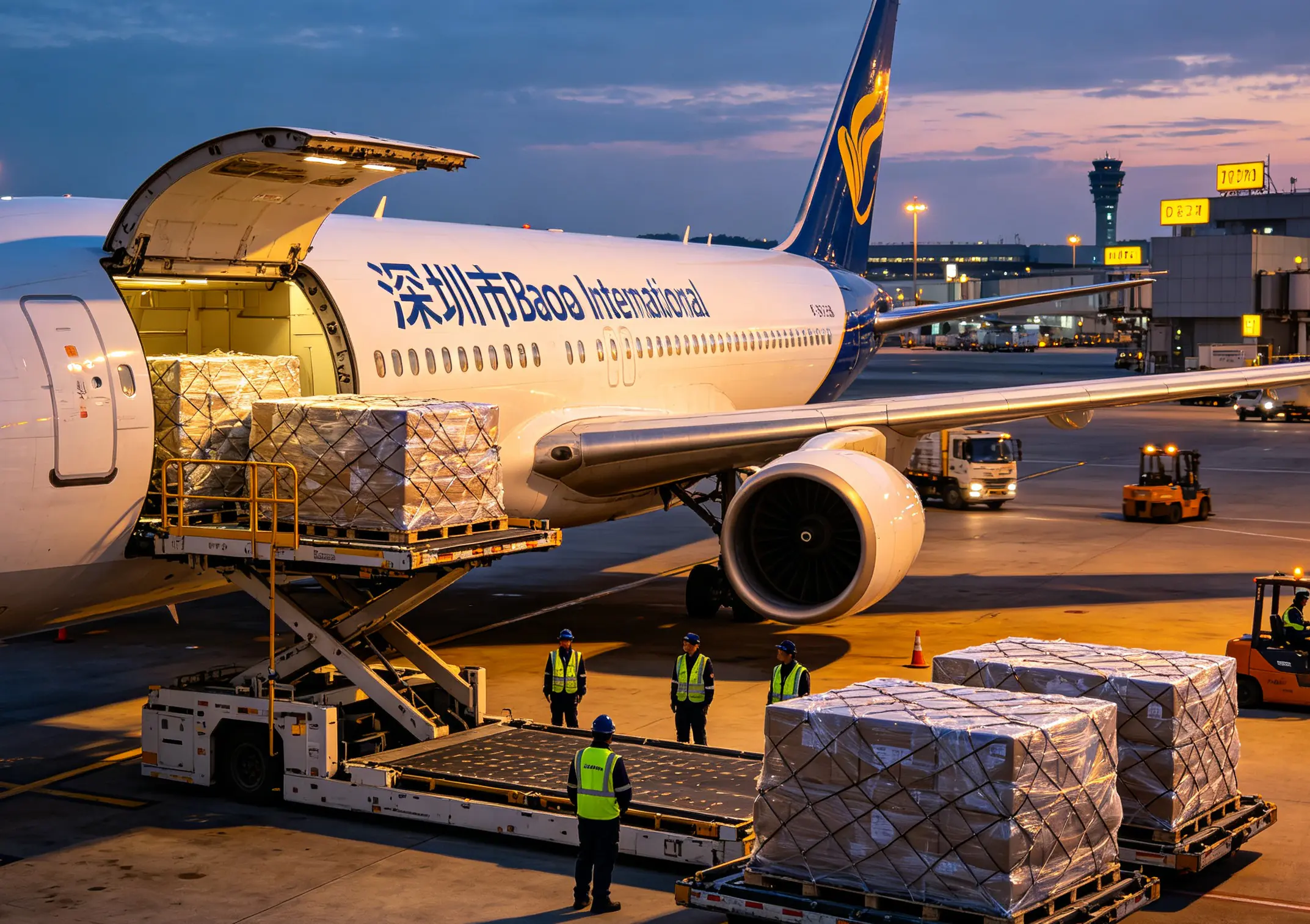
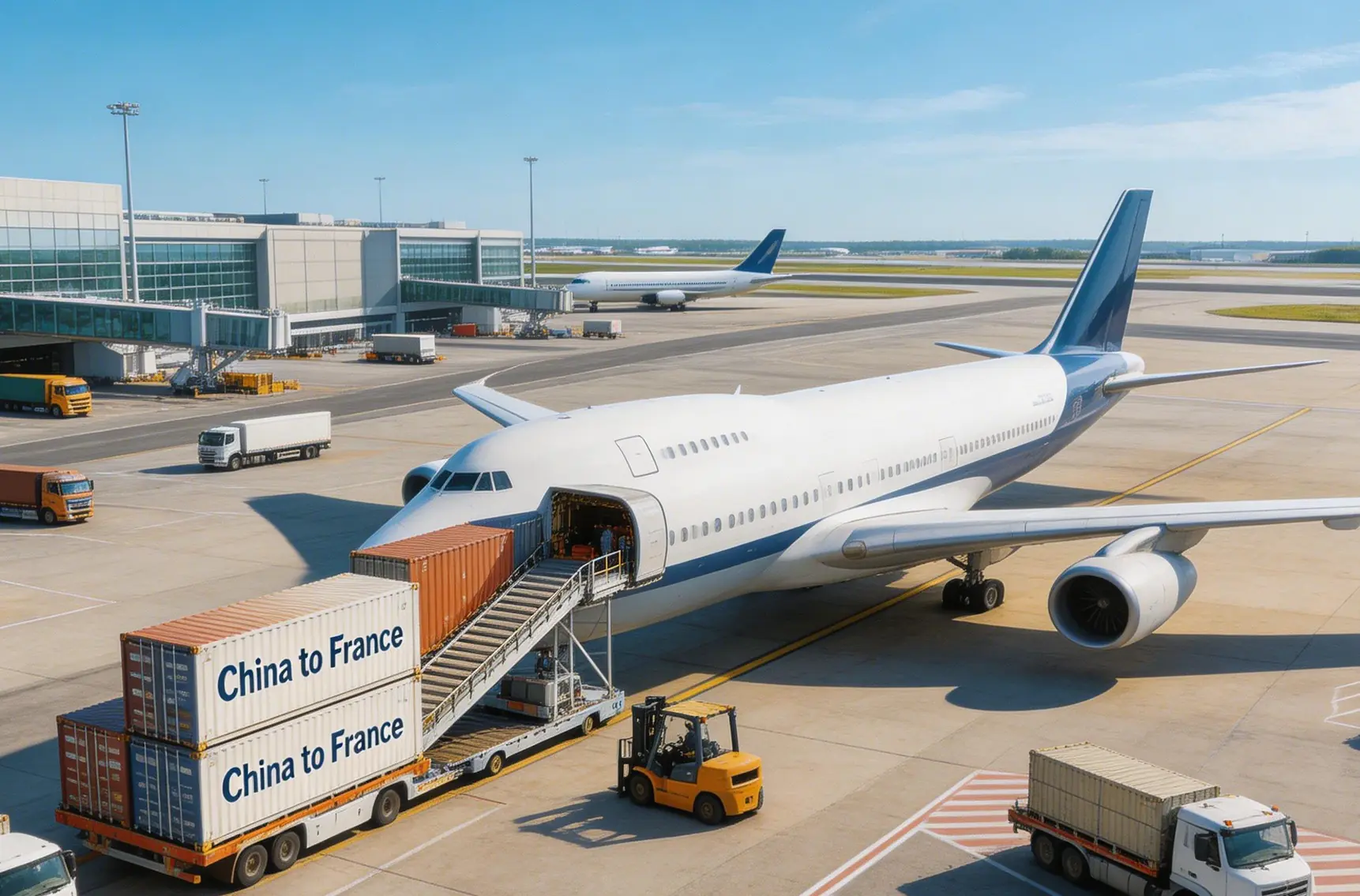
In the fast-paced world of international trade, Air Shipping from China to France is the lifeline for businesses requiring speed, reliability, and precision. Whether you are shipping high-value electronics, urgent fashion samples, or critical machinery parts, air freight offers a transit time of just 3-7 days—weeks faster than sea freight. However, 2026 brings significant regulatory changes, including full ICS2 implementation and the removal of the €150 de minimis duty threshold, making compliance more complex than ever. At Efanda, we specialize in navigating these skies, ensuring your cargo lands safely and clears customs without delay.
This comprehensive guide will walk you through everything you need to know about air freight from China to France in 2026, including transit times, cost structures, critical regulations, and how to choose the right service for your business.
1. Why Choose Air Freight from China to France?
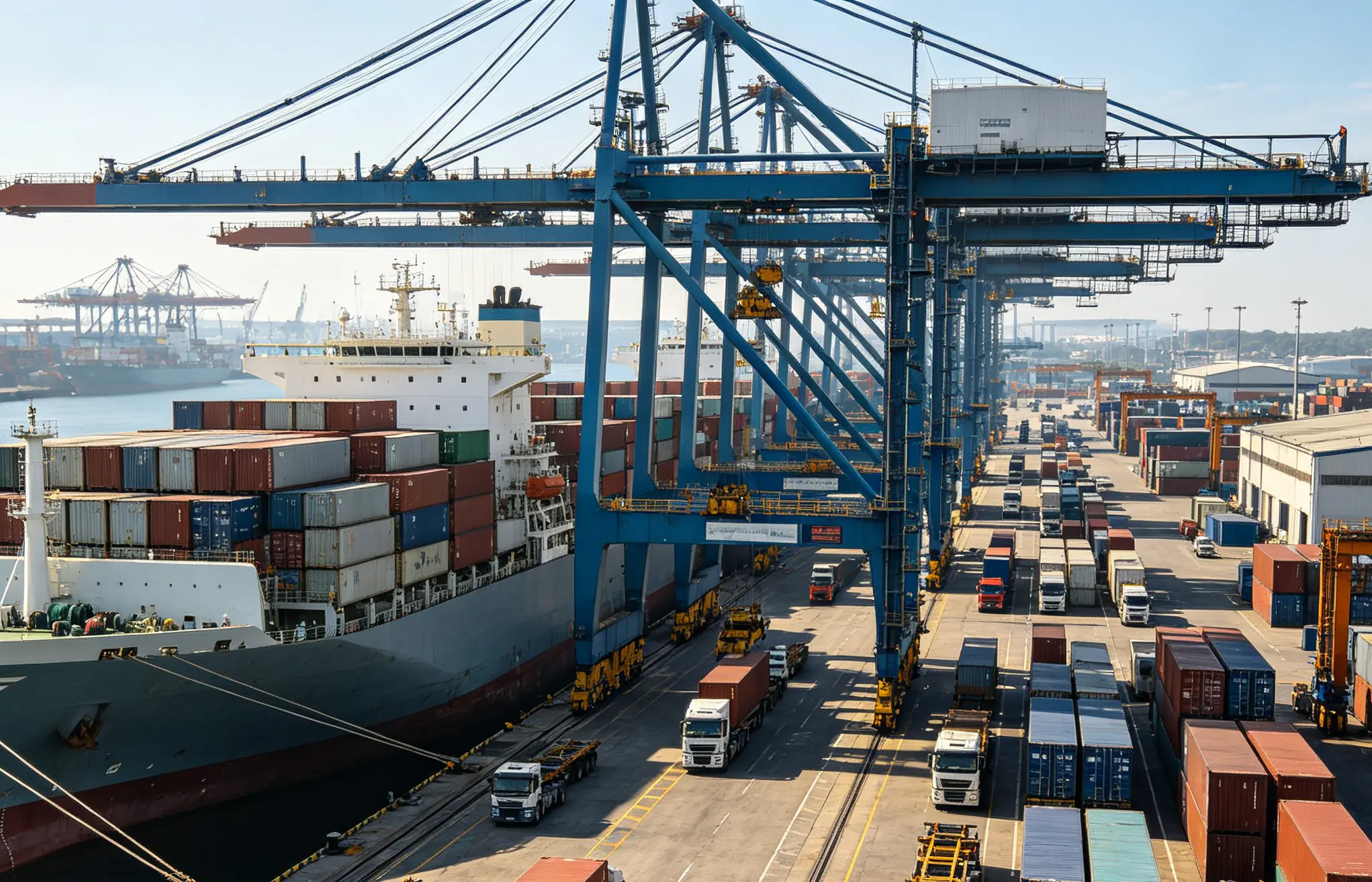
When your supply chain demands agility, air freight is the undisputed champion. While sea freight remains the most economical choice for bulk shipments, it comes with a trade-off: time. Transit times from Chinese ports to Le Havre or Fos-sur-Mer can easily exceed 35-45 days. In contrast, Air Shipping from China to France cuts this down to a matter of days.
According to the International Air Transport Association (IATA), air cargo transports over $6 trillion worth of goods annually, representing 35% of global trade by value. This mode is indispensable for high-value and time-sensitive supply chains.
Speed: The Competitive Edge
The primary advantage is speed. A direct flight from Shanghai (PVG) to Paris (CDG) takes approximately 12 hours. Even with ground handling, customs clearance, and local delivery, the total transit time for a standard air freight shipment is typically 3-7 days. For businesses launching new products or replenishing stock to meet unexpected demand, this speed is invaluable.
Reliability and Predictability
Air freight schedules are highly reliable. Unlike sea freight, which can be plagued by port congestion, blank sailings, and weather delays, flights operate on strict timetables. Daily departures from major Chinese hubs like Shenzhen, Guangzhou, and Shanghai mean that if you miss one flight, your cargo can usually be on the next one within 24 hours.
Security for High-Value Goods
Airports have rigorous security protocols, making air freight the safest option for high-value goods such as electronics, luxury fashion, and pharmaceuticals. The risk of theft and damage is significantly lower compared to the multiple handling points involved in LCL (Less than Container Load) sea shipments. For added peace of mind, consider our cargo insurance services to fully protect your investment.
Inventory Control: “Just-in-Time” (JIT) Strategies
By leveraging the speed of air freight, businesses can adopt Just-in-Time (JIT) inventory strategies. Instead of tying up capital in large warehouses full of stock, you can order smaller quantities more frequently. This reduces storage costs and minimizes the risk of holding obsolete inventory—a critical factor for the fast-moving consumer goods (FMCG) and fashion industries. Our warehouse services can further assist in optimizing your inventory flow.
2. Key Airports for Air Cargo from China to France
Understanding the geography of air logistics is key to optimizing your route and costs. China and France are connected by a network of major international airports that serve as critical hubs for global trade.
Major Chinese Origins
Choosing the right departure airport can save you money and time.
- PVG (Shanghai Pudong International Airport): As one of the world’s busiest cargo airports, PVG is the top choice for East China cargo. It offers the highest frequency of direct flights to Europe and handles a vast array of general cargo.
- SZX (Shenzhen Bao’an International Airport) & CAN (Guangzhou Baiyun International Airport): These are the key gateways for South China, the world’s manufacturing powerhouse for electronics and e-commerce goods. If your supplier is in the Pearl River Delta, shipping via SZX or CAN is often faster and cheaper than trucking to Shanghai.
- HKG (Hong Kong International Airport): A crucial hub for special cargo. Unlike mainland China airports, HKG has more flexible regulations regarding lithium batteries and dangerous goods (DG). It also offers a wider range of airline options and flight connections.
- CGO (Zhengzhou) & CTU (Chengdu): These growing inland hubs are becoming increasingly important, offering competitive rates and relieving congestion from coastal airports.
Major French Destinations
- CDG (Paris Charles de Gaulle): France’s premier international airport and one of the busiest in Europe. It handles the vast majority of air cargo entering France and has excellent road and rail connections to the rest of the country and Europe. Visit the Paris Aéroport Official Site for more details on cargo facilities.
- LYS (Lyon Saint-Exupéry): Located in the heart of the Rhône-Alpes region, France’s second most important economic area. Shipping directly to LYS can be advantageous for industrial goods destined for this region.
- MRS (Marseille Provence): The main gateway for Southern France.
- NCE (Nice) & TLS (Toulouse): These airports serve specific regional needs, with Toulouse being particularly important for the aerospace industry.
3. Transit Time: How Long Does Air Shipping from China to France Take?
Time is money, but not all air freight services are created equal. The transit time depends on the service level you choose and the complexity of the route.

- Airport-to-Airport: This is the time it takes for the plane to fly from the origin airport to the destination airport. It typically takes 3-5 days, including cargo handling at both ends.
- Door-to-Door: This service includes pickup from the supplier’s factory in China and final delivery to your warehouse in France. It typically takes 5-9 days, depending on customs clearance speed and the distance from the airport.
- Express (DHL/FedEx/UPS): The fastest option, usually taking 2-4 days. This is a fully integrated door to door shipping service where one company handles the entire chain.
Service Level Comparison Table
| Service Level | Route Example | Est. Transit Time | Best For |
|---|---|---|---|
| Standard Air | PVG to CDG | 3 – 5 Days | General Cargo (>100kg), Cost-effective balance |
| Express Air | SZX to CDG | 2 – 3 Days | Urgent Samples, Documents, High-value small parcels |
| Economical Air | HKG to CDG | 5 – 7 Days | Cost-sensitive E-commerce, Deferrable shipments |
Note: Transit times are estimates and can be affected by customs inspections, weather, and peak season congestion.
4. Air Shipping Process: A Step-by-Step Guide
Navigating the skies requires precision. Here is how Efanda manages your shipment from start to finish.

- Booking & Quote: You provide cargo details (weight, dimensions, commodity). We secure space with the airline.
- Pickup & Documentation: We collect goods from your supplier. Critical documents (Commercial Invoice, Packing List) are verified.
- Export Customs (China): We file the export declaration. ICS2 data is submitted to EU customs before loading.
- Air Transit: Cargo is loaded and flown to France (e.g., CDG, LYS).
- Import Customs (France): Upon arrival, we handle import clearance, duty/VAT payment (for DDP).
- Final Delivery: Goods are trucked to your warehouse or Amazon FBA center.
5. Cost Analysis: Air Freight Rates from China to France
Air freight rates are dynamic and can fluctuate based on fuel prices, demand, and capacity. Understanding how these rates are calculated will help you budget effectively.
How Rates are Calculated: The Chargeable Weight
In air freight, you pay for either the Actual Weight (gross weight) or the Volumetric Weight (dimensional weight), whichever is higher. This is known as the Chargeable Weight.
- Actual Weight: The weight of the cargo on the scale (e.g., 500 kg).
- Volumetric Weight: Calculated based on the volume of the cargo.
- Formula:
(Length x Width x Height cm) / 6000 - Example Calculation:
- You have 10 boxes. Each box is 60cm x 50cm x 40cm and weighs 15kg.
- Total Actual Weight: 10 boxes * 15kg = 150 kg.
- Total Volume: 10 * (60 * 50 * 40) = 1,200,000 cm³.
- Volumetric Weight: 1,200,000 / 6000 = 200 kg.
- Chargeable Weight: Since 200kg > 150kg, the airline will charge you for 200 kg.
- Formula:
2026 Rate Trends
As we move into 2026, several factors are influencing air freight rates:
- Fuel Surcharges: Fluctuations in global oil prices directly impact the Fuel Surcharge (FSC), which is a significant component of the total air freight cost.
- Seasonal Peaks: Rates spike during peak seasons, particularly in the weeks leading up to Chinese New Year (CNY) (Jan/Feb) and the Black Friday/Christmas shopping season (Oct-Dec). Planning ahead and booking space early is crucial during these times.
Hidden Costs to Watch Out For
When comparing quotes, make sure you are looking at the “all-in” cost. Be aware of these potential extra charges:
- Security Surcharge (SSC): A fee for security screening of cargo (approx. $0.15/kg).
- Terminal Handling Charges (THC): Fees charged by the airport terminals for handling cargo (approx. $0.20/kg).
- Customs Brokerage Fees: The cost for a customs broker to file your import declaration ($50 – $100 per entry).
- Trucking Fees: Costs for pickup in China and delivery in France (varies by distance).
- Documentation Fee: Airline documentation and AWB fees ($20 – $50).
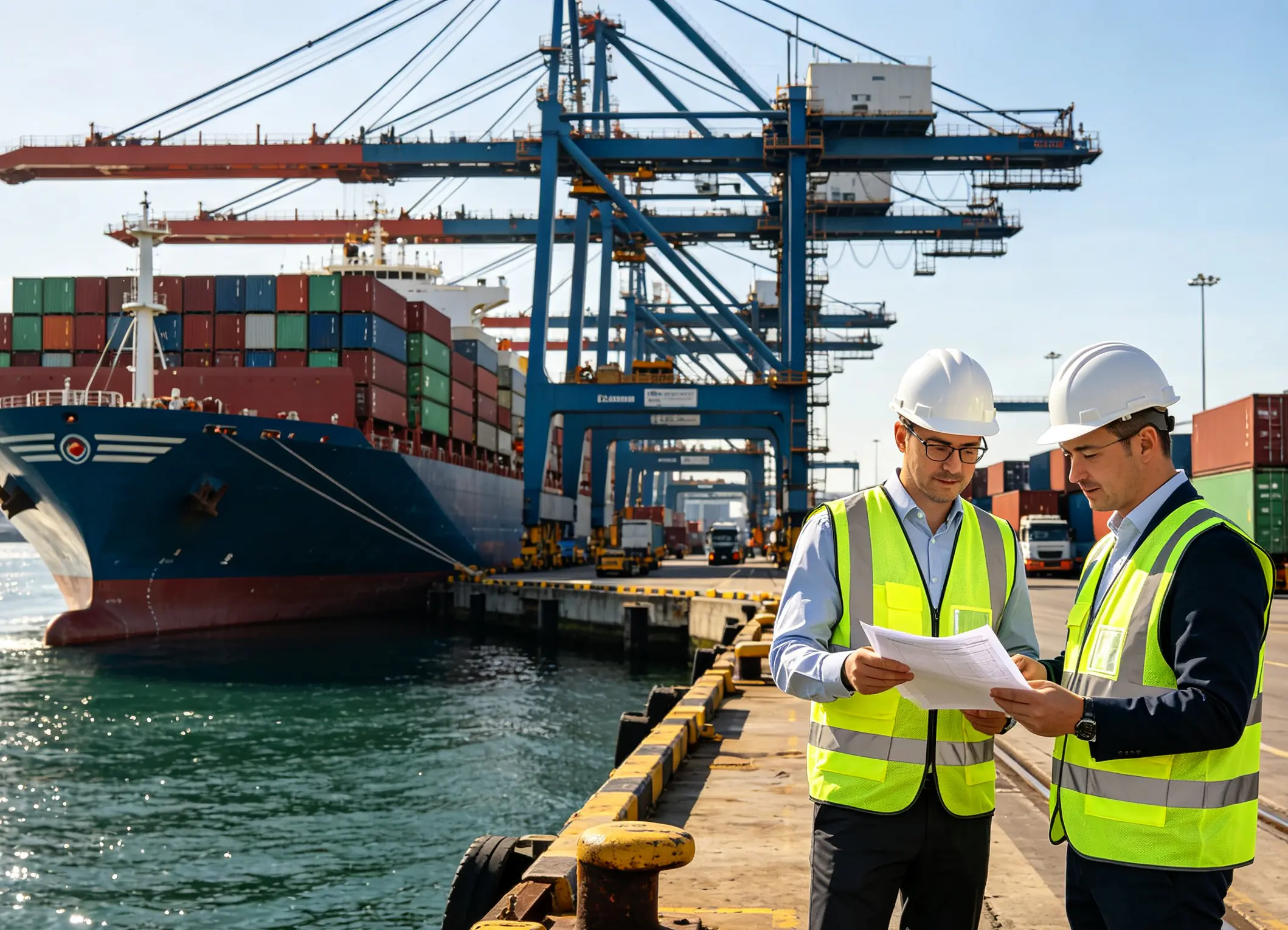
6. Critical Regulations (2026): ICS2 & Customs Clearance in France
Compliance is the bedrock of successful international logistics. In 2026, the regulatory landscape for shipping to the EU has become stricter, with a focus on security and data transparency.
ICS2 (Import Control System 2): The New Standard
The EU’s Import Control System 2 (ICS2) is now fully implemented for air cargo. This security system requires the submission of detailed data about the cargo before it is loaded onto the aircraft in China. You can find official details on the European Commission’s ICS2 page.
- Mandatory Pre-loading ENS: The Entry Summary Declaration (ENS) must be filed with EU customs authorities prior to loading.
- Data Requirements: You must provide the 6-digit HS Code for each item and the consignee’s EORI number.
- The Risk: If the data is missing, incomplete, or incorrect, the airline will refuse to load your cargo. Non-compliance can lead to severe delays, fines, and cargo being stranded in China.
End of De Minimis (€150 Threshold)
A major change impacting e-commerce importers is the removal of the €150 de minimis duty threshold.
- Before: Goods valued under €150 were exempt from customs duty (though VAT still applied).
- From Mid-2026: All imported goods entering the EU, regardless of their value, will be subject to customs duty and VAT. Refer to the French Customs (Douane France) website for the latest duty rates.
- Impact: This levels the playing field for EU retailers but increases costs and administrative burdens for dropshippers and Amazon FBA sellers importing low-value goods from China. Accurate valuation and classification of goods are now more critical than ever.
CBAM (Carbon Border Adjustment Mechanism)
The Carbon Border Adjustment Mechanism (CBAM) is the EU’s tool to fight carbon leakage. While initially targeting heavy industries, its reporting requirements are expanding. Importers of carbon-intensive goods like steel, aluminum, cement, and fertilizers must report the embedded emissions of their imports. Ensure your suppliers in China can provide the necessary emissions data to avoid penalties. More information is available on the EU CBAM portal.
7. DDP Air Shipping from China to France: The Hassle-Free Option
For many businesses, especially small to medium-sized enterprises (SMEs) and e-commerce sellers, navigating customs duties and VAT can be a headache. This is where DDP (Delivered Duty Paid) services shine.
What is DDP?
Under Incoterms® 2020 rules, DDP means the seller (or in this case, the freight forwarder, Efanda Logistics) takes maximum responsibility. We handle the entire shipping process from your supplier’s door in China to your door in France.
- Our Responsibilities: Pickup, export declaration in China, air freight, import customs clearance in France, payment of all import duties and VAT, and final delivery.
- Your Benefit: You receive the goods without having to deal with customs authorities or pay unexpected fees upon arrival. The price you are quoted is the final price you pay.
Why DDP Matters in 2026
With the removal of the de minimis threshold and stricter ICS2 checks, the complexity of importing has increased. DDP services simplify this by bundling all costs and compliance tasks. It is the ideal solution for Amazon FBA sellers who need goods delivered directly to Amazon fulfillment centers in France without being the importer of record.
8. Case Study: Urgent Electronics Shipment to Lyon
To demonstrate our capabilities, here is a recent success story from Q1 2026.
Challenge: A French electronics retailer needed 500kg of new tablet accessories delivered from Shenzhen to Lyon (LYS) within 4 days for a product launch. Missing the deadline meant losing a key contract.
Solution:
- Route: Direct flight via Air China (CA) from Shenzhen (SZX) to Frankfurt (FRA), then trucking to Lyon. This was chosen because direct space to LYS was fully booked.
- Speed: Pickup in Shenzhen on Monday morning. Flight departed Tuesday. Arrived FRA Wednesday. Trucked to Lyon Thursday.
- Compliance: We pre-filed ICS2 data 24 hours before loading to ensure no “Do Not Load” order.
- Outcome: Goods arrived at the client’s warehouse on Thursday afternoon, just in time for the Friday launch.
Key Takeaway: Flexibility is key. When direct flights are full, our network allows us to route via major hubs like Frankfurt or Amsterdam to meet your deadline.
9. Why Choose Efanda Logistics for Your Air Cargo?
At Efanda Logistics, we are more than just a freight forwarder; we are your strategic partner in global trade.
- ICS2 Compliance Experts: Our team is fully trained on the latest ICS2 requirements. We vet your data before submission to ensure zero delays at origin.
- Competitive Rates: We leverage our long-standing contracts and volume agreements with major airlines like Air China (CA), Air France (AF), and Cathay Pacific (CX) to secure the best rates and space priority for our clients.
- Special Cargo Expertise: We have extensive experience handling complex shipments, including Lithium Batteries (DG), oversized machinery, and temperature-sensitive pharmaceuticals. We know which airlines and routes are best suited for your specific cargo needs.
- Local Presence: With teams in Shenzhen and partners in Paris, we bridge the gap between Chinese suppliers and the French market, ensuring seamless communication and execution.
10. FAQ: Air Shipping from China to France
Q: What documents are required for air shipping to France?
A: You typically need a Commercial Invoice, Packing List, and the Air Waybill (AWB). For specific goods, you may also need a Certificate of Origin, CE Certificate (for electronics/toys), or a Battery Declaration (MSDS/UN38.3) for lithium batteries.
Q: What is the difference between chargeable weight and gross weight?
A: Gross weight is the actual weight of your cargo. Chargeable weight is the greater of the gross weight or the volumetric weight (calculated as L x W x H cm / 6000). You are billed based on the chargeable weight.
Q: How does the 2026 removal of the €150 duty exemption affect my small parcels?
A: It means you will now have to pay customs duty on every shipment, regardless of value, in addition to VAT. This may increase your landed cost for low-value items.
Q: Can Efanda ship batteries from Shenzhen to Paris?
A: Yes, we specialize in shipping lithium batteries and other dangerous goods. We primarily use Hong Kong (HKG) as the gateway for these shipments due to more flexible regulations and specialized airline services.
Q: How long does customs clearance take at CDG airport?
A: Standard customs clearance at Charles de Gaulle (CDG) airport typically takes 1-2 days, provided all documentation (commercial invoice, packing list, certificates) is correct and submitted in advance.
Q: Do I need an EORI number for air freight to France?
A: Yes, an EORI (Economic Operators Registration and Identification) number is mandatory for all businesses importing goods into the EU. You must provide this number for the customs declaration and ICS2 filing.
Ready to ship? Contact Efanda Logistics today for a free quote and let us optimize your air shipping strategy from China to France.