Are you looking for the cheapest shipping from China to Australia without compromising on reliability? As a team of veteran freight forwarders managing thousands of TEUs annually, we know that balancing shipping costs and transit times is crucial for importers, brand owners, and e-commerce sellers striving to maintain healthy profit margins in 2026. This comprehensive, updated guide will break down the most cost-effective shipping methods, expose hidden fees you must avoid, and provide actionable, real-world tips to optimize your logistics budget from origin to destination.
What is the Cheapest Way to Ship from China to Australia?
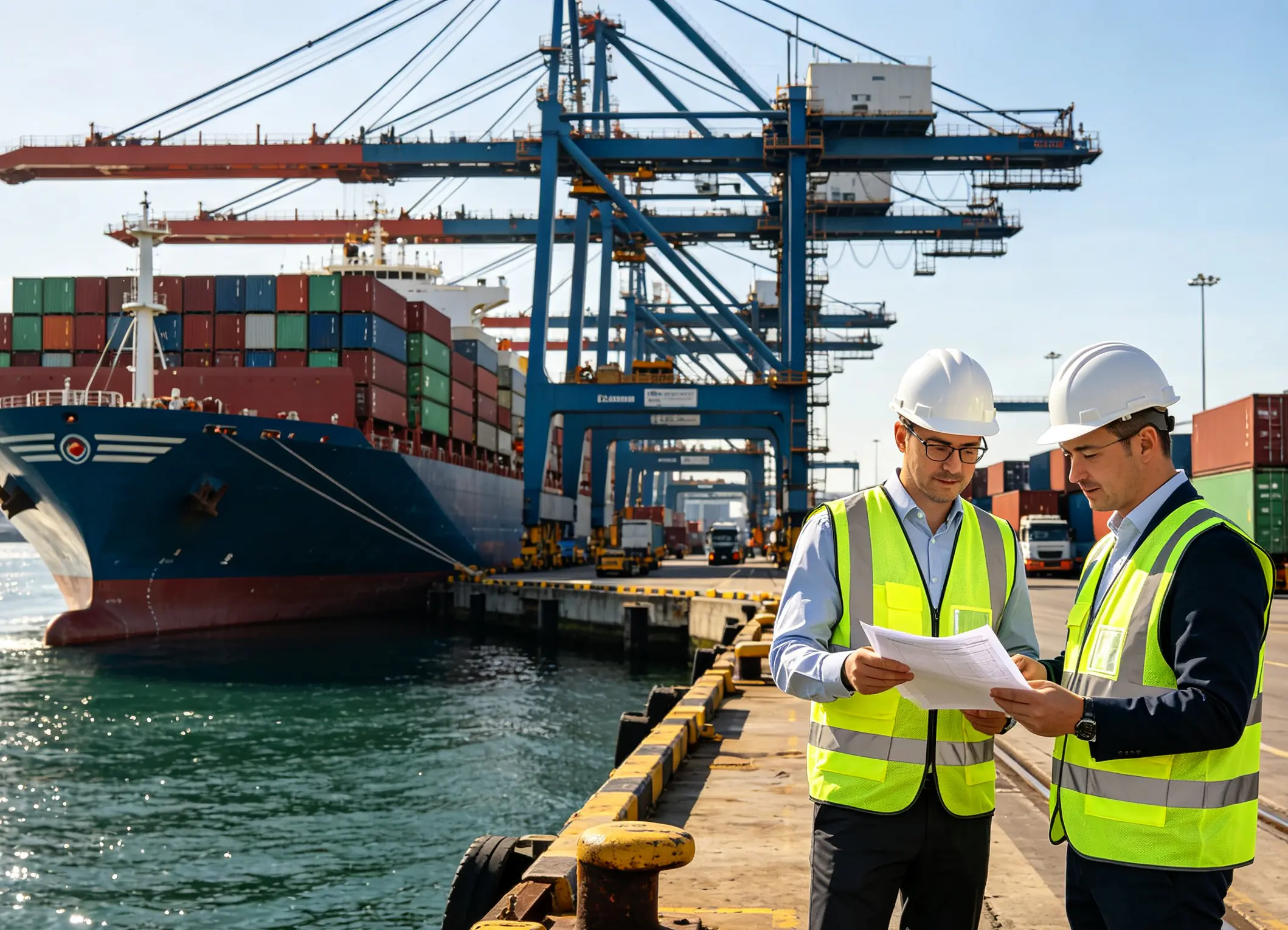
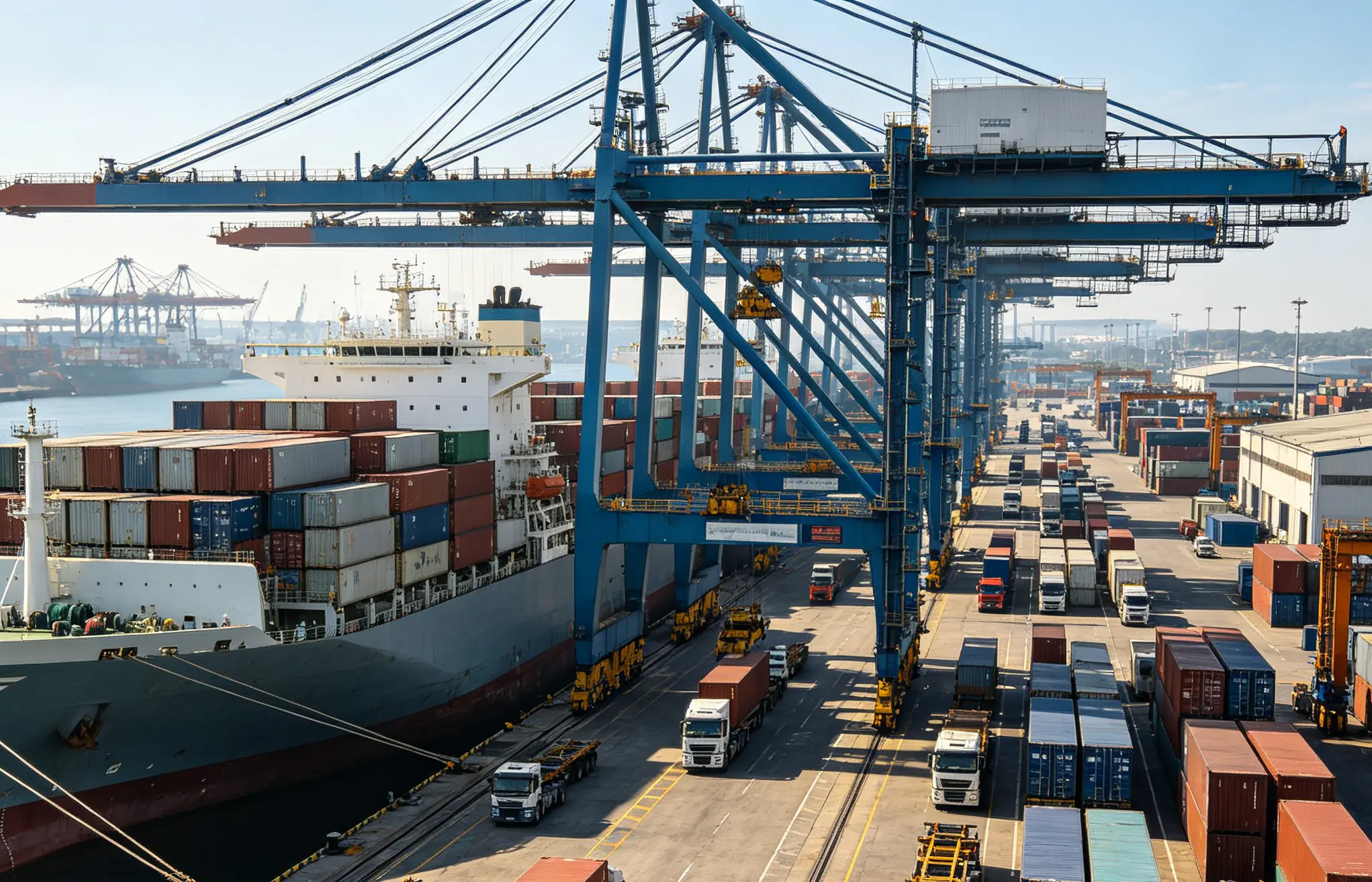
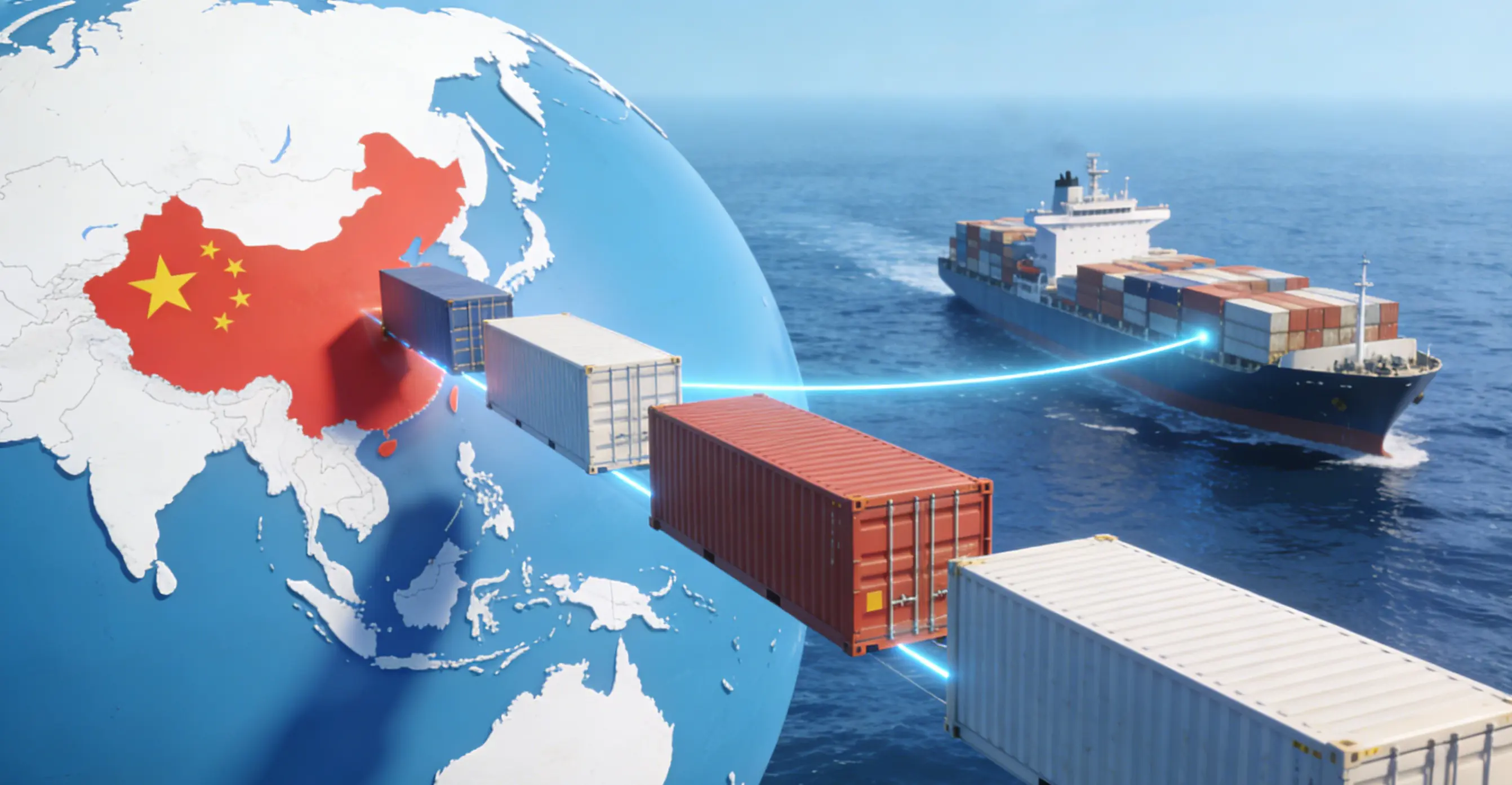
The cheapest way to ship from China to Australia is generally Sea Freight, utilizing Less than Container Load (LCL) for smaller shipments under 15 CBM, and Full Container Load (FCL) for larger volumes.
When choosing sea freight, you are trading speed for massive cost savings. FCL is ideal when you have enough cargo to fill a 20ft or 40ft container, offering the lowest cost per unit. You rent the entire container, which also minimizes handling risks. LCL, on the other hand, is perfect for medium-sized shipments. Your cargo shares container space with other importers, meaning you only pay for the volume (CBM) you use. Standard transit times for sea freight typically range from 15 to 25 days, depending on the specific port of origin in China (like Shenzhen or Shanghai) and the destination port in Australia (like Sydney or Melbourne).
Sea Freight vs. Air Freight: Shipping Cost and Time Comparison
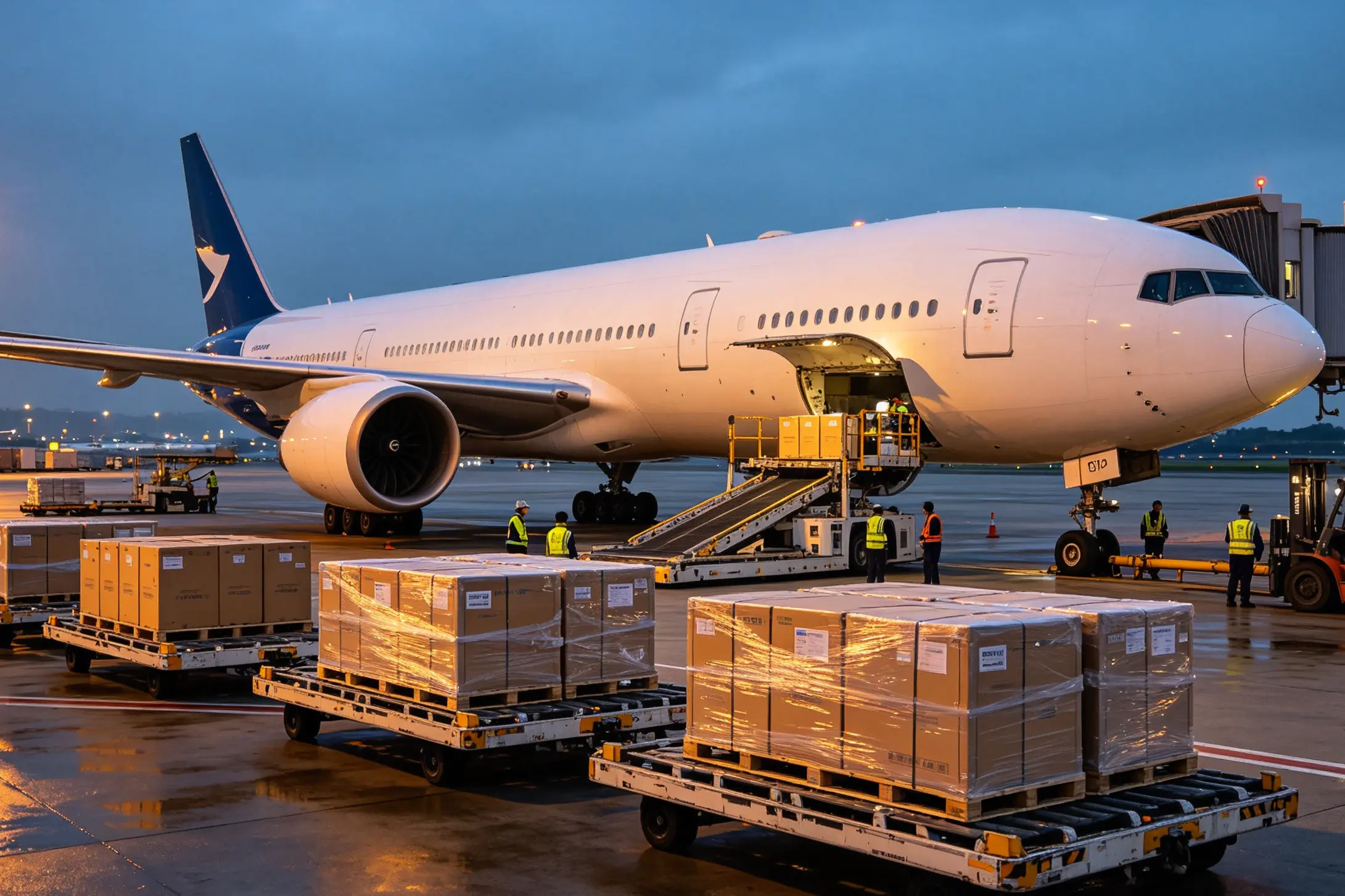
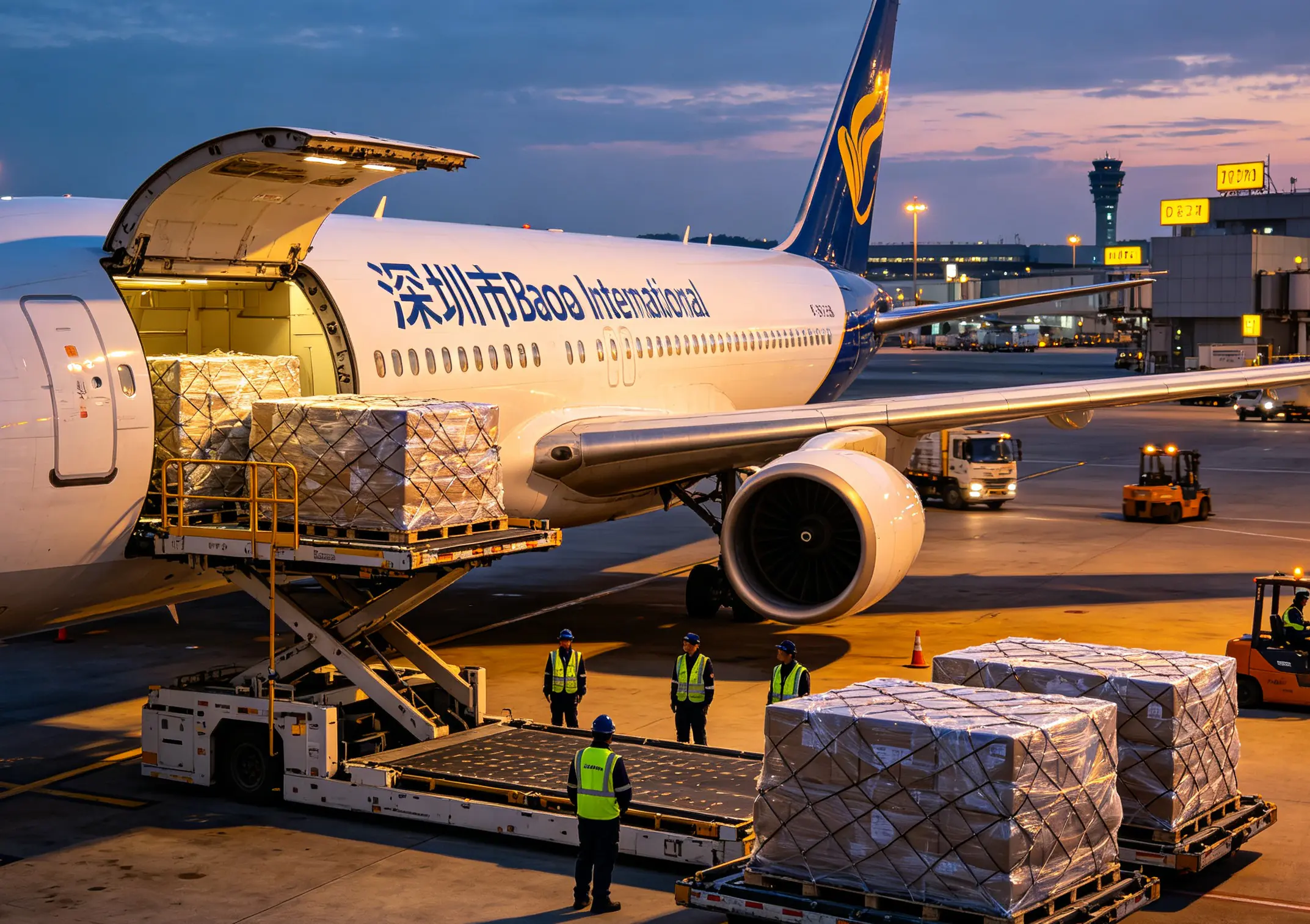
While sea freight offers the cheapest shipping from China to Australia, air freight is significantly faster but costs 4 to 6 times more per kilogram.
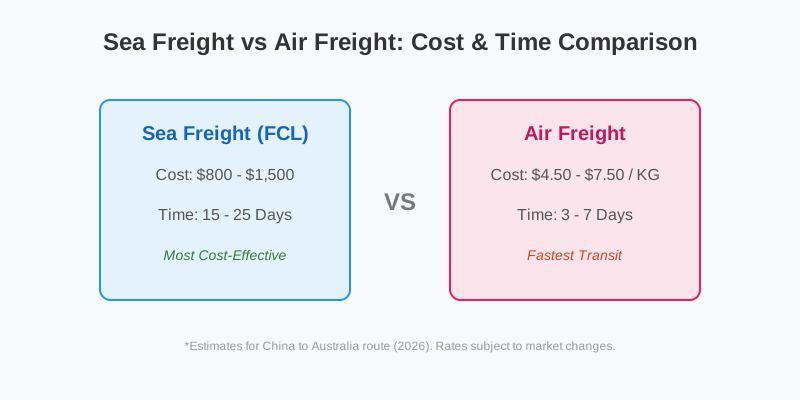
To help you make an informed decision based on your inventory needs, here is a detailed breakdown of average costs and transit times for 2026:
| Shipping Method | Average Cost (2026 Est.) | Transit Time | Best For |
|---|---|---|---|
| Sea Freight (FCL 20ft) | $800 – $1,500 per container | 15 – 25 Days | Large volume, non-urgent, heavy goods |
| Sea Freight (LCL) | $50 – $120 per CBM | 18 – 30 Days | Medium volume (1-15 CBM) |
| Air Freight | $4.50 – $7.50 per KG | 3 – 7 Days | Urgent, high-value, or lightweight goods |
Disclaimer: The rates and transit times mentioned in this article are estimates based on Q1 2026 market conditions and are for informational purposes only. Freight markets are highly volatile; always consult with a licensed freight forwarder for exact pricing and customs compliance.
As the data shows, air freight is the go-to for urgent restocking or high-margin electronics, but it quickly eats into profits for bulky items. Sea freight remains the undisputed champion for cost reduction. The key is to forecast your inventory accurately so you do not have to rely on expensive air freight to prevent stockouts.
Hidden Costs to Avoid When Shipping from China to Australia
Importers seeking the cheapest shipping from China to Australia often overlook hidden costs like customs duties, GST (10%), demurrage, and detention fees, which can quickly inflate the final bill.

Understanding the complete cost breakdown is essential. First, the Australian government imposes a 10% Goods and Services Tax (GST) on most imported goods, calculated based on the Value of the Taxable Importation (VoTI). According to the Australian Border Force (ABF), this includes the customs value of the goods, international transport and insurance costs, and any applicable customs duty.
Secondly, destination port charges can be a nasty surprise. In our experience, if you fail to pick up your cargo or return the empty container within the free time allotted by the carrier, you will be hit with hefty Demurrage and Detention (D&D) fees—sometimes exceeding $100 per day. Finally, the Incoterms® rules you negotiate with your Chinese supplier play a massive role. As defined by the International Chamber of Commerce (ICC), buying EXW (Ex Works) might look cheaper initially, but you bear all local origin costs and export clearance risks in China. FOB (Free on Board) is usually more transparent and cost-effective for sea freight.
3 Actionable Tips to Secure the Cheapest Shipping from China to Australia
You can secure the cheapest shipping from China to Australia by consolidating shipments, optimizing your packaging, and planning ahead to avoid peak season surcharges.

Here are three proven strategies to lower your logistics spend:
- Consolidate LCL into FCL: If you source from multiple suppliers in China, use a freight forwarder’s warehouse services to consolidate all your LCL shipments into a single FCL container. This significantly lowers your unit cost and reduces destination handling fees.
- Optimize Packaging: Both air and sea freight carriers charge based on either actual weight or volumetric (dimensional) weight, whichever is greater. By minimizing dead space in your cartons and using lighter packing materials, you can drastically reduce volumetric weight charges.
- Plan Ahead to Avoid Peak Seasons: Shipping rates skyrocket during peak seasons, particularly in the weeks leading up to Chinese New Year (CNY) and the Q4 holiday rush. Plan your inventory and ship well in advance to avoid Peak Season Surcharges (PSS) and space constraints. For the latest updates on global shipping indices, you can monitor the Shanghai Containerized Freight Index (SCFI).
How Efanda Logistics Provides Cost-Effective Shipping
Efanda Logistics provides tailored, cost-effective shipping solutions from China to Australia by leveraging direct carrier contracts and optimized routing.
We understand that every dollar counts. Our team specializes in buyer’s consolidation, transparent door-to-door pricing, and seamless customs clearance in both China and Australia. By partnering with us, you eliminate the middlemen and gain access to wholesale freight rates, ensuring your supply chain remains highly competitive.
Ready to lower your logistics costs? Contact Efanda Logistics today for a free, customized shipping quote tailored to your specific business needs.
FAQ
Q1: How long does the cheapest shipping from China to Australia take?
The cheapest method, sea freight, typically takes 15 to 25 days for port-to-port transit. Door-to-door shipping will add an extra 3 to 7 days for customs clearance and final inland transport.
Q2: Is DDP cheaper than FOB for shipping to Australia?
Not necessarily. While DDP (Delivered Duty Paid) is highly convenient because the seller handles everything, Chinese suppliers often mark up the freight and duty costs to cover their risks. FOB combined with a reliable freight forwarder like Efanda usually results in lower, more transparent overall costs.
Q3: Do I need to pay GST on cheap imports from China?
Yes. Australia requires importers to pay a 10% GST on most imported goods, regardless of whether the shipment value is high or low. The GST is calculated on the total value of the goods plus shipping and insurance.