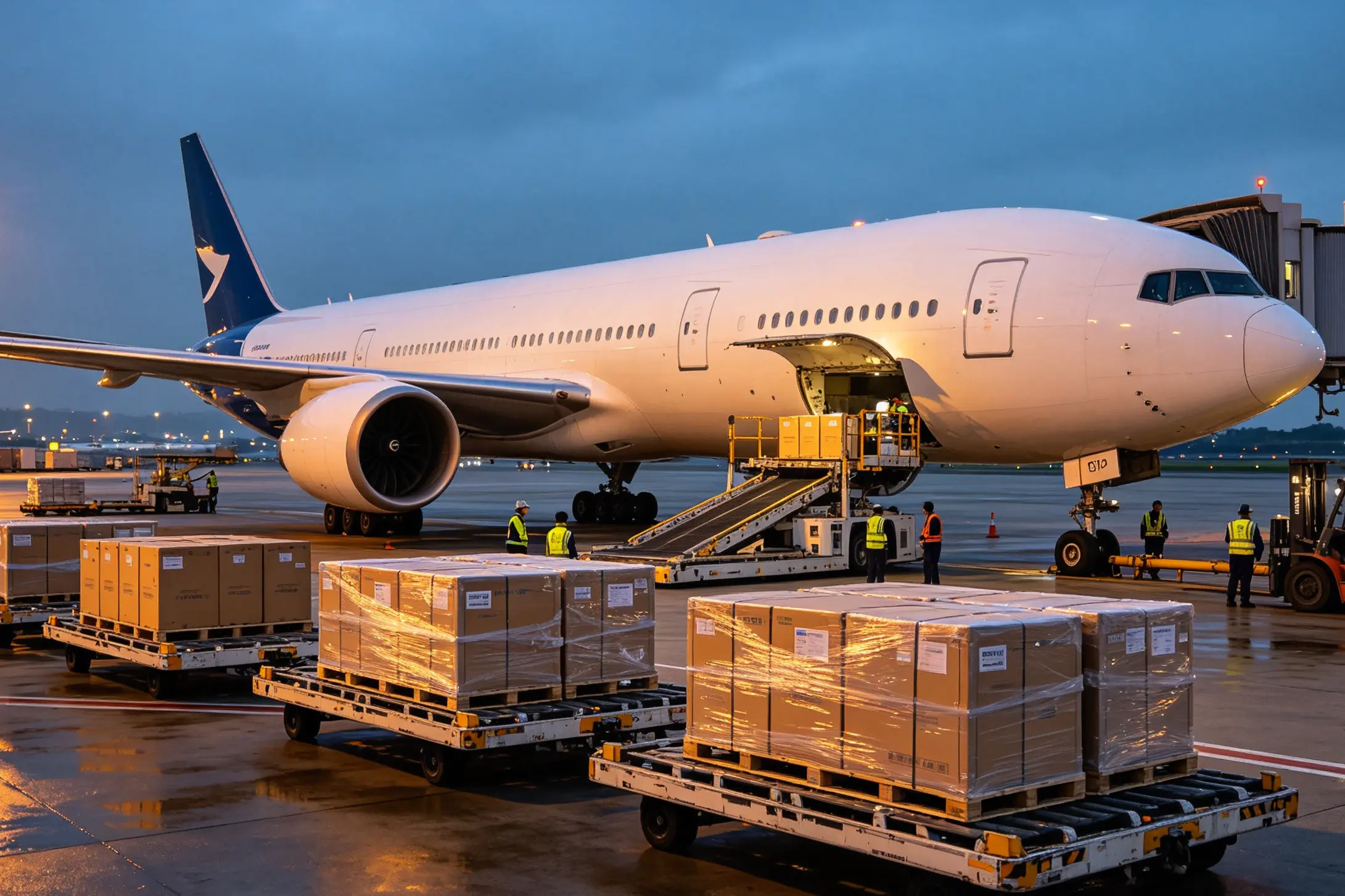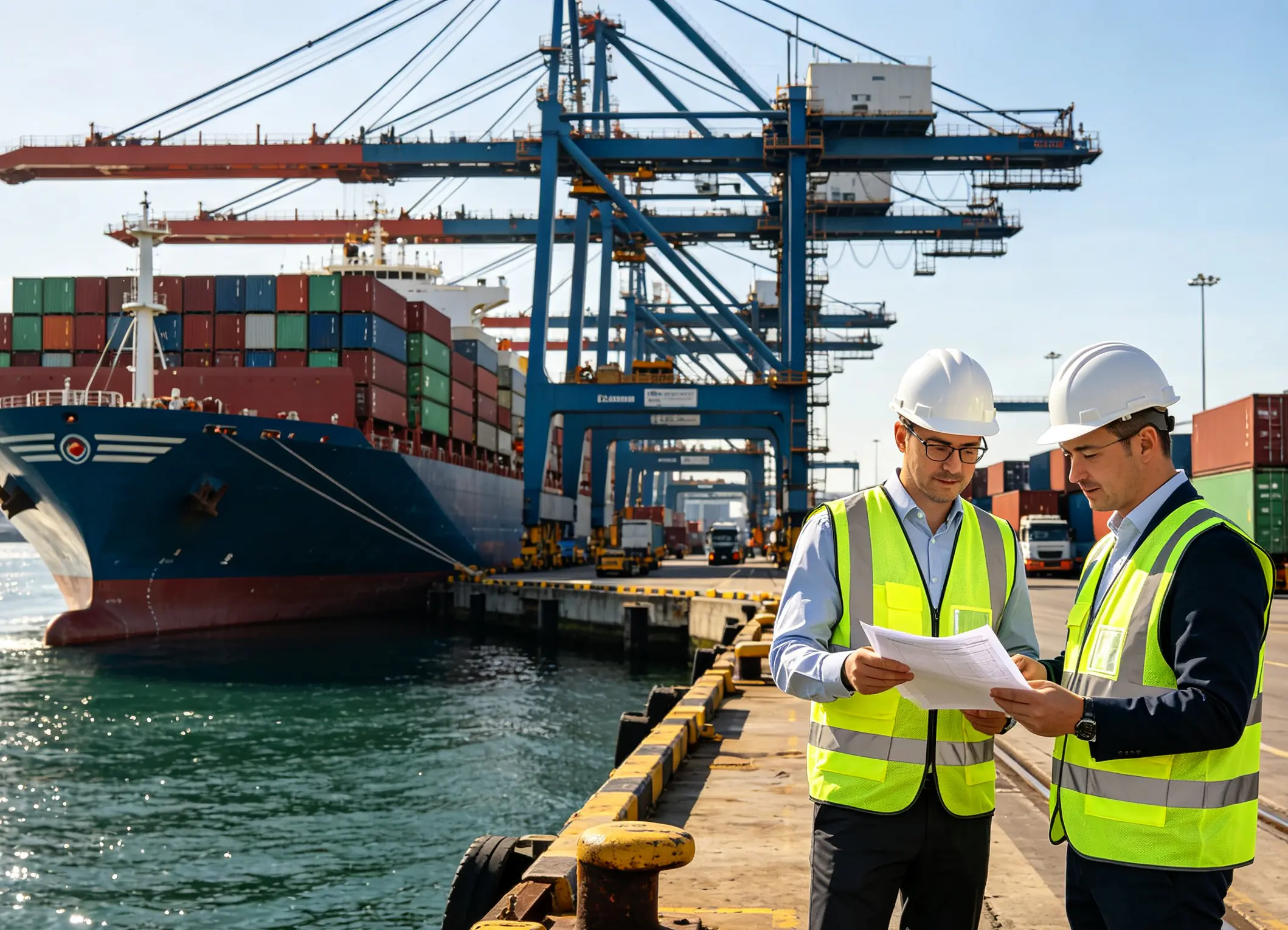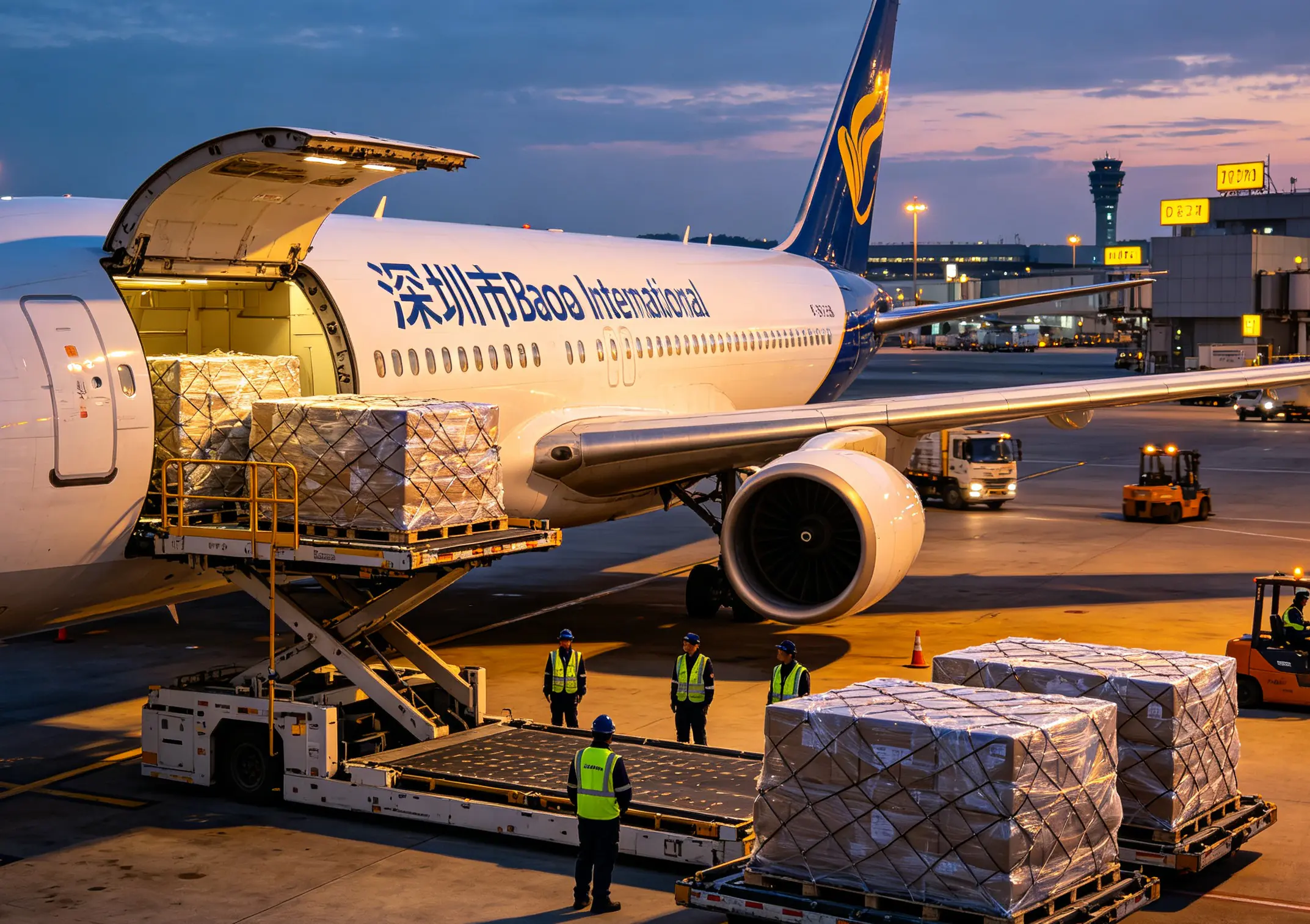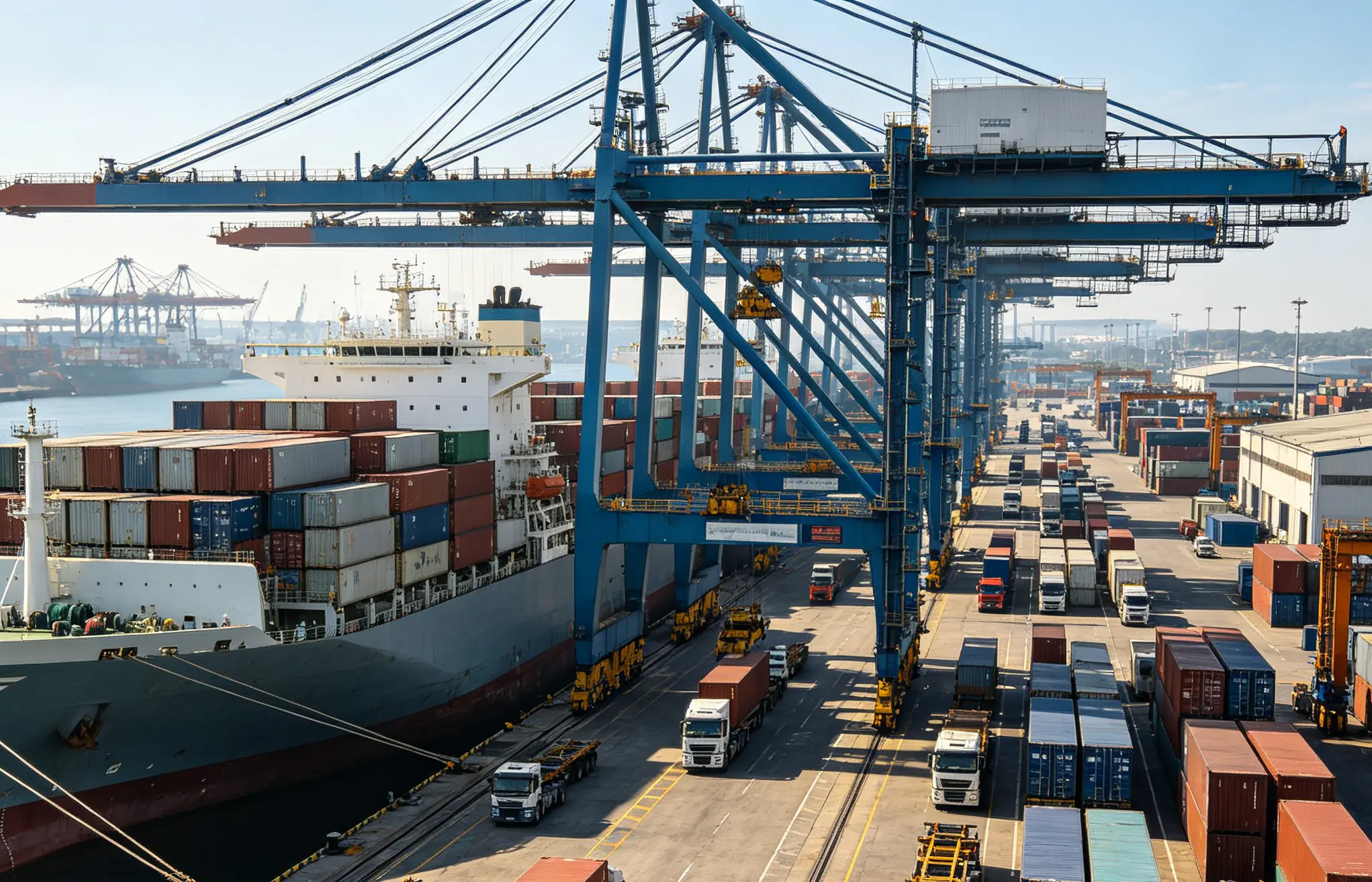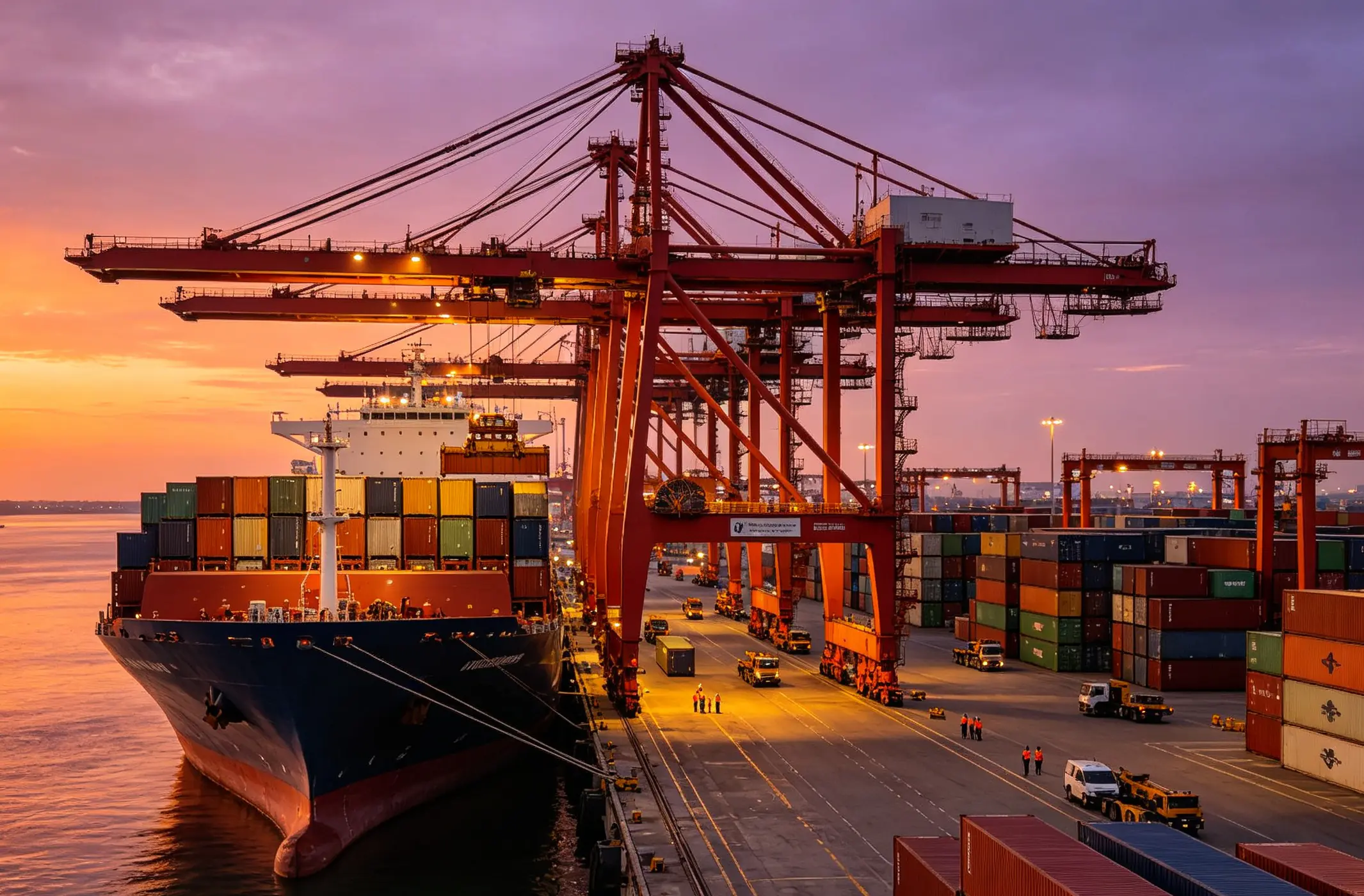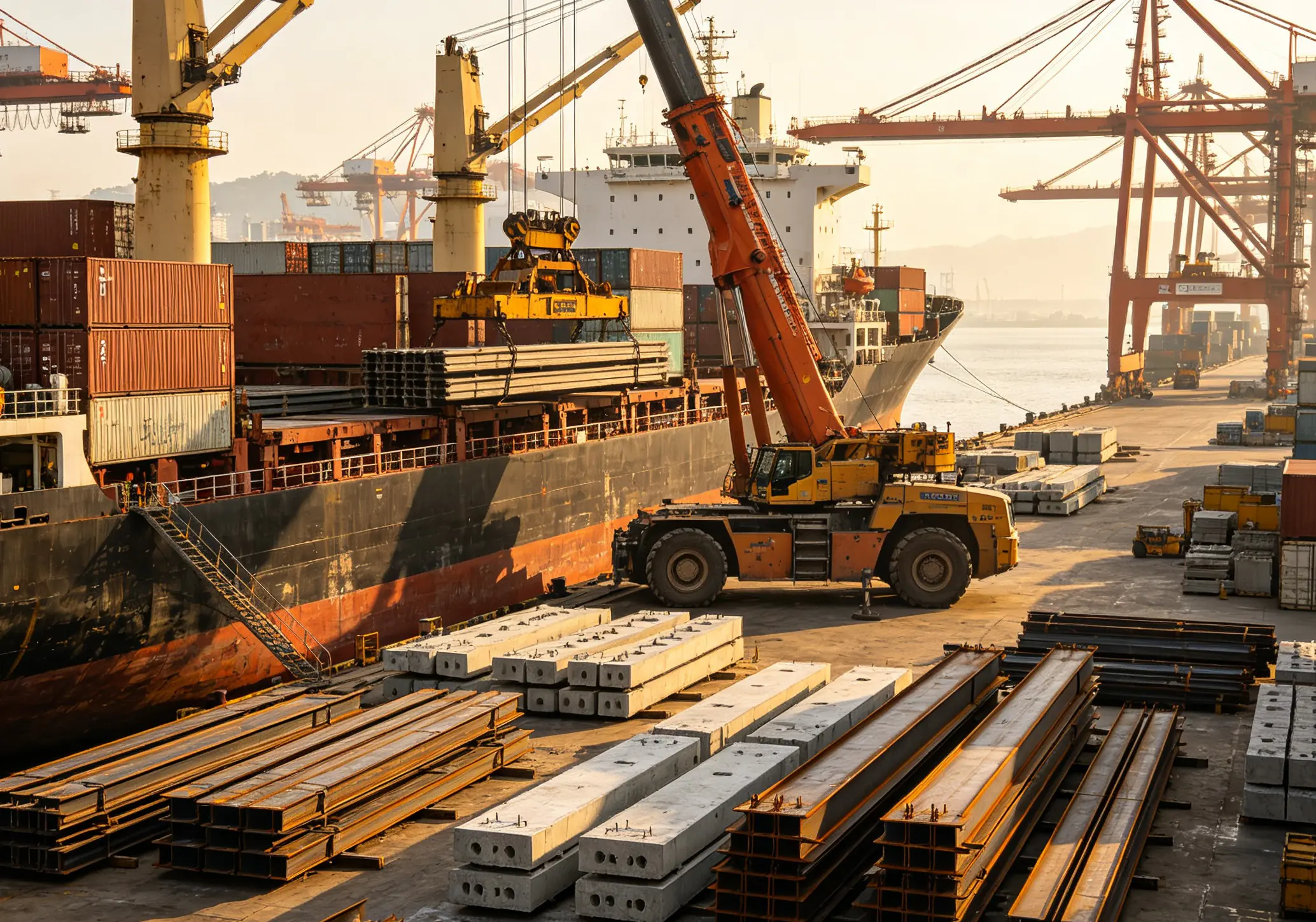
Are you struggling to find the cheapest shipping from China to Kenya to maximize your import profit margins? Navigating the complexities of international logistics can be overwhelming, especially when hidden fees, fluctuating freight rates, and strict customs regulations at the Port of Mombasa eat into your budget. In this comprehensive guide, we break down the most cost-effective shipping methods, compare sea and air freight options, map the key ports and carriers serving the China–Kenya trade lane, and share actionable strategies used by seasoned importers to reduce logistics expenses.
Written by the Efanda Logistics editorial team, with hands-on experience managing FCL, LCL, air freight, and DDP shipments from China to Kenya since 2018.

What is the Cheapest Way to Ship from China to Kenya?
Sea freight—specifically LCL (Less than Container Load)—is the cheapest shipping method from China to Kenya for shipments between 1 and 15 CBM, while FCL (Full Container Load) offers the lowest cost per unit for large volumes.
When you import goods from manufacturing hubs like Guangzhou, Yiwu, or Shenzhen, the volume of your cargo dictates your optimal shipping strategy. For small to medium-sized businesses, LCL is highly cost-effective because you only pay for the space your goods occupy inside a shared container. The typical cost structure for LCL is calculated per Cubic Meter (CBM).
Conversely, if your shipment exceeds 15 CBM, booking an entire 20ft or 40ft container (FCL) becomes the most economical choice. FCL provides a flat rate for the container, drastically reducing the shipping cost per unit. Furthermore, FCL shipments experience less handling and faster transit times since the container goes directly to you without the need for deconsolidation at the destination port.
Sea Freight vs. Air Freight: Which is the Cheapest Shipping Method from China to Kenya?
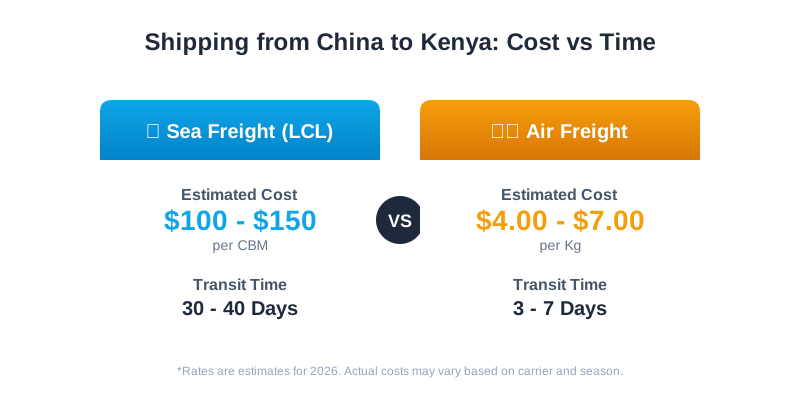
Sea freight to Kenya costs significantly less (typically around $100–$150 per CBM) but takes 25–40 days, whereas air freight from China to Kenya is more expensive ($4–$7 per kg) but delivers rapidly in 3–7 days.
Choosing between sea and air freight fundamentally comes down to your budget constraints and delivery urgency. We often see importers make the mistake of defaulting to air freight for small shipments without calculating the volumetric weight, which can lead to exorbitant costs. For light but bulky cargo—such as inflated packaging, textiles, or plastic products—airlines charge by volumetric weight, not actual weight, making sea freight the clear winner.
Disclaimer: Freight rates are highly volatile and subject to peak season surcharges, fuel price fluctuations, and carrier capacity. The prices below are estimates for Q1 2026 and should be confirmed before booking.
Shipping Method Comparison Table
| Feature | Sea Freight (LCL/FCL) | Air Freight |
|---|---|---|
| Average Price | $100–$150 / CBM (LCL) $2,000–$3,500 / 20ft (FCL) | $4.00–$7.00 / Kg |
| Transit Time | 25–40 Days (Port to Port) | 3–7 Days (Airport to Airport) |
| Best Use Case | Bulky goods, heavy machinery, furniture, large wholesale orders. | High-value electronics, urgent samples, fashion apparel. |
| Primary Risk | Longer transit times, potential port congestion at Mombasa. | Strict airline regulations on batteries/liquids, high cost. |
Main Ports and Airports for Shipping from China to Kenya
The most common China–Kenya routing moves cargo from a major South or East China seaport to the Port of Mombasa, or from a major Chinese airport to Jomo Kenyatta International Airport (NBO) in Nairobi.
Major Chinese seaports for Kenya-bound cargo:
- Shenzhen – Ideal for electronics and Guangdong Province suppliers; frequent sailings to Mombasa.
- Guangzhou – Close to the largest wholesale markets; strong LCL consolidation options.
- Ningbo-Zhoushan – A major hub for manufactured goods and machinery exports.
- Shanghai – Offers the widest range of shipping lines and competitive FCL rates.
- Qingdao – Useful for northern China suppliers and heavy industrial cargo.
Key Kenyan gateway:
- Port of Mombasa is the primary maritime entry point for East Africa. After vessel arrival, cargo continues inland by truck or via the Mombasa–Nairobi Standard Gauge Railway (SGR), which can reduce inland transit time and cost compared with road transport alone.
Air freight corridors:
- Guangzhou Baiyun (CAN) and Shenzhen Bao’an (SZX) handle the largest volumes of e-commerce and wholesale air cargo to Nairobi.
- Shanghai Pudong (PVG) and Hong Kong (HKG) are preferred for high-value electronics and premium air freight.
- Jomo Kenyatta International Airport (NBO) is the main air cargo hub for Kenya and much of East Africa.
Top Shipping Lines and Airlines on the China–Kenya Route
No single carrier is always the cheapest, but knowing the main operators helps you evaluate quotes and avoid overpriced intermediaries.
Sea Freight Carriers
| Carrier | Strengths | Typical Services |
|---|---|---|
| Maersk Line | Reliable schedule, strong Africa network | FCL, LCL, inland delivery |
| COSCO Shipping | Cost-effective LCL, Chinese port coverage | FCL, LCL, bulk cargo |
| MSC | Dense Africa service, competitive FCL | FCL, project cargo |
| PIL / CMA CGM | Alternative routings via transshipment hubs | FCL, LCL |
Air Freight Carriers
| Carrier | Strengths | Typical Use Case |
|---|---|---|
| China Southern Cargo | Direct CAN–NBO connections, competitive rates | General cargo, e-commerce |
| Ethiopian Airlines Cargo | Strong East Africa network | Regional distribution beyond Kenya |
| Emirates SkyCargo / Qatar Cargo | Premium service via Middle East hubs | High-value, time-sensitive goods |
While these carriers publish rates, importers rarely book directly. A specialized China-to-Kenya freight forwarder can consolidate your cargo, negotiate contract rates, and manage documentation.
Estimated Shipping Costs from China to Kenya
Understanding realistic rate ranges prevents you from accepting inflated quotes. The tables below summarize typical market rates for Q1 2026.
Sea Freight Costs (Port to Port)
| Service | Volume | Cost Range | Transit Time |
|---|---|---|---|
| LCL | per CBM | $100–$150 | 25–40 days |
| 20ft FCL | ~28–33 CBM | $2,000–$3,500 | 25–40 days |
| 40ft FCL | ~58–68 CBM | $3,500–$5,500 | 25–40 days |
Air Freight Costs (Airport to Airport)
| Weight Tier | Cost per Kg | Transit Time |
|---|---|---|
| 0–100 kg | $5.00–$7.00 | 3–7 days |
| 101–300 kg | $4.50–$6.50 | 3–7 days |
| 301 kg+ | $4.00–$6.00 | 3–7 days |
DDP Door-to-Door Costs to Nairobi
| Mode | Rate | Transit Time | Best For |
|---|---|---|---|
| Sea DDP | $1.80–$3.50 / CBM | 35–50 days | LCL bulk goods, general merchandise |
| Air DDP | $6.00–$9.00 / Kg | 7–12 days | Urgent or high-value shipments |
DDP rates include ocean/air freight, destination port charges, customs clearance, and delivery to Nairobi. Final cost depends on HS code classification, cargo type, and current fuel/peak-season surcharges.
5 Proven Strategies to Reduce Your Shipping Cost from China to Kenya
You can secure the cheapest shipping rates by consolidating cargo in China, optimizing packaging to reduce dimensional weight, negotiating Incoterms (like FOB), avoiding peak seasons, and using a local freight forwarder from China to Kenya.
Based on our operational experience handling Africa-bound logistics, here are five practical steps you can implement immediately:
- Cargo Consolidation (Combine Small Orders): Instead of shipping multiple small packages from different suppliers in China directly to Nairobi, use a forwarder’s warehouse in Guangzhou or Yiwu. Consolidating multiple LCL shipments into one larger LCL or FCL shipment drastically reduces minimum handling charges and documentation fees.
- Packaging Optimization: Carriers charge based on either actual weight or volumetric weight (whichever is greater). Work with your supplier to eliminate “dead space” in cartons. Compressing goods (like textiles) and using appropriately sized boxes can cut air freight costs by up to 30%.
- Smart Incoterms (Choose FOB over EXW): Whenever possible, negotiate Free On Board (FOB) terms with your Chinese supplier. Under FOB, the supplier covers the cost of transporting the goods to the Chinese departure port and handling local export customs. If you choose Ex Works (EXW), you bear all local Chinese logistics costs, which can be expensive to manage from Kenya. For a complete understanding of your obligations, refer to the official ICC Incoterms® 2020 rules.
- Off-Peak Shipping: Freight rates spike significantly during the weeks leading up to the Chinese New Year (January/February) and Golden Week (October). Plan your procurement cycle to ship during off-peak months (like March or post-holiday periods) to secure lower rates and guaranteed vessel space.
- Partner with a Specialized Forwarder: Multinational carriers often provide generic, high-margin quotes. Partnering with a specialized China-to-Africa freight forwarder ensures you get access to negotiated contract rates and localized problem-solving capabilities.
Hidden Costs in Cargo Shipping to Kenya: Customs, Demurrage, and Detention
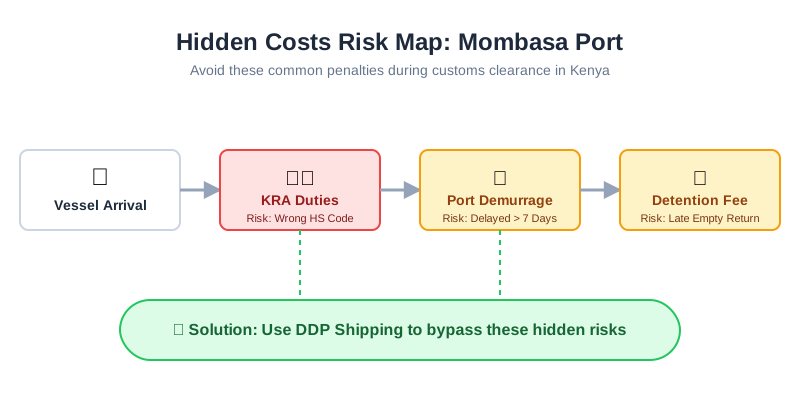
Hidden costs when shipping from China to Kenya often include unpredictable KRA (Kenya Revenue Authority) customs duties, port demurrage, and container detention fees if clearance at Mombasa port is delayed.
To achieve truly cheap shipping, you must control costs at the destination. The Port of Mombasa is notorious for congestion, and unprepared importers frequently face severe penalties.
- KRA Customs Duties & HS Codes: Every product has a specific Harmonized System (HS) code that dictates its import duty rate, VAT, and excise tax in Kenya. Misclassifying your goods can result in heavy fines and clearance delays. Always verify your HS codes with a licensed clearing agent before shipping, or consult the Kenya Revenue Authority (KRA) official tariff guidelines.
- IDF & PVOC Compliance: Kenya requires an Import Declaration Form (IDF) and a Pre-Export Verification of Conformity (PVOC) certificate (often issued by authorized bodies like SGS or Intertek in China) before the goods leave the origin port. Shipping without a PVOC guarantees your cargo will be rejected or penalized upon arrival.
- Demurrage & Detention: Demurrage is charged by the shipping line for using their container inside the port beyond the allocated free days (usually 7–14 days). Detention is charged when you take the container out of the port for unloading but fail to return the empty container on time. To avoid these daily penalties, ensure all your documents (Bill of Lading, Commercial Invoice, Packing List) are submitted to your customs broker well before the vessel docks.
Understanding Kenya Import Duties, VAT, and Total Landed Cost
Importing into Kenya involves more than freight; duties and taxes can add 30–50% to your CIF value, depending on the product category.
Typical Kenya import taxes include:
- Import Duty: usually 0–25% of CIF value, determined by HS code.
- VAT: 16% applied to CIF value plus import duty.
- Excise Duty: levied on specific products such as electronics, alcohol, and vehicles.
- Railway Development Levy (RDL): 1.5% of CIF value.
- Import Declaration Fee (IDF): 3.5% of CIF value (minimum KES 5,000).
Total Landed Cost Example
Suppose you import electronics accessories with a CIF value of $10,000 and an import duty rate of 25%:
| Cost Component | Calculation | Amount |
|---|---|---|
| CIF Value | — | $10,000 |
| Import Duty (25%) | $10,000 × 25% | $2,500 |
| IDF (3.5%) | $10,000 × 3.5% | $350 |
| RDL (1.5%) | $10,000 × 1.5% | $150 |
| VAT Base | $10,000 + $2,500 + $350 + $150 | $13,000 |
| VAT (16%) | $13,000 × 16% | $2,080 |
| Estimated Taxes & Duties | — | $5,080 |
This example shows why comparing only ocean freight rates is misleading. A forwarder who provides transparent DDP quotes helps you avoid surprise tax bills.
DDP Shipping to Kenya: Predictable Logistics Without Hidden Fees
DDP (Delivered Duty Paid) shipping to Kenya is highly cost-effective and predictable for small to medium importers because it bundles freight, customs clearance, and taxes into a single upfront rate.
For many businesses in Nairobi or Mombasa, managing the KRA clearance process is both time-consuming and fraught with hidden financial risks. DDP shipping solves this by shifting the entire logistical burden to the freight forwarder.
Pros of DDP:
- Predictable Budgeting: You pay one inclusive rate (often calculated per CBM or Kg) that covers ocean/air freight, destination port charges, customs duties, and final delivery to your warehouse. No surprise KRA invoices.
- Simplified Process: You don’t need to register for an IDF, manage PVOC inspections, or hire a separate customs broker.
- Time-Saving: The forwarder utilizes their dedicated clearance channels, often resulting in faster release times from the port.
Cons of DDP:
- For very large FCL shipments with low-duty goods, standard CIF or FOB shipping might occasionally be cheaper if you have a highly efficient in-house customs team. However, for most LCL importers, DDP remains the safest and most economical route.
Why Efanda Logistics is a Cost-Effective Partner for China–Kenya Shipping
Efanda Logistics reduces your shipping costs by providing free warehouse consolidation in China, competitive ocean freight rates, and seamless DDP services to Kenya.
Founded in 2018 and headquartered in Shenzhen, Efanda Logistics specializes in end-to-end China–Kenya freight solutions. We understand that every dollar saved on freight directly boosts your business’s profitability. Our team leverages extensive carrier networks and volume contracts with major shipping lines to offer you transparent, competitive rates in the market.
Our warehouse services include free storage in Guangzhou and Yiwu for up to 30 days, allowing you to consolidate multiple supplier orders into a single, cheap shipment. Whether you need an urgent air freight delivery to Jomo Kenyatta International Airport or a cost-effective DDP door-to-door shipping solution to Nairobi, we have you covered.
What sets us apart:
- Transparent pricing with no hidden fees.
- Dedicated logistics consultant assigned to your shipment.
- Time-efficient operations from supplier pickup to Kenya delivery.
- End-to-end accountability for customs, cargo insurance, and last-mile delivery.
Stop letting hidden fees and poor logistics planning eat your profits.
Ready to cut your shipping costs? Contact Efanda Logistics today for a transparent, no-obligation freight quote tailored to your Kenya import business.
FAQ About Cheap Shipping from China to Kenya
What is the cheapest shipping company from China to Kenya?
The cheapest company depends on your specific cargo volume and terms. Specialized China-Africa forwarders like Efanda Logistics generally offer cheaper rates than global integrators (like DHL or FedEx) for commercial cargo because they offer consolidation and specialized DDP routes.
How much is shipping a 20ft container from China to Kenya?
As of early 2026, shipping a standard 20ft container (FCL) from major Chinese ports (like Shenzhen or Shanghai) to Mombasa typically costs between $2,000 and $3,500. This rate fluctuates based on seasonality, shipping line, and fuel surcharges.
Does the cheapest shipping method include customs clearance?
Standard cheap sea freight (LCL or FCL) under FOB or CIF terms does not include destination customs clearance or duties. However, if you opt for a DDP (Delivered Duty Paid) service, customs clearance and KRA taxes are fully included in the upfront price.
How to calculate shipping cost per CBM to Kenya?
To calculate the cost per CBM (Cubic Meter), measure your cargo’s Length × Width × Height in meters. For example, a box measuring 1m × 1m × 1m is 1 CBM. Forwarders will quote a flat rate per CBM (e.g., $120/CBM). Multiply your total CBM by this rate to get your base sea freight cost.
What documents are required to ship from China to Kenya?
You typically need a Commercial Invoice, Packing List, Bill of Lading or Air Waybill, Certificate of Origin, Import Declaration Form (IDF), and a Pre-Export Verification of Conformity (PVOC) certificate where applicable.