Are you tired of unexpected port congestion surcharges and delayed shipments at Manzanillo eating into your profit margins while trying to manage your freight costs from china to Mexico? Navigating the fluctuating shipping expenses in 2026 is challenging, especially with strict Mexican customs requirements (NOMS) and frequent delays at major entry ports like Manzanillo and Lazaro Cardenas. This comprehensive guide breaks down the true cost of shipping in 2026, comparing air and ocean freight rates, transit times, and actionable strategies to minimize delays and hidden fees.
Key Takeaways
- Current FCL (Full Container Load) and LCL (Less than Container Load) freight costs from China to Mexico vary significantly based on port choices (e.g., Shenzhen or Ningbo to Manzanillo).
- Direct sea freight transit times average 20-22 days via major carriers like COSCO and CMA, whereas air freight takes a rapid 3-7 days.
- Crucial customs compliance: The mandatory Pedimento and NOMS (Mexican Official Standards) are non-negotiable for successful clearance.
- Proactive planning is essential to mitigate the common 3-7 days congestion delay currently impacting the Manzanillo port.

Why Are Freight Costs from China to Mexico Fluctuating in 2026?
Freight costs from China to Mexico are highly sensitive to seasonal demand spikes, fluctuating carrier capacities (like COSCO and CMA), and the ongoing congestion at key entry ports such as Manzanillo, which directly increases demurrage and detention fees. As global supply chains adjust to new trade dynamics, these factors create a volatile pricing environment for importers.
The Impact of Manzanillo Port Congestion
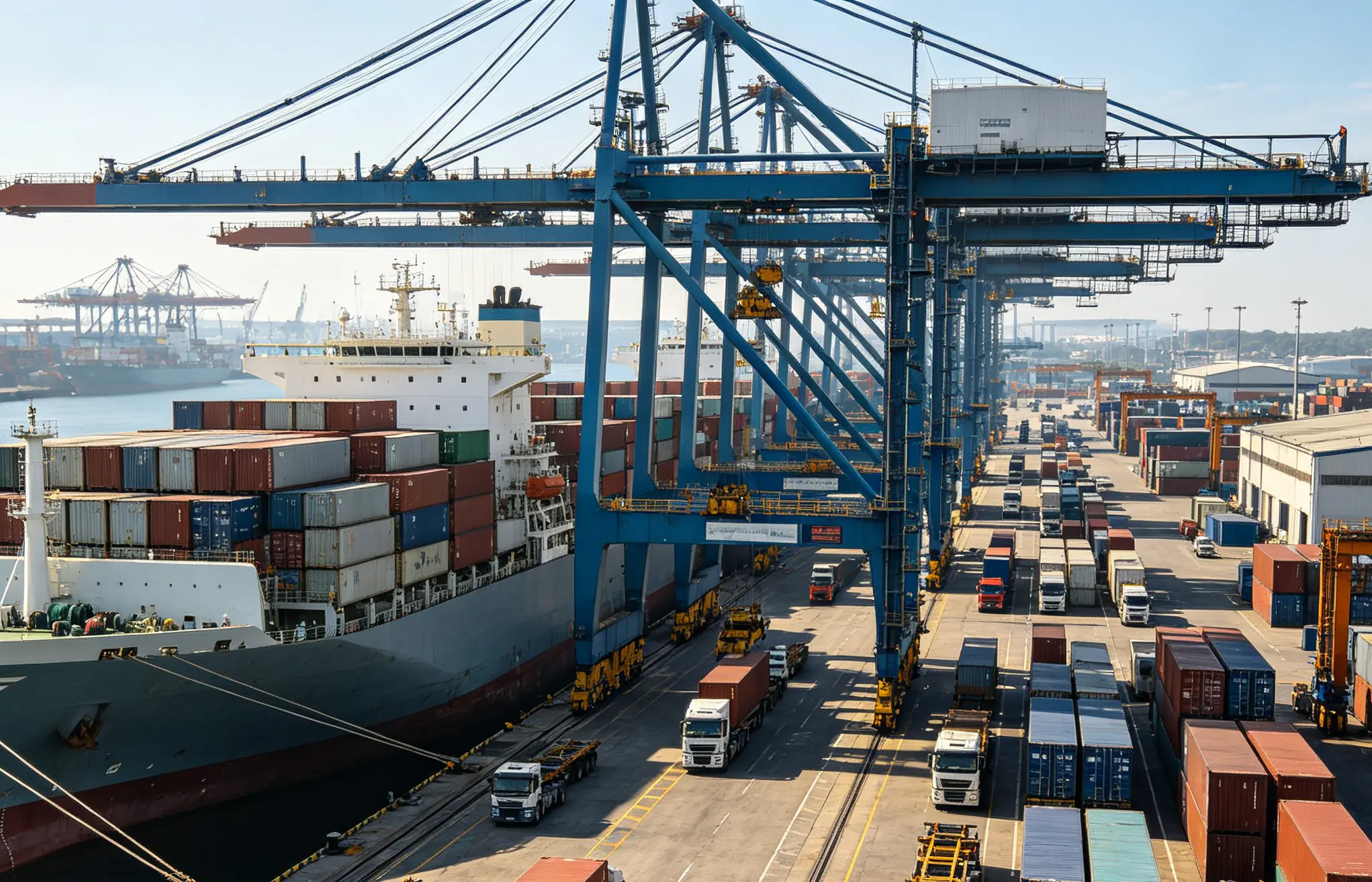
Manzanillo handles a massive volume of Asian imports, leading to routine delays of 3-7 days, which forces importers to pay extra storage and chassis fees. In our recent Q1 2026 shipments, our team has observed that vessels arriving even slightly off-schedule often face extended anchorage times. According to the official Port of Manzanillo Authority (ASIPONA), container throughput continues to operate near maximum capacity. This bottleneck not only extends your transit time but also directly inflates your final landed cost through unexpected demurrage. To minimize this risk, we strongly advise our clients to book shipments at least 3 weeks in advance and actively explore alternative routing via Lazaro Cardenas during peak seasons.
Strict Mexican Customs Compliance (Pedimento & NOMS)
Non-compliance with NOMS (Normas Oficiales Mexicanas) or errors in the Pedimento document will halt your cargo, causing severe financial penalties and skyrocketing overall shipping costs. Customs authorities in Mexico are increasingly stringent in 2026. Based on our on-the-ground experience clearing containers weekly, even a minor commercial labeling discrepancy can trigger an immediate customs hold. Ensuring all your product labels and safety certifications strictly adhere to the official NOMS regulations published by the Mexican Government before the goods leave China is a critical, non-negotiable cost-saving measure.
How to Calculate Your Total Freight Costs from China to Mexico
Calculating total freight costs from China to Mexico requires factoring in the base ocean/air rate, origin charges in China, destination port fees in Mexico, customs clearance, and inland trucking to your final warehouse. It is a common mistake for importers to only look at the base port-to-port rate, completely ignoring the hidden fees that accrue upon arrival.

Step 1: Assess Base Ocean Freight vs. Air Freight Rates
The foundation of your cost is the primary transport mode. Ocean freight offers economies of scale for large shipments, while air freight charges a premium for speed. Always request a detailed quote that separates the base rate from peak season surcharges (PSS) or bunker adjustment factors (BAF).
Step 2: Factor in Destination Handling & Congestion Surcharges
Destination Terminal Handling Charges (DTHC) at Mexican ports can be surprisingly high. Additionally, with Manzanillo’s current state, you must budget for potential demurrage (port storage) and detention (container usage) fees if your customs broker cannot clear the goods within the allotted free days.
Step 3: Account for Customs Clearance and NOMS Certification Fees
Your customs broker will charge a fee for processing the Pedimento. Furthermore, if your goods require NOMS certification testing or specialized labeling in a bonded warehouse (UVA), these costs must be calculated into your total landed cost.
2026 Cost Analysis: Freight Costs from China to Mexico & Transit Times
For 2026, a 40HQ container from Shenzhen to Manzanillo averages between competitive market rates of $3,500 to $5,500, with direct routes taking just 20-22 days, while air freight remains the premium option at $5.00 to $8.00 per kg for urgent cargo. Please note: Freight markets are highly volatile; these estimates are based on Q1 2026 data and are subject to change based on carrier capacity and seasonal demand.
Ocean Freight Rates (FCL & LCL) from Shenzhen to Manzanillo
FCL shipping remains the most cost-effective method for large volumes. A 20ft container typically ranges from $2,500 to $3,800. For smaller shipments, LCL (Less than Container Load) rates hover around $60 to $120 per cubic meter (CBM).
Air Freight Rates from China to Mexico City (MEX)
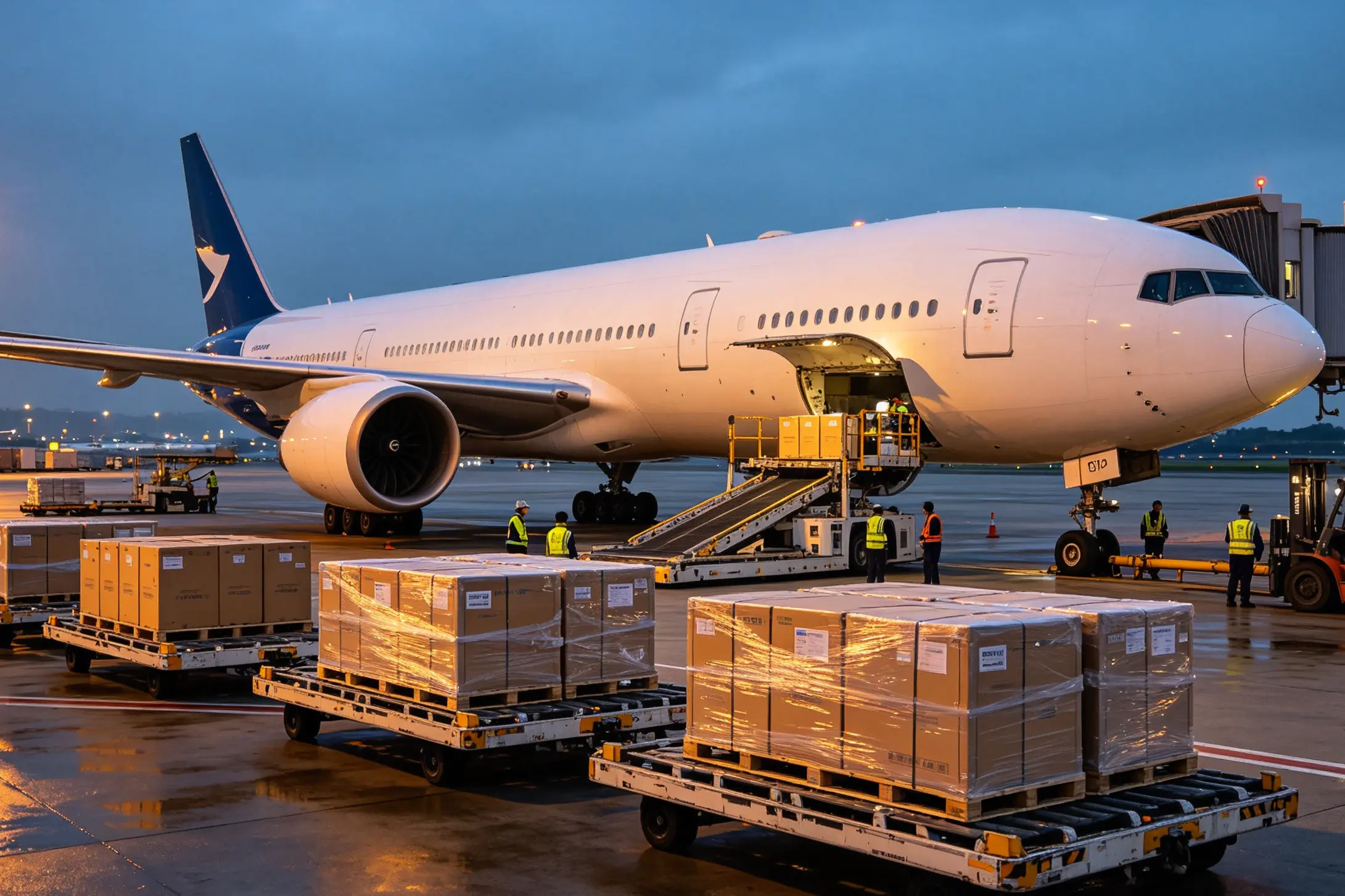
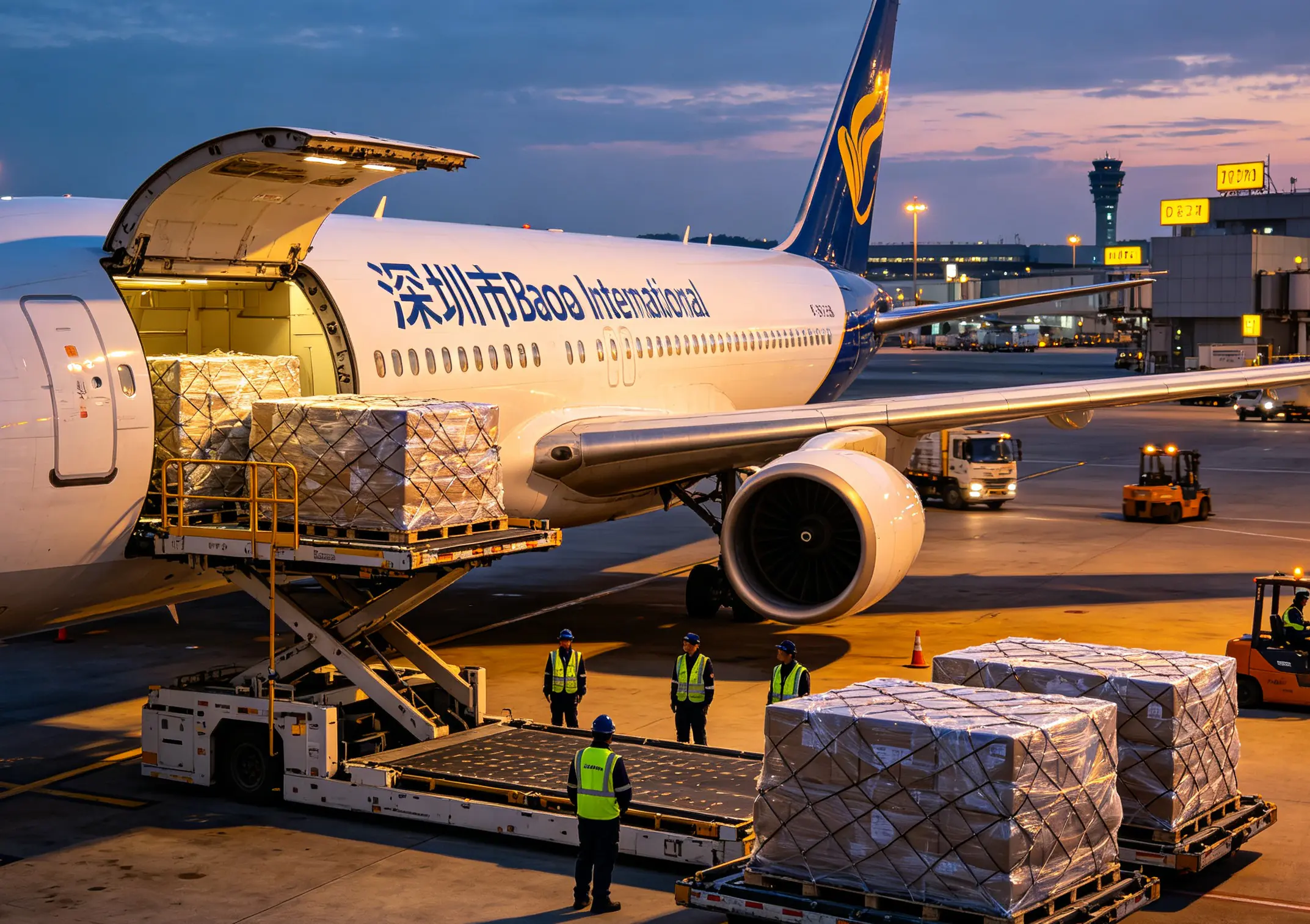
Air freight is calculated based on chargeable weight (the greater of actual weight or volumetric weight). Current rates from major Chinese hubs (like PVG or SZX) to MEX range from $5.00 to $8.00 per kg. This is ideal for high-value electronics, seasonal fashion, or urgent manufacturing components.
Transit Time Comparison: Sea Freight vs. Air Freight
Here is a quick comparison of the transit times and cost implications between the two primary transport modes.

| Shipping Mode | Route Example | Average Transit Time | Cost Level | Best For |
|---|---|---|---|---|
| Direct Ocean Freight (FCL) | Shenzhen to Manzanillo | 20 – 22 Days | Low – Medium | High volume, planned inventory |
| Ocean Freight (LCL) | Ningbo to Manzanillo | 25 – 35 Days | Medium (per CBM) | Smaller loads (1-15 CBM) |
| Air Freight | Shanghai (PVG) to MEX | 3 – 7 Days | High | Urgent, high-value goods |
Source: Industry averages and Efanda Logistics 2026 routing data. Transit times do not include potential customs clearance delays.
Why Choose Efanda Logistics for Your Mexico Shipments?
Partnering with a seasoned freight forwarder is the most effective way to control your supply chain costs and ensure smooth sailing across the Pacific.
Expertise in Mexican Customs & NOMS Compliance
We understand that the Pedimento and NOMS are the biggest hurdles for importers. Our dedicated team works proactively with certified Mexican customs brokers to ensure your paperwork and product labeling are 100% compliant before your cargo even departs China, eliminating costly border delays.
Direct Carrier Contracts & Reliable Space Allocation (COSCO/CMA)
Efanda Logistics holds direct contracts with premium ocean carriers like COSCO and CMA CGM. This guarantees you reliable space allocation even during peak seasons, and access to the fastest 20-day direct routes from Shenzhen to Manzanillo, keeping your inventory moving and your costs predictable.
You may be interested in the following related articles:
- shipping from china to afghanistan
- shipping from china to nigeria
- shipping from china to libya
- shipping from china to yemen
- shipping from china to qatar
Frequently Asked Questions (FAQ)
1. How much does it cost to ship a 40ft container from China to Mexico in 2026?
In 2026, the cost to ship a 40HQ container from major Chinese ports to Manzanillo typically ranges from $3,500 to $5,500, depending on the season, carrier, and current port congestion surcharges.
2. What is the cheapest shipping method from China to Mexico?
Ocean freight (FCL) is the cheapest method if you are shipping large volumes (over 15 CBM). For smaller shipments, LCL (Less than Container Load) is the most economical choice, though it takes slightly longer due to consolidation processes.
3. How long does sea freight take from Shenzhen to Manzanillo?
Direct sea freight routes from Shenzhen to Manzanillo generally take 20 to 22 days port-to-port. However, you should allow an additional 3-7 days for potential port congestion and customs clearance upon arrival.
4. What documents are required for Mexican customs clearance (Pedimento)?
To clear customs in Mexico, you need the Pedimento (the official customs declaration), a Commercial Invoice, a Packing List, a Bill of Lading (or Airway Bill), a Certificate of Origin, and proof of NOMS compliance if applicable to your product category.
5. How can I avoid port congestion delays at Manzanillo?
To mitigate delays, book your shipments 3-4 weeks in advance, ensure all NOMS compliance and Pedimento paperwork are perfectly prepared before arrival, and consider working with Efanda Logistics to route cargo through less congested alternative ports like Lazaro Cardenas when necessary.
Disclaimer: Shipping rates and transit times are subject to market volatility, carrier capacity, and geopolitical factors. Always consult with a freight forwarding expert for real-time quotes and compliance advice.