Sourcing products from China is highly profitable, but navigating logistics and the mandatory 9% GST calculation can quickly eat into your margins if not managed correctly. If you are looking for Door to Door Shipping from China to Singapore, you need a transparent, end-to-end solution that eliminates hidden fees and prevents unexpected customs delays.
This comprehensive guide breaks down everything you need to know about exact freight costs, transit times, and actionable tips to ensure a hassle-free delivery experience. Whether you are an e-commerce seller or a commercial importer, read on to discover how to optimize your supply chain in 2026.
What is Door to Door Shipping from China to Singapore?
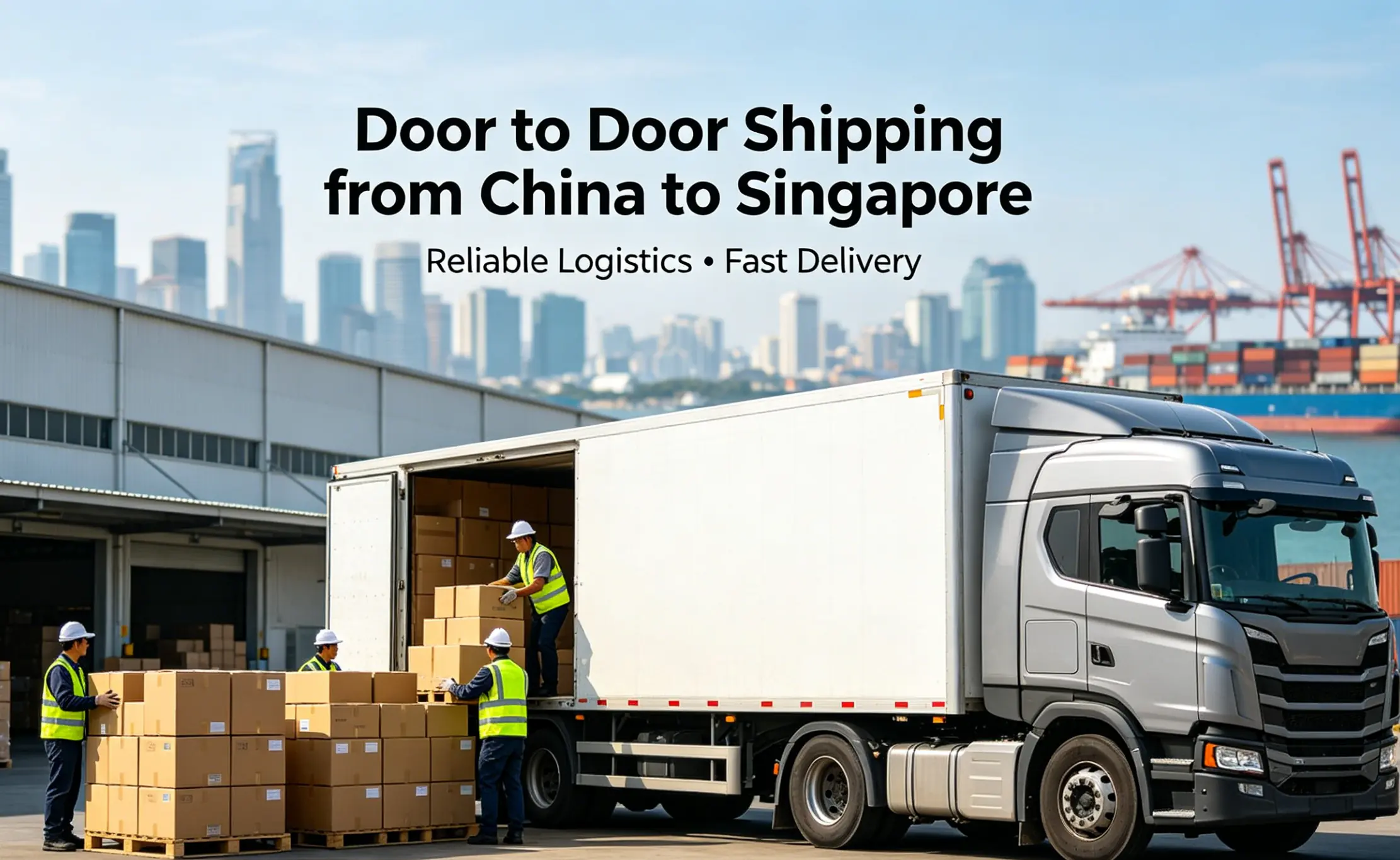
Door-to-door shipping is an end-to-end logistics service where the freight forwarder manages the entire process—from picking up the goods at the Chinese supplier’s factory to delivering them directly to your specified address in Singapore. This comprehensive service removes the burden of dealing with multiple carriers, trucking companies, and customs brokers, allowing you to focus entirely on your core business.
When evaluating your shipping terms, you will often choose between DDP (Delivered Duty Paid) and DAP (Delivered at Place), as defined by the International Chamber of Commerce (ICC) Incoterms® rules. In our daily operations, we constantly see that DDP shipping China to Singapore is the safest and most popular choice for SMEs and e-commerce sellers. Under DDP, the forwarder takes full liability for export procedures, ocean or air freight, and most importantly, the customs clearance Singapore along with all applicable taxes. You receive a single, predictable invoice, eliminating the risk of hidden destination charges.
Whether you are shipping an LCL (Less than Container Load) for smaller orders or an FCL (Full Container Load) for bulk inventory, an experienced logistics partner ensures your cargo moves seamlessly across international borders.
Shipping Cost from China to Singapore: The Cheapest Way to Ship
The shipping cost depends heavily on the mode of transport; sea freight is generally the cheapest way to ship from China to Singapore for bulky items, while air freight commands a premium for speed. Understanding these cost structures is critical for protecting your bottom line and accurately pricing your retail products.
Your final shipping cost from China to Singapore is calculated based on freight rates, terminal handling charges, fuel surcharges, and the mandatory 9% Singapore GST on imports. As mandated by the Inland Revenue Authority of Singapore (IRAS), this 9% GST applies to all goods imported for local consumption. In our 15+ years of experience navigating the China-Southeast Asia trade lanes, we’ve found that miscalculating this tax on the CIF value is the number one reason new importers face unexpected budget overruns. In 2026, freight markets offer excellent opportunities for importers to lock in favorable rates, provided taxes are accurately accounted for upfront.
Here is a breakdown of estimated shipping costs based on recent 2026 market data:
| Shipping Mode | Estimated Cost (2026) | Best Suited For |
|---|---|---|
| Sea Freight (LCL) | $15 – $25 per CBM | Small shipments over 2 CBM, non-urgent goods. |
| Sea Freight (20GP FCL) | $350 – $450 per Container | Bulk commercial inventory, heavy machinery. |
| Air Freight | $1.50 – $3.00 per KG | Urgent electronics, high-value samples, perishables. |
| Express Courier | $3.00 – $5.00 per KG | Small parcels under 45 KG, urgent documents. |

To reduce per-unit shipping costs, we highly recommend consolidating your shipments. For example, if you manage Taobao shipping to Singapore door to door, combining multiple small parcels from various suppliers into one unified LCL shipment drastically lowers your freight expenses. Furthermore, a consolidated shipment makes calculating and paying import duties Singapore much simpler and more transparent.
Shipping Time from China to Singapore: Sea Freight vs. Air Freight Door to Door
Transit times range from 2-7 days for air freight to 10-15 days for sea freight, depending on the service level and customs efficiency. Knowing your exact shipping time from China to Singapore allows you to manage inventory accurately and meet your customers’ expectations without risking stockouts.
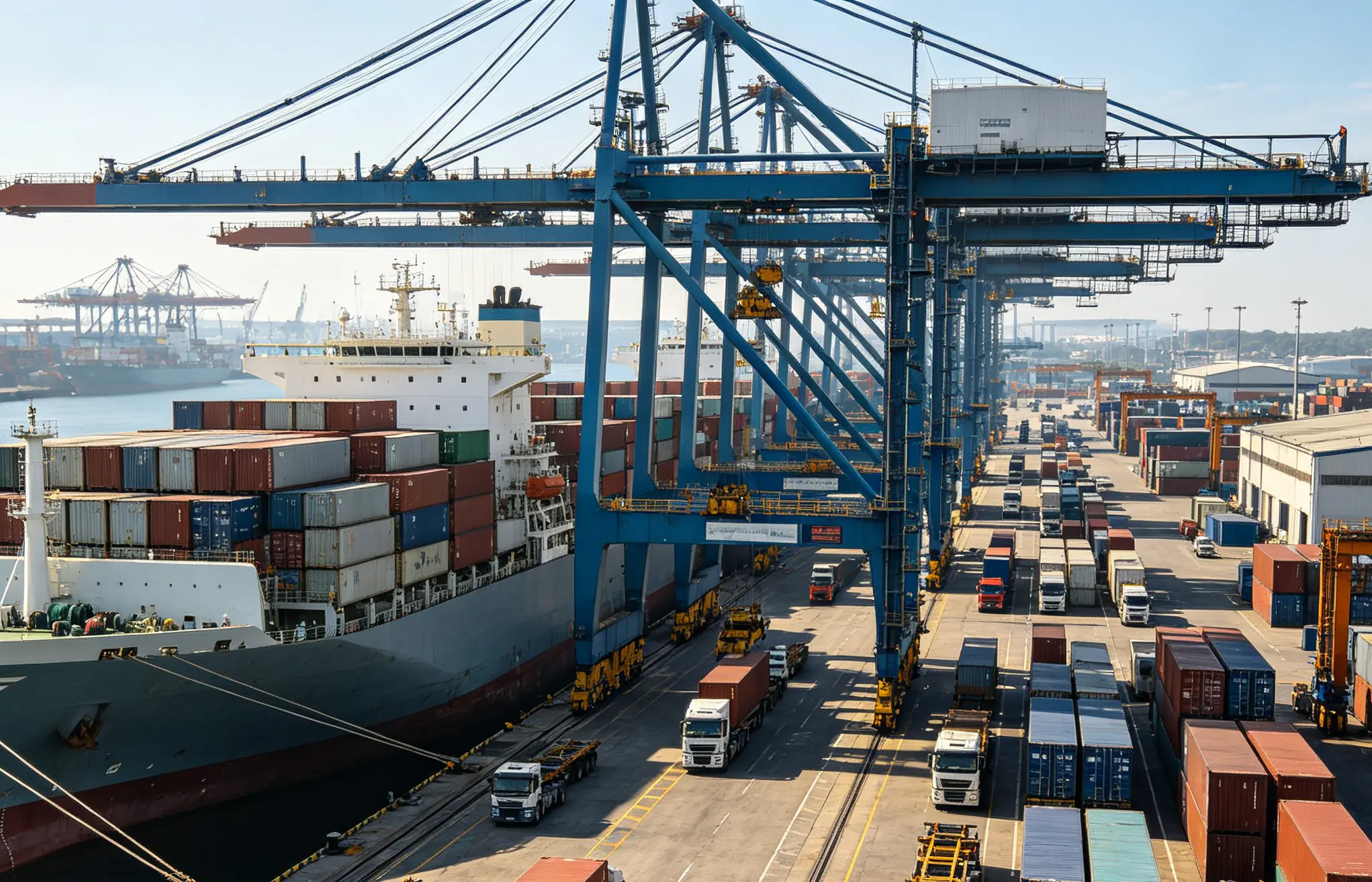
Sea freight from China to Singapore door to door is highly reliable. The maritime shipping lane between major Chinese ports (such as Shenzhen, Guangzhou, and Shanghai) and the Port of Singapore is one of the busiest and most efficient in the world. Direct sailings ensure frequent vessel departures, minimizing wait times at the origin port.
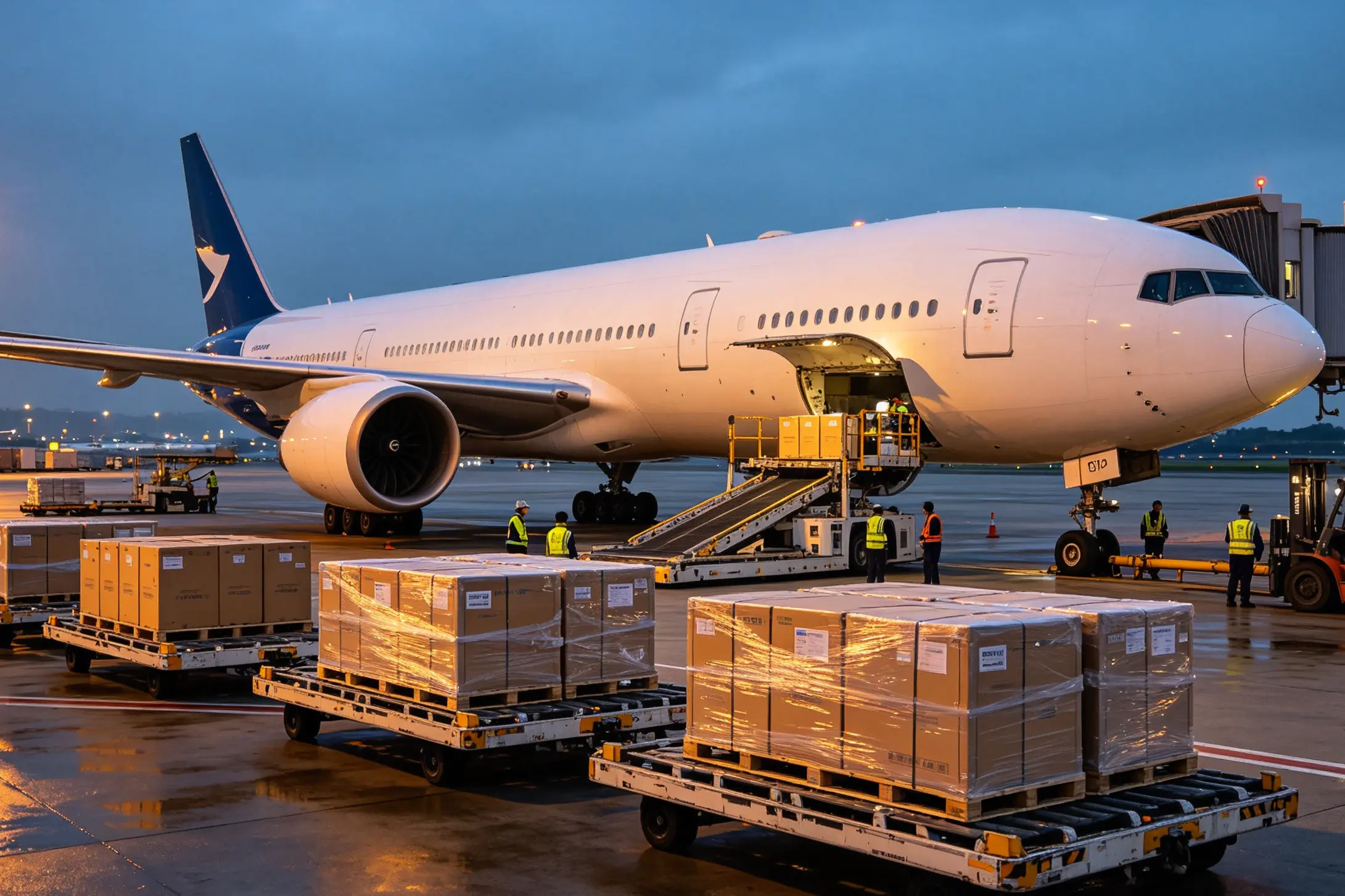
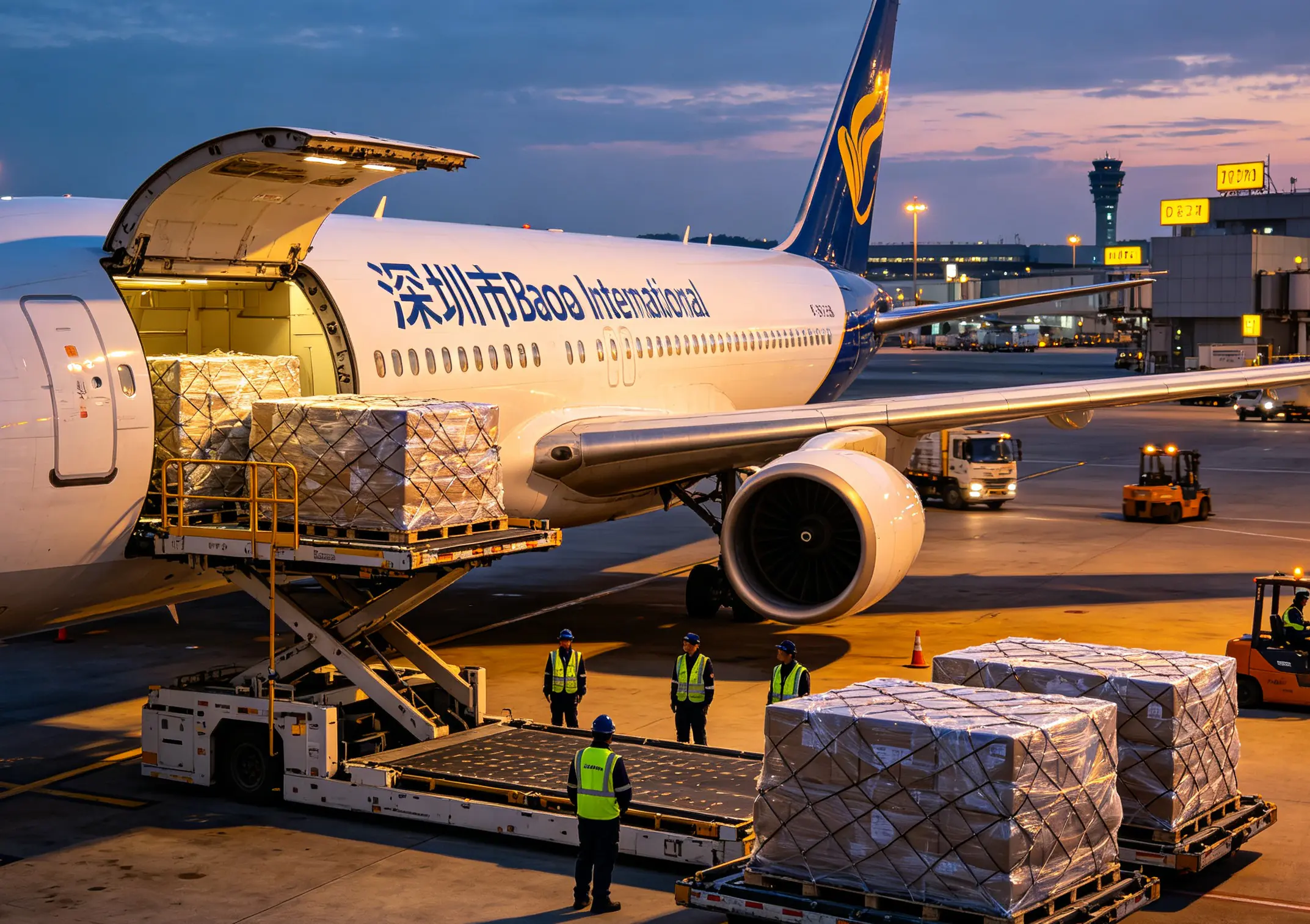
Conversely, air freight from China to Singapore door to door is the best choice for urgent, high-value, or perishable goods. While it is more expensive, the rapid delivery window—often leveraging direct flights into Changi Airport—frequently justifies the cost for time-sensitive supply chains.
| Shipping Method | Origin to Destination | Estimated Door-to-Door Transit Time |
|---|---|---|
| Air Express (DHL/FedEx) | China to Singapore Address | 2 – 4 Days |
| Standard Air Freight | China to Singapore Address | 4 – 7 Days |
| Sea Freight (FCL) | China Port to Singapore Address | 9 – 12 Days |
| Sea Freight (LCL) | China Port to Singapore Address | 12 – 15 Days |

Step-by-Step: How a Freight Forwarder China to Singapore Handles Delivery
The door-to-door process involves five key stages: pickup, export clearance, transit, import clearance, and final delivery, all meticulously managed by your forwarder. Partnering with a reliable freight forwarder China to Singapore ensures each step flows into the next without friction or costly delays.
- Pickup & Consolidation: The process begins with collecting goods directly from your suppliers. Whether your factory is in Shenzhen, Guangzhou, or Yiwu, the forwarder arranges inland trucking to transport the goods to a central origin warehouse for consolidation and loading.
- Export Customs in China: The forwarder handles all necessary export licenses, commercial invoices, and packing lists to seamlessly clear Chinese customs before the cargo is loaded onto the vessel or aircraft.
- International Transit: Your cargo embarks on its ocean voyage or air transit to Singapore. Advanced tracking systems keep you updated on the vessel’s ETA.
- Customs Clearance Singapore: Upon arrival at the Port of Singapore or Changi Airport, the forwarder acts swiftly. They manage the GST payment, calculate any applicable import duties Singapore, and submit the accurate import declaration via Singapore’s TradeNet system.
- Last-mile delivery Singapore: Finally, the goods are unloaded, sorted, and transported directly to the buyer’s warehouse, retail store, or residential address.

Customs Clearance Singapore & Risk Management: Navigating GST and Delays
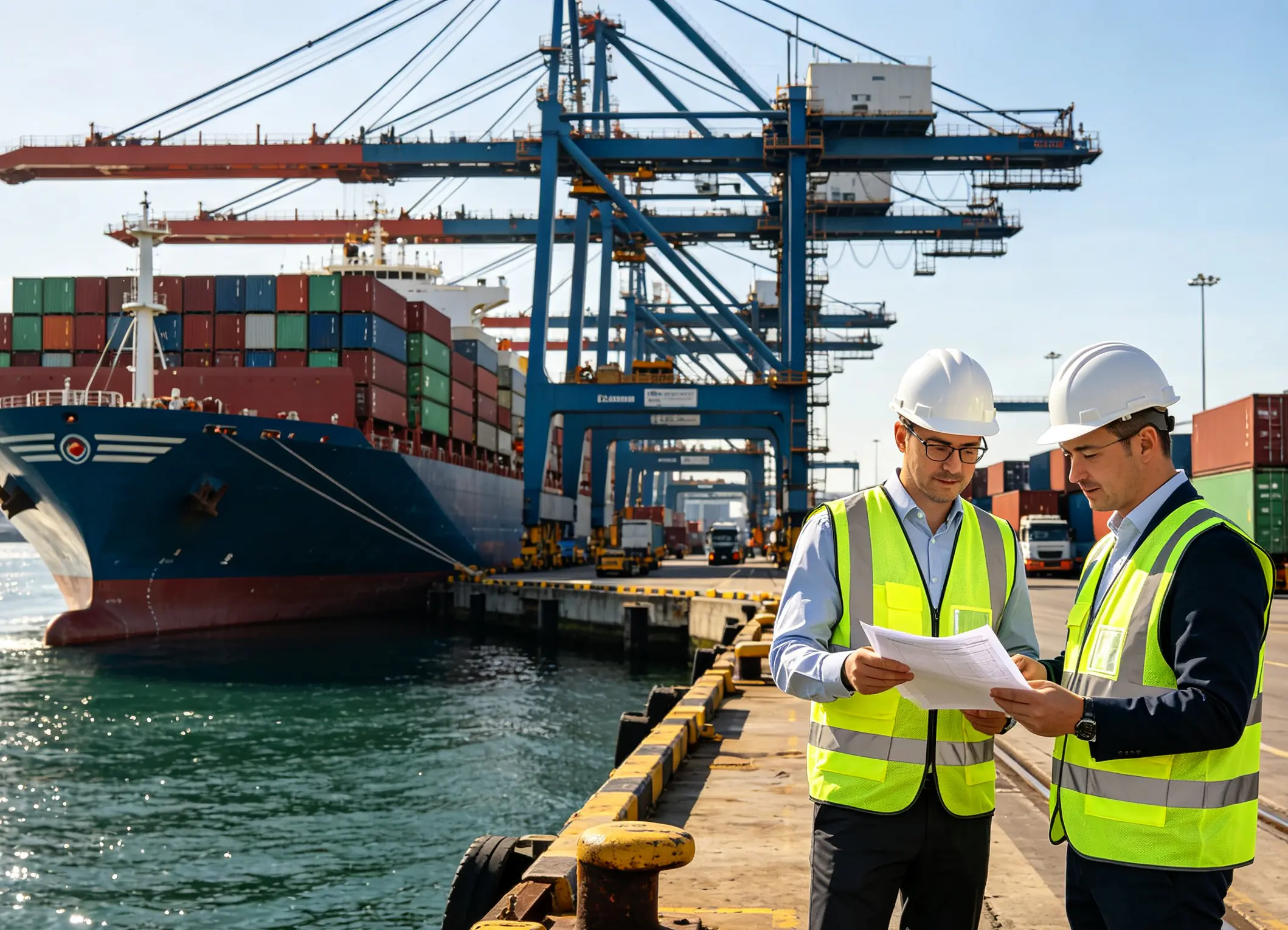
To avoid delays and extra charges, importers must ensure accurate HS codes, transparent value declarations, and proper packing before shipping. Mastering customs clearance Singapore is just as important as securing a competitive freight rate, as regulatory mistakes can quickly erase any logistics savings.
Hidden fees like Demurrage (charges for leaving a full container at the port beyond the allotted free days) and Detention (charges for keeping the empty container too long outside the port) can destroy your profit margin. At Efanda Logistics, our operations team routinely prevents these charges by leveraging Singapore’s TradeNet system to pre-clear goods while they are still on the water. A proactive freight forwarder China to Singapore must orchestrate this pre-clearance and schedule immediate last-mile delivery upon arrival at PSA Singapore or Tuas Port.
Additionally, you must strictly comply with the 9% Singapore GST on imports. This tax is calculated based on the CIF (Cost, Insurance, and Freight) value of the goods. Under-declaring your cargo’s value to avoid taxes is a severe compliance risk that can lead to heavy fines, cargo seizure, and blacklisting by Singapore Customs. For sensitive cargo—such as electronics containing lithium batteries or branded commercial goods—ensure your forwarder has the specific expertise required to handle the necessary safety certifications and documentation.
Why Choose Efanda Logistics as Your Freight Forwarder China to Singapore
Efanda Logistics offers transparent, fast, and fully compliant door-to-door shipping solutions tailored specifically for Singapore importers. Our deep understanding of both origin manufacturing hubs and destination import regulations allows us to eliminate common logistics headaches before they occur.
We secure competitive rates through direct contracts with top ocean carriers and airlines, ensuring you get the best price without any hidden fees. Furthermore, our dedicated local customs experts guarantee smooth customs clearance Singapore, protecting you from costly compliance risks. With 24/7 support and end-to-end shipment visibility, you always know exactly where your cargo is and when it will arrive at your door.
You may be interested in the following related articles:
- shipping from china to malaysia
- shipping from china to thailand
- shipping from china to vietnam
- shipping from china to japan
- shipping from china to south korea
FAQ
What is the cheapest way to ship from China to Singapore?
Sea freight is the most cost-effective method for shipping from China to Singapore. For smaller volumes (typically over 2 CBM), LCL shipping is highly economical. For large commercial orders, booking a 20GP or 40HQ FCL container provides the best cost-per-unit value.
Do I need to pay 9% GST for all imports to Singapore?
Yes, as of 2024, the Goods and Services Tax (GST) in Singapore is 9%. It applies to all goods imported for local consumption, regardless of the value. The tax is calculated on the total CIF (Cost, Insurance, and Freight) value of the shipment.
How long does DDP shipping take from China to Singapore?
DDP air freight generally takes between 3 to 7 days from door to door. DDP sea freight, which includes consolidation, transit, and customs clearance, typically takes between 10 to 15 days to arrive at your final address.
Can you handle consolidation for multiple suppliers?
Absolutely. If you are sourcing from various manufacturers across China, we can collect all your orders, store them in our bonded warehouse, and consolidate them into a single container. This significantly reduces your overall shipping costs and simplifies the customs clearance process.
Conclusion
Door-to-door shipping is the most efficient and stress-free way to manage your supply chain between China and Singapore. By understanding the true costs, realistic transit times, and stringent customs requirements, you can optimize your logistics strategy and safeguard your profit margins.
Stop worrying about complex freight operations, hidden fees, and unpredictable delays. Focus your energy on growing your business and satisfying your customers. Contact Efanda Logistics today for a customized, no-obligation quote for your next shipment from China to Singapore.