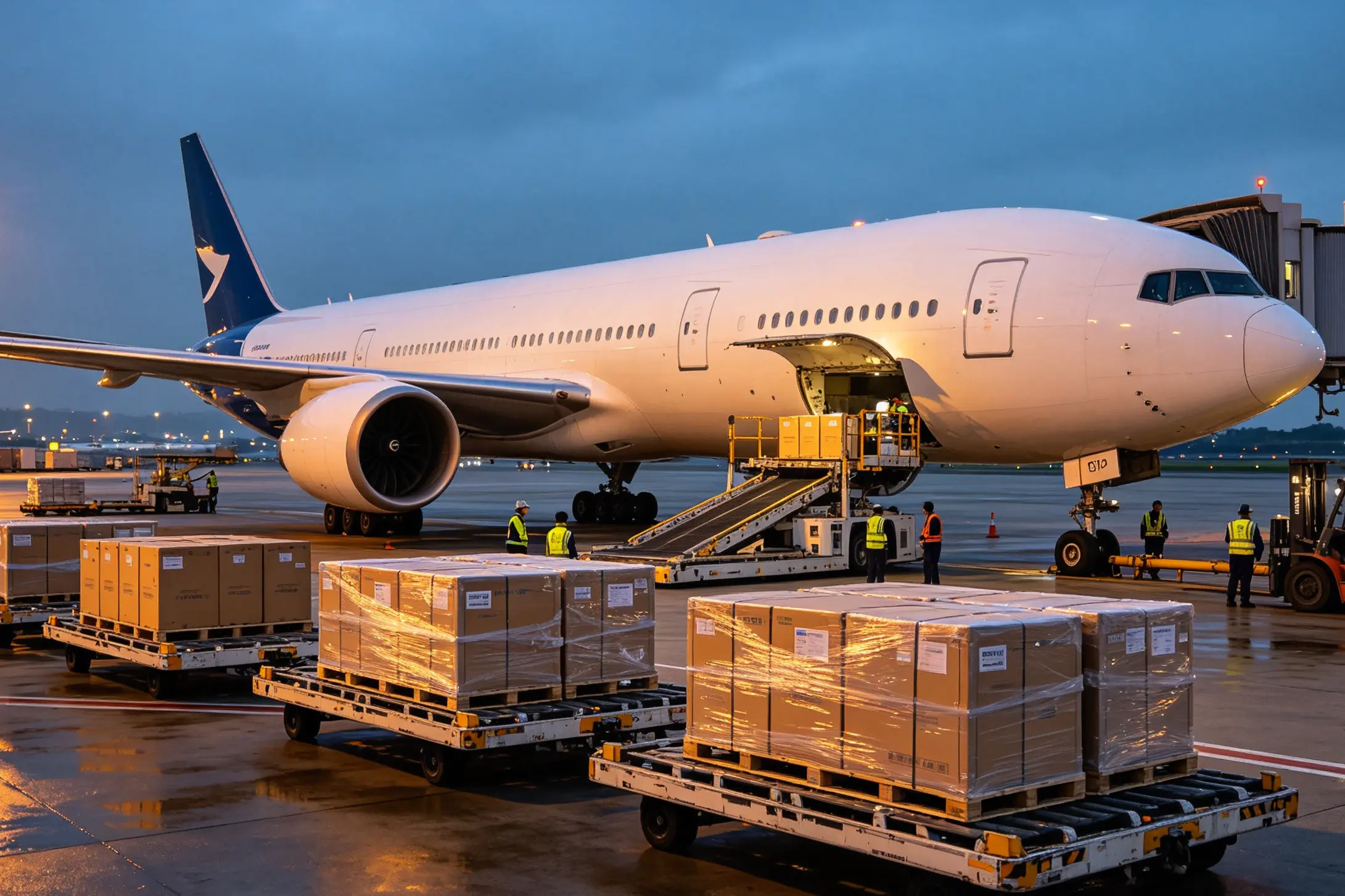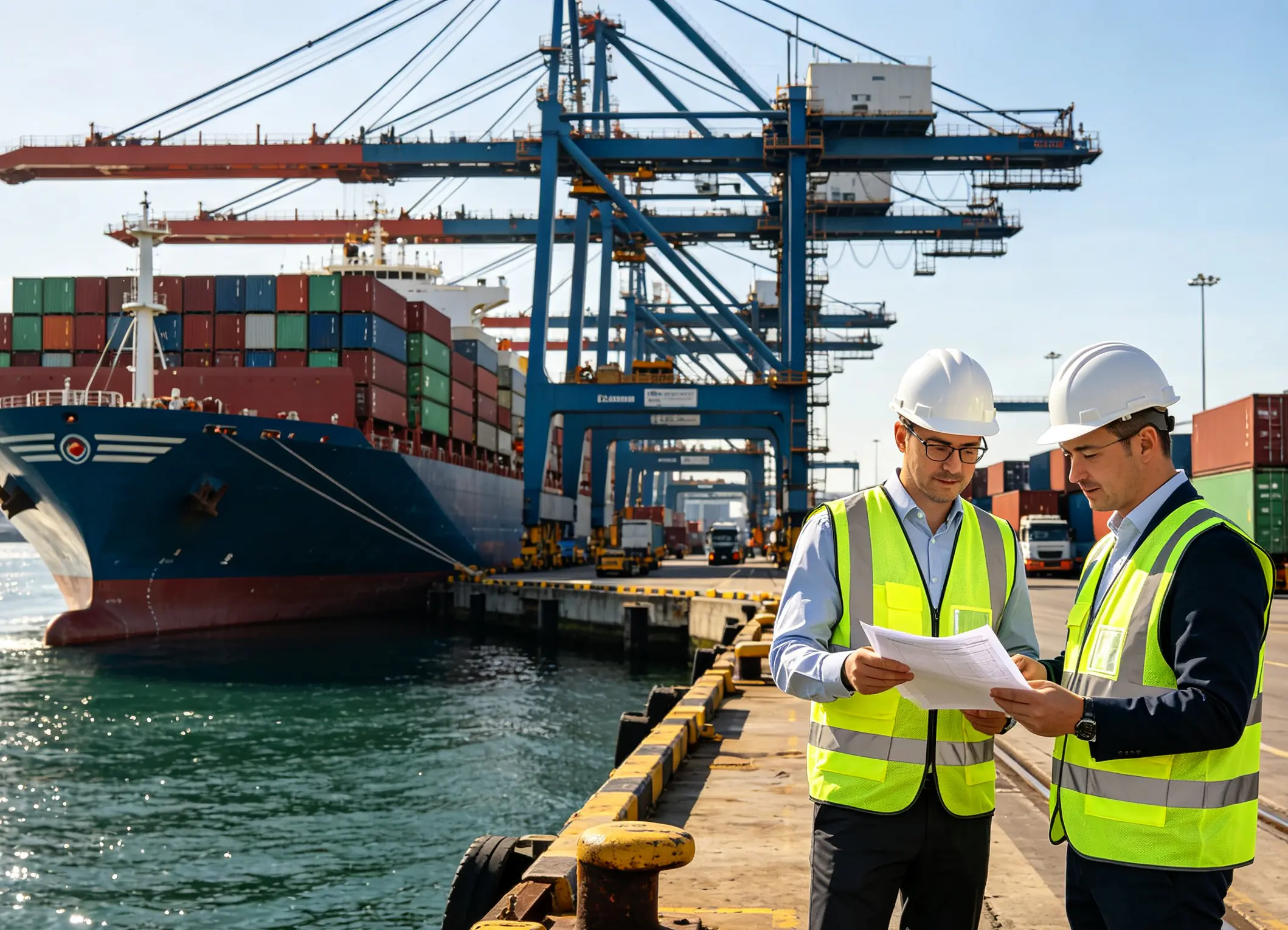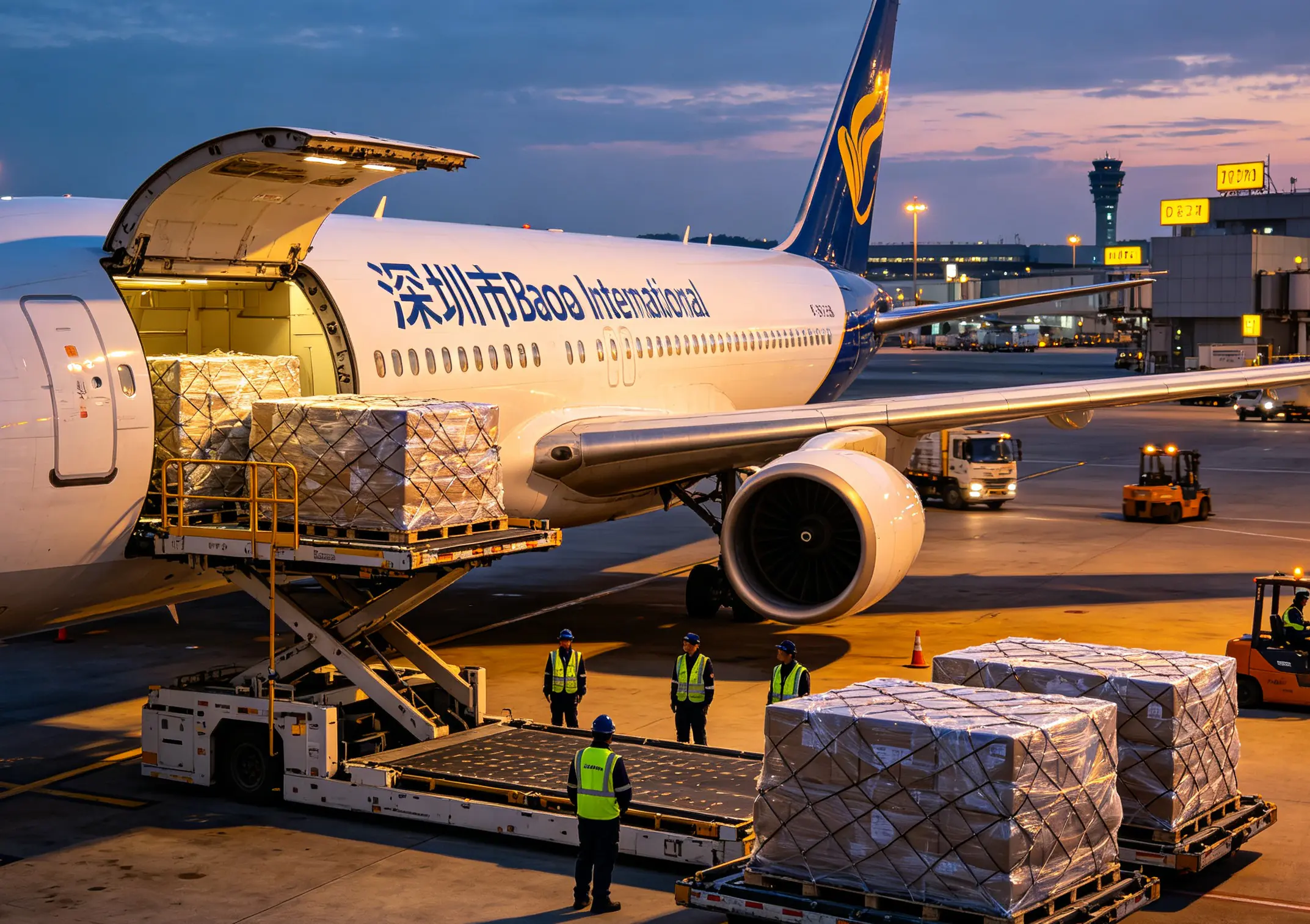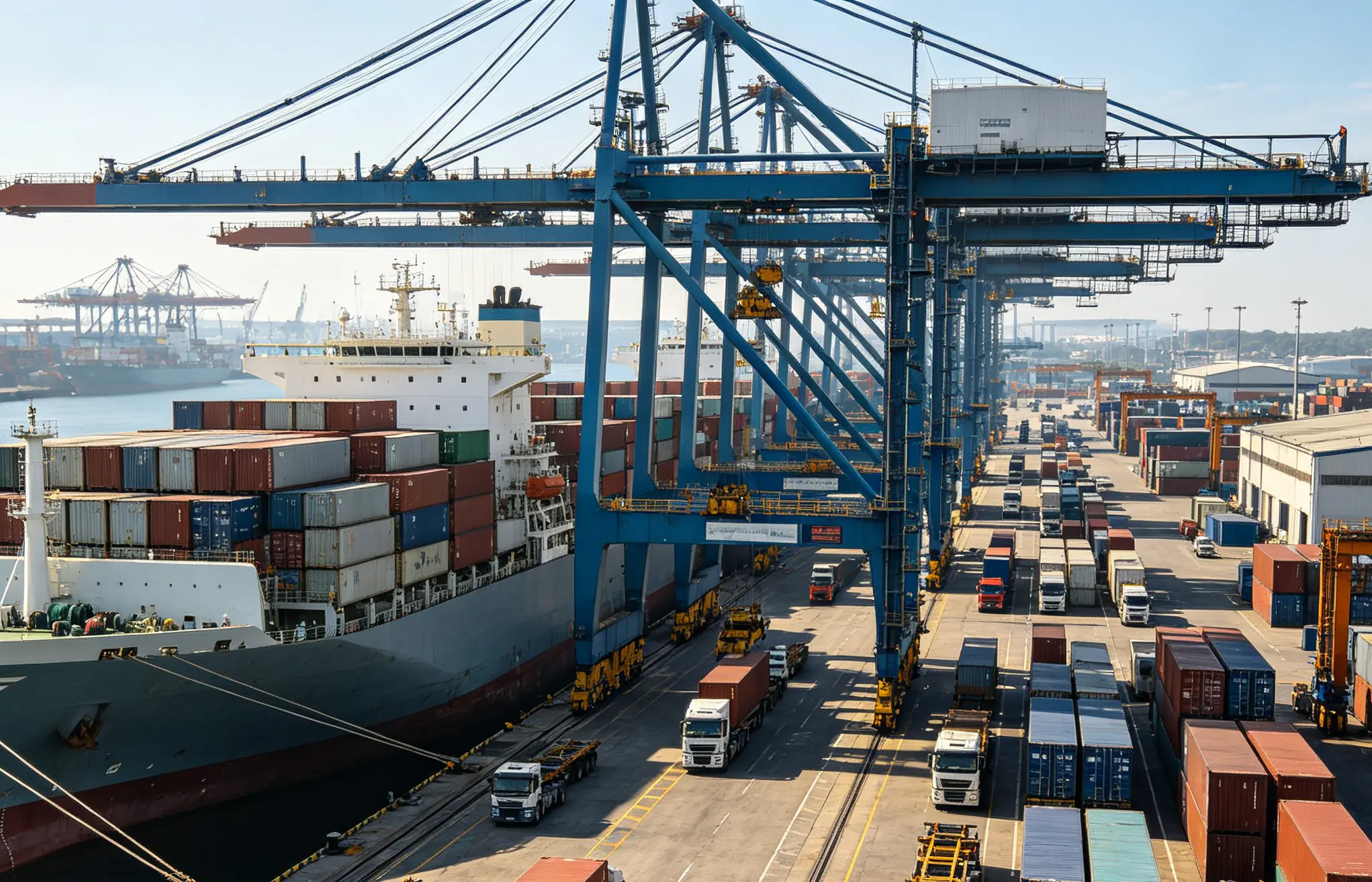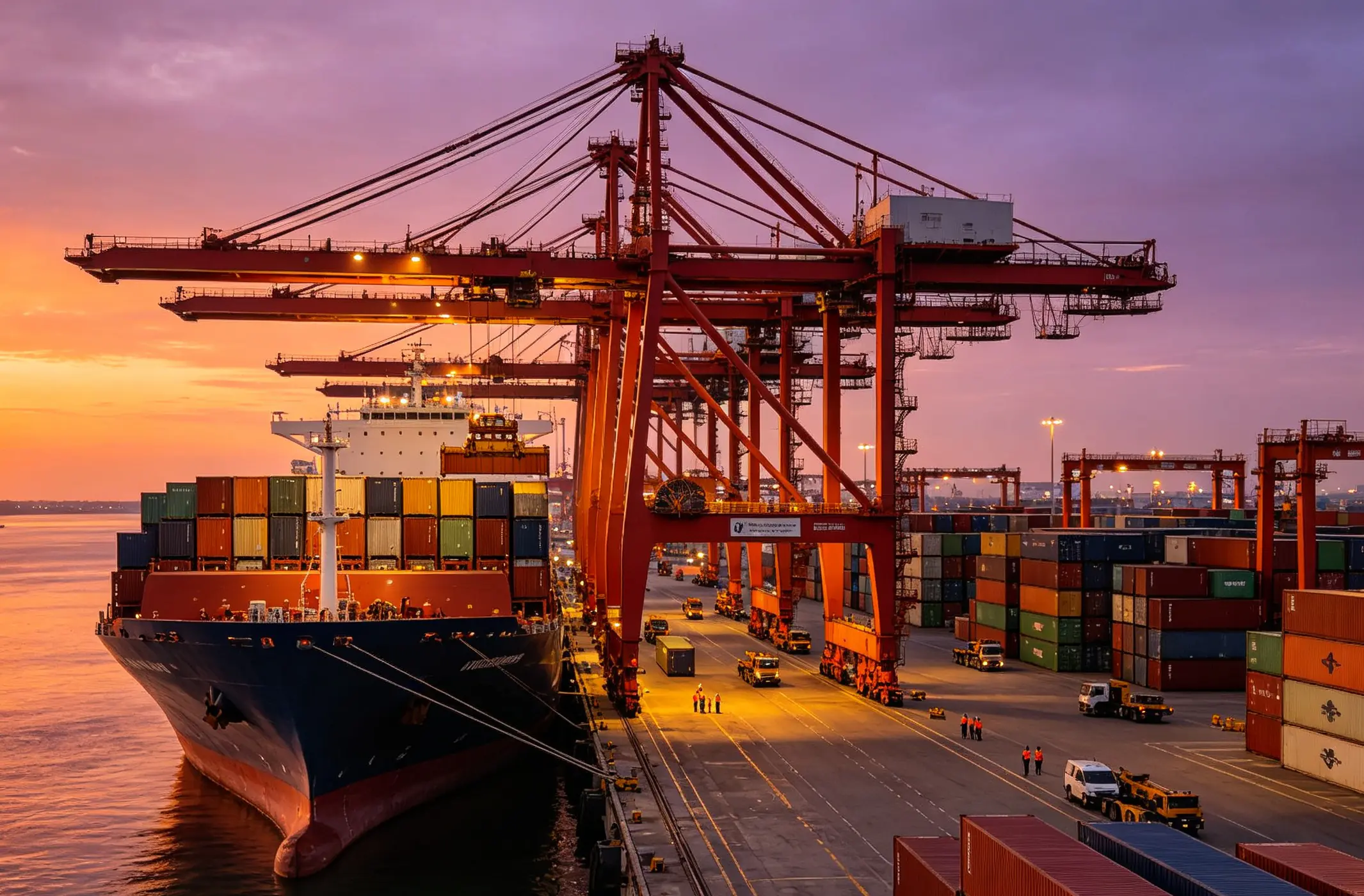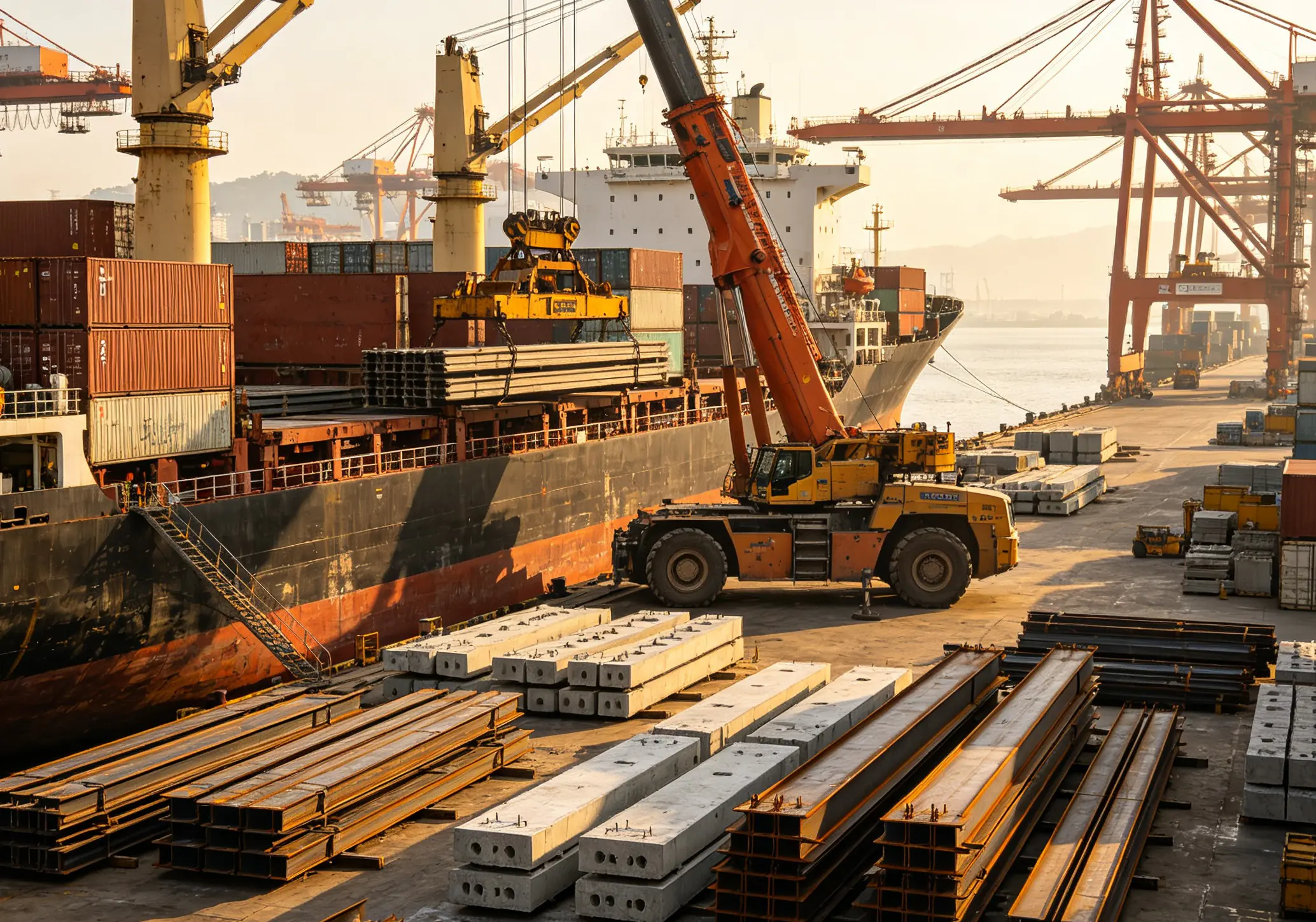
Last month, our operations team in Shenzhen coordinated a 40ft High Cube (HQ) shipment from a Guangdong electronics factory to a distribution warehouse in Rotterdam for a Dutch e-commerce client who had been overpaying on LCL consolidation for eighteen months. The cargo—consumer electronics weighing 18.5 metric tons—was collected from three separate suppliers in Dongguan and Shenzhen, consolidated at our warehouse in Bao’an District, loaded into a single sealed container, and shipped under one Master Bill of Lading. By switching to FCL shipping from China to Netherlands, we cut their per-unit logistics cost by nearly thirty percent and eliminated the repeated packaging damage they had accepted as normal. Stories like this are common in our daily operations, yet most importers still struggle with a more basic problem: the sheer confusion of comparing quotes. One forwarder emails a port-to-port FOB rate of $1,300 for a 40HQ; another quotes $4,800 door-to-door DDP. Both could be “correct,” depending on what is actually included. This guide is written to remove that confusion. Drawing on seven years of hands-on FCL operations from our Shenzhen headquarters—managing everything from supplier coordination and export customs to Rotterdam discharge and EU VAT advance—we will walk you through real cost ranges, a complete door-to-door timeline, container optimization tactics, Dutch customs essentials, and what the ongoing Red Sea situation means for your 2026 shipments.
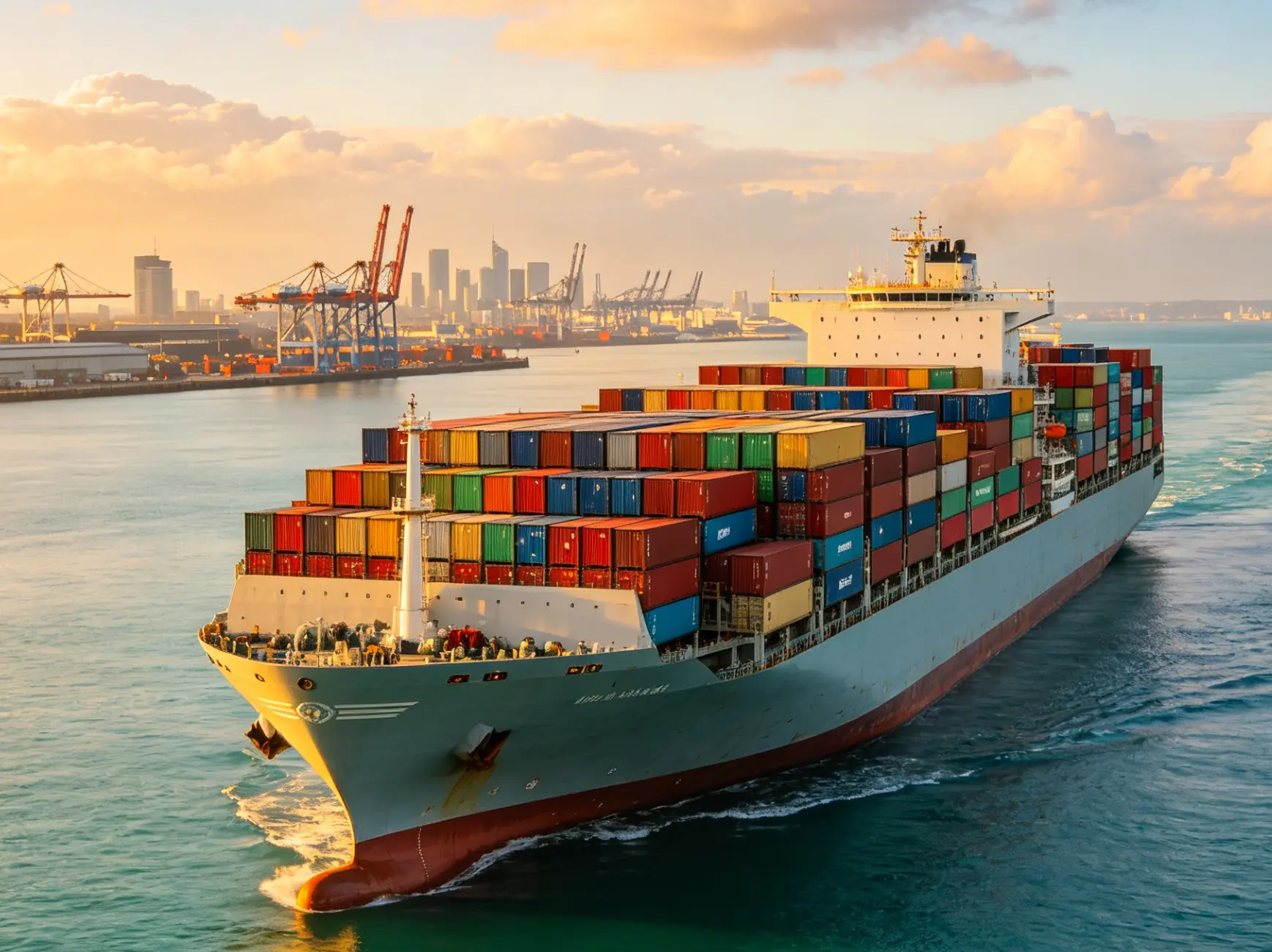
What Is FCL Shipping and Why Is It the Preferred Choice for China-to-Netherlands Trade?
FCL (Full Container Load) means your cargo occupies an entire shipping container exclusively. You pay for the whole box—whether it is a 20ft GP (General Purpose), a 40ft GP, or a 40ft HQ/HC (High Cube)—and no other shipper shares that space. For businesses shipping from China to Netherlands, FCL is typically the smartest option once your shipment reaches roughly 15–20 cubic meters (CBM) or exceeds 10 metric tons. Below that threshold, LCL (Less than Container Load) becomes more economical because you only pay for the volume you use. If you are unsure which mode fits your cargo, our guide to FCL vs LCL shipping breaks down the full decision framework.
The advantages of FCL on this lane are straightforward but significant. First, security: because the container is sealed at the factory or consolidation warehouse and opened only at the destination warehouse, the risk of theft, mishandling, or contamination is drastically lower than with LCL, where cargo is repeatedly consolidated and deconsolidated. Second, speed: FCL avoids the 3–7 days typically lost to LCL handling at both ends. Third, unit cost: once your cargo fills about seventy percent of a container, the per-CBM or per-kilogram cost of FCL almost always undercuts LCL. Finally, the Rotterdam port infrastructure—Europe’s busiest container gateway—handles FCL with exceptional efficiency, meaning faster discharge, shorter dwell times, and lower chance of demurrage fees.
Top Ports and Shipping Routes: From China to the Netherlands
Understanding the port landscape helps you choose the most cost-effective origin and the most efficient destination for your supply chain.
Major Origin Ports in China
Shanghai (CNSHA) is the world’s busiest container port, handling over 47 million TEUs annually. It offers the densest schedule of direct sailings to Rotterdam, which generally translates into the most competitive ocean freight rates and the fastest booking availability.
Ningbo-Zhoushan (CNNBO) ranks as China’s second-largest port and serves as the primary export gateway for the manufacturing-heavy Zhejiang Province. It effectively functions as an overflow and alternative to Shanghai, with many carriers offering interchangeable bookings between the two ports.
Shenzhen (CNSZX) and Guangzhou (CNGGZ) anchor the Pearl River Delta, the heartland of global electronics, furniture, and consumer goods production. If your suppliers are in Guangdong, shipping from Shenzhen or Nansha (Guangzhou’s main container terminal) avoids the cost and time of trucking cargo north to Shanghai.
Qingdao, Xiamen, and Tianjin serve northern and Fujian-based suppliers. While perfectly viable, these ports offer fewer direct Europe services, meaning cargo often transships through Busan or Singapore, adding 5–10 days to the journey.
Destination Ports in the Netherlands
Rotterdam (NLRTM) is Europe’s largest seaport and one of the top ten globally by throughput, processing over 14 million TEUs per year. Its deep-water terminals at Europoort and Maasvlakte can accommodate the largest vessels afloat, and Maasvlakte 2 features highly automated crane systems. Rotterdam’s defining advantage is its hinterland connectivity: direct barge access up the Rhine and Maas rivers, extensive rail links into Germany and Poland, and Europe’s largest concentration of distribution warehouses in its immediate vicinity. For importers relying on sea freight from China, this makes Rotterdam the most efficient European gateway. Many businesses also use Rotterdam as a springboard for wider European distribution. If your market includes France, explore our dedicated FCL shipping from China to France service. For most importers, Rotterdam is the default and optimal choice.
Amsterdam (NLAMS) is a secondary container port that can make sense if your final destination is in North Holland or if you are looking for less congested truck turnaround times for local deliveries.
Vlaardingen (NLVLA) specializes in chemical and hazardous cargo, offering IMDG and REACH-compliant handling facilities. If you are shipping chemicals, batteries, or other regulated materials, Vlaardingen may be the legally required or practically superior port of entry.
| Route | Approx. Distance | Typical Service Pattern |
|---|---|---|
| Shanghai → Rotterdam (via Suez) | ~10,500 nautical miles | Direct sailings, weekly frequency |
| Ningbo → Rotterdam (via Suez) | ~10,800 nautical miles | Shared rotation with Shanghai |
| Shenzhen → Rotterdam (via Suez) | ~11,200 nautical miles | Direct or Singapore/Colombo transshipment |
| Cape of Good Hope diversion | +3,500 nautical miles | Alternative route since late 2023 due to Red Sea security risks |
FCL Transit Times From China to Netherlands: What to Expect in 2026
If you are planning inventory replenishment, transit time is just as critical as freight cost. Here is what realistic timelines look like in the current market.
Port-to-Port Ocean Transit
| Origin Port | Destination | Standard Transit (Direct) |
|---|---|---|
| Shanghai / Ningbo | Rotterdam | 25–32 days |
| Shenzhen / Guangzhou | Rotterdam | 28–36 days |
| Qingdao / Xiamen | Rotterdam | 35–45 days (often with transshipment) |
| Hong Kong | Rotterdam | 30–37 days |
The Red Sea Factor
Since late 2023, attacks on commercial vessels in the Red Sea have forced many carriers to reroute Asia-Europe services around the Cape of Good Hope. This diversion adds approximately 7–12 days to the standard transit time and increases fuel consumption significantly—costs that are passed to shippers through surcharges. As of mid-2026, some carriers have resumed limited Suez transits with naval escort coordination, but the situation remains fluid. Always confirm with your freight forwarder whether your booked vessel is routing via Suez or the Cape, because the difference directly impacts your inventory planning. For a deeper analysis of how this crisis continues to reshape Asia-Europe logistics, see our dedicated coverage of the Red Sea crisis 2026.
Complete Door-to-Door Timeline
For most importers using door to door shipping, “transit time” really means “when will the cargo be in my warehouse?” Here is the full chain:
| Stage | Duration | Notes |
|---|---|---|
| Factory pickup & warehouse consolidation | 1–3 days | Multi-supplier collections in the Pearl River Delta add 1–2 days |
| China export customs clearance | 1–2 days | Shenzhen and Shanghai typically clear within 24 hours |
| Ocean transit (port-to-port) | 25–36 days | Add 7–12 days for Cape of Good Hope routing |
| Netherlands import clearance (AGS) | 1–3 days | FCL containers usually clear faster than LCL |
| VAT payment & duty settlement | 0–1 day | Instant under DDP; may take longer if importer pays directly |
| Inland delivery to warehouse | 1–2 days | Rotterdam to Amsterdam by truck is roughly 1 day |
| Total Door-to-Door | 30–45 days | Extend by 7–12 days if Cape routing is used |
The most common bottleneck we observe is not ocean transit—it is the 1–3 day window between cargo readiness and actual factory loading. Poor coordination between the forwarder, trucking team, and factory warehouse can easily stretch this to a week. Working with a forwarder who maintains local trucking relationships in China is the single best way to compress this stage.
FCL Shipping Costs From China to Netherlands: A Detailed Rate Breakdown
Port-to-Port Ocean Freight Estimates (2026)
The following table reflects spot-market port-to-port FOB/FCA ocean freight ranges we have observed across our carrier contracts and daily quoting activity in the first half of 2026. These are baseline rates and do not include origin charges, fuel surcharges, or destination fees. Rates are aggregated from our weekly booking data with carriers serving the Asia-Europe trade lane and cross-referenced against Freightos Baltic Index trends.
| Route | 20ft GP | 40ft GP | 40ft HQ | Transit Time |
|---|---|---|---|---|
| Shanghai → Rotterdam | $600–$900 | $1,200–$1,500 | $1,300–$1,600 | 25–32 days |
| Ningbo → Rotterdam | $550–$850 | $1,100–$1,400 | $1,200–$1,500 | 26–33 days |
| Shenzhen → Rotterdam | $700–$950 | $1,300–$1,600 | $1,400–$1,700 | 28–36 days |
| Guangzhou (Nansha) → Rotterdam | $750–$1,000 | $1,350–$1,650 | $1,450–$1,750 | 28–36 days |
| Hong Kong → Rotterdam | $800–$1,050 | $1,400–$1,700 | $1,500–$1,800 | 30–37 days |
Door-to-Door DDP Rate Reality Check
If you have received quotes ranging from $1,300 to $5,500 for the same 40HQ container, you are not imagining the confusion. Here is why the spread exists:
- A $1,300 quote is almost certainly port-to-port ocean freight only, under FOB terms. It excludes origin trucking, terminal handling charges, fuel surcharges, customs clearance, VAT, and delivery.
- A $4,200–$5,500 quote is typically a DDP (Delivered Duty Paid) door-to-door rate. It includes pickup at the Chinese factory, ocean freight, Rotterdam terminal handling, Dutch import clearance, advance payment of 21% VAT, and final truck delivery to your warehouse. You can read more about this Incoterm in our guide to DDP shipping explained.
For a typical Shenzhen-to-Rotterdam warehouse move in 2026, realistic all-in DDP ranges are:
| Container Type | DDP Door-to-Door Range |
|---|---|
| 20ft GP | $2,800–$3,800 |
| 40ft HQ | $4,200–$5,500 |
The exact figure depends on your cargo’s HS code (which determines duty rate), the current fuel surcharge level, whether peak-season surcharges are in effect, and your inland delivery distance within the Netherlands.
Additional Costs to Budget
| Cost Item | Typical Range | When It Applies |
|---|---|---|
| Terminal Handling Charges (THC) | $300–$500 per container | Origin and destination ports |
| Bunker Adjustment Factor (BAF) | $100–$300 | Varies with fuel oil prices |
| Peak Season Surcharge (PSS) | $200–$500 | August–October and pre-Chinese New Year |
| Customs Clearance (Netherlands) | $200–$400 | Per container, often bundled in DDP |
| Netherlands Import VAT | 21% of CIF + duty value | Mandatory; DDP forwarders usually advance this |
| Inland Trucking (Netherlands) | $150–$400 | Depends on distance from Rotterdam |
| Demurrage & Detention | $50–$150/day | If container is not returned within free days |
Rate Validity Warning
Ocean freight rates are not like airline tickets with fixed seasonal pricing. In the current volatile environment, spot-rate validity is typically two to four weeks at most. The Red Sea crisis, OCEAN Alliance scheduling adjustments, and bunker price swings can shift rates by 15–30% within a single month. Always request a forwarder quote that explicitly states the validity period and the routing.
Understanding Incoterms 2020: FOB, CIF, EXW, and DDP for Netherlands Imports
Choosing the wrong Incoterm can cost you thousands in unplanned charges. On the China-to-Netherlands lane, four terms dominate.
FOB (Free On Board) means the Chinese supplier pays to load the container onto the vessel at the origin port. From that point, you—the buyer—are responsible for ocean freight, insurance, Rotterdam terminal charges, customs clearance, VAT, and inland delivery. FOB is cost-efficient if you have an experienced logistics team in Europe and want maximum control over carrier selection. If you are new to this term, our article on what is FOB shipping covers the details.
CIF (Cost, Insurance, and Freight) means the supplier pays for ocean freight and basic insurance up to Rotterdam. However, risk transfers to you the moment the cargo crosses the ship’s rail in China. A critical detail many importers miss: under CIF, destination THC, customs clearance, VAT, and delivery are still your responsibility. The “delivered” price is not truly delivered.
EXW (Ex Works) places maximum obligation on you. You arrange and pay for everything from the supplier’s factory door in China all the way to your Netherlands warehouse. EXW gives you total control but demands significant logistics expertise and multiple vendor relationships.
DDP (Delivered Duty Paid) is the mirror opposite. The seller—or more commonly, your freight forwarder acting on your behalf—handles everything including factory pickup, ocean freight, Dutch customs clearance, VAT payment, and final delivery. For SMEs and e-commerce sellers without an in-house EU customs specialist, DDP is usually the least risky option.
| Cost Segment | FOB | CIF | EXW | DDP |
|---|---|---|---|---|
| China inland pickup | Seller | Seller | Buyer | Forwarder |
| Ocean freight | Buyer | Seller | Buyer | Forwarder |
| Marine insurance | Buyer | Seller | Buyer | Forwarder |
| Rotterdam THC | Buyer | Buyer | Buyer | Forwarder |
| EU customs clearance | Buyer | Buyer | Buyer | Forwarder |
| Netherlands VAT (21%) | Buyer | Buyer | Buyer | Forwarder |
| Inland delivery (Netherlands) | Buyer | Buyer | Buyer | Forwarder |
Our recommendation: unless you have a dedicated EU customs team and prefer to manage carriers directly, DDP or FOB paired with a reliable freight forwarder offers the best balance of cost control and operational sanity.
The Complete Door-to-Door FCL Process: A Step-by-Step Guide

Step 1: Booking and Cargo Readiness
Confirm your Cargo Ready Date (CRD) with the supplier, select your container type based on volume and weight, and lock in your Incoterm. During peak season, book 2–3 weeks ahead. Last-minute bookings in August or November often carry premium surcharges or face rolled cargo.
Step 2: Factory Pickup or Warehouse Consolidation
For single-supplier shipments, a trucking company delivers the empty container to the factory for loading. But if you source from multiple factories—as many Amazon sellers and SMEs do—multi-supplier consolidation is a game-changer. Your forwarder collects goods from each factory, brings them to a consolidation warehouse (in Shenzhen or Guangzhou), loads everything into one container under a single Bill of Lading, and ships it as one FCL unit. This avoids the per-shipment LCL handling fees and gives you FCL pricing on cargo that would otherwise move as separate LCL parcels.
Step 3: China Export Customs Declaration
Required documents include the commercial invoice, packing list, export customs declaration, and any product-specific certifications. In Shenzhen and Shanghai, competent forwarders clear export customs within one business day.
Step 4: Ocean Transit and Tracking
Once the vessel departs, you receive a Bill of Lading (B/L) or Sea Waybill. Modern forwarders provide online tracking via carrier APIs, updating container location at key milestones: departure, transshipment (if any), arrival at Rotterdam, and discharge.
Step 5: Netherlands Import Clearance
Before loading in China, the carrier or forwarder must submit an Entry Summary Declaration (ENS) to EU customs at least 24 hours in advance. Upon arrival in Rotterdam, the forwarder files the import declaration through the Dutch AGS (Automated Goods System). With complete documentation, FCL containers typically clear within 1–2 working days.
Step 6: VAT, Duties, and Cargo Release
Dutch import duties depend on your HS Code and range from 0% to 17%. VAT is a flat 21% calculated on the CIF value plus duty. Under DDP, your forwarder advances these payments and invoices you; under FOB/CIF, you or your EU customs broker must settle them before the container is released.
Step 7: Inland Delivery
The container is trucked from Rotterdam to your warehouse. For destinations in Amsterdam, Utrecht, or Eindhoven, this is usually a same-day or next-day drive. Alternatively, barge or rail can move containers deeper into Europe if your final destination is outside the Netherlands.
How to Optimize Your FCL Shipment and Cut Costs
Container Space Optimization
Packing a container well is not just about fitting everything in—it is about avoiding overweight penalties and maximizing the value of every cubic meter you paid for.
| Container Type | Max Payload | Internal Volume | Best For |
|---|---|---|---|
| 20ft GP | ~21,000 kg | ~33 CBM | Heavy, dense cargo (machinery, tiles) |
| 40ft GP | ~26,000 kg | ~67 CBM | General palletized cargo |
| 40ft HQ | ~26,000 kg | ~76 CBM | Volumetric cargo (furniture, electronics, soft goods) |
| 45ft HC | ~29,000 kg | ~86 CBM | Extra-high-volume lightweight cargo |
Rotterdam terminals enforce strict weight limits on road haulage. An overweight 40ft container can trigger extra handling fees or require special heavy-lift trucking. Always confirm your total cargo weight before booking.
Practical packing tips: standardize carton dimensions to eliminate void space; use stackable pallets to exploit the extra height of a 40ft HQ (2.69 meters vs. 2.59 meters in a GP); and remember that for most products, the LCL-to-FCL breakeven point is roughly 15–18 CBM.
Multi-Supplier FCL Consolidation
This is where SMEs can unlock significant savings. Suppose you import from four different factories in the Pearl River Delta, each producing 4–5 CBM of goods. Shipping each lot separately by LCL would cost roughly $5,500–$6,500 in total freight and handling. Consolidating everything into one 40HQ FCL shipment drops that to approximately $4,200–$5,000—a 20–30% saving—while improving cargo security and simplifying tracking. The key is working with a forwarder who operates or partners with a consolidation warehouse in Shenzhen or Guangzhou and can manage supplier coordination, quality checks, and unified export documentation.
Timing Strategies
Avoid shipping in the two weeks before Chinese New Year (late January or February, depending on the lunar calendar) and during the Q4 pre-Christmas rush (August through October). These windows see the steepest rate hikes, equipment shortages, and the highest probability of rolled bookings. If your supply chain allows, plan major shipments for March–April or May–June to capture lower rates and guaranteed space.
Netherlands Customs Clearance, VAT, and Compliance Requirements
Required Documents
- Commercial Invoice: Declares goods value, description, and seller/buyer details.
- Packing List: Specifies contents, net/gross weights, and dimensions per carton.
- Bill of Lading (B/L) or Sea Waybill: Serves as the contract of carriage and proof of ownership.
- Certificate of Origin: Required if you are claiming preferential tariff treatment under relevant trade agreements.
- Import License: Necessary only for restricted goods (certain chemicals, pharmaceuticals, agricultural products).
Pro Tip from Our Operations Desk: We recommend preparing digital scans of all documents at least 72 hours before your Cargo Ready Date. In our Shenzhen office, we run a pre-check on every Netherlands-bound shipment against a 12-point document checklist. The most common omission we catch is an incomplete packing list missing carton-level weights—Dutch Customs uses this data to flag discrepancies during AGS processing.
Dutch Customs Essentials
Every importer into the Netherlands—or the broader EU—needs a valid EORI (Economic Operators Registration and Identification) number. Non-EU businesses without a local entity can appoint a customs representative who holds an EORI to act on their behalf.
The ENS (Entry Summary Declaration) must be lodged at least 24 hours before cargo is loaded onto the vessel at the Chinese port. This is a legal requirement for all EU-bound maritime cargo and is typically handled by the carrier or forwarder.
Dutch import clearance is processed through the AGS (Automated Goods System). With accurate paperwork, FCL containers are usually cleared within 1–2 working days. Delays almost always stem from documentation issues, not systemic congestion.
Common Customs Mistakes to Avoid
Through years of handling Netherlands-bound cargo, we have seen the same errors create costly delays. In one case last year, a client’s LED lighting shipment was held at Rotterdam for four days because the factory used untreated wooden crates without IPPC marks—an entirely avoidable $600 detention fee.
- HS Code misclassification: An incorrect code can mean paying the wrong duty rate—or worse, triggering a post-clearance audit months later. If you are uncertain, request a binding tariff information (BTI) ruling from Dutch Customs or have your forwarder pre-classify.
- Missing CE marking: Electronics, machinery, and many consumer products require a CE mark and a Declaration of Conformity (DoC) to enter the EU market. Customs can detain shipments lacking this. We always recommend clients verify CE documentation before cargo leaves the factory.
- Non-ISPM15 wood packaging: Any solid wood pallets, crates, or dunnage must bear the IPPC mark proving heat treatment or fumigation. Untreated wood is subject to confiscation or destruction at the importer’s expense.
- Understated invoice values: Dutch Customs actively screen for undervaluation. If the declared price looks inconsistent with market benchmarks, they may demand bank transfer records or a third-party valuation.
Product-Specific Compliance Overview
| Product Category | Key Compliance Requirements |
|---|---|
| Electronics | CE marking, WEEE registration, RoHS compliance |
| Textiles | Correct fiber composition labeling, no special import license |
| Chemicals | REACH registration, Safety Data Sheet (SDS), IMDG (if hazardous) |
| Food & Cosmetics | EFSA regulations, EU-specific labeling, hygiene certificates |
| Toys | CE marking, EN 71 safety standards, traceability labeling |
FCL vs. LCL, Rail, and Air Freight: Which Mode Is Right for You?
FCL is not always the answer. The right mode depends on your cargo volume, urgency, and budget tolerance.
| Factor | FCL Sea | LCL Sea | Rail Freight | Air Freight |
|---|---|---|---|---|
| Transit Time | 28–36 days | 32–42 days | 16–20 days | 3–5 days |
| Cost per CBM | Lowest | Medium | Medium-High | Highest |
| Best For | Bulk, non-urgent inventory | Small-medium volumes, test orders | High-value goods needing faster-than-ocean turnaround | Urgent, perishable, or extremely high-value shipments |
| Cargo Safety | Highest (sealed container) | Moderate (shared, handled more) | High (sealed wagons) | High (airport security) |
| CO₂ Emissions per Ton | Lowest | Low | Moderate | High |
| Netherlands Connectivity | Excellent (Rotterdam direct) | Good | Good (rail hub connections) | Excellent (Amsterdam Schiphol) |
Decision framework:
- If your shipment exceeds 15 CBM or 10 tons, FCL is almost certainly your most cost-effective and secure option.
- If you are testing a new product with 1–10 CBM, start with LCL to limit risk.
- If you need to restock faster than ocean allows but cannot absorb air freight costs, China-Europe rail via the China-Europe Railway Express offers a viable middle ground at roughly 2–3x ocean cost but 60–70% less than air.
- Reserve air freight for true emergencies, perishables, or high-value electronics where inventory carrying cost exceeds the shipping premium. For truly urgent shipments, our air shipping from China to Netherlands service delivers cargo in 3–5 days.
You may be interested in the following related articles:
- shipping from china to uk
- shipping from china to spain
- shipping from china to germany
- shipping from china to france
- shipping from china to italy
FAQ: FCL Shipping From China to Netherlands
How long does FCL shipping take from China to Netherlands?
Port-to-port ranges from 25 days (Shanghai to Rotterdam direct) to 36 days (Shenzhen with transshipment). Door-to-door typically takes 30–45 days, or 37–57 days if the vessel routes around the Cape of Good Hope.
How much does a 40ft container cost from China to Netherlands in 2026?
Port-to-port ocean freight for a 40ft HQ generally ranges from $1,200 to $1,800 depending on the origin port. All-inclusive DDP door-to-door service usually runs $4,200–$5,500 from the Pearl River Delta to a Rotterdam-area warehouse.
What documents are needed for Netherlands import clearance?
You need a commercial invoice, packing list, Bill of Lading, and—if applicable—a certificate of origin and import license. ENS filing is mandatory 24 hours before loading.
Do I need a Netherlands EORI number to import from China?
Yes, or you must appoint an EU-based customs representative with an EORI to handle clearance on your behalf.
Can I ship goods from multiple Chinese suppliers in one FCL container?
Absolutely. Through warehouse consolidation, cargo from multiple factories can be collected, combined, and loaded into a single container under one Bill of Lading. This often reduces total logistics cost by 20–30% compared to separate LCL shipments.
What is the difference between FOB and DDP for Netherlands imports?
Under FOB, you manage and pay for everything after the cargo is loaded onto the vessel in China. Under DDP, your forwarder handles the entire chain including pickup, ocean freight, Dutch customs, VAT, and delivery.
How does the 21% Netherlands VAT work on imported goods?
Import VAT is calculated at 21% of the CIF value plus any applicable customs duties. Under DDP, your forwarder typically advances this payment and invoices you; under FOB/CIF, you must arrange payment directly before customs release.
What happens if my cargo is inspected by Dutch customs?
Inspections—either document-based or physical—add 2–5 days to clearance. Common triggers include HS code discrepancies, missing CE markings, or unusually low declared values. Accurate documentation is the best prevention.
Is FCL or LCL cheaper for shipping from China to Netherlands?
For shipments below roughly 15 CBM, LCL is cheaper. Above that threshold, FCL almost always delivers a lower per-unit cost and better cargo protection.
Which Chinese port is best for shipping to Rotterdam?
Shanghai offers the fastest transit and lowest rates for most cargo. If your suppliers are in Guangdong, Shenzhen or Guangzhou (Nansha) eliminates unnecessary domestic trucking and still provides competitive Europe services.
How do Red Sea disruptions affect FCL transit times to Netherlands?
Vessels diverted around the Cape of Good Hope add 7–12 days to standard Suez routing. Some carriers have resumed limited Suez sailings, but you should confirm the exact routing with your forwarder when booking.
Can a freight forwarder handle DDP shipping from China to Netherlands?
Yes. An experienced forwarder can manage the entire DDP chain—factory pickup, export clearance, ocean freight, Rotterdam THC, import clearance, VAT advance, and final delivery. This is the most common service model for SMEs without an in-house EU logistics team.
Why You Can Trust This Guide
This article was researched and written by the Efanda Logistics Operations Team, based at our headquarters in Shenzhen, China. Since 2018, we have managed over 4,200 FCL container shipments from China to the Netherlands and broader EU, covering industries from consumer electronics and automotive parts to industrial machinery and textiles. Our team includes licensed customs brokers, Incoterms-certified freight specialists, and on-the-ground warehouse supervisors who coordinate daily with Rotterdam terminal operators and Dutch customs representatives. The cost ranges, transit times, and compliance guidance in this guide reflect our direct operational experience, not generic industry estimates.
Conclusion
FCL shipping from China to Netherlands remains the gold standard for importers moving bulk inventory across the Asia-Europe corridor. It offers the lowest per-unit cost, the highest cargo security, and—with Rotterdam’s world-class infrastructure—reliable, predictable handling on the European side. In 2026, the main variables you need to manage are routing uncertainty from the Red Sea situation, volatile fuel-driven surcharges, and the complexity of Dutch customs compliance.
Get the basics right: match your cargo volume to the correct container type, choose an Incoterm that fits your operational capacity, and budget for the full door-to-door cost—not just the headline ocean rate. If you are sourcing from multiple factories, explore consolidation; the savings often surprise even experienced importers.
While carrier-direct rates might look appealing on paper, the hidden costs of poor coordination, delayed customs clearance, and lack of proactive tracking often make an experienced freight forwarder the more cost-effective choice. At Efanda Logistics, we have been managing end-to-end FCL shipments from China to the Netherlands since 2018. Based in Shenzhen, we offer multi-supplier cargo consolidation at our Bao’an warehouse, transparent all-in DDP quotes with no hidden surcharges, advance VAT handling, and a dedicated logistics specialist for every client. Our operations team tracks every container from factory pickup through Rotterdam discharge and final inland delivery, so you always know where your cargo stands.
Ready to ship? Request a real-time FCL quote tailored to your cargo volume, origin port, and delivery timeline—and let us take the complexity out of your next container shipment.