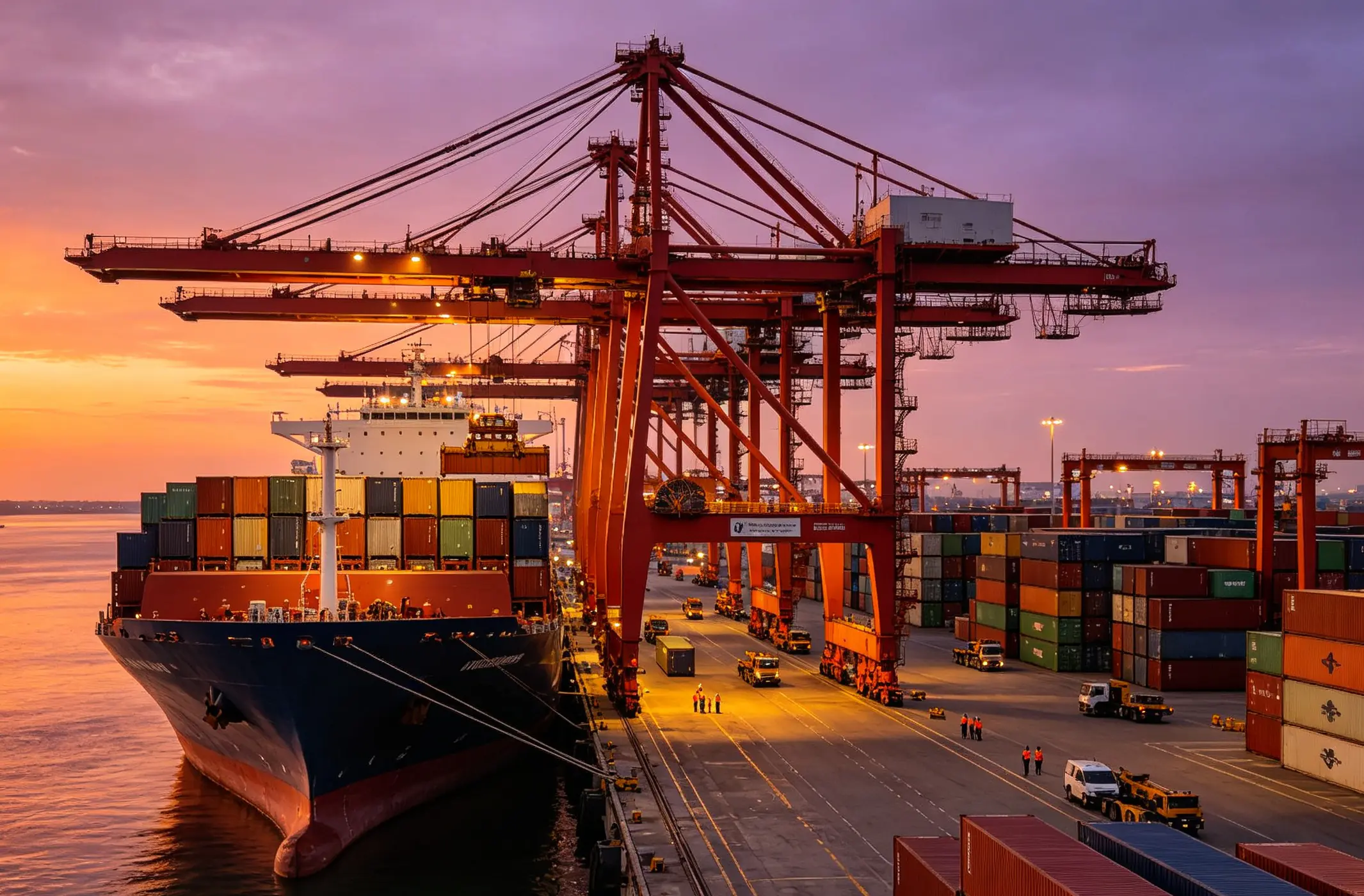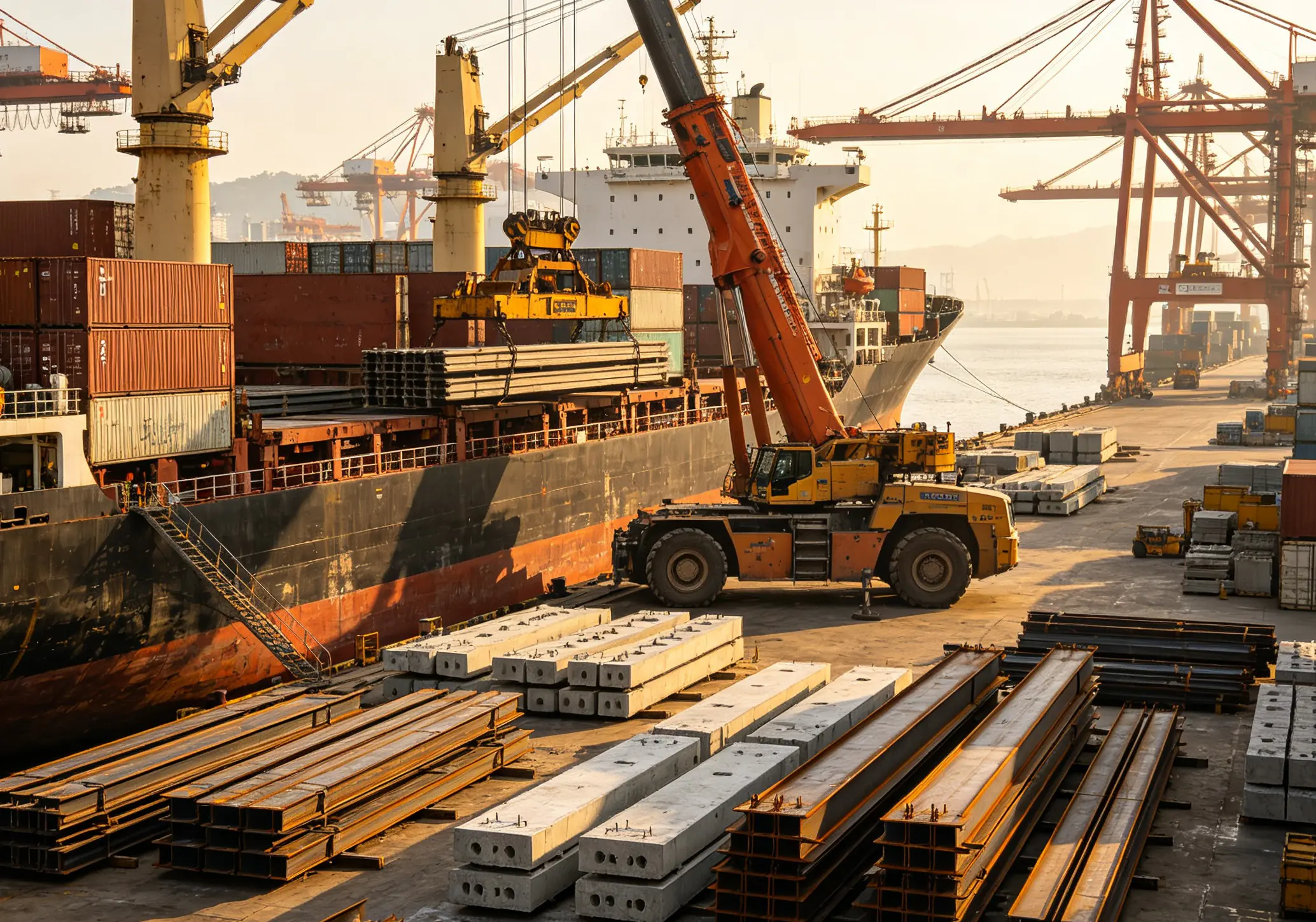
What happens when your German retailer threatens to cancel a $200,000 purchase order because your sea freight shipment is still three weeks away from Hamburg? For thousands of importers sourcing from China, this is not a hypothetical scenario — it is a recurring supply chain nightmare. Air freight shipping from China to Germany exists precisely for these moments when the cost of delay exceeds the cost of speed. Yet most businesses still approach air cargo as a simple rate-shopping exercise, missing the hidden fees, customs pitfalls, and volumetric weight traps that inflate invoices by 30% or more.
In this guide — written from the operational floor of our Shenzhen headquarters — we break down exactly what you need to know to ship by air from China to Germany in 2026. You will get current per-kilogram pricing by weight band and origin city, a complete DDP door-to-door workflow, seasonal rate calendars, German customs clearance insights from real cases, and an Amazon FBA air freight roadmap that no competitor has mapped this thoroughly. Whether you are a B2B importer restocking electronics, a fashion brand racing against a season, or an Amazon seller preventing a stockout, this is the operational playbook you have been looking for.
What Is Air Freight Shipping from China to Germany?
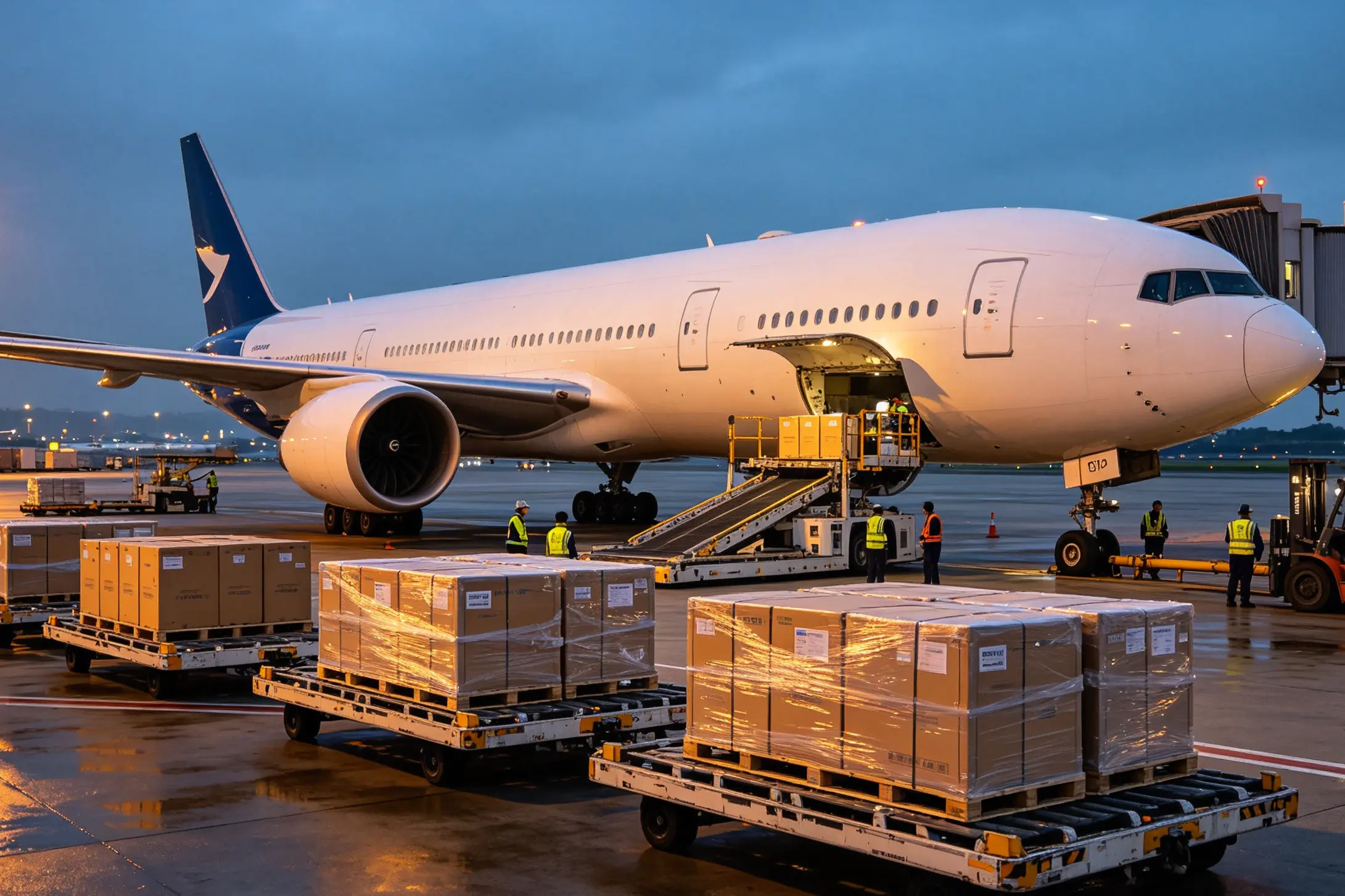
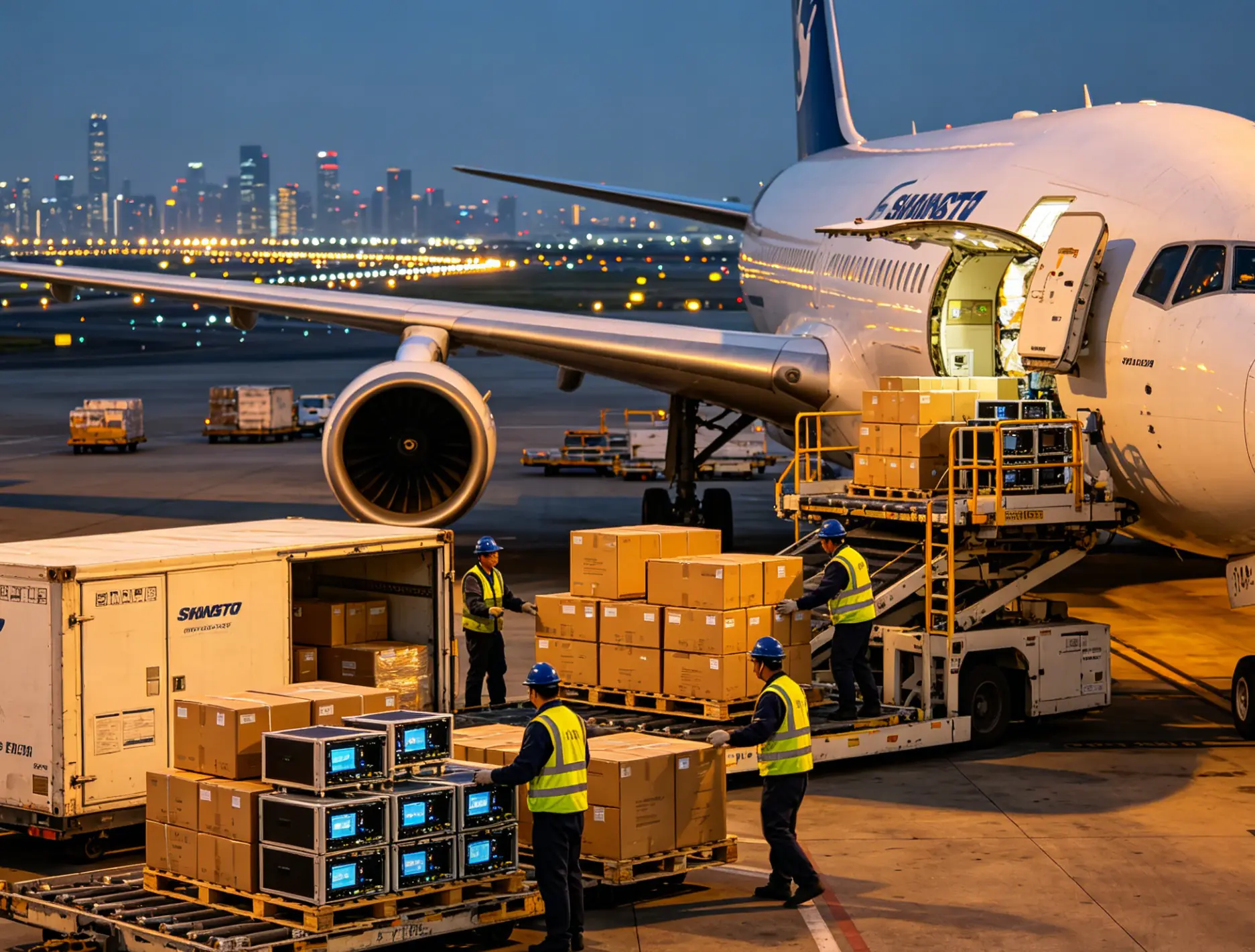
Air freight shipping from China to Germany is the transportation of commercial goods via cargo aircraft or passenger belly-hold space from major Chinese airports to German gateways such as Frankfurt, Leipzig, and Munich. Unlike express courier services that optimize for small parcels, air freight is designed for structured commercial shipments ranging from 45 kilograms to multiple pallets, offering a middle ground between the premium pricing of DHL/FedEx door-to-door and the month-long transit of ocean freight. As a structured commercial service, air freight from China bridges the gap between express courier premiums and ocean freight timelines.
To navigate this service effectively, you need to understand a few core terms that will appear throughout this guide:
- Air Waybill (AWB) — The contract of carriage between shipper and airline. It serves as proof of receipt and tracking document, but unlike a Bill of Lading, it is not a document of title.
- Chargeable Weight — The metric that determines your invoice. Airlines charge whichever is greater: the actual gross weight of your cargo or its Dimensional Weight (Volumetric Weight).
- Dimensional Weight — Calculated as Length × Width × Height (cm) ÷ 6,000. A carton measuring 60 × 50 × 40 cm has a dimensional weight of 20 kg even if it only weighs 8 kg. You will be billed for 20 kg.
- Freight Forwarder — The logistics coordinator that books airline space, manages export and import Customs Clearance, and arranges pickup and delivery.
- Incoterms — International commercial terms such as FOB, DAP, and DDP that define who pays for what at each stage of the journey.
Air freight is the preferred choice for B2B importers moving high-value electronics, Amazon FBA sellers replenishing German warehouses, medical device manufacturers shipping samples for regulatory approval, and any business where a production stoppage or stockout costs more than the freight premium.
Air Freight Costs from China to Germany (Per KG Breakdown)
As of June 2026, standard air freight cost from China to Germany ranges from $4.50 to $7.30 per kilogram for airport-to-airport service, depending on origin city, weight band, and seasonality. Door-to-door DDP service typically adds $3.00 to $10.00 per kilogram on top of base rates, bringing all-inclusive landed costs to roughly $7.00–$18.00 per kilogram depending on shipment profile.
How Chargeable Weight Actually Works
The single biggest surprise on air freight invoices is not the rate per kilogram — it is the chargeable weight. Airlines do not care whether your carton feels light. They care how much space it displaces in the cargo hold.
Imagine two shipments:
- Shipment A: 5 cartons of precision sensors. Each carton is 30 × 25 × 20 cm and weighs 12 kg. Actual weight = 60 kg. Dimensional weight = (30×25×20÷6,000) × 5 = 12.5 kg. Chargeable weight = 60 kg (actual weight wins).
- Shipment B: 5 cartons of foam packaging inserts. Same dimensions, but each weighs only 3 kg. Actual weight = 15 kg. Dimensional weight = 12.5 kg. Chargeable weight = 62.5 kg (dimensional weight wins — more than 4× the actual weight).
This is why packaging optimization is not a minor detail. It is a direct cost lever.

Airport-to-Airport Rates by Weight Band (June 2026)
| Weight Band | Rate per KG (USD) | Notes |
|---|---|---|
| < 45 kg | $8.00 – $12.00 | Minimum charge applies; often better to use express courier |
| 45 – 100 kg | $6.50 – $9.00 | Standard break point where air freight becomes cost-competitive |
| 100 – 300 kg | $5.50 – $7.50 | Most common B2B band; strong negotiation leverage |
| 300 – 500 kg | $4.80 – $6.50 | Negotiation sweet spot for regular shippers |
| 500 – 1,000 kg | $4.50 – $6.00 | Volume leverage begins; charter options emerge |
| > 1,000 kg | $4.20 – $5.50 | Charter consideration zone for time-critical bulk |
Rates are indicative for general cargo from Shanghai/Shenzhen to Frankfurt in June 2026. Hazardous goods, temperature-controlled cargo, and peak-season shipments will carry surcharges. Always request an all-inclusive quote with 2–3 week validity.
DDP Door-to-Door All-Inclusive Rates
| Weight Band | DDP Door-to-Door per KG (USD) | What’s Included |
|---|---|---|
| < 100 kg | $12.00 – $18.00 | Pickup, air freight, fuel/security, export/import customs, duties, 19% VAT, last-mile delivery |
| 100 – 500 kg | $8.50 – $12.00 | Same as above; per-kg rate drops with volume |
| > 500 kg | $7.00 – $9.50 | Same as above; best value for recurring B2B flows |
DDP pricing includes German import duties, which vary by product category (electronics often 0%, clothing 12%, footwear 16%). Your forwarder should specify whether duty rates are estimated or guaranteed.
Rates by Chinese Origin City
| Origin | To Frankfurt (FRA) | To Munich (MUC) | To Leipzig (LEJ) |
|---|---|---|---|
| Shanghai (PVG) | $4.50–$5.50 | $4.80–$5.80 | $5.00–$6.00 |
| Shenzhen (SZX) | $4.80–$5.80 | $5.10–$6.10 | $5.30–$6.30 |
| Hong Kong (HKG) | $4.60–$5.60 | $4.90–$5.90 | $5.10–$6.10 |
| Guangzhou (CAN) | $4.70–$5.70 | $5.00–$6.00 | $5.20–$6.20 |
| Beijing (PEK) | $5.00–$6.00 | $5.30–$6.30 | $5.50–$6.50 |
Hong Kong and Shanghai typically offer the most competitive rates due to high flight frequency and competition among carriers. Shenzhen rates run slightly higher for airport-to-airport service but can offset the difference with lower inland trucking costs for Pearl River Delta suppliers.
Hidden Fees That Inflate Your Invoice
Base rates are only the starting point. The following surcharges commonly add 20–40% to your final bill:
| Surcharge | Typical Cost | Notes |
|---|---|---|
| Fuel Surcharge (BAF) | $0.45–$0.75/kg | Fluctuates with jet fuel prices |
| Security Screening | $0.10–$0.30/kg | Mandatory for all cargo |
| Terminal Handling (Origin) | $50–$150/shipment | Per AWB |
| Terminal Handling (Destination) | €80–€150/shipment | Frankfurt/Munich rates |
| Customs Broker Fee | $80–$200/shipment | Varies by complexity |
| Delivery Order / THC | $30–$60/shipment | Documentation release fee |
At Efanda Logistics, we provide all-inclusive quotes that bundle these surcharges into a single per-kilogram or per-shipment rate — so the figure you see is the figure you pay.
Seasonal Price Volatility Calendar

| Period | Price Impact vs. Baseline | Booking Advice |
|---|---|---|
| January (Post-Chinese New Year) | +15–25% | Book 2–3 weeks ahead; factories reopen slowly |
| March–April (Fashion cycle) | +10–20% | Avoid if possible; spring fashion rush |
| June–August (Stable season) | Baseline | Best window for planning and locking annual rates |
| September–October (Pre-peak) | +10–15% | Secure Q4 space before November surge |
| November–December (Peak season) | +20–40% | Book 4+ weeks ahead; consider charter for critical cargo |
Transit Times: How Long Does Air Freight Take from China to Germany?
Standard air freight transit time from China to Germany is 3 to 7 days airport-to-airport and 5 to 12 days door-to-door, depending on service level, customs efficiency, and whether the shipment moves on a direct flight or connects through a Middle Eastern or European hub.
Transit Time by Service Level
| Service Level | Scope | Transit Time | Best For |
|---|---|---|---|
| Economy Air | Airport-to-airport | 5–9 days | Cost-sensitive urgent cargo |
| Standard Air | Airport-to-airport or door | 3–7 days | Balanced speed and budget |
| Priority / Express Air | Fast-track handling | 2–5 days | Critical replenishment, production lines |
| Express Courier (DHL/FedEx/UPS) | Door-to-door | 2–5 days | Small parcels under 100 kg |
Transit Time by Route
| Origin → Destination | Airport-to-Airport | Door-to-Door |
|---|---|---|
| Shanghai (PVG) → Frankfurt (FRA) | 3–5 days | 5–8 days |
| Shenzhen (SZX) → Frankfurt (FRA) | 4–6 days | 6–9 days |
| Hong Kong (HKG) → Frankfurt (FRA) | 3–5 days | 5–8 days |
| Guangzhou (CAN) → Leipzig (LEJ) | 5–7 days | 7–10 days |
| Beijing (PEK) → Munich (MUC) | 4–6 days | 6–9 days |
Shanghai and Hong Kong enjoy the fastest transit times due to daily direct passenger and cargo flights to Frankfurt. Shenzhen and Guangzhou often route through Hong Kong or connect via intermediate hubs, adding 12–24 hours.
The Truth About Delays
Here is something most carriers will not tell you: delays almost never happen in the air. The actual flight from Shanghai to Frankfurt is roughly 11 hours. The remaining 3–6 days are consumed by ground processes:
- Export customs clearance in China (0.5–2 days): Incomplete documentation or HS code queries are the most common holdup.
- Security screening and cargo buildup (0.5–1 day): Cargo must be screened and consolidated before uplift.
- German ATLAS customs review (0.5–2 days): The EU ICS2 pre-arrival security declaration must be filed before departure. Errors trigger manual inspection.
- Weekend and holiday gaps (1–2 days): If cargo arrives Friday evening, it often sits until Monday morning.
- Last-mile trucking (1–3 days): From Frankfurt airport to Berlin or Hamburg is not instantaneous.
In our daily operations from Shenzhen, the most avoidable delay we see is incomplete pre-alert data — missing consignee details, vague product descriptions, or outdated EORI numbers that trigger German customs holds.
German Inland Delivery Times from Each Gateway
| Gateway Airport | To Berlin | To Munich | To Hamburg | To Stuttgart | To Cologne |
|---|---|---|---|---|---|
| Frankfurt (FRA) | 1–2 days | 1 day | 1–2 days | 1 day | 1 day |
| Leipzig (LEJ) | 1 day | 1–2 days | 1–2 days | 2 days | 1–2 days |
| Munich (MUC) | 2 days | — | 2–3 days | 1 day | 1–2 days |
If your final destination is Berlin, Leipzig/Halle Airport is often the optimal gateway — not Frankfurt — because the truck distance is shorter and Leipzig operates 24/7 for express cargo.
Major Airports and Routes: Choosing Your Gateway
Chinese Origin Airports
Shanghai Pudong (PVG) is China’s largest air cargo hub, with the densest schedule of direct freighter flights to Germany. If your supplier is in the Yangtze River Delta, PVG offers the most options and typically the lowest base rates.
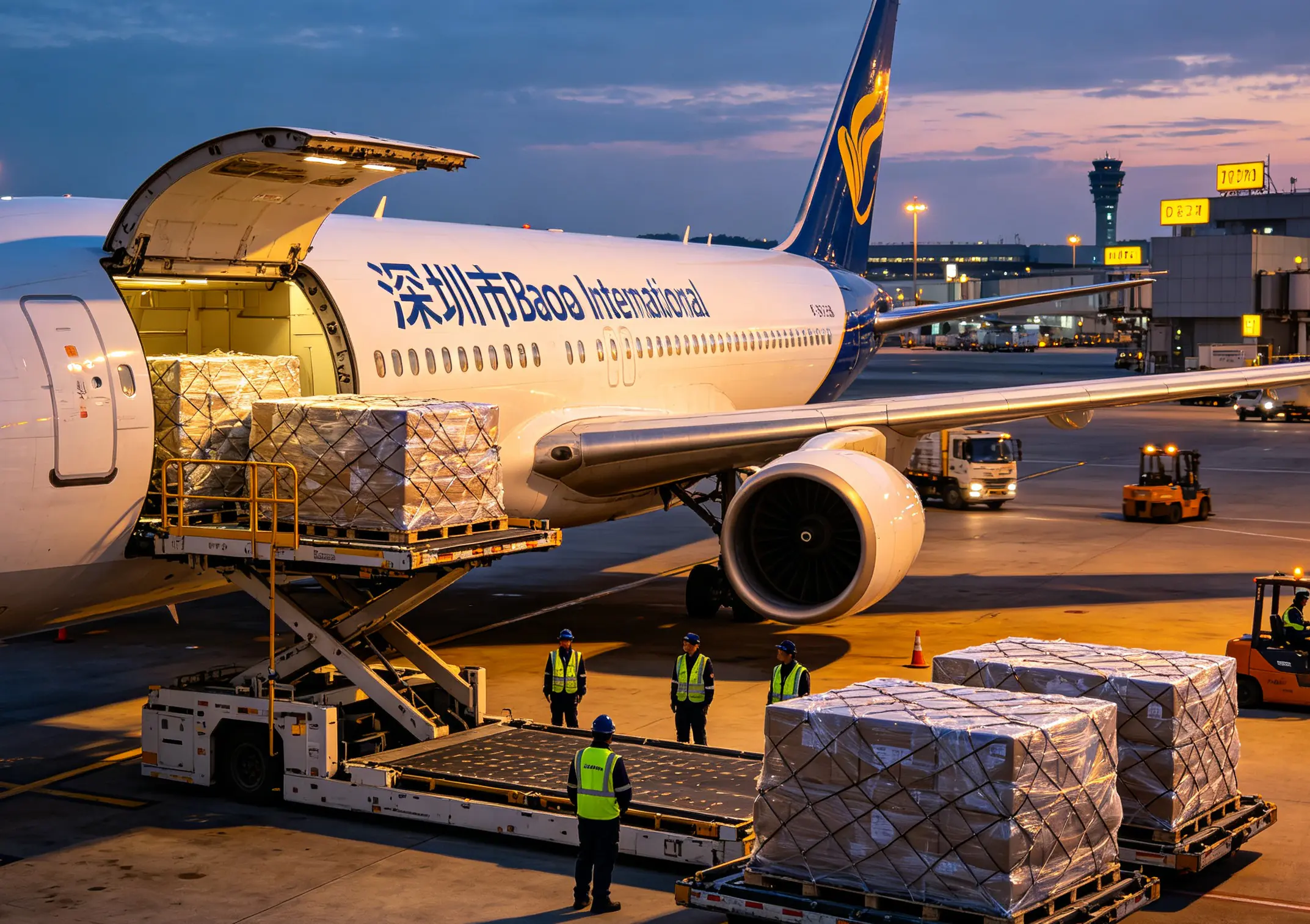
Shenzhen Bao’an (SZX) is the natural choice for electronics manufacturers in the Pearl River Delta. From our Shenzhen warehouse, we typically see a 24-hour turnaround from factory pickup to SZX cargo terminal handover. For high-velocity B2B shipments, that proximity translates into faster bookings and lower inland costs.
Hong Kong (HKG) offers the widest international network, strongest dangerous goods handling capabilities, and highly competitive rates due to carrier competition. Many Shenzhen and Guangzhou shippers truck cargo to Hong Kong to access lower rates or specialized services not available at mainland airports.
Guangzhou Baiyun (CAN) has emerged as a major e-commerce hub, with strong FBA cargo throughput and competitive pricing for cross-border sellers.
Beijing Capital (PEK) serves northern China suppliers, though flight frequency to Germany is lower than Shanghai or Hong Kong.
German Destination Airports
| Airport | IATA | Carrier Hub | Best For | Customs Speed |
|---|---|---|---|---|
| Frankfurt (FRA) | FRA | Lufthansa Cargo | General cargo, high-value electronics, pharma | Fast (ATLAS fast-track) |
| Leipzig/Halle (LEJ) | LEJ | DHL Global Hub | E-commerce, FBA, express parcels | Very Fast (24h operations) |
| Munich (MUC) | MUC | Lufthansa / Star Alliance | Southern Germany, Austria spillover | Fast |
| Cologne Bonn (CGN) | CGN | UPS European Hub | Express overnight, Western Germany | Fast |
| Hamburg (HAM) | HAM | — | Northern Germany, seaport connection | Moderate |
Frankfurt remains the default choice for general B2B cargo. It is Germany’s largest cargo hub, with direct routes from all major Chinese cities and a well-oiled ATLAS fast-track for pre-cleared shipments.
Leipzig/Halle is the hidden gem for Amazon sellers and e-commerce operators. As DHL’s primary European hub, it operates 24 hours a day and offers one of the most reliable express delivery networks to German and Central European fulfillment centers.
Munich is ideal if your customer base is in southern Germany or Austria. Lufthansa Cargo maintains a strong presence here, and customs efficiency is comparable to Frankfurt.
DDP Door-to-Door Air Freight: The Complete Workflow
If you are unfamiliar with Delivered Duty Paid terms, start with our guide to DDP shipping explained before reviewing the workflow below.
DDP (Delivered Duty Paid) air freight from China to Germany is the only service level where your forwarder handles everything — from factory pickup in China to final delivery at your German door, including all customs duties and 19% German VAT. For importers who want predictable landed costs without coordinating multiple vendors, DDP eliminates complexity and cash-flow surprises. This is the core promise of door to door shipping: one quote, one vendor, zero surprise invoices.
DDP vs. DAP vs. FOB: Who Pays for What?
| Stage | FOB | DAP | DDP |
|---|---|---|---|
| China pickup | Buyer | Forwarder | Forwarder |
| Export customs | Buyer | Forwarder | Forwarder |
| Air freight | Buyer | Forwarder | Forwarder |
| Import customs | Buyer | Buyer | Forwarder |
| Duties & 19% VAT | Buyer | Buyer | Forwarder |
| Germany delivery | Buyer | Forwarder | Forwarder |
Under FOB, you control the freight but shoulder the coordination burden. Under DAP, the forwarder delivers to your door but you still pay duties and VAT directly to German customs. Under DDP, you pay one invoice and receive one delivery.
The 7-Step DDP Air Freight Workflow

- Shipment profile sharing. You provide cargo type, dimensions, weight, HS code, and desired timeline. The forwarder calculates chargeable weight and estimates duties.
- All-inclusive quote confirmation. The quote bundles freight, fuel surcharge, security, origin/destination handling, customs brokerage, duties, 19% VAT, and last-mile delivery. Review the scope in writing.
- Pickup scheduling. The forwarder arranges collection from your supplier’s factory or warehouse in China.
- Export customs clearance + security screening. Cargo is declared to Chinese customs, screened, and handed to the airline.
- Air uplift to German gateway. Cargo flies to Frankfurt, Leipzig, Munich, or another agreed airport.
- German import customs (ATLAS) + duty/VAT settlement. The forwarder’s German broker clears the shipment and pays duties and VAT on your behalf.
- Last-mile delivery to your door. A local truck delivers the cargo to your German warehouse, office, or Amazon FBA center.
What Is Included in DDP — and What Is Not
| Included in DDP | Not Included (Clarify with Forwarder) |
|---|---|
| Pickup in China | Unloading at destination (unless agreed) |
| Export customs clearance | Storage after free time expires |
| Air freight linehaul | Return of pallets or shipping equipment |
| Fuel & security surcharges | Cargo insurance (optional add-on) |
| Import customs clearance | Re-delivery attempts after failed delivery |
| Duties & 19% German VAT | Special handling (e.g., tailgate lift) |
| Last-mile delivery | — |
At Efanda Logistics, our DDP air freight service covers all of the above in a single transparent quote. Because we are headquartered in Shenzhen, we can execute same-day pickups across the Pearl River Delta and maintain direct control over the export process before cargo ever reaches the airport.
Documentation and Customs Clearance for Air Freight Germany
German customs is not a black box, but it is unforgiving. Germany’s customs officials are notorious for being strict about checking HS codes, and even minor discrepancies between your commercial invoice and the product description can trigger a 2–5 business day hold.
Required Documents
- Commercial Invoice — Must show accurate product descriptions, quantities, unit prices, and total value in a currency accepted by German customs.
- Packing List — Must match the invoice line by line. Discrepancies trigger manual inspection.
- Air Waybill (AWB) — The airline’s tracking and contract document.
- EORI Number — Your EU Economic Operators Registration and Identification number. Without a valid EORI, German customs cannot process your import.
- Product-specific certificates — CE declarations for electronics, MSDS for chemicals, phytosanitary certificates for wood products, etc.
ATLAS and EU ICS2: The Systems That Control Your Cargo
Germany uses ATLAS (Automatisiertes Tarif- und Lokales Zoll-Abwicklungs-System) for electronic customs declarations. Before your cargo ever leaves China, the EU ICS2 (Import Control System 2) requires that pre-arrival security data — including consignee details, HS codes, and cargo descriptions — be transmitted electronically to EU authorities. If the data is inconsistent or incomplete, the shipment is flagged for inspection upon arrival.
Our compliance team in Shenzhen pre-screens every shipment’s HS codes against the EU TARIC database before uplift. In a recent case, this pre-screening caught a misclassified battery accessory that would have triggered a €2,400 fine and a five-day hold at Frankfurt.
Top 5 Reasons German Customs Holds Air Freight Shipments
- HS code does not match product description. This is the #1 cause of delays. A “plastic electronic enclosure” and a “plastic housing for consumer electronics” may sound similar but can carry different duty rates.
- Declared value appears too low. German customs cross-reference invoice values against market databases. Under-declaration invites fines up to 10% of shipment value.
- Missing CE marking or compliance certificates. Electronics, toys, and machinery require CE conformity documentation.
- Lithium batteries declared incorrectly. Unreported or improperly classified batteries are an immediate red flag.
- Invalid or missing EORI number. Always verify that your EORI is active before shipping.
Cargo Types, Restrictions, and Packaging
General Cargo
Most manufactured goods — textiles, consumer electronics, machinery parts, hardware — ship without restriction provided documentation is accurate and packaging is secure.
Electronics and Lithium Batteries
Shipping electronics by air is routine, but lithium batteries are governed by IATA Dangerous Goods Regulations. Violations risk fines, seizure, and even criminal charges.
| Battery Type | Air Rule |
|---|---|
| Lithium-ion (standalone) | ≤300 Wh per battery; ≤30% state of charge; UN38.3 test required; Class 9 label |
| Lithium-ion (contained in equipment) | PI 966/967 rules apply; equipment must be protected against accidental activation |
| Lithium-metal | Stricter limits; consult carrier acceptance policy |
Required documents for battery shipments include the Shipper’s Declaration for Dangerous Goods, the battery MSDS, and the UN38.3 Test Summary.
Prohibited and Restricted Items
Aerosols, compressed gases, flammable liquids, certain paints and adhesives, magnetized materials above threshold, and dry ice in excessive quantities are either banned or require special handling. If you are unsure, ask your forwarder before booking.
Amazon FBA Packaging Requirements
If your destination is an Amazon fulfillment center in Germany, packaging compliance is non-negotiable. Amazon rejects non-compliant shipments and charges rejection fees.
- FNSKU labels must be scannable and placed on every unit.
- Pallet specs must match EU pallet dimensions (120 × 80 cm).
- Weight limits per carton and per pallet vary by fulfillment center — check Amazon’s inbound guidelines.
- Avoid these 5 common rejection triggers: overhang pallets, loose items, incorrect labeling, mixed SKUs in one carton without partitions, and poly bags without suffocation warnings.
Packaging to Reduce Dimensional Weight
- Use vacuum compression bags for fluffy goods like textiles and foam.
- Order custom carton sizes that minimize empty space — we have seen 20–25% reductions in chargeable weight from this alone.
- Consolidate heavy and light items in the same shipment to balance the overall density.
Amazon FBA Air Freight to Germany
For sellers using Amazon FBA, a stockout in Germany does not just mean lost sales — it means listing rank deterioration that can take weeks to recover. Air freight is the emergency brake.
German FBA Centers and Optimal Gateways
| FBA Center | Location | Recommended Gateway | Truck Time from Airport |
|---|---|---|---|
| LEJ1 / LEJ2 | Leipzig | Leipzig/Halle (LEJ) | Same day |
| CGN1 | Cologne | Cologne Bonn (CGN) | Same day |
| FRA1 / FRA3 | Frankfurt area | Frankfurt (FRA) | 1 day |
| MUC3 | Munich area | Munich (MUC) | 1 day |
| BRE1 | Bremen | Hamburg (HAM) | 1–2 days |
| BER3 | Berlin | Leipzig (LEJ) | 1 day |
If your inventory is destined for LEJ1 or CGN1, routing through Leipzig or Cologne instead of Frankfurt can cut one full day off your total transit time.
The FBA Air Freight Workflow
- Domestic pickup to the forwarder’s warehouse for labeling and palletizing.
- Export customs clearance + air uplift to Germany.
- German import clearance under DDP.
- Destination airport pickup + Amazon appointment scheduling.
- Truck delivery to the FBA center during the assigned window.
We recently managed a multi-pallet air freight shipment from Shenzhen to Amazon LEJ1, handling labeling, palletizing to EU spec, and direct delivery — without incurring a single Amazon rejection fee. The key was pre-validating every carton dimension and FNSKU placement before the cargo left our warehouse.
Best Practice: The Hybrid Model
Smart sellers do not ship everything by air. They use ocean freight from China to Germany for baseline inventory and air freight for emergency top-ups of best-selling SKUs or new product launches. This hybrid approach protects margins while preventing stockouts.
Cargo Insurance for Air Freight
Air freight moves fast, but accidents and theft can still happen at terminals and during handling — which is why cargo insurance is a non-negotiable safeguard for high-value shipments.
When You Should Insure
- Shipment value exceeds $10,000
- Fragile or sensitive electronics
- Seasonal goods where replacement cannot arrive in time
- First-time suppliers or new product lines
Premium and Coverage
| Shipment Value | Estimated Premium | Coverage |
|---|---|---|
| $10,000 | $30–$100 | All-risk standard |
| $50,000 | $150–$500 | All-risk standard |
| $200,000 | $600–$2,000 | All-risk + temperature control if needed |
Premiums typically run 0.3%–1.0% of declared value. All-risk policies cover loss, damage, and theft during transit. They do not cover damage from inadequate packaging, normal wear and tear, or financial losses from transit delays.
Claims Process
If damage or loss is discovered, notify your forwarder and insurer within 24 hours. Preserve all packaging, take photos, and submit the commercial invoice, packing list, AWB, and damage report. The insurer will assess and typically settle within 15–30 business days.
At Efanda Logistics, we arrange cargo insurance services on behalf of our clients and assist with claims documentation to ensure timely settlement.
When Does Air Freight Make Sense?
Air freight is not for every shipment. It is a strategic tool for specific situations where speed protects revenue.
Four Scenarios Where Air Freight Is the Right Call
- High-value, low-weight products. Semiconductors, medical devices, precision optics, luxury goods. When a single pallet is worth $200,000, a $5,000 freight bill is irrelevant.
- Time-critical business events. New product launches with fixed shelf dates, trade show deadlines, production line stoppages. Missing the window costs more than the freight premium.
- Samples and trial orders. Building supplier relationships often starts with a 50 kg sample shipment. Air freight is the only practical option.
- FBA emergency restocking. When your best-selling ASIN is down to 3 days of inventory, air freight is the difference between maintaining rank and starting over.
When Air Freight Is the Wrong Choice
- Bulk furniture, heavy machinery, or low-margin commodities
- Non-urgent raw materials with stable demand
- Shipments where the total air cost exceeds 15–20% of product value
That said, periods of ocean disruption — such as the ongoing red sea crisis 2026 — can rewrite the math by extending sea transit times and forcing even bulk shippers to consider air as a strategic hedge.
Multimodal Strategy: The Smart Importer’s Playbook
When planning baseline inventory, review current shipping container rates from China to Germany to estimate your sea freight budget.
The most cost-effective supply chains use multiple modes deliberately:
| Mode | Transit Time | Cost per kg | Best For |
|---|---|---|---|
| Air Freight | 3–7 days | $4.50–$7.30 | Urgent, high-value, FBA top-up |
| Rail Freight | 12–18 days | $2.00–$4.00 | Mid-urgency, containerized |
| Sea Freight (FCL) | 25–35 days | ~$0.30–$0.80 | Bulk, planned inventory |
| Express Courier | 2–5 days | $8.00–$15.00 | Small parcels under 100 kg |
A deliberate multimodal strategy — sea freight from China for baseline inventory, rail for mid-season, and air for emergencies — gives you the speed when you need it and the savings when you do not. For a complete overview of all modes on this lane, read our dedicated guide to shipping from China to Germany. For a direct head-to-head comparison, see our analysis of sea freight vs air freight.
How to Choose the Right Air Freight Forwarder from China to Germany
Not every forwarder that offers China-Germany air freight is equipped to deliver a smooth experience. Here is what actually matters.
The 7-Point Evaluation Checklist
- China-Germany lane experience. Do they move cargo on this route weekly, or only when asked? Weekly operators have carrier relationships that occasional shippers cannot match.
- Local China operations. A forwarder with a Shenzhen or Shanghai office can coordinate same-day pickups, pre-screen documentation, and resolve issues before cargo reaches the airport.
- German customs network. Do they have their own broker in Frankfurt or Leipzig, or do they subcontract to an unknown third party?
- DDP service maturity. Can they quote DDP with guaranteed duty calculations, or do they estimate and bill you later?
- FBA operational experience. Have they delivered to Amazon LEJ1, CGN1, and FRA1? Do they understand pallet specs and appointment systems?
- Quote transparency. Is the quote all-inclusive, or will you receive surprise invoices for handling, customs, and delivery after arrival?
- Response speed. When your shipment is stuck in Frankfurt customs at 2 a.m. German time, will someone answer the phone?
Why a Shenzhen-Based Forwarder Gives You an Edge
If your suppliers are in Guangdong, Fujian, or the broader Pearl River Delta, working with a forwarder headquartered in Shenzhen is a structural advantage:
- Proximity to manufacturing. Same-day or next-day pickup without cross-country trucking.
- Dual airport access. Shenzhen SZX for mainland clearance, Hong Kong HKG for international rates and dangerous goods flexibility.
- E-commerce ecosystem maturity. Shenzhen forwarders have deeper experience with FBA labeling, cross-border compliance, and the pace of Amazon-driven logistics.
While carrier-direct rates might look appealing, the hidden costs of poor coordination, delayed customs clearance, and lack of tracking often make an experienced freight forwarder a more cost-effective choice. At Efanda Logistics, we have managed China-Germany air freight since 2018 from our Shenzhen headquarters, offering end-to-end service with transparent pricing and a dedicated logistics specialist for every client.
5 Practical Tips to Reduce Air Freight Costs and Avoid Delays
- Optimize packaging to reduce dimensional weight. Use right-sized cartons, vacuum-compress soft goods, and consolidate shipments. We have seen chargeable weight drop by 15–30% from packaging adjustments alone.
- Book early during peak seasons. Chinese New Year, the March–April fashion cycle, and Q4 holiday surge can push rates 20–40% higher. Booking 3–4 weeks ahead locks capacity and avoids premium pricing.
- Verify HS codes against the EU TARIC database before shipping. German customs is strict. A mismatch between your HS code and product description is the single most common cause of delays. Spend 10 minutes verifying before you ship.
- Choose the right German gateway for your final destination. If you are delivering to Berlin, route through Leipzig instead of Frankfurt. If your customer is in Cologne, CGN is faster than trucking from FRA. The wrong gateway adds a day and €100–€200 in unnecessary trucking.
- Purchase cargo insurance and keep every document. For high-value air freight, insurance is cheap peace of mind. And if you ever need to file a claim, the completeness of your paperwork determines how fast you get paid.
Pre-Shipment Checklist
Before your cargo leaves the factory, run through this checklist:
- [ ] Cargo weight and dimensions measured precisely
- [ ] Dimensional weight calculated and compared to actual weight
- [ ] HS code verified on the EU TARIC database
- [ ] Commercial invoice and packing list consistent in description, quantity, and value
- [ ] EORI number confirmed active
- [ ] Lithium batteries or dangerous goods documented with UN38.3 and MSDS (if applicable)
- [ ] German delivery address and contact information complete
- [ ] Cargo insurance purchased (recommended for shipments over $10,000)
- [ ] DDP quote scope confirmed in writing (what is included vs. excluded)
FAQ
How long does air freight from China to Germany take?
Standard air freight takes 3–7 days airport-to-airport and 5–12 days door-to-door. Express courier services can deliver in 2–5 days door-to-door for parcels under 100 kg.
What does air freight from China to Germany cost per kg?
As of June 2026, standard airport-to-airport rates range from $4.50–$7.30 per kilogram for shipments over 100 kg. DDP door-to-door service typically costs $7.00–$18.00 per kilogram depending on weight band and included services.
What is chargeable weight and how is it calculated?
Chargeable weight is the greater of actual gross weight or dimensional weight. Dimensional weight = Length × Width × Height (cm) ÷ 6,000. Airlines bill based on whichever number is higher.
What documents are needed for German customs clearance?
You need a commercial invoice, packing list, Air Waybill (AWB), a valid EORI number, and any product-specific certificates such as CE declarations or MSDS sheets.
Can I ship lithium batteries by air from China to Germany?
Yes, but with restrictions. Lithium-ion batteries must not exceed 300 Wh, must be shipped at 30% or less state of charge, must have UN38.3 test certification, and require a Shipper’s Declaration for Dangerous Goods.
What is DDP air freight and is it worth it?
DDP (Delivered Duty Paid) means your forwarder handles pickup, air freight, German customs clearance, duty and VAT payment, and final delivery under one quote. It is worth it for importers who want predictable landed costs and minimal coordination.
How do I ship Amazon FBA inventory by air to Germany?
Label every unit with FNSKU, palletize to EU spec (120 × 80 cm), book DDP air freight to the nearest gateway, and arrange truck delivery to the assigned FBA center. Leipzig/Halle (LEJ) is the optimal gateway for LEJ1/LEJ2.
Which German airport should I choose for my shipment?
Frankfurt for general B2B cargo, Leipzig/Halle for e-commerce and FBA, Munich for southern Germany and Austria, and Cologne Bonn for express overnight to western Germany.
How can I reduce air freight costs without sacrificing speed?
Optimize packaging to lower dimensional weight, book early to avoid peak surcharges, verify HS codes to prevent customs delays, and choose the German gateway closest to your final destination.
Do I need cargo insurance for air freight?
It is strongly recommended for shipments valued over $10,000. Premiums typically cost 0.3–1.0% of declared value and cover loss, damage, and theft during transit.
Why do customs delays happen in Germany and how can I avoid them?
The most common causes are incorrect HS codes, undervalued invoices, missing compliance certificates, and invalid EORI numbers. Pre-screen all documentation against EU TARIC before shipping.
What is the best Incoterm for air freight from China to Germany?
DDP is best for simplicity and landed cost certainty. FOB is preferred by experienced importers who want to control freight selection after the factory handover.
Conclusion
Air freight shipping from China to Germany is the fastest reliable option for time-critical, high-value, or inventory-sensitive cargo. In 2026, standard rates range from $4.50 to $7.30 per kilogram airport-to-airport, with transit times of 3–7 days. Success depends on three things: choosing the right service level for your timeline, calculating chargeable weight accurately to avoid invoice shock, and ensuring your German customs documentation is bulletproof before the cargo ever leaves China.
For B2B importers and Amazon sellers alike, air freight is not a cost to minimize — it is a speed-risk investment decision. When used strategically alongside sea and rail, it protects revenue, maintains shelf presence, and keeps production lines running.
Ready to ship by air from China to Germany? Contact Efanda Logistics for a transparent, all-inclusive quote with 2–3 week validity. Founded in 2018 and headquartered in Shenzhen, we provide end-to-end air freight solutions — from factory pickup through export clearance, international uplift, German customs clearance, and final delivery — backed by competitive pricing, time-efficient routing, and a dedicated logistics specialist for every shipment.
Rates and transit times referenced in this guide are valid as of June 2026 and reflect general market conditions. Actual quotes may vary based on cargo type, dimensions, fuel surcharges, and seasonal demand. Always confirm a fresh quote at booking for budget certainty.