The “Golden Era” of frictionless, low-value importing from China is officially over. With the elimination of the De Minimis exemption (Section 321) and the rollout of new AI-powered screening by CBP (Customs and Border Protection), every single commercial shipment entering the United States now faces rigorous scrutiny. For B2B importers and e-commerce sellers, mastering the customs clearance process in USA is no longer just about compliance—it is about survival.
Today, even minor documentation errors can trigger unexpected “5H Holds,” resulting in skyrocketing Demurrage & Detention (D&D) fees and devastating supply chain delays. Furthermore, navigating the layered tariff structures, including Section 301 and the newly implemented Section 122 duties, requires precise planning.
This comprehensive guide breaks down the step-by-step USA customs clearance process for imports from China. Drawing on our extensive experience at Efanda Logistics, established in 2018 and headquartered in the Shenzhen logistics hub, we will provide a bulletproof documentation checklist and explain how partnering with an experienced Freight Forwarder can intercept and resolve compliance issues before your cargo ever leaves the factory. Whether you are managing general shipping from China to USA or specialized routes like shipping from China to Mexico and shipping from China to Canada for your broader North American supply chain, mastering these fundamentals is critical.
What is the USA Customs Clearance Process for Imports from China?
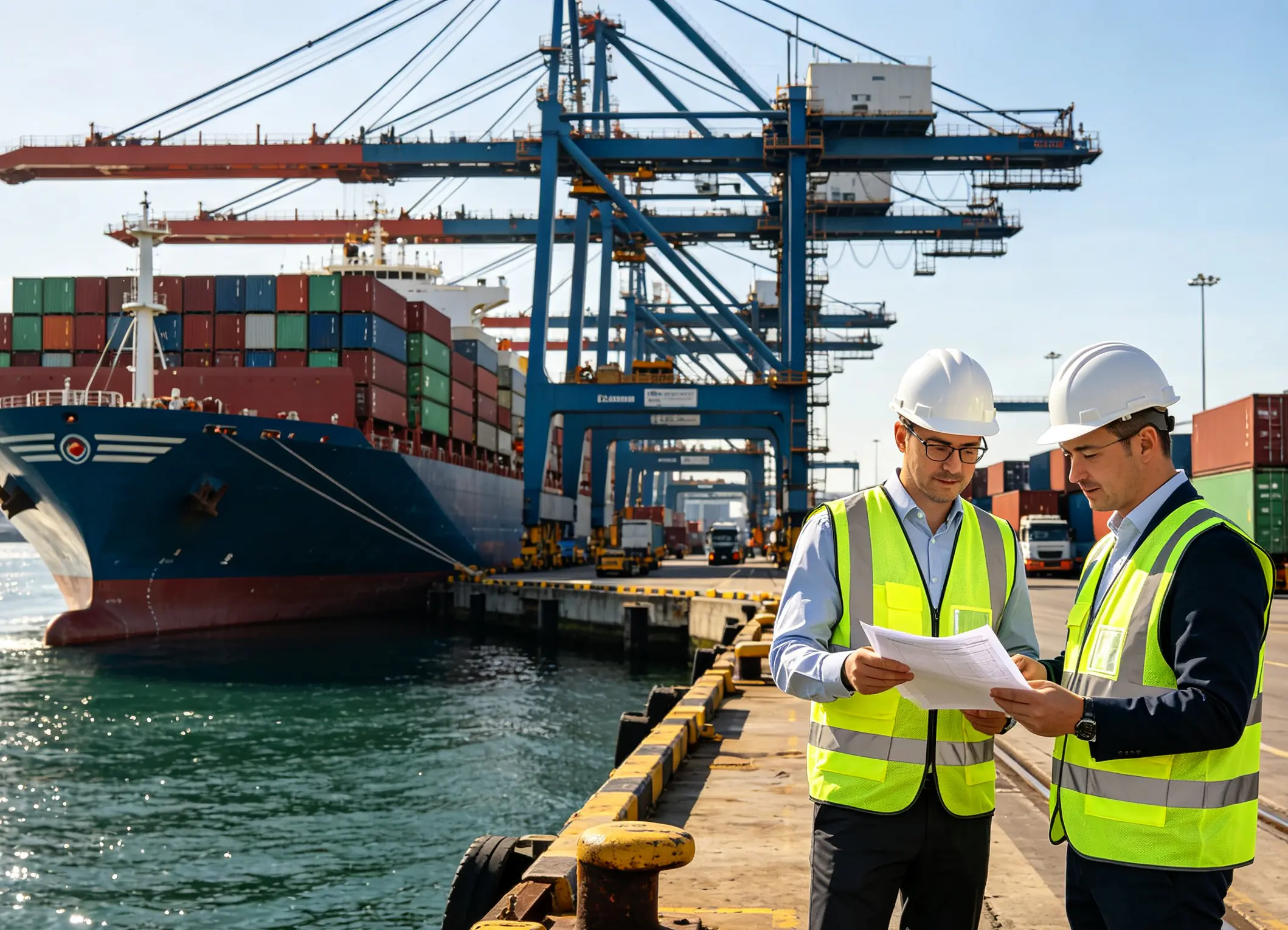
The USA customs clearance process for imports from China is the mandatory regulatory procedure of passing goods through US customs. It involves declaring the imported cargo, filing accurate entry summaries via the Automated Commercial Environment (ACE), verifying product compliance with Partner Government Agencies (PGAs like the FDA or FCC), and paying all applicable import duties and taxes.
The 2026 Customs Landscape: What Has Changed?
Importing from China in 2026 looks vastly different than it did just a few years ago. Our logistics experts have identified two major shifts defining the current environment:
- The Death of De Minimis: The suspension of the $800 duty-free exemption means that all parcels, regardless of value, now require formal Customs Clearance, a licensed customs broker, and full duty payment. This heavily impacts direct-to-consumer and Amazon FBA sellers.
- AI-Powered ACE Enforcement: CBP now utilizes advanced artificial intelligence to instantly cross-reference your declared values against global market data and verify your HS Code against manifest images. Vague descriptions or mismatched data immediately trigger automated holds.
Step-by-Step Customs Clearance Process in USA for Amazon FBA & B2B Importers
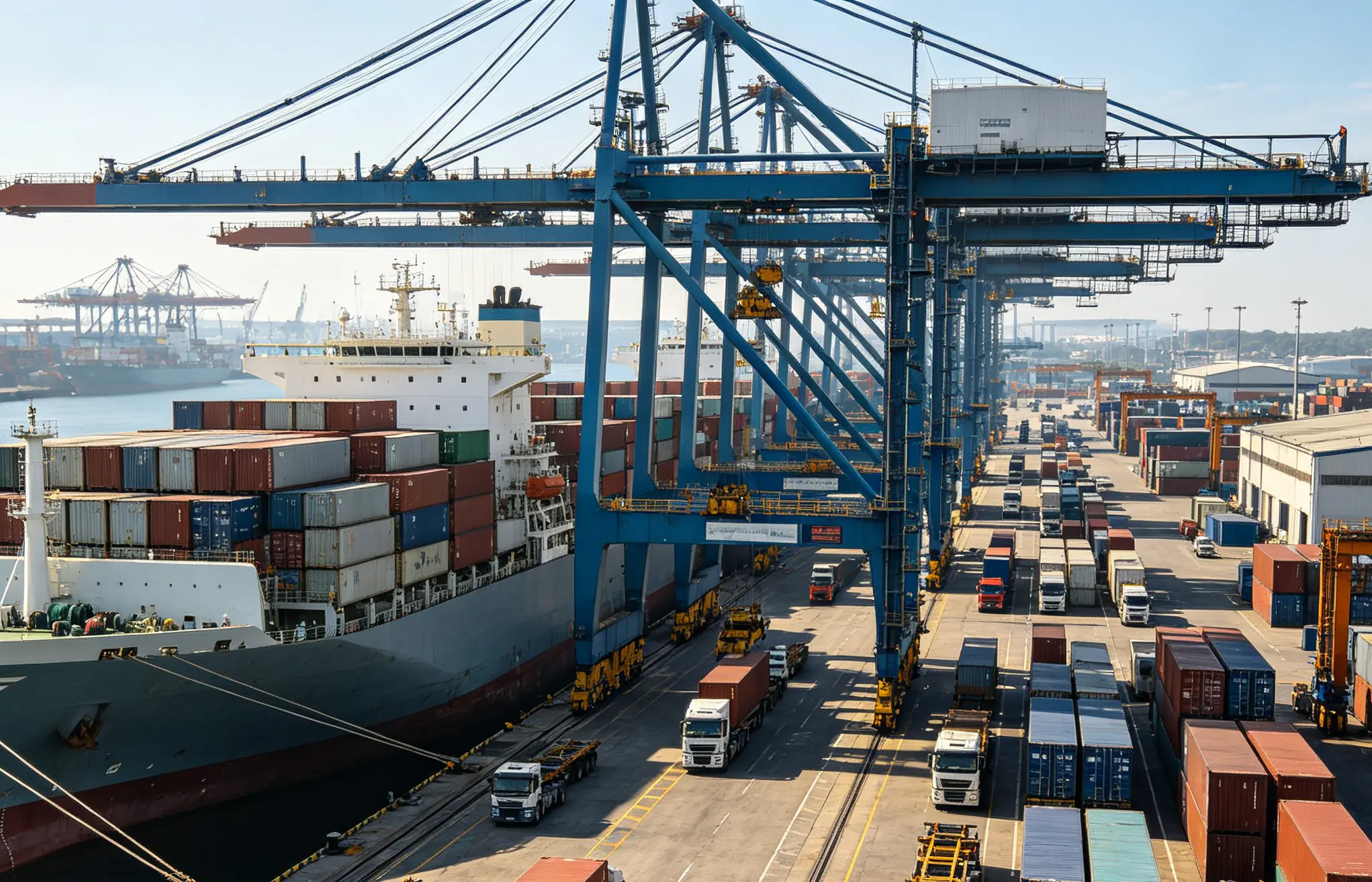
Successfully navigating customs does not start when your vessel arrives in Los Angeles or New York; it begins at the origin. Here is the step-by-step customs clearance process in USA for Amazon FBA and B2B buyers, highlighting how proactive management prevents disasters.
Step 1: Pre-Shipment Compliance in China (The Origin Advantage)
The most critical step happens before the cargo is even loaded. A minor typo on a Chinese factory’s invoice can cause a two-week delay in the US.
At Efanda Logistics, our Shenzhen-based compliance team pre-screens your HS Codes and meticulously audits the Commercial Invoice & Packing List. We ensure that product descriptions are highly detailed (e.g., “80% polyester / 20% cotton women’s knit sweater” instead of just “Apparel”). Fixing these discrepancies at the origin is the ultimate defense against CBP AI flags.
Step 2: Mandatory Security Filings (ISF 10+2)
For ocean freight, the ISF (Importer Security Filing) / 10+2 is non-negotiable. This document details the manufacturer, seller, consolidator, and container stuffing location.
- The Rule: It must be submitted to CBP at least 24 hours before the vessel departs from the Chinese port.
- The Risk: Late or inaccurate filings result in an automatic $5,000 penalty per violation and a guaranteed intensive cargo exam upon arrival.
Step 3: Port Arrival and ACE Entry Filing
As your cargo transits, your Customs Broker prepares the formal entry.
- Customs Bond: You must have a valid Customs Bond (Single Entry or Continuous). A continuous bond is highly recommended if you import more than three times a year.
- Filing: The broker submits the CBP Form 3461 (Entry/Immediate Delivery) and the Entry Summary (CBP Form 7501) through the ACE system.
Step 4: CBP Screening & Potential Inspections
Once the entry is filed, CBP’s AI takes over. If the system detects any discrepancy, your entry is assigned a “5H Hold” (Fast Doc Review), meaning no supplementary documents are accepted after the fact.
If flagged for physical inspection, your cargo may undergo:
- VACIS Exam: An X-ray scan of the container.
- Tailgate Exam: Customs officers open the container doors for a visual check.
- Intensive / MET Exam: The cargo is transported to a Customs Examination Station (CES) for a full manual inspection, which can delay shipments by weeks and cost thousands of dollars.
Step 5: Duty Payment and Cargo Release
If the documentation is flawless and inspections (if any) are passed, CBP calculates the final duties based on the HS Code and origin. Once paid, the cargo is released for final delivery—whether that is a B2B warehouse or an Amazon FBA (Fulfillment by Amazon) center. For Amazon sellers, strict adherence to FBA packaging and routing requirements is non-negotiable. We recently managed a multi-container shipment from China to an FBA center, handling labeling, palletizing, and direct delivery without incurring any Amazon rejection fees or customs hold-ups.
Documents Required for US Customs Clearance Process
To survive the 2026 AI screening, your documentation must be pristine. Here are the essential documents required for US customs clearance process:
1. The Perfect Commercial Invoice & Packing List
This is the master document. It must be a final transaction invoice containing:
- A detailed, precise English description of each SKU.
- The correct 10-digit HS Code.
- The true transaction value paid.
- The manufacturer’s exact name and address.
2. Packing List
The packing list must detail per-carton weights, dimensions, and individual SKU counts. Crucially, it must perfectly match the manifest data filed by the ocean or air carrier.
3. Transport Documents
- Bill of Lading (B/L): The contract of carriage and proof of ownership for sea freight.
- Air Waybill (AWB): The equivalent document for air freight.

How Long Does US Customs Clearance Take for Sea/Air Freight?
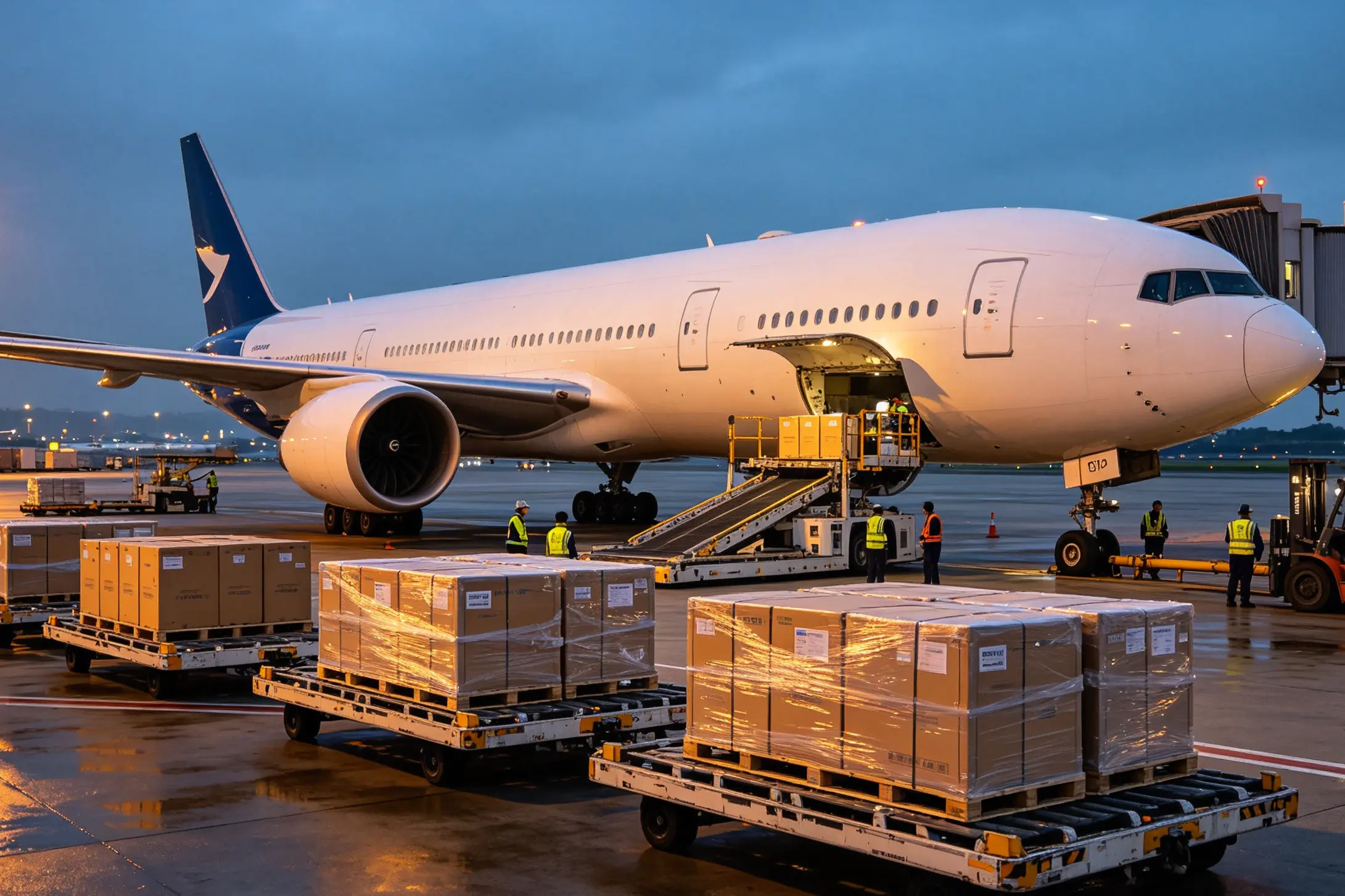
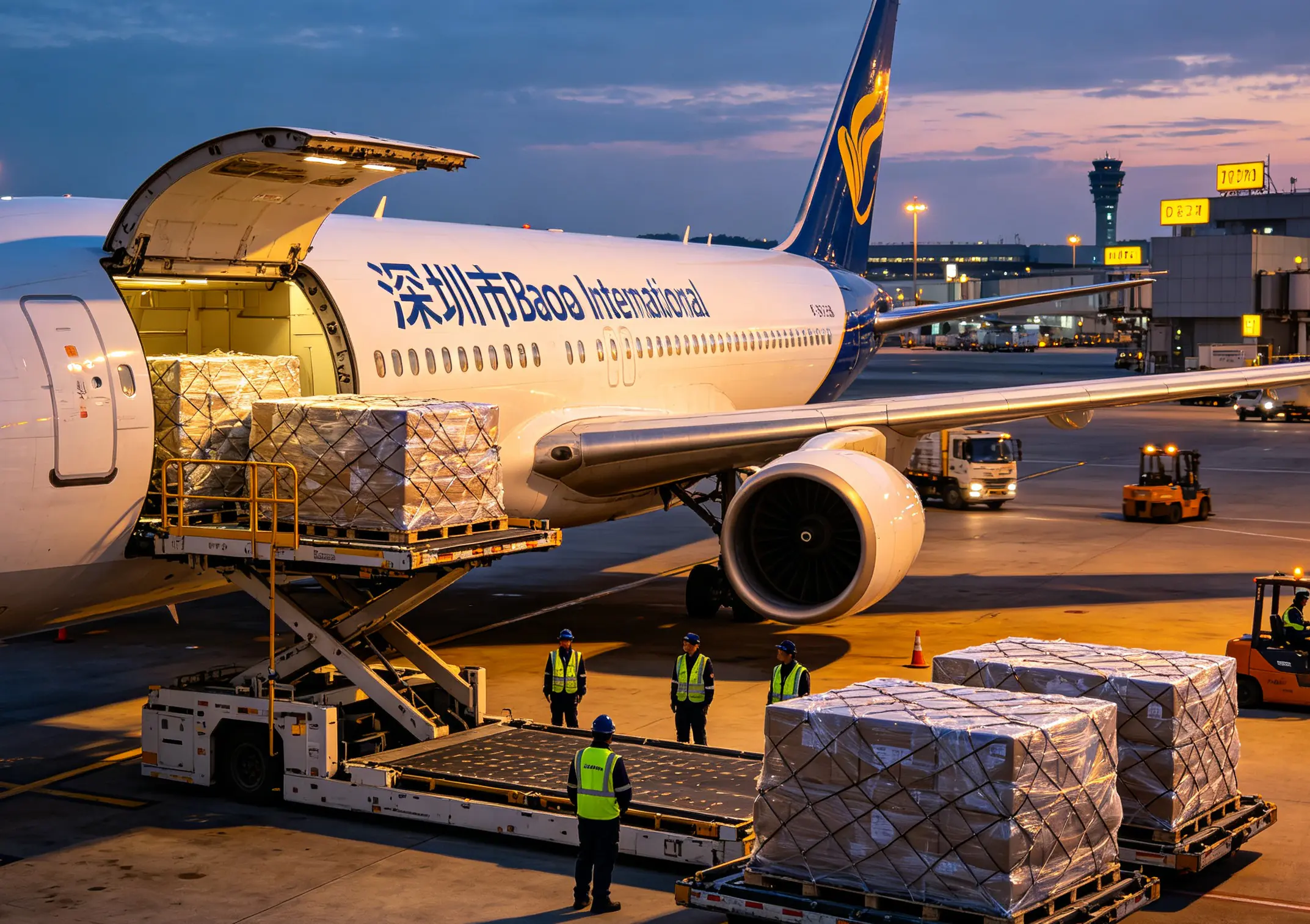
When planning inventory for Amazon FBA or manufacturing schedules, understanding transit and clearance times is vital. Depending on whether you choose air freight shipping from China to USA or LCL shipping from China to USA, your clearance timeline will vary.
| Shipping Method | Average Transit Time (China to USA) | Typical Customs Clearance Time |
|---|---|---|
| Air Freight | 3 – 7 Days | 1 – 3 Days (Often cleared while in transit) |
| Sea Freight (FCL) | 14 – 25 Days | 3 – 5 Days |
| Sea Freight (LCL) | 20 – 35 Days | 5 – 7 Days (Requires deconsolidation) |
US Customs Clearance Delays and How to Avoid Them
Even with standard timelines, delays are common if compliance is ignored. US customs clearance delays and how to avoid them boils down to proactive preparation.
Expert Insight: Customs delays can derail your entire supply chain. Recently, our compliance team at Efanda Logistics pre-screened a client’s HS codes and commercial invoices for a shipment, preventing a potential 2-week hold at the destination port due to missing FDA certification documentation for a food-contact product. We caught the error in Shenzhen, saving the client thousands in potential D&D fees.
To avoid delays:
- Never use generic product descriptions.
- Ensure your Importer of Record (IOR) details are perfectly aligned across all documents.
- Pre-verify all PGA (Partner Government Agency) requirements before manufacturing begins.
Understanding the Cost of Customs Clearance in USA
Budgeting for the cost of customs clearance in USA involves looking beyond the basic duty rate. It is a critical component of calculating your overall shipping cost from China to USA.
Brokerage Fees vs. Import Duties
- Brokerage Fees: The administrative fee charged by the customs broker to file the entry (typically $100 – $150 per entry).
- Import Duties: The actual taxes paid to the US government, determined by your product’s HS Code. In 2026, Chinese goods often face combined tariff rates (MFN + Section 301 + Section 122) ranging from 17.5% to over 35%.
The Hidden Costs: Demurrage & Detention (D&D)
If your cargo is held by customs, the port and shipping line will charge you for the space the container occupies. These Demurrage & Detention (D&D) fees can easily exceed $150 to $300 per day, quickly wiping out your profit margins.
DDP Shipping from China to USA Customs Clearance
For importers seeking cost certainty, DDP shipping from China to USA customs clearance is the ultimate solution.
Under Door-to-Door (D2D) Delivered Duty Paid (DDP) terms (see DDP shipping explained), Efanda Logistics handles the entire process. We manage the factory pickup, export clearance, international freight, US customs brokerage, and final delivery. This is significantly different from choosing FOB vs CIF terms, where the importer still bears the burden and risk of destination customs clearance and hidden fees. As a trusted forwarder established in 2018, we provide competitive and transparent pricing based on real market conditions, ensuring you know your exact landed costs upfront.
| Feature | Standard Freight (FOB/CIF) + 3rd Party Broker | Efanda Logistics DDP Door-to-Door Solution |
|---|---|---|
| Customs Responsibility | Importer must manage broker and resolve CBP holds. | Efanda manages all clearance via licensed partner brokers. |
| Cost Predictability | High risk of hidden D&D fees and unexpected tariffs. | Competitive, transparent pricing based on real market conditions. All duties paid upfront. |
| Communication | Fragmented between forwarder, carrier, and broker. | Dedicated logistics specialist providing real-time tracking updates. |
| Amazon FBA Delivery | Importer must coordinate separate trucking. | Seamless, compliant direct delivery to FBA centers. |
FAQs: Demystifying US Customs
Do I need a Customs Broker if I use a Freight Forwarder?
If you use standard freight terms like FOB (Free On Board) or CIF (Cost, Insurance, and Freight), yes. However, if you utilize a comprehensive forwarder like Efanda Logistics for a Door-to-Door solution, we coordinate directly with our network of licensed US customs brokers, eliminating the need for you to hire one separately.
What happens if my HS code is wrong?
Misclassifying your HS Code is considered customs fraud. CBP may seize your cargo, assess severe financial penalties, and subject all your future shipments to intensive manual exams.
Can Amazon FBA handle customs clearance for me?
No. Amazon acts as the ultimate consignee but will not act as the Importer of Record (IOR) for customs clearance. You must use a freight forwarder to handle the clearance before the goods are delivered to the FBA warehouse.
How do the new 2026 tariffs affect my imports?
The addition of Section 122 tariffs means a baseline 10% surcharge on almost all Chinese goods, stacking on top of existing Section 301 tariffs. Accurately calculating your landed cost before purchasing is more critical than ever.
Conclusion
Navigating the 2026 US customs landscape requires pristine documentation, absolute compliance, and a proactive strategy that begins at the origin. The days of fixing paperwork errors after the cargo arrives in Los Angeles are over; CBP’s AI screening and strict enforcement policies demand perfection.
Do not let documentation holds, missing ISF filings, or unexpected demurrage fees derail your supply chain. Partner with Efanda Logistics—your trusted Freight Forwarder in Shenzhen. Our end-to-end expertise ensures your goods move seamlessly from the Chinese factory floor, through US customs, and directly to your warehouse or Amazon FBA center.
Contact our dedicated logistics specialists today for a customized, transparent, and risk-free Door-to-Door shipping quote.