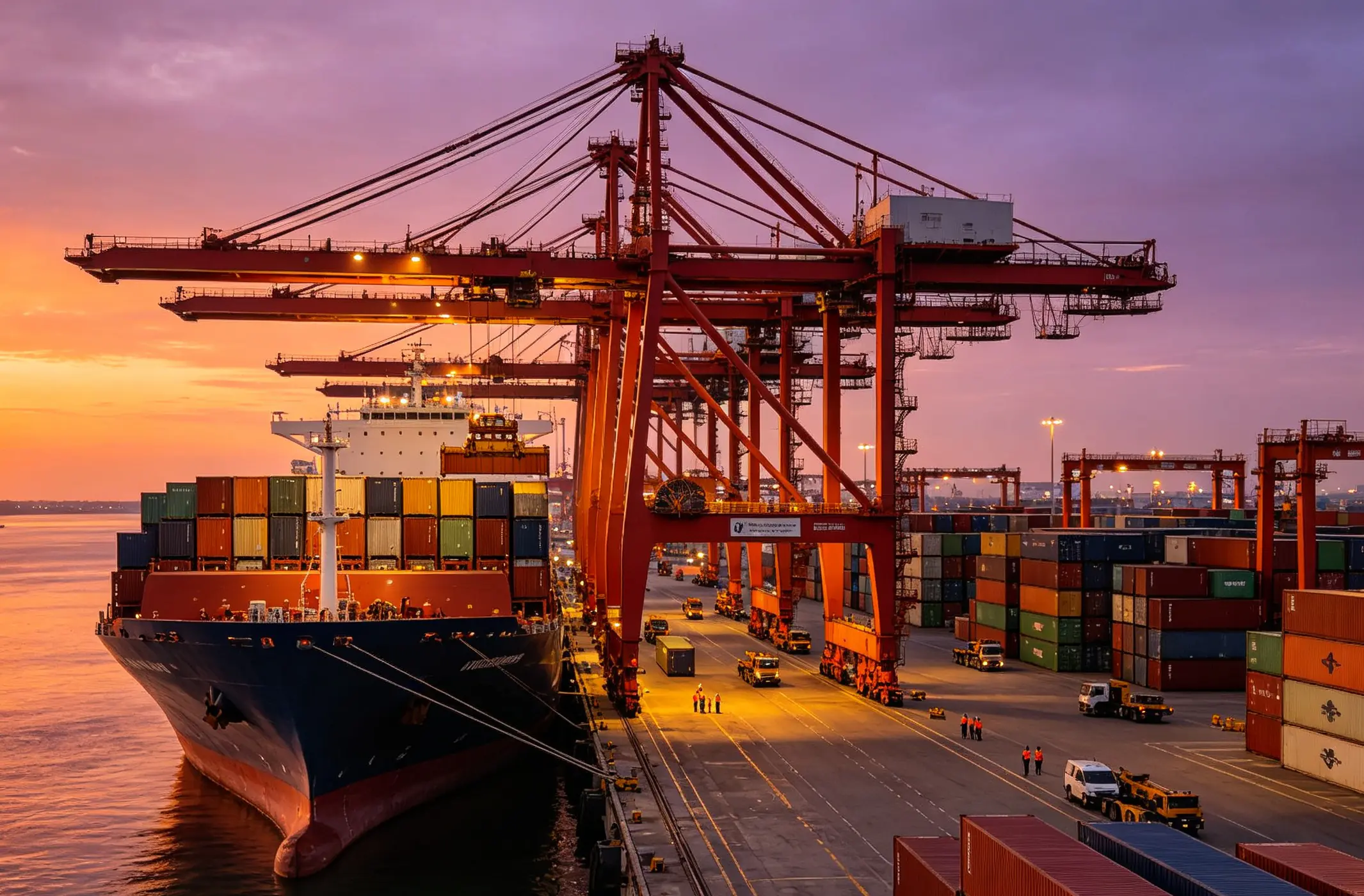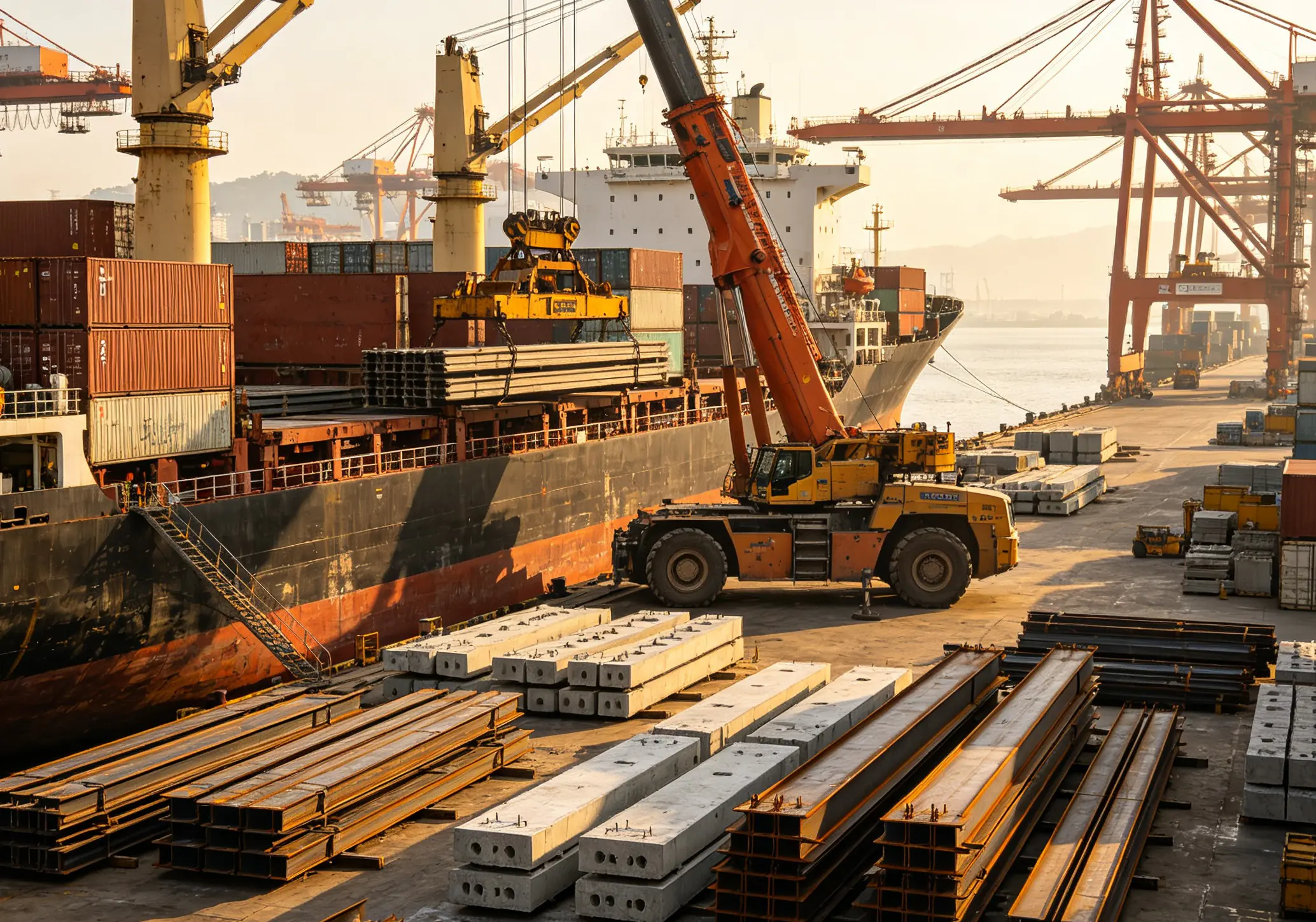
In 2026, global shipping markets remain volatile, and navigating the complexities of importing goods to a landlocked country like Austria presents unique challenges. As a senior freight forwarding team based in Shenzhen, we see firsthand how dealing with hidden inland transit costs, frustrating customs delays, and confusing Incoterms can quickly erode profit margins for Austrian importers and Amazon sellers. Door to door shipping from China to Austria has emerged as the ultimate solution to bypass these headaches, offering a streamlined, all-in-one logistics experience.
Whether you are looking for the cheapest routing options, trying to understand how the 20% Austrian VAT impacts your bottom line, or deciding between sea, air, or the highly reliable China-Europe Railway Express, this guide covers it all. We will break down the latest costs, transit times, and practical strategies to ensure your cargo arrives safely and on budget.
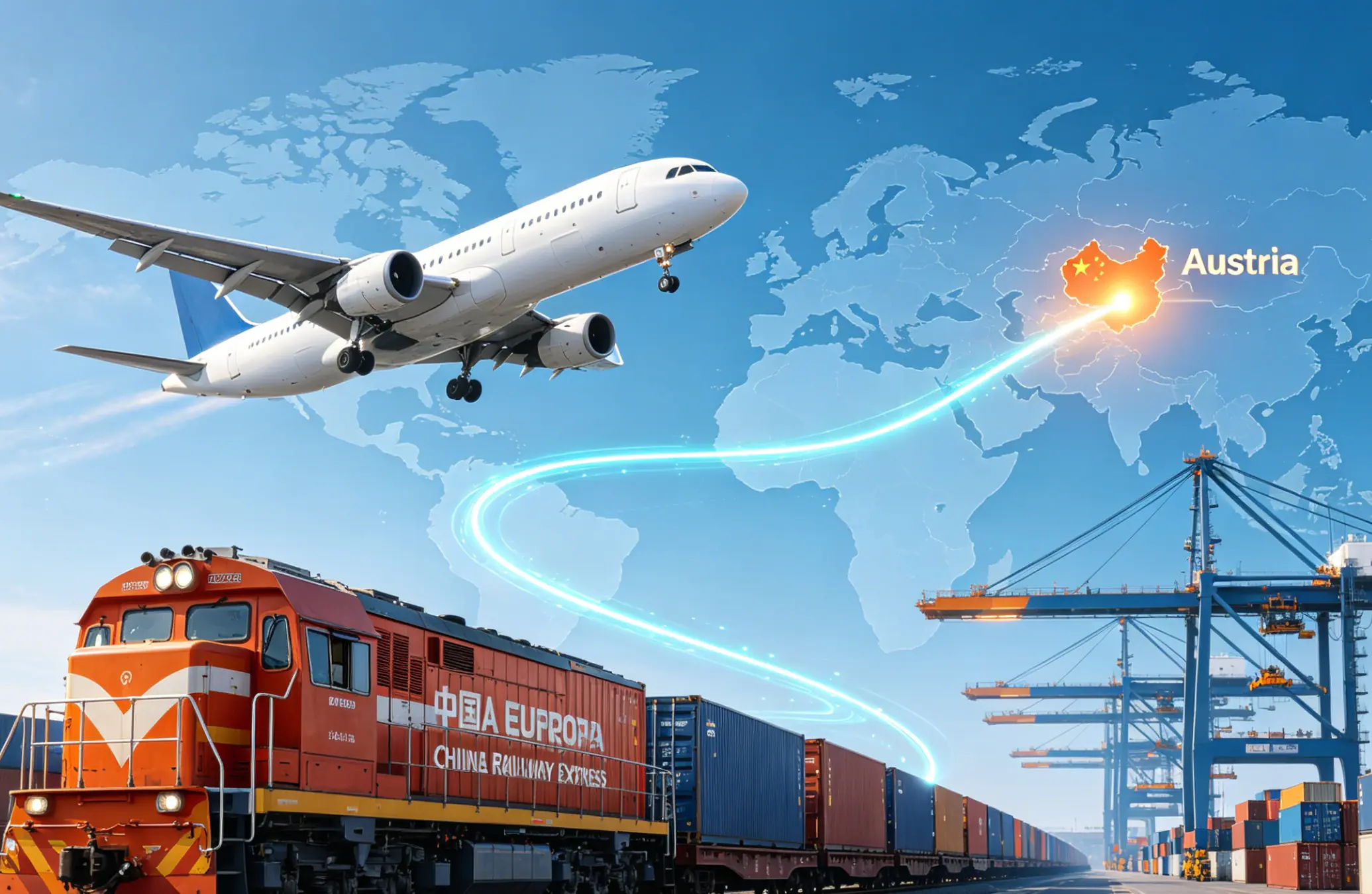
What is Door to Door DDP Shipping from China to Austria?
When importing goods, minimizing risk and maximizing predictability are crucial. This is why many businesses opt for a door-to-door approach, particularly under DDP (Delivered Duty Paid) terms. If you want DDP shipping explained simply: what exactly does this mean in practice?
In a standard door-to-door shipping model, your Freight Forwarder assumes responsibility for the entire logistics chain. Instead of coordinating multiple carriers, local trucking companies, and customs brokers yourself, you rely on a single partner. When combined with DDP terms, the seller (or their forwarder) also covers all import duties and taxes, meaning the price you are quoted is the final price you pay.
A seamless door-to-door service involves five critical nodes:
- Factory Pickup & Warehousing: Collecting the goods directly from your supplier’s facility in China (e.g., Shenzhen, Guangzhou, or Yiwu) and consolidating them at a local warehouse.
- Export Customs Clearance: Ensuring all Chinese export documentation is compliant to prevent departure delays.
- International Transit: Moving the cargo via sea, air, or rail to Europe.
- Austrian Import Customs: Handling the complex European entry process, including paying the import tax and VAT in Austria.
- Final Delivery: Transporting the cleared goods directly to your warehouse, office, or Amazon FBA center.
By choosing door to door DDP shipping from China to Austria, you eliminate the stress of dealing with port authorities and customs officials, allowing you to focus purely on your core business.

How Much is Door to Door Shipping from China to Austria in 2026?
Cost is always the primary concern for importers. While carrier-direct rates might look appealing initially, the hidden costs of poor coordination often make an experienced freight forwarder a more cost-effective choice. Understanding the true cost structure helps you find the cheapest door to door freight forwarder from China to Austria without sacrificing reliability.
Here is a general breakdown of the estimated door-to-door starting rates for 2026 (subject to market fluctuations):
| Shipping Method | Estimated Starting Cost (DDP) | Best For |
|---|---|---|
| Sea Freight (LCL – Less than Container Load) | $150 – $220 / CBM | Small to medium bulky shipments, cost-sensitive inventory. |
| Sea Freight (FCL – Full Container Load 20′) | $2,800 – $3,500 / Container | Large volume orders, maximizing unit economics. |
| Rail Freight | $2.50 – $4.00 / kg (or $180/CBM) | Mid-value goods needing a balance of speed and cost. |
| Air Freight | $6.50 – $9.00 / kg | Urgent, high-value, or perishable items. |
The True Landed Cost: A Practical Calculation
When calculating your final costs, you must look beyond the base freight rate. Your total landed cost includes:
- Base Freight: The cost of the physical transportation.
- Austrian Customs Duty: Based on your product’s HS Code (typically 0-12% for most consumer goods).
- Import VAT: According to the Austrian Federal Ministry of Finance (BMF), Austria applies a standard 20% Value Added Tax on most imported goods.
Example Calculation (CIF + Duty + VAT):
Imagine you are importing $10,000 worth of electronics, and the freight cost (CIF) is $2,000.
- Total Customs Value: $12,000
- Duty (e.g., 5%): $600
- VAT (20% applied to Value + Duty): ($12,000 + $600) × 20% = $2,520
- Total Import Taxes: $3,120
Note: A reliable forwarder like Efanda Logistics provides competitive and transparent pricing based on real market conditions, ensuring you aren’t hit with unexpected Demurrage & Detention (D&D) fees at the destination port.
Transit Times: Door to Door Sea Freight, Air Freight, and Rail Freight
When comparing sea freight vs air freight, choosing the right transport mode is a balancing act between your budget and your timeline. Here is a comparison of the typical transit times you can expect in 2026.
| Mode of Transport | Average Transit Time (Door-to-Door) | Key Characteristics |
|---|---|---|
| Air Freight | 5 – 9 Days | The fastest option, ideal for strict deadlines. Goods fly directly to Vienna International Airport (VIE). |
| Rail Freight | 16 – 22 Days | The optimal middle ground. The China to Austria door to door train shipping time is highly reliable. |
| Sea Freight | 35 – 45+ Days | The most economical choice for bulk. Requires inland transit from a major European seaport. |
The Rise of the China-Europe Railway Express
With ocean freight rates fluctuating and sea routes sometimes facing delays, Rail Freight / China-Europe Railway Express has become a highly sought-after alternative. It effectively cuts the sea freight transit time in half while remaining significantly cheaper than air freight. For importers looking to maintain stable inventory levels without paying premium air rates, rail is often the smartest strategic choice.
The “Landlocked Challenge”: Routing Sea Freight to Austria
Because Austria is a landlocked nation, door to door sea freight from China to Austria cannot arrive directly. The cargo must first be discharged at a major European gateway port. For instance, many shipments use routing similar to ocean freight from China to Germany (typically discharging in Hamburg), Rotterdam (Netherlands), or Koper/Trieste (Adriatic Sea)—before making its final journey inland via truck or rail.
This inland transit is where inexperienced shippers often face significant delays and inflated costs. Poor coordination between the ocean carrier and the inland trucking company can result in the cargo sitting at the port, racking up expensive storage fees.
Real-Life Scenario:
With ocean freight rates fluctuating, our logistics team in Shenzhen regularly analyzes routing options. For instance, when shipping from China to Austria, switching from a congested northern port routing (like Hamburg) to a southern Adriatic transshipment model (via Koper) saved our client 15% in overall logistics costs while meeting their strict timeline, avoiding the severe rail bottlenecks often seen in Germany.
Amazon FBA Door to Door Shipping from China to Austria
For e-commerce businesses, Amazon FBA door to door shipping from China to Austria requires a specialized approach. Amazon has strict, non-negotiable requirements regarding packaging, labeling, and palletizing. Failing to meet these standards can result in rejected shipments and hefty penalty fees.
An experienced forwarder manages this entire process seamlessly. They ensure the cargo is correctly prepped in China, clears EU customs efficiently, and is delivered directly to the designated Amazon fulfillment center in Austria or Germany on a scheduled delivery appointment.
Real-Life Scenario:
For Amazon sellers, strict adherence to FBA packaging and routing requirements is non-negotiable. We managed a multi-container shipment from China to an FBA center in the DACH region, handling labeling, palletizing, and direct delivery without incurring any Amazon rejection fees, allowing the seller to launch their new product line flawlessly.
Navigating Austrian Customs: Taxes, VAT, and Compliance
Customs clearance is often the most intimidating part of international trade. To ensure a smooth process, your documentation must be flawless. The most critical documents include the Commercial Invoice & Packing List, the Bill of Lading (B/L) (or Air Waybill), and any required product certifications (like the CE Mark for electronics or machinery).
A common pitfall is the misclassification of goods. The HS Code dictates the duty rate you will pay. An incorrect code can lead to customs holds, fines, or overpaying on tariffs.
Real-Life Scenario:
Customs delays can derail your entire supply chain. Recently, our compliance team pre-screened a client’s HS codes and commercial invoices for a shipment to Europe, preventing a potential 2-week hold at the destination port due to missing certification documentation.
Additionally, never overlook the importance of Cargo Insurance. While carriers have liability limits, comprehensive insurance protects the full value of your goods against loss or damage during the long journey.
How to Choose the Right Freight Forwarder
When asking “how much is door to door shipping from China to Austria,” it is crucial to remember that the cheapest initial quote is not always the best value. You need a partner with deep expertise in European logistics and a strong presence in China.
Established in 2018 and headquartered in Shenzhen, Efanda Logistics offers unparalleled end-to-end solutions. We provide:
- Dedicated Logistics Specialists: You get personalized service and real-time updates from a single point of contact.
- Transparent Pricing: We offer competitive rates based on real market conditions, with absolutely no hidden fees.
- Comprehensive Service Matrix: From Sea Freight and Air Freight to Amazon FBA and full Door-to-Door shipping, we tailor the routing to your specific needs.
While carrier-direct rates might look appealing, the hidden costs of poor coordination, delayed customs clearance, and lack of tracking often make an experienced freight forwarder a much more cost-effective choice.
You may be interested in the following related articles:
- shipping from china to romania
- shipping from china to greece
- shipping from china to czech republic
- shipping from china to fiji
- shipping from china to costa rica
FAQ on Shipping from China to Austria
How is the 20% Austrian VAT calculated on imports?
The 20% Value Added Tax (VAT) is calculated on the total customs value of the goods. This includes the cost of the goods, the international shipping cost (CIF value), and the import duties applied.
Which Incoterm is better for importing to Austria: FOB or DDP?
Importers often weigh FOB vs CIF or DDP. If you want maximum control over the shipping process and costs, FOB (Free On Board) is excellent, as you choose your forwarder. However, if you want a hands-off, hassle-free experience where the final price is guaranteed upfront, DDP (Delivered Duty Paid) is the superior choice.
Are there direct shipping routes from China to Austria?
Yes, but only for air and rail freight. Air freight flies directly into airports like Vienna, and rail freight travels directly via the China-Europe railway network. Sea freight must route through a seaport in a neighboring country (like Germany or Slovenia) before being transported inland.
Is DDP shipping legal for Amazon FBA in Austria?
Yes, DDP is actually the preferred method for Amazon FBA. Amazon acts only as the fulfillment center, not the Importer of Record. Therefore, all duties and taxes must be paid before the goods arrive at the Amazon facility, which DDP shipping guarantees.
Conclusion
Successfully executing door to door shipping from China to Austria requires careful planning, a deep understanding of European customs regulations, and the right logistical routing. Whether you leverage the cost-efficiency of sea freight, the speed of air freight, or the balanced reliability of the China-Europe Railway Express, having a trustworthy partner makes all the difference.
Stop letting hidden fees and customs delays eat into your profits. Partner with a forwarder that prioritizes transparency, efficiency, and your bottom line.
Disclaimer: The freight rates and transit times mentioned in this guide are estimates for 2026 and are subject to market fluctuations. Always consult with a licensed freight forwarder for real-time pricing and compliance updates.
Ready to optimize your supply chain? At Efanda Logistics, we offer competitive and transparent pricing based on real market conditions—with absolutely no hidden fees. Contact us today to connect with a dedicated logistics specialist and get a personalized, competitive quote for your next shipment from China to Austria.