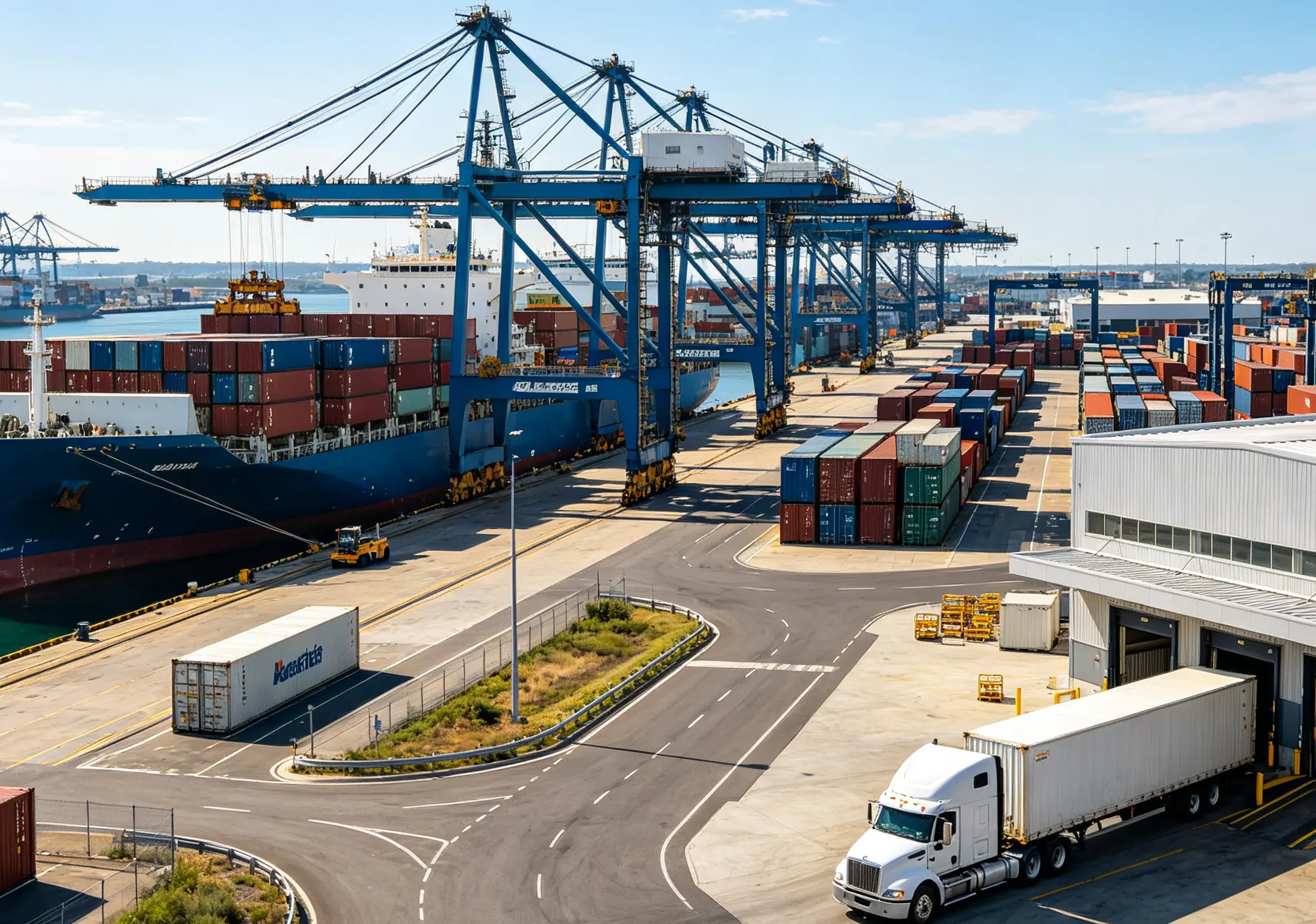
How long does shipping from China to Egypt take? For most commercial shipments, the answer falls between 2 days and 45 days: express courier takes 2–5 days door-to-door, air freight takes 3–7 days, FCL (Full Container Load) sea freight takes 18–30 days, and LCL (Less than Container Load) sea freight takes 25–45 days. But delivery time is not just sailing or flight time. Egyptian customs paperwork, Red Sea routing, and holiday calendars can add days or weeks.
This guide gives exact transit ranges by mode, a complete port-to-port matrix, and a breakdown of the hidden delays that catch first-time importers off guard.
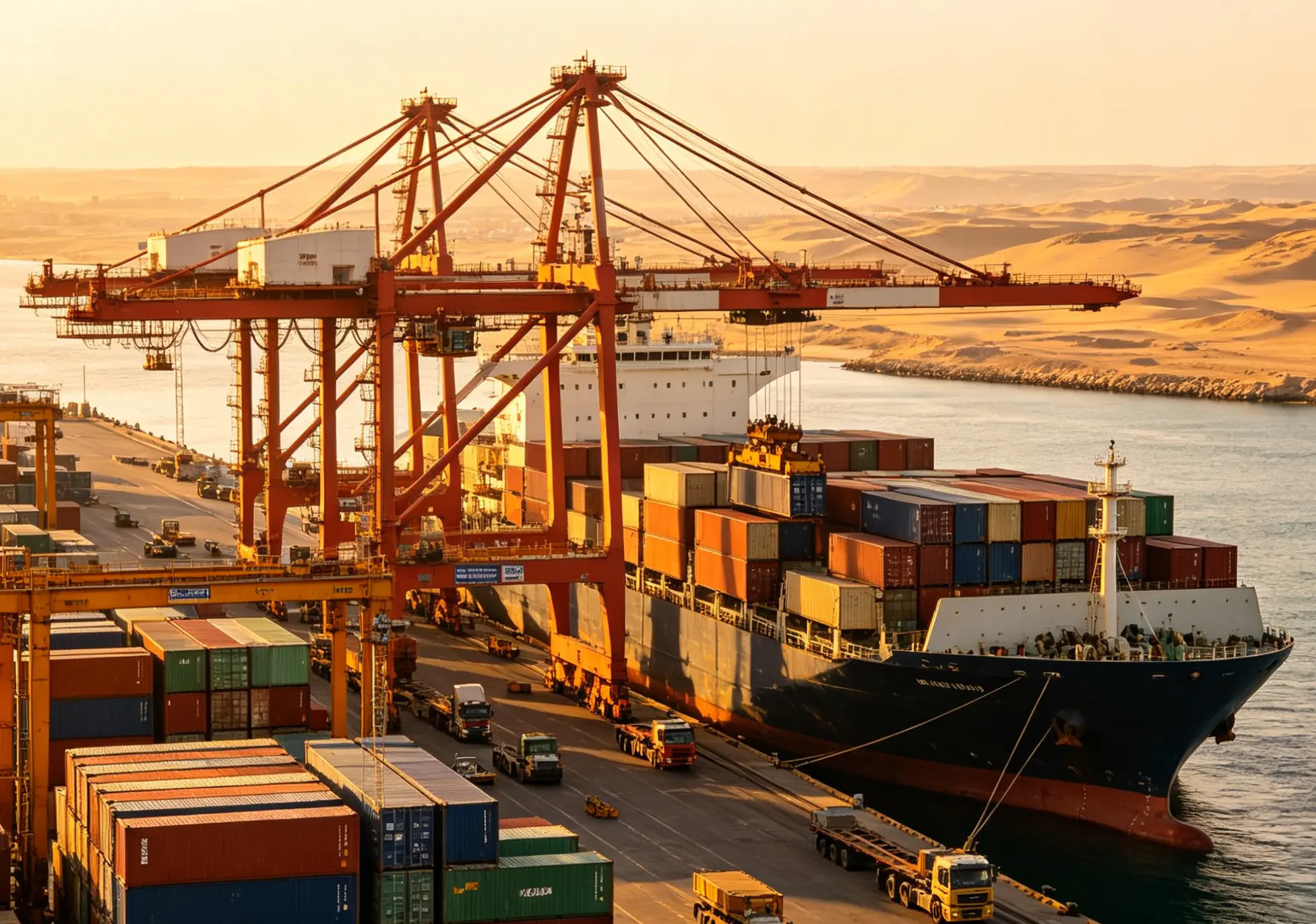
Quick Answer: Transit Times by Shipping Mode
Sea freight from China to Egypt usually takes 18–30 days for FCL and 25–45 days for LCL. Air freight moves in 3–7 days, express courier finishes in 2–5 days door-to-door, and door-to-door DDP (Delivered Duty Paid) totals 30–45 days by sea or 7–12 days by air.
| Shipping Mode | Port/Airport-to-Port/Airport | Typical Door-to-Door | Best For |
|---|---|---|---|
| Sea Freight FCL | 18–30 days | 25–35 days | Bulk cargo, full containers, cost-sensitive shipments |
| Sea Freight LCL | 25–45 days | 30–50 days | Small volumes under ~15 CBM |
| Air Freight | 3–5 days | 5–10 days | Urgent, high-value, or lightweight cargo |
| Express Courier | — | 2–5 days | Samples, documents, e-commerce parcels |
These ranges are estimates. Actual delivery depends on the specific port pair, carrier schedule, Egyptian customs efficiency, and whether carriers are routing through the Suez Canal or around the Cape of Good Hope.

Sea Freight Transit Time from China to Egypt
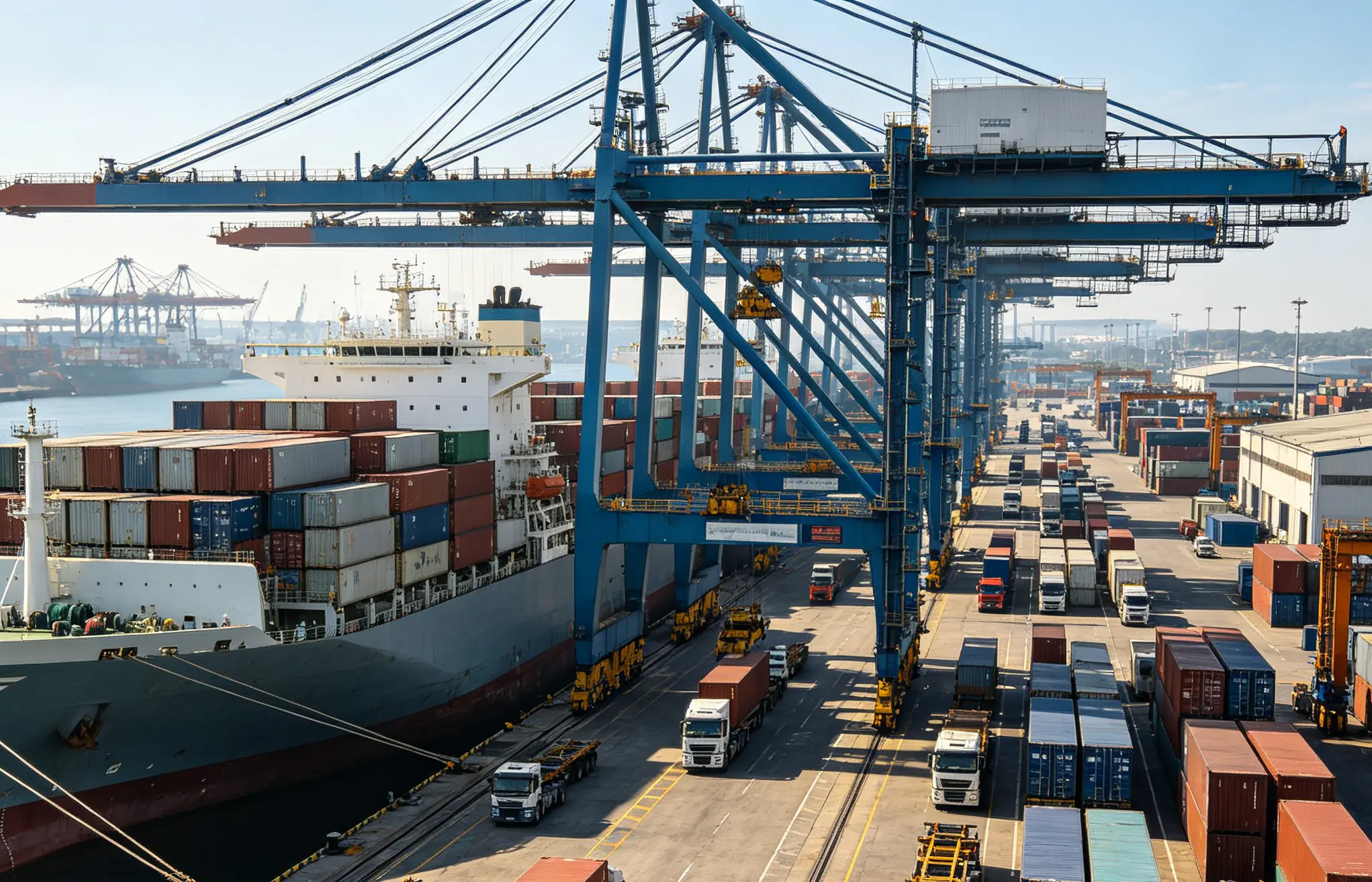
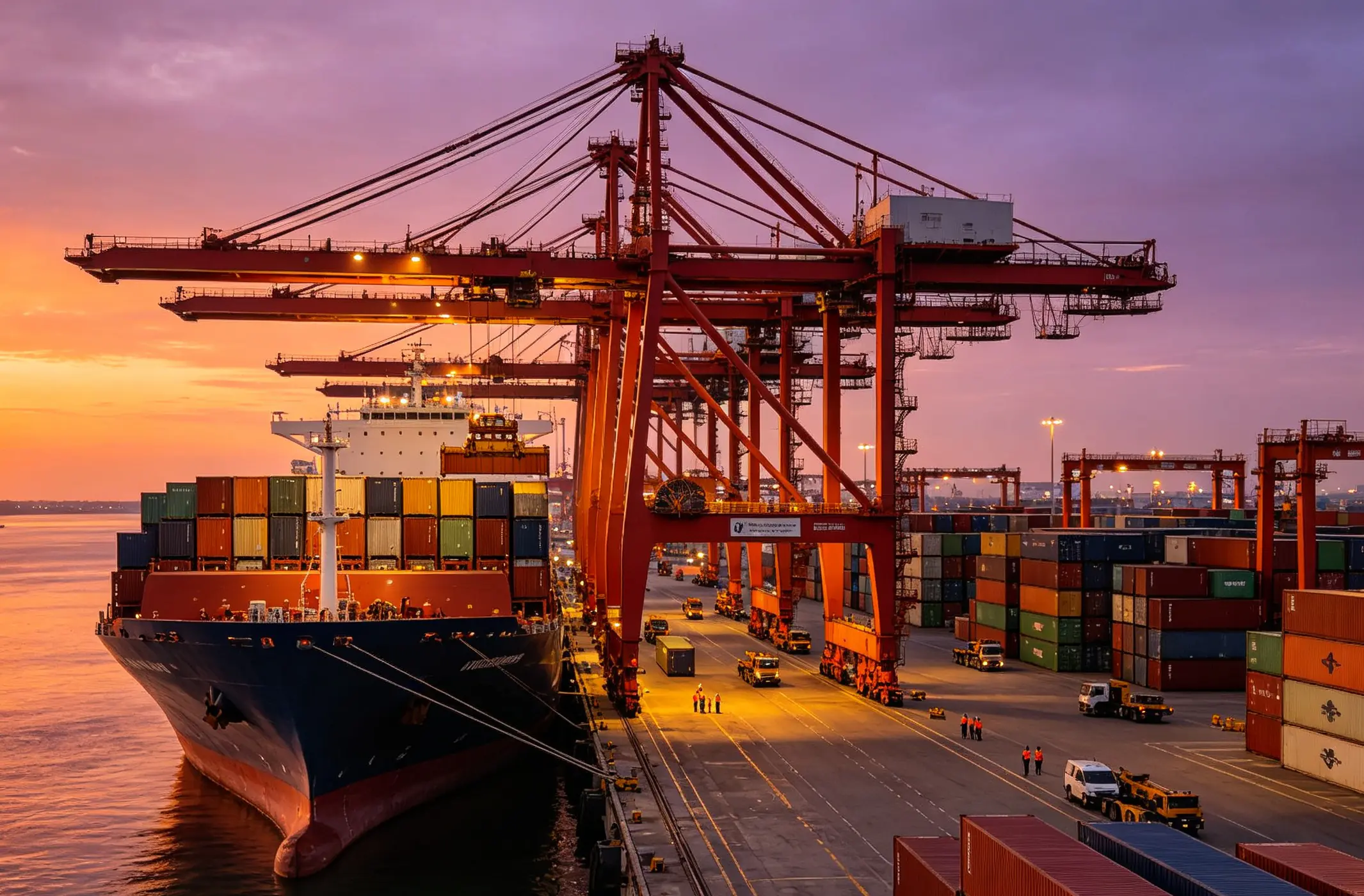
Sea freight from China to Egypt typically takes 18–30 days for FCL and 25–45 days for LCL, depending on the ports and whether the route uses the Suez Canal. For most B2B importers, sea freight balances capacity and cost.
FCL vs. LCL Shipping: Which Is Faster?
FCL (Full Container Load) means your cargo occupies an entire container — usually a 20FT, 40FT, or 40HQ. See our guide to shipping container dimensions for exact sizes. Because the container is sealed at origin and opened only at destination, FCL skips the consolidation and deconsolidation steps that slow LCL (Less than Container Load). LCL combines your cargo with other shippers and adds roughly 5–10 days while the forwarder fills and later splits the container.
LCL generally makes sense below ~13–15 CBM; above that, FCL is usually faster and cheaper.
Port-to-Port Transit Time Matrix
The table below covers the most common China-to-Egypt port pairings. Ranges reflect direct sailings; transshipment through hubs such as Jebel Ali or Singapore can push times toward the higher end.
| Origin Port (China) | Alexandria | Port Said | Damietta | Ain Sokhna | El Dekheila |
|---|---|---|---|---|---|
| Shanghai | 20–28 days | 22–30 days | 24–32 days | 25–33 days | 21–29 days |
| Ningbo | 22–30 days | 24–32 days | 25–33 days | 26–34 days | 23–31 days |
| Shenzhen | 22–30 days | 24–32 days | 26–34 days | 27–35 days | 23–31 days |
| Guangzhou | 23–31 days | 25–33 days | 27–35 days | 28–36 days | 24–32 days |
| Qingdao | 25–33 days | 27–35 days | 28–36 days | 29–37 days | 26–34 days |
| Xiamen | 24–32 days | 26–34 days | 28–36 days | 29–37 days | 25–33 days |
Shanghai and Shenzhen offer the most sailing frequency to Egypt. Alexandria and Port Said handle the largest container volumes, so they usually clear faster than secondary ports during busy periods.
Why Sea Transit Times Vary
Several variables push a shipment toward the fast or slow end of the range:
- Direct sailing vs. transshipment. Direct strings to Alexandria or Port Said are faster; transshipment can add 3–10 days.
- Vessel schedule frequency. Weekly sailings offer more flexibility.
- Port congestion. Alexandria handles most of Egypt’s container traffic, so peak-season inspection queues can extend dwell time.
Air Freight Transit Time from China to Egypt
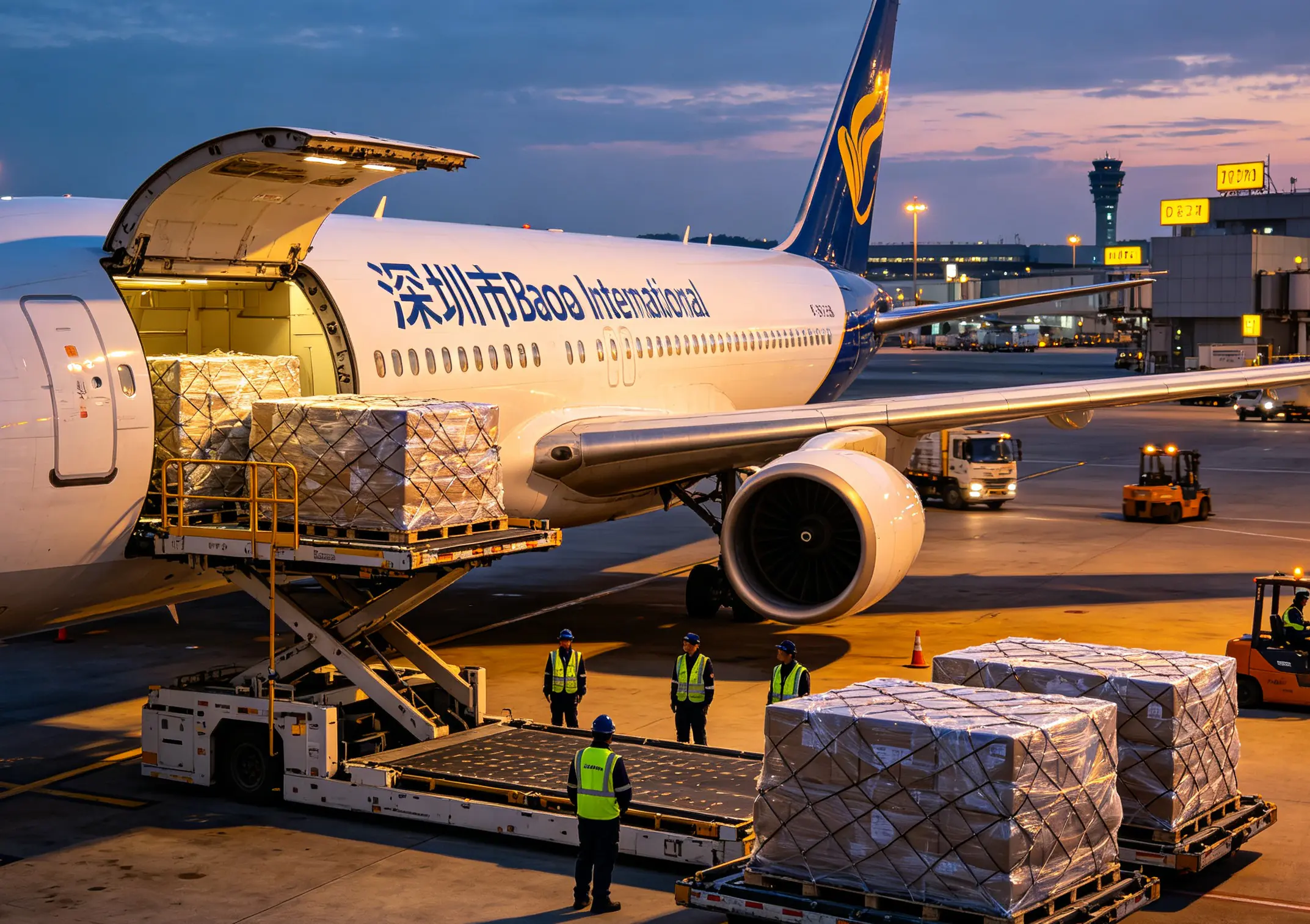
Air freight from China to Egypt usually takes 3–5 days airport-to-airport and 5–10 days door-to-door. It fits electronics, medical devices, or seasonal restocks where the cost of delay exceeds the extra freight cost.
Airport-to-Airport Transit Times
Most air cargo lands at Cairo International Airport (CAI). Direct freighter capacity is limited, so many shipments move via one stop in the Middle East — commonly Dubai, Doha, or Istanbul.
| Origin Airport (China) | Cairo (CAI) | Notes |
|---|---|---|
| Shanghai Pudong (PVG) | 3–5 days | Largest cargo volume; multiple weekly options |
| Guangzhou Baiyun (CAN) | 4–6 days | Strong for South China manufacturing |
| Shenzhen Bao’an (SZX) | 3–5 days | Growing freighter network |
| Beijing Capital (PEK) | 4–7 days | Fewer direct options; often via Middle East |
| Hong Kong (HKG) | 3–4 days | Premium speed and connectivity |
After the flight lands, Cairo customs clearance and local trucking add 1–3 days. Incomplete documentation can stretch that to a week.
Air Freight vs. Express Courier
Air freight moves cargo on a commercial or cargo airline, usually consolidated with other shipments. Express courier — DHL, FedEx, UPS, Aramex — operates its own integrated network with door-to-door service and customs brokerage built in.
Express is faster for parcels under ~30 kg. For cargo above 100–300 kg, air freight often becomes cheaper per kilogram. Both modes use volumetric weight when it benefits the carrier: air freight divides by 6,000, while express typically divides by 5,000.
Door-to-Door and DDP Shipping Time from China to Egypt
Door-to-door shipping from China to Egypt takes 7–12 days by air DDP and 30–45 days by sea DDP. DDP is popular with first-time importers and e-commerce sellers because it bundles everything into one quote and one point of contact.
What Is DDP Shipping?
DDP (Delivered Duty Paid) means the seller or freight forwarder handles pickup, export clearance, freight, Egypt import clearance, duties, VAT, and final delivery. You pay one all-inclusive price; see DDP shipping explained for the full breakdown.
DDP Transit Time Breakdown
| Stage | Sea DDP | Air DDP |
|---|---|---|
| Factory/warehouse pickup in China | 1–3 days | 1–2 days |
| Export customs clearance | 1–2 days | 1 day |
| International transit | 18–30 days | 3–5 days |
| Egypt import customs clearance | 2–7 days | 1–3 days |
| Last-mile delivery | 1–5 days | 1–2 days |
| Total typical range | 30–45 days | 7–12 days |
Import customs clearance is the biggest variable. With proper ACID documentation, sea DDP often clears in 2–4 days; without it, the shipment can sit for 1–2 weeks or be rejected outright.
Egyptian Customs Clearance: The Hidden Time Risk
Incomplete or late customs documentation is the most common cause of delays when shipping from China to Egypt, often adding 3–14 days or even causing cargo rejection. The key rule: paperwork must be ready before the container leaves China.
ACI, ACID, and CargoX Explained
Egypt operates an Advance Cargo Information (ACI) system. The key requirement is the ACID number, a 19-digit code from Egypt’s NAFEZA platform generated by the importer or customs broker. It must be issued before cargo departs China — ideally at least 48 hours before vessel departure.
The Chinese exporter must also register on CargoX, the blockchain document platform Egypt uses to receive shipping documents. Once verified, the exporter uploads the commercial invoice, packing list, and bill of lading so Egyptian customs can pre-clear the shipment.
Missing the ACID deadline or failing to upload documents through CargoX results in cargo rejection at the Egyptian port or forced return to origin.
Required Documents and Time Impact
| Document | Purpose | Delay Risk If Missing or Incorrect |
|---|---|---|
| Commercial Invoice | Declares value and description for duty assessment | 2–7 days; possible customs inspection |
| Packing List | Details carton contents, weights, and dimensions | 1–3 days; mismatches trigger inspection |
| Bill of Lading (B/L) or Air Waybill (AWB) | Proof of shipment and title document | Cargo cannot clear; severe delay |
| Certificate of Origin | Determines duty preference under trade agreements | Duty dispute; 2–5 days |
| Certificate of Conformity | Required for regulated products | Cargo hold until certified |
| HS Code Classification | Determines duty rate and inspection lane | Wrong code = reclassification, fines, delays |
The HS Code is especially important. An incorrect classification can push your shipment into a high-duty category or trigger inspection — a common reason containers sit at Alexandria for extra days.
Egypt Import Duties and VAT
Egypt applies a 14% VAT on the CIF value of most imports. Customs duties vary by product category.
| Product Category | Estimated Customs Duty | VAT |
|---|---|---|
| Electronics | 10%–30% | 14% |
| Textiles | 5%–20% | 14% |
| Machinery | 2%–15% | 14% |
| Agricultural Products | 0%–10% | 14% |
| Automotive Parts | 10%–35% | 14% |
These figures are indicative. Confirm the exact HS code and duty rate with a licensed Egyptian customs broker before shipping.
Red Sea and Suez Canal Disruptions: How They Affect Transit Time
When the Suez Canal route is disrupted, carriers may reroute around the Cape of Good Hope, adding roughly 10–14 days to sea freight transit times from China to Egypt. This has happened repeatedly due to the Red Sea crisis 2026 and canal congestion.
Normal Route via Suez Canal
Under normal conditions, a vessel sails from South China, crosses the Indian Ocean, enters the Red Sea, passes through the Suez Canal, and reaches the Mediterranean. From there it calls at Alexandria, Port Said, Damietta, or Ain Sokhna.
Disrupted Route via Cape of Good Hope
When carriers judge the Red Sea unsafe or the canal too congested, they reroute around the southern tip of Africa. The extra distance adds approximately 10–14 days and increases fuel costs, which can also affect freight rates. LCL shipments feel the impact more acutely because consolidated cargo must align with the slower schedule.
How to Plan for Route Uncertainty
- Build a 7–14 day buffer during instability.
- Confirm routing at booking: direct Suez string, transshipment, or Cape reroute.
- Monitor carrier advisories and book earlier when disruptions are active.
- Consider air freight or air-sea combinations for urgent cargo.
Peak Seasons and Holidays That Delay Shipments
Chinese New Year, Golden Week, Ramadan, and Eid holidays can add 3–10 days to shipping from China to Egypt by closing factories, ports, and customs offices. Planning around these windows protects your timeline.
China-Side Holiday Calendar
| Holiday | Typical Timing | Recommended Booking Buffer |
|---|---|---|
| Chinese New Year | January/February | 3–4 weeks before |
| Qingming Festival | Early April | 1–2 weeks before |
| Labor Day | Early May | 1–2 weeks before |
| Dragon Boat Festival | June | 1–2 weeks before |
| Mid-Autumn Festival | September/October | 1–2 weeks before |
| National Day Golden Week | October 1–7 | 2–3 weeks before |
Chinese New Year has the longest impact because factories close for 1–2 weeks and port operations slow for several more. Space becomes tight 3–4 weeks before the holiday.
Egypt-Side Holiday Calendar
Ramadan and the Eid holidays reduce working hours at Egyptian customs, ports, and trucking companies. The pre-Ramadan import surge can also congest Alexandria and Cairo warehouses.
Seasonal Demand Peaks
- Pre-Ramadan surge: Food, consumer goods, and retail imports spike.
- Q4 e-commerce peak: Inventory restocking for year-end sales.
- Back-to-school and spring restocking: Predictable but still competitive for space.
How Incoterms Affect Your Total Lead Time
The Incoterm you choose — FOB, CIF, EXW, or DDP — determines how much of the timeline you control and where delays are most likely to occur. Picking the wrong one can add days of coordination or expose you to unexpected destination charges.
EXW (Ex Works)
Under EXW (Ex Works), your supplier makes the goods available at their factory. You arrange pickup, export clearance, freight, and Egypt delivery. It offers maximum control but requires strong China logistics resources. Delays often happen during supplier coordination and export customs.
FOB (Free On Board)
FOB (Free On Board) is the most common balance. The supplier delivers the cargo to the Chinese port and handles export clearance. You control the ocean or air freight from there.
CIF (Cost, Insurance, and Freight)
Under CIF (Cost, Insurance, and Freight), the supplier arranges freight to the Egyptian port. You lose control over carrier choice, routing, and schedule. A slower transshipment service or congested discharge port can hurt your timeline. See FOB vs CIF for a direct comparison.
DDP (Delivered Duty Paid)
DDP (Delivered Duty Paid) hands the entire chain to a freight forwarder. For importers without a local Egypt team, it is usually the fastest path to a predictable delivery date.
Amazon FBA and E-Commerce Shipping Time from China to Egypt
Amazon FBA and e-commerce shipments from China to Egypt typically use air DDP (7–12 days) or sea DDP (30–45 days), depending on inventory urgency and product size. As of 2026, Amazon does not operate fulfillment centers in Egypt, so most sellers deliver to a local 3PL or their own warehouse.
FBA Routing Considerations
For Amazon sellers using remote fulfillment or third-party models, cargo must arrive cleanly labeled and palletized. Labeling errors, incorrect carton weights, or missing import documentation can create the same customs delays as B2B shipments.
E-Commerce Parcel Options
| Shipment Type | Typical Transit | Best For |
|---|---|---|
| Express courier (DHL/FedEx/UPS/Aramex) | 2–5 days | Samples, small orders under ~30 kg |
| Consolidated air freight | 5–10 days | Medium volumes, urgent restocks |
| Sea DDP | 30–45 days | Bulk inventory, cost-sensitive restocking |
For e-commerce, the choice is cash flow versus speed. Sea DDP lowers per-unit cost but ties up inventory longer. Air DDP or express keeps shelves stocked during promotions or demand spikes.
Practical Tips to Avoid Delays
You can avoid most delays by booking early, choosing direct routes, and ensuring Egyptian customs paperwork is complete before the cargo leaves China:
- Book 2–3 weeks ahead of Chinese and Egyptian holidays, and longer during Red Sea instability.
- Use FCL and direct sailings when volume allows; LCL typically adds 5–10 days.
- Prepare ACID/CargoX documentation early — missing paperwork is the single biggest avoidable delay.
- Verify HS codes and product descriptions with your supplier and a licensed customs broker before shipping.
- Add a 5–7 day buffer to quoted transit times for customs and inland delivery.
- Track shipments in real time and confirm routing at booking, especially during Suez disruptions.
- Work with a freight forwarder experienced in the China–Egypt corridor who understands NAFEZA, CargoX, and local Egyptian ports.
These steps will not eliminate every delay, but they remove the delays within your control. New to freight forwarding? Read what is freight forwarding before choosing a partner.
FAQ
How long does shipping from China to Egypt take by sea?
Sea freight from China to Egypt typically takes 18–30 days for FCL and 25–45 days for LCL, port-to-port. Door-to-door sea DDP adds another 5–10 days.
How long does air freight take from China to Egypt?
Air freight takes 3–5 days airport-to-airport and 5–10 days door-to-door, depending on origin airport and Cairo customs clearance.
What is the fastest shipping method from China to Egypt?
Express courier services such as DHL, FedEx, UPS, and Aramex are fastest, with door-to-door transit of 2–5 days.
How long does DDP door-to-door shipping take from China to Egypt?
Air DDP takes 7–12 days. Sea DDP takes 30–45 days, including pickup, customs clearance, duties, and last-mile delivery.
Why is my shipment from China to Egypt delayed?
Common causes include missing or incorrect ACID documentation, HS code issues, port congestion at Alexandria or Port Said, transshipment delays, and holiday-related closures.
What documents are required for customs clearance in Egypt?
You typically need a commercial invoice, packing list, bill of lading or air waybill, certificate of origin, and HS code classification. Regulated products may also need a certificate of conformity.
Does Amazon FBA ship from China to Egypt?
Amazon does not operate Egyptian fulfillment centers as of 2026. Sellers usually ship to a local 3PL or their own warehouse using air DDP or sea DDP.
Which Chinese port is best for shipping to Egypt?
Shanghai and Shenzhen offer the most frequent sailings and competitive rates. Ningbo, Guangzhou, Qingdao, and Xiamen are strong alternatives depending on supplier location.
How do Red Sea disruptions affect shipping time to Egypt?
Carriers may reroute around the Cape of Good Hope, adding roughly 10–14 days to typical sea freight transit times.
Do I need a customs broker to import from China to Egypt?
Yes. Egyptian customs, especially the ACI/ACID and CargoX digital requirements, are complex. A licensed broker or experienced freight forwarder is strongly recommended.
Conclusion
Shipping from China to Egypt takes 2–5 days by express courier to 30–45 days by sea DDP, so choosing the right mode depends on your cargo, budget, and risk tolerance. The two biggest levers importers control are customs readiness and route choice. Get the ACID number, CargoX registration, and HS codes right before departure, and confirm whether your carrier is using the Suez Canal or an alternative routing.
For businesses looking for a predictable experience, working with a Shenzhen-based freight forwarder can remove much coordination friction. Efanda Logistics, founded in 2018 and headquartered in Shenzhen, specializes in sea freight, air freight, door-to-door DDP, and Amazon FBA logistics from China to Egypt. With end-to-end solutions, transparent pricing, route optimization, and a dedicated logistics specialist for every shipment, Efanda helps importers hit delivery windows while staying compliant with Egypt’s customs requirements.
Rates and transit times fluctuate with market conditions, carrier schedules, and regional stability. Request a fresh quote for your specific route, cargo type, and Incoterm to lock in the most accurate lead time for your next shipment.