How long does shipping from China to Spain take? In 2026, it ranges from as little as 3 to 6 business days by express courier to 28 to 50 days by ocean freight, depending on the mode you choose, your ports, and how you handle customs. The real challenge importers face isn’t slow shipping—it’s unpredictable shipping. Red Sea rerouting, surging ocean rates, and customs holds can quietly turn a “30-day” estimate into a 45-day headache.
This guide gives you honest, up-to-date transit times for every shipping method, port-by-port reference tables, a full door-to-door breakdown, and practical ways to build buffer time and speed up delivery. Whether you’re a B2B importer, an Amazon FBA seller, or a brand sourcing from China, you’ll leave knowing exactly how to plan your timeline—and where the hidden delays hide.
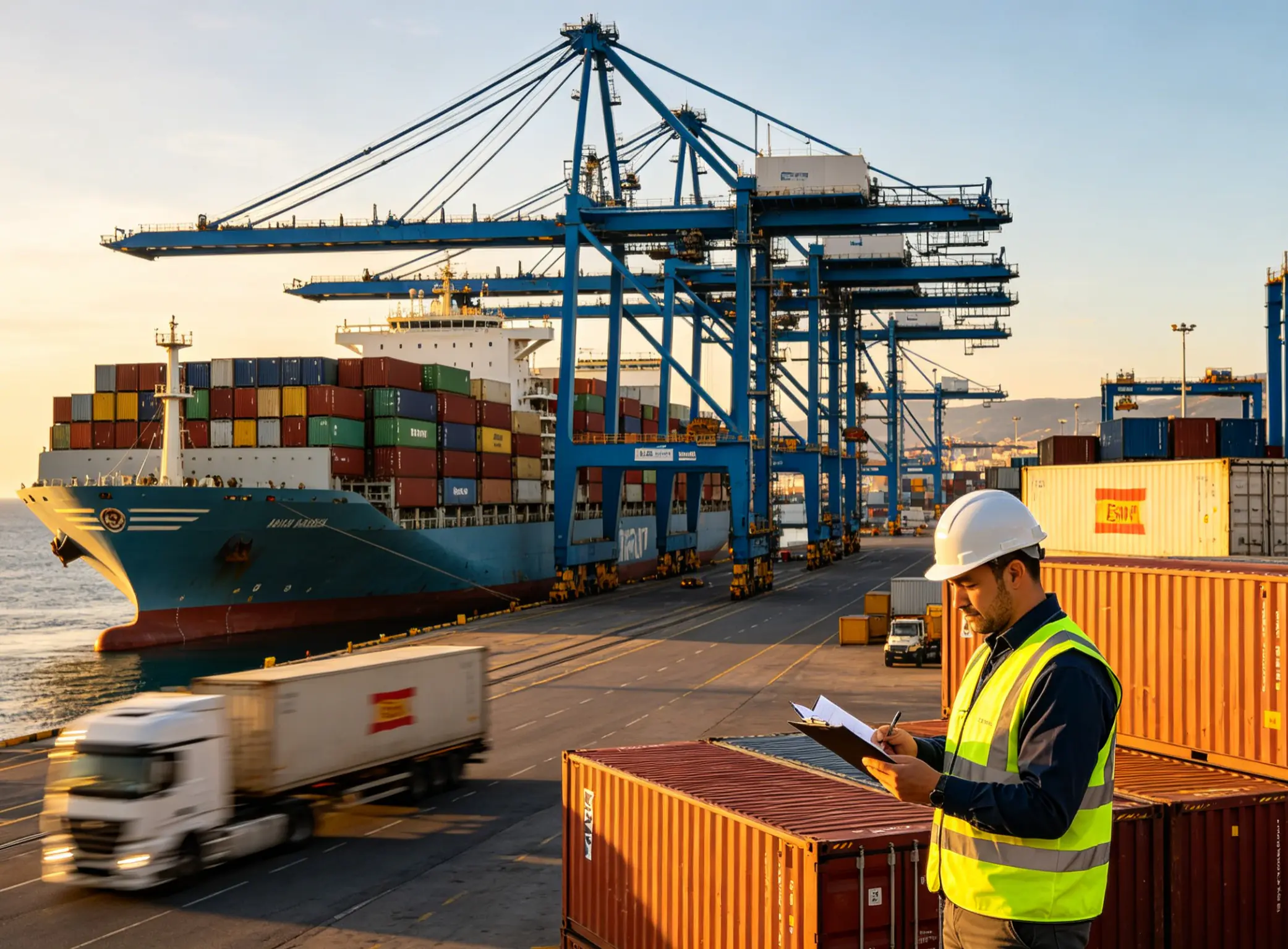
How Long Does Shipping from China to Spain Take by Each Method?
Shipping time from China to Spain depends entirely on the transport mode: express air courier is fastest at 3–6 days, while sea freight is the slowest but cheapest at 28–50 days. Before comparing numbers, it’s critical to understand one distinction that trips up most shippers.
Transit time is quoted two ways. Port-to-port (or airport-to-airport) measures only the main international leg—from the moment cargo leaves the origin port to when it arrives at the destination port. Door-to-door adds pickup at the factory, export and import customs clearance, and final delivery to your warehouse. Many online quotes blur these two, which is why estimates seem to contradict each other. We separate them clearly throughout this guide.
A Freight Forwarder coordinates these moving parts—booking space, preparing the Bill of Lading (B/L), clearing customs, and arranging last-mile trucking—so your estimated time of arrival (ETA) stays realistic. This guide focuses on timelines; for the full service overview and a live quote, see our dedicated shipping from China to Spain page.
| Shipping Mode | Port/Airport-to-Port | Door-to-Door (DDP) | Best For |
|---|---|---|---|
| Express Courier | 3–6 business days | 3–6 days | Samples, urgent parcels under 100 kg |
| Air Freight | 5–8 days | 8–14 days | High-value, time-sensitive goods |
| Rail Freight | 18–22 days | 28–35 days | Balanced cost & speed, inland Madrid |
| Sea Freight (FCL) | 28–38 days | 38–50 days | Large volumes, cost priority |
| Sea Freight (LCL) | 30–40 days | 40–55 days | Smaller loads under 15 CBM |
Note: All figures are indicative as of June 2026 and subject to market volatility, carrier schedules, and customs conditions. Always confirm a live ETA with your forwarder.
Sea Freight Transit Time from China to Spain
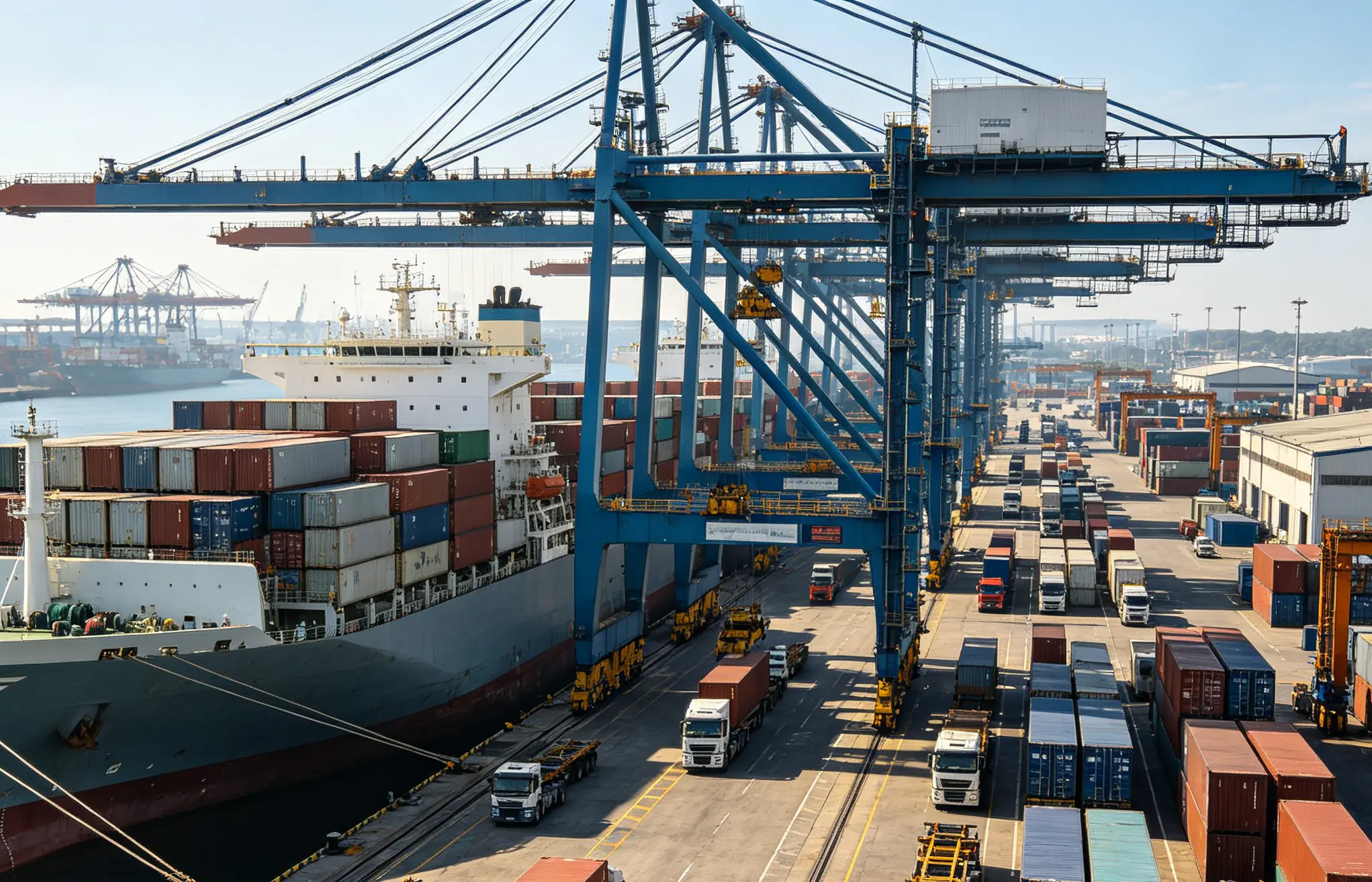
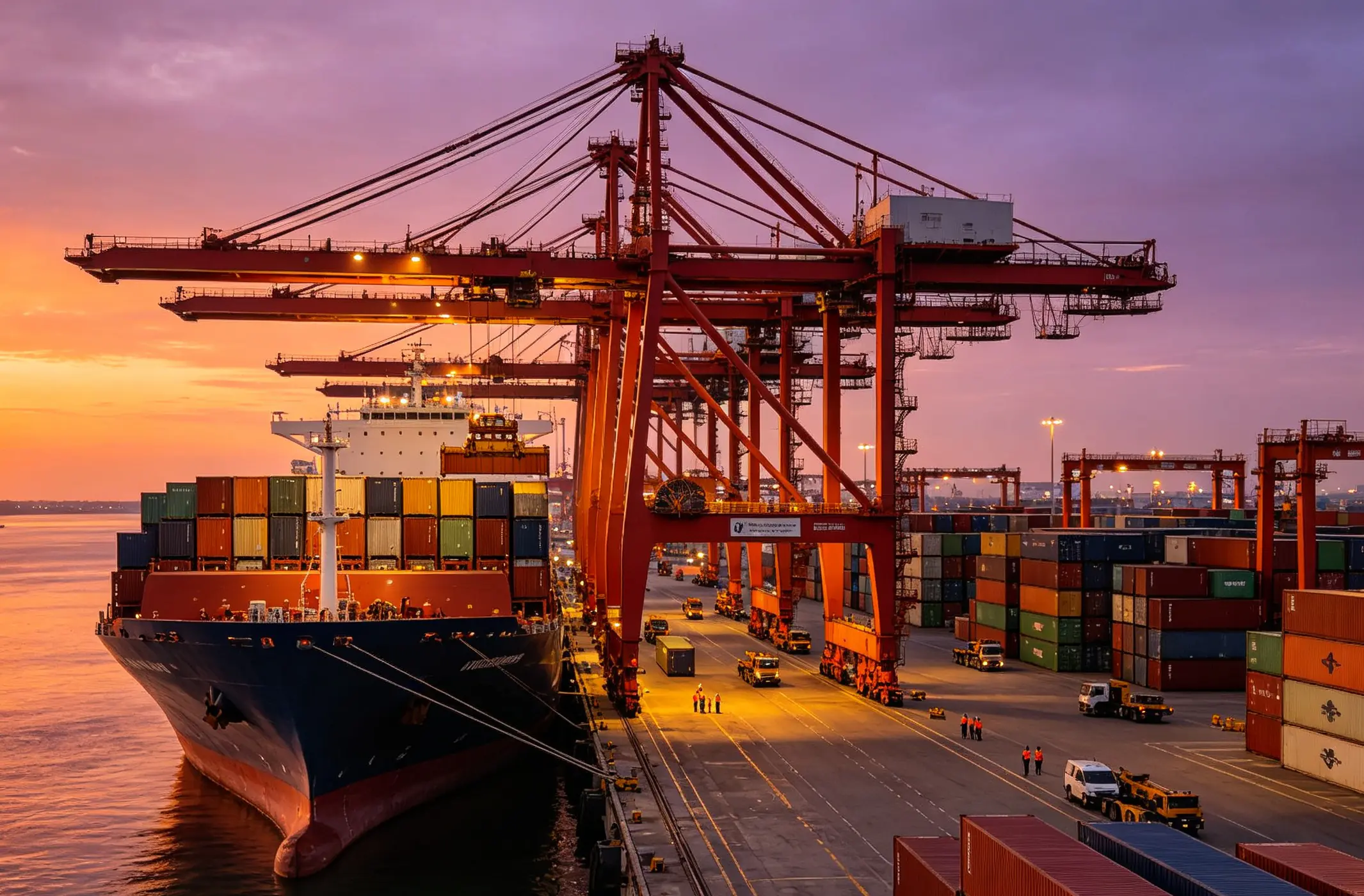
Sea freight is the slowest but most economical option, with port-to-port times of roughly 28–38 days from southern Chinese ports to Spain. It remains the default for bulk cargo where cost outweighs speed.
FCL vs LCL: Which Is Faster?
FCL (Full Container Load) is faster and more secure—your goods are sealed at the factory and move directly to the port without handling in between. LCL (Less than Container Load) shares a container with other shippers, so it typically takes 3–7 days longer due to consolidation at origin and deconsolidation at destination. If your shipment fills 15 CBM or more, FCL is almost always the smarter choice for both speed and per-unit cost. For a deeper breakdown of the trade-offs, see our guide on FCL vs LCL shipping.
Port-to-Port Sea Freight Times
Southern Chinese ports sit closer to Spain’s Mediterranean coast, giving them a transit edge over northern origins. Here are typical port-to-port durations:
| Origin Port (China) | Valencia | Barcelona | Algeciras |
|---|---|---|---|
| Shenzhen / Yantian | 28 | 28 | 32 |
| Guangzhou | 28 | 28 | 32 |
| Shanghai | 29 | 32 | 35 |
| Ningbo | 27 | 33 | 35 |
| Qingdao / Tianjin | 35 | 38 | 40 |
Spain’s main entry points are the Port of Valencia (the country’s busiest container hub and fastest for customs), Barcelona, and Algeciras, with Bilbao serving northern Spain and Madrid functioning as an inland dry port.
The Red Sea Factor in 2026
Ongoing disruptions in the Red Sea have pushed many carriers to reroute around the Cape of Good Hope instead of transiting the Suez Canal. For Mediterranean-bound cargo, this adds roughly 10–15 days to affected sailings. Compounding the timeline pressure, FCL rates to Barcelona and Valencia surged 56–60% month-over-month in June 2026, tightening space and making schedules less predictable. Build this volatility into your planning.
Air Freight Transit Time from China to Spain
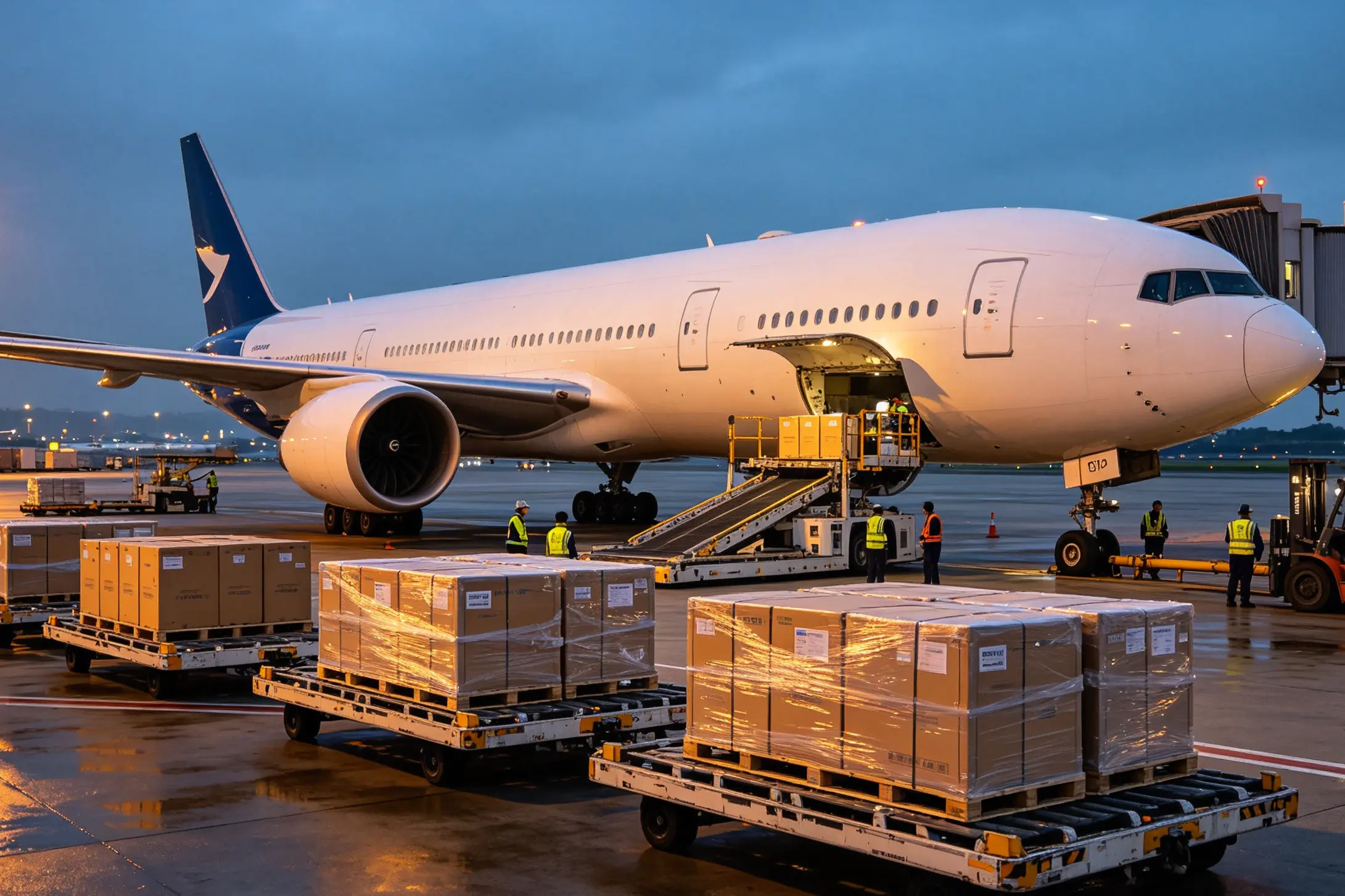
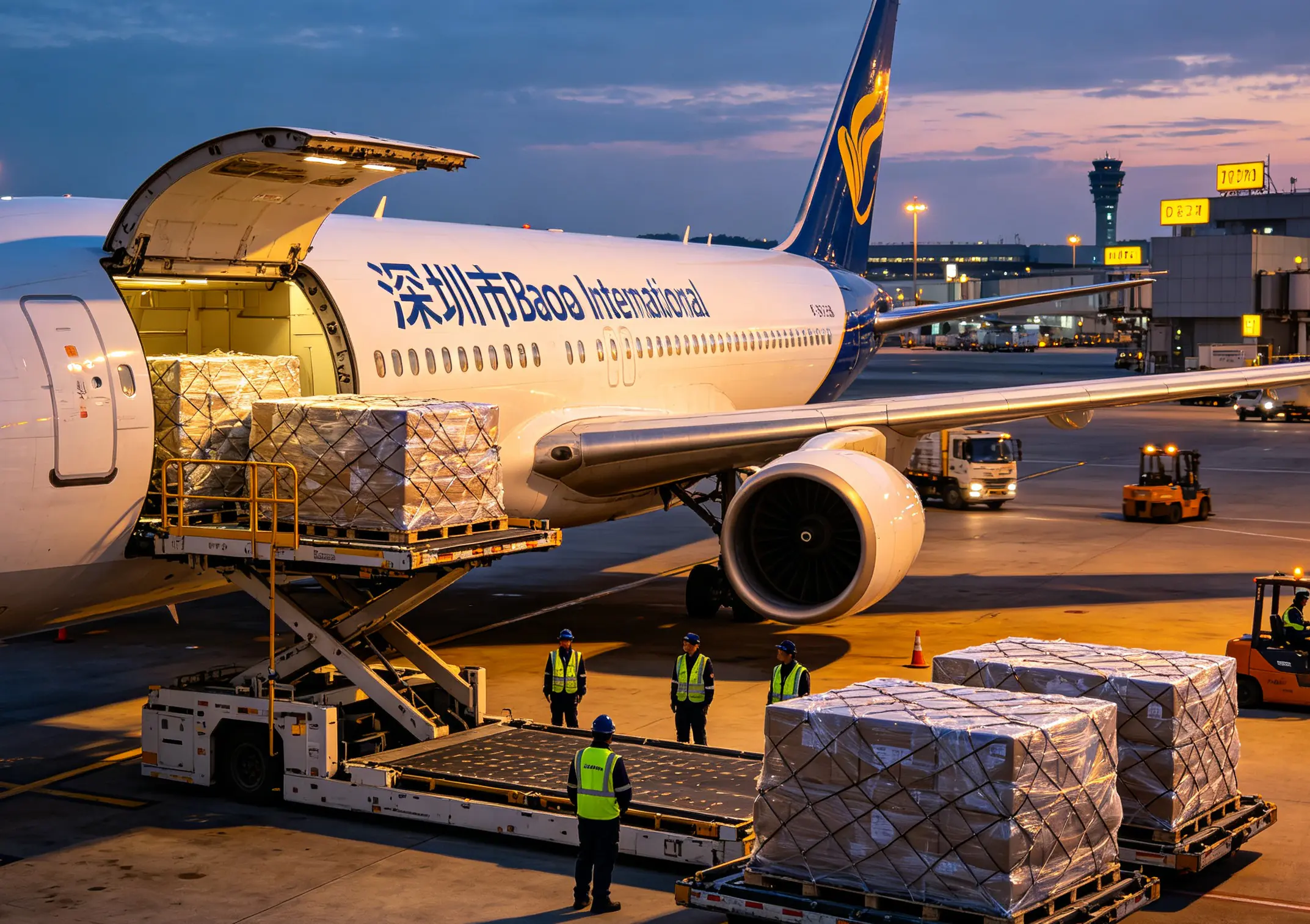
Air freight typically takes 5–8 days including ground handling, making it the go-to for high-value or time-sensitive cargo that can’t wait weeks at sea.
Direct flights—such as Shanghai Pudong (PVG) to Madrid (MAD) or Barcelona (BCN)—move cargo in 3–5 days. Indirect or consolidated routings via Middle East hubs like Dubai or Doha run 5–8 days. On top of the flight itself, add 1–2 days for pre-flight processing: security screening, palletizing, and export clearance, plus the Air Waybill (AWB) documentation.
| Origin Airport | Madrid (MAD) | Barcelona (BCN) | Valencia (VLC) |
|---|---|---|---|
| Beijing (PEK) | 4–6 days | 4–6 days | 5–7 days |
| Shanghai (PVG) | 5–7 days | 5–7 days | 5–7 days |
| Shenzhen (SZX) | 5–7 days | 6–8 days | 6–8 days |
| Guangzhou (CAN) | 5–7 days | 5–7 days | 5–7 days |
For shipments between roughly 100 kg and 500 kg that are too urgent for sea but too heavy for express, standard air freight usually delivers the best speed-to-cost balance.
Rail Freight Transit Time from China to Spain
Rail freight via the China-Europe Railway Express reaches Spain in about 18–22 days station-to-station, or 28–35 days door-to-door—a genuine middle ground between slow sea and pricey air. It runs roughly 50% cheaper than air freight while arriving 10–15 days faster than ocean.
The flagship Yiwu–Madrid railway covers more than 13,000 km. Most cargo travels the northern corridor: China → Kazakhstan → Russia → Belarus → Poland → Germany → onward to Spain, often with a final truck leg. A southern corridor through Central Asia, the Caucasus, and Turkey offers an alternative path into southern Europe.
Here’s an insight most guides miss: the bulk of rail delays don’t happen in transit—they happen at border crossings. Gauge changes at points like Alashankou and Khorgos require containers to be transferred between rail systems, and customs processing at each frontier adds variable time. The good news for 2026: a new Madrid rail hub has trimmed roughly 3 days off inland transfer times, improving reliability for cargo bound for central Spain.
Express Shipping Transit Time from China to Spain
Express couriers—DHL, FedEx, and UPS—deliver door-to-door in just 3–6 business days, the fastest option available. Because these integrators handle pickup, the international leg, customs, and final delivery as a single service, the quoted time is already a true door-to-door figure.
Express is ideal for samples, documents, and small parcels under 100 kg where speed justifies the premium per-kilogram cost. For anything heavier or less urgent, air freight or rail will serve you better on price.
Door-to-Door & DDP: Total Timeline Breakdown
Door-to-door DDP (Delivered Duty Paid) service stacks pickup, customs, and last-mile delivery on top of the main transit, bringing total sea freight time to roughly 38–50 days. Under DDP, your forwarder takes responsibility for everything—including paying Spain’s import duties and 21% VAT—and delivers straight to your address. This contrasts with DDU, where the buyer handles import clearance and taxes. If you want this fully managed, our door-to-door shipping from China to Spain service covers the entire chain end-to-end.
Here’s how a typical door-to-door timeline breaks down:
| Stage | Duration | What Happens |
|---|---|---|
| Pickup in China | 1–3 days | Collection from factory, warehouse consolidation |
| Main Transit | Varies by mode | Ocean / air / rail / express leg |
| Customs in Spain | 1–3 days | Import clearance, duty & VAT payment |
| Last-Mile Delivery | 2–5 days | Final trucking to your door or FBA center |
Applied across modes, full door-to-door DDP timelines run approximately: sea 38–50 days, rail 28–35 days, air 8–14 days, and express 3–6 days.

What Affects Your China–Spain Transit Time in 2026?
Your actual arrival time is shaped by routing detours, customs efficiency, peak-season congestion, and shipping mode—not just the headline number. Understanding each factor helps you plan a realistic ETA.
- Red Sea / Cape of Good Hope rerouting: Adds 10–15 days to affected ocean sailings.
- Customs Clearance in Spain: Usually 1–3 days, but incomplete or mismatched documentation can stretch it to 5–7 days or trigger inspection holds.
- Peak seasons: Chinese New Year, Golden Week, and the Q4 holiday rush all create congestion and rate spikes—book well ahead.
- LCL vs FCL and port choice: Consolidation adds days; northern Chinese ports run longer than southern ones.
- Rate volatility: The June 2026 ocean surge tightened space, indirectly affecting how quickly you can secure a booking.
- Demurrage & Detention (D&D): Containers held too long at port or returned late incur D&D charges—a cost risk that compounds when delays cascade.
How to Plan for Delays and Speed Up Delivery
You can meaningfully compress and stabilize your ETA through smart planning, document preparation, and mode selection. Here are four field-tested recommendations.
1. Match the mode to your priorities. Use a simple decision logic: choose express for urgent samples under 100 kg, air freight for high-value goods needing arrival within two weeks, rail for a cost-speed balance on inland destinations like Madrid, and sea FCL for bulk where cost rules. When volume is below 15 CBM, weigh LCL against rail—rail is often faster for only a modest premium.
2. Book early and build in buffer. During peak periods, reserve air space 3–4 weeks ahead and ocean space 6–8 weeks ahead. Always pad your internal deadlines with a buffer rather than promising customers the best-case ETA.
3. Pre-screen your documents to avoid customs holds. Most Spanish clearance delays are self-inflicted. Run this checklist before shipping: a valid EORI number (mandatory for EU importers), accurate HS Codes, and a Commercial Invoice that matches your Packing List and Bill of Lading exactly. Confirm EPR and packaging compliance where applicable.
4. Combine modes when timing is tight. A hybrid approach—air-freighting an urgent partial shipment while the bulk follows by sea or rail—keeps shelves stocked without paying air rates on the entire order.
Drawing on years of coordinating shipments out of Shenzhen, our team has seen a single mismatched HS code hold a Valencia-bound container for nearly two weeks. Pre-screening that one document beforehand would have eliminated the entire delay—proof that paperwork discipline, not just routing, governs your timeline.
Amazon FBA Shipping Time from China to Spain
For Amazon FBA shipments to Spain, plan for the main transit time plus warehouse appointment scheduling and last-mile delivery—sea freight DDP typically totals 40–55 days. FBA adds its own wrinkles: inbound appointments must be booked, and Amazon’s receiving windows can extend your effective timeline beyond simple door-to-door figures.
To avoid costly rejections, ensure labeling, palletizing, and carton requirements meet Amazon’s standards before dispatch. A forwarder experienced in FBA routing can pre-align these details, preventing the rejection fees and re-delivery delays that erode your speed advantage.
Choosing the Right Shipping Partner for Predictable Delivery
Predictable transit times come from a reliable forwarder who can coordinate pickup, customs, and last-mile delivery end-to-end. When evaluating partners, look for transparent pricing with no hidden fees, proven customs clearance capability for Spain, real-time tracking, and cargo insurance options.
This is where working with an experienced China-based forwarder pays off. Efanda Logistics, founded in 2018 and headquartered in Shenzhen, provides end-to-end, one-stop solutions covering factory pickup, warehouse consolidation, export clearance, international transport by sea, air, or rail, destination customs, and final delivery. With transparent, market-based pricing and a dedicated logistics specialist assigned to every client, Efanda helps importers turn unpredictable timelines into dependable ones. For a deeper dive into ocean options specifically, see our complete guide to ocean freight from China to Spain.
Because rates and transit times fluctuate with market conditions, we always quote based on real, current data and flag the buffer time your shipment realistically needs—so you can plan with confidence rather than optimism.
Frequently Asked Questions
How long does shipping from China to Spain take on average?
On average, sea freight takes 28–50 days door-to-door, rail 28–35 days, air freight 8–14 days, and express courier 3–6 days. Your exact timeline depends on ports, mode, and customs.
What is the fastest way to ship from China to Spain?
Express courier (DHL, FedEx, UPS) is the fastest, delivering door-to-door in 3–6 business days. For heavier urgent cargo, air freight at 5–8 days is the next-best option.
What is the cheapest way to ship from China to Spain?
Sea freight is the cheapest, especially LCL for smaller loads and FCL for full containers. The trade-off is the longest transit time, at 28–50 days door-to-door.
How long does sea freight from China to Spain take?
Port-to-port, sea freight runs about 28–38 days from southern Chinese ports. Door-to-door DDP service adds pickup, customs, and delivery for a total of 38–50 days.
Do I need an EORI number to import into Spain?
Yes. An EORI number is mandatory for any business importing into the EU, including Spain. Shipping without one will halt your customs clearance.
Why is my shipment from China to Spain delayed?
The most common causes are Red Sea rerouting on ocean routes, customs holds from incomplete documentation, peak-season congestion, and border-crossing delays on rail. Most customs delays are preventable with accurate paperwork.
How does the Red Sea situation affect my 2026 transit time?
Carriers rerouting around the Cape of Good Hope add roughly 10–15 days to affected Mediterranean sailings, and the resulting capacity squeeze has driven ocean rates sharply higher in 2026.
Conclusion
So, how long does shipping from China to Spain take? Express delivers in 3–6 days, air freight in 8–14 days door-to-door, rail in 28–35 days, and sea freight in 38–50 days door-to-door—with 2026’s Red Sea rerouting and rate volatility making buffer planning more important than ever. The smartest move isn’t simply picking the fastest mode; it’s matching the right mode to your cargo, preparing your documents to clear customs cleanly, and partnering with a forwarder who keeps your ETA honest.
Ready to lock in a reliable timeline for your next shipment? Contact Efanda Logistics for transparent pricing and a tailored transit plan built around your real deadlines.
All transit times and rates referenced are indicative as of June 2026 and subject to change based on carrier schedules, customs conditions, and market volatility.