The booming demand for cost-effective HVAC solutions in Europe has made importing units from Asia a highly lucrative business. However, figuring out how to ship air conditioner from China to France is fraught with hidden complexities. Unlike standard consumer goods, large electronics and commercial cooling systems come with strict compliance hurdles. Every year, importers face unexpected delays, hefty fines, and even rejected cargo at French customs simply due to missing CE certifications, mishandled refrigerants (which trigger Dangerous Goods protocols), or an incorrect HS code.
If you are a B2B distributor, a commercial contractor, or an e-commerce seller, navigating these obstacles is crucial for your profit margins. This comprehensive 2026 guide will walk you through the entire process of importing air conditioners from China to France. Whether you are focused solely on shipping from China to France or expanding your distribution network by shipping from China to Germany, we will cover the specific import regulations, compare freight options, break down customs duties, and explain how a reliable freight forwarder can ensure safe handling.
Understanding French Import Regulations for HVAC (CE & F-Gas)
Before you book any freight, you must ensure that your supplier’s products meet the strict HVAC import regulations Europe/France imposes on electronics and cooling systems. Failure to comply will result in your goods being seized at ports like Le Havre or Marseille.
CE Certification for Air Conditioners
The CE mark is non-negotiable. It proves that the air conditioner complies with EU safety, health, and environmental protection standards.
When importing, you must verify that your Chinese manufacturer holds a valid CE certification for air conditioners. Customs officers will ask for the Declaration of Conformity (DoC) and the accompanying test reports. If your factory cannot provide these, the shipment will not be allowed to enter France. Always ask for these documents before finalizing your purchase order.
F-Gas Regulations & Refrigerant Restrictions
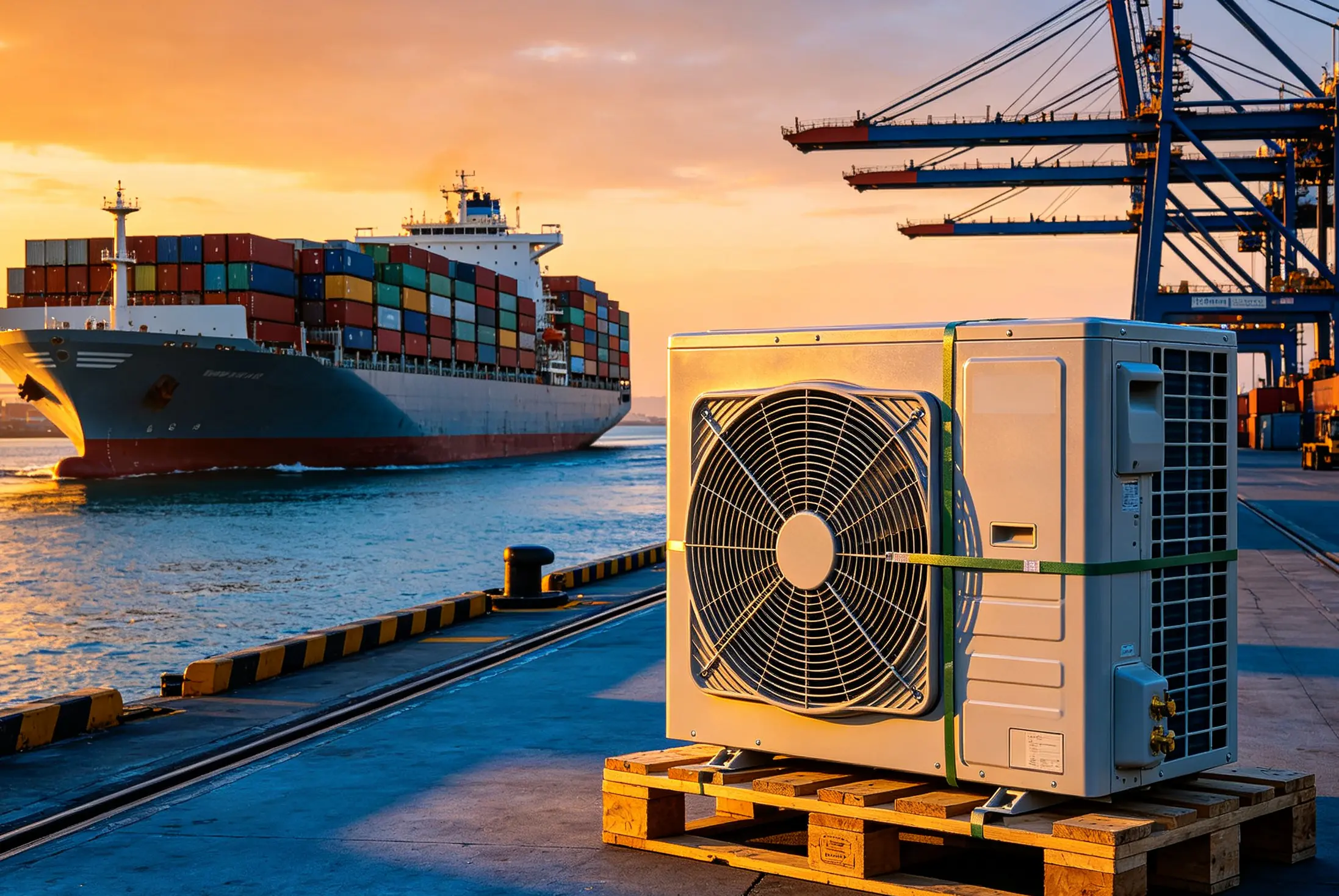
Europe is actively phasing out hydrofluorocarbons (HFCs) with high Global Warming Potential (GWP) under the F-Gas Regulation. While refrigerants like R410A are facing tighter quotas, R32 is currently the industry standard due to its lower GWP. You must ensure that the units you import comply with the latest French environmental standards regarding refrigerant types and fill limits.
MSDS Requirements and Dangerous Goods (DG)
Air conditioners are rarely shipped “empty.” Because they contain pressurized refrigerant gas, they are often classified under Dangerous Goods (DG) protocols. To clear both export customs in China and import customs in France, you must provide a Material Safety Data Sheet (MSDS) for the specific refrigerant gas (e.g., R32 / R410A refrigerant shipping restrictions / MSDS). This document dictates how the cargo must be stowed and handled during transit.
Choosing the Best Shipping Method: Sea vs. Air Freight
The physical size, weight, and internal gases of HVAC systems dictate your shipping options. Here is a breakdown of how to move your cargo effectively.

Sea Freight Cost for Air Conditioners China to Europe
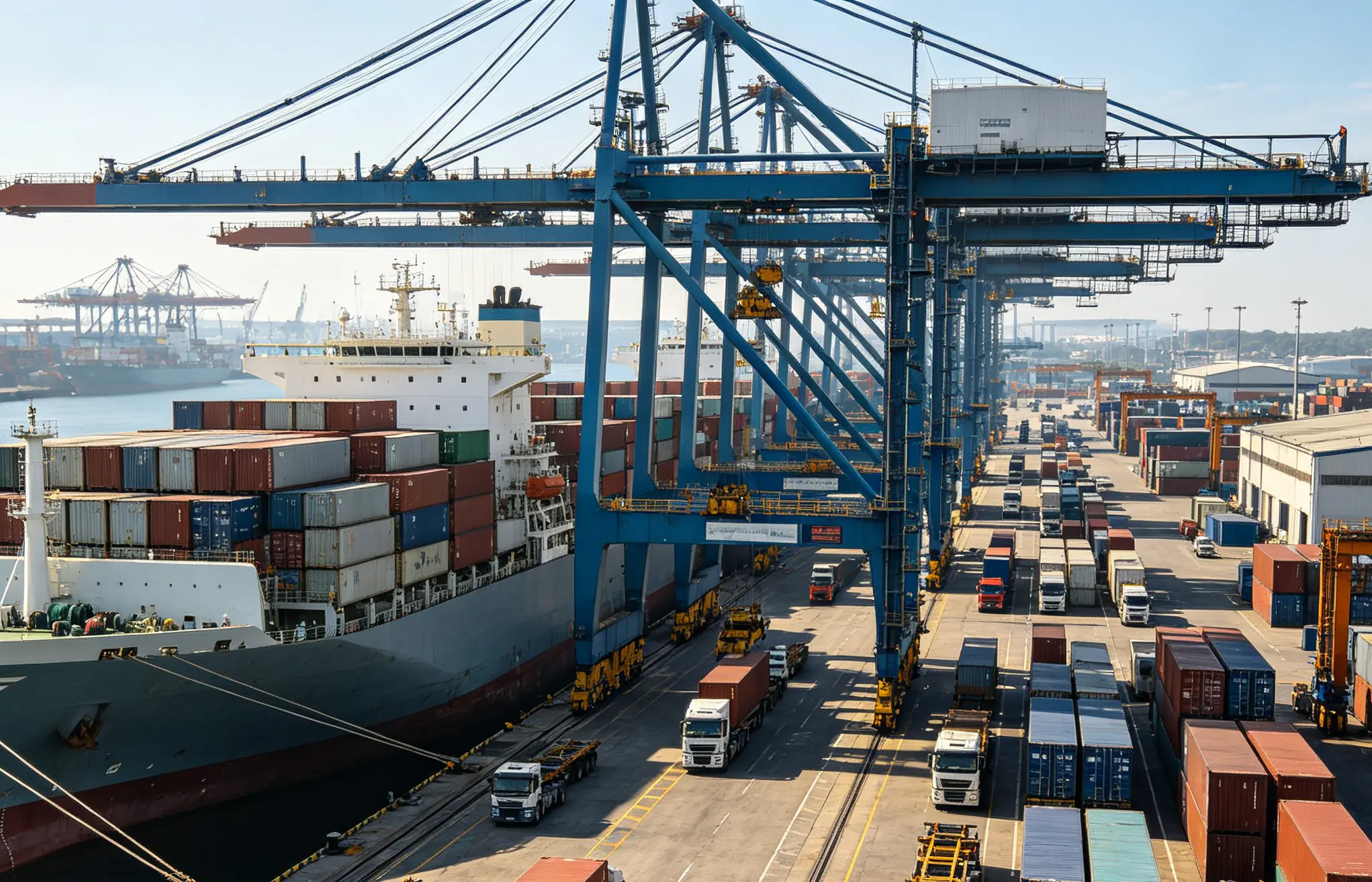
Ocean freight is the standard, most economical choice for bulky appliances. When evaluating the sea freight cost for air conditioners China to Europe, you must choose between two primary container methods:
- FCL (Full Container Load): If you are importing enough units to fill a 20ft or 40ft container, FCL is the most secure and cost-effective method. For most commercial HVAC orders, fcl shipping from China to France minimizes handling, significantly reducing the risk of damage.
- LCL (Less than Container Load): For smaller orders (e.g., 5 to 10 units), your goods will share a container with other shipments. While cheaper than renting a full container, FCL vs LCL shipping air conditioners from China usually favors FCL when considering the per-unit cost and the reduced risk of damage from consolidated cargo handling.
| Shipping Method | Typical Transit Time | Best For | Estimated Cost Range (Per CBM / Container) |
|---|---|---|---|
| LCL Sea Freight | 30 – 40 Days | Small volume (under 15 CBM) | $85 – $155 / CBM |
| FCL Sea Freight (20ft) | 30 – 40 Days | Medium volume | $1,000 – $2,400 |
| FCL Sea Freight (40ft) | 30 – 40 Days | High volume | $1,500 – $3,600 |
| Rail Freight | 18 – 25 Days | Medium urgency, mid-size loads | $65 – $125 / CBM |
Note: Sea freight rates fluctuate based on peak seasons and carrier capacity. These estimates do not include DG surcharges for refrigerants.
OOG (Out of Gauge) Shipping for Commercial HVAC
If you are importing massive industrial chillers or rooftop units that exceed standard container dimensions, you will need OOG (Out of Gauge) shipping for commercial HVAC. This requires specialized equipment like Open Top or Flat Rack containers, which demand precise lashing, securing, and a highly experienced freight forwarder China to France to orchestrate the loading in Shenzhen or Guangzhou.
Air Freight for Urgent Needs
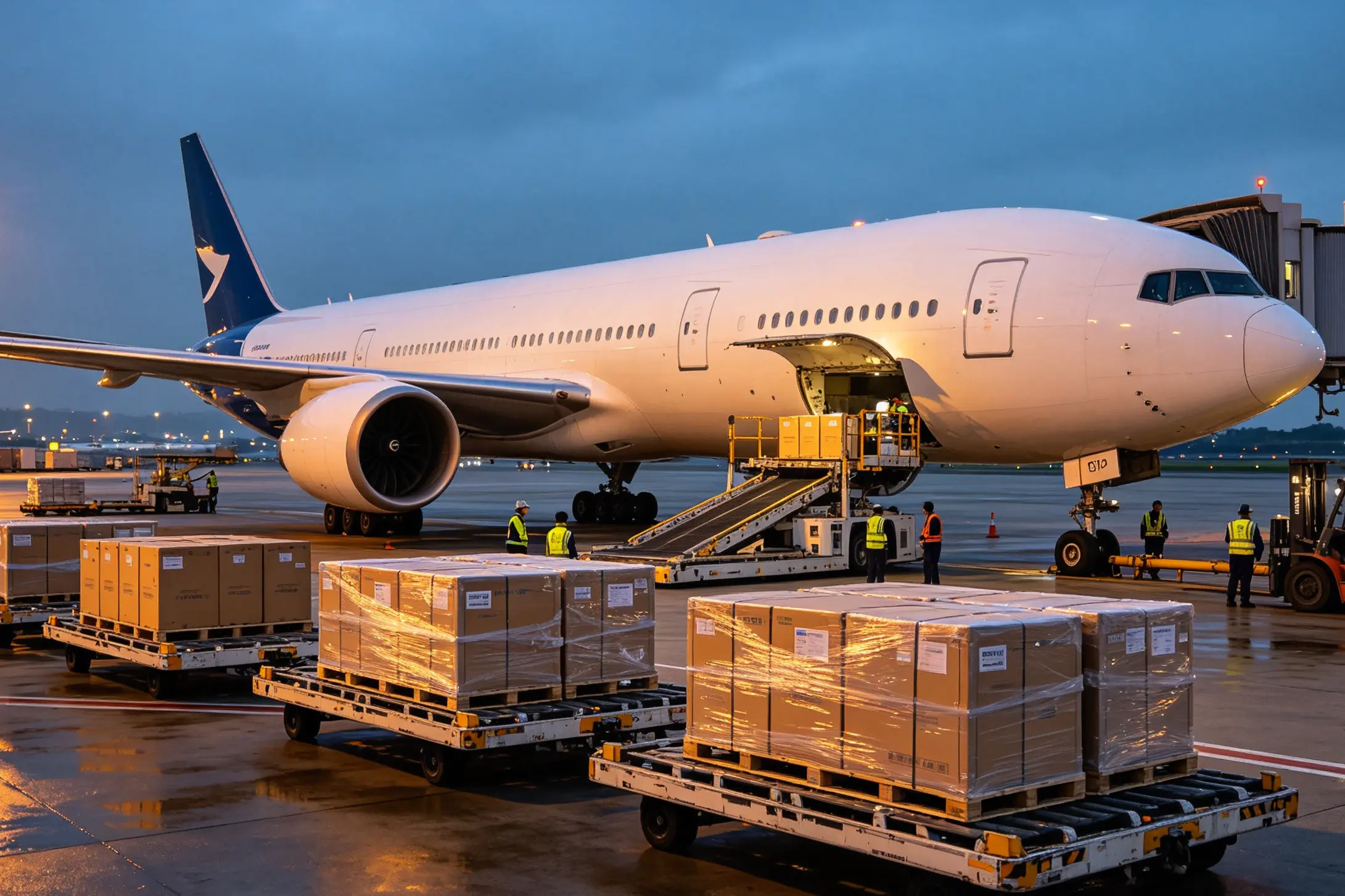
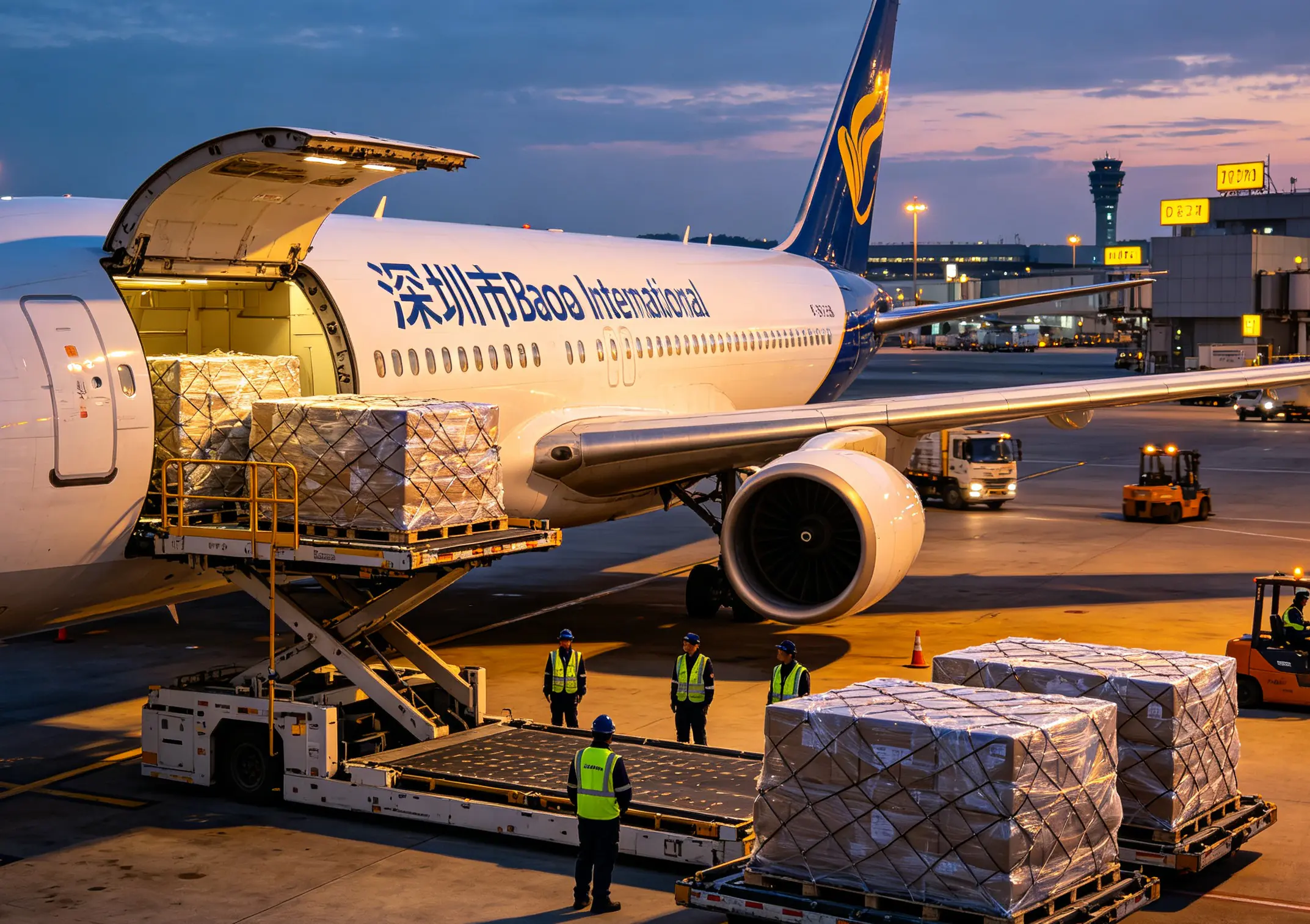
Can you fly an air conditioner? Yes, but it is complicated and expensive. While air shipping from China to France takes only 3 to 7 days, strict aviation safety rules apply to pressurized gases. Airlines have stringent R32 / R410A refrigerant shipping restrictions. You will pay a premium for Dangerous Goods handling, making air freight viable only for highly urgent replacements, prototypes, or very small, gas-free units.
China-Europe Railway Express
Rail freight offers a solid middle ground, taking about 18 to 25 days. It is faster than sea freight and significantly cheaper than air freight. It is an excellent option for medium-sized shipments where inventory timing is critical before the European summer heat peaks.
Calculating Shipping Costs and Customs Duties
To protect your profit margins, you need a crystal-clear understanding of the taxes and duties awaiting your shipment at the French border.
HS Code for Air Conditioner (8415)
The Harmonized System (HS) code determines your import duty rate. The standard HS code for air conditioner 8415 applies to most units, encompassing “Air conditioning machines, comprising a motor-driven fan and elements for changing the temperature and humidity.” The exact sub-heading (e.g., 8415.10 for window or wall types) depends on the specific model and capacity.
Import Duties & French VAT
When figuring out import air conditioners from China to France customs duties, you must calculate both the EU import tariff and local taxes:
- Import Duty: Generally ranges from 2% to 2.7% for standard air conditioning units under the 8415 heading, calculated on the CIF (Cost, Insurance, and Freight) value.
- Value Added Tax (VAT): France imposes a standard VAT rate of 20%, which is calculated on the sum of the CIF value plus the import duty.
Anti-Dumping Duties on Chinese Electronics
Always consult with your customs broker regarding anti-dumping duties on Chinese electronics. While standard residential AC units usually face normal tariffs, specific industrial cooling components or certain brands might be subject to protective EU tariffs. Pre-screening your HS code is essential to avoid shock bills.
Hidden Fees
Beyond freight and taxes, factor in potential hidden costs:
- DG Surcharges: Extra fees for handling units with refrigerants.
- Demurrage & Detention (D&D): Penalties if your containers are not cleared and returned to the port on time.
- Port Handling: Terminal Handling Charges (THC) at the destination port.
DDP Shipping: The Hassle-Free Solution for Air Conditioners
Navigating customs clearance in Le Havre / Marseille while managing DG documentation is a headache for most businesses. This is why many importers opt for DDP.

What is DDP Shipping?
DDP shipping air conditioner from China to France stands for Delivered Duty Paid. Under this Incoterm (see our guide where ddp shipping explained in detail), your freight forwarder handles the entire process: picking up the goods from the Chinese factory, managing export customs, paying the sea/air freight, clearing French customs, paying all import duties and VAT, and delivering the units directly to your warehouse or Amazon FBA center.
Why Importers Prefer It
DDP is the cheapest way to ship HVAC from China to France when you factor in the value of your time and the elimination of unexpected border fees. It shifts all the regulatory risk and logistical coordination to a single, experienced partner. You get a single, transparent invoice with no surprise bills upon arrival.
Efanda Logistics’ Expertise
As a senior freight forwarding expert based in the Shenzhen logistics hub, Efanda Logistics specializes in complex electronics and HVAC shipments. Whether you need shipping from Shenzhen to France or from other major Chinese ports, we provide end-to-end solutions, ensuring your MSDS paperwork is flawless, your CE certificates are verified, and your cargo moves seamlessly from the factory floor to your French facility.
Packaging and Handling Tips for Safe Transit
Air conditioners are heavy yet fragile. Improper packing will result in bent coils, broken compressors, or leaked gas.
- Moisture Protection: Sea voyages expose cargo to high humidity and salty air. Ensure outdoor units are tightly shrink-wrapped and contain desiccant packets to prevent corrosion.
- Structural Support: Commercial units must be properly palletized. Compressors must be secured to prevent internal shifting. Ensure your supplier uses reinforced crates and clearly marks the boxes with “Fragile,” “Keep Upright,” and the appropriate DG hazard labels.
FAQ
Can I ship air conditioners via air freight if they contain R32 gas?
Yes, but it is heavily restricted. The shipment must be declared as Dangerous Goods (DG), accompanied by a valid MSDS, and packed according to strict IATA regulations. Not all passenger airlines will accept it, often requiring specialized cargo flights.
What is the cheapest way to ship HVAC from China to France?
For large volumes, Sea Freight FCL (Full Container Load) is the most economical method. If you want to avoid administrative costs and customs broker fees, utilizing a DDP (Delivered Duty Paid) service through a reliable forwarder is the most cost-effective all-in-one solution.
Do I need an EORI number to import air conditioners into France?
Yes. Any business importing commercial goods into France (or anywhere in the EU) must have an Economic Operators Registration and Identification (EORI) number to clear customs.
Conclusion
Successfully importing HVAC systems requires more than just finding a cheap freight rate. Understanding how to ship air conditioner from China to France means mastering CE compliance, handling refrigerant regulations, correctly classifying your HS code, and choosing between FCL, LCL, or rail freight based on your timeline. By ensuring proper packaging and utilizing DDP shipping, you can bypass the stress of customs clearance and protect your bottom line.
If you need a reliable partner to handle the heavy lifting, Efanda Logistics is here to help. Based in Shenzhen, we offer transparent, competitive pricing and dedicated logistics specialists to manage your entire supply chain. Contact us today at +86 18929345880 or visit our website to get a custom freight quote for your next HVAC shipment.