Are you looking for the cheapest shipping from China to South Africa but feeling overwhelmed by fluctuating sea freight rates and complex customs regulations? You are not alone. With trade between China and South Africa reaching record highs in 2026 due to strengthened BRICS partnerships, finding a cost-effective logistics solution is critical for your profit margins.
Whether you are importing electronics to Johannesburg, textiles to Durban, or machinery to Cape Town, shipping costs can eat up to 30% of your landed cost if not managed correctly. This guide is your definitive playbook. We don’t just list prices; we explain how to save money, navigate SARS customs clearance, and choose the right freight forwarder.
At Efanda Logistics, we specialize in optimizing supply chains for importers like you. Let’s dive into the data and strategies you need to ship smarter in 2026.
What is the cheapest way to ship?
- Large Shipments (>15 CBM): Sea Freight (FCL) is the undisputed king of low cost.
- Small Shipments (1-15 CBM): LCL (Less than Container Load) offers the best balance.
- Urgent Small Parcels (<100 kg): Air Freight or Express Courier.
- 2026 Rate Benchmark: A 20ft container to Durban currently costs between $1,800 and $2,200.
1. Introduction: Navigating Shipping Costs in 2026
The logistics landscape in 2026 has stabilized compared to the volatility of previous years, but new challenges have emerged. While ocean freight rates from major Chinese ports (Shenzhen, Shanghai, Ningbo) to South Africa have normalized, congestion remains a challenge. According to Transnet Port Terminals, Durban handles 65% of the country’s container volume, making it the preferred gateway over Cape Town, which frequently faces wind delays.
For South African importers, “cheap” isn’t just about the freight rate. It’s about the Total Landed Cost, which includes:
- Freight Cost: The money paid to the carrier.
- Customs Duties & VAT: Paid to SARS (South African Revenue Service).
- Local Charges: Terminal handling, delivery, and documentation fees.
This article will dissect each of these components, comparing Sea, Air, and DDP (Door to Door) services to help you make an informed decision that protects your bottom line.
2. What Is the Cheapest Shipping Method from China to South Africa?
Choosing the right shipping method depends entirely on the volume and weight of your cargo. Here is the golden rule of thumb used by logistics experts:
The Weight/Volume Rule
- Greater than 2 CBM or 500 kg: Sea Freight is the winner. Whether you choose LCL (sharing a container) or FCL (booking a full container), ocean transport offers the lowest price per kilogram.
- 100 kg to 500 kg: Air Freight enters the conversation. While more expensive than sea freight, it is viable for high-value goods (like electronics) where a faster turnover justifies the cost.
- Less than 100 kg: Express Courier (DHL, FedEx, UPS) or specialized DDP Air lines are often cheaper than standard air freight because they include customs clearance in the price.
Comparison Table: Cost vs. Speed
| Shipping Method | Estimated Cost (2026) | Transit Time | Best For |
|---|---|---|---|
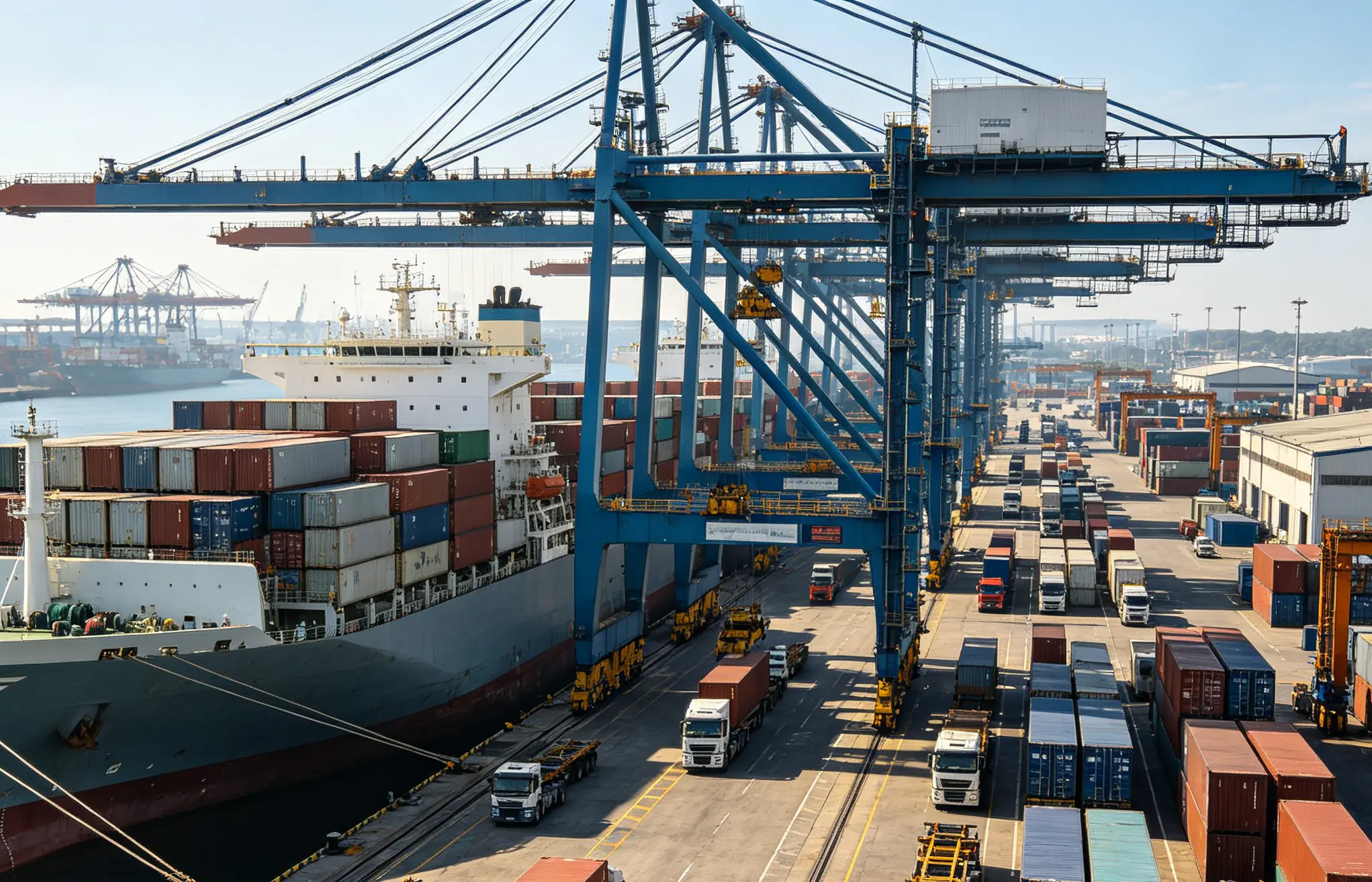
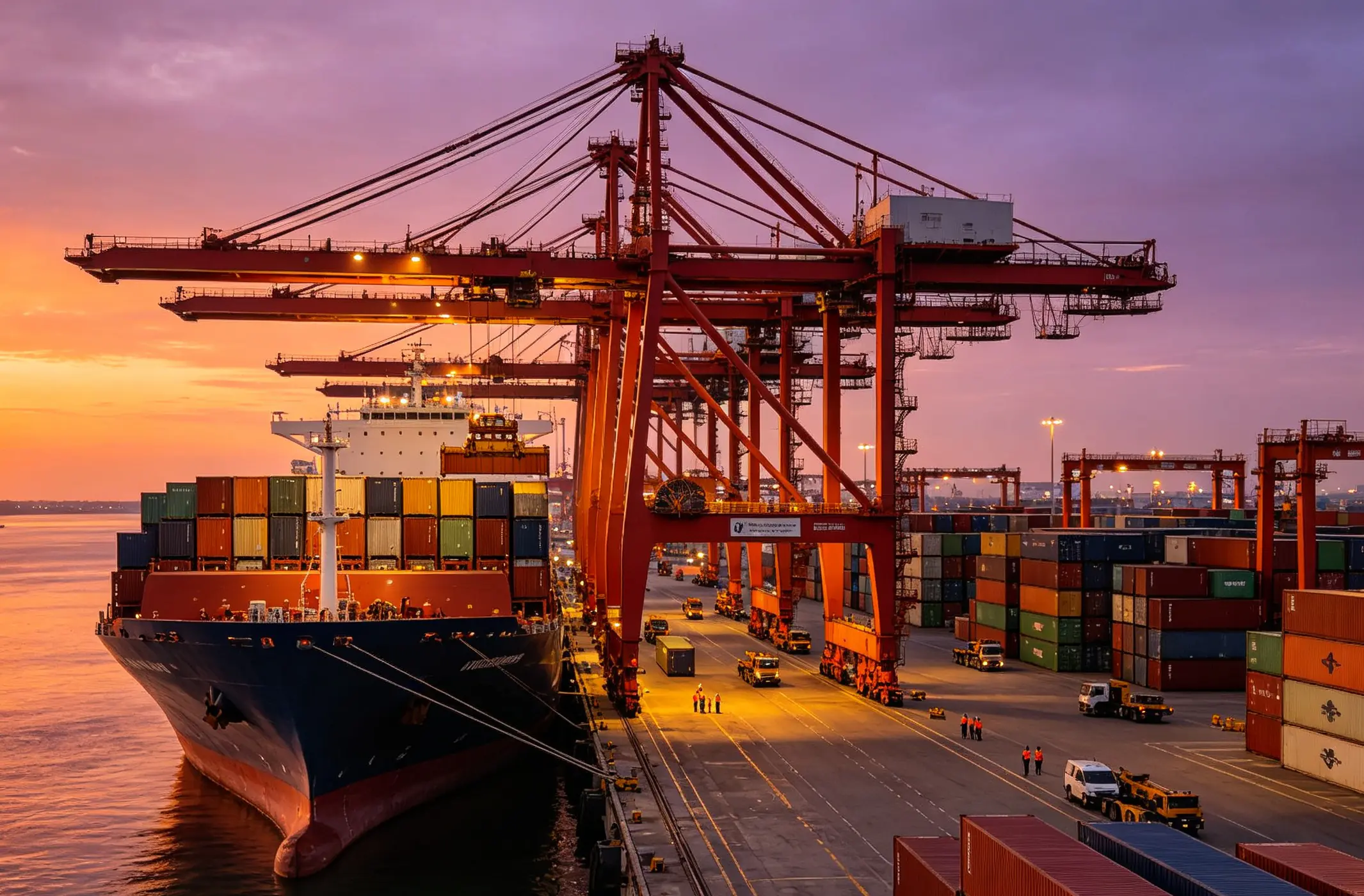
| Sea Freight (FCL) | Lowest ($1,800 – $2,200 / 20ft) | 22 – 35 Days | Large bulk orders, machinery, furniture. |
| Sea Freight (LCL) | Low ($80 – $120 / CBM) | 30 – 45 Days | Small to medium shipments (1-15 CBM). |
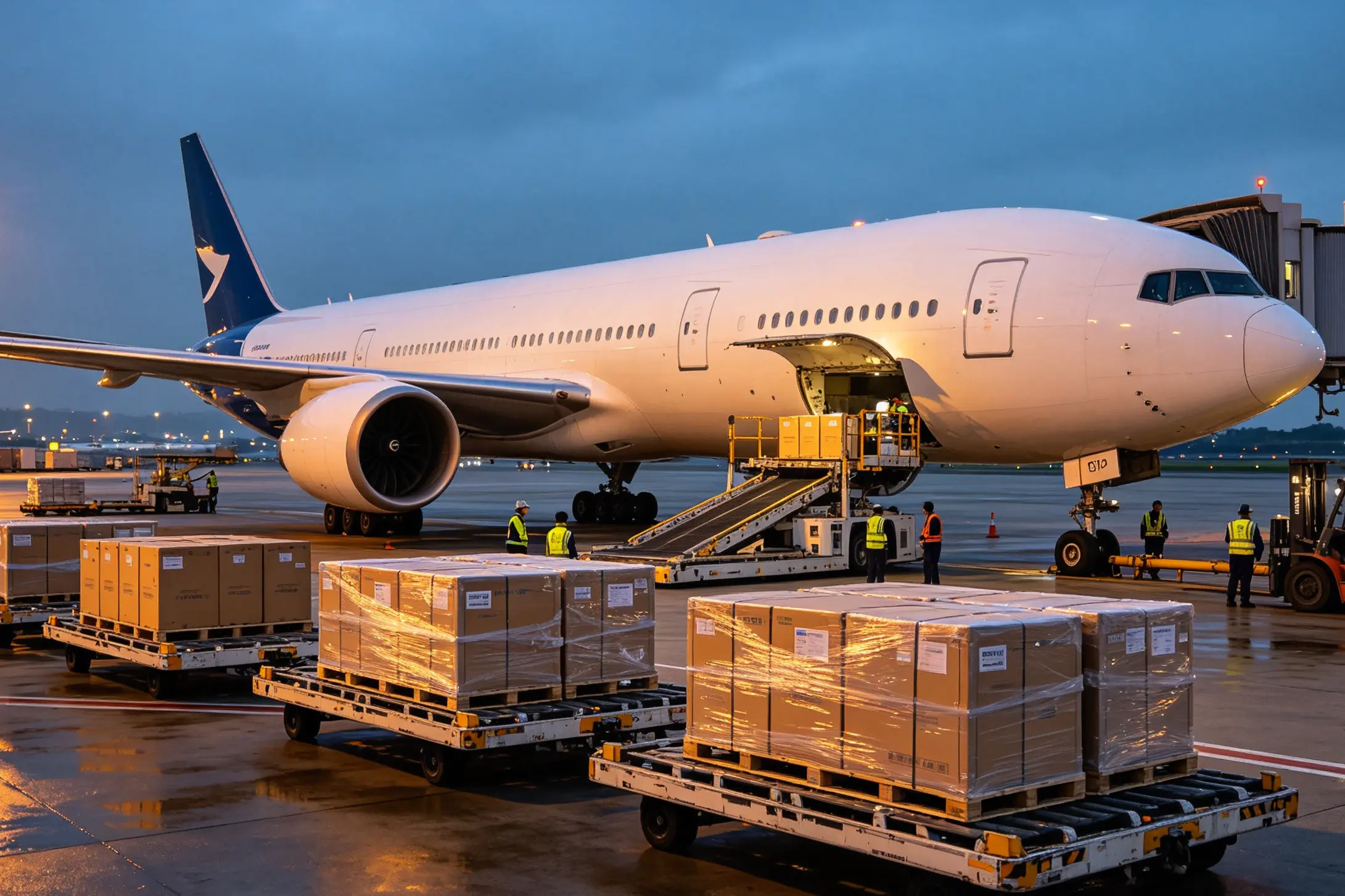
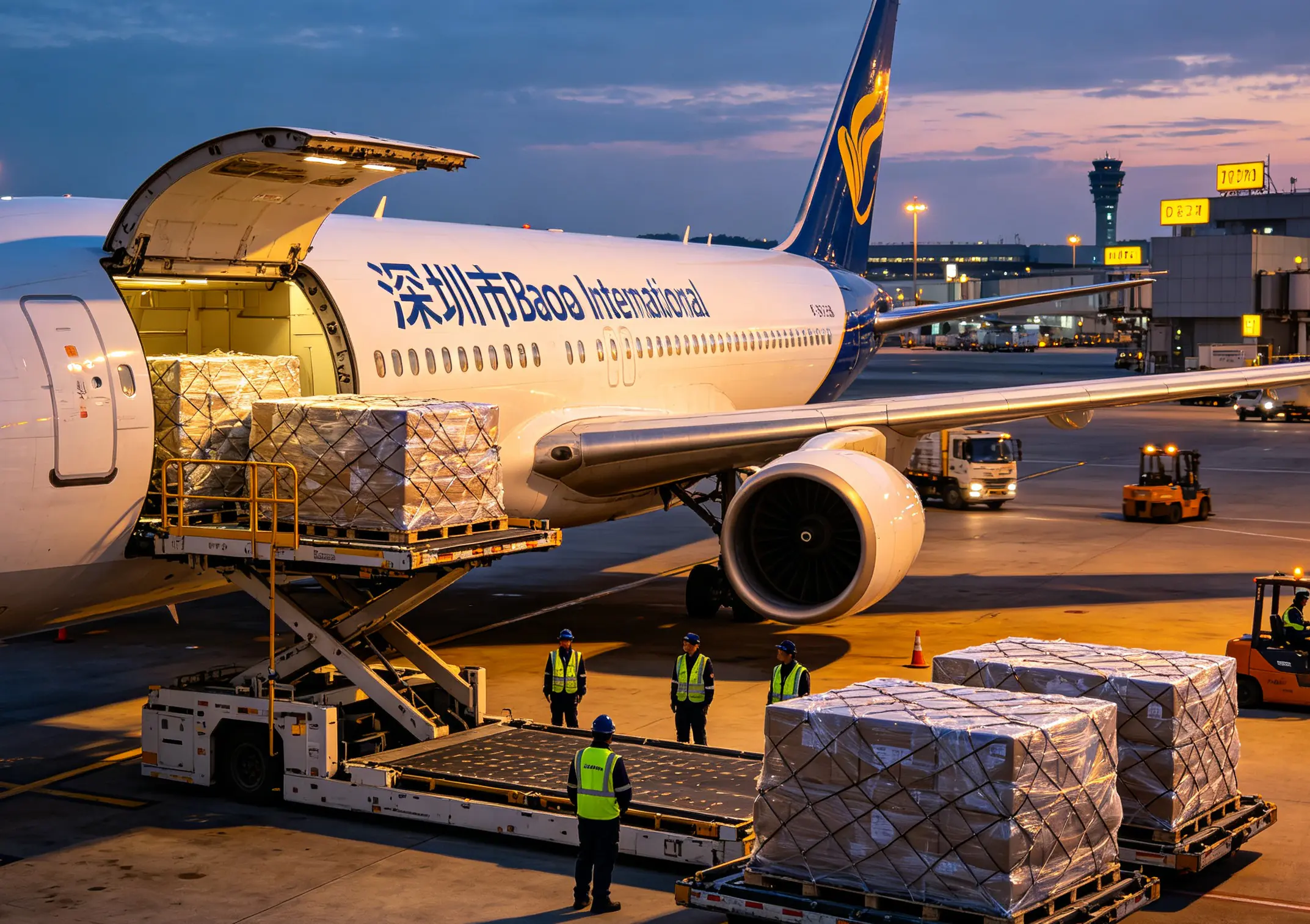
| Air Freight | High ($4.00 – $7.00 / kg) | 3 – 7 Days | Urgent stock, samples, high-value electronics. |
| DDP (Door to Door) | Medium (All-inclusive) | 10 – 15 Days (Air) / 35+ (Sea) | SMEs wanting a hassle-free, fixed price. |
3. Shipping Cost from China to South Africa (2026 Rates Breakdown)
Understanding the current market rates allows you to negotiate better with your suppliers and forwarders. Here is a breakdown of the prevailing rates as of February 2026.
Sea Freight Rates (Port-to-Port)
Sea freight is the backbone of China-South Africa trade.
- FCL (Full Container Load):
- 20ft Container (20GP): $1,800 – $2,200. Ideal for heavy goods like tiles or metals.
- 40ft Container (40HQ): $2,900 – $3,500. The most economical choice for voluminous goods like textiles, toys, or furniture.
- Tip: Shipping to Durban is generally $100-$300 cheaper than shipping to Cape Town due to more direct vessel calls.
- LCL (Less than Container Load):
- Rate: $80 – $120 per CBM.
- Warning: While the ocean freight looks cheap, be aware of “destination charges” in South Africa. Unethical forwarders may offer $10/CBM freight but charge $300/CBM in local fees. Always ask Efanda Logistics for an “all-in” quote.
Air Freight Rates (Airport-to-Airport)
Air rates fluctuate weekly based on fuel surcharges and cargo capacity.
- +100 kg: Approx. $4.50 – $6.00 per kg.
- +500 kg: Approx. $3.80 – $5.00 per kg.
- Note: These rates are for “General Cargo”. Goods with batteries or liquids (sensitive cargo) will incur higher surcharges.
4. Transit Time: How Long Does Shipping Take from China to South Africa?
Time is money. A cheap rate is useless if your goods arrive after the Christmas season.
Sea Freight Transit Time
- Shenzhen/Shanghai to Durban: 22 – 28 days. This is the fastest sea route. Durban is the primary gateway for imports into South Africa.
- Shenzhen/Shanghai to Cape Town: 30 – 45 days. Vessels often stop at Durban or Port Elizabeth first, or face wind delays in Cape Town.
- To Johannesburg: Most cargo lands in Durban and is transported by rail or truck to Johannesburg (City Deep). Add 3 – 7 days for this inland leg.
Air Freight Transit Time
- Standard Air: 3 – 7 days. Uses commercial airlines (e.g., Emirates, Qatar, Cathay Pacific) via hubs like Dubai or Hong Kong.
- Express Courier: 2 – 4 days. Direct services by DHL or FedEx.
5. Step-by-Step Guide: How to Ship from China to South Africa
Shipping internationally can seem daunting, but breaking it down makes it manageable.
- Sourcing & Incoterms: When buying from Alibaba or a factory, choose FOB (Free on Board) terms as defined in the ICC Incoterms® 2020 rules. This gives you control over the shipping agent and costs. Avoid CIF, where the supplier chooses a cheap agent who overcharges you at the destination.
- Booking Space: Contact a reliable freight forwarder like Efanda Logistics at least 14 days before your goods are ready. Space on vessels to Africa fills up quickly.
- Documentation: Ensure your supplier provides accurate invoices and packing lists. (See Section 7 for details).
- Customs Clearance: Your forwarder will submit your documents to SARS electronically via EDI (Electronic Data Interchange). This should happen before the ship arrives to avoid storage fees.
- Delivery: Once cleared, the container is hauled from the port to your warehouse.
6. Door to Door Shipping (DDP) from China to South Africa
For Small and Medium Enterprises (SMEs), DDP (Delivered Duty Paid) is often the best “cheapest” option because it eliminates surprise costs.
What is DDP?
Under DDP terms, the freight forwarder handles the entire process: pickup from the Chinese factory, export declaration, sea/air freight, South African customs clearance, duty payment, and final delivery to your door.
Why DDP Can Be Cheaper
- No Broker Fees: You don’t need to hire a separate customs broker in South Africa.
- Predictable Costs: You get a single price per kilogram or CBM (e.g., “$250 per CBM including duty”).
- Efficiency: Efanda Logistics consolidates shipments from multiple clients into one container, lowering the per-unit cost for everyone.
7. Customs Clearance Documents for South Africa Imports
SARS (South African Revenue Service) is strict. Missing or incorrect documents can lead to your shipment being flagged for a “Customs Exam,” costing you R2,000 – R5,000 in fees and weeks of delay.
Ensure you have the “Big 5” documents:
- Commercial Invoice: Must show the true value of goods. SARS rejects invoices marked as “Samples” or “No Commercial Value.”
- Packing List: Details the gross weight, net weight, dimensions, and marks/numbers.
- Bill of Lading (B/L): The master shipping document.
- Import Permit: Required for restricted goods like second-hand clothing, medicines, and certain foodstuffs. You must apply through the International Trade Administration Commission (ITAC) before shipping.
- Certificate of Origin (Form E): While South Africa doesn’t have a Free Trade Agreement with China yet (unlike BRICS partners), a CO helps prove the origin.
8. Import Tax and Duties in South Africa: Critical Cost Factors
Many beginners calculate profit based on the product cost and shipping, forgetting the tax. This is a fatal mistake.
The Calculation Formula
According to the South African Revenue Service (SARS), you pay two main taxes:
- Customs Duty: Based on the HS Code.
- Electronics: Often 0% (e.g., Laptops).
- Textiles/Clothing: High, typically 45%.
- Furniture: Approx. 20%.
- VAT (Value Added Tax): 15%.
- Note: VAT is calculated on the ATV (Added Tax Value).
- Formula:
(Customs Value + 10% Uplift + Duty) * 15%.
Example:
If you import $10,000 of furniture (Duty 20%):
- Duty = $2,000.
- ATV = ($10,000 + $1,000 uplift + $2,000) = $13,000.
- VAT = $13,000 * 15% = $1,950.
- Total Tax: $3,950 (nearly 40% of your product value!).
9. 6 Tips to Reduce Shipping Costs from China to South Africa
- Consolidate Shipments: If you buy from three different suppliers, don’t ship three small LCL loads. Use Efanda’s Warehousing Services to combine them into one shipment. This saves on destination handling charges.
- Buy FOB, Not CIF: As mentioned, CIF hides costs. Control your destiny with FOB.
- Optimize Packaging: Air freight is charged on “Volumetric Weight”. Ask your supplier to compress packaging (e.g., vacuum pack clothes) to save space.
- Ship to Durban: Unless you are located in Cape Town, ship to Durban. It is the logistics hub of Southern Africa and offers the most competitive rail/truck links to Johannesburg.
- Book in Advance: Spot rates spike when vessels are full. Booking 2 weeks early secures a better rate.
- Use a Specialized Forwarder: General forwarders may not know the nuances of SARS. A specialist like Efanda Logistics knows exactly how to classify goods to minimize duties legally.
10. Conclusion: Choosing the Best Freight Forwarder for South Africa
Shipping from China to South Africa offers immense opportunities for business growth, but it requires a partner who understands the route. The “cheapest” option isn’t always the one with the lowest freight rate—it’s the one that avoids fines, delays, and hidden fees.
At Efanda Logistics, we provide:
- Transparent Quotes: No hidden destination fees.
- Expert Customs Clearance: We navigate SARS so you don’t have to.
- Flexible Solutions: From LCL consolidation to DDP services for SMEs.
Ready to start your importing journey? Contact Us Today for a free, customized shipping quote and let us handle the logistics while you focus on growing your business.
11. FAQs About Shipping from China to South Africa
Q: What is the cheapest way to ship 50kg to South Africa?
A: For 50kg, a DDP Air service or Express Courier (like DHL) is usually cheaper than general air freight because the minimum handling fees for general cargo are high.
Q: How much is a 40ft container from China to South Africa?
A: As of early 2026, a 40ft HQ container costs approximately $2,900 – $3,500 depending on the carrier and route.
Q: Why is shipping to Cape Town more expensive?
A: Cape Town experiences frequent wind delays (“The Cape Doctor”) and has fewer direct vessel calls compared to Durban, leading to congestion surcharges.
Q: Does the shipping cost include customs duties?
A: No. Standard Sea/Air freight quotes do not include duties. You only get duties included if you choose a DDP Service.
Q: What items are prohibited?
A: You cannot import counterfeit goods, narcotics, untreated wood, or lithium batteries without proper documentation. For a full list, refer to the South African Government Import Guidelines.