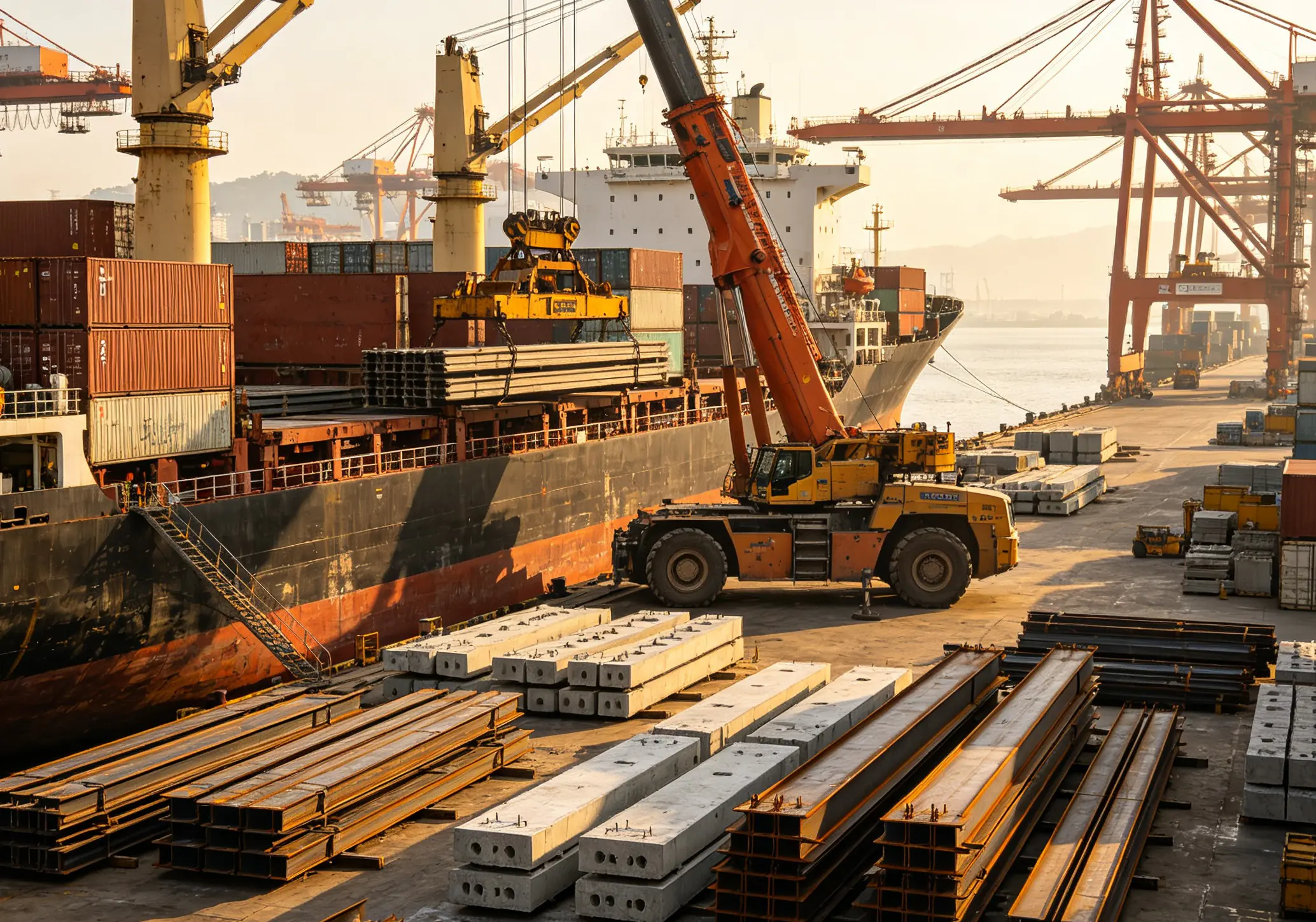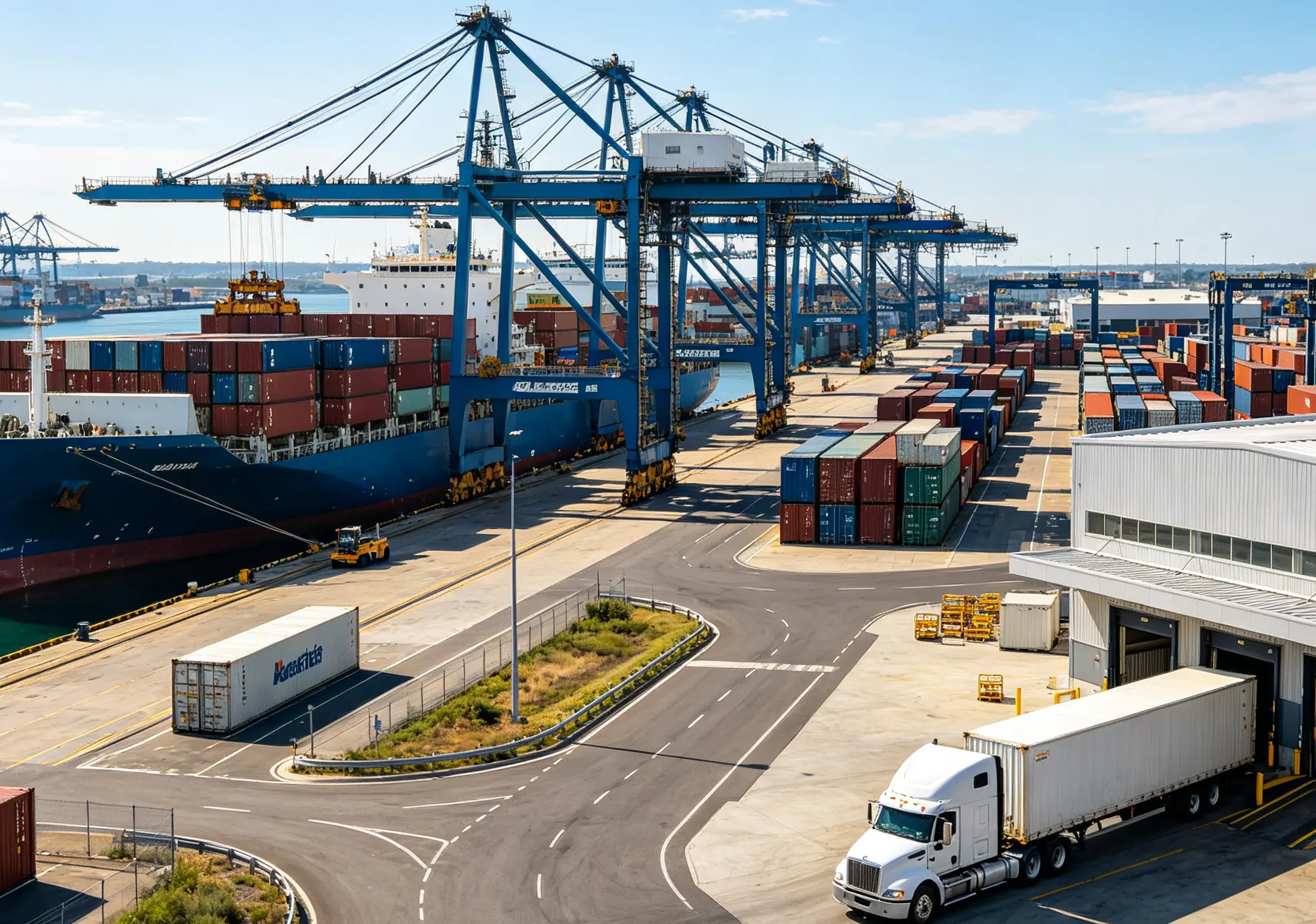
Are you struggling with unpredictable transit times and hidden border fees when importing goods to a landlocked country? Because Afghanistan lacks direct seaport access, importing cargo requires a well-planned multimodal transport strategy (Sea + Land). Typically, goods from China are shipped by sea to transit ports in Pakistan (Karachi) or Iran (Bandar Abbas) before being trucked across the border.
At Efanda Logistics, our Central Asia desk manages hundreds of TEUs annually along these specific corridors. We know firsthand that a single documentation error can trap your cargo at a transit port for weeks. Understanding the precise Shipping Cost from China to Afghanistan and the factors driving it is critical for protecting your profit margins in 2026.

Detailed Breakdown: Shipping Cost from China to Afghanistan
The total shipping cost from China to Afghanistan typically ranges from $4,000 to $6,500 per 40HQ container, which combines sea freight to a transit port and inland trucking to the Afghan border.
Because of the multimodal nature of this route, you must budget for both the ocean leg and the over-land trucking segment. Sea freight rates from major Chinese ports (like Shenzhen, Ningbo, or Shanghai) to transit hubs like Karachi or Bandar Abbas generally run between $2,000 and $3,500 per 40HQ. Once the container arrives at the transit port, the inland trucking cost to Afghan border crossings (such as Torkham, Chaman, or Islam Qala) adds another $2,000 to $3,000, heavily influenced by border congestion and fuel surcharges.

| Transport Leg | Route/Segment | Estimated Cost (per 40HQ) | Key Variables |
|---|---|---|---|
| Sea Freight | China to Karachi (Pakistan) / Bandar Abbas (Iran) | $2,000 – $3,500 | Ocean carrier rates, peak season surcharges |
| Inland Trucking | Transit Port to Afghan Border (Torkham / Islam Qala) | $2,000 – $3,000 | Border congestion, fuel prices, security escorts |
| Total Estimated Cost | China to Afghanistan Border | $4,000 – $6,500 | Customs fees and D&D not included |
(Note: Rates are based on 2026 market estimates. Actual costs fluctuate based on seasonal demand and geopolitical factors.)
Transit Routes and Their Impact on the Shipping Cost from China to Afghanistan
The two primary multimodal routes are via Karachi, Pakistan, and via Bandar Abbas or Chabahar, Iran, each offering different cost and time trade-offs for your shipping cost from China to Afghanistan.

Choosing the right transit corridor is one of the biggest decisions an importer makes.
- The Pakistan Route (via Karachi): This is historically the most common and often the fastest route, sharing the initial ocean voyage with standard shipping from China to Pakistan. Cargo moves from Karachi port through the Torkham or Chaman border crossings. However, it requires strict adherence to the Afghanistan-Pakistan Transit Trade Agreement (APTA) and demands the Jawaznama (Afghan import license). Any documentation error here can lead to massive delays and storage fees.
- The Iran Route (via Bandar Abbas or Chabahar): This route connects to Afghanistan primarily through the Islam Qala or Zaranj borders, mirroring the initial stages of shipping from China to Iran. It sometimes offers cheaper inland trucking rates and can be less restrictive regarding certain transit documentation compared to Pakistan. Chabahar port, in particular, has seen increased investment to bypass congestion, making it a viable alternative for cost-conscious importers.
How Long Does Multimodal Shipping Take from China to Afghanistan?
Multimodal shipping typically takes between 28 to 45 days, depending on the chosen transit port, inland transport speed, and border congestion.
While the sea transit from China to Pakistan or Iran is relatively predictable (usually 14-22 days), the inland segment is highly variable. Delays frequently occur during the customs transit clearance at the discharge port, or while trucks wait in queues at the Afghan border.
| Transit Route | Sea Transit Time | Inland Trucking & Border Time | Total Estimated Transit Time |
|---|---|---|---|
| Via Karachi, Pakistan | 14 – 18 Days | 16 – 25 Days | 30 – 43 Days |
| Via Bandar Abbas, Iran | 16 – 22 Days | 12 – 23 Days | 28 – 45 Days |
Weather conditions in mountainous border regions and unexpected customs audits are the primary causes of transit time volatility.
Customs Clearance, Jawaznama, and Hidden Border Fees
Importers must secure a Jawaznama (import license) and comply with transit country regulations to avoid hidden costs like Demurrage and Detention (D&D).

A significant portion of budget overruns when shipping to Afghanistan comes from poor customs preparation. To successfully navigate transit customs clearance and Afghan border checks, you must ensure perfect alignment of your documentation:
- Commercial Invoice & Packing List: Must clearly state the final destination as Afghanistan in transit via Pakistan/Iran.
- Bill of Lading (B/L): Must be issued as a “Transit B/L” showing the discharge port but noting the final delivery point.
- Certificate of Origin (CO): Required for tariff assessment.
- Jawaznama: The mandatory Afghan import license. Without a valid Jawaznama matching the consignee details, cargo will be stuck at the border.
The D&D Trap: If your documents are incomplete, your container will sit at the transit port (Karachi or Bandar Abbas). Shipping lines typically offer 14 to 21 days of free time for transit cargo. Once exceeded, Demurrage and Detention (D&D) fees accumulate rapidly, sometimes wiping out your entire profit margin. We regularly rescue importers who received artificially low initial freight quotes from inexperienced agents, only to end up paying thousands in avoidable D&D penalties because their Jawaznama wasn’t verified beforehand.
3 Proven Ways to Reduce the Shipping Cost from China to Afghanistan
You can reduce the shipping cost from China to Afghanistan by comparing transit routes in real-time, optimizing container loading, and ensuring flawless documentation.
- Dynamic Route Optimization: Don’t default to the same route every time. If Karachi port is experiencing severe congestion or political strikes are affecting the Torkham border, re-routing via Bandar Abbas to Islam Qala can save you thousands of dollars in delays, even if the initial ocean freight is slightly higher.
- Strict Document Preparation to Avoid D&D: Treat transit documentation with zero tolerance for errors. Ensure your Jawaznama is active and that your freight forwarder has pre-filed transit documents before the vessel arrives at the discharge port. This guarantees you utilize your free time for actual inland transport, not paperwork delays.
- Maximize Cargo Consolidation & Master Incoterms: Because inland trucking is charged per truck/container rather than strictly by weight, shipping partially empty containers is highly inefficient. Consolidate your shipments in China to maximize the CBM (Cubic Meters) inside a 40HQ. Furthermore, ensure you negotiate using the correct WCO Incoterms® 2020 rules (such as FCA or CIP) with your Chinese suppliers to clearly delineate where their cost liability ends and your transit liability begins.
Why Choose Efanda Logistics for Afghanistan Shipping?
Shipping to a landlocked, complex destination like Afghanistan requires more than just booking a vessel; it demands on-the-ground expertise and robust risk management. At Efanda Logistics, we specialize in multimodal transport from China to Central Asia and the Middle East. We provide real-time route analysis, handle the intricacies of APTA transit documentation, and leverage our established trucking networks in both Pakistan and Iran to ensure your cargo crosses the border safely and cost-effectively.
Stop letting hidden fees and border delays eat into your profits. Contact Efanda Logistics today for a transparent, multimodal shipping quote tailored to your Afghan import needs.
You may be interested in the following related articles:
- shipping from china to singapore
- shipping from china to south korea
- shipping from china to nigeria
- shipping from china to yemen
- shipping from china to qatar
FAQs on Shipping to Afghanistan
What is the cheapest way to ship from China to Afghanistan?
The cheapest method is generally multimodal sea-and-land freight. Depending on current market rates and border congestion, routing via Bandar Abbas (Iran) can sometimes offer lower inland trucking costs compared to the Karachi (Pakistan) route, though you must compare total door-to-door shipping quotes for each specific shipment.
Can I ship DDP from China to Afghanistan?
True DDP (Delivered Duty Paid) is extremely difficult for Afghanistan due to the complexities of the Jawaznama import license and local tax assessments, which typically must be handled by the local Afghan consignee. Any forwarder promising “frictionless DDP” without verifying your Jawaznama is likely misleading you. Most legitimate shipments are handled under CIP (Carriage and Insurance Paid to) or DAP (Delivered at Place) terms to the Afghan border or a specified inland customs depot.
Are there any restricted or prohibited items when shipping to Afghanistan?
Yes. In addition to standard hazardous materials, Afghanistan strictly prohibits the import of alcohol, pork products, and certain telecommunications equipment without specialized government permits. Always verify your HS code with your customs broker before shipping.