Is your business ready to navigate the complexities of importing from China to Egypt in 2026? With trade volumes between the two nations hitting record highs under the Belt and Road Initiative and Egypt’s “Vision 2030”, understanding the nuances of sea shipping from China to Egypt has never been more critical. Whether you are shipping electronics to Cairo or heavy machinery to the Suez Canal Economic Zone (SCZone), this guide is your definitive resource.
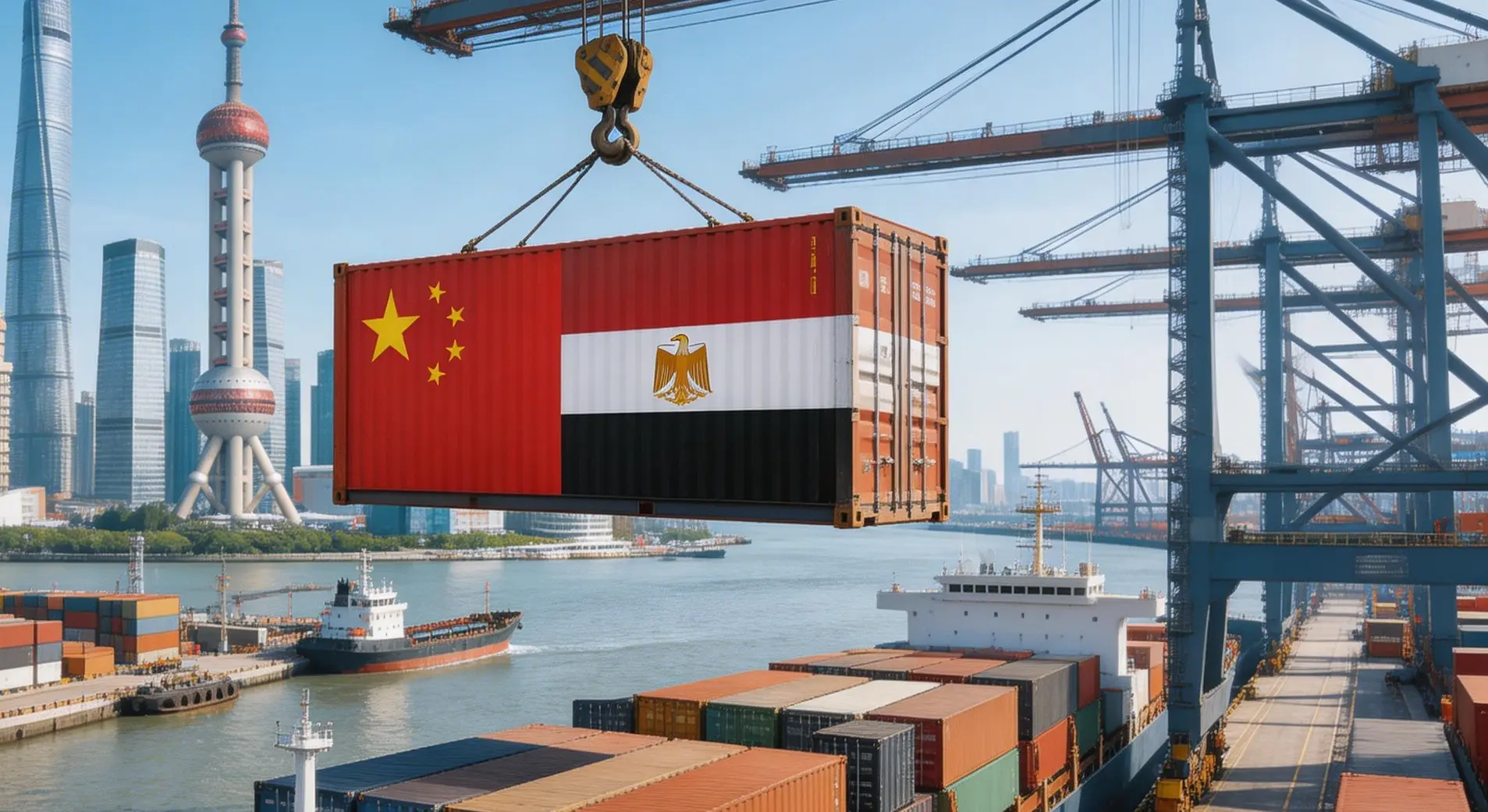
In this comprehensive analysis, we break down everything from the mandatory ACID number (Nafeza) compliance and GOEIC registration to the latest 2026 freight rates. We don’t just list facts; we explain how to optimize your logistics strategy to save time and money, backed by our decade of experience on the ground.

1. Navigating China-Egypt Trade in 2026
The trade relationship between China and Egypt continues to strengthen, with 2026 projected to see a significant increase in the import from China to Egypt of electronics, machinery, textiles, and construction materials. As Egypt accelerates its massive infrastructure projects, including the New Administrative Capital and the Alamein New City, the demand for Chinese manufacturing prowess is undeniable.
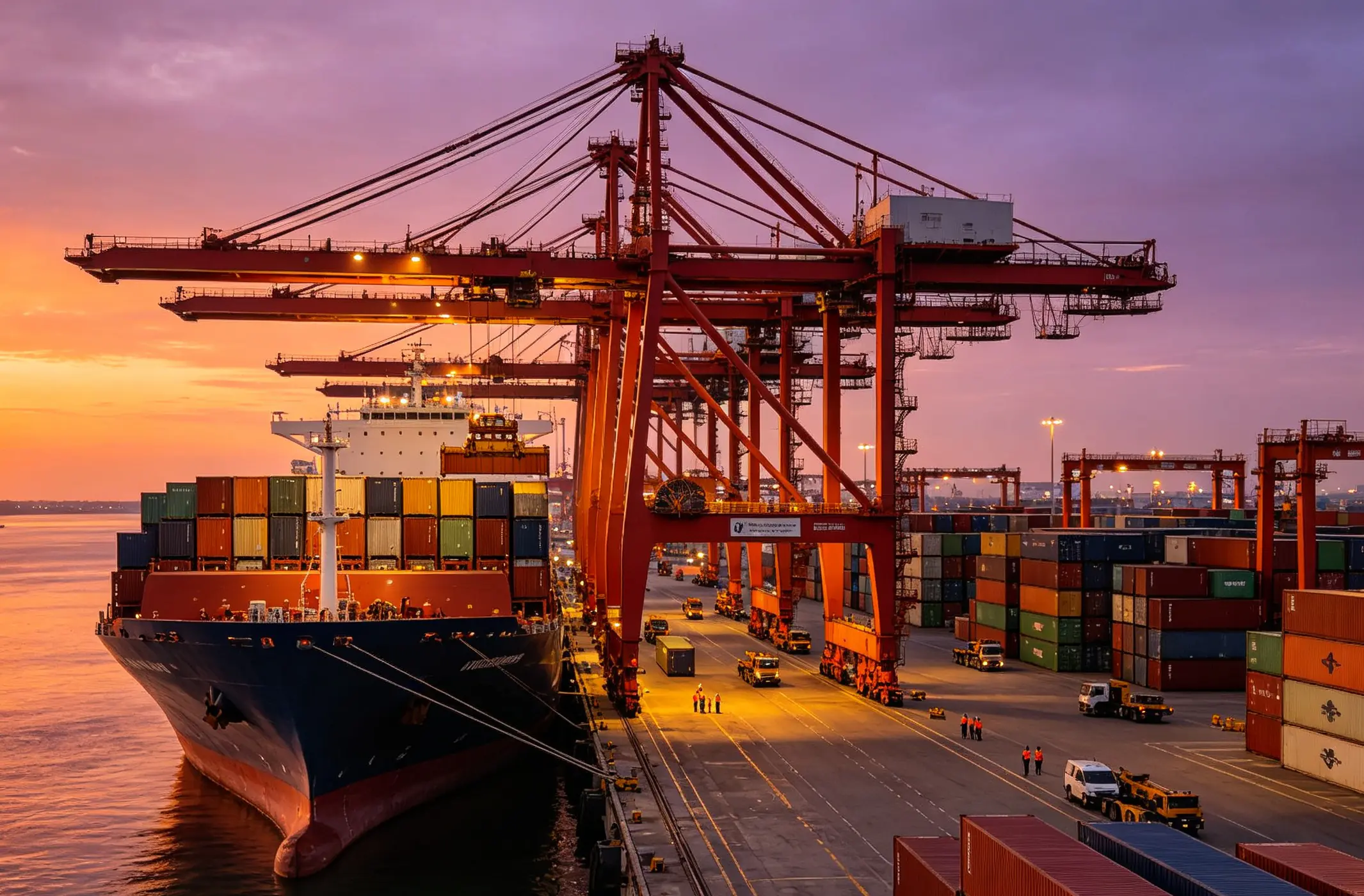
Sea freight remains the backbone of this trade corridor, handling over 90% of cargo volume. Why? Because for the vast majority of importers, the cost-to-volume ratio of sea shipping is unbeatable compared to air freight. However, the landscape is shifting. New regulations like the Advanced Cargo Information Declaration (ACID) have transformed the import process from a paperwork shuffle to a digital-first compliance hurdle.
Efanda Insight: In 2026, success isn’t just about finding the cheapest sea shipping China to Egypt rate; it’s about compliance. A missing ACID number can cost you your entire shipment. We recently saw a competitor’s client lose $20,000 in return freight charges simply because they loaded the container before the ACID number was generated. Don’t let that be you.
2. Shipping Modes: FCL, LCL, and Special Cargo (OOG/RoRo)
Choosing the right shipping mode is the first step in optimizing your supply chain. It depends entirely on your cargo volume, budget, and urgency.
FCL (Full Container Load)
For high-volume importers, FCL is the standard. You rent the entire container, ensuring your goods are sealed from the factory in China to your warehouse in Egypt.
- 20GP (General Purpose): Ideal for heavy cargo like minerals, metals, or ceramic tiles. Max payload ~28 tons.
- 40GP/40HQ (High Cube): Perfect for voluminous goods like textiles, furniture, and electronics. 40HQ offers ~76 CBM of space.
FCL rates Egypt are generally more stable and offer a lower cost per unit than LCL.
LCL (Less than Container Load)
If you don’t have enough cargo to fill a container (typically under 15 CBM), LCL consolidation China services are your lifeline. You share container space with other importers.
- Pros: Pay only for the volume (CBM) you use. Flexible for small orders.
- Cons: Slightly longer transit times due to consolidation (in China) and deconsolidation (in Egypt).
- Pro Tip: If your cargo is close to 15 CBM, compare the cost of a 20GP vs. LCL. Sometimes a dedicated 20GP is cheaper and safer, even if half empty.
Special Cargo Solutions
For industrial projects, standard containers won’t suffice.
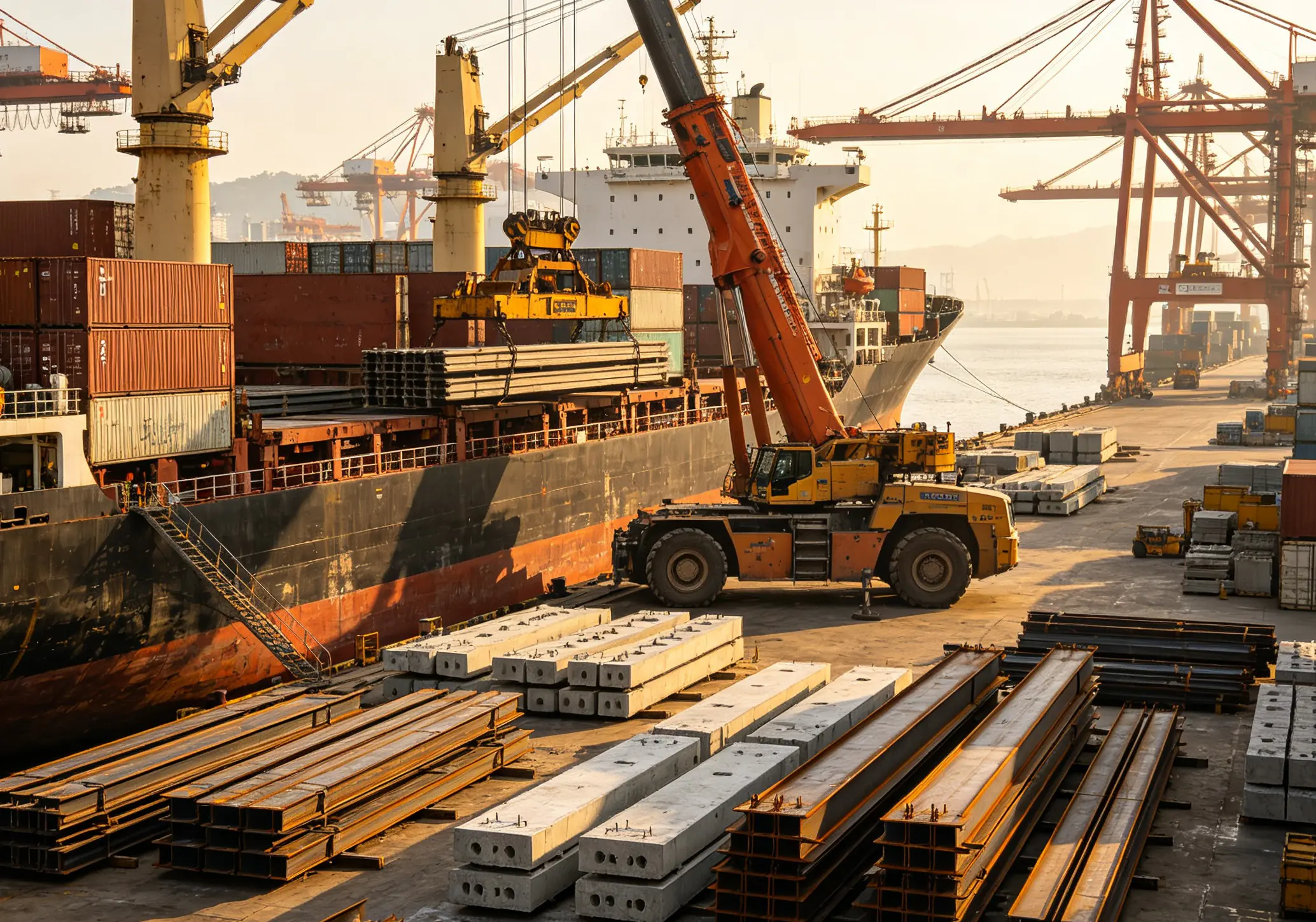
- OOG (Out of Gauge): Uses Flat Rack or Open Top containers for cargo that exceeds standard dimensions, such as production lines or large generators. OOG shipping Egypt requires precise lashing and securing plans.
- Reefer Containers: Essential for temperature-sensitive goods like frozen fish or chemicals.
- RoRo (Roll-on/Roll-off): The only viable option for self-propelled vehicles like excavators, trucks, and cars. RoRo shipping rates are calculated based on the vehicle’s dimensions and weight.
3. Main Ports Guide: Choosing Your Destination Wisely
Egypt’s strategic location offers multiple entry points. Choosing the wrong port can add days to your delivery and hundreds of dollars to your inland transport costs.
| Port Name | Location | Best For | Key Features |
|---|---|---|---|
| Alexandria (El Dekheila) | Mediterranean | Cairo, Nile Delta, North Coast | Handles ~60% of Egypt’s trade. The “Old Port” and “El Dekheila” terminals have distinct customs procedures. Best for general cargo. |
| Sokhna | Red Sea | Cairo, Suez Canal Zone, Upper Egypt | Closer to Cairo via new highways (only 120km). Key gateway for Sokhna port customs clearance. Ideal for SCZone factories. |
| Damietta | Mediterranean | Damietta, Delta Region | Specialized in grain, raw materials, and general cargo. Damietta port facilities are modernizing rapidly with new container terminals. |
| Port Said (East/West) | Suez Canal | Transshipment | A global hub. East Port Said is pivotal for transshipment traffic but less common for final import clearance compared to Alex/Sokhna. |
Pro Tip: If your warehouse is in East Cairo or the New Administrative Capital, shipping to Sokhna might save you inland trucking costs compared to Alexandria, despite potentially different ocean freight rates.
4. Shipping Costs Breakdown 2026: Freight, Duties & Taxes
Understanding the total landed cost is crucial for your profit margins. It’s not just about the ocean freight; the “hidden” destination charges can eat your profits.

Ocean Freight Trends (2026 Estimates)
- 20ft Container: $1,200 – $2,500 USD
- 40ft/40HQ Container: $2,200 – $3,800 USD
- Note: Rates fluctuate based on fuel (BAF), peak seasons (CNY, Ramadan), and geopolitical stability in the Red Sea.
Local Charges in China (Origin)
These are standard FOB charges usually paid by the supplier, but if you buy EXW, you pay them:
- THC (Terminal Handling Charges)
- Documentation Fees
- Export Customs Declaration
- Trucking (Factory to Port)
Destination Charges in Egypt (The “Hidden” Costs)
Many importers forget these. You pay these in EGP or USD to the shipping line agent in Egypt before picking up the D/O (Delivery Order).
- THC & Delivery Order: Can range from $200-$500 per container depending on the carrier.
- Storage & Demurrage: Critical! Egyptian ports are strict. You typically get 5-7 days free storage. Demurrage (container rent) can cost $100/day afterwards.
- Strategy: Negotiate for 14-21 days free detention at destination with your forwarder before booking.
Customs Duties & VAT
- VAT: Standard rate is 14%.
- Customs Duty: Varies by HS Code. Raw materials often have lower duties (0-5%) than finished consumer goods (30-60%).
- Advance Payment: 1% (under the deduction and collection account system).
- Official Source: Verify your duty rates at the Egyptian Customs Authority.
5. Transit Time & Routes: Managing Expectations
Time is money. Knowing the accurate shipping time China to Egypt helps you manage inventory levels.
- Direct Service: 20-25 days.
- Route: South China (Shenzhen/Nansha) -> Sokhna.
- Carriers: COSCO, CMA CGM, EMC often offer fast connections.
- Transshipment Service: 30-40 days.
- Route: Via Singapore, Jeddah, or Malta.
- Carriers: MSC, Maersk. Often cheaper but slower.
Impact of Red Sea Situation: In 2026, the Red Sea security situation remains a variable. Transit time Shanghai to Alexandria can be affected if vessels are forced to re-route around Africa (adding 10-14 days) or slow steam. Always check the latest routing with your freight forwarder.
6. Critical Compliance: ACID (Nafeza), GOEIC & Banking
This is the most critical section of this guide. Egypt’s import regulations are among the strictest in the region. Failure to comply leads to automatic return of cargo.
ACID (Advanced Cargo Information Declaration)
Implemented via the Nafeza single window system, this is mandatory for ALL sea freight shipments.
- Registration: The Egyptian importer registers on Nafeza.
- Application: Importer inputs seller data and invoice details to request an ACID number.
- Issuance: Nafeza issues a 19-digit ACID number within 48 hours.
- Crucial Rule: The ACID number MUST appear on all shipping documents (BL, Invoice, PL). No ACID = No Discharge. The carrier will not even load the container in China without it.
- Blockchain: The exporter in China must register on CargoX to upload the original documents (Invoice, BL, COO) digitally to the Egyptian customs. This replaces the old courier system.
GOEIC Registration
For regulated goods like textiles, shoes, bags, home appliances, and lighting, the factory in China must be registered with GOEIC (General Organization for Export and Import Control).
- If your supplier is not GOEIC registered, your cargo cannot clear customs.
- Verification: Check the registration status on the GOEIC Official Website.
- Warning: Many small trading companies in China are NOT registered. Only buy regulated goods from registered factories.
Payment Terms & Bank Regulations
- Letter of Credit (L/C): Mandatory for many categories to control foreign currency outflow.
- Form 4: The bank form required to secure foreign currency for imports. Delays in Form 4 approval can lead to delays in payment and release of documents.
- Central Bank Rules: Stay updated with the Central Bank of Egypt for the latest foreign currency regulations.
7. Step-by-Step Shipping Process
Follow this checklist to ensure a smooth import process China to Egypt:
- Product Sourcing & Incoterm Agreement: Decide between FOB (you control shipping) and CIF (supplier controls shipping). We recommend FOB for better control over costs and transparency.
- Booking & ACID Generation: Once you have the Proforma Invoice, register on Nafeza to get the ACID number. Do not ship without it.
- Cargo Loading & Export Clearance: Your forwarder arranges pickup and clears Chinese customs.
- Bill of Lading & Doc Upload: The carrier issues the Draft BL. You must ensure the ACID number is on it. The exporter must upload documents to Nafeza via the CargoX blockchain platform.
- Ocean Transit: Track your container.
- Arrival & Customs Clearance: Your broker in Egypt files the entry using the pre-uploaded documents.
- Final Delivery: Trucking to your warehouse.
8. Essential Documentation for Egyptian Customs
Missing documents mean stuck cargo. Ensure you have:
- Commercial Invoice: Must include your Tax ID, the ACID number, and HS Codes.
- Packing List: Detailed gross/net weight, dimensions, and package count.
- Bill of Lading (B/L): Master or House B/L with ACID number clearly shown.
- Certificate of Origin (COO): Must be issued by the China Council for the Promotion of International Trade (CCPIT) or Chamber of Commerce.
- Quality Certificate: For GOEIC regulated items (e.g., CIQ or Third-party inspection like SGS/Intertek).
9. Why Choose Efanda?
At Efanda Logistics, we don’t just move boxes; we solve problems.
- Nafeza/ACID Support: We double-check your ACID compliance before a single box is loaded to prevent fines.
- Double Clearance Options: For complex goods, we offer specialized DDP-like services where possible.
- Strong Carrier Relations: We hold contract rates with COSCO, CMA CGM, and MSC, ensuring you get competitive shipping cost China to Egypt even in peak seasons.
- Local Network: Our partners in Alexandria and Sokhna are experts in navigating local customs bureaucracy.
Efanda Case Study: Saving Client Costs
We recently helped a client in Cairo import a production line (OOG Cargo) from Shanghai. The supplier was unaware of the ACID requirement for OOG cargo. Our team intervened, guided the supplier to register on CargoX, and secured the ACID number before the flat rack was booked. This prevented a potential $5,000 fine and a 3-week delay. This is the value of working with an experienced partner.
10. FAQ: Expert Answers
Q: What happens if the ACID number is wrong or missing?
A: The carrier is legally forbidden from unloading the cargo in Egypt. It must be returned to the port of origin (China) at the shipper’s/consignee’s expense. There are no exceptions.
Q: Can I ship textile products without GOEIC registration?
A: No. Textiles are strictly regulated. The manufacturer must be GOEIC registered. If not, the goods will be rejected by customs.
Q: What is the difference between Sokhna and Alexandria for clearance speed?
A: Sokhna historically had issues with congestion, but recent upgrades have improved it. Alexandria is generally more consistent, but Sokhna is geographically closer to many new industrial zones.
Q: How to handle demurrage fees in Egypt ports?
A: Demurrage fees in Egypt can be very high. The best strategy is to negotiate 21 days free time (combined detention and demurrage) with your freight forwarder before booking. Efanda can often secure extended free time for our clients.
Ready to ship? Contact Efanda Logistics today for a quote and let us handle the complexities of your China-Egypt supply chain.