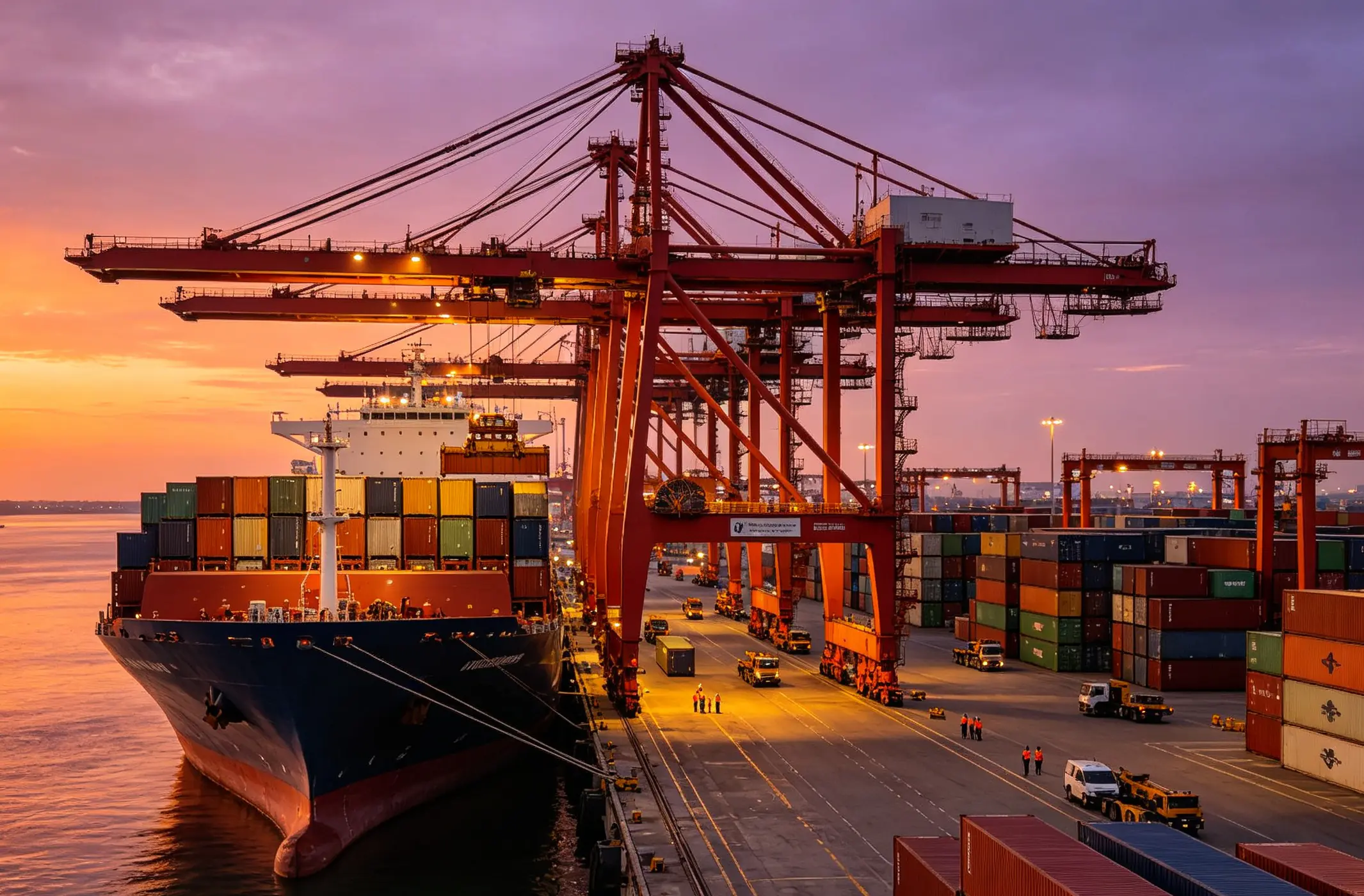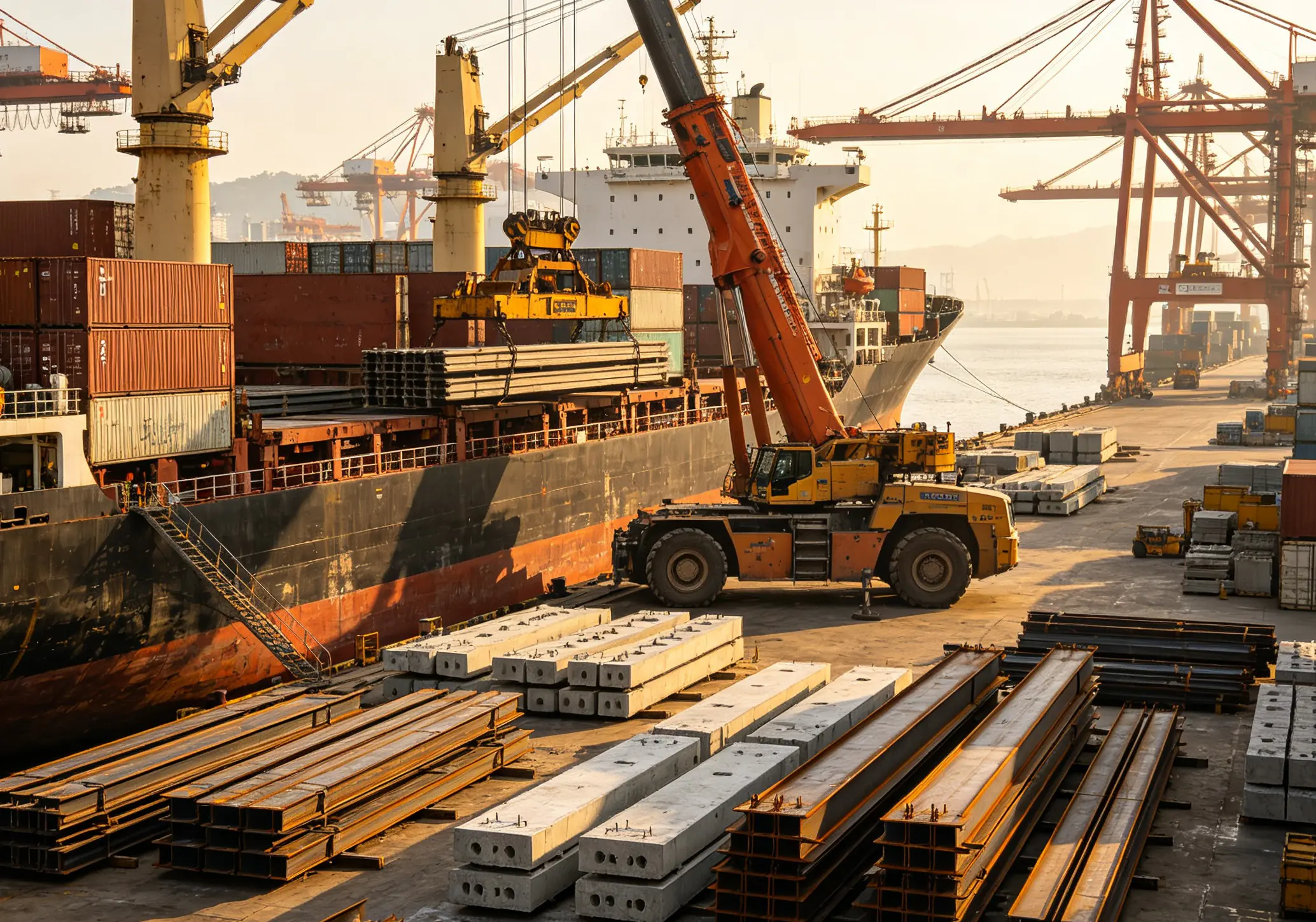
Are you struggling to calculate the exact Shipping Container Rates from China to Brazil for your 2026 supply chain? With volatile ocean freight markets and complex Brazilian customs duties, estimating the true landed cost is a major challenge for importers. Our team at Efanda Logistics handles hundreds of containers on the Latin America route annually, and we know firsthand that the price you see on a freight quote is rarely the final price you pay. This guide breaks down the current FCL/LCL costs, transit times, and hidden clearance fees you must know to protect your profit margins.
How Much Are Shipping Container Rates from China to Brazil in 2026?
In 2026, shipping container rates from China to Brazil range between $2,800 and $3,800 for a 20ft container, while a 40ft container costs from $4,800 to $7,000 depending on the port of origin and carrier. Less than Container Load (LCL) shipping averages $100 to $150 per cubic meter (CBM).
From our experience managing shipments out of major Chinese hubs, rates can fluctuate based on shipping lines like COSCO, CMA CGM, or MSC, and whether you are shipping to the primary port of Santos or secondary ports like Itajaí. Here is a breakdown of the current average ocean freight rates:
| Container Type | Average Rate (USD) | Best Used For |
|---|---|---|
| 20ft FCL | $2,800 – $3,800 | Dense, heavy cargo (machinery, raw materials) |
| 40ft FCL | $4,800 – $7,000 | Voluminous goods (furniture, textiles) |
| 40ft High Cube (HC) | $5,200 – $7,500 | Bulky, lightweight cargo requiring extra height |
| LCL (per CBM) | $100 – $150 | Shipments under 12-15 CBM |
(Note: Rates are subject to General Rate Increases (GRI) and Peak Season Surcharges. Contact our team for real-time contract rates.)

Transit Time vs. Cost: Sea Freight from China to Brazil
Sea freight from China to Brazil typically takes between 30 to 45 days, depending on whether you choose direct routes or transshipment services. While faster direct routes command a premium, opting for transshipment (often via Singapore or European hubs) can save you money but add 7-10 days to your transit time.
For supply chain managers, balancing this transit time with inventory holding costs is crucial. Below are the typical port-to-port transit times for popular routes:
| Route (China to Brazil) | Average Transit Time | Service Type |
|---|---|---|
| Shanghai to Santos | 35 – 40 Days | Direct / Frequent |
| Shenzhen to Itajaí | 30 – 35 Days | Direct (Southern Brazil Focus) |
| Ningbo to Rio de Janeiro | 33 – 38 Days | Direct / Transshipment |
| Qingdao to Rio Grande | 38 – 45 Days | Often Transshipment |
What Factors Fluctuate Shipping Container Rates from China to Brazil?
Shipping container rates from China to Brazil are primarily affected by seasonal demand fluctuations, port congestion at Santos, fuel surcharges (BAF), and equipment availability. Ocean freight pricing is highly dynamic; understanding these triggers helps you forecast your logistics budget accurately.
Based on our market observations for 2026, keep an eye on these primary drivers:
- Seasonal Demand Peaks: Rates historically spike before the Chinese Golden Week (October) and the pre-Carnival rush in Brazil (December to January), as importers rush to restock.
- Port Congestion: As Latin America’s primary maritime hub, the Port of Santos handles the vast majority of Asian imports. When Santos experiences labor strikes or severe congestion, carriers impose Port Congestion Surcharges (PCS), and delays can cascade to alternative ports like Navegantes or Paranaguá. We strongly advise monitoring official port bulletins during peak seasons.
- General Rate Increases (GRI): Shipping lines implement GRIs periodically to adjust to operational costs. In 2026, strict environmental regulations have also led to adjustments in Bunker Adjustment Factors (BAF).
- Equipment Imbalances: A shortage of empty containers in China or a backlog of unreturned boxes in Brazil directly inflates the base freight rate.
Beyond Freight: How Brazilian Customs Taxes Impact Total Landed Costs
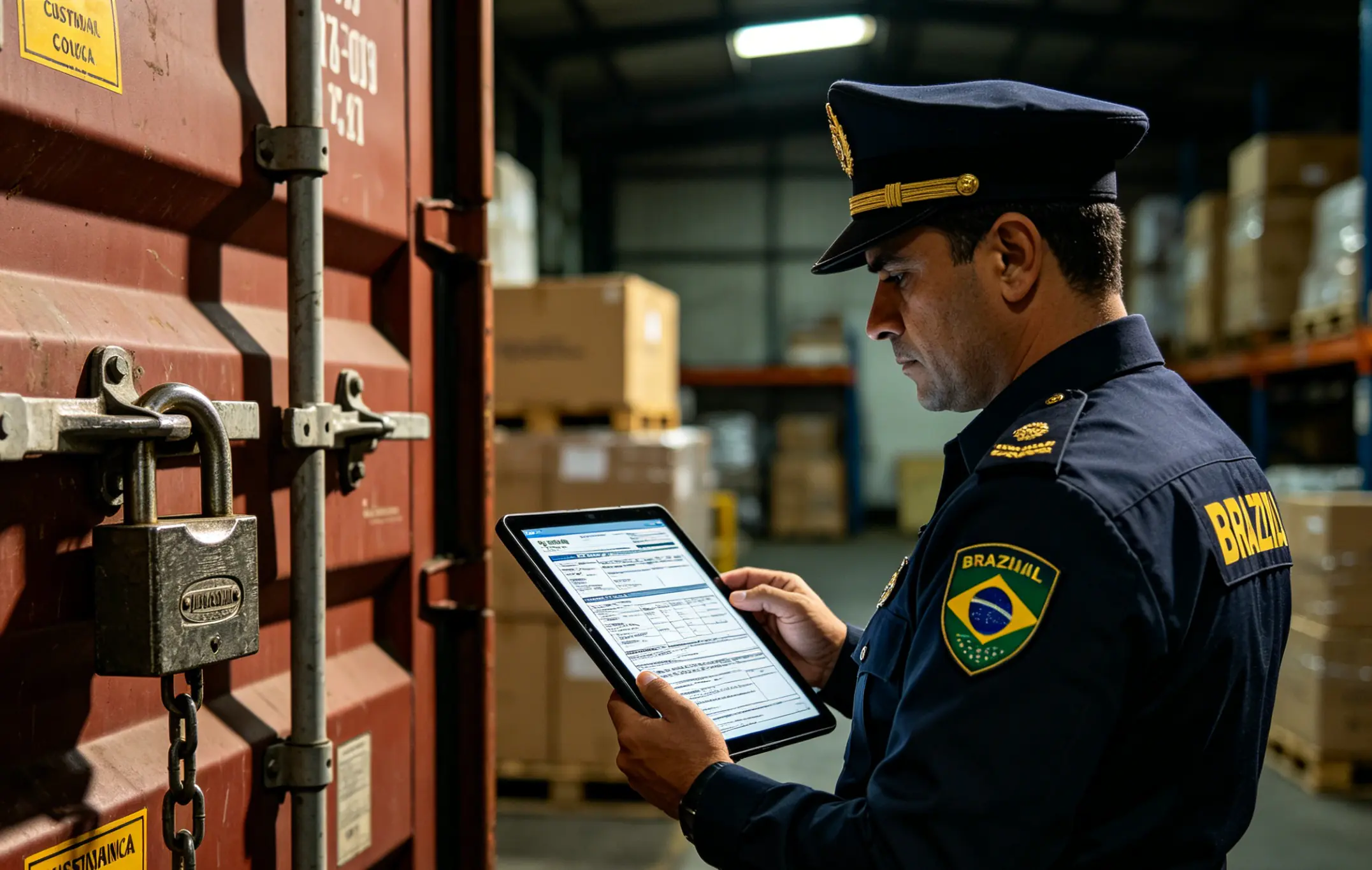
Brazilian customs and import taxes can increase your total landed cost by 60% to 100% of the CIF (Cost, Insurance, and Freight) value due to complex tariff structures known as the “Custo Brasil”. Paying the freight forwarder is only half the battle; the clearance process is where many new importers lose their profit margins.
To successfully navigate the Brazilian Federal Revenue Service (Receita Federal), you must be prepared for the following strict compliance measures:
- RADAR License & Siscomex: You cannot import commercial goods into Brazil without an active RADAR license and registration in the official Siscomex system, the Brazilian government’s central digital portal for foreign trade.
- The NCM Code Trap: The Mercosur Common Nomenclature (NCM) dictates your tax rates. A misclassified NCM code will result in severe fines and cargo holds.
- The Core Taxes: Be prepared to pay Import Duty (II), Industrialized Products Tax (IPI), PIS, COFINS, and the state-level ICMS. Because these taxes are often calculated cumulatively (taxes on taxes), the final bill is substantial.
- Demurrage and Detention Risks: Brazilian customs is notorious for slow processing times (often “Red Channel” inspections). If your paperwork isn’t flawless, your cargo will sit at the terminal, accumulating daily demurrage fees that can quickly exceed the value of the goods.

Expert Tips to Reduce Your Shipping Container Rates from China to Brazil
You can significantly reduce your shipping container rates from China to Brazil by consolidating LCL shipments, planning around peak seasons, and ensuring flawless documentation to avoid demurrage penalties. In our daily operations managing over 500 TEUs annually to Latin America, we apply these specific strategies to save our clients thousands of dollars:
- Optimize for the FCL Break-Even Point: If your shipment volume exceeds 12 to 15 CBM, it is often more cost-effective and secure to book a 20ft FCL container rather than paying LCL CBM rates and destination stripping fees.
- Explore Alternative Ports: While Santos is the default, consider routing cargo through Paranaguá or Itajaí if your final destination is in Southern Brazil. This can reduce both port congestion delays and inland trucking costs.
- Pre-Clearance Documentation: Send your Commercial Invoice, Packing List, and draft Bill of Lading to your Brazilian customs broker before the vessel departs China. Catching NCM code errors early prevents costly terminal storage fees.
- Lock in Contract Rates: If you have consistent volume, work with a forwarder to secure long-term contract rates (NVOCC rates) rather than playing the volatile spot market.
Why Choose Efanda Logistics for Your Brazil Shipments?
Efanda Logistics offers the most competitive contract rates, seamless door-to-door shipping, and customs clearance solutions for your shipments from China to Brazil. We don’t just quote freight; we engineer your supply chain.
With deep expertise in Latin American trade routes and strong partnerships with Tier-1 ocean carriers, we ensure your cargo secures space even during peak seasons. Furthermore, our dedicated network of Brazilian customs clearance experts helps you navigate the Siscomex system, avoid NCM classification traps, and eliminate unnecessary demurrage risks.
You may be interested in the following related articles:
- shipping from china to south korea
- shipping from china to panama
- shipping from china to afghanistan
- shipping from china to bahrain
- shipping from china to jordan
- shipping from china to south africa
Frequently Asked Questions (FAQ) About Shipping to Brazil
Q: Do I need a RADAR license to import from China to Brazil?
Yes. A RADAR license (Registro e Rastreamento da Atuação dos Intervenientes Aduaneiros) is legally mandatory for all commercial imports registered via the Siscomex system. Without it, your cargo cannot clear Brazilian customs.
Q: Is it cheaper to ship FCL or LCL to Brazil?
It depends on your volume. LCL is cheaper for small shipments under 12 CBM. However, once you hit the 12-15 CBM mark, the combined ocean freight and destination LCL handling charges often make booking a dedicated 20ft FCL container the cheaper and safer option.
Q: What is the largest port for importing goods into Brazil?
The Port of Santos (located in the state of São Paulo) is the largest and busiest port in Latin America. It handles the vast majority of containerized imports from Asia, though ports like Paranaguá and Itajaí are excellent alternatives for southern distribution.