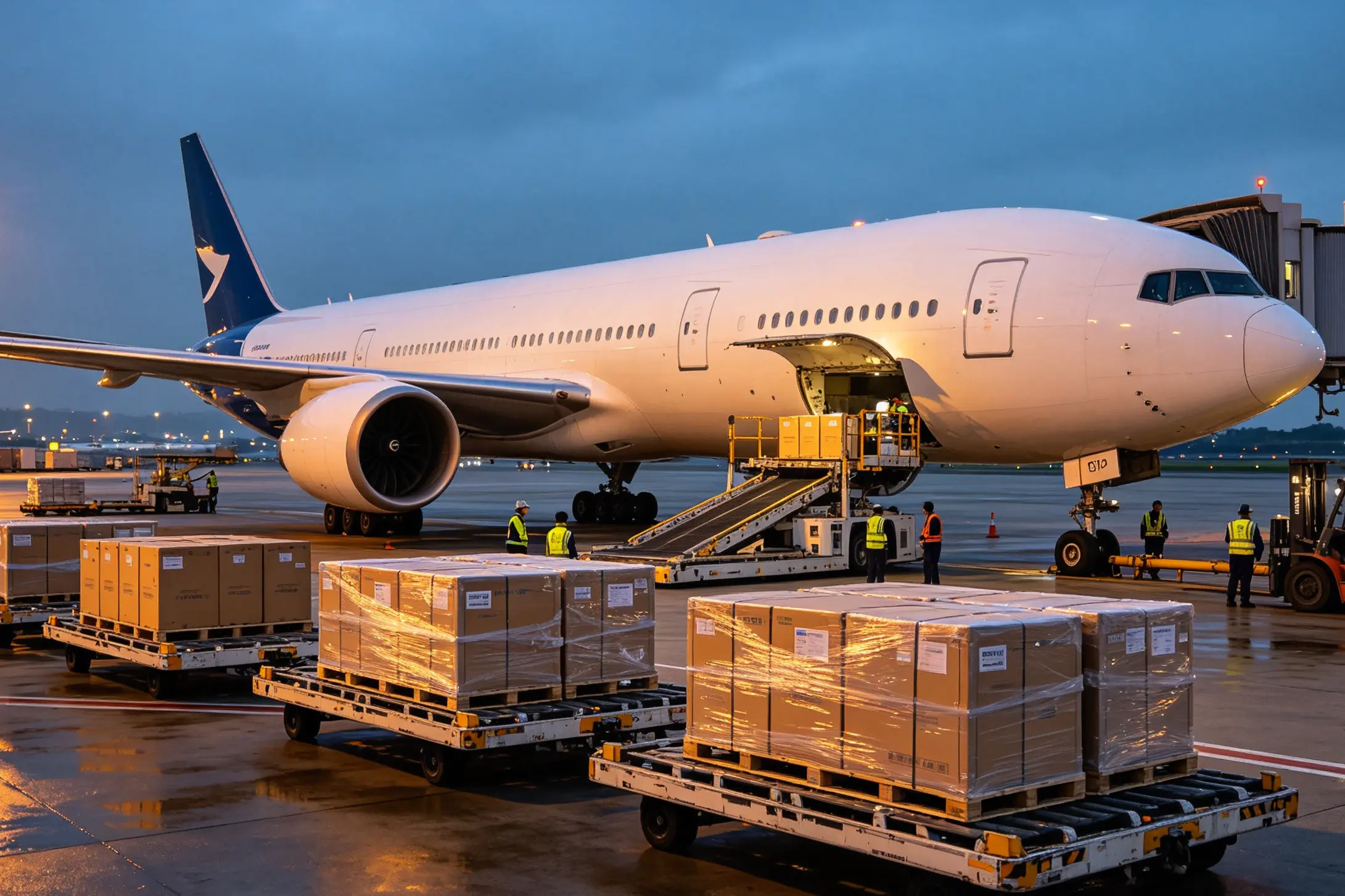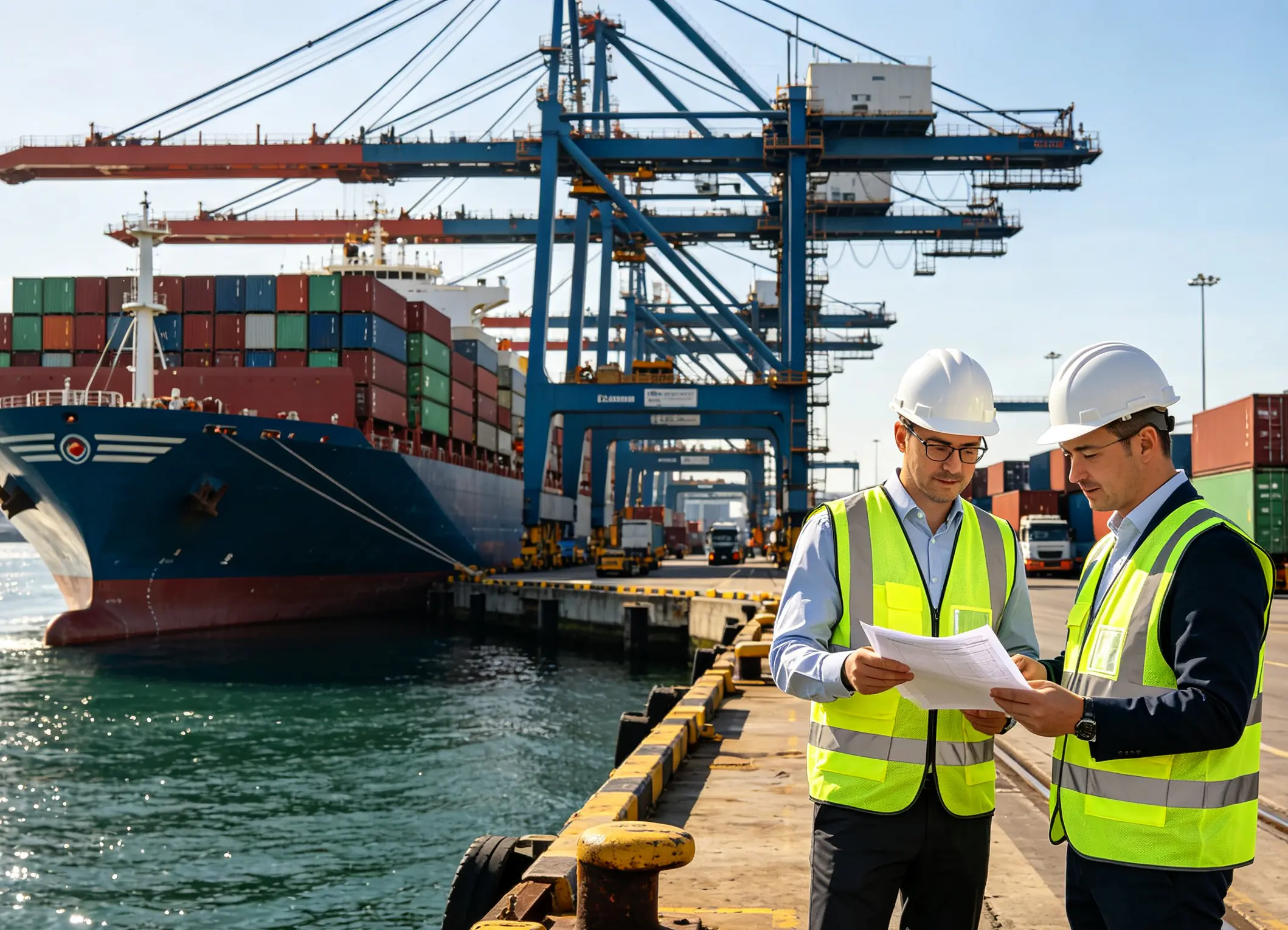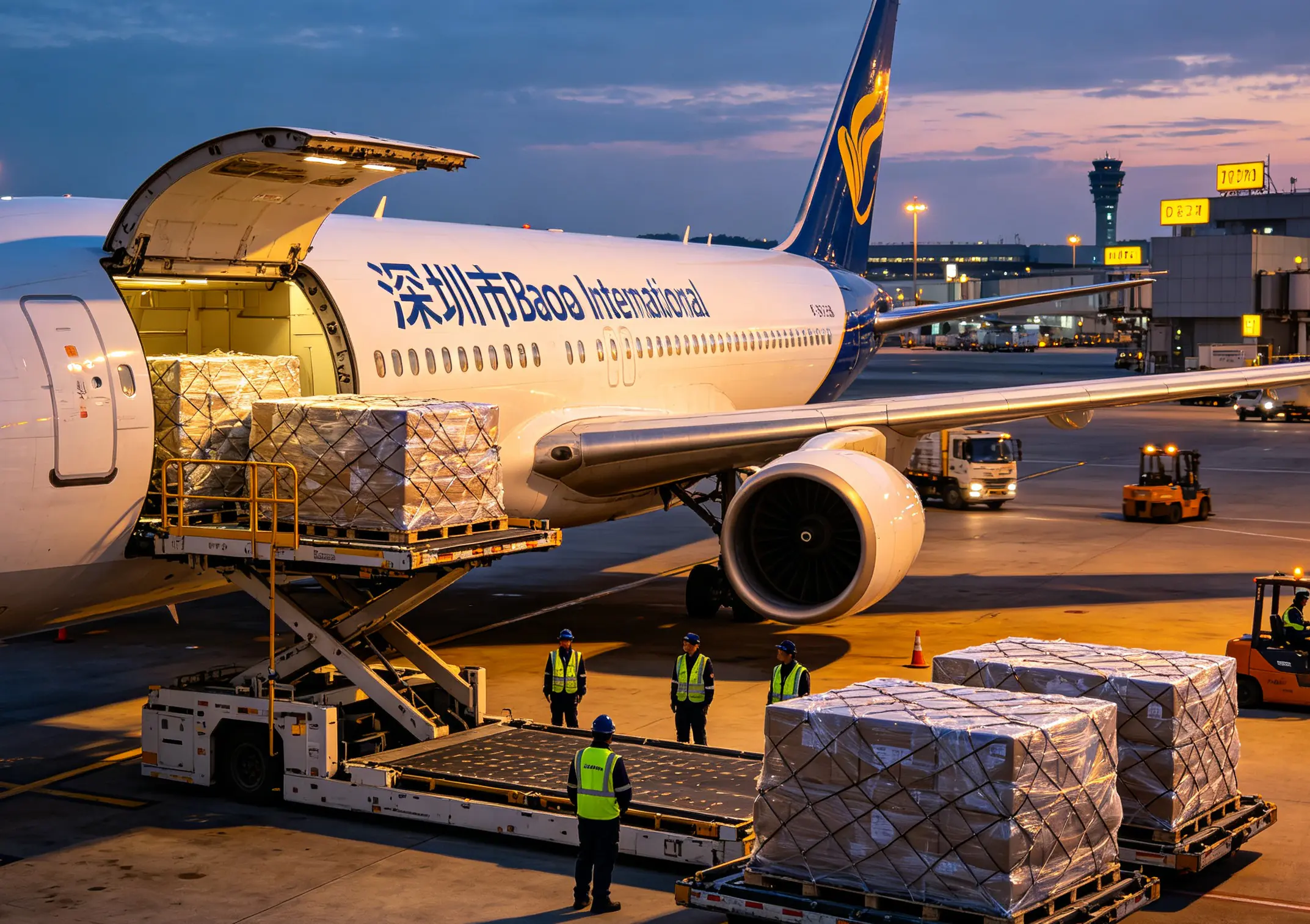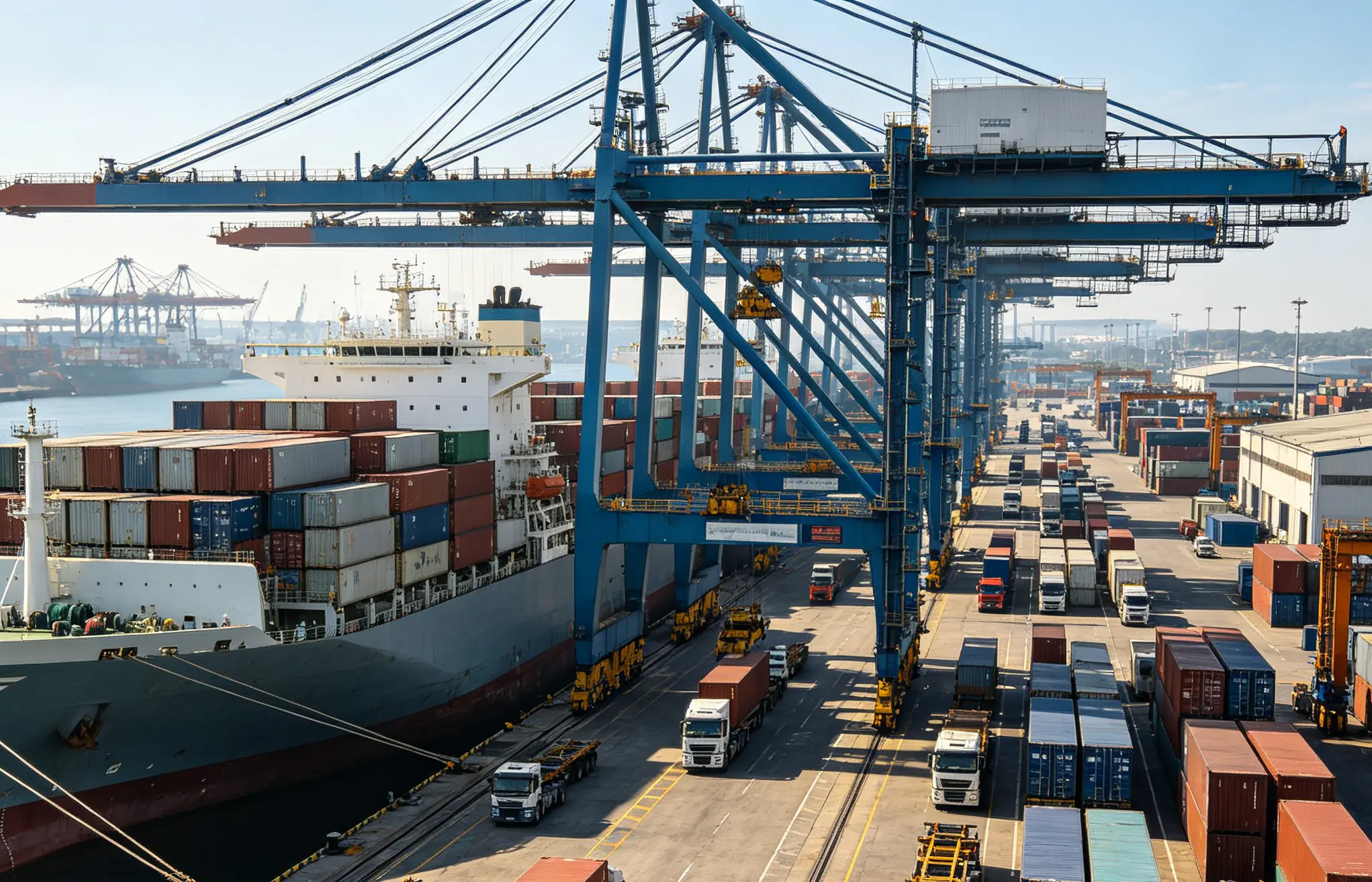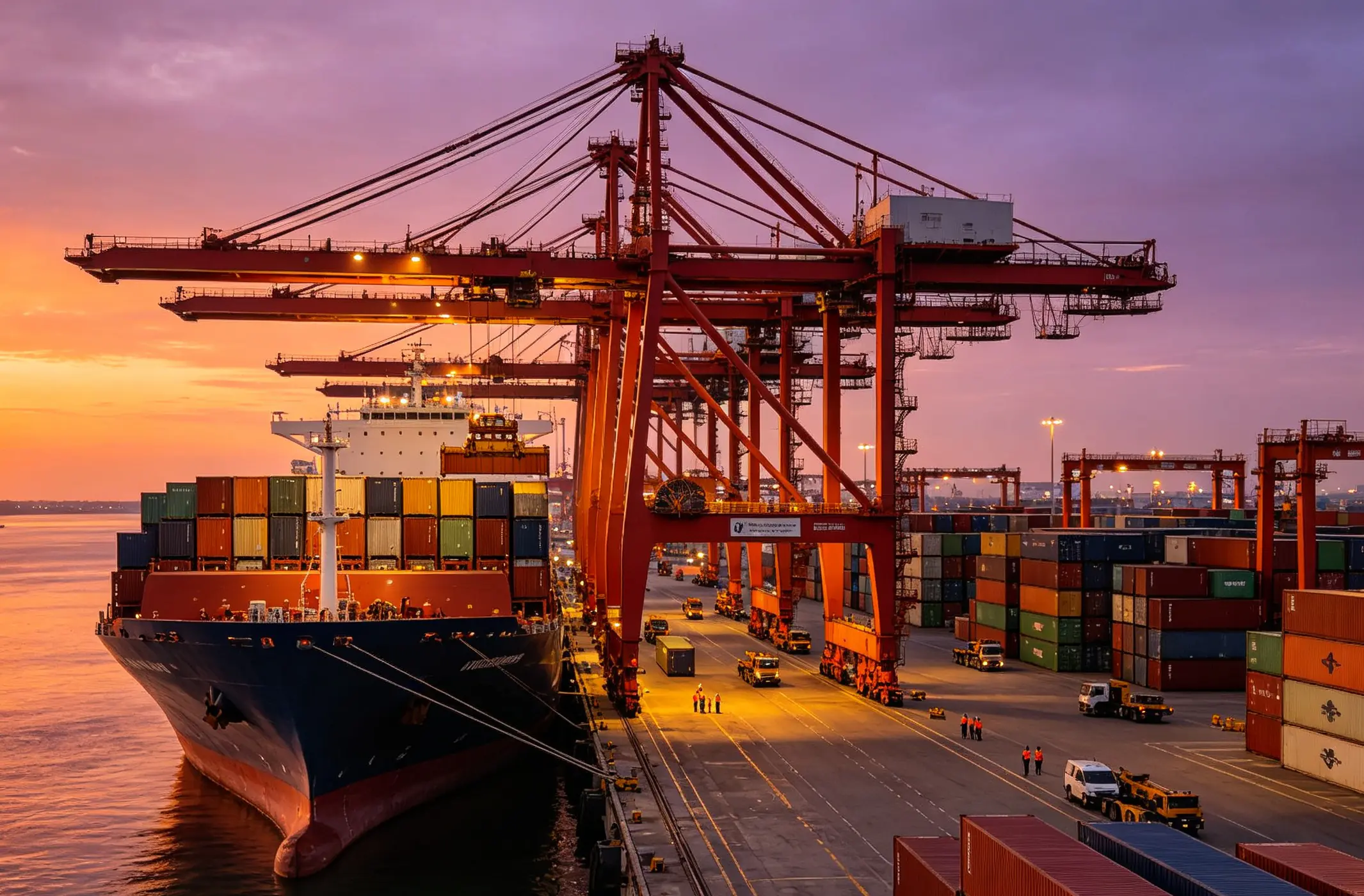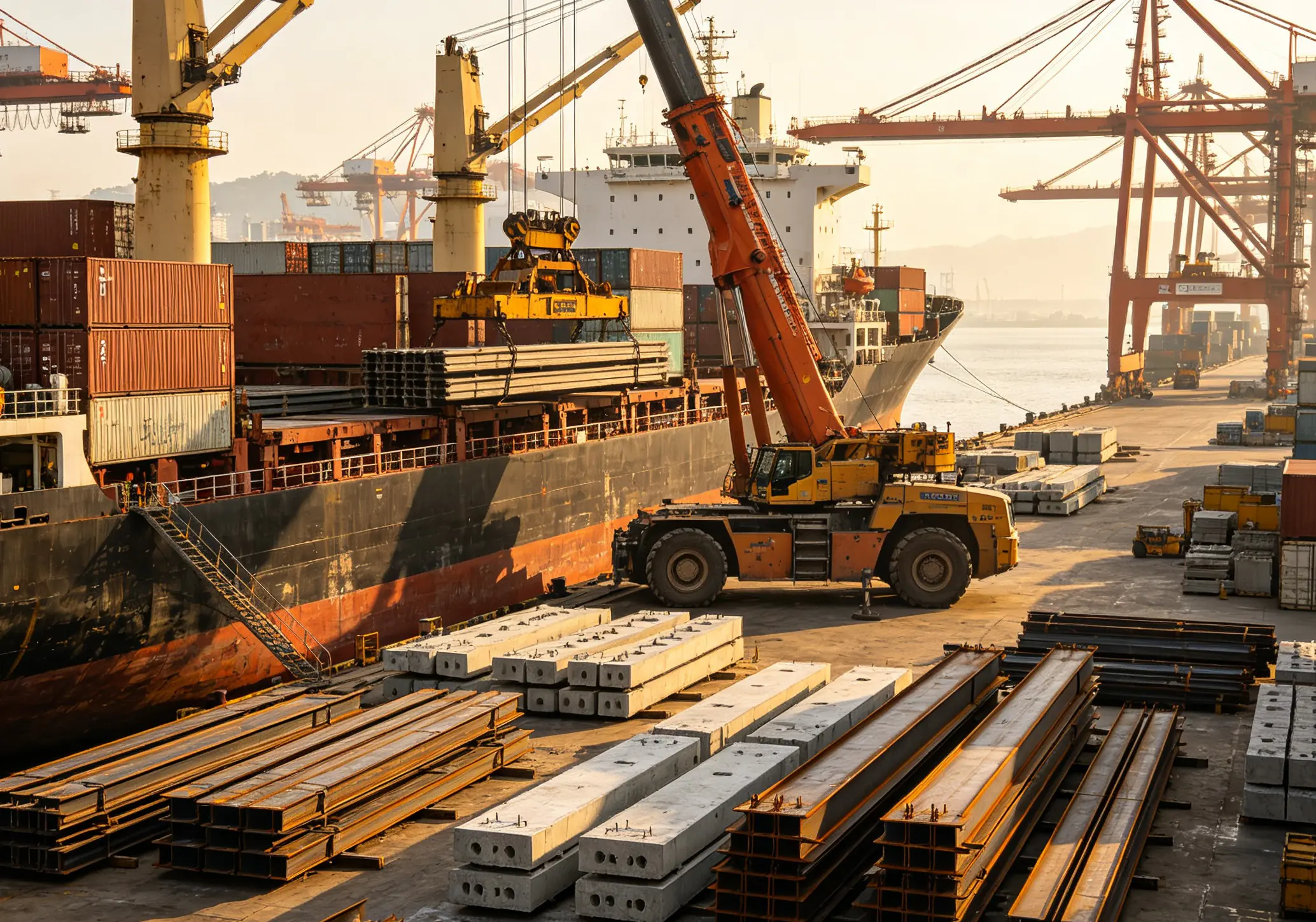
Why does ocean freight from China to Austria often cost more and take longer than importers expect? The answer usually has nothing to do with the ocean crossing itself. Austria is landlocked, which means your container never arrives at an Austrian seaport. Instead, it discharges at a European gateway port — Hamburg, Koper, or Trieste — and then travels hundreds of kilometers inland by rail or truck. Most cost overruns and delays happen during that second leg, yet few guides explain how to control them.
In this guide, you will learn exactly which gateway port saves you time and money for your specific Austrian destination, how to choose between FCL and LCL without surprise destination charges, what documents Austrian customs actually requires, and how to budget accurately for the full door-to-door journey. Whether you are a B2B importer restocking inventory or an Amazon FBA seller planning your next shipment, the operational details below will help you avoid the mistakes we see every week on this lane.
What Is Ocean Freight from China to Austria?
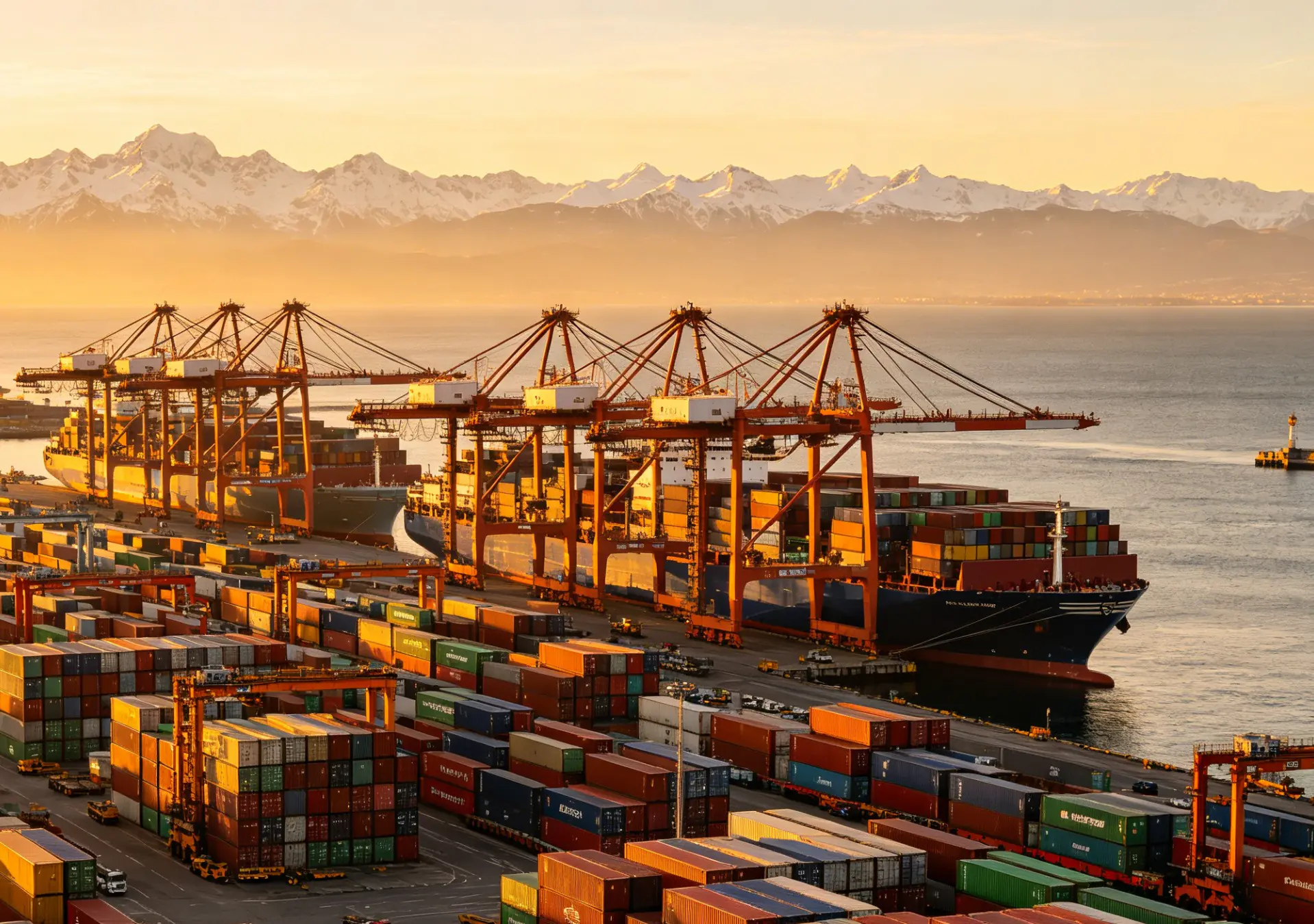
Ocean freight from China to Austria is the transportation of goods by sea from Chinese ports to European gateway ports, followed by inland rail or trucking to Austrian cities such as Vienna, Linz, Graz, and Salzburg. Because Austria has no direct coastline, intermodal transport is non-negotiable: every ocean shipment includes a mandatory inland leg.
The standard container types are FCL (Full Container Load), where you book an entire 20ft or 40ft container exclusively for your cargo, and LCL (Less than Container Load), where your goods share container space with other shippers. A Freight Forwarder or NVOCC (Non-Vessel Operating Common Carrier) coordinates both the ocean and inland segments, issues the Bill of Lading (B/L) as your contract of carriage, and ensures your cargo clears export in China and import into the EU.
The most common Chinese ports of origin for Austria-bound cargo are Shanghai, Shenzhen, Ningbo, and Guangzhou. On the European side, cargo enters through the Port of Hamburg in Germany, the Port of Koper in Slovenia, or the Port of Trieste in Italy. From there, it moves inland to your final Austrian destination. Understanding this routing is the foundation of accurate cost planning. For a complete overview of all available services on this lane, visit our shipping from china to austria page.
Why Choose Ocean Freight Over Air or Rail?
Sea freight from China is the cheapest per-unit shipping option for cargo over 15 CBM or heavy, bulky shipments where delivery speed is not the top priority. If you are moving machinery, furniture, building materials, or large-volume consumer goods, sea freight will almost always beat air and rail on total cost.
The table below compares the three main transport modes for the China–Austria lane:
| Transport Mode | Cost (Indicative) | Transit Time | Best For | Carbon Footprint |
|---|---|---|---|---|
| Ocean Freight (FCL) | $2,000–$4,800 per container | 25–40 days door-to-door | Bulk goods, machinery, furniture, non-urgent inventory | Lowest per ton |
| Rail Freight (FCL) | $3,200–$7,500 per container | 12–22 days door-to-door | Mid-value goods, faster-than-sea restocking | Medium |
| Air Freight | $4.50–$8.00 per kg | 5–8 days door-to-door | Urgent, high-value, or lightweight cargo | Highest |
When ocean freight wins: Large-volume restocking, heavy machinery, furniture, building materials, and any shipment over 15 CBM where a 30-day lead time fits your inventory cycle.
When ocean freight loses: Time-sensitive product launches, perishable goods, urgent spare parts, or shipments under 2 CBM where air freight from China may actually cost less once inventory carrying costs are factored in.
For Austria specifically, rail freight deserves mention as a strong middle ground. Direct China–Europe rail connections to Vienna and Linz offer transit times roughly half that of ocean freight. However, rail capacity is tighter, and rates are typically 50–80% higher than sea freight. If your margin can absorb the difference and your customers demand faster replenishment, rail is a viable alternative. Air freight is rarely justified for Austria unless the cargo is under a few hundred kilograms or has extreme time sensitivity. For a detailed cost and speed comparison, read our guide on sea freight vs air freight.
Gateway Port Strategy: Koper vs Trieste vs Hamburg
For most Austrian destinations, Koper or Trieste is 7–10 days faster than Hamburg because of shorter inland haulage, though Hamburg offers more sailing frequency and lower ocean rates on some routes. This single decision often affects your total cost and lead time more than the ocean leg itself.
Most guides mention that Austria is landlocked and then move on. That is a mistake. The gateway port you choose determines your inland distance, transit time, terminal handling charges, and even customs strategy. Here is how the three main gateways compare for Austria-bound cargo:
| Gateway Port | Ocean Transit (Shanghai) | Inland to Vienna | Inland to Linz | Inland to Graz | Total Door-to-Door | Best For |
|---|---|---|---|---|---|---|
| Koper (Slovenia) | 22–26 days | 2–3 days | 3–4 days | 4–5 days | 28–34 days | Vienna, eastern Austria, speed-sensitive cargo |
| Trieste (Italy) | 23–27 days | 3–4 days | 4–5 days | 3–4 days | 29–36 days | Graz, Salzburg, southern Austria |
| Hamburg (Germany) | 26–30 days | 3–5 days | 4–6 days | 5–7 days | 34–41 days | Northern Austria, flexible scheduling, lowest ocean rate |
| Rotterdam (Netherlands) | 25–29 days | 4–6 days | 5–7 days | 6–8 days | 35–44 days | Western Austria, alternative to Hamburg |
Routing recommendations by Austrian destination:
- Vienna and eastern Austria: Route via Koper. The Adriatic location gives you the shortest combined ocean-plus-inland time. Rail connections from Koper to Vienna are frequent and reliable.
- Linz and central Austria: Koper or Hamburg both work well. Koper is faster; Hamburg offers more carrier choice and sometimes lower ocean freight rates.
- Graz and Salzburg: Trieste is often the sweet spot. The inland trucking distance to Graz is shorter than from Hamburg, and you avoid northern European port congestion.
From our Shenzhen operations team: Last quarter, we rerouted a Vienna-bound machinery shipment from Hamburg to Koper for a client importing from Ningbo. The switch cut total transit from 38 days to 31 days and reduced inland trucking costs by roughly $380. Because Koper’s Adriatic rail slots were less congested than Hamburg’s northbound connections, the cargo cleared customs in Vienna a full week ahead of schedule. The client now books Koper as the default gateway for all central European cargo.
Hidden costs at the gateway that competitors rarely itemize include Terminal Handling Charges (THC), port congestion surcharges during peak season, and the administrative cost of issuing a T1 Transit Document if you choose to clear customs in Austria rather than at the port of entry. A freight forwarder with direct relationships at Adriatic gateways can often secure faster inland rail slots and avoid the bottlenecks that delay cargo at larger northern ports.
FCL vs LCL: How to Choose the Right Container Option
Choose FCL when your cargo exceeds approximately 15 CBM; choose LCL for smaller shipments, but budget carefully for hidden destination charges that can erase your per-CBM savings.
The break-even point is not a mystery. At current market rates, once your cargo volume crosses roughly 15 cubic meters, the flat rate of a 20ft container becomes cheaper per unit than paying LCL rates. The math looks like this:
| Cargo Volume | FCL (20ft) Cost | LCL Cost (at $90/CBM) | Winner |
|---|---|---|---|
| 5 CBM | $2,300 (flat) | $450 | LCL |
| 10 CBM | $2,300 (flat) | $900 | LCL |
| 15 CBM | $2,300 (flat) | $1,350 | Near break-even |
| 18 CBM | $2,300 (flat) | $1,620 | FCL |
| 25 CBM | $2,300 (flat) | $2,250 | FCL |
FCL advantages: Your container is sealed at the factory in China and opened only at your warehouse in Austria. That means fewer handling points, lower damage risk, faster processing (no consolidation or deconsolidation delays), and a predictable flat rate.
LCL advantages: You pay only for the space you use, making it ideal for startups, seasonal shippers, or businesses testing new products in Austria. You do not need to wait to fill a container.
Hidden LCL costs that catch importers off guard:
- CFS charges (Container Freight Station handling at origin and destination)
- Deconsolidation fees at the European warehouse
- Palletization or repackaging if your loose cartons need to be restacked
- Minimum charges — many LCL consolidators bill a minimum of 1 CBM even if your cargo is smaller
Container specifications at a glance:
| Container Type | Internal Volume | Max Payload | Typical Use |
|---|---|---|---|
| 20ft Standard | ~33 CBM | ~28,000 kg | Small to medium shipments, dense cargo |
| 40ft Standard | ~67 CBM | ~26,500 kg | Large-volume, lighter cargo |
| 40ft High Cube (40HQ) | ~76 CBM | ~26,500 kg | Bulky goods, furniture, extra height needed |
Exact internal measurements and door sizes are listed in our shipping container dimensions reference. If your cargo is between 13 and 18 CBM, request quotes for both FCL and LCL. The right choice depends on your destination charges, cargo fragility, and how urgently you need the goods. For a deeper comparison, see our FCL vs LCL shipping guide.
Transit Times: How Long Does Sea Freight Take from China to Austria?
Typical door-to-door sea freight from China to Austria takes 25–40 days, depending on the gateway port and inland connection.
Here are realistic transit ranges by origin port and gateway:
| Origin (China) | Gateway | Destination (Austria) | Ocean Leg | Inland Leg | Total Door-to-Door |
|---|---|---|---|---|---|
| Shanghai | Hamburg | Vienna | 26–30 days | 3–5 days | 34–41 days |
| Shanghai | Koper | Vienna | 22–26 days | 2–3 days | 28–34 days |
| Shenzhen | Trieste | Graz | 23–27 days | 3–4 days | 29–36 days |
| Ningbo | Hamburg | Linz | 26–30 days | 4–6 days | 35–42 days |
| Guangzhou | Koper | Vienna | 22–26 days | 2–3 days | 28–34 days |
Factors that stretch timelines:
- Port congestion at Shanghai or Shenzhen during peak season (pre-Chinese New Year in January/February, Golden Week in October, and Q4 pre-Christmas rush)
- Transshipment delays if your vessel calls at a hub port like Singapore or Colombo before Europe
- Customs inspections at the EU gateway port, especially for electronics, machinery, or goods with questionable HS code classification
- Inland rail bottlenecks during European holiday periods
Buffer recommendation: Add 5–7 days to your quoted transit time when planning inventory, especially if you are shipping during Q4 or the weeks leading up to Chinese New Year.
Ocean Freight Rates From China to Austria (2026)
As of mid-2026, budget approximately $2,000–$2,900 for a 20ft container and $3,600–$4,800 for a 40HQ, with LCL at $70–$120 per CBM — but the final cost depends heavily on what is included in your quote.
| Service Type | Price Range (USD) | What Is Typically Included | What Often Excludes |
|---|---|---|---|
| 20ft FCL | $2,000 – $2,900 | Ocean freight, origin THC, B/L fee | Inland to Austria, destination THC, customs clearance |
| 40ft / 40HQ FCL | $3,600 – $4,800 | Ocean freight, origin THC, B/L fee | Inland to Austria, destination THC, customs clearance |
| LCL (per CBM) | $70 – $120 | Ocean freight, origin CFS handling | Destination CFS, deconsolidation, inland delivery, customs |
| Inland Haulage (Gateway to Austria) | $400 – $900 per container | Truck or rail from port to Vienna/Linz | Remote area delivery, detention if delayed |
What drives cost fluctuations:
- BAF/CAF Surcharges: The Bunker Adjustment Factor tracks fuel prices, while the Currency Adjustment Factor offsets exchange-rate volatility between USD and EUR. Both are added or adjusted monthly by most carriers.
- Peak Season Surcharge: Expect 15–30% premiums during Chinese New Year (January/February), Golden Week (early October), and the Q4 pre-Christmas rush.
- Inland Haulage: The distance from gateway port to your Austrian warehouse is a major variable. Hamburg to Vienna costs more than Koper to Vienna.
- Demurrage and Detention: If you do not return the empty container within the free period (typically 7–14 days), daily penalties apply. These can reach $80–$150 per day for a 20ft container.
Transparency checklist: Before accepting a quote, ask your forwarder these five questions:
- Does the quote include inland transport from the gateway port to my Austrian address?
- Are origin and destination THC included?
- What is the free time for demurrage and detention, and what are the daily rates after that?
- Are BAF/CAF and peak season surcharges locked in or subject to change?
- For LCL, what are the destination CFS and deconsolidation charges?
Rates are indicative as of June 2026 and subject to market volatility. Always request a fresh quote with 2–3 week validity before booking.
Choosing the Right Incoterm for Austria Imports
For Austria imports, FOB is usually the safest Incoterm because it lets you (or your forwarder) control the ocean carrier and gateway port selection — critical for managing inland costs on a landlocked route.
| Incoterm | Who Pays Ocean Freight | Who Controls Gateway | Who Handles Austria Customs | Risk Level for Importers |
|---|---|---|---|---|
| EXW | Buyer | Buyer | Buyer | High — no China-side support |
| FOB | Buyer | Buyer | Buyer | Low — best balance of control and cost |
| CIF | Seller | Seller | Buyer | Medium-High — surprise inland costs common |
| DAP | Seller | Seller | Buyer | Low — predictable, but importer pays duty/VAT |
| DDP | Seller | Seller | Seller | Lowest — single price, forwarder handles everything |
EXW looks cheap on paper because the supplier quotes the lowest possible product price. But you are responsible for factory pickup, export clearance, and all China-side coordination. Without a local partner in Shenzhen or Shanghai, this is where delays and unexpected costs pile up.
FOB is the sweet spot for most importers. Your supplier delivers the cargo to the port and handles export customs. You (or your freight forwarder) choose the ocean carrier, the gateway port, and the inland route. That control matters enormously for Austria. Under FOB, your forwarder can route via Koper instead of Hamburg, saving you a week and several hundred dollars in inland haulage.
CIF seems convenient because the seller pays for ocean freight and insurance. The catch? You lose control over which carrier is used and which gateway port the cargo enters. We regularly see CIF shipments arriving in Hamburg when the importer is based in Graz — a costly mismatch. We break down the practical differences in our FOB vs CIF comparison.
DAP and DDP are ideal if you want simplicity. Under DDP (Delivered Duty Paid), your forwarder handles customs clearance, pays import duty and Austrian VAT, and delivers to your door. You get one predictable price with no surprises. This is particularly popular among Amazon FBA sellers and first-time importers who do not have an in-house customs team. If you are deciding between all-inclusive terms, see DDP vs DAP Incoterms.
Austrian Customs Clearance and Required Documents
Austrian customs clearance requires an EORI number, accurate HS codes, and a complete commercial invoice — and for sea freight, you must also manage the T1 Transit Document if clearing at the gateway port instead of in Austria.
Because Austria is an EU member state, your cargo must comply with EU customs regulations. Customs clearance is the mandatory process of declaring your goods to EU authorities and paying applicable duties and VAT before your cargo can enter Austria. The standard document checklist includes:
- Commercial Invoice — showing buyer, seller, HS codes, quantity, and true value
- Packing List — detailing net/gross weight, dimensions, and package count
- Bill of Lading (B/L) — the contract of carriage and proof of ownership
- Certificate of Origin — may qualify for preferential duty rates under certain EU-China arrangements
- EORI Number — mandatory for any business importing into the EU. Apply through the Austrian Ministry of Finance if you do not have one
- T1 Transit Document — required if your cargo clears customs at the gateway port under a transit procedure and moves to Austria for final clearance
- CE Marking / REACH compliance — for electronics, machinery, chemicals, toys, and medical devices
Customs flow for sea freight to Austria:
- Cargo arrives at Hamburg, Koper, or Trieste.
- Option A: Clear customs immediately at the gateway port. Duties and VAT are paid there, and the cargo is released for inland transport to Austria.
- Option B: Your customs broker issues a T1 Transit Document. The cargo moves under customs bond to Vienna or Linz, where import clearance and duty payment occur.
Option B is common when the importer wants to centralize customs operations in Austria or when the gateway port broker lacks familiarity with the cargo type.

Import duties and VAT:
Import duty varies by HS code from 0% to roughly 14%. Austrian VAT is 20% and is calculated on the CIF value plus duty plus transport costs. For example, if your customs value is €10,000, duty is €500, and transport is €800, your VAT base becomes €11,300. At 20%, you pay €2,260 in VAT.
Common customs mistakes: Using the wrong HS code, undervaluing goods to save on duty, missing CE documentation for regulated products, and attempting to import without an EORI number. Any of these can trigger inspections, storage fees, and delayed release.
Amazon FBA Sea Freight From China to Austria
Sea freight to Amazon FBA warehouses in Austria is viable for large-volume sellers, but strict packaging, labeling, and routing compliance are non-negotiable.
Amazon operates fulfillment centers near Vienna and Linz. When shipping by sea, your cargo follows this path: ocean freight to gateway port → customs clearance → truck delivery to the Amazon warehouse. However, Amazon will reject non-compliant shipments, and rejection fees can erase your sea-freight savings entirely.
FBA-specific requirements:
- FNSKU labeling: Every single unit must carry an Amazon FNSKU barcode label, scannable and placed on a flat surface.
- Palletization: Amazon requires standard EUR pallets (120cm x 80cm), properly wrapped and stacked within height limits.
- Delivery appointment: You cannot simply show up. Your forwarder must schedule a delivery window through Amazon Carrier Central.
- Shipping plan: Create your inbound shipment plan in Amazon Seller Central before cargo departs China. The plan dictates which fulfillment center receives the goods.
Why a China-based forwarder helps: Pre-inspection, repackaging, and labeling at a Shenzhen warehouse prevents costly surprises. We have seen sellers ship perfectly good products that were rejected because the factory applied the wrong label format or used non-compliant polybags. Fixing that in China costs pennies; fixing it in Austria costs euros — plus demurrage while the cargo sits.
Cost vs speed trade-off: Sea FBA to Austria is typically 60–70% cheaper than air FBA. The trade-off is 30–40 days of inventory planning. For sellers with predictable demand, sea freight is the margin-saving choice.
Cargo Insurance and Risk Management
Carrier liability is limited and often does not cover the real value of your goods, so cargo insurance services are strongly recommended for Austria-bound sea freight.
The Austria route involves multiple handling points: loading at the Chinese port, transshipment at a hub, discharge at the European gateway, transfer to rail or truck, and possible deconsolidation for LCL. Each handoff is a potential damage or loss point.
Insurance types:
- All-risk insurance covers physical loss or damage from external causes during transit. This is the best option for electronics, machinery, and high-value consumer goods.
- FPA (Free from Particular Average) covers total loss but only partial loss in limited circumstances. It is cheaper but offers narrower protection.
When insurance is essential: Electronics, machinery, glassware, fragile consumer goods, and any shipment where the commercial value far exceeds the carrier’s standard liability limit (typically a few dollars per kilogram).
You can arrange coverage through your freight forwarder or a standalone marine insurance broker. Most forwarders offer competitive all-risk premiums because they aggregate volume. The key is to insure for the full replacement value, not just the invoice value, and to document cargo condition with photos at every major handover point.
5 Actionable Tips to Reduce Your Shipping Costs to Austria
You can cut total landed cost by optimizing gateway selection, consolidating shipments, and booking around peak seasons.
1. Route via Koper or Trieste instead of Hamburg for southern and central Austrian destinations.
The shorter inland distance saves 7–10 days and reduces trucking or rail costs by $200–$500 per container. For Vienna-bound cargo, Koper is almost always the faster, cheaper gateway.
2. Consolidate smaller shipments into FCL instead of paying repeated LCL handling charges.
If you import multiple SKUs from the same region of China, combine them into one monthly FCL shipment. You avoid per-shipment origin CFS fees, destination deconsolidation, and multiple customs processing fees.
3. Book 3–4 weeks ahead of Chinese New Year and Golden Week.
Container availability tightens and ocean rates spike 15–30% during peak season. Locking in space early protects both your budget and your transit schedule.
4. Get your EORI number and HS codes correct before shipping.
A customs hold due to missing documentation generates storage fees at €50–€100 per day. Verify your HS codes against the EU TARIC database and confirm CE requirements before cargo departs.
5. Request an all-in door to door shipping quote that explicitly includes inland transport, THC, and customs clearance.
A quote that only covers port-to-port ocean freight is misleading for Austria. Ask for a landed cost breakdown covering pickup in China, ocean freight, gateway handling, inland delivery, and Austrian customs clearance.
Why Efanda Logistics for Your China–Austria Shipments
Choosing the right freight forwarder matters more on the China–Austria lane than on almost any other European route. The combination of gateway port selection, T1 transit management, and inland rail coordination requires a partner with hands-on experience in both China and Central Europe.
Efanda Logistics is headquartered in Shenzhen and has managed end-to-end ocean freight from China to Austria since 2018. Our team handles the full chain — factory pickup, export clearance, ocean freight booking, gateway handling at Koper, Trieste, or Hamburg, and final delivery to Vienna, Linz, Graz, or your Austrian warehouse.
What sets us apart on this lane:
- Gateway expertise: We maintain direct relationships with Adriatic port operators and inland rail providers, which means faster slot confirmations and fewer bottlenecks than generic forwarders who route everything through Hamburg.
- Transparent, all-in quotes: Our door to door shipping quotations explicitly include inland haulage, THC, customs clearance, and Austrian VAT handling — no hidden fees that appear only after the container arrives.
- Amazon FBA readiness: We offer pre-inspection, FNSKU labeling, and palletization at our Shenzhen warehouse, preventing costly rejections at Austrian fulfillment centers.
- Dedicated tracking: Every shipment is assigned a single logistics specialist who monitors the cargo from factory pickup through to final delivery.
If you are planning your next shipment from China to Austria, visit our shipping from china to austria service page for a free, no-obligation quote tailored to your cargo volume, destination city, and timeline.
You may be interested in the following related articles:
- shipping from china to uk
- shipping from china to netherlands
- shipping from china to spain
- shipping from china to germany
- shipping from china to france
FAQ
How long does sea freight take from China to Austria?
Door-to-door sea freight typically takes 25–40 days, depending on the origin port, gateway port, and inland connection. Routing via Koper or Trieste is usually 7–10 days faster than Hamburg.
What is the cheapest way to ship from China to Austria?
For shipments over 15 CBM, ocean freight is the cheapest option. For smaller shipments, compare LCL sea freight against rail LCL. Air freight is only cost-effective for urgent cargo under 2 CBM.
Do I need a customs broker to import into Austria?
Austria does not legally require one, but in practice you will need a broker unless you are already set up in the EU customs system. Most freight forwarders offer customs brokerage as part of their door-to-door service.
What is the difference between FCL and LCL for Austria?
FCL means you book an entire container; it is faster, more secure, and cheaper per unit for volumes over 15 CBM. LCL means you share a container and pay only for your space, but destination charges like deconsolidation and CFS fees can add up.
Which gateway port is best for shipping to Vienna?
Koper in Slovenia is usually the best choice for Vienna. It offers the shortest combined ocean-plus-inland transit time and competitive inland haulage rates.
What documents are required for customs clearance in Austria?
You need a commercial invoice, packing list, bill of lading, EORI number, and accurate HS codes. Depending on your product, CE marking or REACH compliance documents may also be required.
Can I ship Amazon FBA cargo to Austria by sea?
Yes. Sea freight to Amazon FBA warehouses in Austria is viable for high-volume sellers. Ensure every unit is FNSKU-labeled, palletized to Amazon standards, and delivered by appointment.
Is cargo insurance mandatory for sea freight to Austria?
No, but it is strongly recommended. Carrier liability is limited and often does not cover the full value of your goods, especially after multiple handling points on the inland leg.
What is DDP shipping, and is it worth it for Austria?
DDP (Delivered Duty Paid) means your forwarder handles customs clearance, pays import duties and Austrian VAT, and delivers to your door. It is worth it if you want a predictable, all-in price with no customs surprises.
How do I get an EORI number for Austria?
Apply through the Austrian Ministry of Finance (BMF) if your business is registered in Austria. If your business is outside the EU, your customs broker or freight forwarder can help you obtain one.
Conclusion
Ocean freight to Austria is not just about the ocean leg. The gateway port you choose, the inland transport method, and your customs readiness often determine your true cost and timing more than the sea crossing itself. Importers who understand this — and who plan the full door-to-door journey from the start — avoid the surprise charges and delays that plague those who treat Austria like any other European destination.
If you are looking for a freight forwarder that understands the China–Austria lane inside out, Efanda Logistics offers end-to-end ocean freight solutions from our Shenzhen headquarters. Since 2018, we have managed the full chain — factory pickup, export clearance, ocean freight, gateway handling, and delivery to Vienna, Linz, Graz, or your Austrian warehouse — with transparent, all-in quotes and a dedicated logistics specialist tracking every shipment. Get a free, no-obligation quote tailored to your cargo, route, and timeline.