Are you looking for the most cost-effective way to manage Sea Shipping from China to Iran? As a senior Freight Forwarder based in Shenzhen, our team regularly handles shipments to the Middle East. We know firsthand that importing goods from China to Iran involves navigating a complex web of sanctions, strict customs regulations, and fluctuating shipping costs. B2B buyers and importers often struggle with hidden fees like Demurrage & Detention (D&D), delayed transit times, and the daunting Iranian Customs Clearance process.
This comprehensive 2026 guide breaks down the true costs, exact transit times, FCL/LCL strategies, and the precise paperwork needed to ensure a smooth, compliant shipment to Bandar Abbas and beyond. Whether you are shipping heavy machinery or large-volume commercial goods, understanding these logistics intricacies will save you both time and money.

Why Sea Freight is the Ultimate Choice for Iran Imports
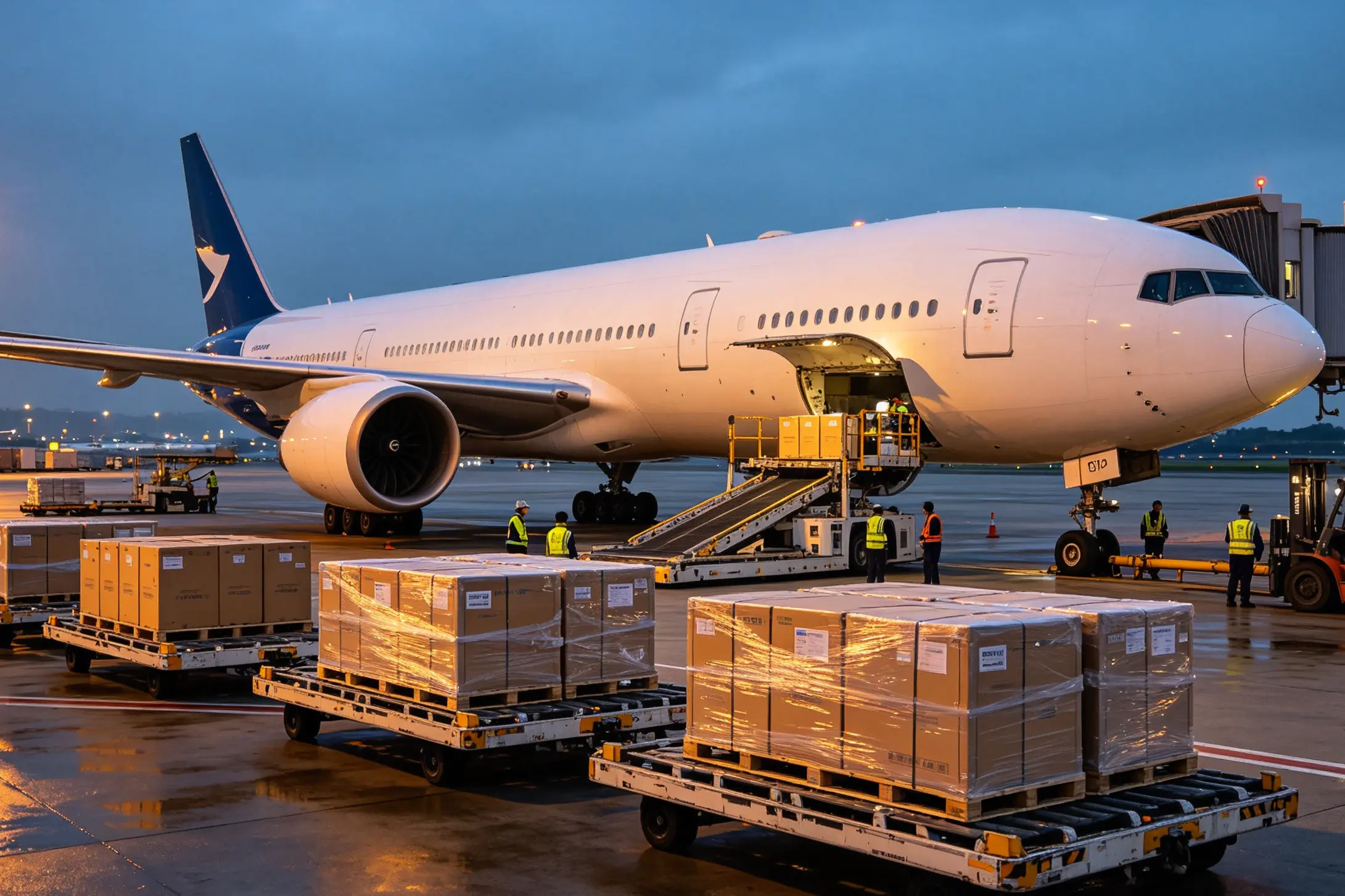
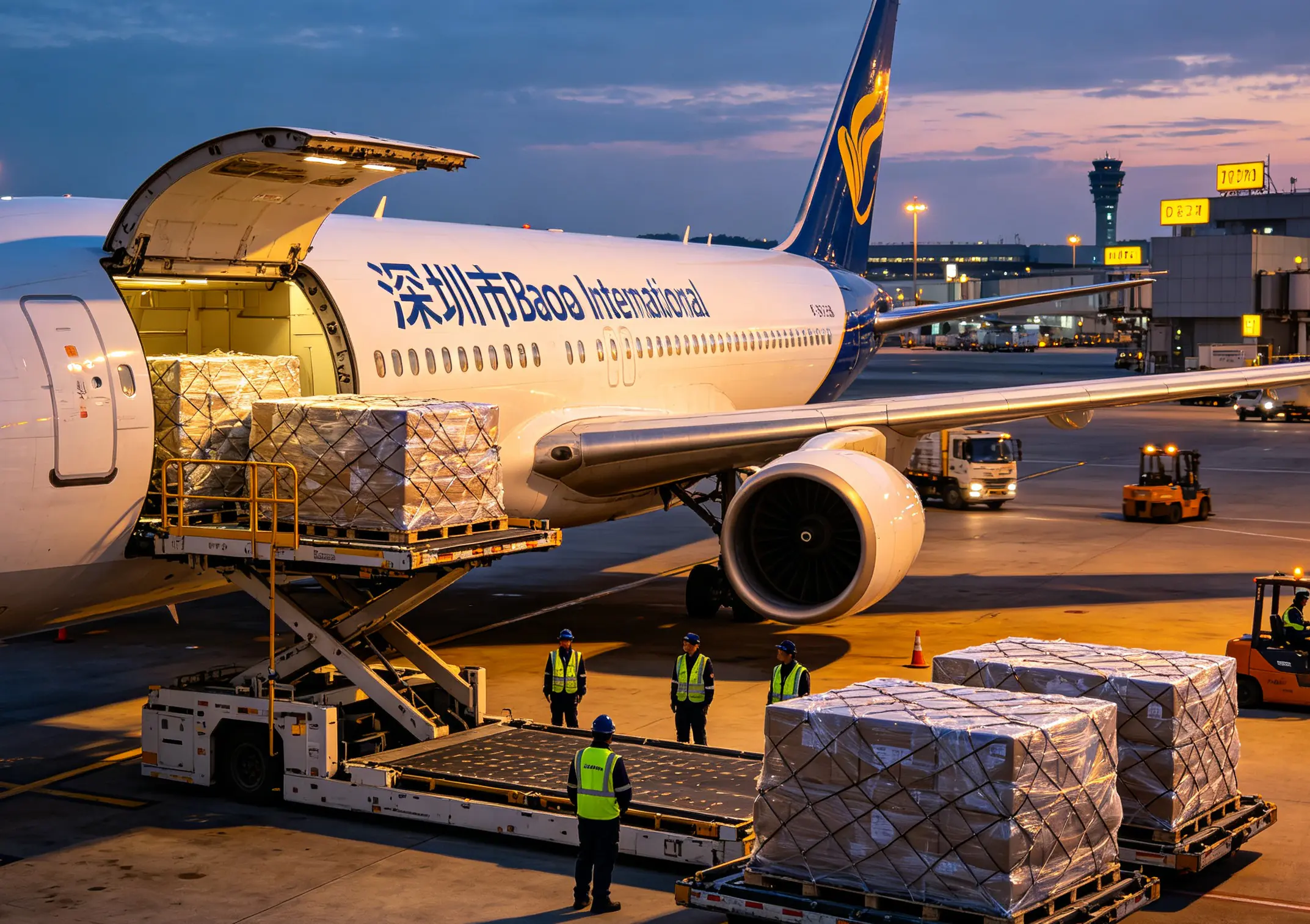
When it comes to transporting goods, finding the cheapest sea freight from China to Iran is often the top priority for businesses. Compared to air freight, which is faster but significantly more expensive, sea freight offers unparalleled cost-effectiveness, especially for bulk and industrial goods.
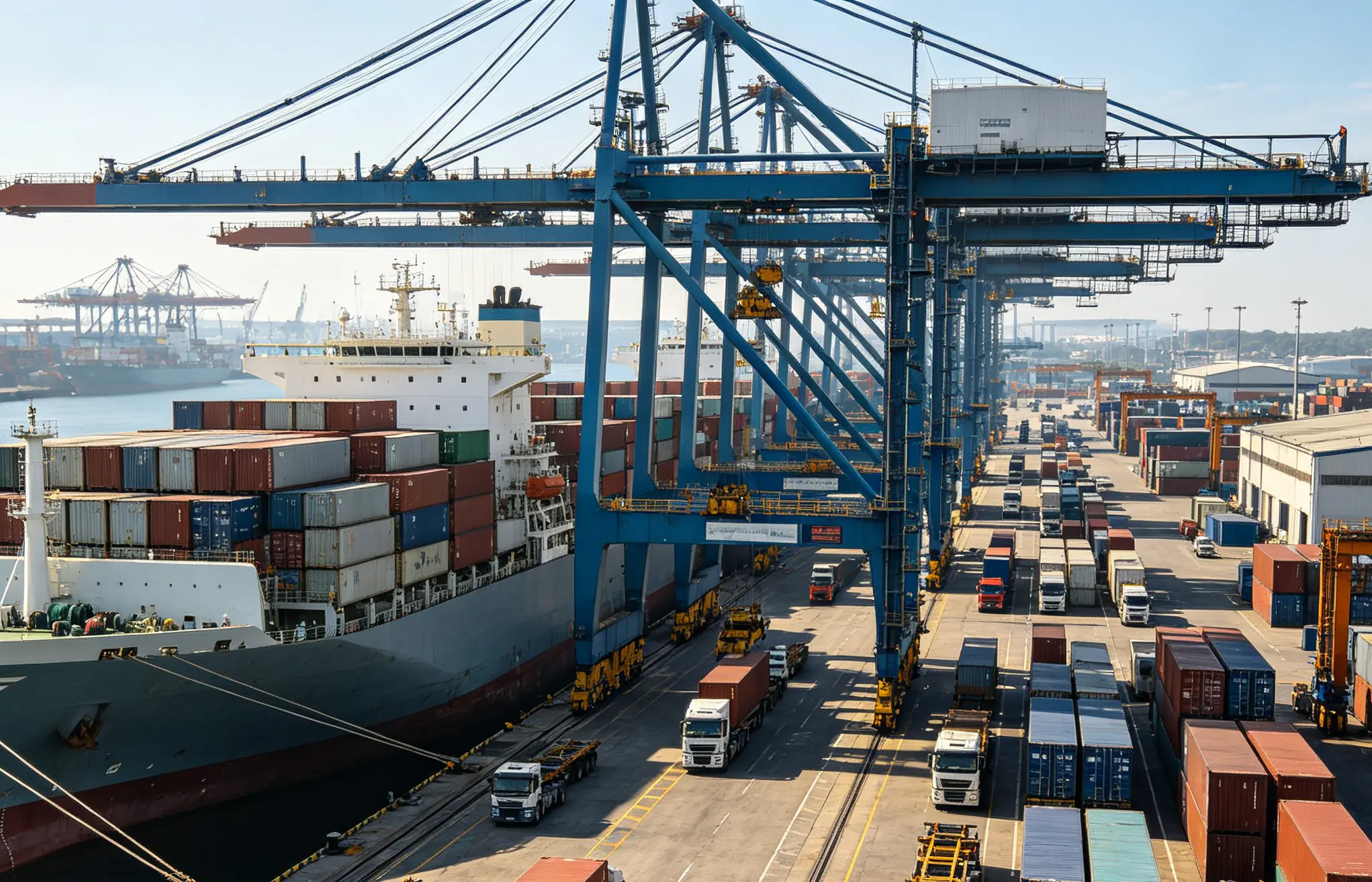
The primary advantage of sea freight is its capacity and versatility. It is perfectly suited for handling heavy machinery, raw materials, and large-volume commercial shipments safely. While air freight is limited by weight and volume restrictions, ocean vessels can accommodate almost any type of cargo. For businesses aiming to optimize their profit margins while importing from China, ocean freight is the undisputed champion.
FCL vs. LCL: Which is the Best Option for You?
Choosing between a Full Container Load (FCL) and Less than Container Load (LCL) depends on your cargo volume, budget, and urgency. If you’re still weighing the pros and cons of FCL vs LCL shipping, our logistics team recommends the 15 CBM Rule: in our experience, if your cargo volume exceeds 15 cubic meters (CBM), FCL is generally more economical; if it’s under 15 CBM, LCL is usually the better choice.
FCL Shipping from China to Bandar Abbas
FCL shipping from China to Bandar Abbas is ideal for large shipments. By renting an entire container (20ft, 40ft, or 40HQ), you minimize the shipping cost per unit. Benefits include:
- Faster Transit: Your container is loaded directly onto the vessel without waiting to be consolidated with other shipments.
- Enhanced Security: Since the container is sealed at the origin and only opened at the destination, the risk of damage or loss is significantly reduced.
LCL Consolidation for Smaller Shipments
If you don’t have enough goods to fill a container, LCL consolidation allows you to share container space with other shippers. While the cost per CBM is higher than FCL, it saves you from paying for unused space. However, expect slightly longer transit times due to the consolidation and de-consolidation processes at the ports.
Main Shipping Routes and Transit Times
Understanding the shipping time from China to Iran by sea is crucial for inventory planning and supply chain management. The transit time typically ranges from 18 to 35 days, depending on whether you choose direct routing or transshipment (often via Jebel Ali, a popular hub for shipping from China to UAE).
Origin Ports in China:
- Shenzhen
- Shanghai
- Ningbo
- Guangzhou
- Qingdao
Destination Ports in Iran:
- Bandar Abbas port: The largest and most active commercial port in Iran, handling the vast majority of container traffic.
- Bushehr: Known for streamlined customs processes.
- Chabahar: An increasingly important port with growing capacity.
| Route | Average Transit Time (Days) |
|---|---|
| Shanghai to Bandar Abbas | 22 – 28 |
| Shenzhen to Bandar Abbas | 20 – 26 |
| Ningbo to Bandar Abbas | 21 – 27 |
| Qingdao to Bandar Abbas | 23 – 29 |
Note: Transit times are estimates and can be affected by weather, port congestion, and geopolitical factors.

Transparent Cost Breakdown: What You Actually Pay
When budgeting for your shipment, estimating the cost of shipping a 20ft container to Iran from China is just the beginning. Many importers are caught off guard by hidden fees. A transparent quote should break down the true costs, including the base ocean freight and various surcharges.
Container Rates (2026 Estimates)
| Container Type | Volume (CBM) | Estimated Cost (USD) |
|---|---|---|
| 20FT Container | 28 CBM | $1,250 – $1,550 |
| 40FT Container | 56 CBM | $2,000 – $2,450 |
| 40HQ Container | 68 CBM | $2,050 – $2,570 |
| LCL (Per CBM) | N/A | $10 – $20 per CBM |
Rates fluctuate based on market conditions. Always request a current quote.
Uncovering Hidden Costs
Most forwarders won’t tell you about additional fees until it’s too late. Be aware of:
- BAF (Bunker Adjustment Factor): A surcharge to compensate for fluctuating fuel prices.
- Local Handling Fees: Charges at both the origin and destination ports for moving the container.
- War Risk Surcharge: Given the geopolitical situation in the Persian Gulf, shipping lines often apply this surcharge to cover increased insurance premiums for vessels entering the region.
Avoiding Demurrage and Detention
Demurrage and detention are common pain points in sea freight. Demurrage refers to the fee charged when your container sits at the port beyond the allotted free days, while detention is charged when you hold the container outside the port for too long. To avoid these expensive penalties, ensure your customs documents are prepared flawlessly before the cargo arrives.
Navigating Iranian Customs and Compliance (The Hard Part)
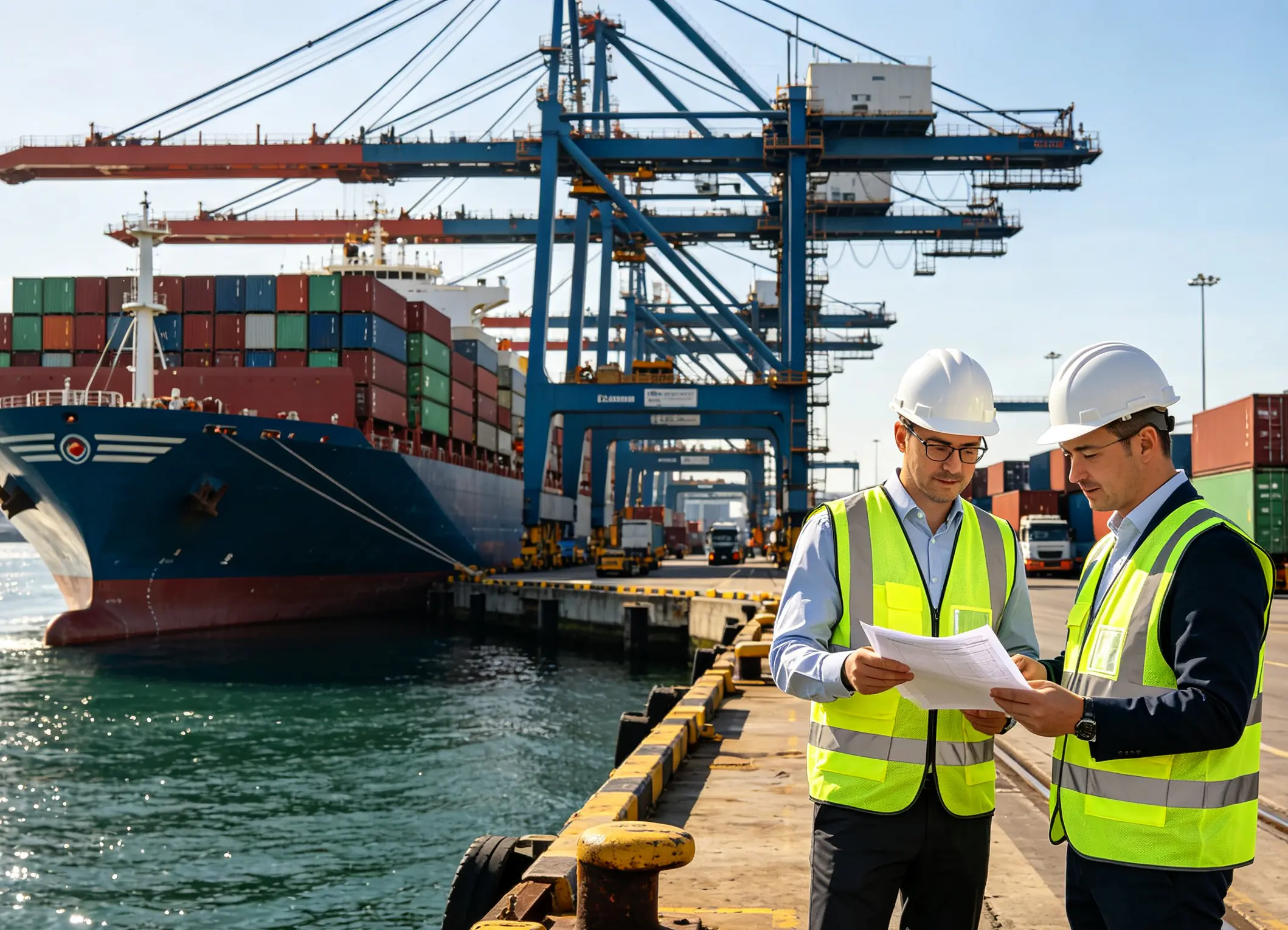
Customs delays can derail your entire supply chain. Recently, our compliance team pre-screened a client’s HS Code classifications and commercial invoices for a shipment to Bandar Abbas, preventing a potential 2-week hold due to missing certification documentation. According to the Islamic Republic of Iran Customs Administration (IRICA), strict compliance is mandatory. Customs Clearance in Iran can be rigorous, requiring specific licenses and flawless documentation.
Essential Paperwork
To avoid delays, ensure you have the following documents ready:
- Commercial Invoice & Packing List: Must accurately detail the goods, value, and packaging.
- Bill of Lading (B/L): The most critical document, serving as a receipt, contract of carriage, and document of title.
- Certificate of Origin: Proves where the goods were manufactured.
The PSI Requirement
For many products entering Iran, a Pre-Shipment Inspection (PSI) is mandatory. This process verifies that the goods shipped match the documents and comply with Iranian standards. Failing to arrange a PSI before the goods leave China can result in the cargo being rejected or held indefinitely at Iranian customs.
Local Expertise: The Role of a “Tarkhis Kar”
Given the complexities, utilizing a local customs broker, or “Tarkhis Kar,” is highly recommended. A skilled Tarkhis Kar understands the local regulations, knows how to navigate the bureaucracy, and can significantly expedite the clearance process.
Risk Management & Cargo Insurance
When shipping internationally, especially to regions with geopolitical sensitivities, protecting your investment is paramount.
Protecting Your Investment
Cargo Insurance is non-negotiable for the Middle East route. Whether you are managing Iranian imports or handling shipping from China to Saudi Arabia and shipping from China to Iraq, it protects you against financial loss due to damage, theft, or unforeseen events during transit. Given the potential risks, the small premium paid for insurance is a necessary investment for peace of mind.
Understanding Incoterms
Choosing the right Incoterms is vital for clarifying buyer and seller responsibilities.
- FOB (Free On Board): The seller is responsible for the goods until they are loaded onto the vessel in China. You, the buyer, handle the ocean freight and destination charges.
- CIF (Cost, Insurance, and Freight): The seller covers the cost of shipping and insurance to the destination port.
- EXW (Ex Works): You are responsible for the entire journey, from the seller’s factory in China to your door in Iran.
- DDP (Delivered Duty Paid): The forwarder handles everything, including Iranian import duties, delivering straight to your facility.
Door-to-Door Sea Shipping: The Stress-Free Solution
For importers looking to eliminate the headache of coordinating multiple carriers, customs brokers, and local handlers, door to door sea shipping China to Iran is the ultimate solution.
How It Works
Navigating multiple carriers and local handlers is a headache for importers. Our Door-to-Door (D2D) service eliminates this complexity. For instance, we recently coordinated factory pickup in Guangzhou, export clearance, ocean freight, and final truck delivery directly to a client’s warehouse in Tehran. Your Freight Forwarder handles the entire process:
- Factory pickup in China.
- Export customs clearance.
- Ocean freight booking and management.
- Import customs clearance in Iran.
- Final truck delivery directly to your warehouse.
Your Reliable Logistics Partner
At Efanda Logistics, headquartered in Shenzhen, we serve as a premier door to door-shipping agent from China to Middle East, providing end-to-end solutions tailored to your needs. We offer competitive and transparent pricing based on real market conditions—with absolutely no hidden fees. While ocean freight rates and transit times fluctuate, our dedicated logistics specialists are honest about risks, provide realistic buffer times, and offer real-time updates. For a tailored quote, contact our team today.
You may be interested in the following related articles:
- shipping from china to nigeria
- shipping from china to oman
- shipping from china to yemen
- shipping from china to qatar
- shipping from china to jordan
FAQs
What is the cheapest way to ship from China to Iran?
Sea freight is generally the most cost-effective method, particularly for large shipments. For volumes over 15 CBM, FCL offers the best value. For smaller shipments, LCL consolidation is the cheapest option.
Are there specific goods restricted from entering Iran?
Yes, Iran has strict import regulations and sanctions. Items like alcohol, certain electronics, and specific chemicals may be restricted or require special permits. Always consult with your freight forwarder before shipping.
How can I track my sea freight shipment to Bandar Abbas?
When you ship with a reliable forwarder like Efanda Logistics, you will receive a tracking number (often linked to your Bill of Lading) and regular updates from your dedicated logistics specialist.
Who pays for the customs duties in a door-to-door service?
This depends on the specific agreement. If the service is DDP (Delivered Duty Paid), the forwarder handles and pays all duties, passing the cost to you upfront. If it is DDU (Delivered Duty Unpaid), you are responsible for paying the duties upon arrival in Iran.