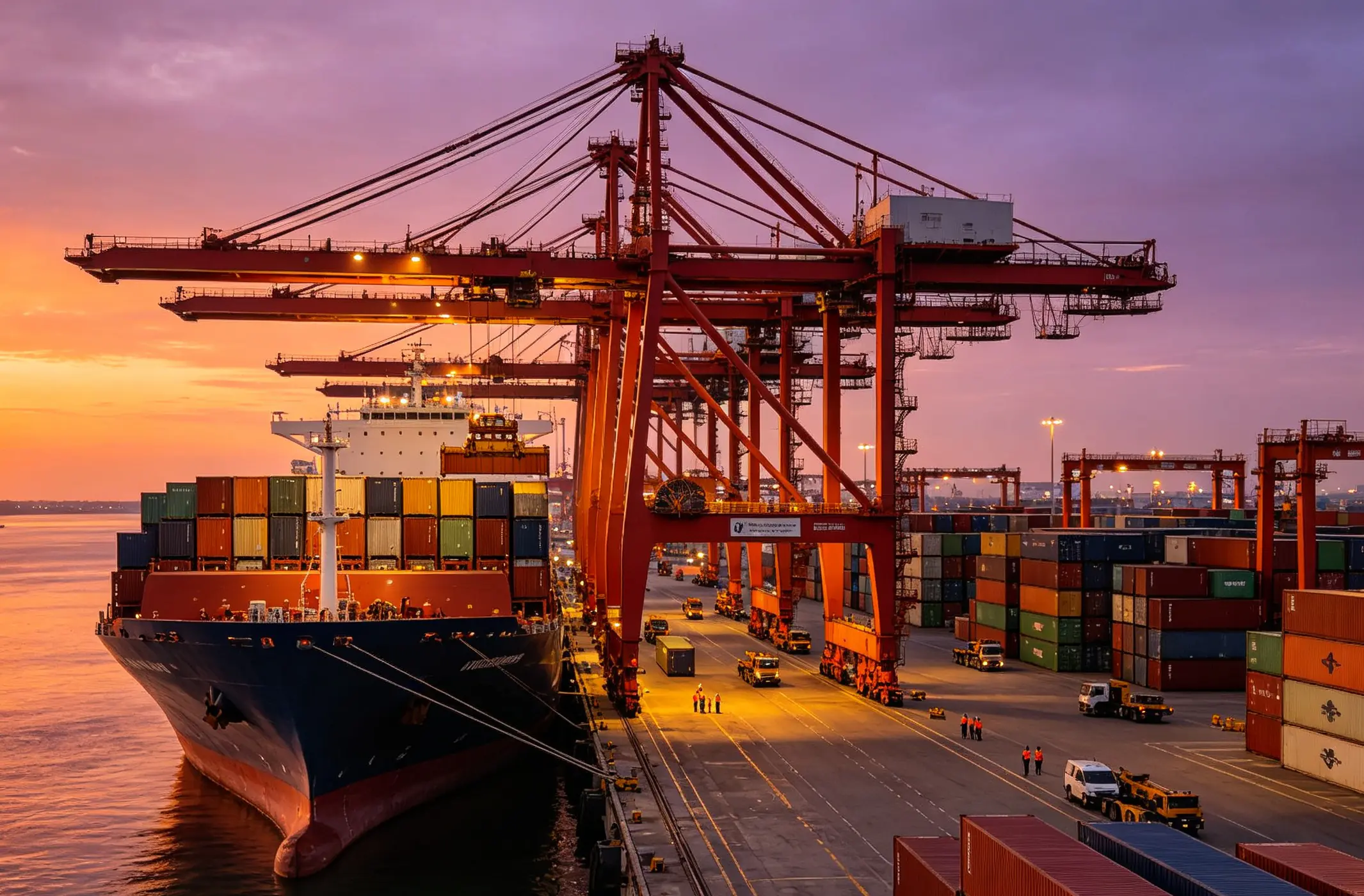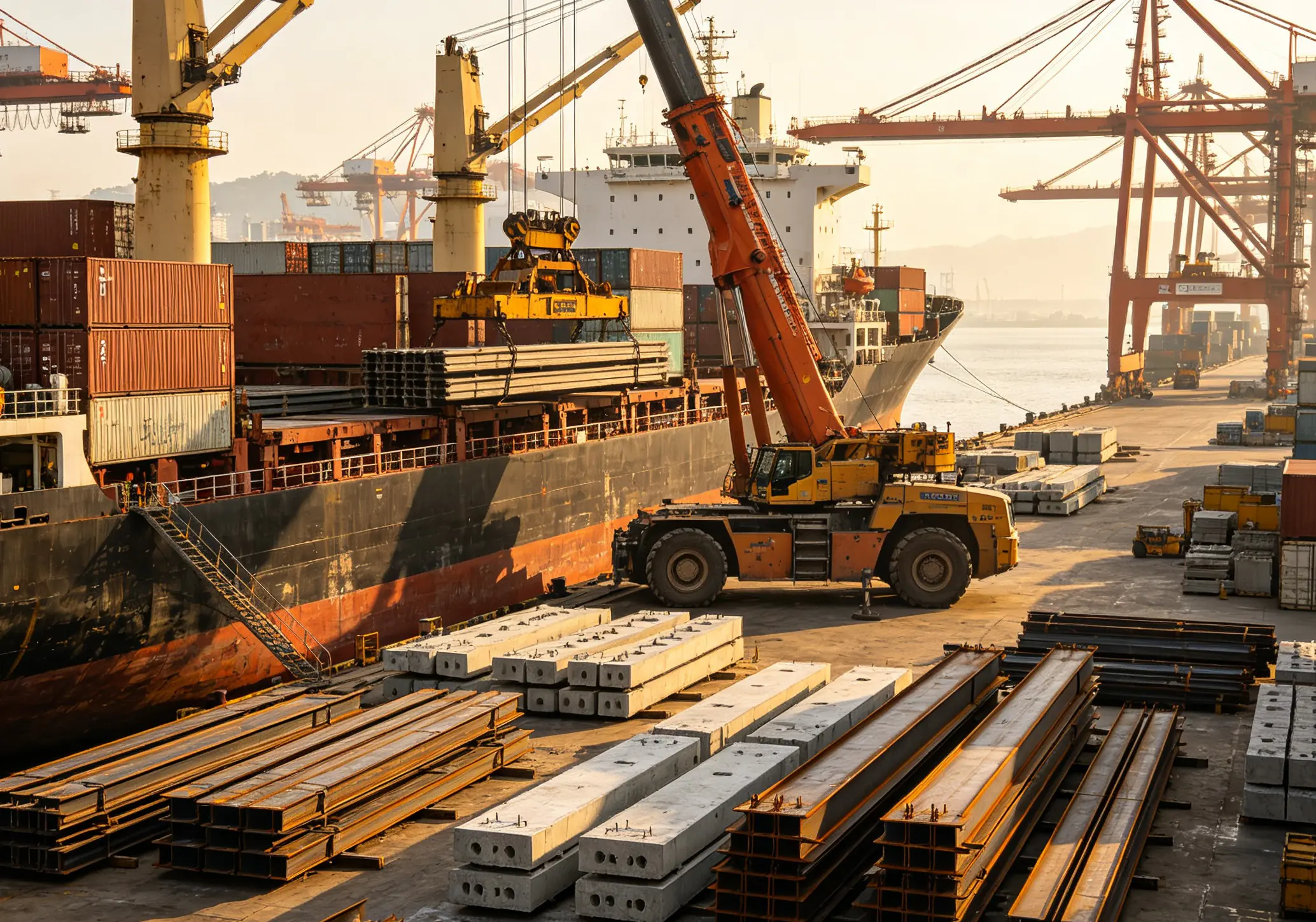
Do you really know what happens if your cargo insurance for China exports falls short when a container is damaged at sea? Every week, importers discover that carrier liability pays cents on the dollar, CIF terms often mean bare-minimum coverage, and one uninsured shipment can wipe out a quarter’s profit. In this guide — based on our experience coordinating cargo insurance for China exports since 2018 — you will learn how much cargo insurance costs for shipping from China, who is responsible under each Incoterm, what coverage levels make sense, how to file a claim, and how a Shenzhen-based freight forwarder can coordinate the entire door to door shipping process.
What Is Cargo Insurance for China Exports?
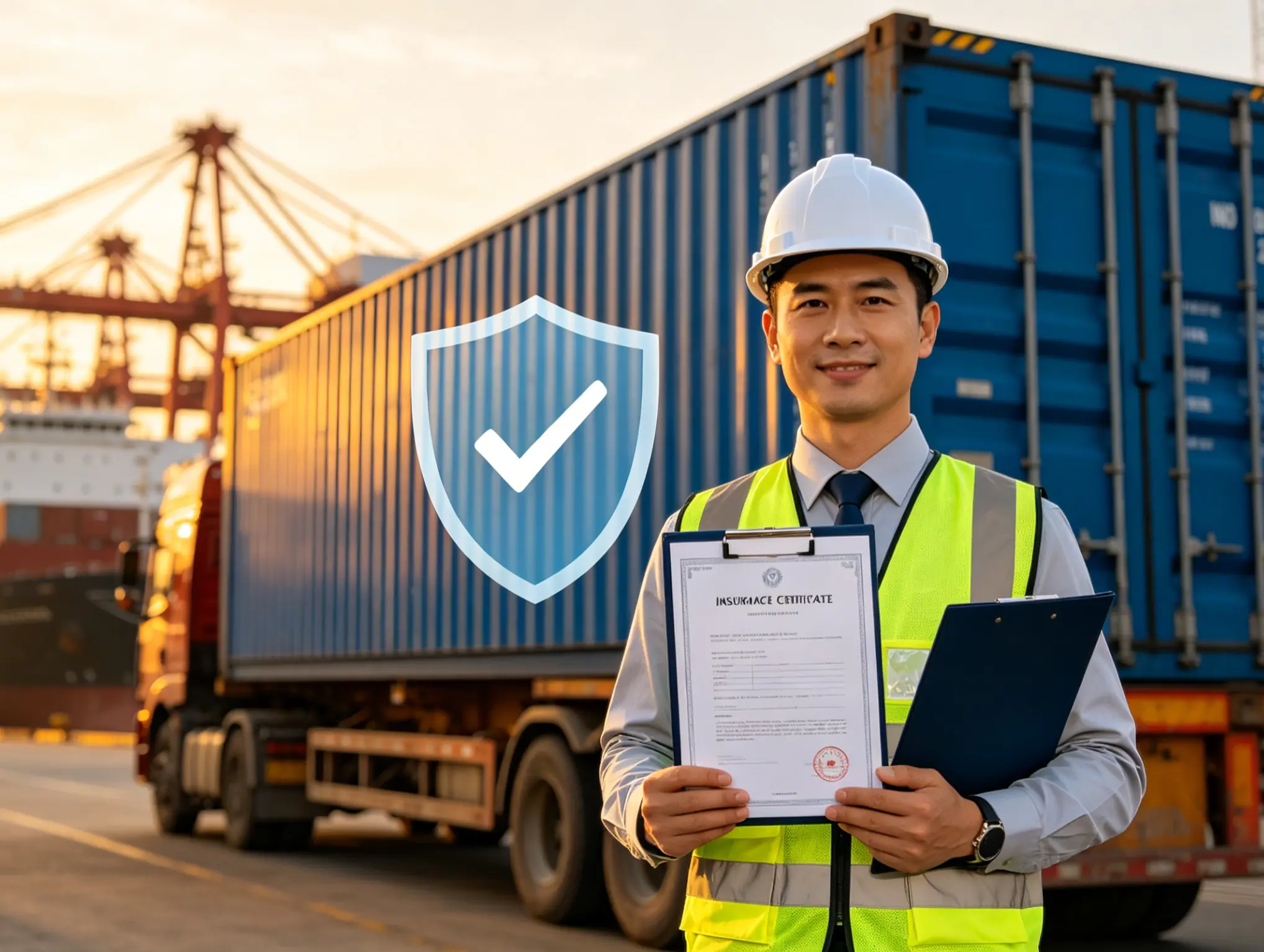
Cargo insurance for China exports is a property policy that reimburses the cargo owner for physical loss or damage to goods while they move from a Chinese supplier to an overseas destination. It is distinct from the limited liability that carriers offer under international conventions, and it covers risks that carriers routinely exclude.
When people say “cargo insurance,” they usually mean marine cargo insurance, which protects goods transported by sea or air across borders. For road or rail legs, the equivalent is inland transit insurance. A well-structured policy combines both into warehouse-to-warehouse coverage.
The most common sea freight framework is the Institute Cargo Clauses (ICC): ICC A (All Risks), ICC B (Named Perils), and ICC C (Limited). Your insurance policy is the contract; your insurance certificate is proof you present to banks or customs. Before any payout, you must prove an insurable interest — a financial stake in the safe arrival of the goods.
Why Do China Exporters and Importers Need Cargo Insurance?
You need cargo insurance because carrier liability is strictly limited and rarely covers the full replacement value of your goods. Under ocean carrier liability regimes, liability is usually capped at roughly 2 Special Drawing Rights (SDR) per kilogram — a tiny fraction of the invoice value for a container of consumer electronics.
Shipments from China also face long ocean legs, multiple transshipments, rough port handling, container moisture, theft in consolidation warehouses, and general average calls. A single typhoon season or route diversion can trigger damage claims that carriers will dispute.
| Factor | Carrier Liability | Cargo Insurance |
|---|---|---|
| Coverage basis | Carrier’s legal fault | Named perils or all risks, regardless of fault |
| Payout limit | Capped (e.g., ~2 SDR/kg) | Up to agreed insured value (commonly CIF + 10%) |
| Burden of proof | You must prove carrier negligence | You prove physical loss/damage occurred |
| Exclusions | Acts of God, inherent vice, poor packing | Broader, though exclusions still apply |
| Typical payout | Partial, slow | Full agreed value, faster (with proper docs) |
Without insurance, a damaged container can mean lost inventory, missed commitments, and cash-flow disruption. For most importers, the question is not whether cargo insurance for China exports is worth it, but whether they can afford to ship without it.
Types of Cargo Insurance Coverage for China Shipments
The three main coverage levels for sea freight from China are Institute Cargo Clauses A, B, and C, while air freight from China and inland moves use separate but similar policies. Choosing the wrong level is one of the fastest ways to leave money on the table — or to pay for protection you do not need.
Institute Cargo Clauses for Sea Freight
| Clause | What It Covers | Typical Use Case | Relative Cost |
|---|---|---|---|
| ICC A (All Risks) | All external loss or damage except listed exclusions (war, strikes, inherent vice, insufficient packing, etc.) | Electronics, high-value goods, fragile cargo | Highest |
| ICC B (Named Perils) | Fire, explosion, vessel grounding, stranding, collision, earthquake, tsunami, general average sacrifice | Bulk commodities, steel, building materials | Mid |
| ICC C (Limited) | Major casualties only: fire, explosion, grounding/stranding, collision, general average | Low-value, non-fragile bulk cargo | Lowest |
ICC A covers all external physical loss or damage unless the policy specifically excludes it. Buyers shipping consumer goods, machinery, or electronics from China should generally choose ICC A. Buyers of raw materials may find ICC B sufficient. ICC C is usually reserved for low-value cargo where premium savings outweigh narrower protection.

Air Cargo Insurance from China
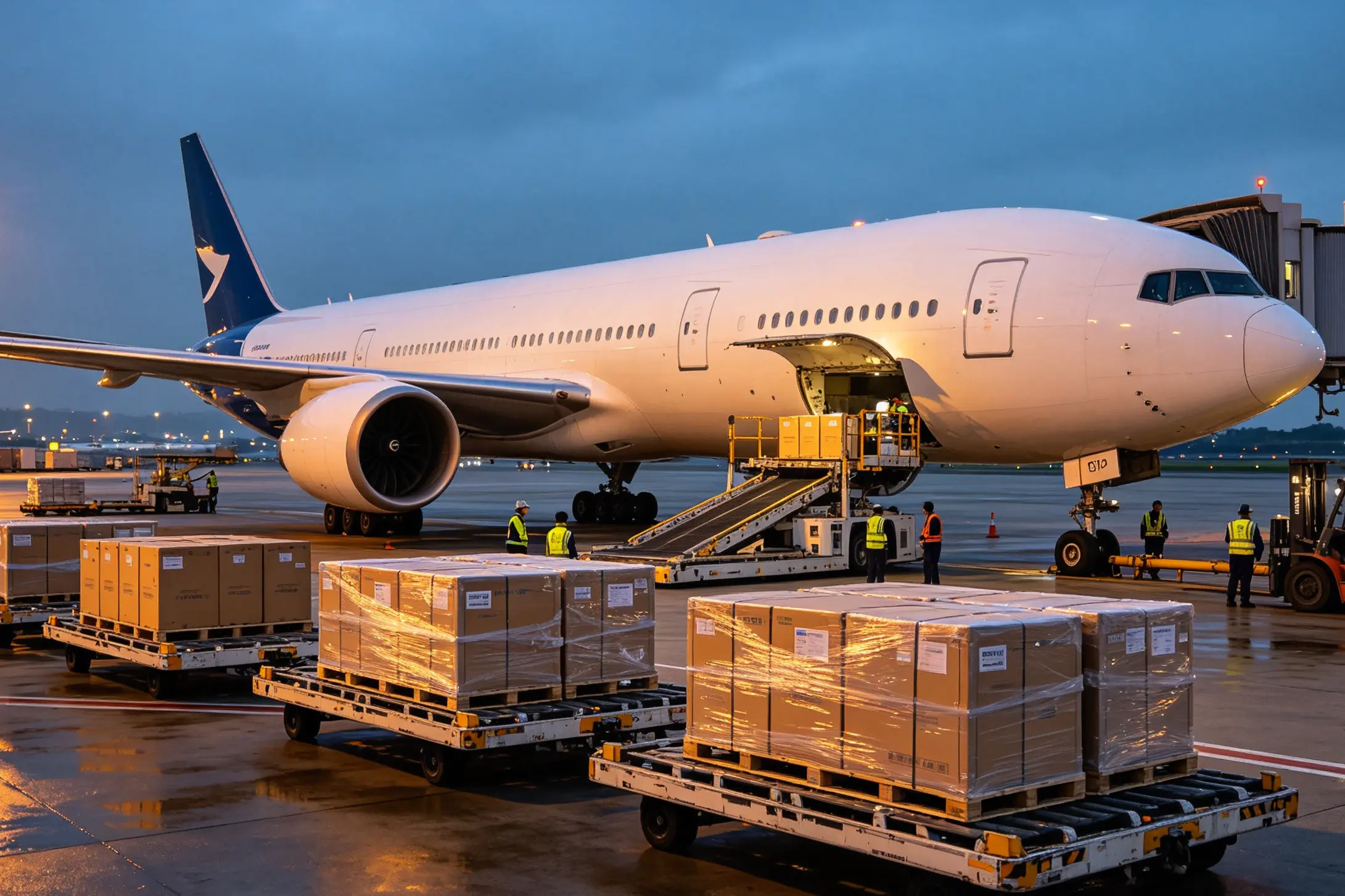
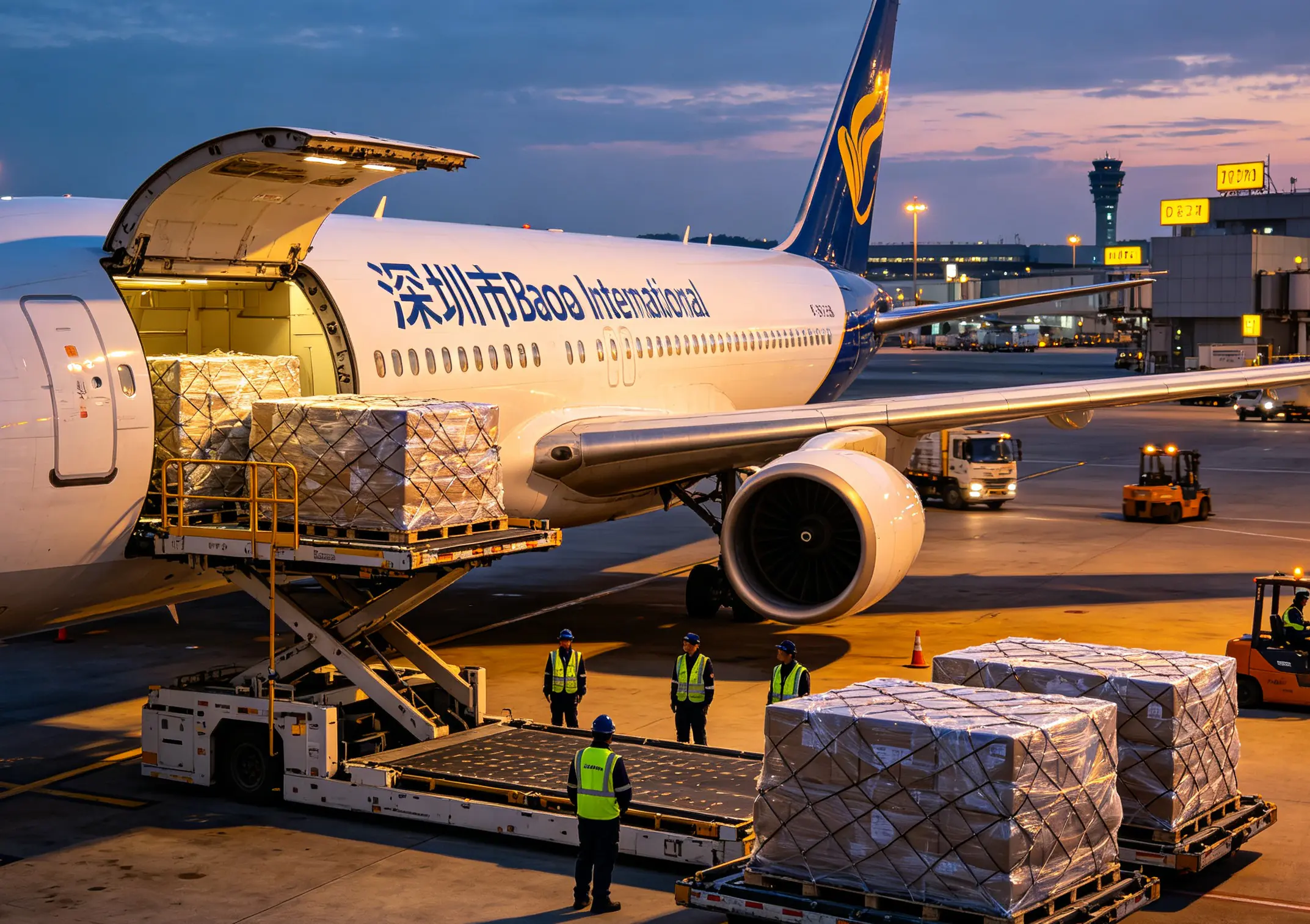
Sea freight vs air freight is a common sourcing decision, and air freight moves faster than ocean freight, but it is not risk-free. The Air Waybill (AWB) liability limits are even more restrictive than ocean carrier limits, often calculated by weight rather than value. Standalone air cargo insurance from China is essential for high-value electronics, time-sensitive goods, or fragile items. Premiums are typically slightly higher than ocean rates because the insured value is concentrated in a smaller weight and shorter transit window.
Special Endorsements
Standard policies exclude war, strikes, riots, and civil commotions (SRCC), so shippers on sensitive routes often add war-risk coverage. Other add-ons include warehouse-to-warehouse extension, refrigerated cargo cover, and high-value or fragile goods cover.
If you need cargo insurance for fragile goods from China, expect underwriters to ask for packing photos, crate specs, and sometimes a pre-shipment inspection.
Who Is Responsible for Cargo Insurance Under Each Incoterm?
Responsibility for arranging cargo insurance depends entirely on the Incoterms 2020 rule written into your sales contract. Understanding FOB vs CIF is usually the best starting point. Getting this wrong is a classic source of disputes when cargo arrives damaged.
| Incoterm | Who Arranges Main Carriage | Who Arranges / Pays Insurance | Typical Risk Transfer Point |
|---|---|---|---|
| EXW | Buyer | Buyer (if any) | Seller’s premises |
| FCA | Buyer | Buyer (if any) | Named place, handed to carrier |
| FOB | Buyer | Buyer (if any) | On board vessel at origin port |
| CFR / C&F | Seller | Buyer (if any) | On board vessel at origin port |
| CIF | Seller | Seller (minimum cover only) | On board vessel at origin port |
| CPT | Seller | Buyer (if any) | Handed to first carrier |
| CIP | Seller | Seller (better-than-minimum cover) | Handed to first carrier |
| DAP | Seller | Seller (usually) | Named destination place |
| DPU | Seller | Seller (usually) | Named destination terminal |
| DDP | Seller | Seller (usually, but confirm) | Buyer’s premises |
Under FOB shipping, the buyer bears risk once cargo is on board the vessel, so the buyer should arrange insurance from that point. Who is responsible for cargo insurance under FOB from China? You are, the buyer.
Under CIF, the seller must arrange marine insurance, but only to minimum ICC C level and only up to the destination port. Does CIF include insurance from China? Yes, but it is usually bare-bones coverage. Many importers buy a top-up policy or arrange their own all-risk cover from the start.
For deliveries where the seller handles everything to the destination, understanding DDP vs DAP Incoterms helps you confirm who holds the insurance obligation.
Actionable tip: Always request a copy of the seller’s insurance certificate before the vessel sails, and verify the coverage level, deductible, and named insured.
How Much Does Cargo Insurance Cost for Shipping from China?
Most cargo insurance premiums for shipments from China range from 0.1% to 1.0% of the insured value, depending on cargo type, route risk, coverage level, and transport mode. A $100,000 shipment often costs $100–$1,000 to insure — a fraction of the potential loss.
The standard calculation is simple:
Insurance Premium = Insured Value × Insurance Rate
The insured value is usually set at CIF + 10%. CIF stands for Cost, Insurance, and Freight. The extra 10% covers incidental costs such as unloading, duties, and a small buffer. Some buyers negotiate CIF + 20%, but underwriters may require prior agreement.
| Cargo Type / Risk Tier | Typical Premium Rate | Example: $100,000 Shipment |
|---|---|---|
| General cargo / apparel | 0.10% – 0.25% | $100 – $250 |
| Electronics / consumer goods | 0.20% – 0.40% | $200 – $400 |
| Fragile goods / glass / machinery | 0.35% – 0.60% | $350 – $600 |
| Hazardous / chemicals / lithium batteries | 0.50% – 1.00%+ | $500 – $1,000+ |
| Perishables / refrigerated | 0.30% – 0.60% | $300 – $600 |
Worked examples:
- A $50,000 shipment of general cargo insured at 0.15% costs $75.
- A $250,000 shipment of electronics insured at 0.35% costs $875.
Other factors that move the rate include the deductible, the insurer’s minimum premium, route risk, mode of transport, claims history, and packaging. Rates fluctuate with market conditions, so the figures above are indicative for mid-2026 and should be confirmed with a formal quote.
How to Buy Cargo Insurance for China Shipments
You can buy cargo insurance services for a China shipment through your freight forwarder, an insurance broker, or directly from an international insurer. Each channel has different trade-offs for cost, convenience, and claims support.
Channel Comparison
| Channel | Best For | Key Advantage | Key Limitation |
|---|---|---|---|
| Freight forwarder | Regular importers, FBA sellers, door-to-door shipments | Single point of contact; bundled docs; local surveyor coordination | May not be the absolute cheapest for simple cargo |
| Insurance broker | High-value, complex, or project cargo | Wide market access; custom wording; competitive rates | You manage more of the process yourself |
| Direct insurer / online platform | Simple, repetitive shipments | Often lower cost; instant quotes | Buyer handles claims documentation and surveyor appointments |
In our experience, a Shenzhen-based freight forwarder is often the most practical choice because the forwarder can align the insurance certificate with the bill of lading, packing list, and commercial invoice before cargo leaves the factory. If damage happens at origin, the forwarder’s local surveyor network can inspect cargo quickly, protecting your claim timeline.
Provider Scorecard
When comparing China export cargo insurance companies or channels, look at financial strength ratings (A.M. Best or S&P), claims settlement track record in China and your destination, multi-modal capability, local surveyor network, and policy wording clarity — especially exclusions, deductible, and valuation clause.
Actionable tip: Always obtain the insurance certificate before the vessel or aircraft departs. Retroactive cover is sometimes possible, but it is more expensive and often excludes losses you already know about.
How to File a Cargo Insurance Claim for Damaged Goods from China
To file a cargo insurance claim for goods shipped from China, you must notify the insurer immediately, preserve the cargo and packaging, gather the required documents, and submit a formal claim with a survey report within the policy time limit.
Step-by-Step Claim Process
- Notify the insurer or forwarder within 24–48 hours of discovering damage or shortage.
- Take photos and videos of the damage and keep original packaging intact.
- Obtain a damage or shortage report from the carrier, port, or warehouse.
- Appoint a licensed surveyor to inspect the goods.
- Submit the claim form with all supporting documents.
- Cooperate with the adjuster and provide follow-up evidence as requested.
Required Documents Checklist
- Original insurance certificate or policy
- Bill of Lading (B/L) or Air Waybill (AWB)
- Commercial invoice and packing list
- Cargo damage or shortage report
- Survey report
- Repair quotation or replacement invoice
- Correspondence with the carrier about liability
Most policies require notification within 7 to 14 days of delivery or discovery, though all-risk policies often demand “immediate” notice. The most common pitfalls we see include disposing of damaged cargo before the survey, underinsuring the shipment, or describing the cargo inconsistently across documents.
Common Mistakes and Misconceptions About Cargo Insurance
The most expensive cargo insurance mistake is assuming someone else has already covered your risk. Here are the five errors we see most often from importers shipping out of China.
- Relying on CIF minimum cover. A CIF seller only needs ICC C-level insurance, leaving you exposed to moisture damage and partial losses.
- Confusing carrier liability with cargo insurance. Carrier liability is narrow, capped, and hard to prove. Cargo insurance is broad, agreed-value, and pays regardless of fault.
- Underinsuring cargo. Using invoice value only forgets freight, duties, and incidental costs. Insure at CIF + 10% as a baseline.
- Buying insurance too late. Once cargo is damaged or already in transit under known risk, most insurers will exclude the loss.
- Poor packaging. Insurers can deny claims for damage caused by insufficient or improper packing.
Some buyers believe cargo insurance is too expensive. In reality, for most general cargo the premium is less than the cost of a single lost pallet. The real question is whether you can absorb a total loss.
Actionable tips:
- Insure every shipment from the factory gate, not just the port-to-port segment.
- Align the commercial invoice, packing list, and insurance declaration descriptions exactly.
- Photograph cargo condition before export and again upon arrival.
Cargo Insurance for Amazon FBA and E-Commerce Shipments from China
Amazon FBA sellers shipping from China need cargo insurance covering the full journey from supplier factory to Amazon fulfillment center, because Amazon does not reimburse inbound freight losses. If your carton is crushed, pallet is rejected for labeling errors, or a consolidation is short-delivered, Amazon will not make you whole.
The risks differ from B2B container shipments: per-shipment values are lower but frequency is higher, packaging and labeling requirements are stricter, and FCL vs LCL shipping choices affect theft and mixing risks. The final destination is a named Amazon warehouse, so the policy must explicitly cover delivery there.
We recommend all-risk warehouse-to-warehouse coverage with the Amazon FBA warehouse named as the destination. For high-value electronics or fragile goods, consider ICC A with a low deductible. A Shenzhen-based freight forwarder specializing in FBA logistics can bundle insurance with pickup, inspection, labeling, and customs clearance, reducing documentation mismatches that kill claims.
China-Specific Considerations in 2026
In 2026, shippers from China should pay attention to the revised Maritime Law, the role of SINOSURE for export credit insurance, and strict local documentation requirements for certain high-risk commodities.
China’s revised Maritime Law clarifies rules on open policies and declaration duties. Intentional non-declaration lets the insurer keep the premium and avoid liability; non-intentional failures usually allow supplementary declarations. Insurers must exercise termination rights within 30 days.
SINOSURE is state-backed export credit and political-risk insurance, not commercial cargo insurance. Overseas importers still need a separate marine cargo policy.
Local underwriters such as PICC are common partners for Shenzhen freight forwarders and can offer competitive rates for single shipment cargo insurance in China. Documentation alignment is critical: your commercial invoice, packing list, HS Code, and insurance declaration must match exactly. Mismatches are a leading cause of claim delays.
High-risk commodities — lithium batteries, chemicals, hazardous goods, and perishables — usually require special declarations, correct UN numbers, and sometimes pre-shipment inspections. Never assume a standard all-risk policy automatically covers these goods.
FAQ
What does cargo insurance for China exports cover?
It covers physical loss or damage during international transit from China, including theft, collision, weather damage, fire, general average contributions, and rough handling, depending on the policy level.
Is cargo insurance mandatory for exports from China?
No, commercial cargo insurance is not legally mandatory for most exports. However, letters of credit, sales contracts, or buyer requirements may make it compulsory.
How much does cargo insurance cost for shipping from China?
Most premiums range from 0.1% to 1.0% of insured value. A $100,000 general cargo shipment might cost $100–$250; hazardous or fragile goods can reach $500–$1,000+.
Who is responsible for cargo insurance under FOB from China?
The buyer. Risk transfers once cargo is on board the vessel, so the buyer should arrange insurance from factory or warehouse to destination.
Does CIF include insurance from China?
Yes, but only minimum cover, typically ICC C, up to the destination port. Buyers often need additional all-risk coverage.
Can I buy cargo insurance after my goods have shipped from China?
Sometimes, but it is risky and often more expensive. Most insurers exclude known losses and may require evidence the cargo was sound when cover began.
What documents do I need to file a cargo insurance claim?
You typically need the insurance certificate or policy, bill of lading or air waybill, commercial invoice, packing list, damage or shortage report, survey report, and repair or replacement quotations.
Does cargo insurance cover theft or general average?
Theft is covered under ICC A and many ICC B policies, subject to exclusions. General average contributions are usually covered under ICC A and ICC B.
Should Amazon FBA sellers buy cargo insurance?
Yes. Amazon does not cover inbound freight losses, so FBA sellers shipping from China should buy warehouse-to-warehouse all-risk coverage to the named fulfillment center.
How do I choose a cargo insurance provider for China shipments?
Look for financial strength, claims experience in China and your destination, multi-modal capability, a local surveyor network, and clear policy wording. A Shenzhen-based freight forwarder can coordinate this.
Conclusion
Cargo insurance for China exports is a small, predictable cost that protects against large, unpredictable losses across long supply chains. Match the coverage level to your cargo type, understand who owns the insurance obligation under your Incoterm, set the insured value at CIF + 10% or higher, and file claims promptly with complete documentation.
If you are looking for a partner that can coordinate every step — from factory pickup and warehousing consolidation to export customs clearance, ocean or air freight, destination customs, final-mile delivery, and cargo insurance — Efanda Logistics can help. Founded in 2018 and headquartered in Shenzhen, we provide end-to-end solutions, transparent pricing, time-efficient routing, and a dedicated logistics specialist for every shipment. Contact us today for a tailored cargo insurance quote.
Last updated: June 30, 2026. The premium ranges and regulatory references in this guide reflect market conditions and publicly available information as of the publication date. Insurance rates, Incoterms interpretations, and local rules change over time, so confirm all coverage terms, exclusions, and costs with your insurer or freight forwarder before shipment.
Efanda Logistics is a Shenzhen-based freight forwarder with hands-on experience coordinating sea freight, air freight, Amazon FBA logistics, and cargo insurance for importers worldwide. This article is written for general information only and does not constitute legal, tax, or insurance advice.