Sourcing products from China for the Southeast Asian market is highly profitable, but unpredictable logistics costs, hidden destination fees, and complex customs delays can quickly eat into your margins. When navigating the complexities of ASEAN trade, finding reliable Door to Door shipping from China to Southeast Asia is the critical factor that separates successful importers from those constantly battling supply chain headaches.
Many importers and Amazon FBA sellers struggle with coordinating multiple carriers and navigating the vastly different customs regulations across ASEAN countries—from Indonesia’s strict red channels to Singapore’s GST requirements. In this comprehensive guide, we will break down the cheapest shipping methods, exact transit times, country-specific customs insights, and how to use the Form E certificate to slash your import duties.
1. What is Door to Door Shipping from China to Southeast Asia?

Door to door shipping is an end-to-end logistics solution where a Freight Forwarder manages the entire transportation process. The journey begins with the cargo pickup from your supplier’s factory in China and ends with the final delivery to your destination warehouse, business address, or Amazon fulfillment center in Southeast Asia. This service encompasses Warehouse Consolidation, export Customs Clearance, international freight, import duties processing, and Last-mile Delivery.
DDP vs. DDU: Why DDP is the Preferred Choice
When discussing door to door shipping, you will often encounter two critical Incoterms: DDP (Delivered Duty Paid) and DDU (Delivered Duty Unpaid).
For most B2B importers and e-commerce sellers, DDP shipping from China to Southeast Asia is the superior choice. Under DDP terms, the freight forwarder handles all Import Duties and Taxes and customs clearance procedures. You pay a single, all-inclusive price upfront, ensuring there are zero hidden costs or surprise invoices when the cargo arrives at your destination. This predictability is essential for accurate product pricing and margin protection.
Our Industry Insights: The Value of DDP
“Navigating multiple carriers and local handlers is a headache for importers. Our door-to-door DDP service eliminated this complexity for a Malaysian client, coordinating factory pickup in Guangzhou, export clearance, ocean freight, and final truck delivery directly to their warehouse in Kuala Lumpur. By consolidating the process under one reliable logistics partner, they reduced their overall logistics spend by 12% and completely eliminated customs hold-ups.”
2. Top Transport Modes: Air, Sea, and Cross-Border Trucking
Choosing the right transport mode often comes down to comparing sea freight vs air freight and finding a balancing act between speed and budget. Here are the three primary methods for moving your cargo from China to ASEAN countries.
Air Freight Door to Door
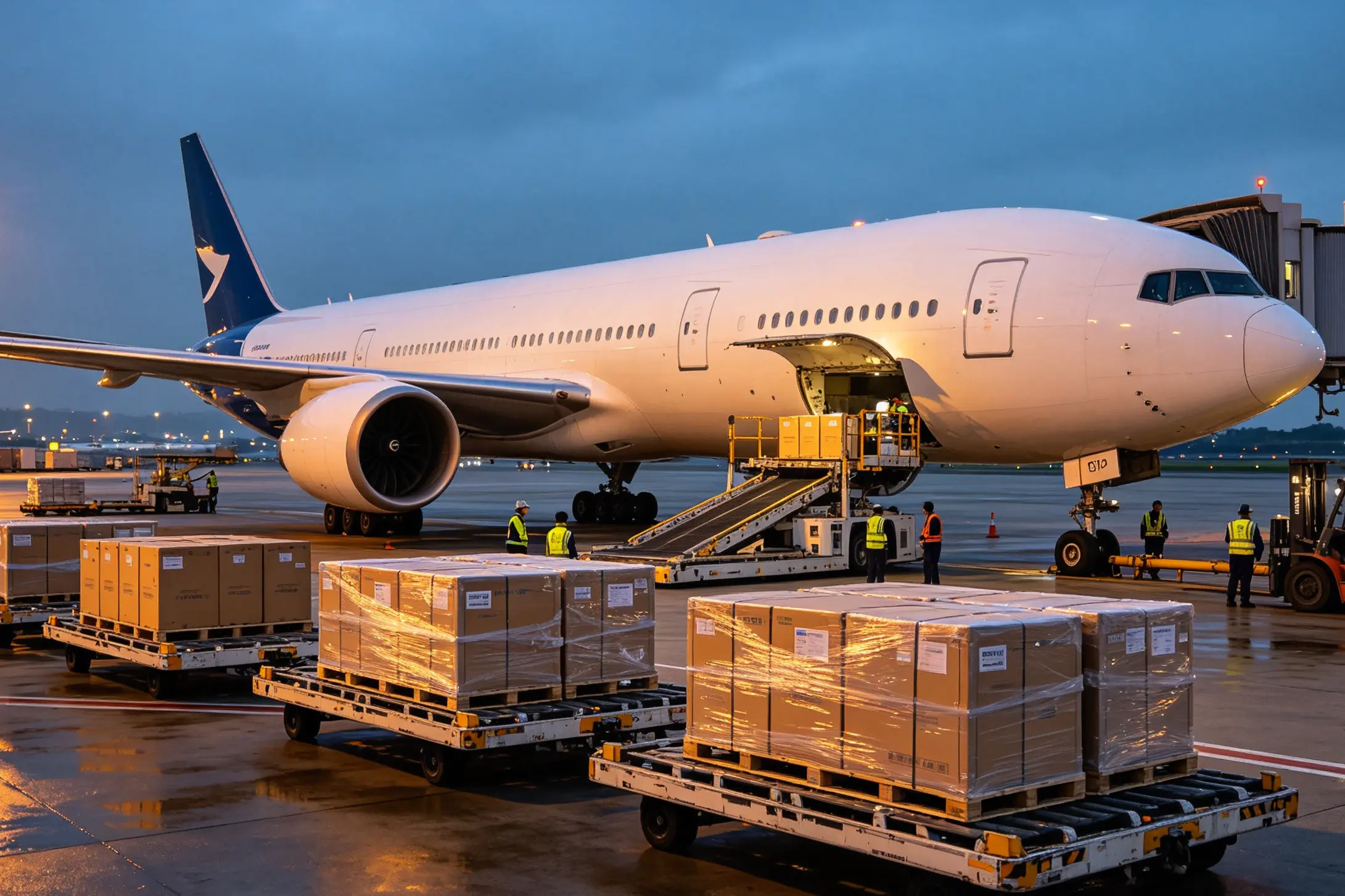
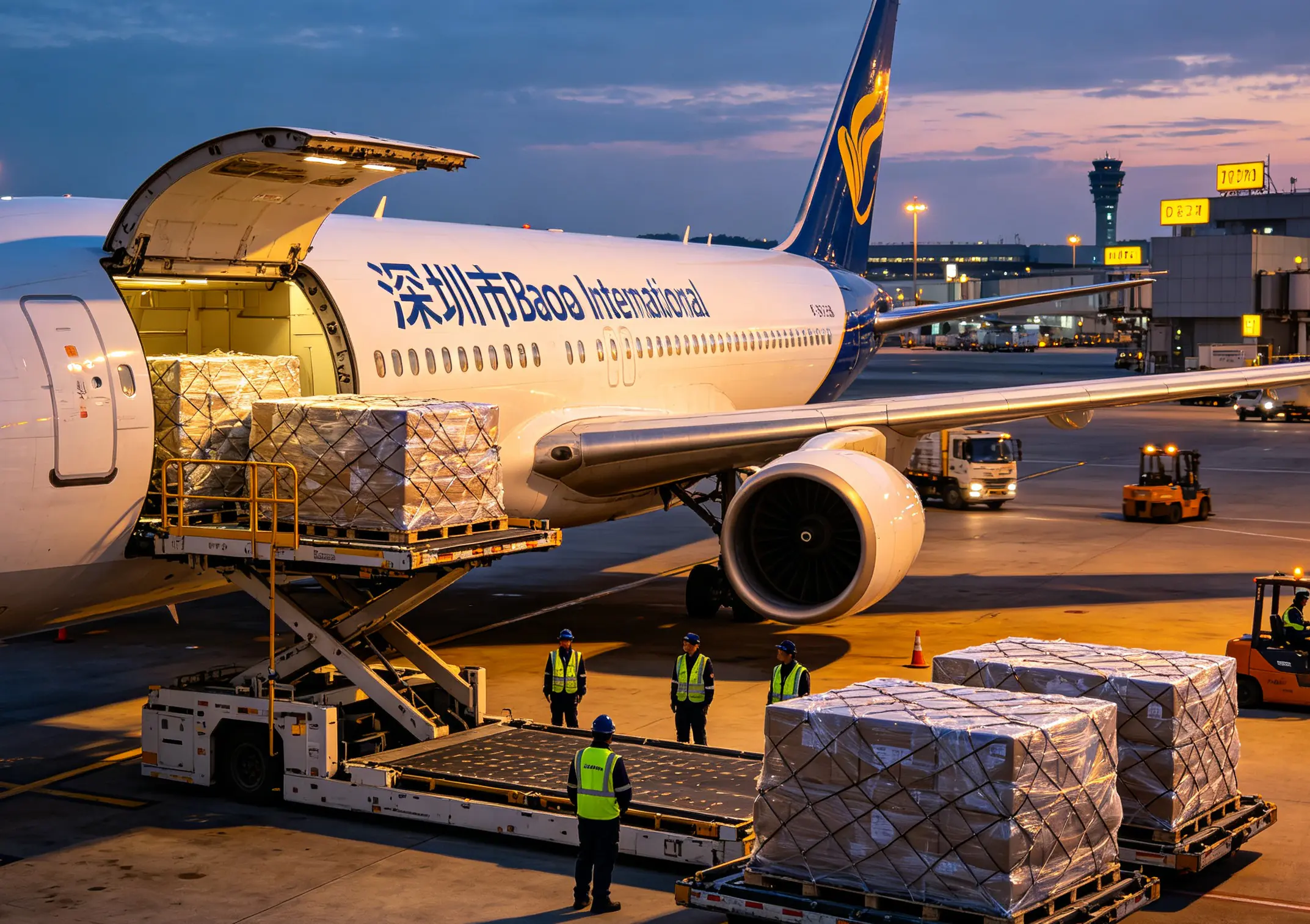
When utilizing air freight from China, the door to door service to Southeast Asia is the fastest available option. It is ideal for urgent shipments, high-value electronics, seasonal fashion items, or critical spare parts. While it carries a premium price tag, the rapid transit time ensures your supply chain remains uninterrupted during peak demand periods.
Sea Freight Door to Door
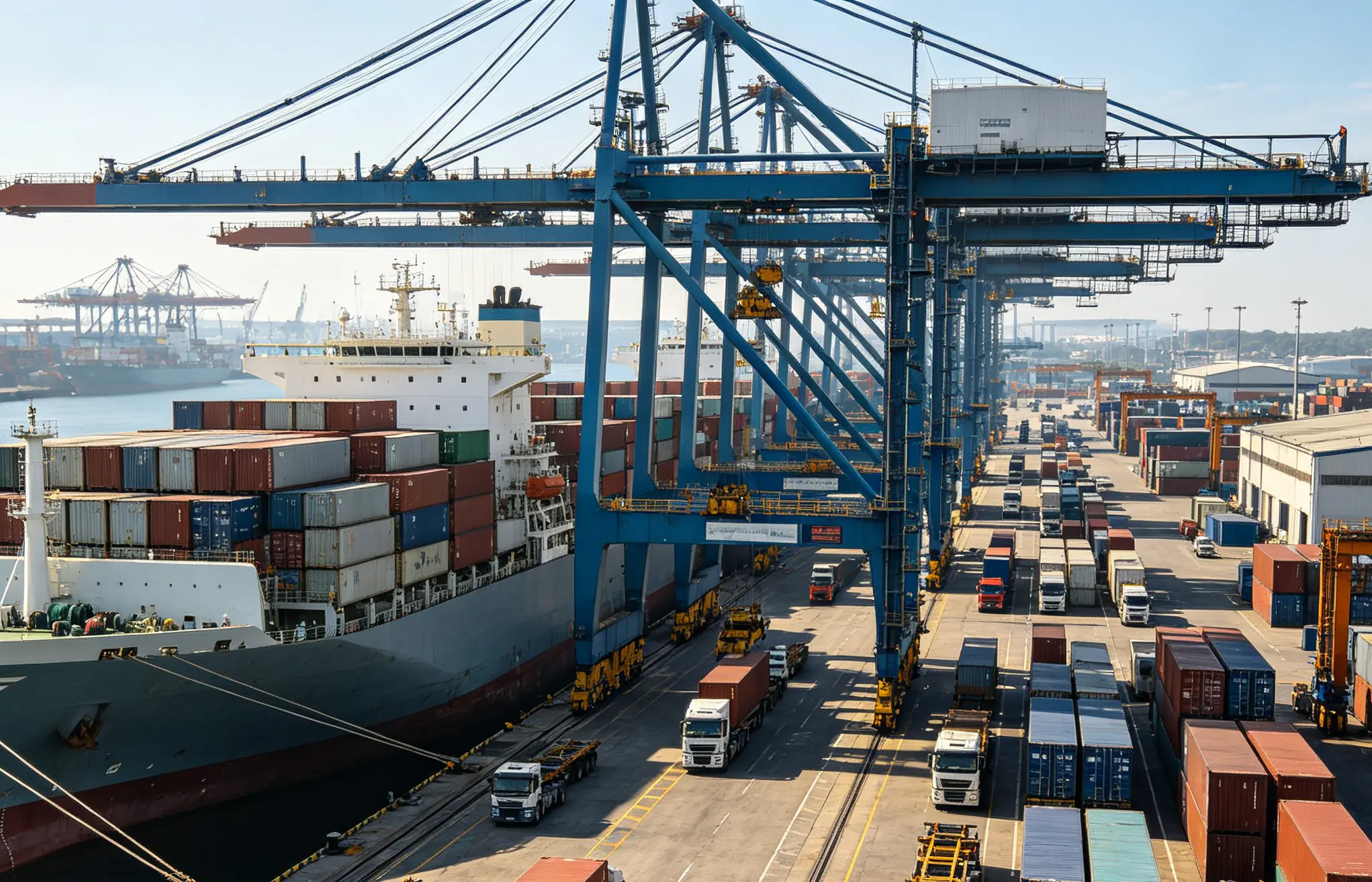
For the vast majority of importers, sea freight from China arranged on a door to door basis to Southeast Asia is the workhorse of their supply chain. It offers the most cost-effective solution for bulk cargo and large volume orders.
- FCL (Full Container Load): Best for large shipments where you rent the entire container. It offers better security and faster processing times since the container is sealed at the factory and opened at your warehouse.
- LCL (Less than Container Load): Ideal for smaller shipments (typically between 1 to 15 CBM) where you share container space with other importers. It allows you to leverage the low cost of sea freight without needing to purchase enough inventory to fill an entire container. Understanding the nuances of fcl vs lcl shipping is essential to optimize your sea freight budget.
Cross-Border Trucking (The Hidden Gem)
Often overlooked by novice importers, cross-border trucking is a highly efficient door to door shipping method from Southern China (Shenzhen, Guangzhou, Guangxi) to Mainland Southeast Asia (Vietnam, Thailand, Laos, Cambodia, and Myanmar). It bridges the gap between air and sea freight—it is significantly faster than sea freight and much cheaper than air freight. For destinations like Hanoi or Bangkok, cross-border trucking can deliver goods in just a few days with seamless border clearance.
3. Shipping Time & Cost from China to Southeast Asia
Understanding the shipping time from China to Southeast Asia door to door and the associated costs is vital for inventory planning. Below is a comparative overview of the different transport modes.
| Transport Mode | Estimated Transit Time | Cost Level | Best Suited For |
|---|---|---|---|
| Air Freight | 1 – 5 Days | High | Urgent, high-value, or lightweight goods. |
| Cross-Border Trucking | 3 – 8 Days | Medium | Medium volume shipments to Mainland ASEAN (e.g., Vietnam, Thailand). |
| Sea Freight (FCL) | 10 – 20 Days | Low | Large bulk orders and heavy machinery. |
| Sea Freight (LCL) | 12 – 25 Days | Lowest | Small to medium shipments requiring cost efficiency. |
Note: Transit times include pickup, customs clearance at both ends, and final delivery. Costs fluctuate based on real-time market conditions.
Key Cost Factors
Your final shipping quote will be influenced by several variables:
- Cargo Weight and Volume: Carriers charge based on actual weight or volumetric weight, whichever is higher.
- Seasonal Demand: Rates peak before major holidays like Chinese New Year and Christmas.
- Destination Nuances: Inland deliveries far from major ports will incur higher last-mile delivery fees.
- Fuel Surcharges: Fluctuating global oil prices directly impact freight rates.
4. Country-Specific Customs Clearance Insights (Top 6 ASEAN Markets)
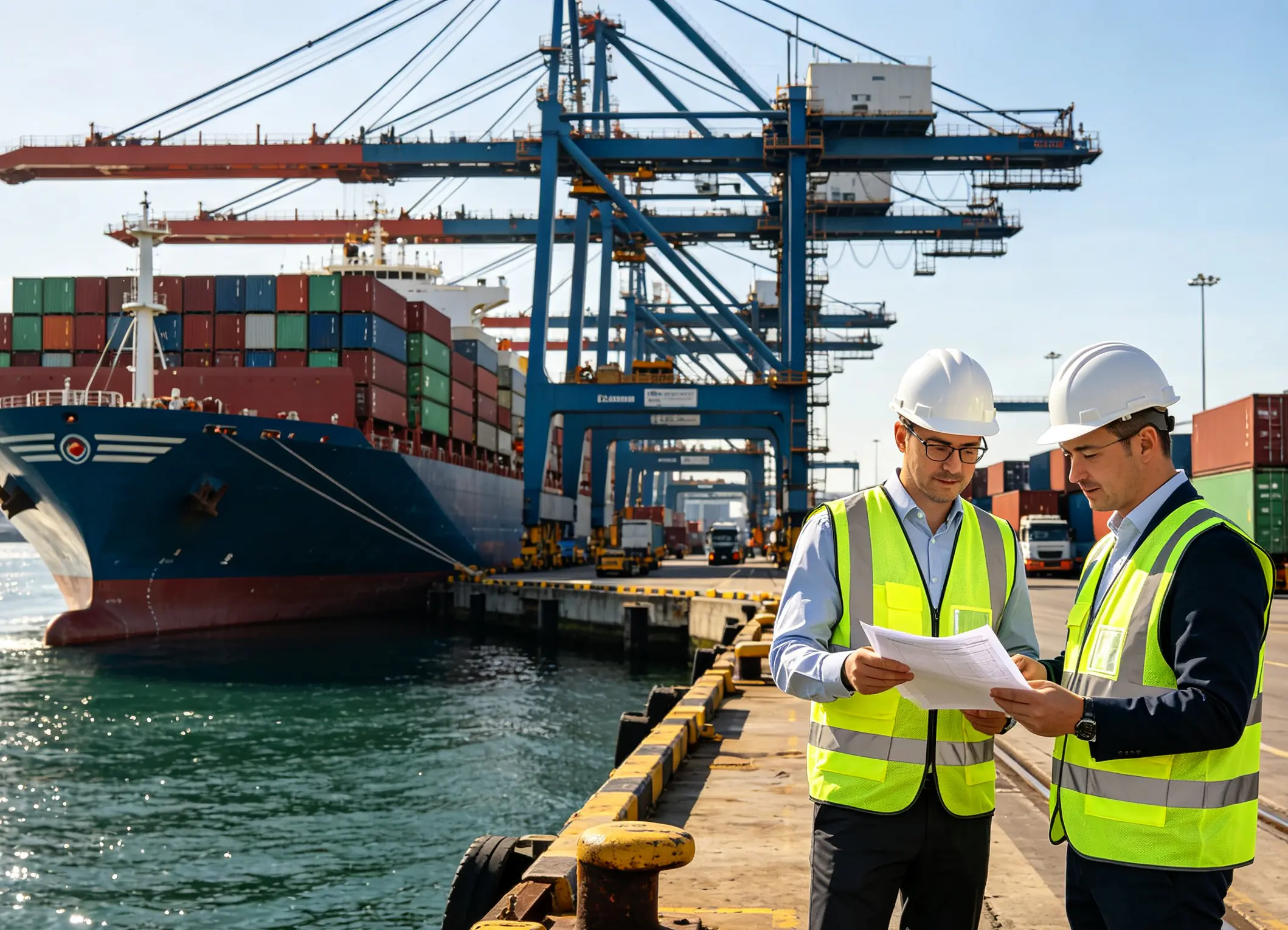
Southeast Asia is not a monolith. Each country has its own distinct customs regulations and bureaucratic hurdles. Partnering with a Freight Forwarder Shenzhen that understands these local nuances is critical to preventing costly delays.
Singapore
For shipping from China to Singapore, the country boasts one of the most efficient customs systems globally. However, importers must account for the 9% Goods and Services Tax (GST) applied to all imported goods intended for domestic consumption. Proper documentation ensures clearance is usually completed within 24 hours.
Indonesia
When arranging shipping from China to Indonesia, it is notoriously complex for importers. The customs system uses a Red/Yellow/Green channel risk assessment. New importers or those with incomplete documentation frequently face the Red Channel, which mandates physical inspections and can delay shipments by weeks. Furthermore, certain products (like electronics and toys) require SNI (Indonesian National Standard) certification before import.
Malaysia & Thailand
Both countries offer relatively straightforward customs procedures, especially for goods arriving via cross-border trucking from China. In Thailand, ensuring your Commercial Invoice & Packing List precisely match the physical cargo is crucial to avoid penalty fees.
Vietnam & Philippines
Vietnam is a major manufacturing hub, and importing raw materials often benefits from specific tax exemptions. In the Philippines, the distinction between B2B commercial imports and B2C e-commerce parcels dictates the clearance process, with formal entries required for high-value shipments.
Real-Life Scenario: Preventing Customs Delays
“Customs delays can derail your entire supply chain. Recently, our compliance team pre-screened a client’s HS codes and commercial invoices for a shipment of smart home devices to Indonesia. We identified a missing SNI certification requirement prior to departure, preventing a potential 3-week hold and hefty storage fees at the destination port.”
5. How to Save Money with the Form E Certificate
One of the most powerful tools for reducing costs when importing from China to ASEAN countries is the Form E certificate.
Under the ASEAN-China Free Trade Area (ACFTA) agreement, goods manufactured in China and exported to Southeast Asian member states can qualify for significant tariff reductions, and in many cases, complete duty exemptions.
To benefit from this, your supplier or freight forwarder must apply for the Form E certificate of origin from the Chinese authorities before the shipment arrives at the destination port. Utilizing the Form E effectively transforms the economics of your supply chain, making the cheapest door to door shipping from China to Southeast Asia even more affordable by drastically lowering your landed costs.
6. How to Avoid Hidden Fees in LCL Shipping
A common pitfall for new importers is falling victim to the “low upfront freight, high destination fee” trap, particularly in LCL shipping.
Some unscrupulous forwarders will quote an incredibly low sea freight rate to win your business. However, once your cargo arrives at the destination port in Southeast Asia, they hit you with exorbitant Demurrage & Detention (D&D) charges, warehouse unpacking fees, and inflated local handling costs.
How to Protect Yourself
- Demand Transparent Pricing: Always ask for a comprehensive breakdown of all destination charges before booking.
- Opt for DDP Terms: By choosing a DDP door to door service, all costs are locked in upfront. The freight forwarder assumes the risk of port delays and handling fees, providing you with true transparent pricing.
- Check the Fine Print: Ensure your quote includes Customs Clearance fees and Last-mile Delivery to your exact address.
7. Why Choose Efanda Logistics as Your Reliable Partner?
When you need an Amazon FBA door to door from China to Southeast Asia solution or a robust B2B logistics strategy, Efanda Logistics is your trusted partner.
Headquartered in Shenzhen—the epicenter of China’s export manufacturing and the closest major logistics hub to Southeast Asia—we offer unparalleled access to rapid shipping routes and extensive cross-border trucking networks.
Our core capabilities include:
- End-to-End Solutions: From factory pickup and warehouse consolidation to destination clearance and final delivery.
- Transparent Pricing: We provide competitive quotes based on real market conditions, with absolutely no hidden destination fees.
- Dedicated Support: Every client is assigned a dedicated logistics specialist who provides real-time tracking updates and proactive problem-solving.
- Risk Management: We offer comprehensive cargo insurance services and expert HS code classification to ensure your goods arrive safely and legally.
Whether you need rapid air freight, cost-effective sea freight, or agile cross-border trucking, we tailor our services to meet your specific timeline and budget.
8. FAQ
How long does shipping time from China to Southeast Asia door to door take?
Transit times vary by method. Air freight takes 1-5 days, cross-border trucking takes 3-8 days, and sea freight (FCL/LCL) generally takes between 10 to 25 days depending on the specific destination country and port congestion.
What is the cheapest door to door shipping from China to Southeast Asia?
Sea freight (specifically LCL for smaller volumes and FCL for large volumes) is the most cost-effective method. To maximize savings, utilize the Form E certificate to reduce import duties and choose a forwarder that offers transparent DDP pricing to avoid hidden destination fees.
Can you handle customs clearance in difficult markets like Indonesia?
Yes. Our experienced compliance team specializes in navigating complex ASEAN customs environments. We assist with HS code verification, documentation preparation, and regulatory compliance (such as SNI in Indonesia) to ensure smooth clearance through the green channel.
9. Conclusion
Mastering door to door shipping from China to Southeast Asia requires more than just finding a carrier; it demands a strategic approach to transport modes, a deep understanding of local customs regulations, and the smart utilization of trade agreements like the Form E certificate. By opting for transparent DDP terms, you can protect your margins from hidden destination fees and focus on growing your business.
Are you ready to optimize your Southeast Asian supply chain? Contact Efanda Logistics today for a free, tailored, and transparent door-to-door shipping quote. Let our experts in Shenzhen streamline your logistics and deliver your cargo safely, on time, and on budget.