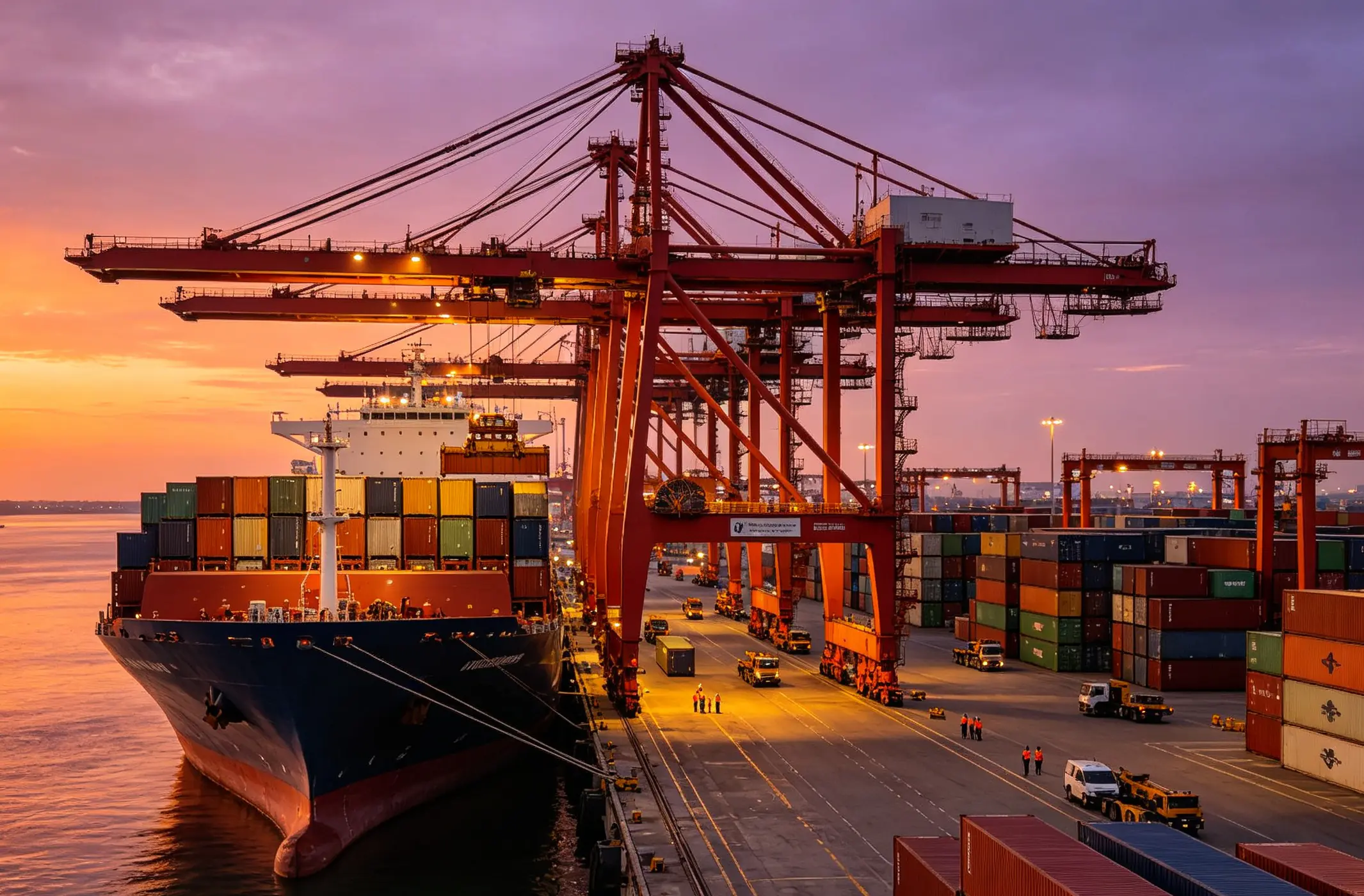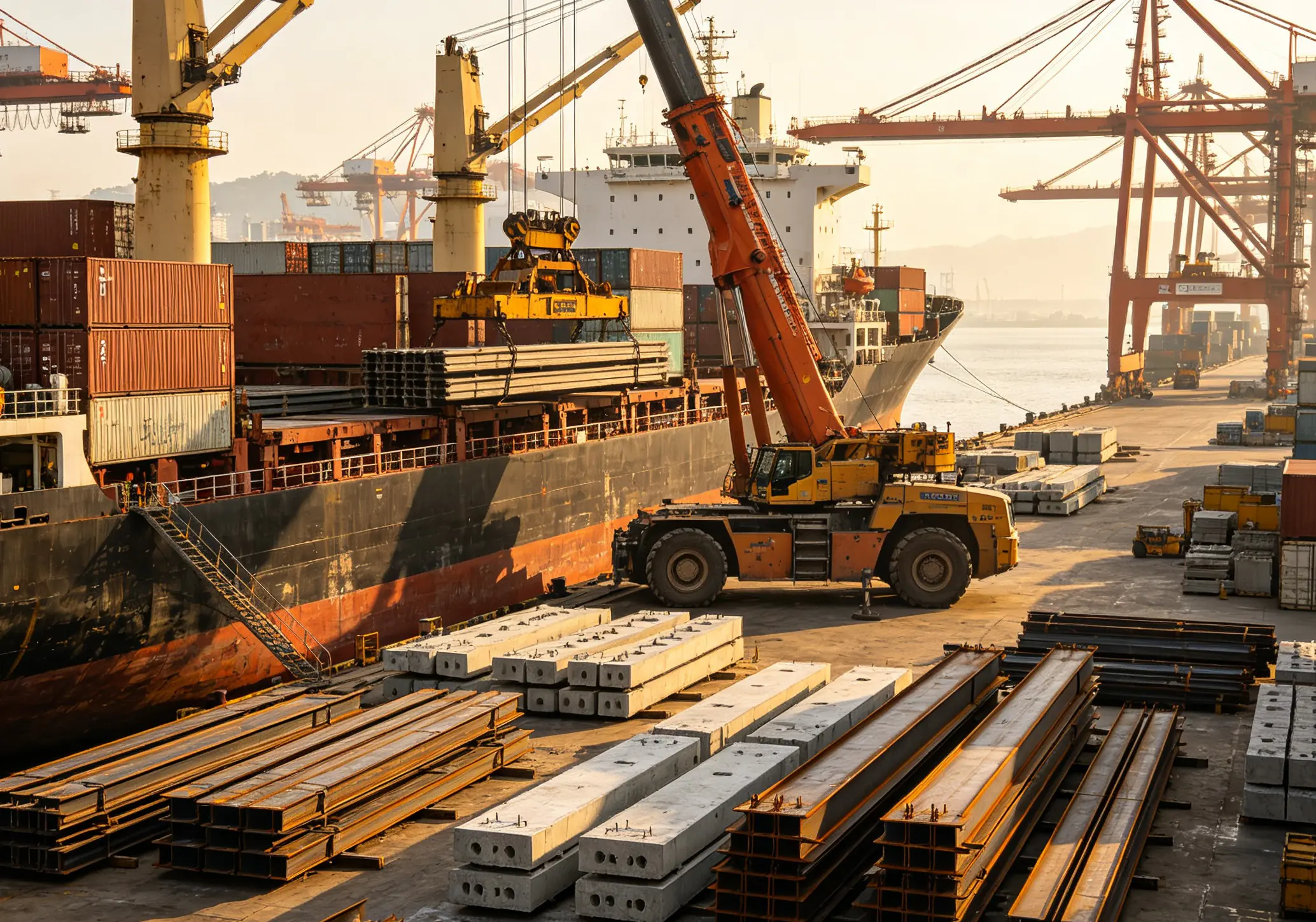
As the European Union continuously upgrades its customs security protocols, 2026 presents unprecedented data compliance challenges for global trade. Specifically, ICS2 Release 3 for China-to-EU Shipments has fully extended its reach, impacting not just air freight, but the massive volumes of cargo moving via sea and rail. If your supply chain relies on importing goods from China, missing data or vague cargo descriptions will now trigger immediate “Do Not Load” (DNL) instructions, leaving your shipments stranded at Chinese ports and racking up exorbitant demurrage fees.
In this comprehensive guide, we will break down the core requirements of ICS2 Release 3. We will explore the implementation timelines, dissect common mistakes made by Chinese suppliers (like the dreaded “stop words”), and provide actionable strategies to ensure your B2B shipments and Amazon FBA inventory clear European customs without a hitch.
1. What is ICS2 Release 3 and How Does it Affect EU Imports from China?
The Import Control System 2 (ICS2) is the European Union’s large-scale, advanced cargo information system designed to identify high-risk consignments and protect the single market from security threats. The cornerstone of this system is the Entry Summary Declaration (ENS), a mandatory data submission that must be lodged before goods physically enter or even load onto vessels bound for EU territory.
While earlier phases targeted postal and air freight, Release 3 represents a massive operational shift. It mandates that all maritime, inland waterway, road, and rail shipments entering the EU (including Norway, Switzerland, and Northern Ireland) comply with stringent pre-arrival data reporting.
For importers relying on China-to-EU trade lanes, the impact is immediate and significant. The focus is heavily placed on Pre-Loading Advance Cargo Information (PLACI). Customs authorities now use AI-driven risk analysis to scrutinize every piece of data. If the data is incomplete or inaccurate, the cargo simply will not be loaded in Shenzhen, Ningbo, or Shanghai.
2. ICS2 Phase 3 Implementation Date for Maritime and Rail Transport
The rollout of ICS2 Release 3 has been phased to allow the industry to adapt, but as of 2026, the grace periods are over. Understanding the timeline is crucial for aligning your logistics operations.
- Step 1: Maritime Carriers (June 3, 2024 – Dec 4, 2024): Ocean carriers were the first to migrate, requiring them to submit master-level data to the EU customs portal.
- Step 2: House Filers / Freight Forwarders (Dec 4, 2024 – April 1, 2025): This phase brought freight forwarders and NVOCCs into the fold. Forwarders became responsible for submitting House Bill of Lading (HBL) data directly to the system.
- Step 3: Road and Rail Transport (April 1, 2025 – Sept 1, 2025): The final deployment window covered road and rail freight. For the China-Europe Railway Express, this means strict ENS filing is now fully enforced before trains depart from Chinese terminals like Yiwu or Xi’an.
By 2026, the entire multi-modal network from China to the EU operates under the strict oversight of ICS2 Release 3. There are no more transitional derogations; full compliance is the only option.
3. The Hidden Risks: What Happens if You Fail to Comply?
Failing to meet the ICS2 Release 3 requirements for sea freight from China to the EU carries severe operational and financial consequences. The EU customs authorities have shifted from a stance of tolerance to active rejection.
- Do Not Load (DNL) Instructions: If the ENS data is missing, contradictory, or triggers a security flag, the system issues a DNL. Your container will be left sitting at the origin port in China.
- Escalating Costs: A DNL instruction inevitably leads to missed sailings. This results in heavy Demurrage & Detention (D&D) charges at the Chinese port, storage fees, and the cost of re-booking freight at potentially higher spot rates.
- Supply Chain Disruptions: For e-commerce sellers relying on Amazon FBA, a two-week delay caused by a rejected ENS filing can lead to stockouts, plunging seller rankings, and devastating impacts on peak season sales (like Q4 or Prime Day).
- Customs Interventions: Even if goods manage to load, inaccurate data can lead to intense security screenings, physical inspections, and hefty fines upon arrival at ports like Rotterdam, Hamburg, or Gdansk.
4. Essential ICS2 Release 3 Requirements for Sea Freight from China to EU
To ensure seamless customs clearance and avoid DNL instructions, importers and their logistics partners must gather and submit precise data elements. The core requirements include:
- A Valid 6-Digit HS Code: Every single item in the shipment must be classified with a minimum 6-digit HS code (Harmonized System code). General classifications are no longer acceptable.
- A Valid EORI Number: The Economic Operator Registration and Identification (EORI) number of the EU consignee or importer is absolutely mandatory.
- Precise Buyer and Seller Information: Clear details regarding the actual buyer and seller of the goods, moving beyond just the “consignor” and “consignee” terms used in the past.
- Accurate Cargo Descriptions: The description must clearly reflect the composition, nature, and intended use of the goods.
5. Avoid “Stop Words”: Acceptable Cargo Descriptions vs. Chinese Supplier Mistakes
One of the most frequent causes of ENS rejection under ICS2 Release 3 stems from the way commercial invoices are drafted in China. Many Chinese suppliers are accustomed to using vague, generic terms on their export documentation. Under the new EU rules, these generic terms are classified as “Stop Words” and will trigger automatic rejection.
Our Industry Insights
At Efanda Logistics, we frequently audit commercial documents before cargo is loaded. We often see suppliers list “Accessories” or “Electronics” on their packing lists. If submitted to ICS2, these will immediately flag a “Request for Information” (RfI) or a DNL. The key is to be specific enough that a customs officer immediately knows what is inside the box.
To help you audit your documentation, here is a comparison of common Chinese supplier mistakes (Stop Words) versus acceptable ICS2 cargo descriptions.
| Generic “Stop Word” (Rejected) | Acceptable ICS2 Description (Approved) |
|---|---|
| Auto parts / Car parts | Automobile engine pistons / Brake pads for passenger cars |
| Electronics / Equipment | Bluetooth wireless headphones / LED computer monitors |
| Clothes / Apparel | Men’s cotton t-shirts / Women’s polyester winter jackets |
| Toys | Plastic action figures / Wooden educational puzzles |
| Hardware / Tools | Steel hex bolts / Electric power drills |
| Machinery | Industrial textile sewing machine / Agricultural water pump |
Always insist that your Chinese suppliers update their commercial invoices to reflect the specific, acceptable descriptions alongside the correct 6-digit HS codes.
6. Mastering the Multiple Filing Process for ICS2 Release 3
A major structural change introduced in Release 3 is the concept of Multiple Filing. In the past, the ocean carrier was solely responsible for filing the declaration. Now, the responsibility is shared across the supply chain to ensure data accuracy.

In a multiple filing scenario, different parties submit the data they own:
- The Carrier: Submits the master-level data (Master Bill of Lading – MBL).
- The Freight Forwarder: Submits the house-level data (House Bill of Lading – HBL), which contains the granular details about the actual buyer, seller, EORI, and precise cargo descriptions.
The ICS2 system then merges these separate filings using a Master Reference Number (MRN). This process is particularly critical for LCL (Less than Container Load) shipments, where a single container holds goods from multiple suppliers bound for multiple consignees. If even one forwarder fails to submit accurate HBL data, the entire consolidated container could face delays.
7. How to Comply with ICS2 Release 3: The Efanda Logistics Advantage
The ICS2 Release 3 impact on Chinese freight forwarders has separated the experts from the amateurs. Relying on a forwarder who merely acts as a booking agent without understanding EU customs compliance is a massive risk in 2026.
This is where choosing a proactive, Shenzhen-based partner like Efanda Logistics becomes your competitive advantage.
Pre-Loading Document Check
We don’t wait until the cargo is at the port. Our compliance team initiates a rigorous pre-loading document audit the moment we receive the booking. We cross-reference the Chinese supplier’s commercial invoice against the required 6-digit HS codes, verify the EU buyer’s EORI number, and scrub the paperwork for any “stop words.”
Seamless Multiple Filing Operations
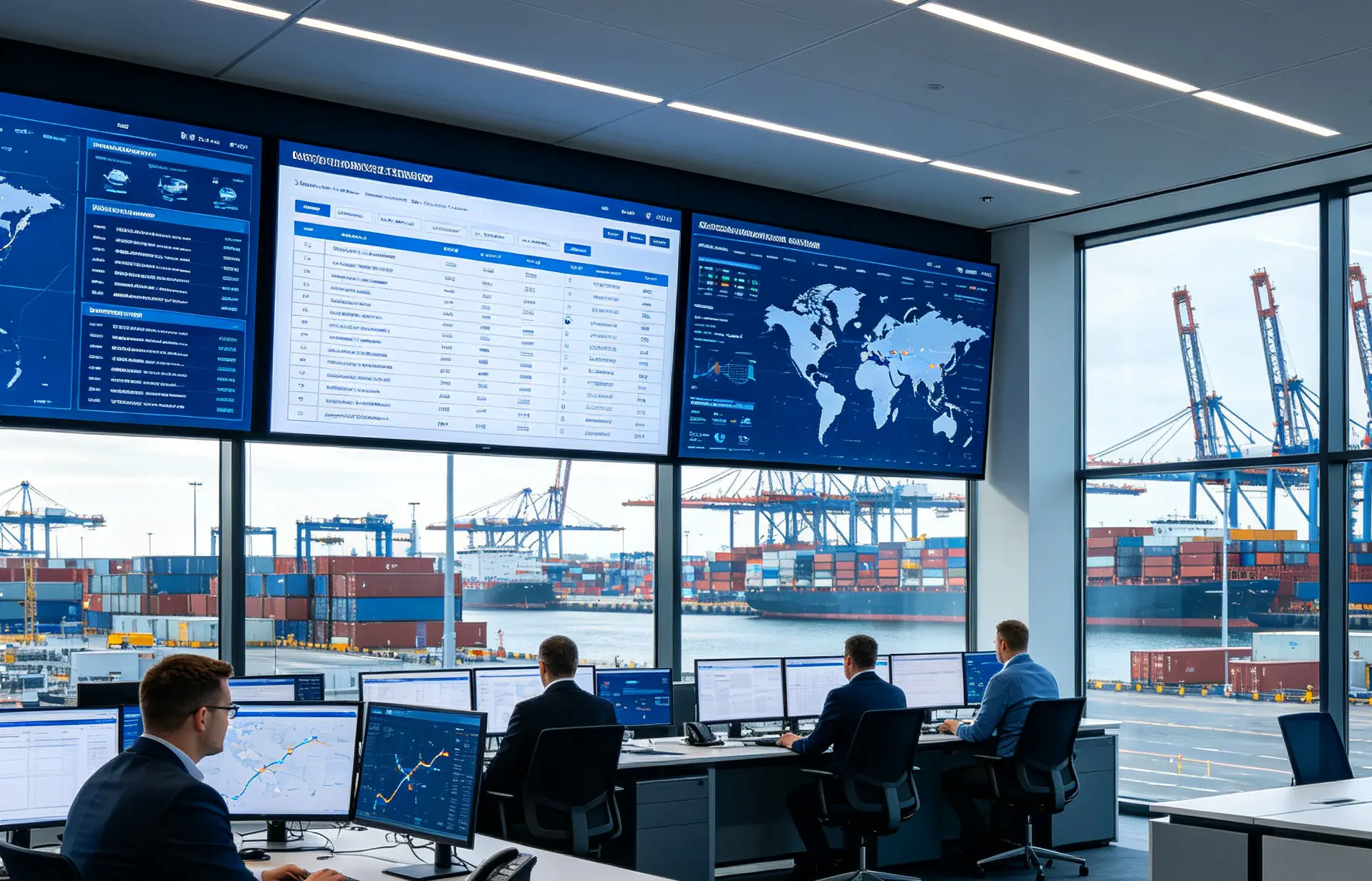
Our advanced Transport Management System (TMS) is fully integrated to handle the multiple filing process for ICS2 Release 3. Whether you are dealing with fcl vs lcl shipping consolidations, we ensure that accurate HBL data is submitted well ahead of the carrier’s deadlines, ensuring a smooth digital handshake in the EU customs portal.
Transparent, End-to-End Solutions
From factory pickup in Yiwu or Guangzhou to final delivery at an Amazon FBA center, we offer complete door to door shipping services. Whether you need reliable shipping from China to Germany, shipping from China to France, or fast shipping from China to Poland, we provide competitive and transparent pricing based on real market conditions, meaning you won’t be hit with surprise demurrage fees caused by our filing errors.
8. FAQ: ICS2 Release 3 for China-to-EU Shipments
Q1: Does ICS2 Release 3 apply to LCL (Less than Container Load) shipments?
Yes, absolutely. For LCL shipments, the multiple filing process is utilized. The freight forwarder or NVOCC must submit detailed House Bill of Lading (HBL) data for every individual consignment within the consolidated container before loading.
Q2: What if my Chinese supplier provides the wrong HS code?
If a wrong or incomplete HS code is submitted, the ICS2 system may issue a Request for Information (RfI) or a Do Not Load (DNL) order. At Efanda Logistics, our pre-screening process catches these errors early. We work directly with your supplier to correct the HS code before the data is ever submitted to the EU.
Q3: Do I need an EORI number if I am shipping DDP to Amazon FBA?
Yes. Even under DDP (Delivered Duty Paid) terms, an EORI number is mandatory for EU imports. Usually, the Importer of Record (IOR) must hold a valid EORI. If you are a non-EU seller shipping to FBA, you must register for an EORI in an EU member state or work with a customs broker who provides indirect representation.
9. Conclusion & Next Steps
Navigating ICS2 Release 3 for China-to-EU Shipments requires a proactive approach to data management. The days of shipping with vague cargo descriptions and missing HS codes are definitively over. Success in 2026 and beyond hinges on front-loading your compliance efforts—ensuring that every EORI number is valid, every HS code is accurate to six digits, and every “stop word” is eliminated from your commercial invoices.
Don’t let documentation errors derail your supply chain or result in costly delays at the port. Partner with a freight forwarder who understands the intricacies of EU customs regulations.
Ready to secure your China-to-EU shipments? Contact the dedicated logistics specialists at Efanda Logistics today. We will provide a free ICS2 compliance audit of your current shipping documents and offer a transparent, competitive quote for your next sea or rail shipment.