In 2026, the global logistics landscape is more unpredictable than ever. With fluctuating shipping rates, geopolitical routing shifts, and strict European customs regulations, choosing between China to Germany: Air Freight vs Sea Freight is no longer just a simple logistical decision—it is a strategic choice that directly impacts your bottom line. Whether you are a B2B importer bringing in heavy industrial machinery or an Amazon FBA seller stocking up for the peak holiday season, navigating the complexities of international trade can be overwhelming. Importers frequently fall victim to hidden LCL port fees, face cargo seizures due to missing CE Certifications during strict German Customs (Zoll) inspections, and struggle with the cash flow impact of the 19% standard VAT.
In this comprehensive guide, we will break down the exact costs, transit times, and compliance requirements to help you find the absolute best shipping solution. We will provide a quick selection framework, expose common industry traps, and share real-world strategies to ensure your cargo reaches Germany safely, on time, and strictly on budget.
1. Quick Selection Guide: Air vs Sea Freight from China to Germany
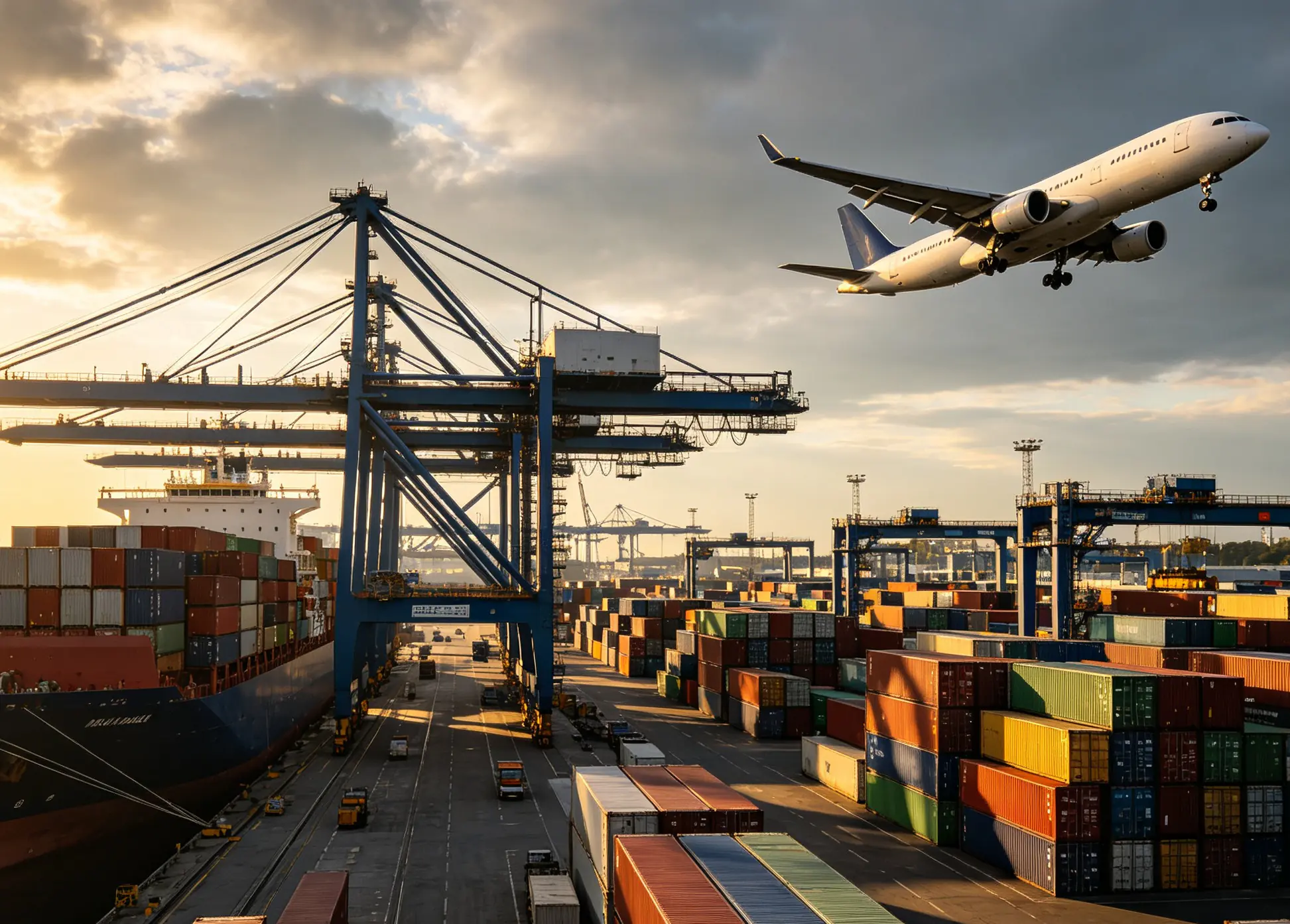
When evaluating the cheapest way to ship from China to Germany, you must balance your budgetary constraints against your delivery urgency. To help you make a rapid, informed decision, here is a quick 5-second selection framework comparing the primary shipping methods available in 2026.
| Shipping Method | Estimated Cost Level | Average Transit Time | Best Suited For |
|---|---|---|---|
| Air Freight | Very High ($5 – $9 / kg) | 3 to 7 Days | Urgent samples, high-value electronics, time-sensitive goods |
| Sea Freight (FCL) | Low (Per Container) | 30 to 45 Days | Large volume bulk cargo, heavy industrial machinery |
| Sea Freight (LCL) | Very Low (Per CBM) | 35 to 50 Days | Small to medium shipments (2 to 15 CBM) |
| Rail Freight | Medium | 18 to 25 Days | Mid-sized commercial cargo needing faster-than-sea delivery |
| Cross-Border Trucking | Medium-High | 14 to 18 Days | Highly flexible, door-to-door express delivery |

Our Industry Insight: The DDP Advantage
For many small to medium-sized importers, navigating taxes and customs can be a nightmare. Opting for DDP shipping from China to Germany (Delivered Duty Paid) is often the most hassle-free solution. Under Incoterms 2020, choosing DDP means your freight forwarder handles everything (see DDP shipping explained for more details)—from pickup at the Shenzhen factory to final delivery in Munich—including all customs clearance procedures and VAT payments. This eliminates unexpected invoices and ensures a smooth door-to-door shipping from China to Germany experience.
2. Air Freight from China to Germany (Fast & Secure)
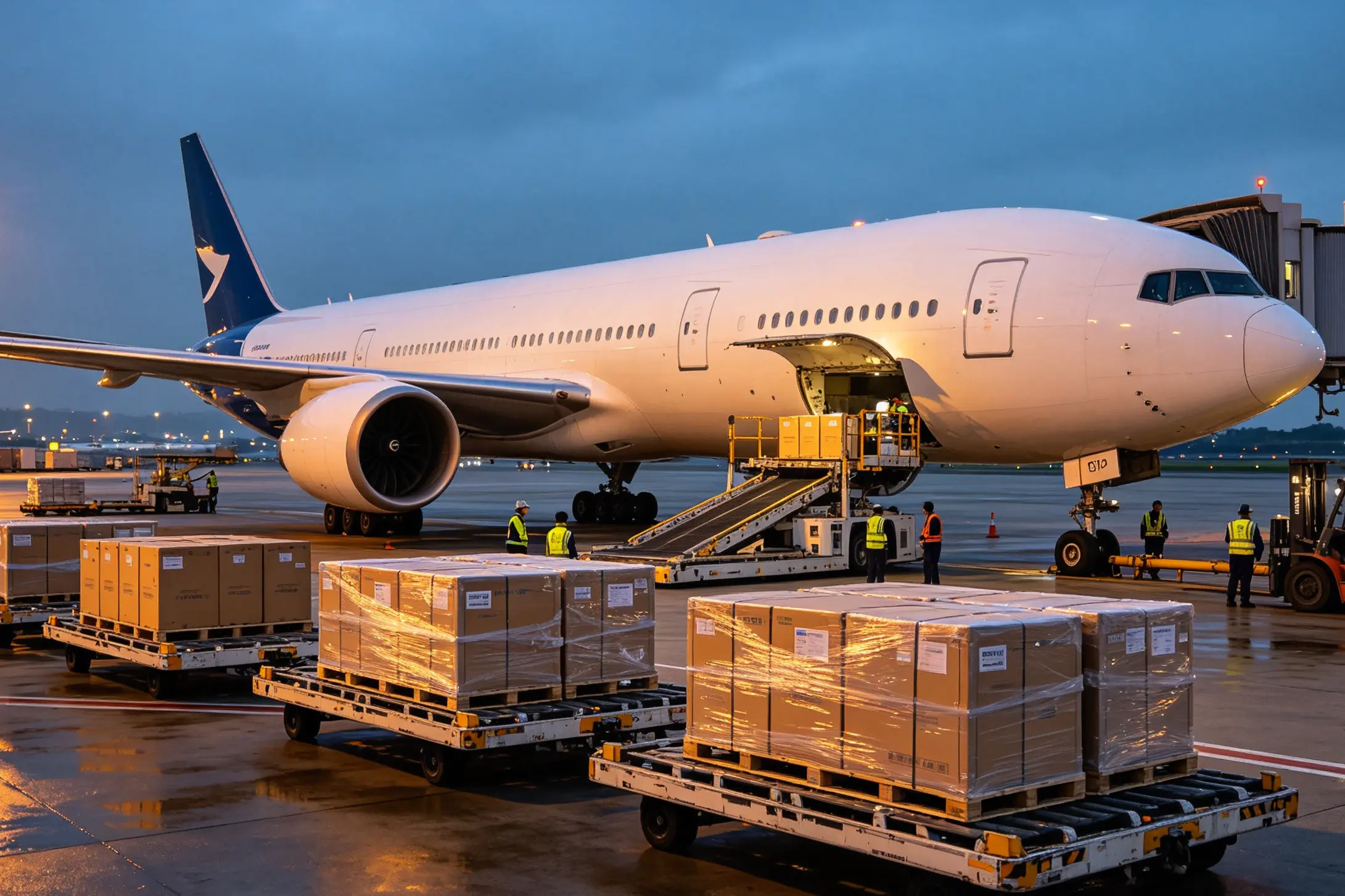
When time is money and your supply chain cannot afford delays, air freight is the undisputed champion. It is the go-to solution for high-value tech products, urgent seasonal apparel, and time-sensitive Amazon FBA inventory that must reach fulfillment centers immediately.
Understanding Air Cargo Rates and Weight
When analyzing air freight vs sea freight from China to Germany cost, it is crucial to understand how airlines calculate prices. You are charged based on the “chargeable weight,” which is whichever is greater: the actual gross weight or the volumetric weight (dimensional weight). The standard formula for volumetric weight in air freight is Length (cm) x Width (cm) x Height (cm) / 6000. This means shipping lightweight but bulky items (like pillows or large plastic casings) via air can be surprisingly expensive.
Major Routes and Hubs
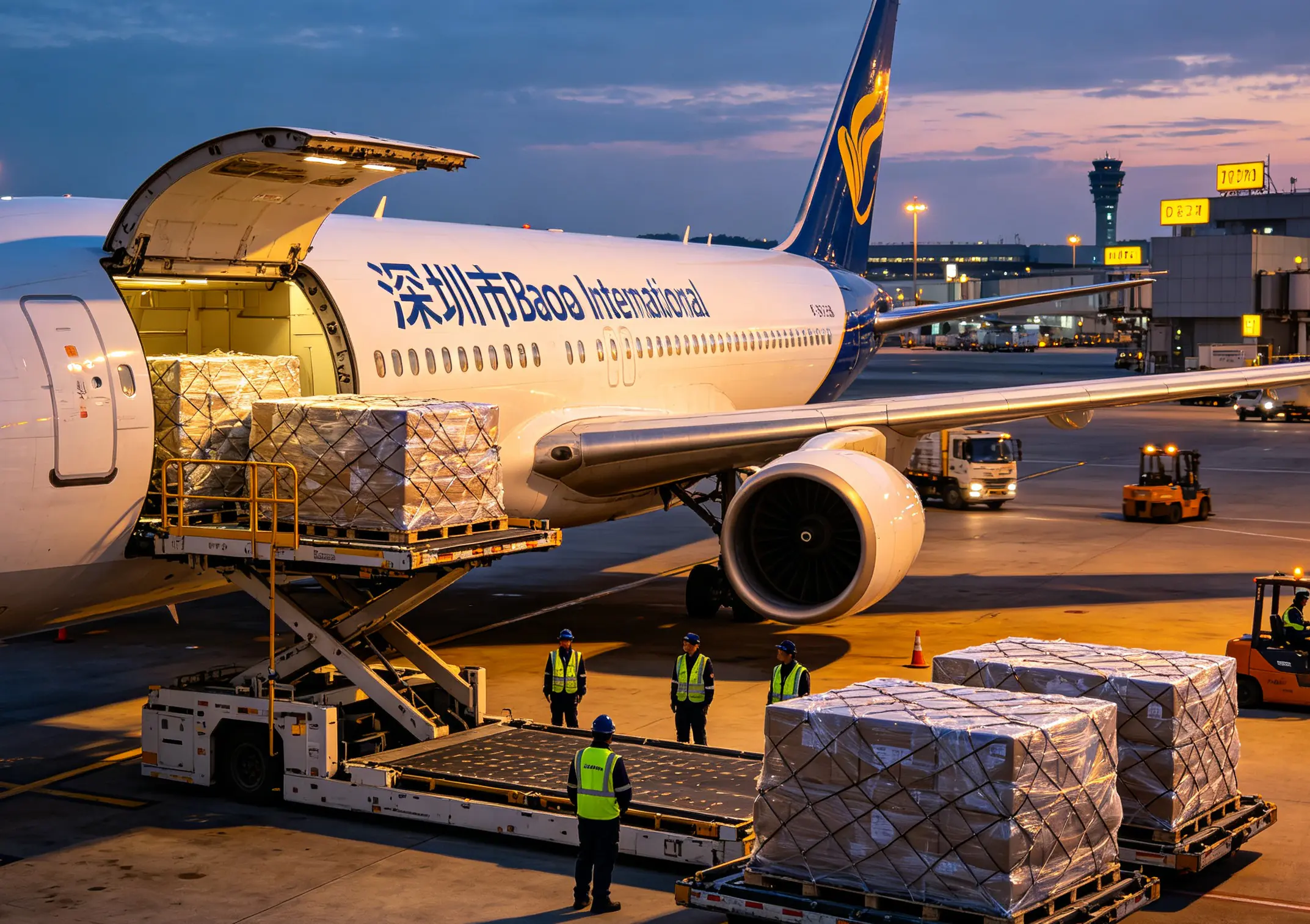
Direct cargo flights depart daily from major Chinese hubs—such as Shenzhen Bao’an, Guangzhou Baiyun, and Shanghai Pudong—and land directly at Frankfurt Airport (FRA) and Munich Airport (MUC). Frankfurt, in particular, serves as the premier logistics gateway for all of Europe, offering incredibly fast customs clearance and immediate access to the Autobahn highway network for rapid inland distribution.
Real-Life Scenario: Shipping Sensitive Electronics
If you are shipping lithium batteries, smartphones, or smart home devices, you cannot simply load them onto any aircraft. These items require strict MSDS (Material Safety Data Sheet) documentation and mandatory CE Certification verification before boarding. At Efanda Logistics, our dedicated team frequently helps clients route sensitive electronics via direct flights to Frankfurt, pre-clearing documents to ensure compliance checks are passed seamlessly, often delivering door-to-door in under 5 days.
3. Sea Freight from China to Germany (FCL & LCL)
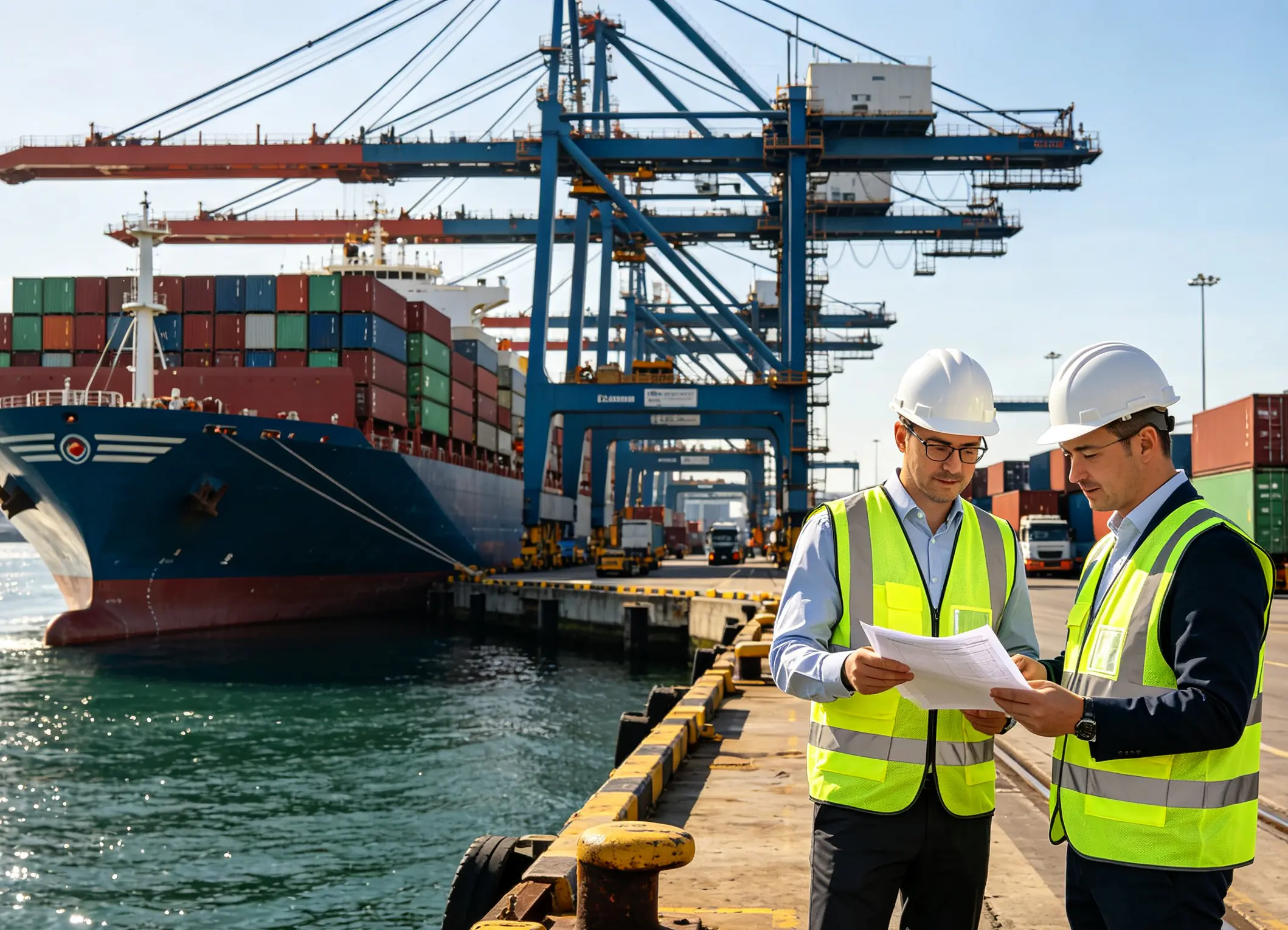
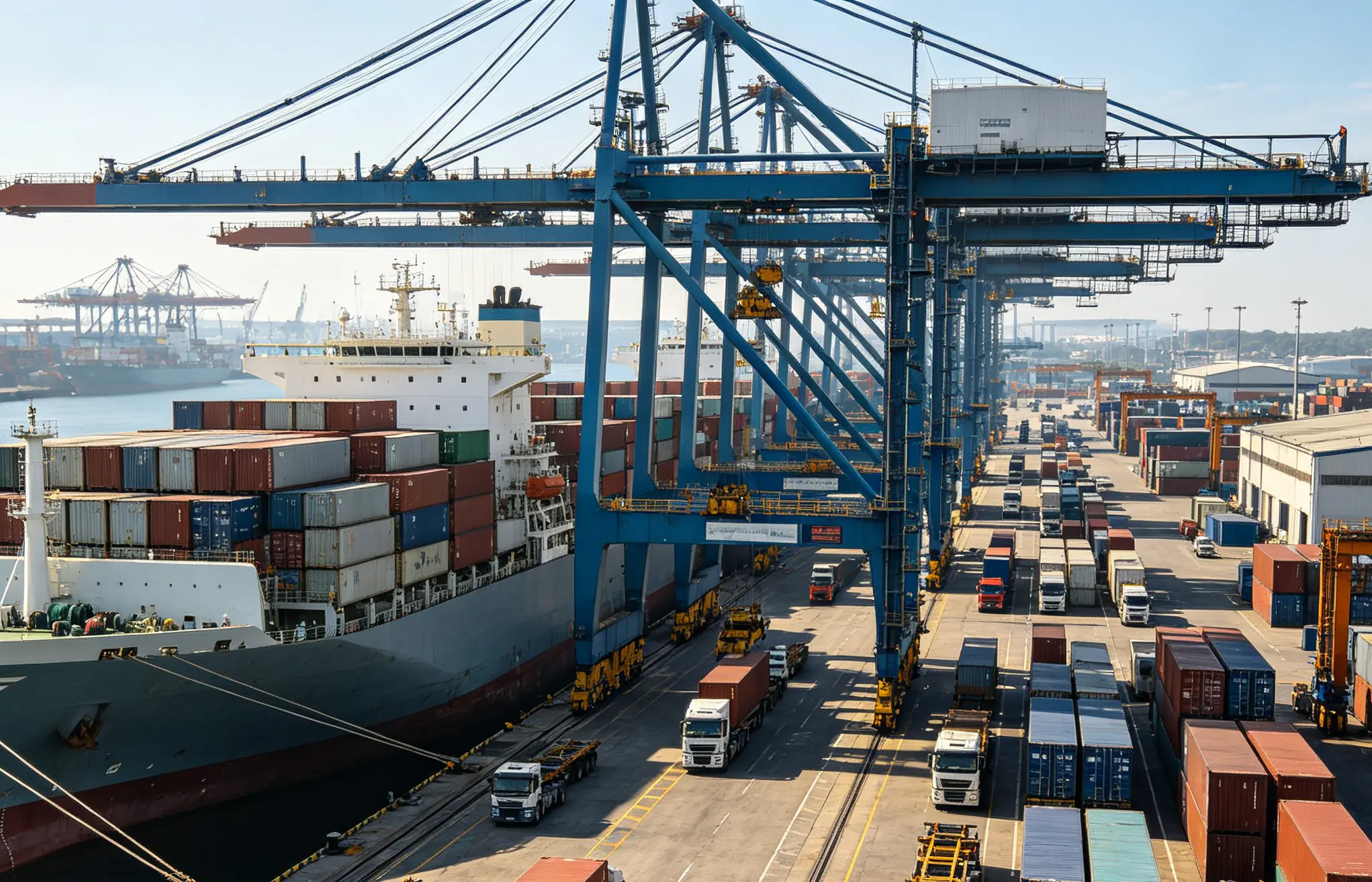
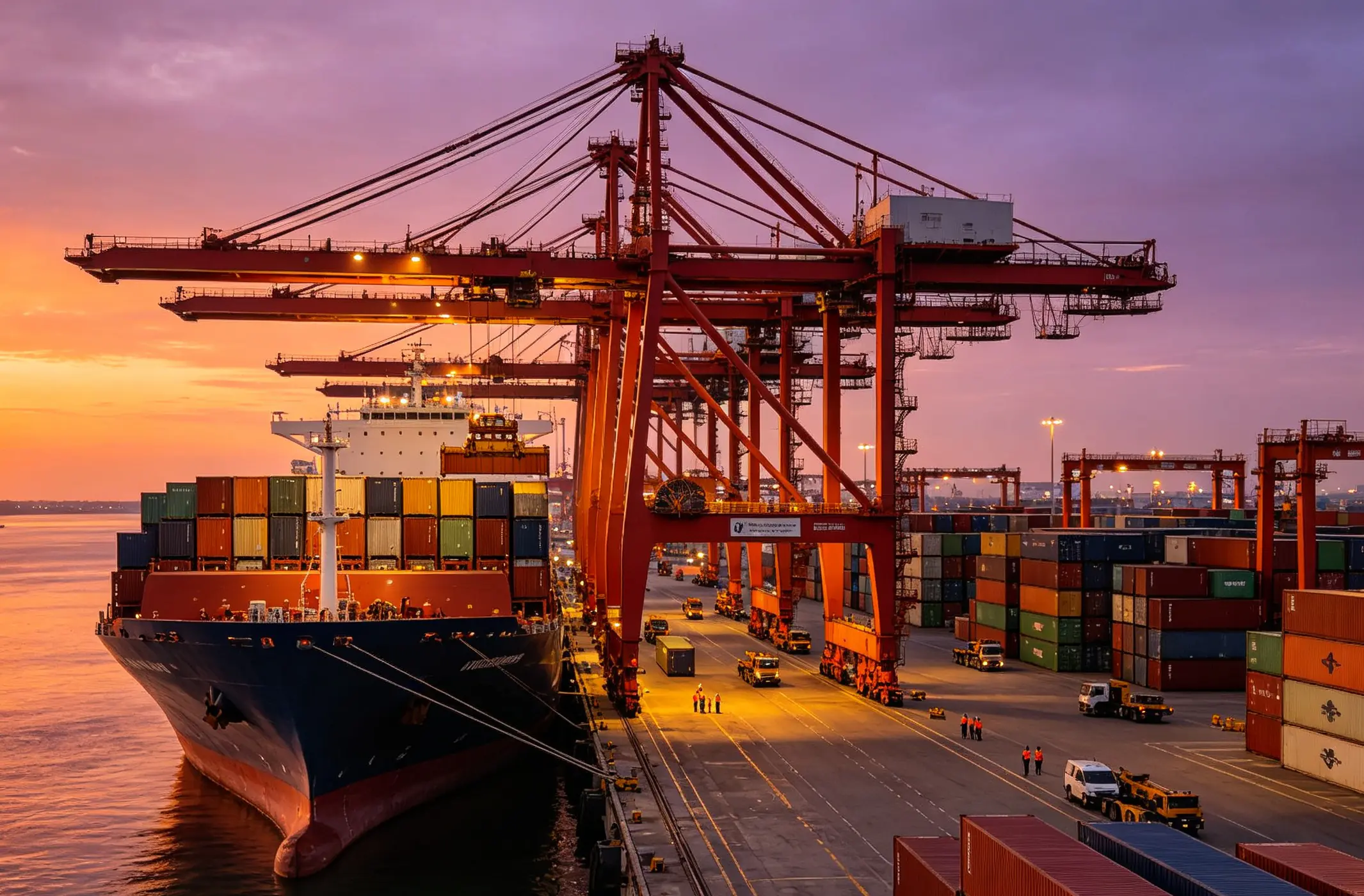
For the vast majority of international B2B trade, ocean freight from China to Germany remains the undisputed backbone of the supply chain. While the transit time sea freight vs air freight China to Germany is significantly longer—typically taking 30 to 45 days depending on the routing and port congestion—the massive cost savings make it essential for heavy or bulky shipments.
FCL vs LCL shipping from China to Germany
- FCL (Full Container Load): You rent an entire 20-foot (TEU) or 40-foot (FEU) container exclusively for your goods. It is faster, more secure (less handling), and offers the lowest cost per unit for large volumes.
- LCL (Less than Container Load): You share container space with other buyers. It is the perfect solution for shipments between 2 to 15 cubic meters (CBM) where you don’t have enough goods to fill a full container.
The Hidden Traps of LCL at German Ports
Many first-time buyers fall into a dangerous trap: choosing an unbelievably low LCL freight rate from a Chinese supplier, only to be hit with exorbitant destination charges upon arrival at the Port of Hamburg or the Port of Bremerhaven. These hidden fees often include excessive unpacking charges, inflated terminal handling charges (THC), and sudden demurrage and detention (D&D) penalties if the cargo isn’t cleared and picked up immediately.
Our Industry Insight: Radical Pricing Transparency
At Efanda Logistics, we believe that trust is built on transparency. Our Competitive Pricing structure guarantees absolutely no hidden destination fees. When we quote an LCL shipment to Hamburg, we break down origin fees, ocean freight, and destination charges clearly. The price you see upfront is the exact price you pay, protecting your profit margins from nasty surprises.
4. Alternative Solutions: Rail Freight & Cross-Border Trucking
If sea freight is too slow for your production schedule, but air freight destroys your profit margins, there are highly effective middle-ground alternatives connecting China and Europe.
China-Europe Railway Express
Rail freight typically takes about 18 to 22 days, offering a fantastic balance between cost and speed. It is much cheaper than air freight and twice as fast as ocean freight. However, geopolitical tensions and severe bottleneck congestion at major railway hubs like Malaszewicze (Poland) can sometimes cause unpredictable delays during peak seasons. (For importers looking at Eastern Europe, we also offer dedicated shipping from China to Poland).
Cross-Border Trucking (The Flexible Alternative)
A rising star in the logistics industry is international cross-border trucking. Heavy-duty trucks can leave Shenzhen, cross through Central Asia, and arrive directly in Germany in just 14 to 18 days. This method bypasses port congestion and rail terminal delays entirely, offering immense flexibility and highly reliable door-to-door shipping from China to Germany for urgent mid-sized commercial cargo.
5. Specialized Cargo: Industrial Machinery & Amazon FBA
Not all cargo fits neatly into a standard cardboard box or a regular 20-foot container. Your logistics strategy must adapt to exactly what you are shipping.
Shipping Industrial Machinery from China to Germany
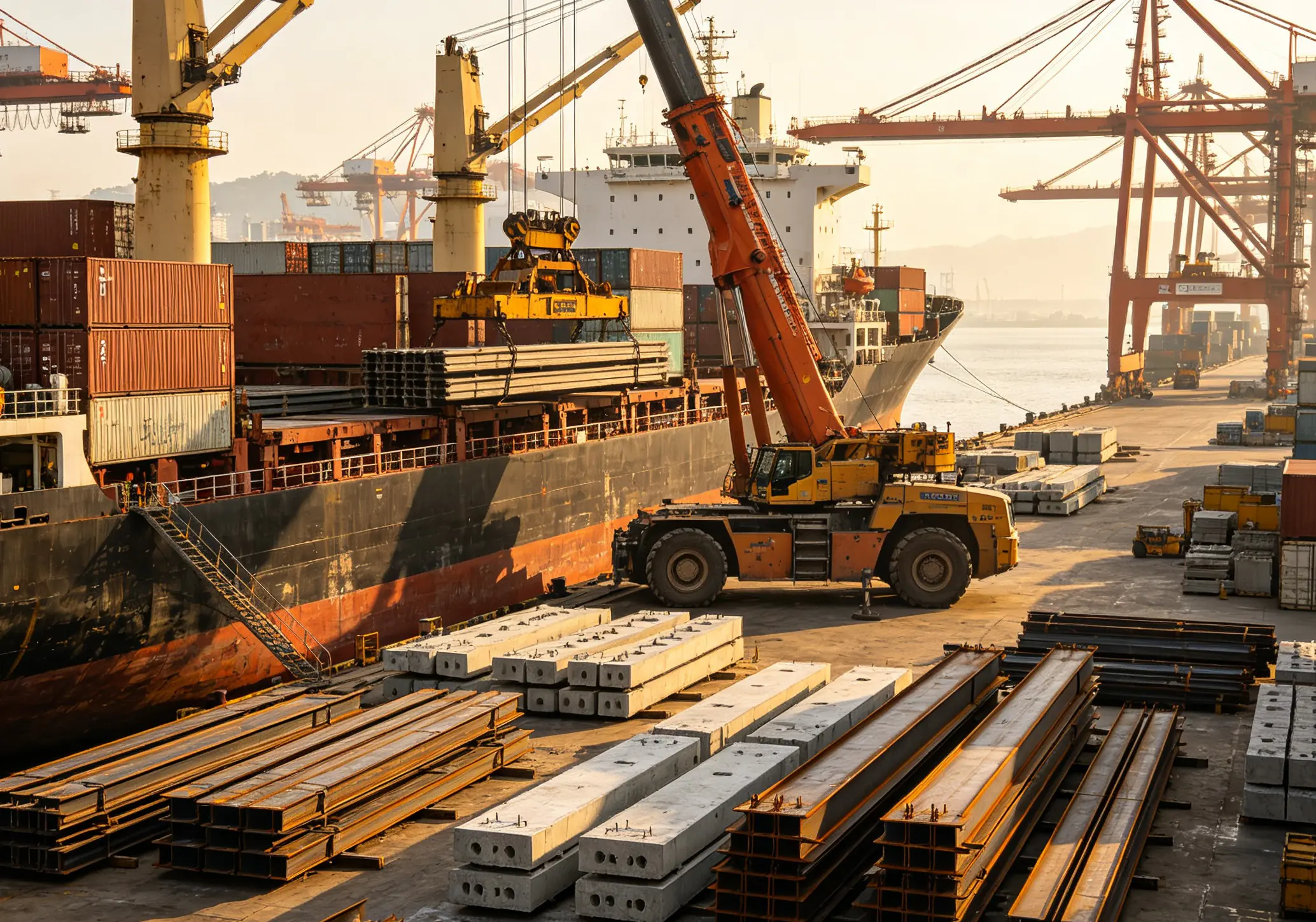
Germany is an industrial powerhouse, frequently importing heavy manufacturing equipment and precision components from China. If you are in the automotive sector, check out our guide on how to import and ship cars from China to Germany. Standard containers cannot accommodate these massive items. As an expert forwarder, we utilize Out of Gauge (OOG) solutions, including specialized Flat Rack, Open Top, and Breakbulk shipping methods, ensuring your oversized machinery is securely lashed, properly insured, and safely transported to industrial hubs like Stuttgart or Munich.
Amazon FBA Shipping China to Germany
Cross-border e-commerce sellers require a highly streamlined, hands-off process. We offer specialized Amazon FBA shipping China to Germany routes. By consolidating your goods in our Shenzhen or Yiwu warehouses, we provide comprehensive DDP services directly to German Amazon fulfillment centers (such as WRO5, DTM2, or LEJ1). We handle all the tedious details: FBA labeling, strictly compliant palletizing, and booking mandatory delivery appointments, so you can focus entirely on marketing and sales.
6. German Customs Clearance & Compliance (Zoll)
German customs authorities (Zoll) are notoriously strict and methodical. A single missing document or incorrect tariff code can lead to weeks of delays, heavy storage fines, or even the outright destruction of your goods.
Essential Documentation and Classification
To successfully clear German customs, you must present a flawless paperwork package: a detailed Commercial Invoice, a precise Packing List, the original Bill of Lading (B/L), and a valid EORI number (Economic Operators Registration and Identification) registered in the EU. Furthermore, Germany requires highly accurate 11 or 12-digit HS Codes (Harmonized System Codes) for precise tariff classification and duty calculation.
CE Certification and Taxation
Any electronics, toys, medical devices, or industrial machinery entering Germany must possess valid, verifiable CE Certification. Customs officers frequently pull these items for physical inspection; if the CE mark is fake or the testing reports are missing, the cargo will be seized.
Financially, you must account for VAT and import duties. Germany’s standard VAT rate is 19%, applied to the total CIF value (cost of goods + insurance + freight).
Our Industry Insight: Strategic VAT Deferment
Instead of paying the 19% VAT upfront in cash at the Port of Hamburg, experienced European importers utilize VAT deferment accounting (often by clearing customs through specific European gateway hubs like the Netherlands (via our shipping from China to Netherlands service) or Belgium (via shipping from China to Belgium) first, using Article 23). This legally defers the VAT payment until your regular tax return, massively optimizing your cash flow. Efanda Logistics acts as your strategic partner to guide you through this complex but highly rewarding financial strategy.
7. Real Case Study: Shenzhen to Hamburg Shipping
To understand the real freight cost per kg from China to Germany, let’s look at a recent shipment managed by our team.
The Client: A mid-sized machinery parts distributor located near Stuttgart.
The Challenge: They needed to ship 8 CBM (2,500 kg) of heavy steel components from a factory in Shenzhen.
The Solution: The client was initially debating between air and sea. Air freight would have cost them over $13,000, obliterating their profit margin on the parts. As their trusted freight forwarder Shenzhen to Germany, we recommended a highly optimized LCL sea freight route directly to Hamburg.
Cost Breakdown:
- Origin Handling Charges (Shenzhen): $280
- Ocean Freight (LCL): $450
- Destination Handling Charges (Hamburg – fully transparent): $520
- Customs Clearance & Final Truck Delivery to Stuttgart: $480
Total Landed Cost: $1,730.
Transit Time: 35 days door-to-door.
By planning their inventory cycle slightly in advance and partnering with a transparent forwarder, the client saved over $11,000 and completely avoided the notorious LCL hidden fee traps in Hamburg.
8. FAQ: Shipping to Germany
How long does it take to ship from China to Germany?
The timeline varies drastically by mode. Air freight is the fastest, taking 3 to 7 days. Sea freight takes 30 to 45 days. Rail freight offers a middle ground at 18 to 22 days, while cross-border trucking takes 14 to 18 days.
What is the cheapest way to ship goods?
For commercial shipments exceeding 2 CBM or 500 kg, sea freight (specifically FCL if you have the volume) is undoubtedly the cheapest method. However, for very small, lightweight parcels under 100 kg, express couriers like DHL, UPS, or FedEx often provide better value and speed.
Do I need Incoterms 2020 (EXW, FOB, CIF, DDP) for my shipment?
Absolutely. Clearly defining your Incoterms 2020 with your Chinese supplier is the most critical step in international trade. These terms dictate exactly who is responsible for risks, insurance, and freight costs at every single stage of the journey. For beginners, FOB (Free on Board) or DDP (Delivered Duty Paid) are the safest and most common choices.
9. Conclusion
Choosing between air freight and sea freight ultimately comes down to a careful calculation of your unique timeline, budget, and cargo type. While air freight guarantees unmatched speed and security for high-value items, sea freight offers unparalleled cost savings for bulk imports. However, the real secret to a successful, stress-free import business isn’t just picking a transport mode—it is partnering with a logistics provider who actively protects you from hidden port fees and severe compliance disasters.
If you are looking for true End-to-End Solutions with absolute pricing transparency and a dedicated expert team, reach out to Efanda Logistics. Our Shenzhen-based logistics consultants provide Personalized Service to ensure your goods clear German customs smoothly and arrive at your warehouse safely, on time, and strictly on budget.