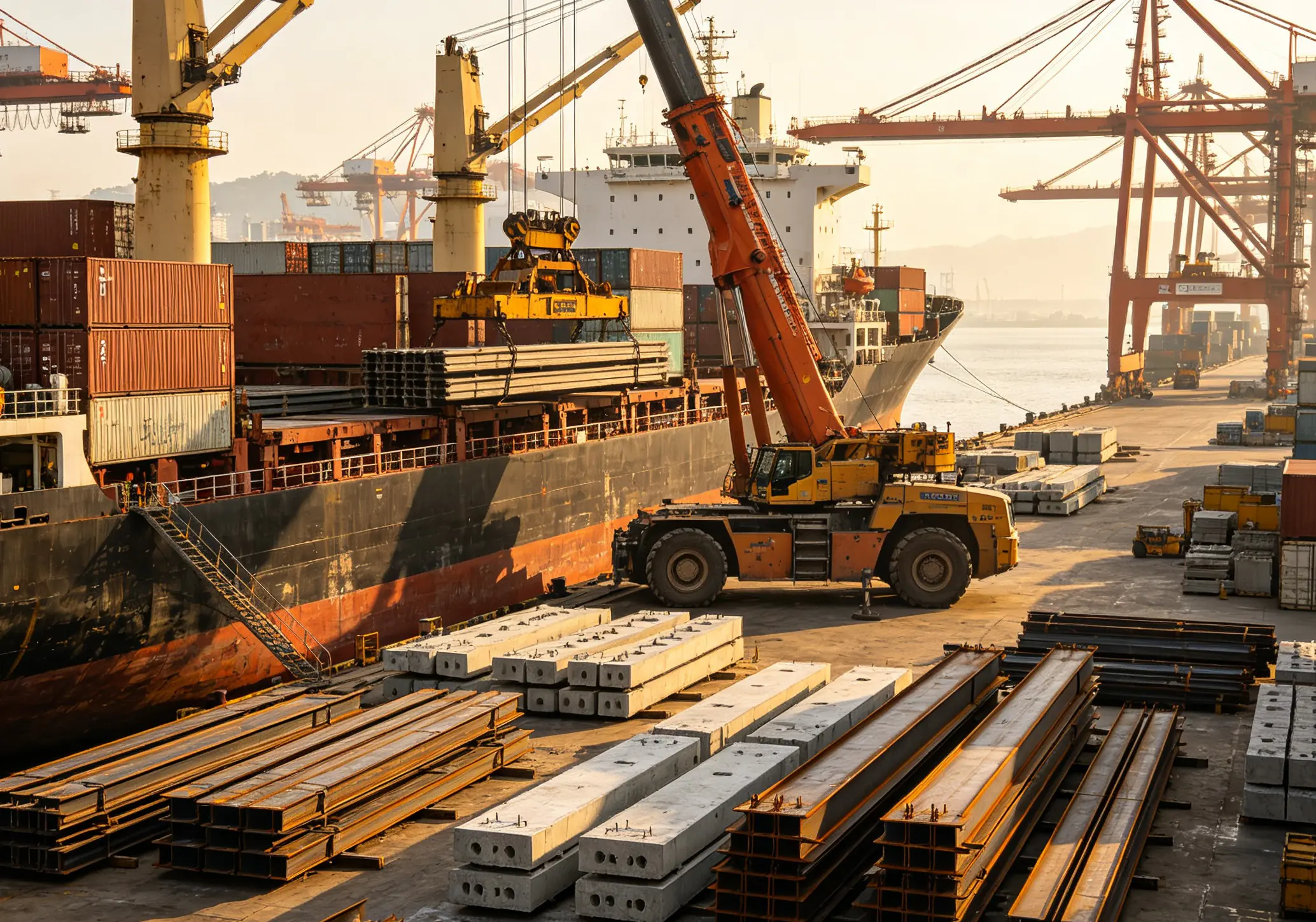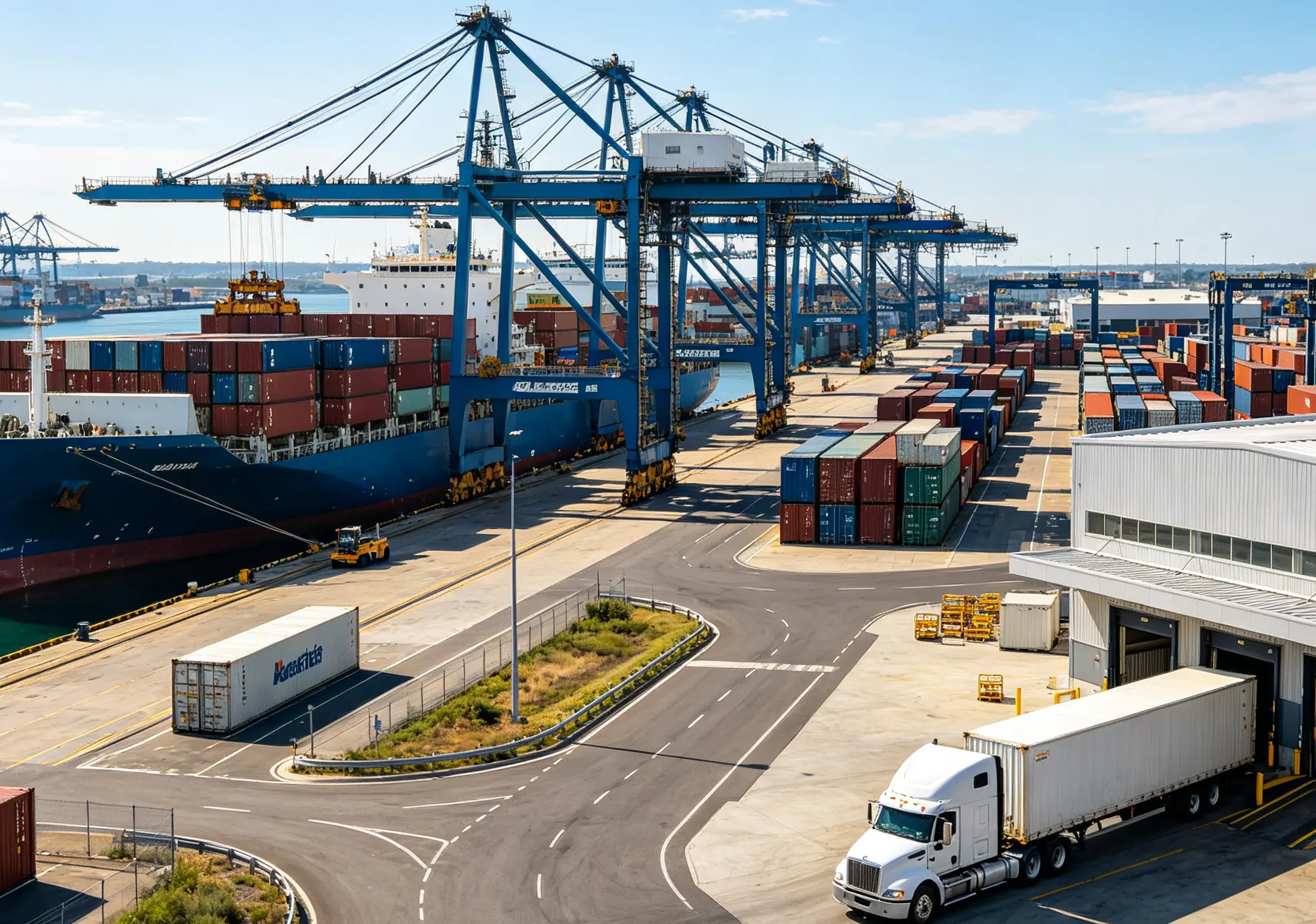
Are you tired of chasing three different providers just to move one shipment from a factory in China to a warehouse in Afghanistan? Door to Door Shipping from China to Afghanistan can sound simple until you realize Afghanistan is landlocked, every route crosses a volatile border, and a single missing customs document can delay your cargo by weeks.
This guide is written for importers, e-commerce sellers, and procurement teams who need a clear, practical roadmap. You will learn how each transport mode works, which corridor suits your destination, what door-to-door shipping costs in 2026, the documents you cannot forget, and how a freight forwarder keeps the entire chain under one roof.
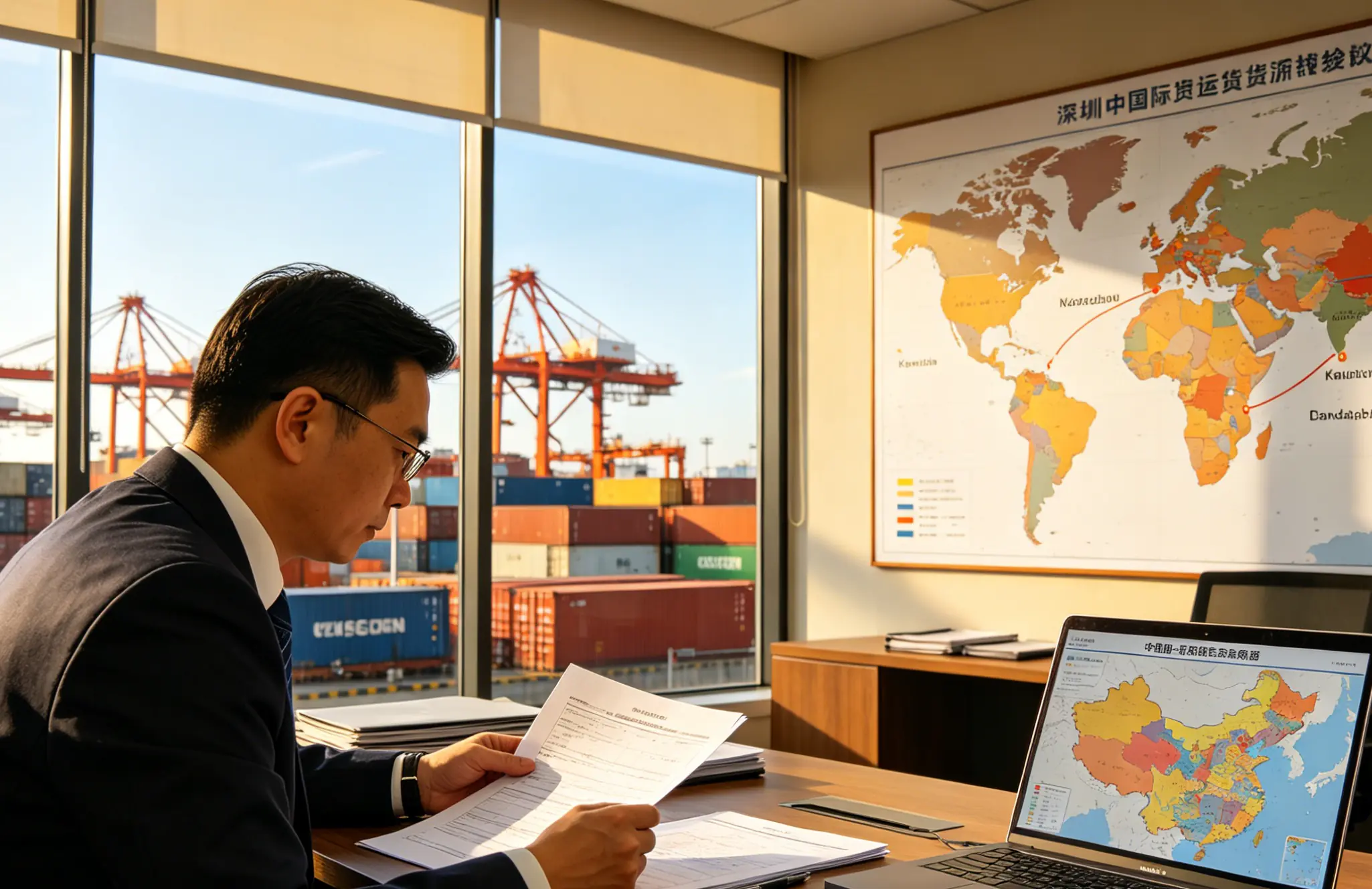
What Is Door to Door Shipping from China to Afghanistan?
Door to Door Shipping from China to Afghanistan is a logistics service in which a Freight Forwarder manages the entire journey from the supplier’s premises in China to the consignee’s final address in Afghanistan. The two parties usually agree to an Incoterm such as DDP (Delivered Duty Paid) or DDU (Delivered Duty Unpaid).
Under DDP, the forwarder or seller pays for transport, export and import Customs Clearance, duties, taxes, and last-mile delivery. The buyer receives the cargo without paying anything extra on arrival. Under DDU, the buyer clears customs and pays import duties at destination.
Because Afghanistan has no seaport, “door” never means a single straight line. Cargo typically moves by Air Freight through a Middle East hub, or by a combination of Sea Freight, rail, and trucking through Pakistan, Iran, or Central Asia. Common service formats include:
- FCL (Full Container Load) — one shipper uses the whole container.
- LCL (Less than Container Load) — multiple shippers share container space.
- Air Freight Door-to-Door — fastest option for urgent or high-value cargo.
- Rail + Truck — a balanced option for bulk cargo through Central Asia.
Key documents you will hear about include the Bill of Lading (B/L) for ocean shipments, the Air Waybill (AWB) for air cargo, and the HS Code used to classify goods for customs. The right forwarder handles all of these for you.
Shipping Methods Compared: Air, Sea+Land, Rail, and Truck
Which shipping method should you choose for Door to Door Shipping from China to Afghanistan? The answer depends on four things: urgency, cargo volume, budget, and final destination.
| Method | Route | Transit Time | Cost Level | Best For |
|---|---|---|---|---|
| Air Freight | China → Dubai/Doha → Kabul | 3–7 days | High | Urgent, high-value, or perishable goods |
| Sea + Land (Pakistan) | China → Karachi → Torkham → Kabul/Kandahar | 18–30 days (FCL); 25–45 days (LCL) | Medium | FCL and LCL commercial cargo |
| Sea + Land (Iran) | China → Bandar Abbas → Islam Qala → Herat | 16–28 days | Medium | Western Afghanistan cargo |
| Rail + Truck (Central Asia) | China → Kashgar → Osh → Hairatan | ~20–21 days | Low-Medium | Bulk, non-urgent shipments |
| Truck Only | Direct overland via Central Asia | 12–25 days | Medium | Balanced speed and cost |
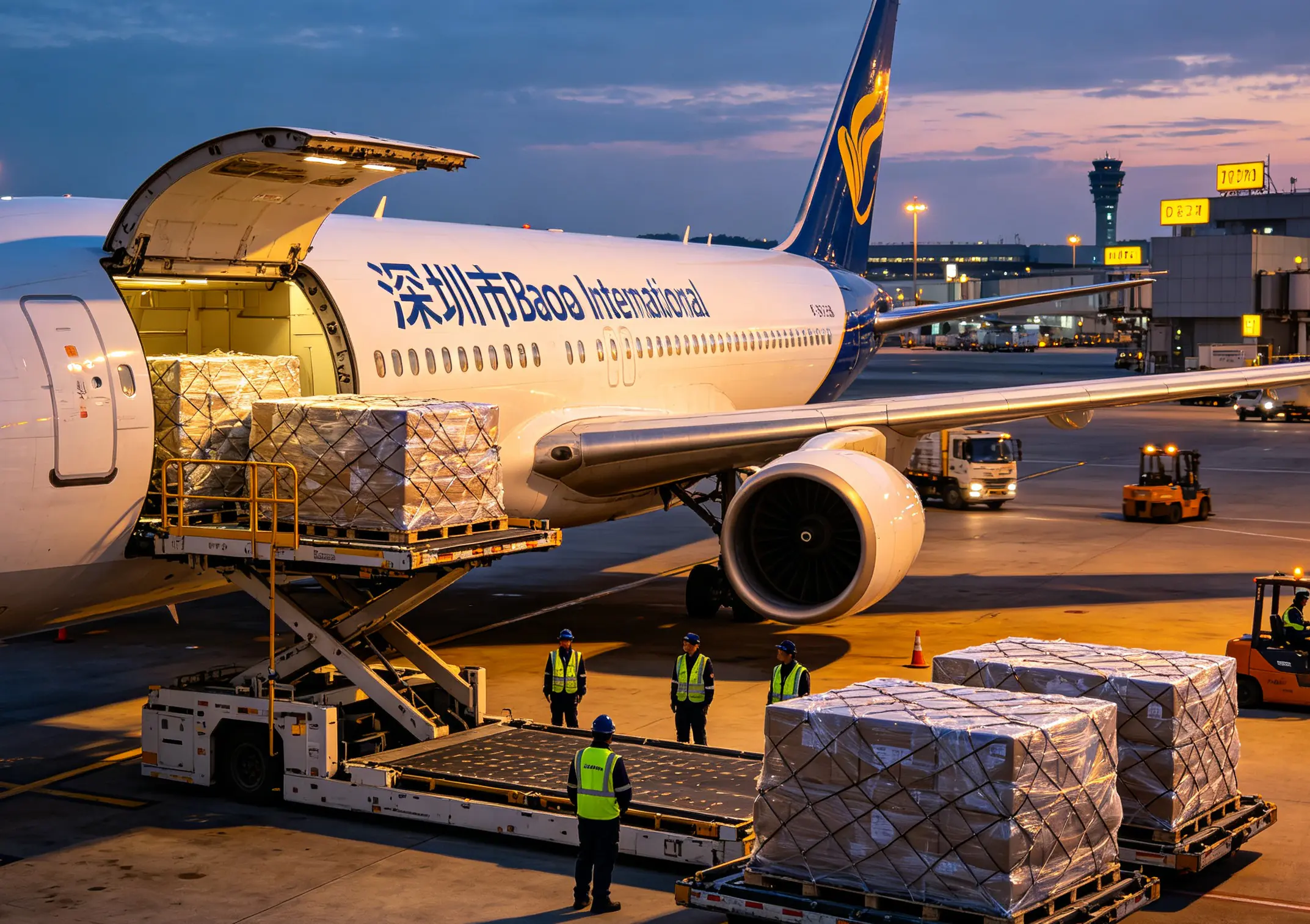
Air Freight is the premium choice. It suits electronics samples, medical goods, fashion replenishments, or any shipment where a two-week delay costs more than the freight premium. Most air cargo routes through Dubai, Doha, or Istanbul before landing at Hamid Karzai International Airport in Kabul.
Sea + Land via Pakistan is the default for FCL container shipping from China to Afghanistan. Containers sail from Shanghai, Shenzhen, Ningbo, or Qingdao to Karachi, then travel by truck through Peshawar and the Torkham border to Kabul. For Kandahar, the route usually exits at the Spin Boldak border.
Sea + Land via Iran works well for shipping to Afghanistan via Bandar Abbas. Cargo enters Bandar Abbas, then crosses the Islam Qala border into Herat. This corridor can be faster for western Afghanistan but requires careful attention to banking and sanctions considerations.
Rail + Truck through Central Asia is the quiet workhorse for bulky, non-urgent cargo. Goods truck from eastern China to Kashgar, cross into Kyrgyzstan at Osh, then move by rail to Hairatan on the Uzbekistan-Afghanistan border. From Hairatan, trucks complete the final leg to Mazar-i-Sharif or Kabul.
Truck Only offers a middle ground for shippers who need faster transit than sea but cannot afford air freight. It is flexible but heavily dependent on road and border conditions.
Afghanistan Cargo Corridors: Which Route Should You Choose?
The best corridor for Door to Door Shipping from China to Afghanistan is the one that matches your cargo profile and destination city. There is no universal answer.
Pakistan Corridor: China → Karachi → Torkham → Kabul and Kandahar
This is the best corridor for shipments to Kabul and Kandahar, especially standard commercial cargo moving as FCL or LCL.
- Sea leg from major Chinese ports to Karachi: 10–16 days.
- Land leg from Karachi to Kabul via Torkham: 3–5 days under normal conditions.
- Land leg from Karachi to Kandahar via Spin Boldak: 2–4 days.
The risks are real. Pakistan maintains a list of 18 categories of goods that cannot transit to Afghanistan without an import license. Border congestion at Torkham can add several days, and security conditions vary. A Freight Forwarder with local Pakistan-Afghanistan relationships is essential here. Because this route relies on smooth transit through Pakistan, working with a partner experienced in shipping from China to Pakistan helps prevent costly border delays.
Iran Corridor: China → Bandar Abbas → Islam Qala → Herat
This corridor is the natural choice for western Afghanistan, especially Herat.
- Sea leg from Chinese ports to Bandar Abbas: 13–16 days.
- Land leg from Bandar Abbas to Herat via Islam Qala: 2–4 days.
The Iran corridor can be competitive on transit time for western destinations, but it also involves Iranian sanctions and banking restrictions. Not every forwarder can manage the documentation and payment flow smoothly. Route selection should be discussed case by case. If your cargo also touches Iranian ports, a forwarder familiar with shipping from China to Iran can navigate the banking and compliance hurdles.
Central Asia Corridor: China → Kashgar → Osh → Hairatan → Mazar-i-Sharif
This corridor suits northern Afghanistan, especially Mazar-i-Sharif, and shippers moving bulk cargo by rail.
- Typical transit time: 7 days domestic trucking plus 14 days rail, totaling around 20–21 days to Hairatan.
- Final trucking to Mazar-i-Sharif or Kabul adds a few more days.
The Central Asia route avoids some of the congestion at the Pakistan border and is TIR shipping friendly, which can simplify customs transit with sealed carnets. This corridor has become increasingly attractive as Central Asian rail infrastructure improves.
Air Corridor: China → Middle East Hub → Kabul
The air corridor is the fastest and simplest for shipping from China to Kabul door to door. It is ideal for urgent cargo, samples, electronics, or high-value goods. However, it is also the most expensive per kilogram, and remote Afghan destinations may still require final ground transport from Kabul.
Indicative Costs and Transit Times for Door-to-Door Shipping
How much does Door to Door Shipping from China to Afghanistan cost in 2026? The honest answer is: it depends. Your final price is driven by cargo weight and volume, product type, chosen corridor, destination city, fuel prices, seasonal demand, and current border conditions.
The ranges below are indicative only, based on market conditions in mid-2026. Rates can move up or down quickly, so always request a current quote before making a shipping decision. For a more detailed cost breakdown by mode and corridor, see our dedicated guide on shipping cost from China to Afghanistan.
Air Freight Door-to-Door Costs
For standard air freight to Kabul, expect roughly $3–10 per kg. Larger chargeable-weight shipments earn lower per-kilogram rates. Express courier or small parcel services for lightweight shipments can climb toward $15 per kg when minimum charges apply.
FCL Container Door-to-Door Costs
| Destination | Route | 20ft FCL | 40ft FCL |
|---|---|---|---|
| Kabul | Karachi → Torkham | $4,500–6,500 | $6,000–9,000 |
| Kandahar | Karachi → Spin Boldak | $4,300–6,300 | $5,900–8,700 |
| Herat | Bandar Abbas → Islam Qala | $4,200–6,200 | $5,800–8,500 |
| Mazar-i-Sharif | Hairatan (Central Asia) | $4,800–7,000 | $6,500–9,500 |
These figures include typical ocean, land, customs, and delivery components under a DDP-style door-to-door quote. They do not include special handling for oversized, hazardous, or temperature-controlled cargo.
LCL and Rail Indicative Costs
- LCL shipping from China to Afghanistan: approximately $150–200 per CBM, with a minimum charge usually starting at 1 CBM. This is often the cheapest way to ship from China to Afghanistan for small to medium volumes.
- Rail 40HQ via Central Asia: around $8,950 per high-cube container.
- Rail 2×20GP via Central Asia: around $15,000.
- Karachi to Kabul land leg for commercial cargo: approximately $2,100 for a 20ft container and $3,100 for a 40ft container.
Cost Factors to Expect
- Cargo weight and volume: Freight is charged by actual weight or volumetric weight, whichever is higher.
- Product type: Electronics are straightforward; machinery, batteries, liquids, and hazardous goods require special handling.
- Delivery location: Kabul is generally cheaper to reach than remote or mountainous areas.
- Customs duties and taxes: Afghan import tariffs range from 0% to 20%, and VAT is roughly 10% on most goods.
- Fuel surcharge: Applied by carriers and adjusted monthly.
- Seasonal demand: Rates often rise before major buying seasons and holidays.

The Complete DDP Door-to-Door Process in Six Steps
How does DDP shipping from China to Afghanistan actually work? A professional forwarder runs the shipment through six coordinated stages.
- Factory or Supplier Pickup in China
The forwarder collects cargo from your supplier’s location, whether that is Guangzhou, Shenzhen, Yiwu, Shanghai, Foshan, or another manufacturing hub. - Warehouse Consolidation
If you source from multiple suppliers, the forwarder can consolidate goods into one shipment. This is especially valuable for LCL and e-commerce sellers who want to reduce per-unit shipping costs. - China Export Customs Clearance
The forwarder prepares the commercial invoice, packing list, export declaration, and any certificates required by Chinese customs. - International Transport
Cargo moves by air, ocean, rail, or truck to the corridor entry point: Karachi, Bandar Abbas, Hairatan, or a Middle East air hub. - Afghanistan Import Customs Clearance
The forwarder’s local agent or customs broker handles duty and tax payment, document submission, and inspections. This is where accurate HS codes and complete paperwork matter most. - Last-Mile Delivery
Trucks deliver the cargo to the final address in Kabul, Herat, Kandahar, Mazar-i-Sharif, or another Afghan city.
At Efanda Logistics, we recently managed a Guangzhou-origin FCL shipment to Kabul via Karachi. By pre-screening the client’s HS codes and confirming the Pakistan Route Permit before the container left the factory, we avoided a customs hold that could have added two weeks at the border. That is the difference a dedicated logistics specialist makes.
Required Documents for Afghanistan Imports
Missing or incorrect paperwork is one of the top reasons shipments get stuck at the Afghan border. Here is the checklist you should verify before cargo moves.
| Document | Purpose |
|---|---|
| Commercial Invoice | Used by customs to determine cargo value and duties |
| Packing List | Details contents, quantities, weights, and dimensions |
| Bill of Lading (B/L) or Air Waybill (AWB) | Transport contract and proof of shipment |
| Certificate of Origin | Confirms where the goods were manufactured |
| HS Code Classification | Determines the applicable Afghan tariff and duty rate |
| Pakistan Route Permit (if via Karachi) | Required transit authorization from Pakistan authorities |
| Afghanistan Import License | Needed for regulated or restricted goods |
| Fumigation Certificate | Required when wooden packaging is used |
If your cargo transits Pakistan, every package must be clearly marked:
“GOODS IN TRANSIT TO AFGHANISTAN VIA KARACHI/PAKISTAN”
Working with a forwarder who understands customs clearance for Afghanistan imports reduces the risk of rejected declarations, inspections, and storage fees.
Hidden Costs and Compliance Risks to Watch
The quoted freight rate is only part of the total cost. Below are the hidden charges that catch shippers by surprise on the China-Afghanistan lane.
| Cost | Typical Range | When It Applies |
|---|---|---|
| Container Detention | $8–10 per day after ~10 free days | Sea + land via Pakistan or Iran |
| Empty Container Return | Included in quote or billed separately | Afghanistan has not signed international container transport agreements |
| Border Fees / Demurrage | Variable | Delays at Torkham, Islam Qala, or Hairatan |
| Fuel Surcharge | Fluctuates monthly | All transport modes |
| Customs Inspection Fees | Case by case | Triggered by random checks or document issues |
Afghanistan has not signed the major international container transport conventions. That means shipping lines often charge empty container return fees because boxes must be trucked back out of the country. A door-to-door DDP quote from an experienced forwarder usually includes or clearly discloses this.
The 18 categories restricted for Pakistan transit without an import license include electronics, refrigerators, air conditioners, televisions and parts, telephones, and certain chemicals. Always confirm whether your product category is affected before choosing the Pakistan corridor.
Common compliance risks include incorrect HS codes, missing Route Permits, under-valued commercial invoices, and misdeclared cargo. Each of these can trigger fines, seizures, or weeks of delay.
Given the complexity, cargo insurance for Afghanistan shipping is strongly recommended. It protects your goods against damage, theft, and total loss during multi-modal transit and border crossings.
Practical Tips to Save Time and Money on China-Afghanistan Shipments
How can you reduce cost and avoid delays on Door to Door Shipping from China to Afghanistan? Follow these six practical tips.
- Consolidate cargo from multiple suppliers. Combining goods in a forwarder’s warehouse in Yiwu, Guangzhou, or Shenzhen lowers your LCL per-CBM cost and simplifies documentation.
- Choose the corridor by destination. Use Pakistan for Kabul and Kandahar, Iran for Herat, and Central Asia for Mazar-i-Sharif and northern Afghanistan.
- Pre-screen HS codes and documents. Verify classifications and permits before cargo leaves the factory to avoid Afghan customs holds.
- Ask for all-inclusive or detention-free DDP quotes. Lock in pricing that covers detention, empty container return, and border fees so you are not exposed to surprise charges.
- Insure your cargo. Work with a forwarder who can arrange cargo insurance and has trusted Afghan customs-broker relationships.
- Avoid peak seasons and monitor border conditions. Build buffer days into your plan, especially around holidays and periods of political tension.
At Efanda Logistics, we assign a dedicated logistics specialist to each Afghanistan shipment. That single point of contact coordinates pickup, consolidation, export clearance, corridor selection, Afghan customs, and final delivery. Our Shenzhen hub gives us fast access to the manufacturing centers and ports that matter most.
Why a Freight Forwarder Makes Door-to-Door Shipping to Afghanistan Easier
A Freight Forwarder acts as the single coordinator for a journey that would otherwise involve multiple carriers, customs offices, and trucking companies. For Door to Door Shipping from China to Afghanistan, this coordination is not optional. It is the difference between a predictable delivery and a supply-chain headache.
Direct carrier rates may look cheaper at first glance, but they usually exclude detention, empty container return, border delays, and Afghan import clearance. A professional forwarder quotes transparently and manages the exceptions when they arise. A reliable door to door shipping partner that specializes in shipping from China to Afghanistan bundles every leg — pickup, freight, customs, and final delivery — into one accountable contract.
Efanda Logistics has been helping businesses move cargo from China since 2018. Headquartered in Shenzhen, we offer end-to-end Door-to-Door solutions from China to Afghanistan, competitive and transparent pricing with no hidden fees, time-efficient routing, and a dedicated logistics specialist who tracks your cargo from pickup through final delivery.
Frequently Asked Questions
How long does Door to Door Shipping from China to Afghanistan take?
It depends on the mode. Air freight takes 3–7 days. Sea + land via Pakistan takes 18–30 days for FCL and 25–45 days for LCL. Rail + truck via Central Asia takes around 20–21 days. Truck-only transit ranges from 12–25 days.
What is the cheapest way to ship from China to Afghanistan?
For small to medium volumes, LCL shipping from China to Afghanistan at roughly $150–200 per CBM is usually the cheapest option. For large volumes, rail or FCL sea + land offers the best per-unit cost.
Is DDP shipping available from China to Afghanistan?
Yes. DDP shipping from China to Afghanistan is widely available through experienced freight forwarders. Under DDP, the forwarder handles transport, export and import clearance, duties, taxes, and last-mile delivery.
What documents are needed for Afghanistan imports?
You typically need a commercial invoice, packing list, Bill of Lading or Air Waybill, certificate of origin, HS code classification, Pakistan Route Permit if transiting Pakistan, Afghanistan import license for regulated goods, and a fumigation certificate for wooden packaging.
Can I ship from multiple suppliers together?
Yes. A forwarder can consolidate cargo from multiple suppliers in China into one LCL or FCL shipment, reducing your per-unit freight cost and simplifying customs documentation.
Are there restricted or prohibited goods for Afghanistan transit?
Yes. Pakistan restricts 18 categories of goods from transiting to Afghanistan without an import license. These include electronics, refrigerants, televisions, telephones, and certain chemicals. Always confirm restrictions before shipping.
What are the hidden charges in China-Afghanistan shipping?
Common hidden charges include container detention after the free period, empty container return fees, border demurrage, fuel surcharges, and customs inspection fees. All-inclusive DDP quotes help avoid surprises.
Do freight forwarders provide door-to-door delivery in Afghanistan?
Yes. Experienced forwarders offer full door-to-door delivery to Kabul, Herat, Kandahar, Mazar-i-Sharif, and other Afghan cities, including final-mile trucking.
Should I choose air freight or sea freight to Afghanistan?
Choose air freight if speed matters more than cost. Choose sea freight, rail, or truck if you are moving larger volumes and can accept longer transit times.
Is cargo insurance necessary for Afghanistan shipping?
It is strongly recommended. Multi-modal transit and border crossings increase exposure to damage, theft, and delay. Cargo insurance protects your investment.
Conclusion
Door to Door Shipping from China to Afghanistan is complex because every route is multimodal, every border has its own rules, and every destination favors a different corridor. But with the right information, the right documents, and the right freight forwarder, the process becomes predictable and manageable.
Match your corridor to your destination. Choose your mode based on urgency and volume. Pre-screen your paperwork. Ask for all-inclusive pricing. And above all, work with a partner who understands the China-Afghanistan lane from experience.
Efanda Logistics is ready to help. Based in Shenzhen since 2018, we provide end-to-end Door-to-Door shipping from China to Afghanistan with transparent, competitive pricing and a dedicated logistics specialist for every shipment. Contact us today for a clear, all-inclusive DDP quote tailored to your cargo and destination.