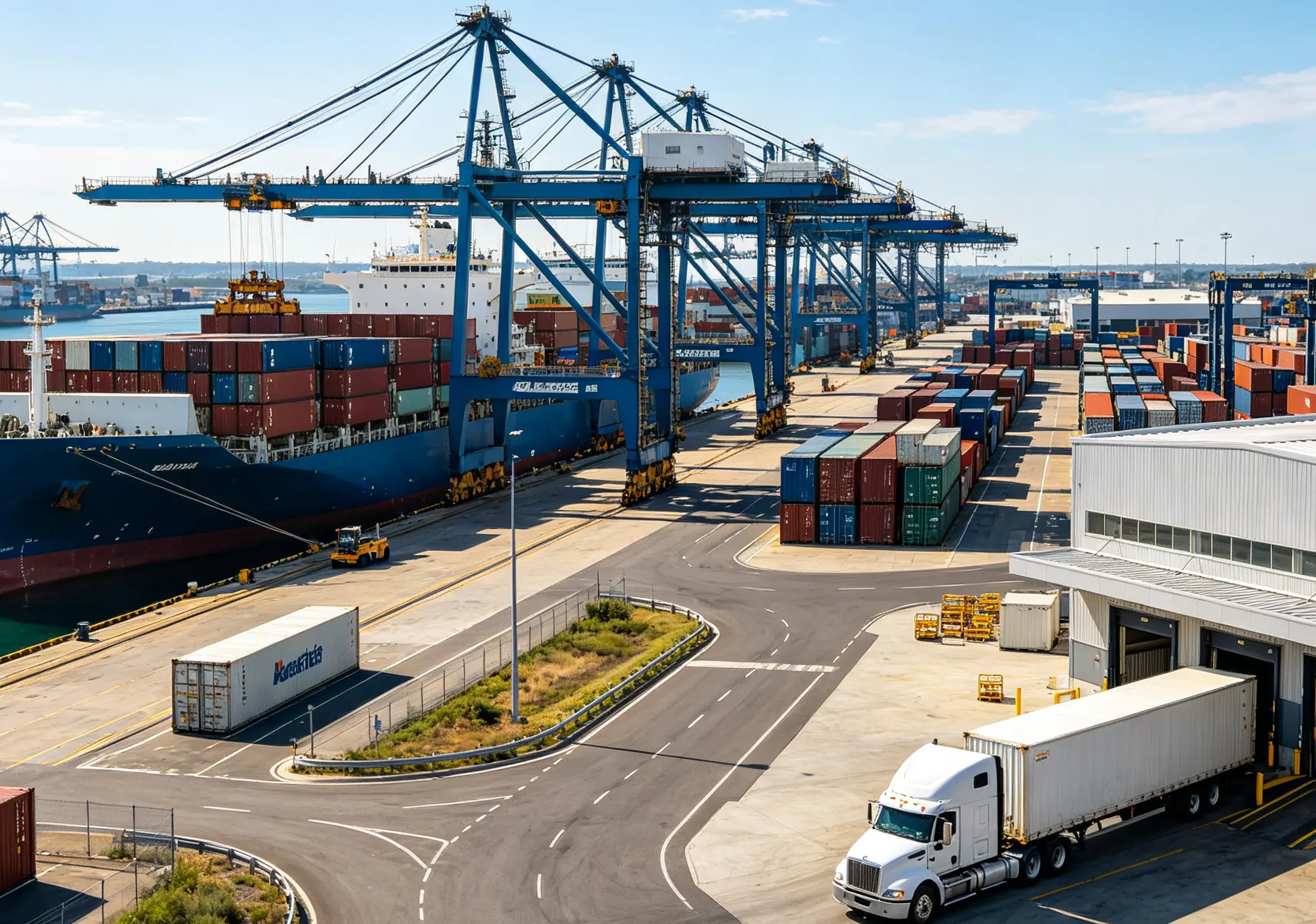
Have you ever wondered how Afghan importers get everything from packaged snacks and cooking oil to electronics and household goods from Chinese factories — when Afghanistan has no coastline whatsoever? The answer involves a carefully choreographed chain of ocean freight, bonded trucking, border crossings, and a stack of documents that can make or break your shipment. This guide gives you exactly what you need to plan a reliable, compliant, and cost-effective strategy for shipping food products and consumer goods from China to Afghanistan in 2026.
Below, we map every viable route, walk through Halal Certification requirements that no general logistics guide covers, provide a shelf-life-vs-transit-time formula designed for food importers, and hand you a documentation checklist that helps prevent your cargo from getting stuck at the Torkham border for weeks. Whether you need door to door shipping from a factory in Yiwu to a warehouse in Kabul or a cost comparison between air and sea-land corridors, this guide covers it.
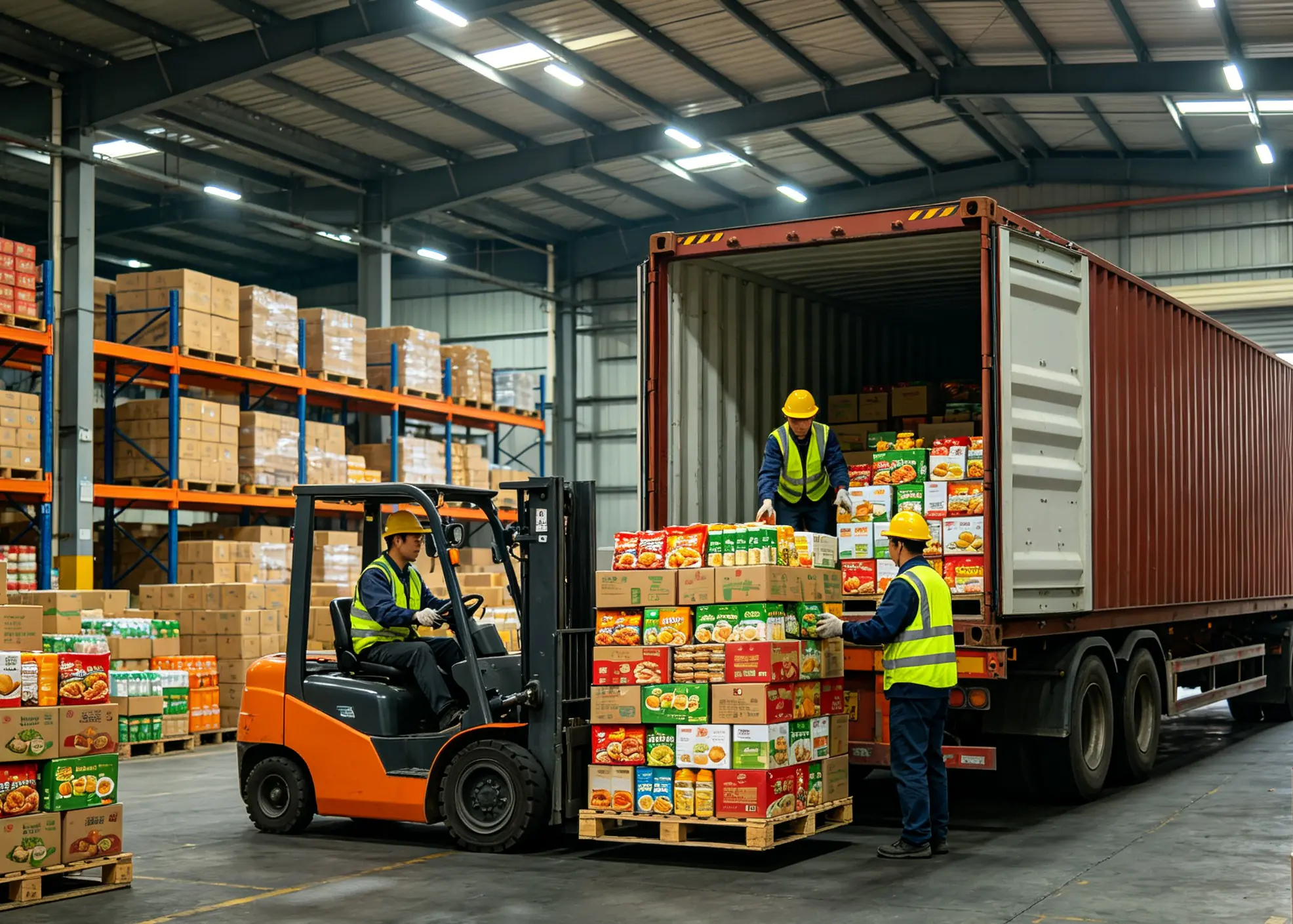
Understanding the China-to-Afghanistan Shipping Challenge
Afghanistan is landlocked. That one fact shapes every logistics decision you will make. There is no direct seaport, which means every shipment must travel through a neighboring country before crossing into Afghanistan by road or rail — a process known as multimodal transport. For a complete overview of available routes and service options, check our shipping from China to Afghanistan gateway page.
Four corridors handle virtually all China-to-Afghanistan cargo. Each has a different cost, speed, and risk profile:
| Corridor | Transit Route | Door-to-Door Time | Cost Level | Best For | Primary Risk |
|---|---|---|---|---|---|
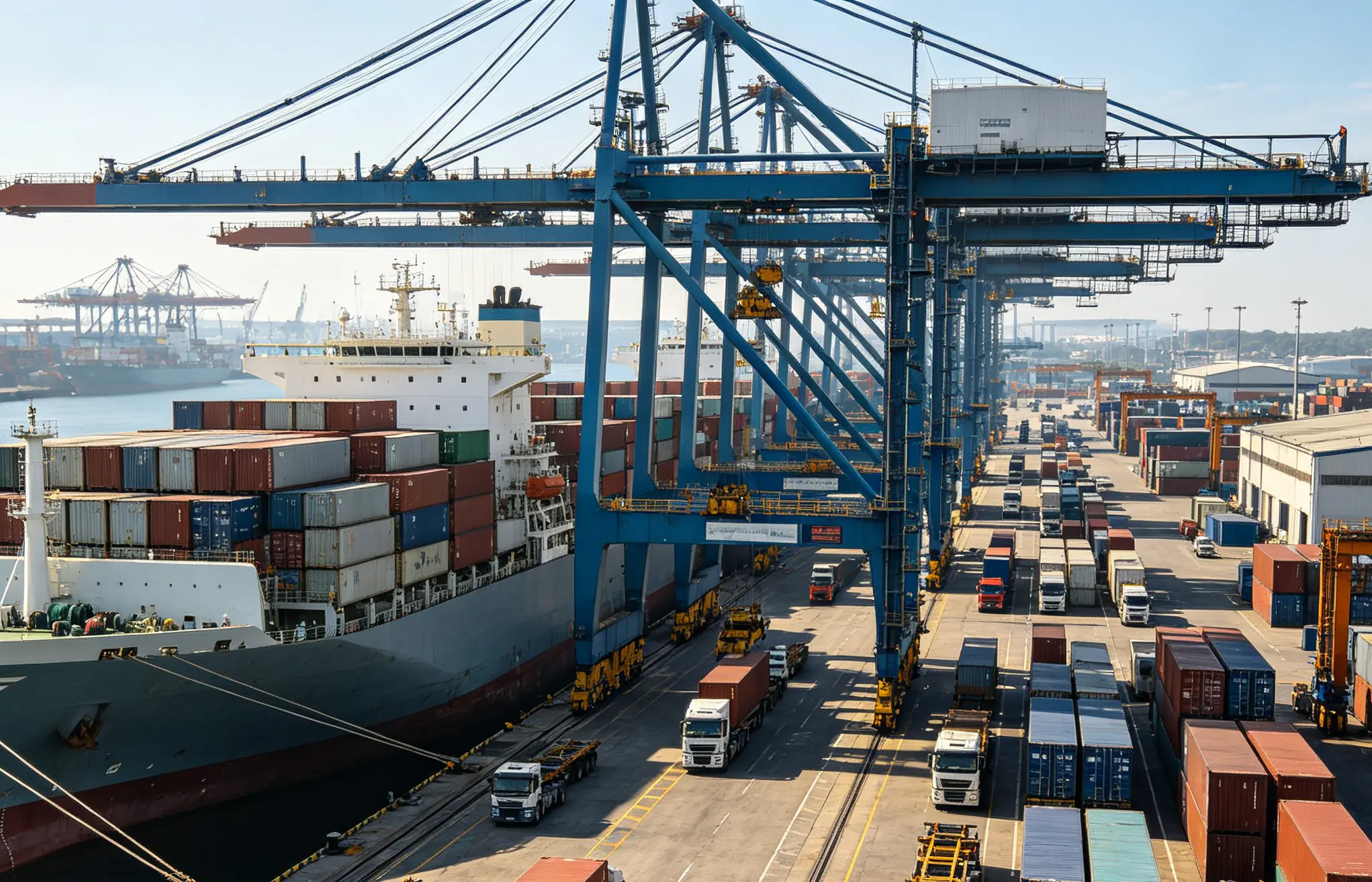
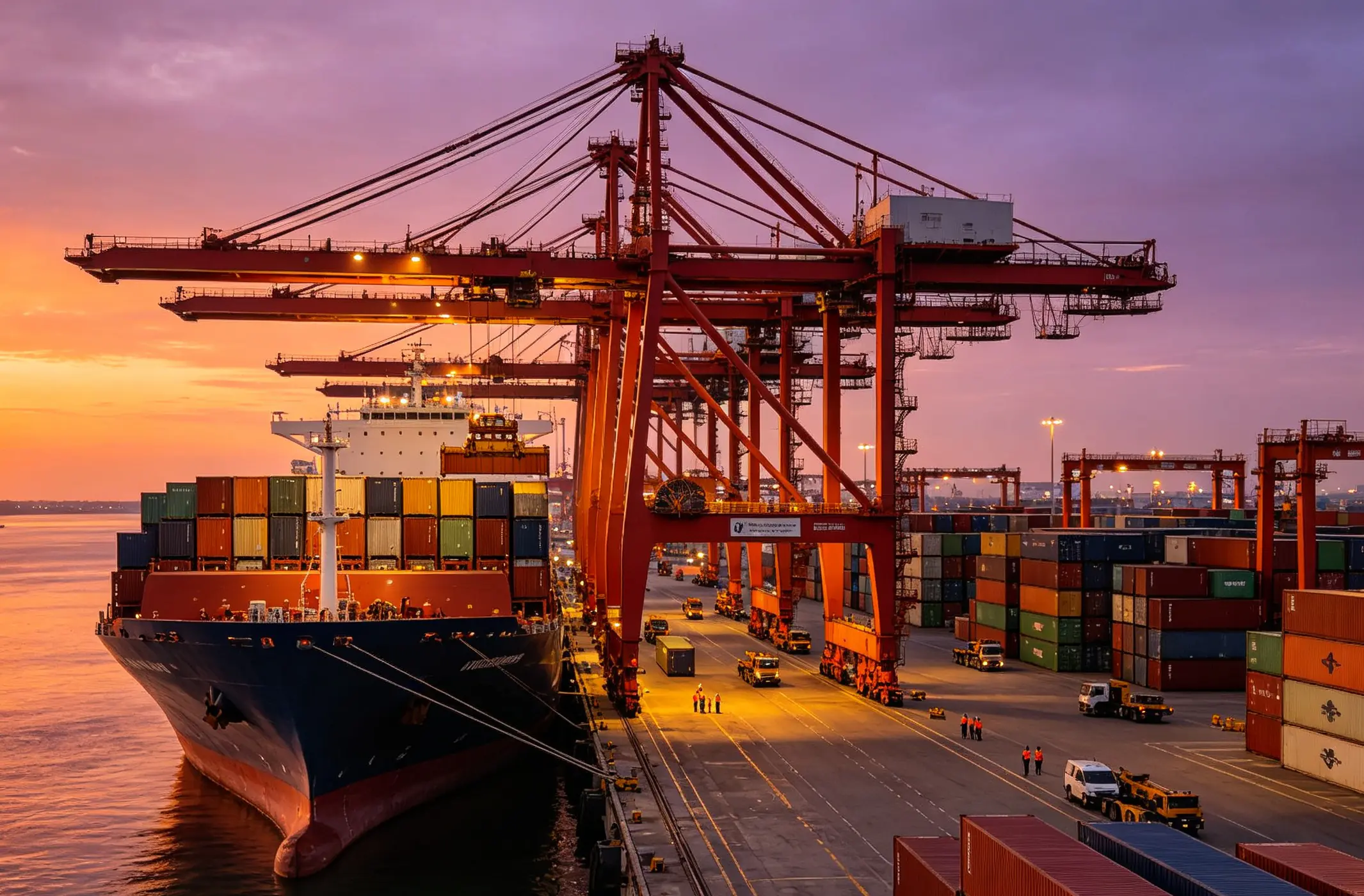
| Karachi Sea + Land | Chinese port → Karachi → Torkham/Chaman → Kabul/Kandahar | 25–40 days | Low | Bulk food, consumer goods FCL | Torkham border congestion |
| Bandar Abbas Sea + Land | Chinese port → Bandar Abbas → Islam Qala → Herat | 30–40 days | Low–Medium | Western Afghanistan cargo | Iran sanctions complexity |
| Central Asia Rail + Truck | Kashgar/Urumqi → rail via Uzbekistan → Hairatan → Mazar-i-Sharif | 18–25 days | Medium | Northern Afghanistan, time-sensitive overland | Limited rail frequency |
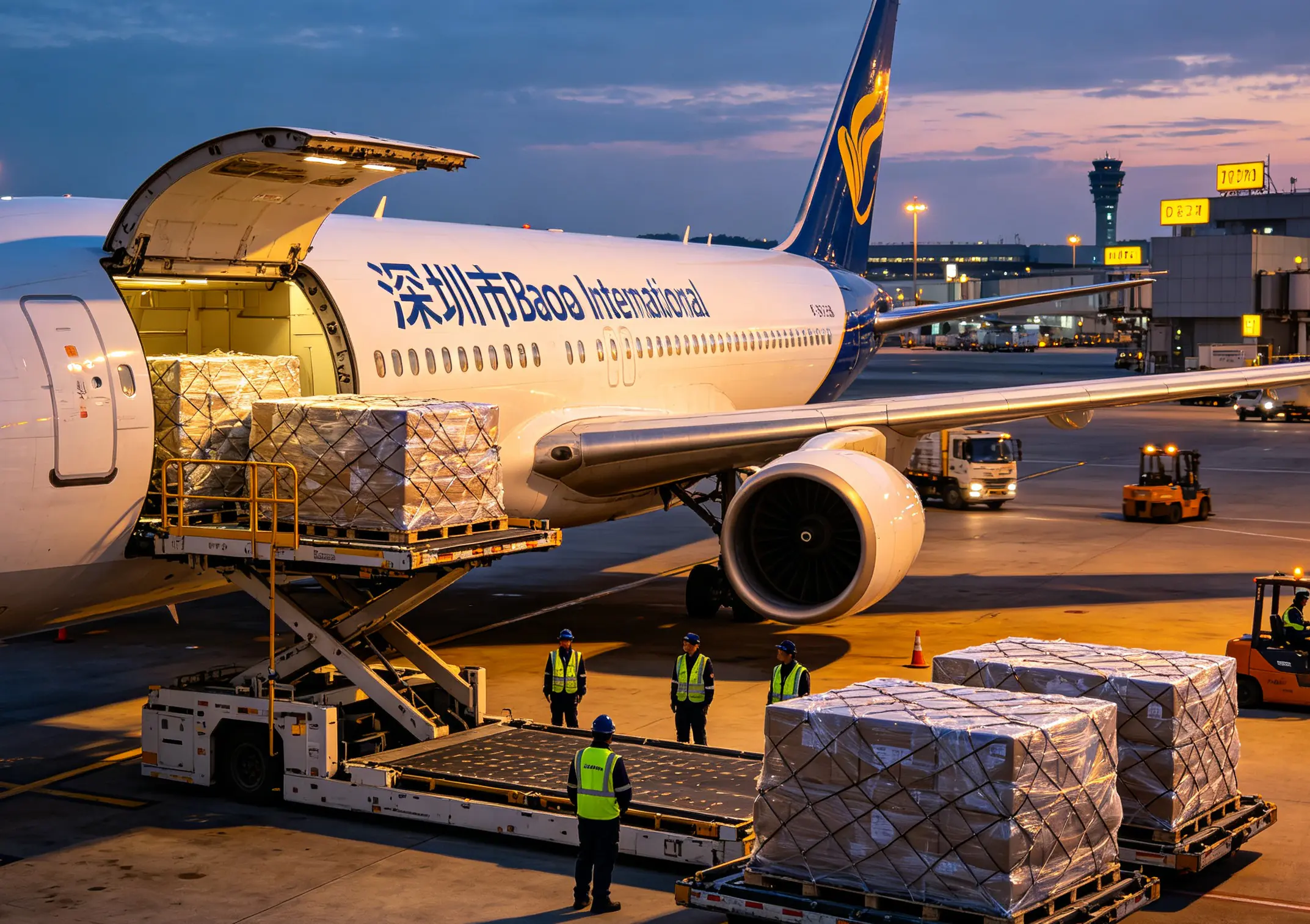
| Air Freight | Guangzhou/Shanghai/Shenzhen → Kabul International (KBL) | 3–7 days | High | Perishable food, urgent consumer goods | Weight/volume restrictions |
The Afghanistan-Pakistan Transit Trade Agreement (APTTA) governs the Karachi corridor — the most heavily used route. Under APTTA, cargo clears Pakistani transit customs without paying Pakistani import duties, provided the goods are moved by bonded carriers and ultimately cross into Afghanistan. If your paperwork is incomplete, your containers sit at Karachi port accruing Demurrage & Detention (D&D) charges. For importers who also ship to Pakistan directly, we offer dedicated shipping from China to Pakistan services; for those routing through the western corridor, see shipping from China to Iran for Bandar Abbas transit options.
The key border crossings you need to know: Torkham (Khyber Pass, serving Kabul and eastern Afghanistan), Chaman (serving Kandahar and the south), Islam Qala (serving Herat and the west), and Hairatan (Uzbekistan border, serving Mazar-i-Sharif and the north).

Best Shipping Routes for Food Products from China to Afghanistan
Not all food products travel the same way. Your choice of route should be driven primarily by three factors: shelf life, temperature sensitivity, and weight-to-value ratio.
| Food Product Type | Recommended Route | Transit Time | Minimum Shelf Life Needed | Cost Level |
|---|---|---|---|---|
| Dry packaged foods (snacks, biscuits, instant noodles) | Karachi sea + land (FCL) | 25–40 days | 9+ months | Low |
| Canned goods & preserves | Karachi sea + land or Central Asia rail | 18–40 days | 12+ months | Low–Medium |
| Beverages (heavy, shelf-stable) | Karachi sea + land (FCL 40HQ) | 25–40 days | 9+ months | Low |
| Confectionery & chocolate | Air freight (year-round); Karachi sea (winter only) | 3–7 days (air) | 6+ months | High |
| Frozen/chilled foods | Air freight with cold chain | 3–7 days | 3+ months (frozen) | High |
| Cooking oil, sauces, liquid condiments | Karachi sea + land (FCL) | 25–40 days | 12+ months | Low |
Dry, shelf-stable products like packaged snacks, instant noodles, and canned foods are the most straightforward category. They can comfortably handle the 25- to 40-day Karachi sea-plus-land transit without quality degradation — as long as they have at least nine months of shelf life remaining at the time of shipment.

Industry Insight: We have seen biscuit shipments arrive at Torkham with packaging fully intact but product texture compromised — not because of transit damage, but because the container spent three days sitting on the Karachi port tarmac in 42°C August heat before being loaded onto a bonded truck. For any product containing fats or oils (biscuits, chips, instant noodle seasoning packets), factor in heat exposure at the transit port, not just the border crossing. If your product melts or oxidizes above 35°C, schedule shipments through Karachi between October and March.
Frozen and chilled products are the hardest category to ship cost-effectively to Afghanistan. The Karachi sea route is simply too hot and too slow for anything requiring temperature control. When deciding between sea freight vs air freight for food products, the shelf-life calculation almost always points toward air for temperature-sensitive items — even at $5 to $10 per kilogram. You will need to budget for dry ice, gel packs, and insulated packaging on top of the base freight rate — cold chain logistics typically add a 30% to 60% premium.
Best Shipping Routes for Consumer Goods from China to Afghanistan
Consumer goods — electronics, textiles, household items, hardware, toys, and cosmetics — give you more routing flexibility because you are not fighting a shelf-life clock. The decision comes down to cargo value density, volume, and destination.
For high-value electronics (smartphones, accessories, small appliances), air freight makes sense even at $5 to $10 per kilogram. The lower handling frequency reduces damage risk, and lower insurance premiums offset part of the freight premium. Shipments typically route through Dubai or Doha before landing at Kabul International Airport (KBL).
For textiles, household items, and hardware, the Karachi sea-plus-land FCL route is the cost champion. A 40-foot high-cube container from Shenzhen or Guangzhou to Karachi runs approximately $1,250 to $1,800 for the ocean leg, with inland bonded trucking to Kabul adding another $3,000 to $3,400. Total door-to-door: roughly $4,250 to $5,200 per 40HQ — or about $65 to $80 per cubic meter at full utilization.
For small-batch mixed consumer goods, many importers use a consolidation model: suppliers across Yiwu, Guangzhou, and Shenzhen deliver to a forwarder’s warehouse, where goods are combined into a single LCL (Less than Container Load) shipment or full container. From Yiwu to Kabul via Karachi, door-to-door LCL rates run approximately $130 to $260 per cubic meter, with a total transit window of 30 to 45 days.
| Shipping Method | Volume Threshold | Cost per CBM (Approx.) | Best For |
|---|---|---|---|
| LCL Sea + Land (Karachi) | 1–15 CBM | $130–$260 | Small importers, mixed goods, test shipments |
| FCL 20GP Sea + Land (Karachi) | 15–28 CBM | $90–$180 | Medium-volume single-category imports |
| FCL 40HQ Sea + Land (Karachi) | 28–68 CBM | $65–$80 | High-volume, low-value-density goods |
| Central Asia Rail + Truck | 28–68 CBM (40HQ) | $105–$155 | Northern Afghanistan destinations |
| Air Freight | Any weight | $5–$10/kg | High-value, urgent, or fragile goods |
Choosing between FCL and LCL shipping depends largely on your shipment volume — as a rule of thumb, if your goods exceed 15 CBM, FCL becomes more cost-effective per unit. For smaller test batches of consumer goods, LCL consolidation through a Karachi-based Container Freight Station offers an affordable entry point.
Halal Certification and Afghan Food Import Regulations
Afghanistan is a Muslim-majority country. Any food product entering the Afghan market — whether processed snacks, canned goods, beverages, or frozen items — is expected to carry a recognized Halal Certification. This is not optional. Afghan customs authorities and the Afghanistan Standard and Quality Authority (ASQA) — formerly ANSA — enforce halal compliance as part of the import inspection process.
Halal Certification verifies more than the absence of pork and alcohol. It confirms that every ingredient, processing aid, packaging material, and storage condition complies with Islamic dietary law. The certification body audits the manufacturer’s facility, reviews ingredient sourcing, and checks for cross-contamination risks on shared production lines.
Industry Insight: Not all Chinese halal certificates carry equal weight at Afghan customs. Certificates issued by recognized bodies such as the China Islamic Association (CIA) or Shandong Islamic Association tend to clear without issue. Certificates from lesser-known provincial bodies or commercial halal consultants sometimes trigger requests for additional documentation, delaying clearance by days or weeks. Before you commit to a supplier, have their halal certificate reviewed by your Afghan consignee or customs broker. This one pre-check has saved our clients from having containers held at Islam Qala for over three weeks.
Beyond halal certification, Afghan food imports must comply with ASQA standards. Required certificates include:
- Health Certificate — issued by China’s CIQ (China Inspection and Quarantine) or an accredited third-party lab, confirming the product is fit for human consumption
- Sanitary Certificate — required for processed and packaged foods
- Phytosanitary Certificate — required for plant-based raw ingredients, grains, spices, and dried fruits
- Certificate of Origin — used by Afghan customs to assess applicable tariff rates
Labeling deserves special attention. Afghan authorities require that product labels include the production date, expiry date, ingredient list, and country of origin. While English labeling is generally accepted, having key information in Dari or Pashto — particularly the expiry date and storage instructions — significantly reduces the risk of customs questioning. HS codes for food products fall under Chapters 01 to 24, with import duty rates typically ranging from 2.5% to 10%, plus a flat 10% VAT on the CIF-plus-duty value.
Shelf Life Planning and Cold Chain Logistics
Every food importer needs to run a simple calculation before choosing a shipping method:
Transit Time + Customs Clearance Buffer + Local Distribution Time + Retail Window ≤ Remaining Shelf Life at Shipment
Let us apply this to two real scenarios:
Dry packaged snacks with 12-month shelf life at manufacture: 40-day transit + 10-day customs/distribution buffer + 30-day in-country distribution = 80 days consumed. This leaves roughly 9.3 months for retail sale. The Karachi sea route works perfectly.
Frozen dumplings with 6-month shelf life at manufacture: 40-day transit + 10-day buffer + 20-day cold-chain distribution = 70 days consumed, leaving only about 3.5 months for retail. That is tight for a product that needs freezer display space. Air freight (3 to 7 days) is the recommended alternative despite the premium — it preserves roughly 5 months of sellable shelf life.
For shipping frozen food from China to Afghanistan, cold chain options include reefer containers via Karachi (limited availability on this lane and substantially more expensive than dry containers) or air freight with active temperature control using dry ice and insulated packaging. The cold chain premium typically adds 30% to 60% to standard freight rates. If your product requires storage below 25°C, avoid the Karachi sea-plus-land route entirely between May and September — the combination of Karachi port heat (often exceeding 40°C), desert trucking through Balochistan, and unrefrigerated border holding areas will break any passive cooling solution.
Packaging Requirements for Food and Consumer Goods
Your cargo will be handled four to six times between the Chinese factory and the Afghan warehouse: factory loading, China CFS consolidation (if LCL), port loading/unloading, transit port stripping, cross-border truck loading, and final delivery. Packaging that works for domestic Chinese distribution will fail on this route.
For dry food products, use vacuum-sealed inner packaging with a moisture barrier layer. Corrugated export-grade cartons should be double-wall at minimum. Palletize cartons and stretch-wrap the entire pallet to prevent shifting during trucking — roads between Karachi and Torkham include mountain passes with sharp turns and uneven surfaces. For oxygen-sensitive products like nuts, chips, and fried snacks, add aluminum foil or metalized film inner layers and oxygen absorber packets.
For consumer goods, match the packaging to the product’s fragility level. Electronics need custom-cut foam inserts, anti-static bags, and cartons labeled “FRAGILE” in both English and Dari. Glass containers — common for cosmetics, sauces, and beverages — require individual partition boxes inside shock-absorbing outer cartons. Textiles and clothing should be sealed in moisture-barrier poly bags, particularly if your transit coincides with Karachi’s monsoon season (July to September).
Practical Tip: Invest in Cargo Insurance for every shipment. Premiums typically range from 0.3% to 0.8% of the declared cargo value. Given that your goods cross multiple jurisdictions, are handled by multiple carriers, and travel through security-sensitive zones, the cost is negligible compared to the financial impact of an uninsured partial loss or theft. Most freight forwarders can add cargo insurance to your quote — ask for it explicitly rather than assuming it is included.
Complete Shipping Cost Breakdown (2026 Estimates)
Below are mid-2026 indicative rates for each corridor. These numbers reflect both the ocean/rail/air leg and the inland trucking component to the Afghan border. For a deeper breakdown by shipment size and route, see our dedicated shipping cost from China to Afghanistan guide.
| Route | 20GP FCL | 40HQ FCL | LCL (per CBM) | Air Freight (per kg) |
|---|---|---|---|---|
| Karachi sea + land | $2,600–$5,200 | $3,400–$6,500 | $130–$260 | N/A |
| Bandar Abbas sea + land | $2,800–$5,500 | $3,600–$6,800 | $140–$270 | N/A |
| Central Asia rail + truck | N/A | $7,000–$9,000 | $220–$420 | N/A |
| Air freight to Kabul | N/A | N/A | N/A | $5–$10 |
Food-specific cost factors to budget separately:
| Cost Item | Estimated Range | Notes |
|---|---|---|
| Halal certification (per SKU) | $500–$2,000 | One-time certification cost |
| Cold chain surcharge | +30–60% on base freight | Applies to reefer or active cooling |
| Health/Sanitary certificate processing | $100–$300 | Varies by product category and lab |
| Afghan import duty (food) | 2.5–10% of CIF value | Depends on HS code classification |
| Afghan VAT | 10% on (CIF + duty) | Applied to all commercial imports |
Hidden costs that first-time importers routinely miss:
- D&D at Karachi: If transit documents delay container release beyond the 14- to 21-day free period, charges run $80 to $150 per day, per container.
- Torkham border detention: Political closures or document discrepancies can hold trucks for days or weeks. Detention fees accumulate at $80 to $150 per day.
- Pakistani security escort fees: Certain cargo types and routes require mandatory escorts — confirmed with your forwarder before booking.
- Currency conversion: The Afghan Afghani (AFN) can be volatile against the US dollar. If your local buyer pays in AFN and your forwarder quotes in USD, exchange rate swings during a 40-day transit can meaningfully shift your landed cost.
Required Documentation and Customs Clearance
Missing or incorrect paperwork is the number one cause of border delays on the China-to-Afghanistan lane. Below is the complete documentation checklist — print it and verify every item before your container leaves the Chinese port. For a detailed look at how the Karachi sea-land route works in practice, read our sea shipping from China to Afghanistan guide.
| Document | Requirement | Special Notes for Afghanistan |
|---|---|---|
| Commercial Invoice | Must state Afghanistan as final destination | Include transit country (Pakistan/Iran) in routing notes |
| Packing List | Detailed weights, dimensions, per-carton contents | Match invoice descriptions precisely |
| Transit Bill of Lading | Shows discharge port + final place of delivery | Standard B/L is insufficient for multimodal transit |
| Certificate of Origin | Issued by CCPIT or local chamber of commerce | Required for Afghan tariff assessment |
| Jawaznama (Import License) | Mandatory Afghan import license | Must exactly match consignee name and registered address |
| Health Certificate | CIQ or accredited lab | Required for all food products |
| Halal Certificate | Recognized halal certification body | Required for food products; verify recognition with Afghan broker |
| Sanitary / Phytosanitary Certificate | As required by product type | Phytosanitary needed for plant-based products |
The Jawaznama deserves special emphasis. This is Afghanistan’s import license, and it is mandatory for all commercial imports. Without a valid Jawaznama that exactly matches your consignee’s registered details — name, address, and license number — your cargo will not clear Afghan border customs. Period.
Afghanistan uses the ASYCUDA World electronic customs platform, managed by the Afghanistan Customs Department (ACD). At the border, officials verify your documents, calculate duties based on the HS Code classification and CIF value, and conduct a physical inspection (partial or full, depending on cargo type and risk profile). When documents are complete, physical border clearance typically takes 1 to 3 days. The inland trucking segment from the transit port to the border is where the widest time variation occurs — anywhere from 2 to 5 days, depending on road conditions, security checkpoints, and border queue length.
Seven Practical Tips for First-Time Food and Consumer Goods Importers
- Verify your Jawaznama before the vessel sails. An expired or mismatched import license is the single most common reason for border holds. Have your Afghan consignee confirm its validity at least one week before your cargo departs China.
- Run the shelf-life formula from Section 5 for every product SKU. A shipment of three products with three different shelf-life profiles may need two different shipping modes. Do not assume one container fits all.
- Pack for six handling points, not two. Your cartons will be lifted, stacked, cross-docked, and transferred multiple times in environments that are hot, dusty, and sometimes wet. Export-grade double-wall cartons with palletization are the minimum.
- Pre-screen halal certification with the Afghan consignee. Have your customer or their customs broker review the certificate before you ship. A rejected halal certificate at the border is not fixable remotely.
- Ship a small LCL test batch before committing to a full FCL. Use the first shipment to validate the route, customs broker, actual transit time, and documentation flow. The test-batch premium is far cheaper than a stranded 40HQ container.
- Budget 15% to 20% above the quoted freight rate for hidden costs. D&D, escort fees, brokerage, currency fluctuation, and unexpected border delays add up fast. Build a buffer into your landed cost calculation.
- Partner with a freight forwarder experienced in the Central Asian corridors. A Shenzhen-based forwarder with dedicated Afghanistan lane experience — like Efanda Logistics, which manages hundreds of TEUs annually along these routes — handles Jawaznama verification, APTTA transit documentation, and border brokerage under a single point of contact. For importers seeking a true DDP (Delivered Duty Paid) end-to-end solution, this eliminates the coordination burden of chasing multiple providers across three countries.
Risk Note: Shipping to Afghanistan carries inherent risks — border closures due to political or security developments, seasonal road conditions (winter snow on the Salang Pass, monsoon flooding in Pakistan), documentation delays at transit customs, and currency volatility in the Afghan Afghani. These risks are structural to the corridor, not unique to any single freight forwarder. A competent forwarder manages them transparently; no forwarder can eliminate them entirely.
Frequently Asked Questions
What is the cheapest way to ship food products from China to Afghanistan?
For dry, shelf-stable food products (snacks, canned goods, cooking oil, beverages), the Karachi sea-plus-land FCL route offers the lowest cost at approximately $65 to $80 per cubic meter for a fully loaded 40HQ container. For smaller volumes, LCL consolidation runs $130 to $260 per CBM.
How long does sea freight from China to Afghanistan actually take?
Door-to-door via the Karachi corridor takes 25 to 40 days. Via Bandar Abbas (Iran), approximately 30 to 40 days. The sea leg itself is 16 to 24 days; the inland trucking and border clearance add another 7 to 16 days.
Is halal certification mandatory for all food products entering Afghanistan?
In practice, yes. Afghanistan is a Muslim-majority country, and Afghan customs expects a recognized halal certificate for all food imports. Products without halal documentation risk rejection at the border or confiscation.
Can I ship frozen food from China to Afghanistan without it spoiling?
Yes, but only via air freight with active cold chain logistics (dry ice, gel packs, insulated packaging). The Karachi sea route is too hot and too slow for frozen products. Budget for cold chain surcharges of 30% to 60% above standard air freight rates.
What are the most common documents rejected at Afghan border customs?
The Jawaznama (import license) is the most frequent rejection point — typically because the consignee name on the license does not exactly match the name on shipping documents. Halal certificates from unrecognized bodies are the second most common issue.
How much import duty will I pay on consumer goods shipped to Afghanistan?
Import duties range from 2.5% to 16% of the CIF value, depending on the HS code. A flat 10% VAT is applied on the duty-inclusive value. For example, a consumer electronics shipment with CIF value of $10,000 and a 5% duty rate incurs $500 in duty plus $1,050 in VAT, totaling $1,550 in Afghan government charges.
Is it safer to ship via Pakistan or Iran for food products?
Pakistan (Karachi) is the more established corridor with higher sailing frequency, better infrastructure, and clearer transit procedures under APTTA. The Iran route (Bandar Abbas) can be faster for western Afghanistan but carries sanctions-related banking and compliance risks. For first-time food importers, the Karachi route is the safer starting point.
Can I ship small quantities of consumer goods from Yiwu to Kabul?
Yes. Use a consolidation service where goods from multiple Yiwu suppliers are collected at the forwarder’s warehouse and shipped as LCL via Karachi. Door-to-door transit takes approximately 30 to 35 days, with rates ranging from $130 to $260 per cubic meter depending on volume.
What happens if my container gets stuck at the Torkham border?
If the delay is caused by document issues (expired or mismatched Jawaznama, missing certificates), your forwarder’s broker works to resolve the discrepancy with Afghan customs — a process that can take days to weeks. During this time, container detention fees accumulate at $80 to $150 per day. If the delay is caused by a border closure (political or security event), there is nothing a forwarder can do except wait for reopening. This is why cargo insurance and contingency budgeting are essential.
Do I need a local Afghan partner to clear customs?
Technically, a licensed Afghan customs broker can clear your goods. However, the Jawaznama import license must be held by a registered Afghan entity. Most importers either work through an Afghan trading partner who holds the license or establish their own Afghan-registered entity. Discuss your license strategy with your freight forwarder before booking your first shipment.
Disclaimer: Transit times, freight rates, and import duty rates cited in this article are based on mid-2026 market conditions and publicly available Afghan customs references. Actual figures fluctuate with fuel surcharges, seasonal demand, border conditions, and evolving regulatory policies. Always request a current quote from your freight forwarder and verify documentation requirements with Afghan customs authorities before shipping.