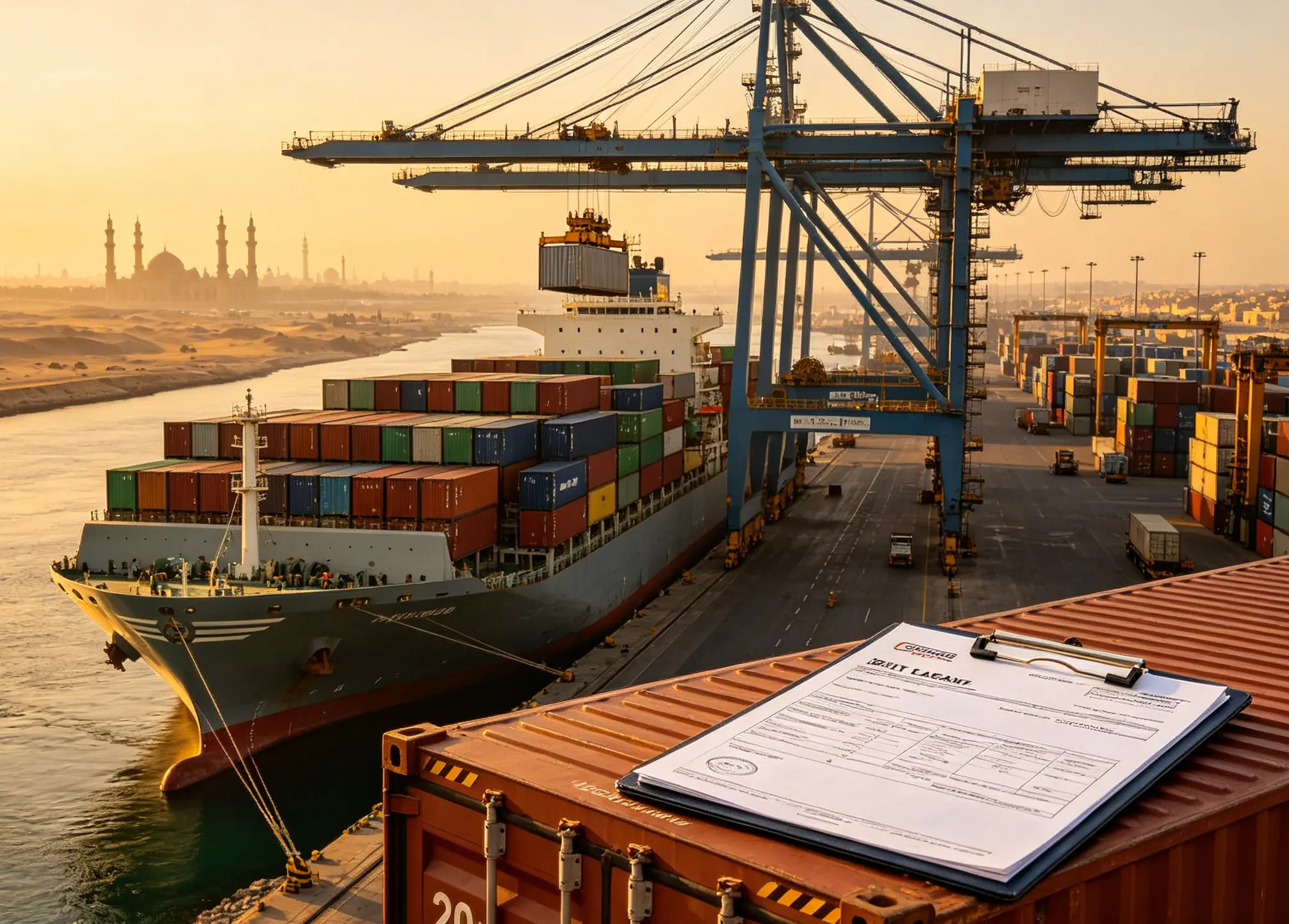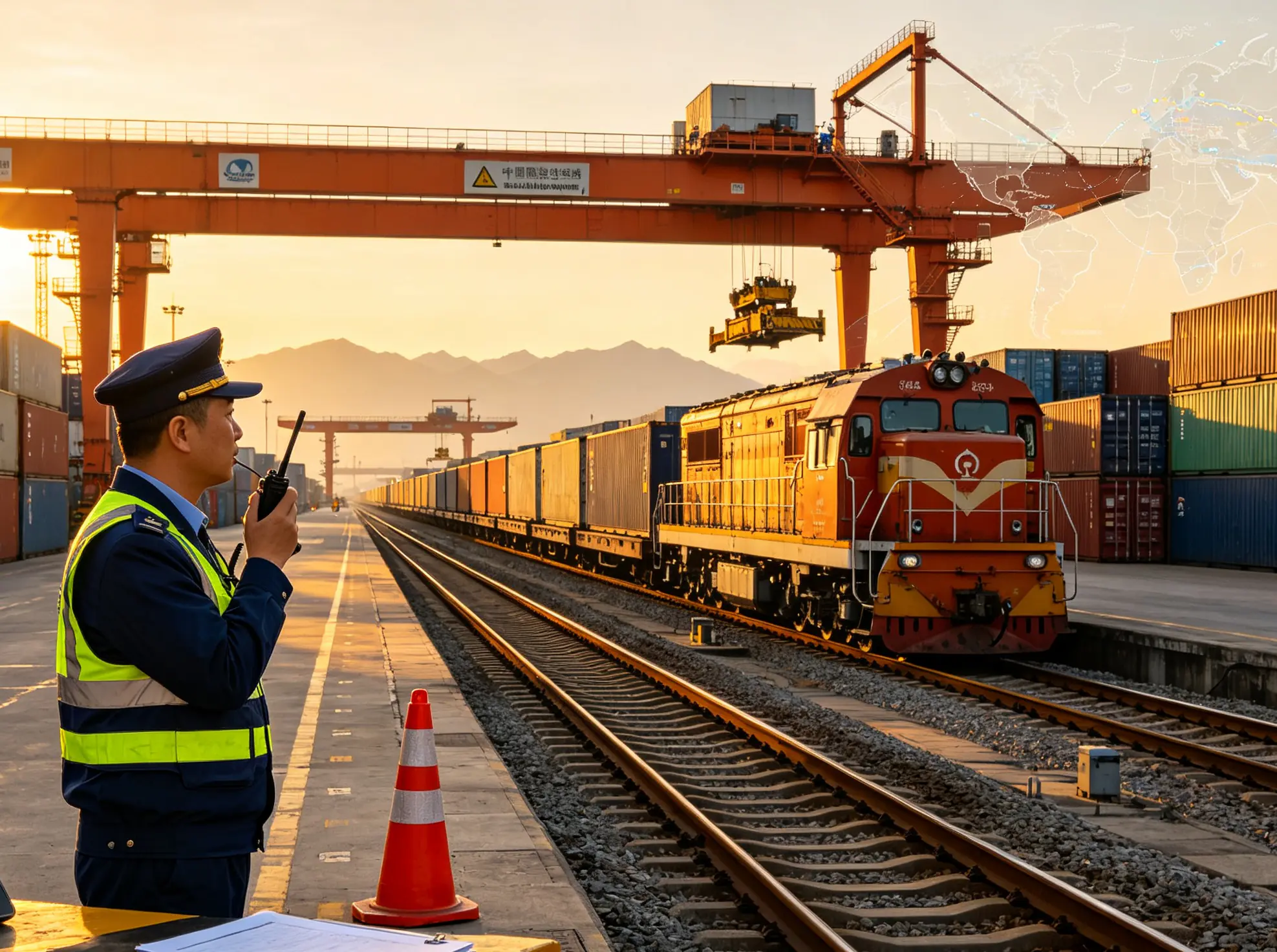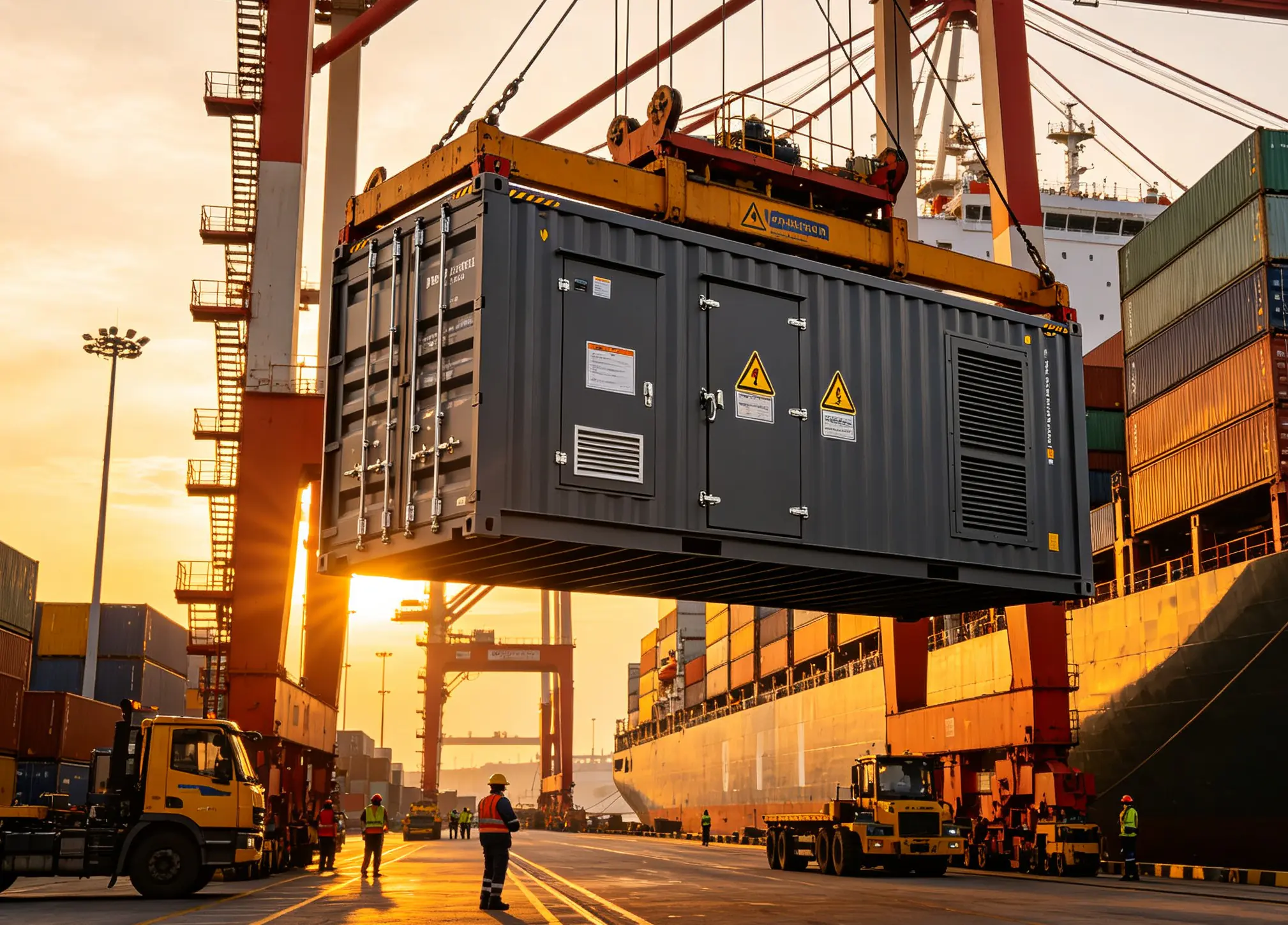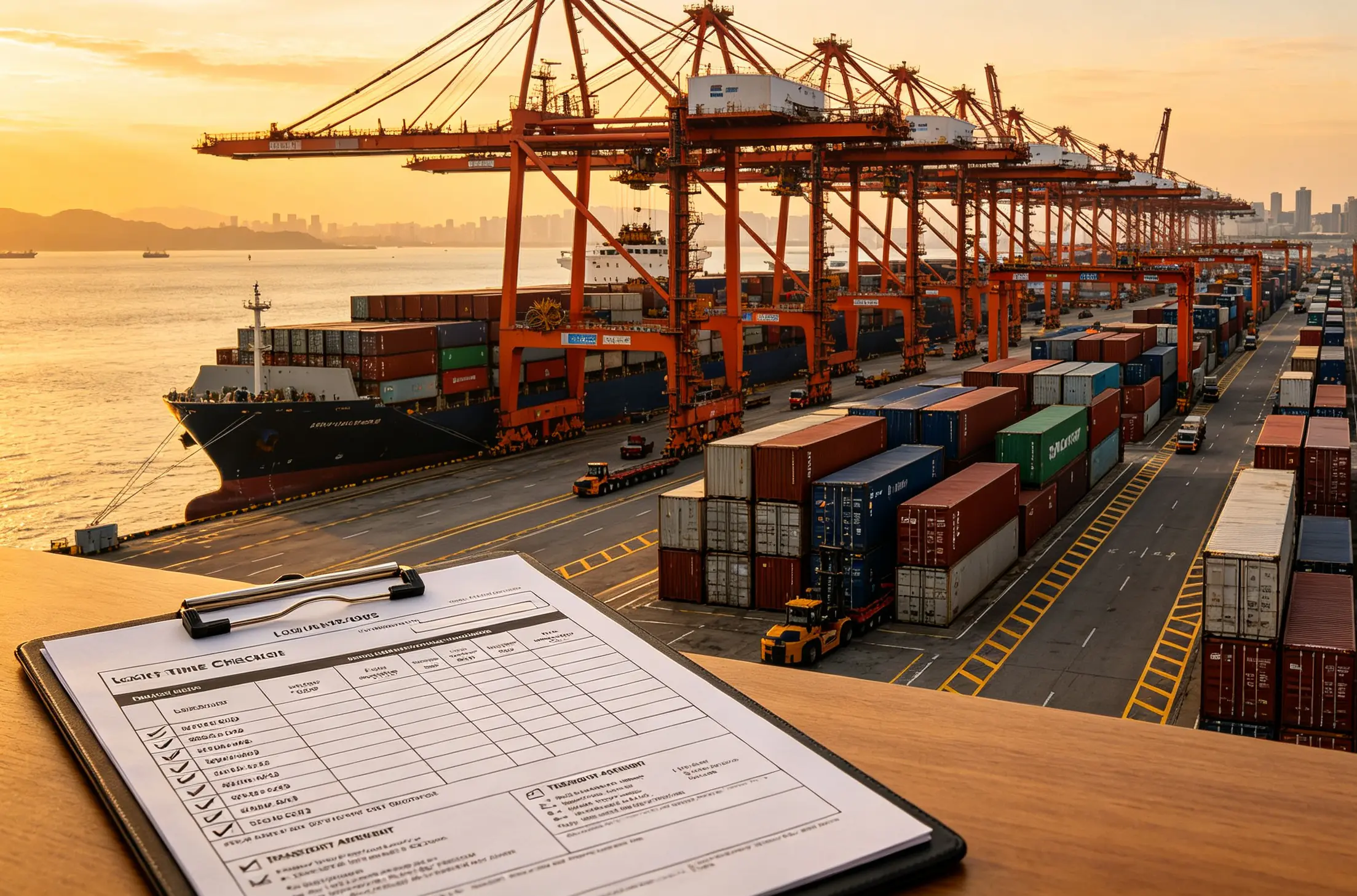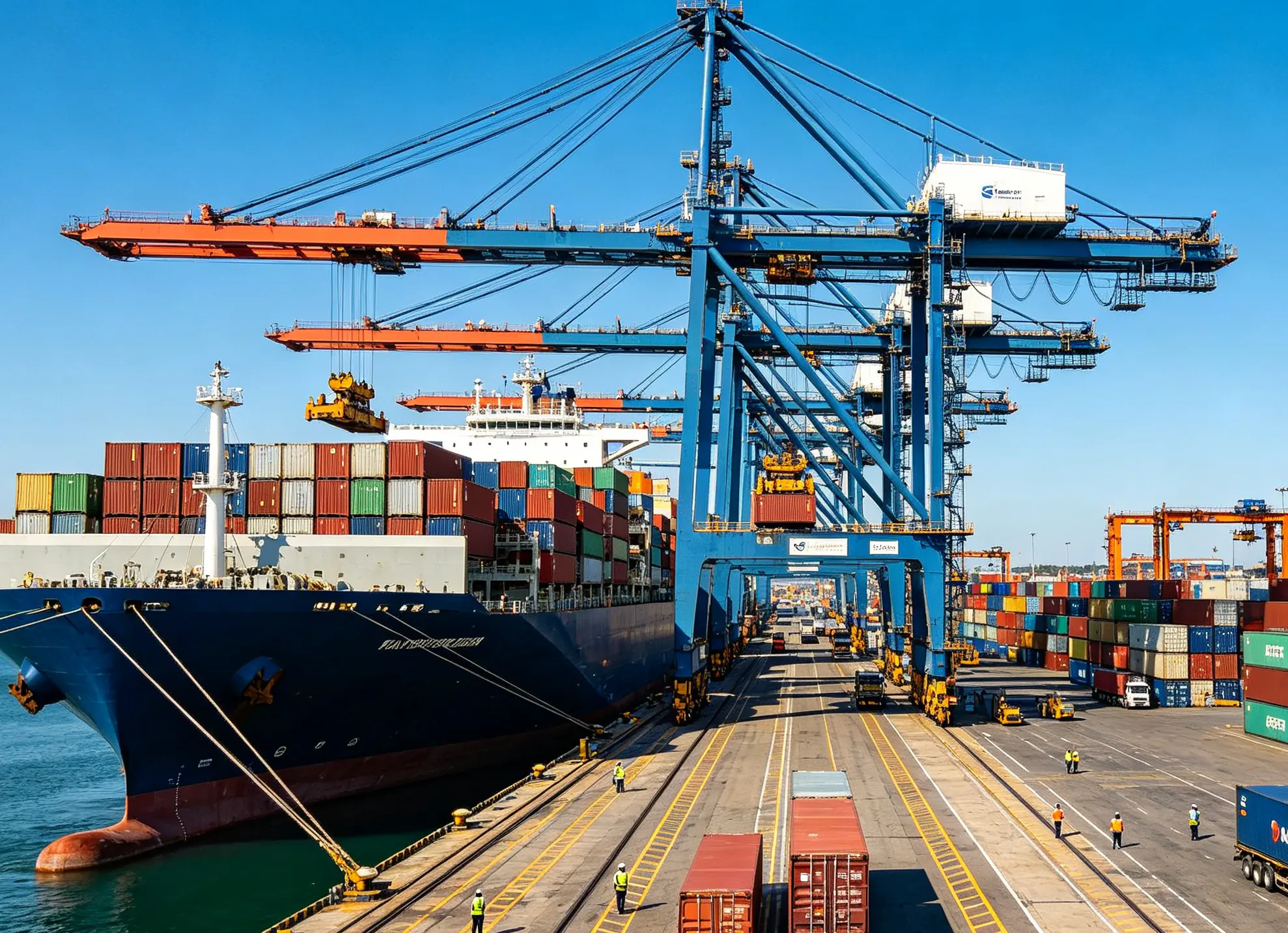
Are you tired of coordinating five different providers just to move a single shipment from a factory in China to your warehouse in Mexico? Door to Door Shipping from China to Mexico is designed to solve exactly that problem: one freight forwarder manages pickup, export customs, international transport, Mexican customs clearance, and final delivery so you can focus on selling instead of chasing paperwork.
In this guide, you will learn how the service works, whether DDP (Delivered Duty Paid) or DDU (Delivered Duty Unpaid) fits your business, what sea and air freight really cost today, how long each mode takes, and which documents keep Mexican customs from holding your cargo. We also cover the hidden fees that turn a cheap quote into an expensive surprise, plus practical advice for Amazon FBA and Mercado Libre sellers shipping into Mexico. At Efanda Logistics, our Shenzhen-based operations team has managed China-Mexico door-to-door lanes since 2018, and every recommendation below reflects what we have learned from real shipments through Manzanillo, Lázaro Cárdenas, and Mexico City.
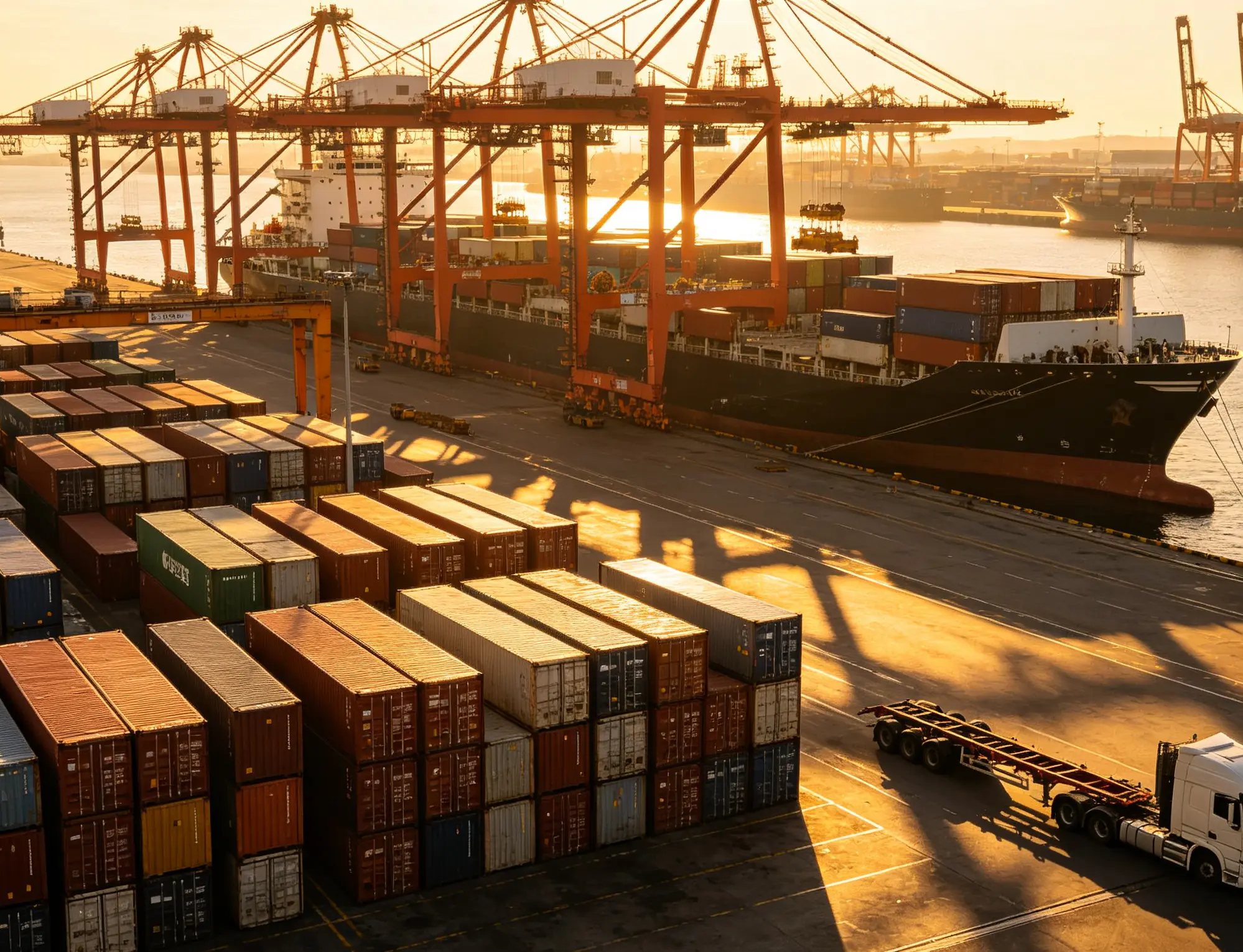
What Is Door to Door Shipping from China to Mexico?
Door to door shipping means a single logistics provider moves your cargo from the supplier’s premises in China to your designated address in Mexico. The service bundles every leg of the journey—factory pickup, inland trucking in China, export declaration, ocean or air freight, import customs clearance, duties and taxes, and final-mile delivery—into one coordinated shipment.
It is different from port-to-port or airport-to-airport shipping, where the buyer must arrange trucking, customs brokers, and warehousing on both ends. Door to door is especially valuable for importers who do not have a licensed Mexican customs broker (Agente Aduanal) or who simply want one point of contact for the entire chain.
Most door-to-door quotes are offered under two Incoterms 2020 structures:
- DDP (Delivered Duty Paid): The shipper or forwarder pays all freight, duties, taxes, and fees, and delivers to the buyer’s door. The buyer sees one predictable landed cost.
- DDU (Delivered Duty Unpaid): The forwarder delivers to the destination, but the buyer handles import duties, taxes, and final customs entry.
Our Industry Insight: In our Shenzhen office, the majority of China-to-Mexico inquiries we receive are for DDP shipping. Most buyers prefer knowing their total cost upfront because Mexican import taxes and local handling fees can be difficult to estimate if you are not familiar with SAT procedures. Over the past three years, we have seen that DDP quotes reduce post-arrival payment surprises by giving importers a single landed figure before the cargo leaves the factory.

DDP Shipping from China to Mexico vs. DDU and Other Incoterms
DDP shipping from China to Mexico places full cost and customs responsibility on the shipper or forwarder, while DDU, FOB, CIF, and EXW shift some or all of those obligations back to the buyer. Choosing the wrong Incoterm can add days to your transit time and thousands of dollars to your landed cost.
| Incoterm | Who Pays Freight | Who Handles Export Customs | Who Handles Import Customs & Taxes | Best For |
|---|---|---|---|---|
| EXW (Ex Works) | Buyer | Buyer | Buyer | Experienced importers with full China and Mexico logistics teams |
| FOB (Free On Board) | Buyer | Seller | Buyer | Buyers who want control over ocean/air freight and have a Mexican broker |
| CIF (Cost, Insurance, Freight) | Seller to port | Seller | Buyer | Buyers comfortable managing Mexican customs and inland delivery |
| DDU (Delivered Duty Unpaid) | Seller/Forwarder | Forwarder | Buyer (taxes due at arrival) | Importers with their own Aduanal and established import processes |
| DDP (Delivered Duty Paid) | Seller/Forwarder | Forwarder | Forwarder (taxes prepaid) | SMEs, first-time importers, Amazon sellers, buyers wanting predictable cost |
DDP shipping from China to Mexico is usually the safest choice if you do not have a Mexican tax ID or customs broker. If you are new to the term, read our DDP shipping explained guide. The forwarder pre-clears the shipment and prepays IVA, duties, and customs processing fees, so your cargo is released for inland delivery as soon as it arrives. Keep in mind that the forwarder must calculate those taxes accurately up front; an underestimated DDP quote can still lead to a revised invoice after customs review, which is why experienced shippers always ask for an itemized DDP cost breakdown before booking.
DDU can look cheaper on the initial quote, but the buyer must pay import duties and taxes before the cargo leaves customs. If you are not prepared, storage and demurrage charges begin immediately. For a side-by-side look at two common trade terms, see our FOB vs CIF guide.
Sea Freight vs Air Freight Door to Door from China to Mexico
Most China-Mexico cargo moves by sea, but air freight plays an important role for urgent inventory. The right choice depends on volume, weight, value, and how quickly you need the goods. For a dedicated sea guide, see our ocean freight from China to Mexico resource.
| Mode | Typical Volume | Cost Level | Door-to-Door Transit | Best For |
|---|---|---|---|---|
| Sea FCL (20GP/40HQ) | 15–30 CBM+ | Lowest per unit | 25–38 days | Bulk goods, machinery, furniture, palletized inventory |
| Sea LCL | 1–15 CBM | Medium | 28–42 days | Smaller shipments that do not fill a container |
| Air Freight | 100 kg+ | High | 4–8 days | Electronics, fashion, spare parts, urgent restocks |
| Express Courier | <100 kg | Very high | 3–7 days | Samples, documents, small high-value parcels |
A simple rule of thumb: if your cargo is larger than 2 CBM and not urgent, sea freight is almost always cheaper per kilogram. If it is under 200 kg and time-sensitive, air freight or express becomes competitive. In our experience, the break-even point for most China-Mexico e-commerce shipments sits between 200 kg and 500 kg of chargeable weight, depending on the product density and current air fuel surcharge. For dedicated air options, read our guide to air freight shipping from China to Mexico. For help choosing the right container strategy, read our FCL vs LCL shipping comparison.
Real-Life Scenario: A consumer electronics importer in Guadalajara ships 40HQ containers from Shenzhen every month but sends a 300 kg air shipment two weeks before peak season. The sea containers handle baseline inventory, while the air shipment covers unexpected demand. This split strategy keeps landed cost low without risking stockouts.
For air freight, always remember that airlines charge by chargeable weight, which is the greater of actual weight or volumetric weight. To estimate volumetric weight, divide the cargo volume in cubic centimeters by 6,000. For example, a carton measuring 60 × 50 × 40 cm has a volumetric weight of 20 kg, even if it only weighs 12 kg. The airline will charge for 20 kg. In our Shenzhen warehouse, we re-measure every air shipment before booking because even a 2 cm difference in carton height can push a shipment into a higher weight break.
How Long Does Door to Door Shipping from China to Mexico Take?
Door-to-door transit time is the sum of pickup, export customs, international transit, import customs, and inland delivery. These are typical ranges for August 2026.
| Mode | Port-to-Port / Airport-to-Airport | Total Door to Door |
|---|---|---|
| Sea FCL | 18–28 days | 25–38 days |
| Sea LCL | 22–32 days | 28–42 days |
| Air Freight | 2–4 days | 4–8 days |
| Express Courier | 1–3 days | 3–7 days |
Route-specific sea examples:
| Origin in China | Destination in Mexico | Typical Door-to-Door Sea |
|---|---|---|
| Shenzhen / Hong Kong | Manzanillo | 25–35 days |
| Shenzhen / Hong Kong | Lázaro Cárdenas | 26–36 days |
| Shanghai / Ningbo | Manzanillo | 26–37 days |
| Shanghai / Ningbo | Veracruz | 33–44 days |
| Guangzhou | Altamira | 30–41 days |
Delays usually happen at three points: origin pickup during Chinese holidays, port congestion at Manzanillo, and Mexican customs examinations. Built-in buffer of three to five days beyond the quoted range is a realistic planning practice. For a route-specific estimate, see how long does shipping from Shenzhen to Manzanillo take.
Door to Door Shipping from China to Mexico Cost Breakdown
Pricing depends on cargo details, route, fuel, and seasonal demand. The figures below are indicative ranges for August 2026 and are only valid for a short quoting window. Always confirm a live rate before booking.
| Mode | Indicative Door-to-Door Range | Notes |
|---|---|---|
| FCL 20GP | $3,700 – $5,800 | Best for 15–28 CBM; DDP surcharges included in upper range |
| FCL 40HQ | $5,600 – $8,500 | Best for 55–68 CBM; lower per-CBM cost than 20GP |
| LCL | $180 – $280 per CBM | Minimum charges apply; subject to cubic-meter vs. weight rule |
| Air Freight | $5.50 – $9.00 per kg | Based on chargeable weight; peak season surcharges possible |
| Express Courier | $9.00 – $16.00 per kg | Includes courier’s customs clearance; best for small parcels |
A DDP quote normally includes these components:
- Pickup and inland trucking in China
- Export customs declaration
- Ocean or air freight
- Destination terminal handling
- Import customs processing (DTA)
- Import duties
- IVA (currently 16% for most goods)
- IEPS (applies to fuel, alcohol, tobacco, sugary drinks, and certain other products)
- Inland trucking to final address
- DDP administration and documentation fee
Our Industry Insight: The biggest pricing mistake we see is comparing a basic port-to-port ocean rate with a DDP door-to-door quote. A port-to-port quote excludes origin pickup, export customs, Mexican import duties, IVA, and last-mile trucking. When you add those in, the gap between the two often shrinks dramatically. We typically advise clients to request a DDP door-to-door quote and a separate FOB/CFR port-to-port quote for the same shipment so they can compare true landed cost, not just headline freight. For a current rate snapshot, see our dedicated page on freight costs from China to Mexico.
Mexico Customs Clearance and Required Documents
Mexican customs is administered by SAT (Servicio de Administración Tributaria). According to SAT, all commercial imports must be cleared by a licensed Agente Aduanal (customs broker). A professional forwarder works with a Mexican broker partner so you do not have to hire one separately.
Required documents typically include:
- Commercial Invoice — must match the payment value and include the buyer and seller details.
- Packing List — itemized weights, dimensions, and carton counts.
- Bill of Lading (B/L) for sea or Air Waybill (AWB) for air.
- Certificate of Origin — may be required to claim preferential tariff treatment.
- HS Code Classification — determines duty rate; misclassification causes delays and penalties.
- NOM Certificates — Mexican Official Standards apply to electronics, toys, textiles, food, and other regulated products.
- RFC (Registro Federal de Contribuyentes) — a Mexican tax ID is required for some formal import entries; under many DDP arrangements the broker uses the importer of record structure.
SAT pays close attention to declared values. Under-invoicing, especially on electronics and consumer goods, can trigger inspections, fines, and seizure. Declaring the real transaction value and using the correct HS Code is the fastest way through customs.
Hidden Fees and Risks to Avoid
A low headline rate can hide expensive accessorials. Watch for these common charges.
| Fee | What It Is | How to Avoid It |
|---|---|---|
| Demurrage | Charge for keeping a container at the port beyond free days | Pre-clear customs and have a trucker ready before arrival |
| Detention | Charge for keeping the shipping line’s container too long | Return empty containers within the agreed free time |
| Customs Inspection Fee | Cost when SAT selects cargo for physical exam | Provide accurate, complete, and consistent documentation |
| Fuel Surcharge (BAF) | Variable fuel adjustment on ocean or air freight | Ask for a rate validity period and fuel adjustment formula |
| Port Congestion Surcharge | Peak-season or congestion fee | Book space early and consider alternative ports |
| Warehouse Storage | Cost for holding cargo before delivery | Coordinate delivery appointment before cargo arrives |
| Overweight Road Fine | Mexican road regulations limit axle weights | Distribute weight properly inside the container |
| Residential / Liftgate Fee | Extra charge for non-commercial or limited-access delivery | Confirm unloading capabilities at the destination |
Three practical ways to protect your budget:
- Book two to three weeks ahead during the pre-Chinese-New-Year and Q4 peak seasons to lock in space and avoid last-minute premiums.
- Pre-screen your HS codes and NOM requirements before the cargo ships; missing certificates are one of the top reasons cargo sits in Mexican customs.
- Build a three- to five-day buffer into your promised delivery date so that minor customs or inland delays do not disrupt your sales schedule.
Door to Door Shipping for Amazon FBA and E-commerce Sellers
E-commerce sellers face extra rules. Amazon Mexico fulfillment centers—commonly referenced as MEX1, MEX2, and MEX3—require specific labeling, palletizing, and appointment scheduling.
Key requirements include:
- Each carton must display the correct FNSKU or UPC label.
- Cartons must meet Amazon’s weight and dimension limits.
- Pallets must follow Amazon Mexico’s pallet standards (typically 1 m × 1.2 m four-way entry pallets).
- Deliveries must be booked through Amazon’s carrier appointment system.
- Commercial invoices must match the shipment contents exactly to pass both SAT and Amazon receiving.
Mercado Libre has similar requirements, though labeling and pallet rules may differ. A Shenzhen-based forwarder can consolidate goods from multiple suppliers, inspect labeling, and repack at origin before the cargo ever reaches Mexico. That pre-shipment control is often the difference between a smooth warehouse check-in and costly rejection fees.
How to Choose a Reliable Door to Door Freight Forwarder
Not every forwarder that advertises China-Mexico service has real lane experience. Use this checklist when evaluating a partner:
- Proven China-Mexico door-to-door track record, not just general freight forwarding.
- Direct pickup network in South China, ideally from Shenzhen, Dongguan, Guangzhou, and nearby factory zones.
- Transparent DDP quoting with a clear list of inclusions and exclusions.
- Relationship with a licensed Mexican Agente Aduanal.
- Real-time tracking and a dedicated point of contact.
- Cargo insurance options and experience with NOM compliance.
- Clear communication in English and Spanish for both ends of the shipment.
Red flags include quotes far below market rate, vague answers about what is included in DDP, and refusal to share SAT documentation or customs entry details.
Our Industry Insight: At Efanda Logistics, we route regular door-to-door shipments from the Pearl River Delta to Manzanillo, Lázaro Cárdenas, and Mexico City. Because our team is based in Shenzhen, we can reach most South China suppliers within hours, coordinate consolidation and labeling, and keep clients updated through each milestone. For example, when a Guadalajara electronics client switched from a Los Angeles transshipment model to a direct Manzanillo routing, we cut average customs release time by roughly four days and removed a handling leg from the supply chain.
FAQ
What is included in door to door shipping from China to Mexico?
It typically includes factory pickup, export customs, ocean or air freight, Mexican import customs, duties and taxes (under DDP), and final delivery to your address.
How does DDP shipping from China to Mexico work?
Under DDP, the freight forwarder arranges the entire shipment and prepays Mexican import duties and taxes. The buyer receives the goods at the agreed address with no additional customs payments due.
How long does door to door shipping take from China to Mexico?
Sea door-to-door usually takes 25–42 days, while air door-to-door takes 4–8 days. Express courier options can deliver in 3–7 days.
How much does door to door shipping from China to Mexico cost?
Indicative August 2026 ranges are $3,700–$5,800 for a 20GP container, $5,600–$8,500 for a 40HQ, $180–$280 per CBM for LCL, and $5.50–$9.00 per kg for air freight. Always request a live quote because rates change with fuel, capacity, and season.
What documents are needed to ship from China to Mexico?
Commercial invoice, packing list, Bill of Lading or Air Waybill, certificate of origin, HS code declaration, and NOM certificates when applicable.
Can I ship Amazon FBA from China to Mexico door to door?
Yes. The forwarder can handle labeling, palletizing, and appointment scheduling for Amazon Mexico fulfillment centers.
Do I need a Mexican RFC or tax ID for DDP shipping?
Not always. Many DDP arrangements use the forwarder or its Mexican broker as the importer of record. An RFC may be required for certain formal entries or if you want to import under your own company name.
What are the main ports for shipping from China to Mexico?
The main Mexican ports are Manzanillo, Lázaro Cárdenas, Veracruz, and Altamira. Major Chinese origin ports include Shenzhen, Shanghai, Ningbo, and Guangzhou.
How can I avoid hidden fees on China-Mexico shipments?
Confirm all inclusions in the DDP quote, pre-clear documents, monitor free-time limits, and coordinate inland delivery before the cargo arrives.
Is cargo insurance necessary for China-Mexico door-to-door shipping?
It is not legally required, but it is strongly recommended. Ocean transit, LCL handling, and Mexican inland trucking all carry risks that our cargo insurance services protect against.
Conclusion
Door to Door Shipping from China to Mexico simplifies one of the most complex trade lanes by putting pickup, customs, transport, and delivery under one forwarder. Whether you choose DDP for predictable costs or DDU because you already have a Mexican customs broker, the key is to work with a partner who understands both Chinese export procedures and Mexican import regulations.
Plan your mode around cargo volume and urgency, prepare accurate documents and HS codes, and always ask what is included in the quoted price. If you are looking for a Shenzhen-based freight forwarder with transparent pricing, end-to-end tracking, and a dedicated logistics specialist, Efanda Logistics can help you build a reliable shipping from China to Mexico plan. Contact us for a tailored door-to-door quote.