Are you paying more than you expected for your China-to-Germany shipments? You are not alone. Every week, importers watch a “cheap” CIF quote balloon into thousands of euros in surprise destination charges — Terminal Handling Charges, customs brokerage fees, demurrage, and a 19% VAT bill they never budgeted for. By the time the container reaches their warehouse, the profit margin has vanished.
There is a better way. DDP Sea Shipping from China to Germany hands the entire logistics chain — factory pickup, export clearance, ocean freight, German import clearance, duties, VAT, and final delivery — to a single freight forwarder, so you receive your goods at your German door with zero additional paperwork and zero surprise invoices.
At Efanda Logistics, we have managed shipping from China to Germany via DDP from Shenzhen, Guangzhou, and Shanghai to Hamburg, Bremerhaven, and Amazon FBA centers across the country since 2018. In this guide, we share the real costs, realistic transit times, and the German customs knowledge you need to import with confidence — whether you are a first-time buyer, a growing e-commerce seller, or an established B2B brand.
1. What Is DDP Sea Shipping from China to Germany?
DDP sea shipping is a door-to-door ocean freight service where the freight forwarder takes responsibility for every step of the journey — from collecting goods at your supplier’s factory in China to delivering them at your specified address in Germany, with all duties and taxes already paid. It is the most complete form of door to door shipping available for ocean freight.
Under Incoterms 2020, DDP (Delivered Duty Paid) places the maximum obligation on the seller (or their forwarder). The buyer’s only job is to receive the goods. Here is what a standard DDP quote covers:
- Factory pickup in Shenzhen, Guangzhou, Shanghai, Ningbo, or any other Chinese city
- Export customs clearance at the Chinese port
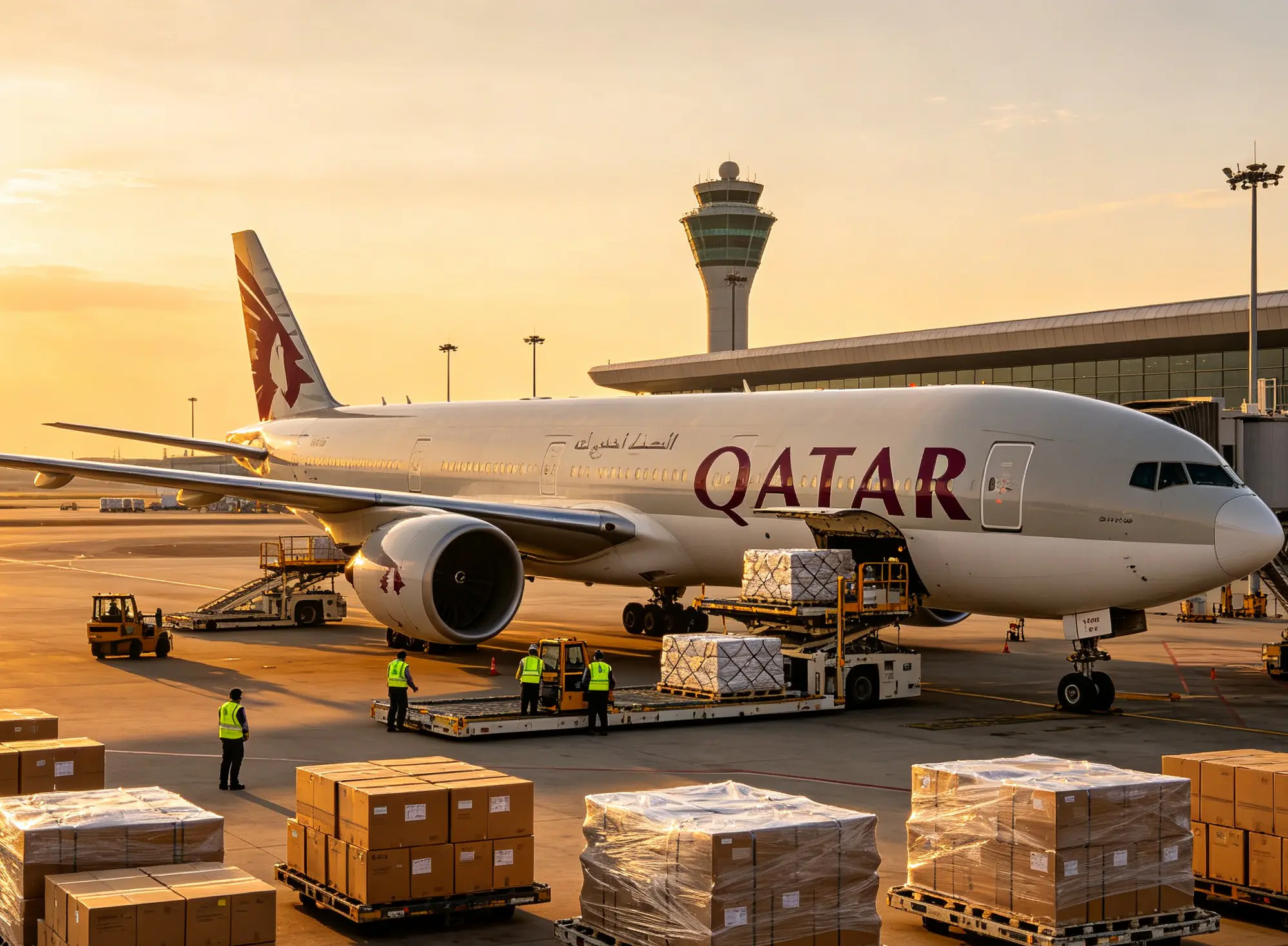
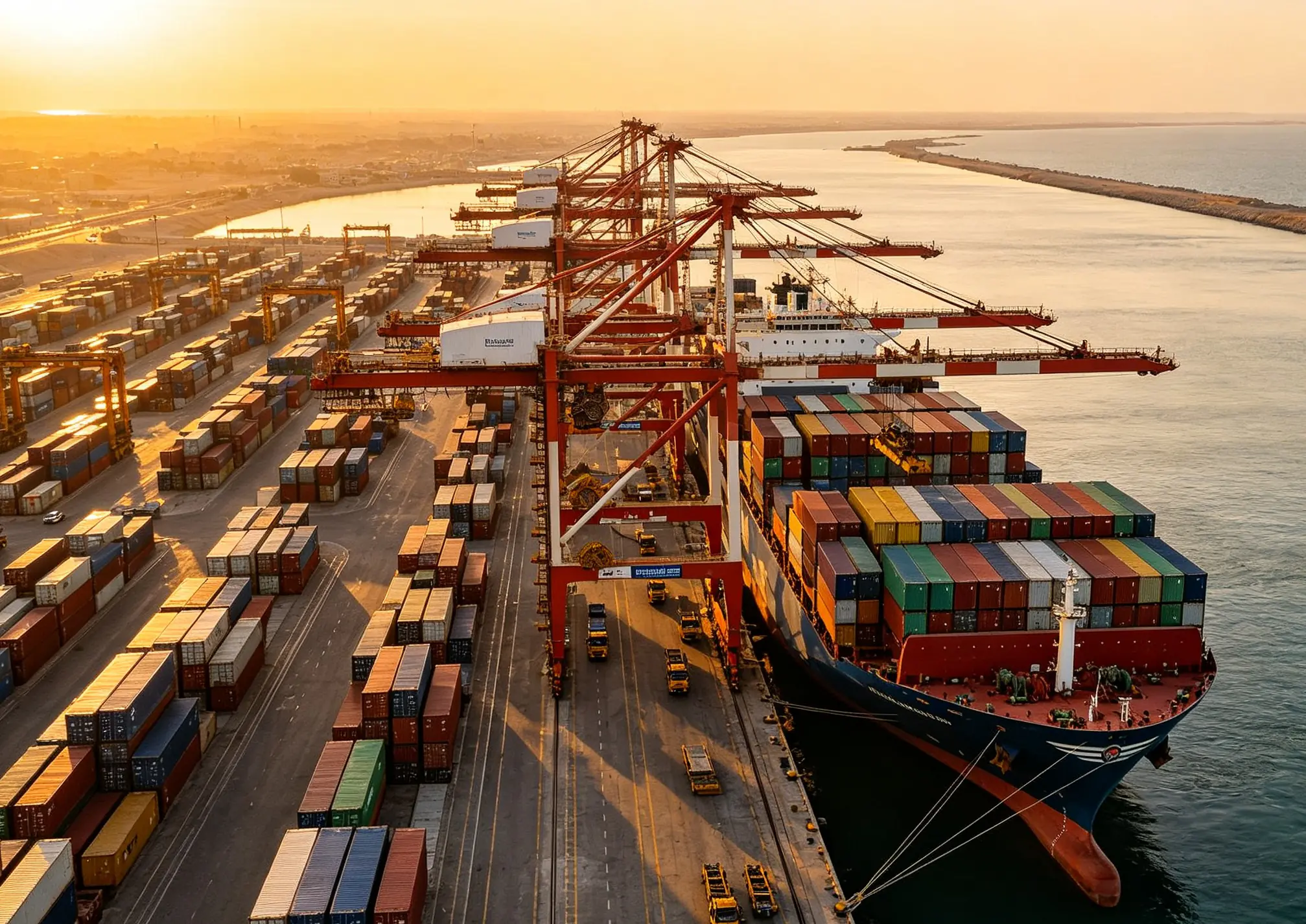
- Ocean freight — either FCL (Full Container Load) for dedicated containers or LCL (Less than Container Load) for consolidated cargo — arranged through our sea freight from China service
- German import customs clearance filed through the ATLAS system
- Customs duties based on your product’s HS Code, plus the 19% German import VAT
- Last-mile delivery to your warehouse, business address, or Amazon FBA center
A trustworthy forwarder will also tell you what is not included: customs inspection fees (if your shipment is randomly selected), special product certification costs, storage beyond the free demurrage window, and remote area delivery surcharges. Transparency about exclusions is the hallmark of a reliable DDP partner.

Our Industry Insight: The most common misconception we encounter is that DDP is “just for big companies.” In reality, DDP is the ideal entry point for SMEs and first-time importers who lack a German entity, an EORI Number, or in-house customs expertise. If you are shipping more than 2 CBM and do not have a dedicated EU logistics team, DDP sea shipping almost always delivers the lowest total landed cost with the least administrative burden.
2. DDP vs. CIF vs. DAP: Which Incoterm Should You Choose?
The right Incoterm depends on how much control you want versus how much complexity you are willing to manage. DDP shifts all responsibility to the seller or forwarder. CIF covers ocean freight to the destination port only. DAP delivers to your door but leaves import duties and VAT unpaid.
| Responsibility | DDP (Delivered Duty Paid) | CIF (Cost, Insurance & Freight) | DAP (Delivered at Place) |
|---|---|---|---|
| Export customs (China) | ✅ Seller/Forwarder | ✅ Seller | ✅ Seller |
| Ocean freight | ✅ Seller/Forwarder | ✅ Seller | ✅ Seller |
| Insurance | ✅ Seller/Forwarder | ✅ Seller (minimum cover) | ⚠️ Negotiable |
| Import customs (Germany) | ✅ Seller/Forwarder | ❌ Buyer | ❌ Buyer |
| Import duties & VAT | ✅ Seller/Forwarder | ❌ Buyer | ❌ Buyer |
| Last-mile delivery | ✅ Seller/Forwarder | ❌ Buyer | ✅ Seller |
| Best for | SMEs, FBA sellers, first-timers | Experienced importers with own broker | Buyers with own IOR & VAT setup |
When CIF Looks Cheaper — But Is Not
A Cologne-based home goods importer recently received a CIF quote of $2,100 for a 20ft container from Ningbo. After arrival at Hamburg, the actual destination charges came to EUR 2,850 — Terminal Handling Charges (EUR 220), customs brokerage (EUR 320), import duties, 19% VAT, and trucking to Cologne. Total: over $4,600. A comparable DDP quote at $3,600 all-inclusive would have saved 18% and a week of administrative back-and-forth.
The lesson: always compare total landed cost, not just the headline freight rate. CIF and FOB quotes exclude everything that happens after the ship docks — and that is where the real money hides.

When to Choose DAP Instead
If you have your own German legal entity, a valid EORI number, and a fiscal representative to handle VAT reclaim, DAP gives you more direct control over the import declaration and may improve your VAT cash flow. For everyone else, DDP is the simpler, safer choice.
Cargo Insurance Tip: Regardless of which Incoterm you choose, consider adding cargo insurance for China exports to protect your goods against loss or damage during ocean transit. Standard CIF insurance often covers only the minimum — comprehensive coverage is a small premium for significant peace of mind.
3. How Much Does DDP Sea Shipping from China to Germany Cost?
As of Q3 2026, expect to pay roughly $2,800–$3,800 for a 20ft container, $4,200–$5,900 for 40ft or 40HQ, or $80–$150 per CBM for LCL DDP (all-inclusive). Your final price depends heavily on the HS code duty rate, port pair, and current fuel surcharges.
FCL DDP Container Rates
| Container Type | Capacity | DDP Cost Range (All-In) | Best For |
|---|---|---|---|
| 20ft GP | ±33 CBM | $2,800 – $3,800 | Heavy/dense goods: machinery, auto parts, metal products |
| 40ft GP | ±67 CBM | $4,200 – $5,600 | Voluminous goods: furniture, home decor |
| 40ft HQ | ±76 CBM | $4,500 – $5,900 | Extra height: textiles, apparel, lightweight bulk |
LCL DDP Rates by Volume
For a detailed breakdown of how LCL pricing compares across routes, see our guide on LCL shipping from China to the UK — the cost logic is similar for Germany.
| Volume | Rate per CBM | Minimum Charge | Best For |
|---|---|---|---|
| 1–3 CBM | $130 – $150 / CBM | ~$200 | Small trial orders, sample shipments |
| 3–10 CBM | $100 – $130 / CBM | — | Growing e-commerce inventory |
| 10–15 CBM | $80 – $100 / CBM | — | Approaching FCL threshold |
Price Volatility Notice: Ocean freight rates fluctuate weekly based on fuel costs, carrier capacity, seasonal demand, and geopolitical factors. The ranges above reflect market conditions as of Q3 2026. Always request a current, itemized quote before booking.
5 Key Cost Drivers
- HS Code duty rate — The EU Common External Tariff typically applies 0%–17% depending on your product category (note: certain products, such as Chinese-made electric vehicles, may face additional duties up to 38%). This is often the single largest variable in a DDP quote.
- Port pair — Shipping from Shenzhen (Yantian) to Hamburg is typically $200–$400 cheaper than from a secondary port like Qingdao or Xiamen.
- Peak Season Surcharge (PSS) — During August–October, carriers add $300–$800 per container.
- Bunker Adjustment Factor (BAF) — Fuel surcharges are recalculated quarterly with global oil prices.
- Destination address — Deliveries outside major German cities may incur additional trucking fees.
Worked Landed-Cost Example: 20ft Container of Consumer Electronics
| Cost Component | Calculation | Amount |
|---|---|---|
| CIF Value (goods + insurance + freight to Hamburg) | — | $25,000 |
| EU Import Duty (HS 8544.42, ~2.7%) | $25,000 × 2.7% | $675 |
| Import VAT (19% on CIF + duty) | ($25,000 + $675) × 19% | $4,878 |
| DDP Service & Last-Mile Delivery | Fixed | $850 |
| Total DDP Landed Cost | — | $31,403 |
This example shows why DDP is valuable: you know the full cost of $31,403 before the container leaves Shenzhen — not a vague estimate that doubles at the destination port.
Real-Life Scenario: A Shopify seller from Shenzhen was sourcing LED desk lamps from three different factories in Guangdong. Rather than paying three separate LCL shipments, we consolidated all cargo at our Shenzhen warehouse into a single 20ft FCL DDP shipment to their 3PL in Berlin. Consolidation saved 22% on total logistics costs, and the all-in DDP quote meant they knew their exact margin before the goods even left China.
4. How Long Does DDP Sea Shipping from China to Germany Take?
Plan for 31–44 days door-to-door depending on your origin port. Ocean transit alone takes 26–37 days from major Chinese ports to Hamburg or Bremerhaven, plus 5–7 days for German customs clearance and final delivery. For a deeper analysis of every transport mode, read our guide on how long shipping from China to Germany takes.
| Origin Port (China) | Destination Port (Germany) | Sea Transit | Door-to-Door Total |
|---|---|---|---|
| Shenzhen (Yantian) | Hamburg | 26–30 days | 31–37 days |
| Shanghai (Yangshan) | Hamburg | 28–32 days | 33–39 days |
| Ningbo-Zhoushan | Hamburg | 28–33 days | 33–40 days |
| Guangzhou (Nansha) | Hamburg | 27–31 days | 32–38 days |
| Qingdao | Bremerhaven | 32–37 days | 37–44 days |
| Any major port | Rotterdam (NL) → Germany | 28–33 days | 35–42 days |
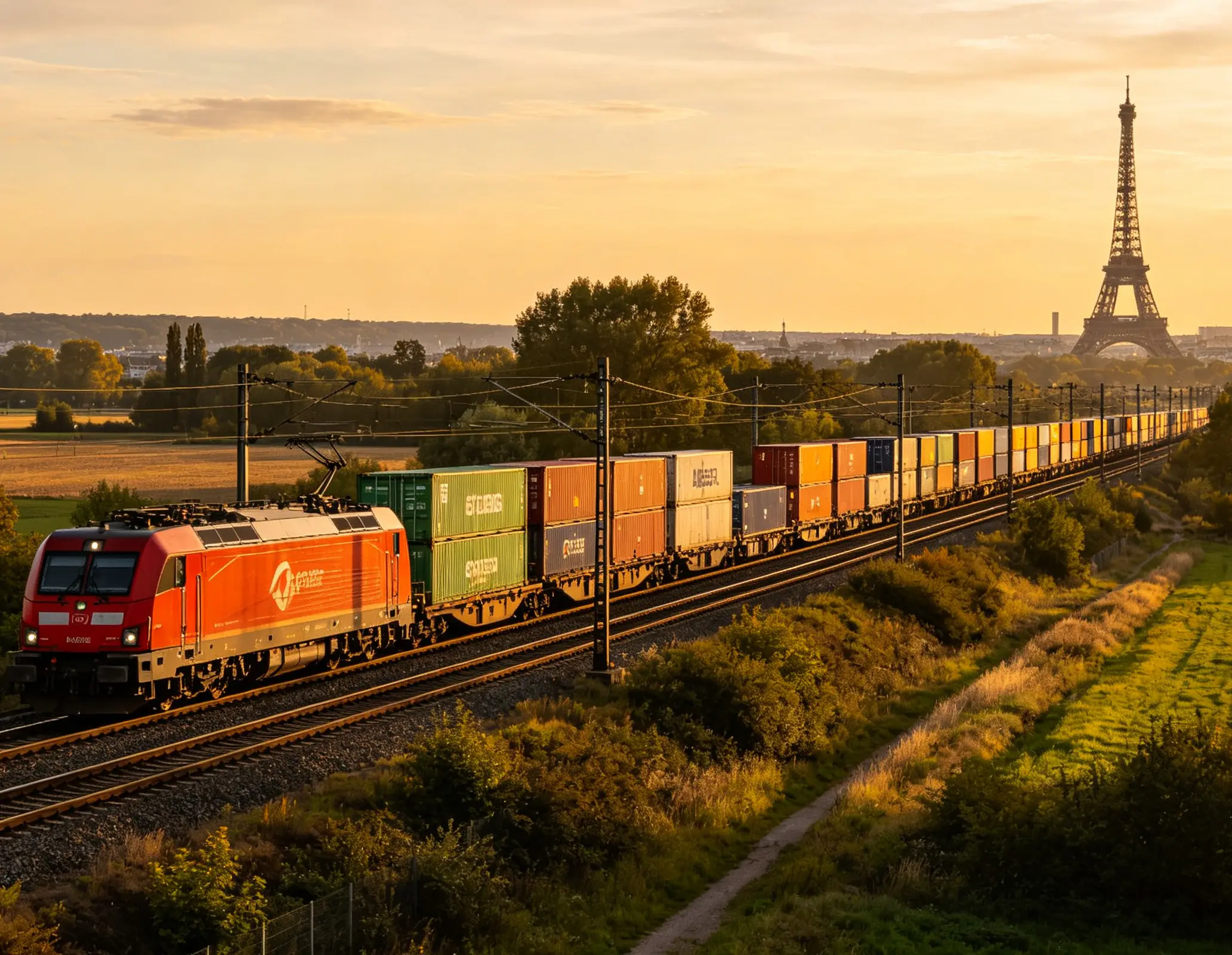
Some forwarders route cargo through the Port of Rotterdam — the EU’s largest — and truck it into Germany. Depending on carrier schedules, this can be faster or cheaper than direct Hamburg service, especially for destinations in western or southern Germany. For a full comparison of ocean versus air and rail options, see our air freight vs sea freight from China to Germany analysis. If you need a middle ground between sea and air speed, rail freight from China to Europe offers 18–22 day transit at moderate cost.
What Adds Time at the Destination
- German customs clearance: 1–3 days if pre-cleared; 5–10 days if flagged for physical inspection
- Container devanning and sorting: 1–2 days
- Final-mile trucking: 1–3 days depending on your destination city
Peak Season Warning
From August through October, the Port of Hamburg experiences severe congestion due to the pre-Christmas import surge. A container that normally clears in 3 days can sit for 10–14 days. If your inventory plan covers Q4 sales, add a 2-week buffer or consider shipping via Rotterdam.
Pro Tip: Ask your forwarder about pre-clearance at sea — filing the German import declaration through ATLAS while the vessel is still crossing the Indian Ocean. This single practice can cut 5–7 days from your total door-to-door time and significantly reduce demurrage risk during peak season.
5. The DDP Sea Shipping Process from China to Germany: Step by Step
The DDP process involves six stages, and a professional forwarder manages all of them under a single quote. It follows the same end-to-end logic as our general door to door shipping from China service, with the added benefit that duties and taxes are prepaid. Here is exactly what happens at each step:
| Step | Stage | What Happens | Duration |
|---|---|---|---|
| 1 | Factory Pickup | Forwarder collects goods from your supplier; cargo inspection and carton count verification | 1–2 days |
| 2 | Export Clearance (China) | Commercial Invoice, Packing List, and export declaration submitted to Chinese customs | 1–2 days |
| 3 | Ocean Transit | Container loaded and shipped via the Suez Canal to Hamburg or Bremerhaven | 26–37 days |
| 4 | Import Clearance (Germany) | Forwarder (as Importer of Record) files the ATLAS declaration; HS code review and duty assessment | 1–3 days (pre-cleared) |
| 5 | Duty & VAT Payment | Forwarder pays German customs duties and 19% import VAT on your behalf | Same day as clearance |
| 6 | Final Delivery | Container devanned; goods trucked to your German address or FBA center | 1–3 days |
Your DDP Documentation Checklist
| # | Document | Why It Matters |
|---|---|---|
| 1 | Commercial Invoice | Must show accurate value, currency, and HS code per product line — undervaluation triggers customs investigation |
| 2 | Packing List | Carton-level weight and dimensions for customs verification |
| 3 | Bill of Lading (B/L) | Title of goods; original or telex release needed to claim cargo at the port |
| 4 | CE Certificate / Declaration of Conformity | Mandatory for electronics, toys, machinery, and PPE |
| 5 | EORI Number | Provided by your forwarder under DDP — you do not need your own |
| 6 | Certificate of Origin | Confirms Chinese manufacture; may affect duty rates under trade agreements |
At Efanda Logistics, every client receives real-time tracking from factory pickup to final delivery, with a dedicated logistics specialist providing proactive updates at every milestone — not just when you ask.
6. German Customs Clearance: What Importers Need to Know
Under DDP, your freight forwarder acts as the Importer of Record (IOR) and handles all German customs obligations. But understanding the system helps you prepare the right documents and avoid delays.
Importer of Record (IOR)
The IOR is the legal entity responsible for the import declaration. Under DDP, your forwarder serves as IOR, which means you do not need to register a German entity or apply for your own EORI. The IOR is responsible for:
- Correct HS Code classification for every product line
- Accurate customs value declaration to German Customs (Zoll)
- Payment of all duties and taxes
- 10-year record retention for EU audit compliance
EORI Number
The EORI (Economic Operators Registration and Identification) number is your EU business passport for customs. Under DDP, your forwarder uses their own EORI. If you plan to import independently in the future, you can apply at Zoll.de — the process is free and typically takes 3–5 business days.
Import VAT and VAT Deferment
Germany applies a 19% import VAT (Einfuhrumsatzsteuer) on the CIF value plus customs duty. For a $50,000 shipment, that is $9,500 in VAT due immediately upon import — unless your forwarder offers VAT deferment through a licensed fiscal representative.
With VAT deferment, the import VAT is declared on your periodic VAT return instead of being paid upfront at the border. This means zero cash outlay at customs, no disruption to your working capital, and full compliance with German tax law. For Amazon FBA sellers operating on thin margins, this can be the difference between a profitable quarter and a cash flow crisis.
HS Code Classification Pitfalls
A single digit error in your HS code can change your duty rate by 2–5 percentage points or trigger a fine — for minor administrative errors, penalties typically range from EUR 1,000 to EUR 5,000, while deliberate misclassification can result in significantly higher fines plus back-payment of evaded duties. For example, LED lighting fixtures classified under HS 9405.40 carry approximately 2.7% duty, while LED lamps under HS 8539.50 carry approximately 4.7%. Experienced forwarders review every product’s HS code before shipment — not after the container is held at the port.
CE Marking and Product Compliance
CE marking is mandatory for electronics, machinery, toys, medical devices, and personal protective equipment. German customs may request conformity certificates during clearance. Verify CE compliance with your supplier before the goods leave the factory — retrofitting compliance after a customs hold is expensive and slow.
German EPR Obligations: VerpackG, WEEE, and ProdSG
Most DDP guides ignore German Extended Producer Responsibility (EPR) laws, but they can block your sale if unaddressed:
- VerpackG (Packaging Law): If you are the first to place packaged goods on the German market, you must register in the LUCID database and participate in a dual recycling system.
- WEEE Directive: Electrical and electronic equipment requires WEEE registration and take-back arrangements.
- ProdSG (Product Safety Act): Governs labeling, instructions, and traceability for consumer products sold in Germany.
Your DDP forwarder should guide you through these requirements or connect you with a compliance specialist.
CBAM: The 2026 Carbon Border Update
If you are importing iron, steel, aluminum, cement, fertilizers, or electricity-related products, the EU’s Carbon Border Adjustment Mechanism (CBAM) now requires quarterly emissions reporting and certificate purchases. Penalties range from EUR 10 to EUR 50 per tonne of unreported CO₂. A forwarder with CBAM expertise handles the data collection from your Chinese supplier and files the reports with Germany’s DEHSt authority on your behalf.
7. DDP Sea Shipping from China to Germany for Amazon FBA
DDP is the preferred shipping method for Amazon FBA sellers importing from China to Germany because it delivers directly to the fulfillment center with all duties and VAT prepaid — but strict FBA labeling, palletizing, and appointment requirements must be met to avoid costly rejection fees. Learn more about our dedicated Amazon FBA shipping service.
Why FBA Sellers Choose DDP Sea Shipping
- Direct delivery to German FBA centers: LEJ1 (Leipzig), DUS2 (Rheinberg/Düsseldorf area), FRA1 (Bad Hersfeld/Frankfurt region), MUC3 (Graben/Munich area), and more
- No need for your own German entity, EORI number, or fiscal representative
- One all-in cost for precise budgeting — critical for thin-margin FBA products
FBA-Specific Requirements
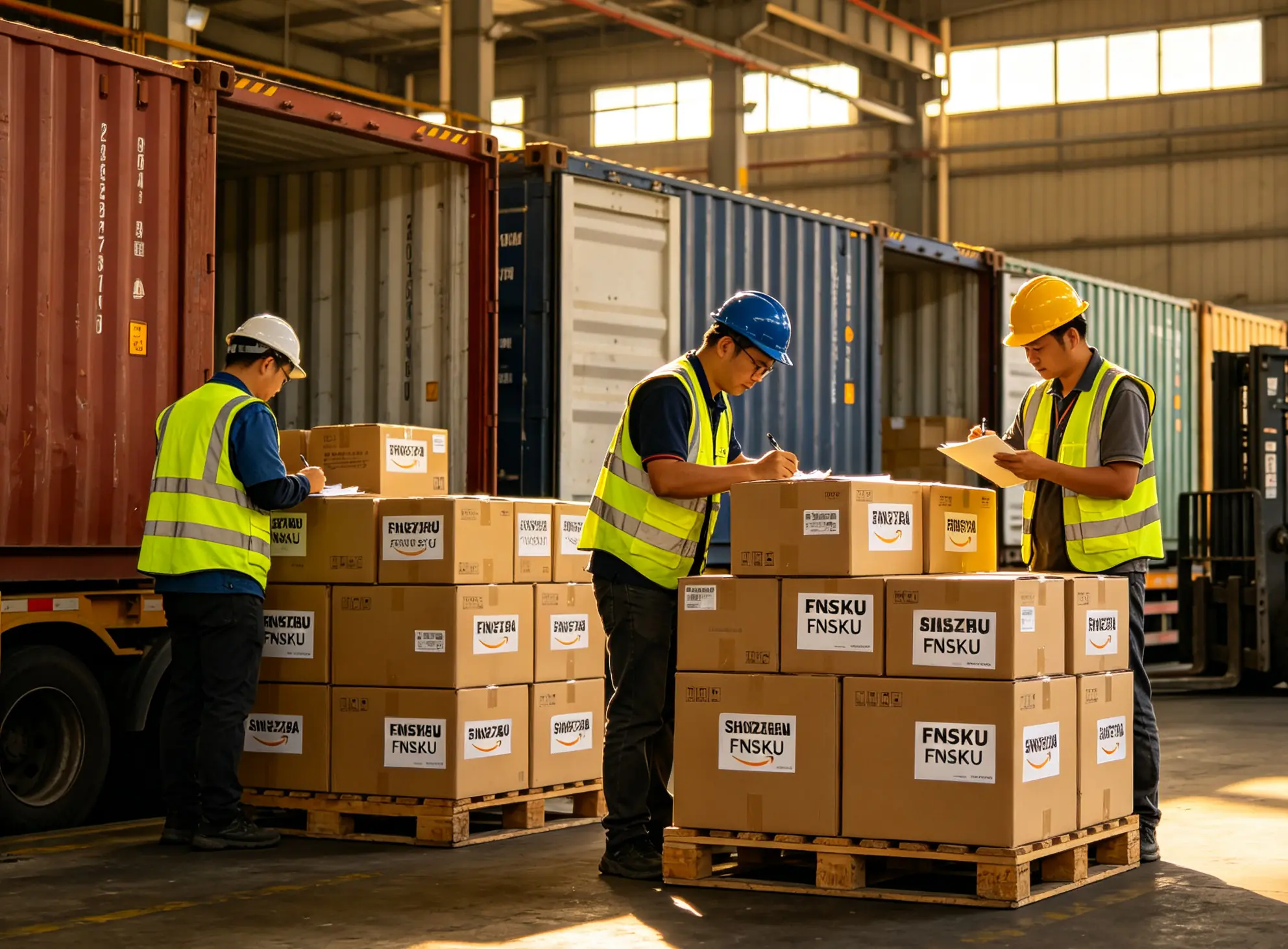
- FNSKU labeling: Every unit must carry an Amazon barcode (FNSKU), not just the manufacturer’s barcode
- Palletizing and wrapping: Amazon enforces strict pallet height (max 1.8m including pallet), weight (max 500kg), and wrapping standards
- Appointment booking: Deliveries require advance scheduling through Amazon Carrier Central
- Shipment ID and box labels: Every carton must display the correct Amazon shipment label
Common Rejection Scenarios and How to Avoid Them
- Wrong or missing FNSKU labels → rejected at check-in, incurring relabeling fees
- Pallets exceeding height or weight limits → refused delivery, carrier returns at your cost
- Missing appointment → truck turned away, rescheduling delay of 3–7 days
Our Industry Insight: We have managed DDP deliveries to German FBA centers with zero rejection fees across hundreds of shipments. The secret is not luck — it is a pre-shipment compliance checklist that verifies every FNSKU label, pallet dimension, and appointment slot before the container leaves Shenzhen. Build this discipline into your logistics process from day one.
8. How to Choose a Reliable DDP Freight Forwarder from China to Germany
The right DDP forwarder combines transparent all-in pricing, German customs expertise, FBA delivery experience, and proactive communication — not just the lowest headline rate. Use this 7-point evaluation checklist before booking:
| # | Criterion | What to Look For | Red Flag |
|---|---|---|---|
| 1 | Transparent pricing | Itemized quote showing freight, duty, VAT, clearance, delivery separately | Vague “all-in” quote with no breakdown |
| 2 | German customs expertise | IOR capability, HS code review, VAT deferment, CBAM knowledge | No mention of IOR or EORI handling |
| 3 | FBA experience | References for German FBA center deliveries, labeling and palletizing services | Never handled FBA shipments |
| 4 | Communication | Dedicated account manager, proactive milestone updates | You have to chase for status |
| 5 | Peak season resilience | Pre-clearance process, priority trucking partnerships | No plan for August–October congestion |
| 6 | Compliance knowledge | CE, VerpackG, WEEE, ProdSG guidance | Only mentions “customs clearance” generically |
| 7 | Track record | Founded date, years in business, client testimonials | No verifiable history or reviews |
Questions to Ask Before Booking
- “Are you the IOR, or do I need my own German entity?”
- “Does your quote include German import VAT and duties?”
- “Can you deliver to Amazon FBA centers in Germany?”
- “What happens if customs flags my shipment for inspection?”
Why Price Alone Is a Trap
The cheapest quote often excludes duties, VAT, or destination THC — turning a “$2,200 deal” into a $4,000+ reality at the port. Always compare total landed cost, not just the freight rate. A forwarder who cannot itemize their quote is a forwarder who will surprise you later.
9. Why Choose Efanda Logistics for DDP Sea Shipping to Germany?
Efanda Logistics combines Shenzhen’s strategic location with 8+ years of China–Germany shipping expertise to deliver a truly end-to-end DDP service — from factory pickup to your German door — with transparent pricing and a dedicated specialist tracking every shipment.
Here is what sets us apart:
- Founded 2018, headquartered in Shenzhen: Direct access to China’s primary export manufacturing hub and the ports of Yantian, Nansha, and Shekou — reducing pickup lead times and origin costs.
- End-to-end DDP capability: Factory pickup and warehouse consolidation from multiple suppliers, export customs declaration, ocean freight (FCL & LCL) on major China–Germany routes, German import clearance as IOR with our own EORI, duty and 19% VAT prepayment, and last-mile delivery to any German address or Amazon FBA center.
- Transparent all-in pricing: Every quote itemizes freight, duties, VAT, clearance, and delivery — no hidden fees, no surprises at the destination port.
- German compliance expertise: HS code review, CE verification, VerpackG/LUCID guidance, WEEE registration support, and CBAM filings — handled by our dedicated compliance team.
- Amazon FBA specialists: Direct DDP delivery to German fulfillment centers with labeling, palletizing, and appointment coordination.
- Dedicated logistics specialist: Every client is assigned a personal logistics advisor who provides real-time tracking updates and proactive problem-solving from pickup to delivery.
For businesses expanding beyond Germany into neighboring markets, we also provide dedicated shipping from China to France and shipping from China to the Netherlands, ensuring consistent service quality across your entire European supply chain.
Get a transparent DDP shipping quote from China to Germany →
Stop letting hidden fees and customs delays eat into your margins. Contact Efanda Logistics today for a transparent, all-inclusive DDP sea shipping quote tailored to your business.
10. Frequently Asked Questions
Q1: What is included in DDP sea shipping from China to Germany?
DDP includes factory pickup, export clearance, ocean freight, German import clearance, customs duties, 19% import VAT, and final delivery to your German address — all under one quote. Exclusions: customs inspection fees, special certification costs, storage beyond the free window, and remote area surcharges.
Q2: How much does DDP sea shipping from China to Germany cost?
As of Q3 2026, a 20ft container costs approximately $2,800–$3,800 all-in; a 40ft container runs $4,200–$5,900. LCL DDP starts at $80–$150 per CBM. Your final price depends on the HS code duty rate, port pair, and fuel surcharges. Request a current itemized quote for accurate pricing.
Q3: How long does DDP sea shipping from China to Germany take?
Plan for 31–44 days door-to-door. Ocean transit takes 26–37 days from major Chinese ports to Hamburg or Bremerhaven, plus 5–7 days for customs clearance and final delivery. Peak season (August–October) can add 10–14 days.
Q4: Do I need an EORI number for DDP shipping to Germany?
No — under DDP, your freight forwarder acts as the Importer of Record and uses their own EORI number. You only need your own EORI if you plan to import independently under DAP or other terms.
Q5: Can DDP sea shipping deliver to Amazon FBA centers in Germany?
Yes. DDP sea shipping can deliver directly to German FBA fulfillment centers (LEJ1, DUS2, FRA1, MUC3, etc.) with duties and VAT prepaid. Your forwarder handles FNSKU labeling, palletizing, and appointment booking to avoid rejection fees.
Q6: What is the difference between DDP and DAP shipping to Germany?
Under DDP, the forwarder pays all import duties and VAT. Under DAP, goods are delivered to your door but you are responsible for German import duties and VAT — requiring your own EORI number and customs broker. DDP is simpler; DAP gives you more control if you have a German entity.
Q7: What documents do I need for DDP customs clearance in Germany?
The core documents are: Commercial Invoice, Packing List, Bill of Lading (or Sea Waybill), CE Certificate (for regulated products), EORI number (provided by your forwarder), and Certificate of Origin. Your DDP forwarder prepares most of these on your behalf.