Why can a 40ft container to Tashkent cost $2,800 one week and $4,500 the next, while an identical box that stops one border earlier, in Almaty, clears for $3,100? Because the shipping cost from China to Uzbekistan is not decided by distance. It’s decided by the corridor you pick, the mode you book, and how cleanly your paperwork clears Uzbek customs. Uzbekistan is one of only two doubly landlocked countries on earth, so there is no direct ocean option: your cargo travels by rail, by road, by air, or as a sea-plus-inland multimodal shipment that hands over at a foreign gateway.
The 2026 numbers, briefly. A 40HQ by rail to Tashkent runs roughly $2,800–$4,500, rail LCL about $60–$150 per CBM, air freight $4.50–$8.50 per chargeable kg, and express courier $5.50–$15 per kg. On top of freight, duty is assessed against a 10-digit HS code, and import VAT is a flat 12%. Freight is only the first of the numbers you have to get right.
How Much Does It Cost to Ship from China to Uzbekistan? A 2026 Rate Snapshot
A typical 2026 shipment from China to Uzbekistan costs about $60–$150 per CBM by rail LCL, $2,800–$4,500 for a 40HQ by rail FCL, $4.50–$8.50 per kg by air, and $5.50–$15 per kg by express courier.
The spread is wide because these four modes are different products — not four prices for the same product. Air and express bill on chargeable weight, rail LCL bills on CBM, and FCL bills per container regardless of how full it is.
| Mode | Indicative 2026 Cost | Typical Transit | Best For |
|---|---|---|---|
| Express courier | $5.50–$15.00/kg | 3–7 days | Samples, documents, parcels under 30 kg |
| Air freight | $4.50–$8.50/kg (airport-to-airport); $6.50–$12.00/kg door-to-door | 3–7 days | Urgent, high-value, lightweight cargo |
| Rail FCL (40HQ to Tashkent) | $2,800–$4,500 per container | 14–25 days | Full loads, cost-sensitive volume |
| Rail LCL | $60–$150 per CBM | 15–28 days | Part loads of roughly 2–15 CBM |
| Road freight (LTL / FTL) | $1.00–$1.80/kg or $80–$150/CBM; FTL 13.6 m $6,500–$9,500 | 7–18 days (FTL); 10–18 days (LTL) | Door-to-door flexibility |
| Sea freight + inland | $3,500–$6,000 per 40HQ for the sea leg, plus inland haulage | 35–55 days door-to-door | Very large, non-urgent bulk and project cargo |
Rates are indicative 2026 market ranges, not quotations. Rail slot pricing and ocean rates move weekly, and the August–October peak adds both cost and days.
China to Uzbekistan Shipping Cost by Mode: Rail, Sea, Air, Truck and Express
Rail is the default for volume, truck for flexibility, air and express for urgency, and sea-plus-inland only when the cargo is very large and the deadline is loose.
Choosing between them is a decision about cost per chargeable unit, not about which carrier is cheapest on paper. A 300 kg, 1 CBM shipment and a 300 kg, 3 CBM shipment cost the same by air and completely different by rail.
Most importers optimise the wrong number here. The freight line is rarely the one that breaks the budget.
Rail Freight — The Backbone of China–Uzbekistan Trade
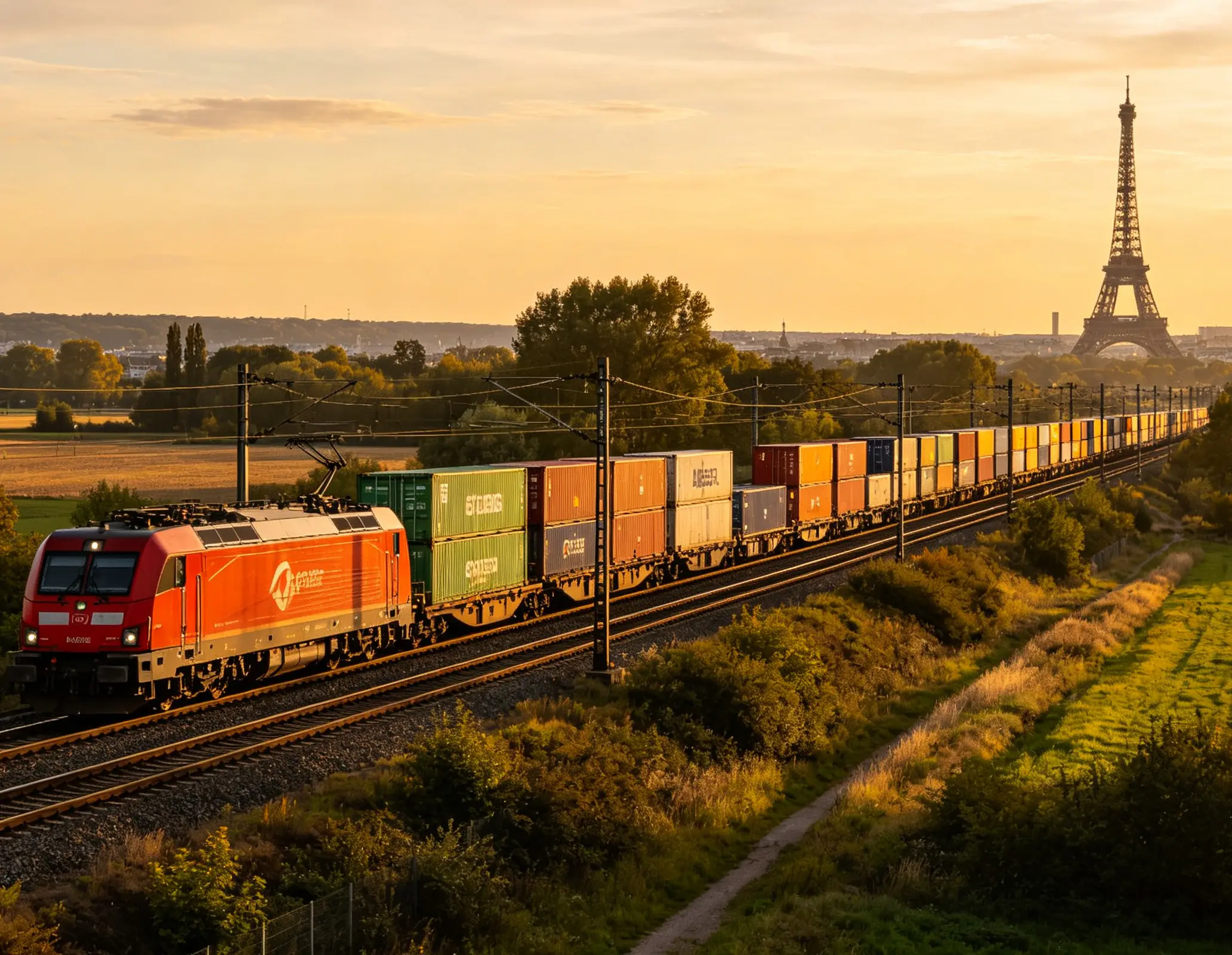
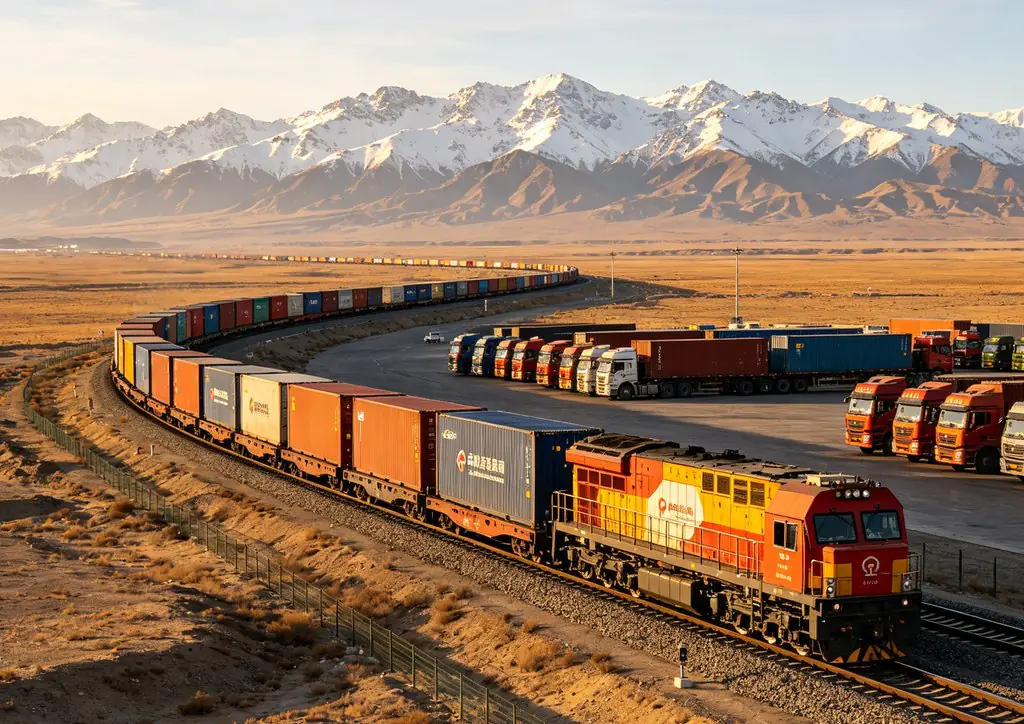
China to Uzbekistan rail freight offers the best cost-to-time ratio on this lane and carries the majority of container volume. Block trains leave Xi’an, Zhengzhou, Chongqing, Chengdu, Yiwu, Lanzhou and Lianyungang, cross into Kazakhstan at Khorgos or Alashankou/Dostyk, and arrive at the Tashkent Chukursay terminal on a CIM/SMGS consignment note. A second routing swings south through Kyrgyzstan at Irkeshtam or Torugart toward the Ferghana Valley, and a dedicated China–Kyrgyzstan–Uzbekistan railway is under construction to shorten that leg further.
Sea Freight Plus Inland Haulage — Uzbekistan’s Multimodal Reality
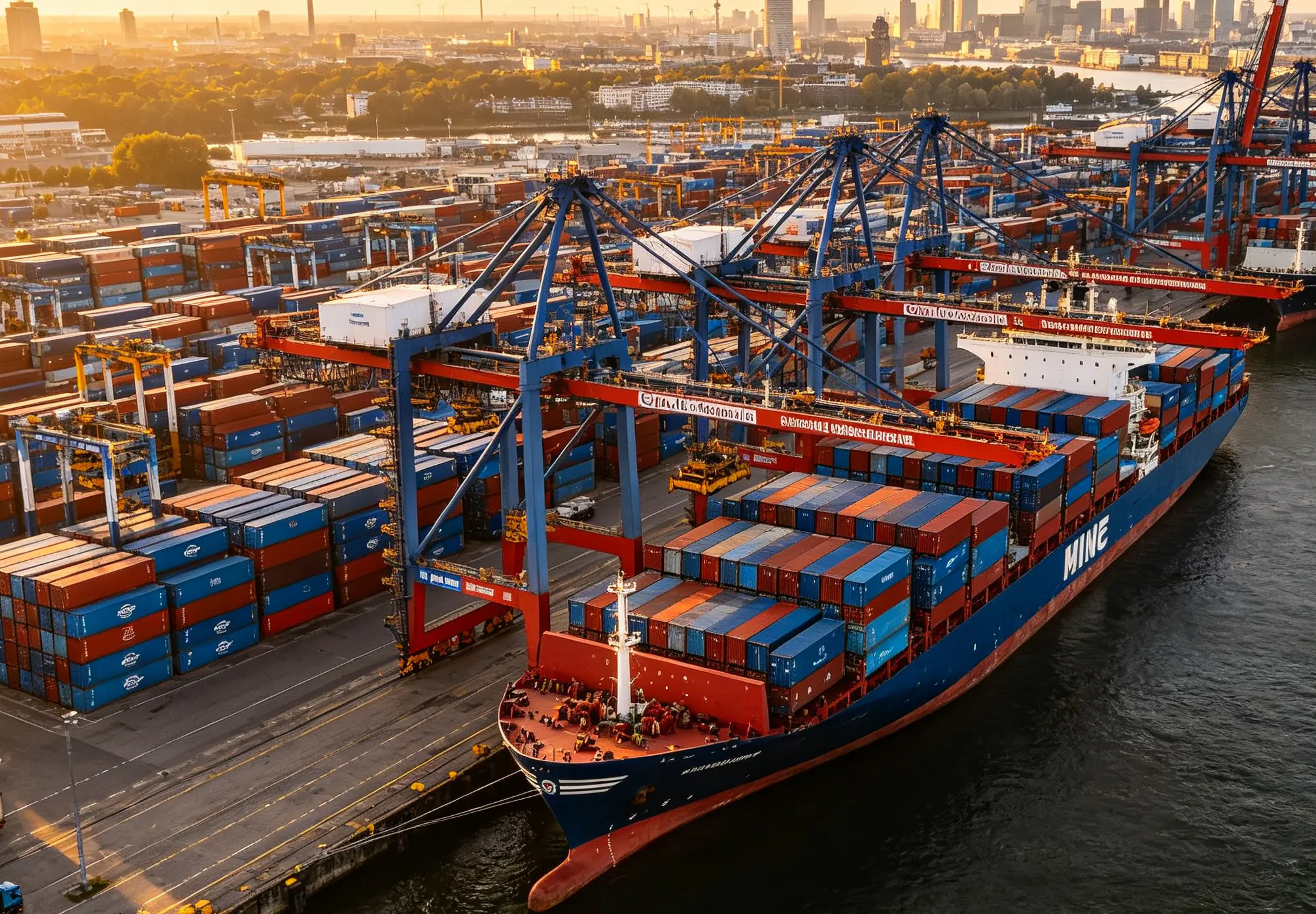
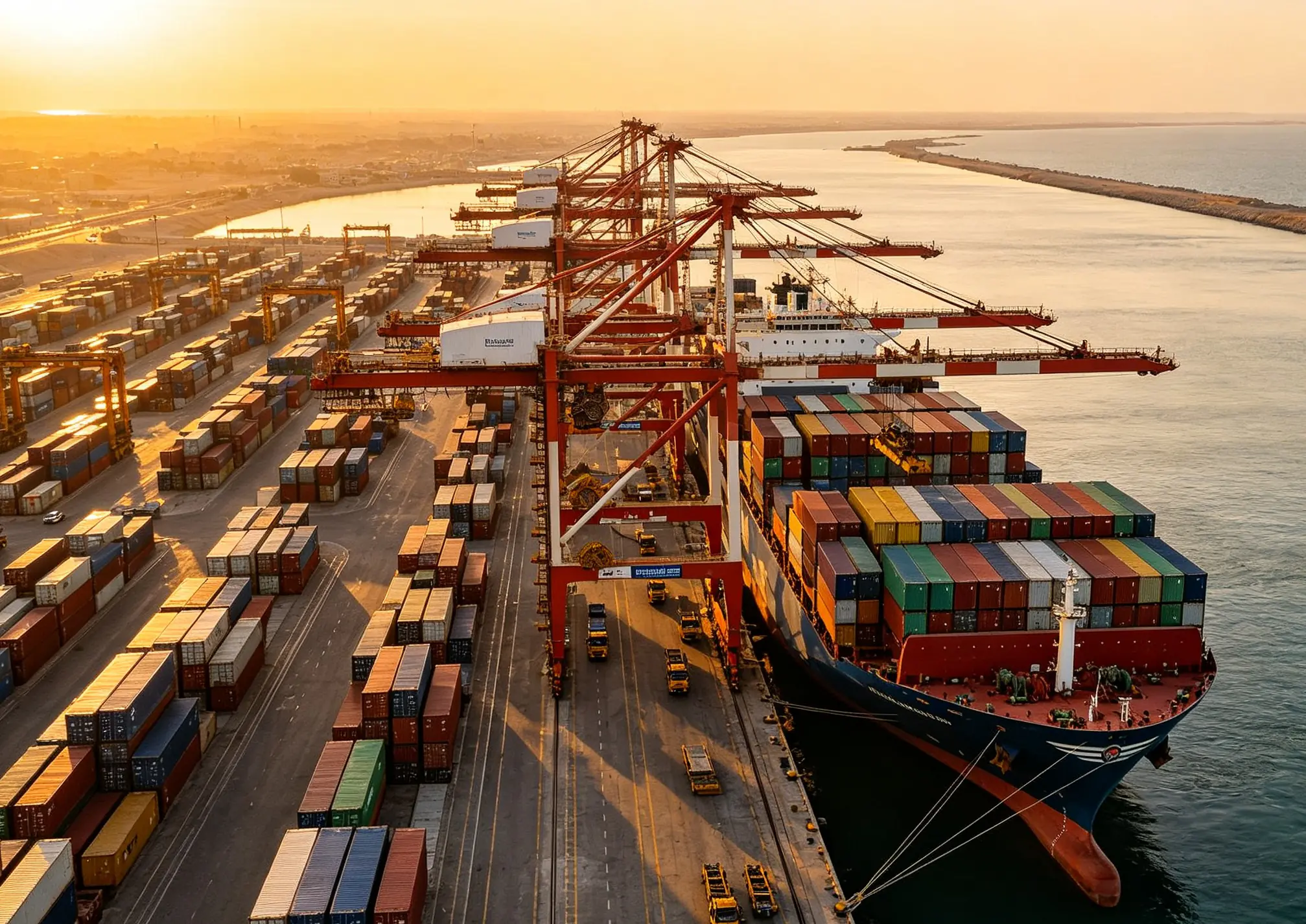
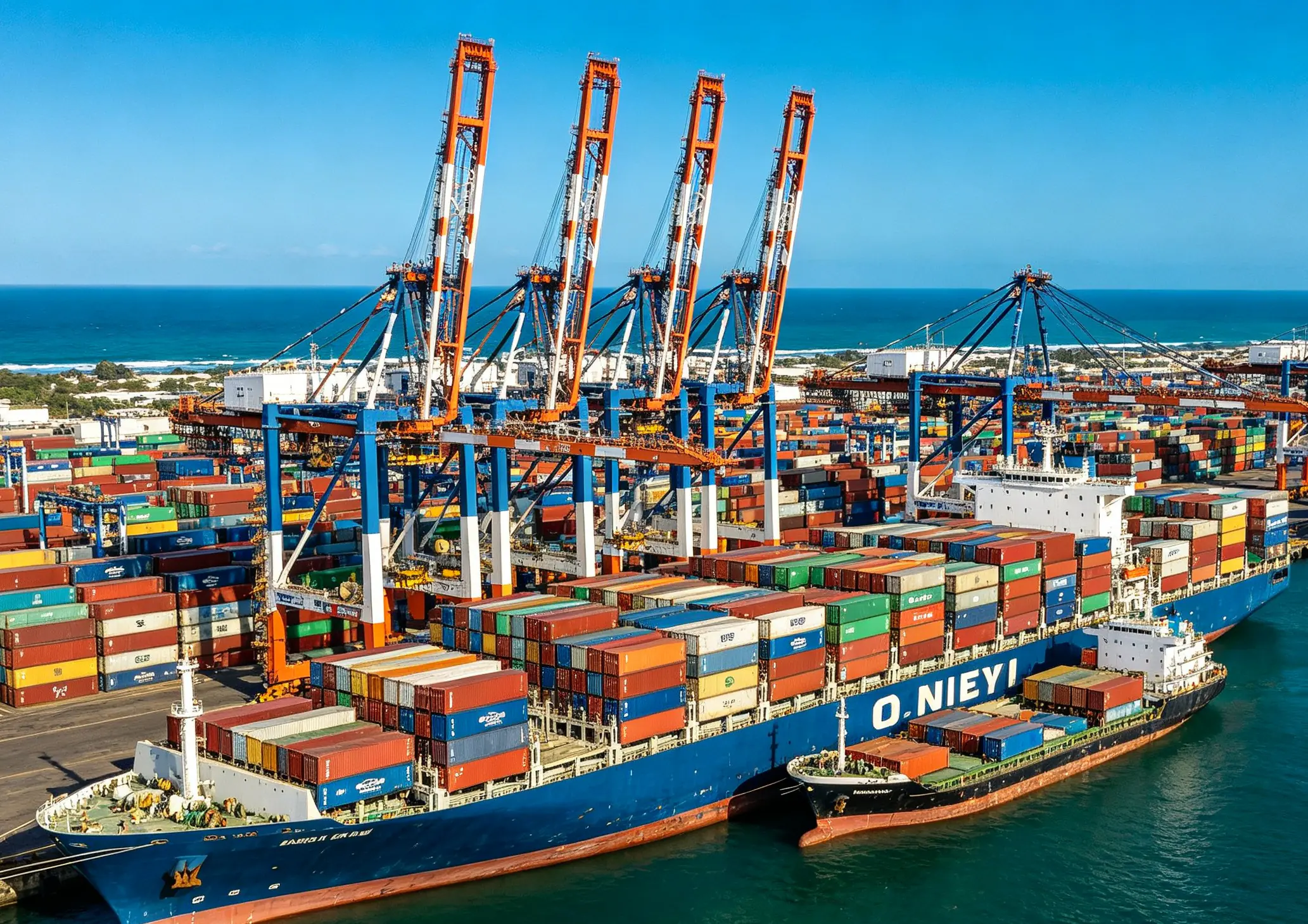
Sea freight only works here as a two-leg product. Cargo sails to Bandar Abbas in Iran, the same gateway we use for shipping from China to Iran, or across the Trans-Caspian / Middle Corridor, then continues inland by rail or truck. This adds 20–30 days over direct rail, but it remains the only practical answer for out-of-gauge (OOG) machinery, hazardous goods and bulk commodities.
Air Freight from China to Uzbekistan — When Speed Justifies the Premium
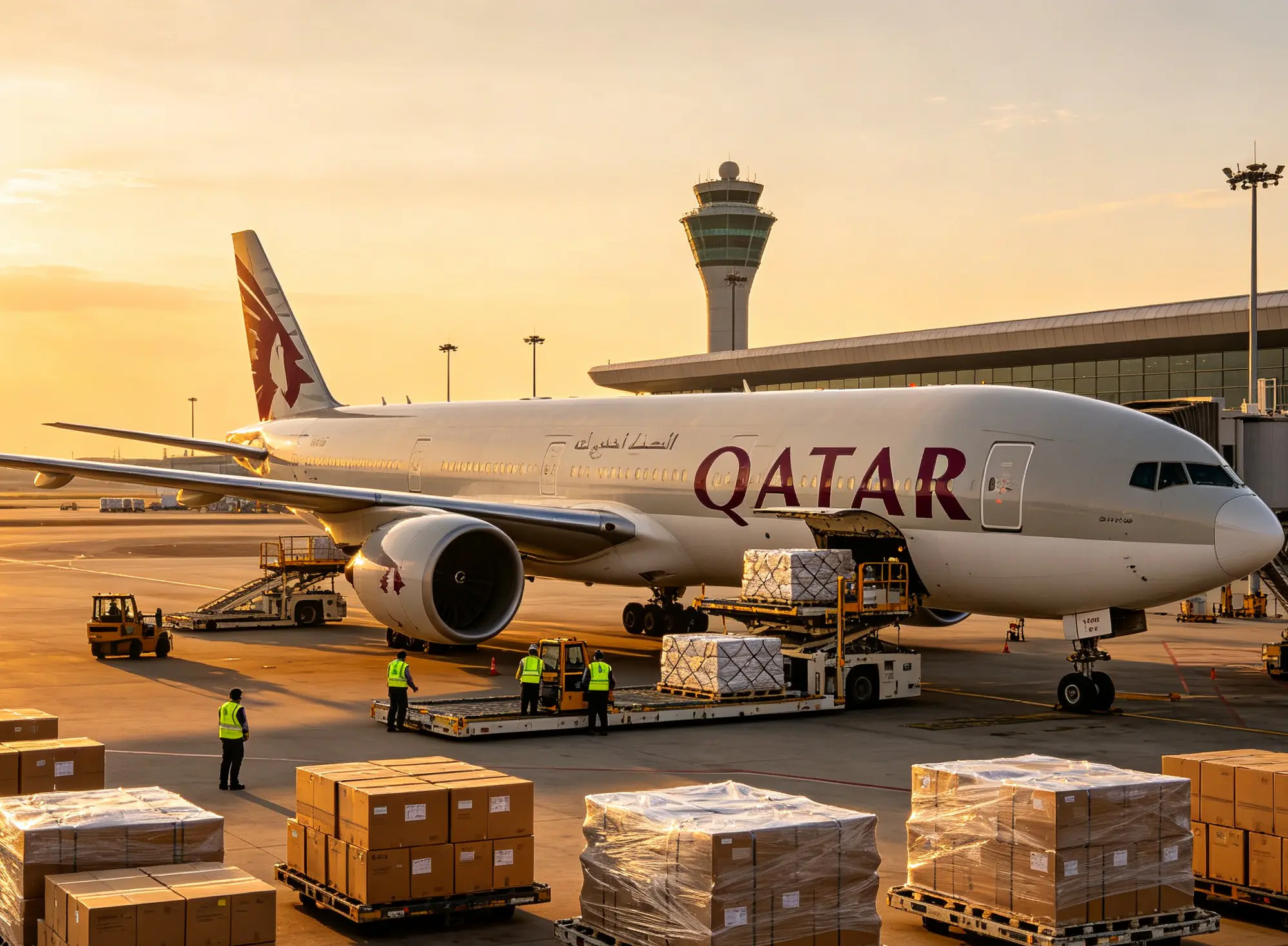
Air delivers in 3–7 days door-to-door and suits high-value, low-weight, high-margin cargo. Main origins are Guangzhou, Shenzhen, Shanghai and Urumqi, with Tashkent International Airport (TAS) as the gateway, and air freight from China consolidations move on those routes daily. Because air bills on chargeable weight at a 1 CBM = 167 kg convention, oversized cartons are the fastest way to inflate an air invoice without noticing.
Road Freight (FTL and LTL) — Door-to-Door Flexibility
Trucking is the fastest overland option and the strongest from western and central China. A 13.6 m FTL reaches Tashkent in 7–12 days of driving, while LTL consolidation takes 10–18 days through road crossings such as Yallama, Zangiota and Gisht-Kuprik. Below roughly 5 CBM, LTL frequently beats rail LCL once destination fees are counted.
Express Courier — Only for Small Parcels
Express is the fastest and most expensive per kilogram, and it only makes sense below about 30 kg. Once a shipment passes 100 kg, express typically costs 5–10× what rail LCL would charge for the same goods.
| Mode | Cost Basis | Indicative Cost | Door-to-Door Transit | Minimum Load |
|---|---|---|---|---|
| Express courier | Chargeable kg | $5.50–$15.00/kg | 3–7 days | None |
| Air freight | Chargeable kg (1 CBM = 167 kg) | $4.50–$8.50/kg A2A | 5–8 days | None |
| Rail FCL | Per container | $2,800–$4,500 / 40HQ | 20–30 days | ~25 CBM |
| Rail LCL | Per CBM or revenue tonne | $60–$150/CBM | 18–32 days | 1 CBM or 500 kg |
| Road LTL / FTL | Per kg, per CBM, or per truck | $80–$150/CBM; $6,500–$9,500 per 13.6 m FTL | 12–18 days | 1 CBM (LTL) |
| Sea + inland | Per container + inland leg | $3,500–$6,000 / 40HQ (sea leg) | 35–55 days | ~25 CBM |
China to Uzbekistan Rail Freight Cost: Three Corridors Compared
On a 40ft container to Tashkent, expect roughly $2,800–$3,600 via Kazakhstan transit, $3,400–$4,200 via the Kyrgyzstan routing, and $4,100–$5,200 via the Iran–Turkmenistan corridor.
The corridor decision is where most of the money is: the same 40HQ from the same Chinese hub can be quoted from $2,800 to $4,200 into the same Tashkent terminal depending on which border it exits through, and how tight slots are that week. The northern alignments are the volume options, while the southern route tracks the China to Iran rail freight corridor before turning north into Turkmenistan.
| Corridor | 40ft to Tashkent (2026 indication) | Transit | Booking Window | Best For |
|---|---|---|---|---|
| Kazakhstan transit (Khorgos / Alashankou → Saryagash) | $2,800–$3,600 | 18–24 days | Wide, ~14–21 days | Industrial cargo, high-volume buyers, Tashkent, Samarkand and Bukhara |
| Kyrgyzstan routing (Irkeshtam / Torugart) | $3,400–$4,200 | 11–14 days | Tight, ~7–10 days | Ferghana Valley delivery, time-critical cargo |
| Iran–Turkmenistan (via Bandar Abbas, Sarakhs–Bajgiran) | $4,100–$5,200 | 26–34 days | Moderate | Specific commodity and compliance-driven routings |

Your Chinese Origin City Moves the Rate More Than You Think
Loading in the right city can cut $700–$1,000 off a 40HQ to Tashkent. Indicative 2026 rates by origin:
| Origin (China) | 40HQ to Tashkent | Note |
|---|---|---|
| Xi’an | $2,800–$3,600 | Shortest domestic rail leg, lowest overall |
| Lianyungang | $3,100–$3,800 | Coastal origin with strong rail links |
| Chongqing / Chengdu | $3,100–$3,900 | Strong for machinery and electronics |
| Zhengzhou | $3,000–$3,800 | High departure frequency |
| Yiwu | $3,200–$4,000 | Consumer goods and small commodities |
| Guangzhou / Shenzhen | $3,500–$4,500 | Longer domestic leg adds cost |
Southern-China shippers often save money by consolidating in a Shenzhen or Yiwu warehouse first and railing north or east, instead of paying a premium for a southern block-train slot. These are the same corridors that carry the through trains covered in our guide to rail freight from China to Europe.
The Rail Ancillary Charges That Rarely Appear in the Quote
Rail freight sits in the middle of the invoice, not at the top of it. Budget for pickup and drayage to the rail terminal, the export declaration, rail documentation, transloading and gauge change at Khorgos or Alashankou, and arrival terminal handling at Chukursay. On a 40HQ, these lines commonly add $800–$1,500 to the headline rate; treat that as a planning estimate rather than a published tariff, because it shifts with how far the cargo must move inside China and what the arrival terminal charges for handling.
Our Industry Insights: We routinely see Chinese suppliers quote a client “rail freight to Tashkent” and leave out Khorgos transloading entirely. That single omission is why a shipment seems to cost 20% more on arrival than on the proforma invoice. Ask any forwarder for a line-item quotation that names the terminal handling at both ends. If the number cannot be broken down, it cannot be compared.
China to Uzbekistan Sea Freight Cost: The Multimodal Route via Bandar Abbas
Uzbekistan sea freight is a two-leg product: an ocean leg to a foreign gateway plus an inland leg by rail or truck, with total transit typically 29–42 days against 12–24 days for direct rail.
Because the ocean leg alone runs roughly $3,500–$6,000 for a 40HQ before inland haulage, sea shipping from China to Uzbekistan rarely wins for containerised cargo to Tashkent. For a few cargo profiles it wins clearly.
| Metric | Sea + Land (via Bandar Abbas) | Direct Rail (via Kazakhstan) |
|---|---|---|
| Average transit | 29–42 days | 12–24 days |
| Cost profile | Often lower, but exposed to ocean volatility | Moderate to higher, but far more stable |
| Capacity risk | Blank sailings, port congestion, gateway queues | Peak-season rail slot shortage |
| Documentation | Adds a transit-country layer | Single rail consignment note |
| Best cargo types | OOG machinery, hazardous goods, bulk commodities | Electronics, e-commerce, time-sensitive goods |
When Sea Freight Actually Wins on This Lane
Sea wins for very large, non-urgent shipments, for out-of-gauge project cargo that will not fit a standard rail platform, and for destinations in western Uzbekistan that sit closer to the Turkmen and Iranian borders. If a 10–20 day buffer is acceptable, the ocean leg can absorb cargo rail pricing cannot handle, and our published shipping cost from China to Bandar Abbas figures show the range you would be working with.
The Volatility Warning Most Articles Skip
Ocean rates on this corridor are highly volatile. One freight index reported headline sea FCL pricing jumping about 60% month-over-month in mid-2026. Because Uzbekistan is landlocked, that volatility is transmitted twice, on the sea leg and again on the inland leg. In those months rail can quietly become cheaper than sea.
How Long Does Shipping from China to Uzbekistan Take?
Realistically: 11–14 days for the rail main leg via Kyrgyzstan, 18–24 days via Kazakhstan, 7–18 days by road, 3–7 days by air or express, and 35–55 days door-to-door by sea-plus-inland.

If those numbers conflict with what you have read elsewhere, the reason is almost always a different measurement basis, not a different market.
Four Measurement Bases — and Why Published Transit Times Disagree
Four numbers get quoted as “transit time” for Uzbekistan, and they are not interchangeable:
| Basis | Adds | Rail via Kazakhstan | Air | Road FTL |
|---|---|---|---|---|
| Main leg only (terminal to terminal) | — | 14–18 days | 3–5 days | 7–12 days |
| Plus border transloading | +2–5 days | 17–22 days | — | +1–2 days |
| Plus destination customs | +3–7 working days | 21–28 days | +1–3 days | +4–7 days |
| Plus final-mile delivery | +1–3 days | 22–31 days | +1–2 days | +1–2 days |
Some operators advertise “6–9 days to Tashkent.” That figure describes an optimistic pure-rail run excluding customs and last-mile. Plan with the bottom row — not the top one.
Border Crossings Are the Real Variable
Khorgos and Alashankou/Dostyk handle most of this traffic, and congestion there, compounded by gauge change and transloading, is what erases optimistic schedules. The Kyrgyzstan routing reduces handover risk because cargo clears into a single country, while the Iran–Turkmenistan option stacks two borders and two customs regimes. Build a 7–10 day buffer into your reorder point. The same discipline applies on the neighbouring shipping from China to Afghanistan corridor.
FCL vs LCL to Uzbekistan: Break-Even CBM, Container Volume and Hidden Fees
Below roughly 15 CBM, rail LCL usually costs less in absolute terms; above it, FCL wins on unit cost and on damage risk.
The comparison is simple arithmetic once you stop comparing freight-only numbers. LCL carries destination charges that FCL avoids.
The Break-Even Calculation, Step by Step
A realistic all-in LCL landed cost at the Tashkent terminal is about $180–$210 per CBM once freight, CFS handling and documentation are included. A 20GP holds about 25–28 CBM usable and lands at roughly $3,200 all-in at the terminal. Divide that by the per-CBM LCL figure and the crossover lands near 15–17 CBM.
Against a 40HQ, the break-even moves up to roughly 25 CBM, because you pay for 65–68 CBM of space whether you fill it or not. A 40GP sits at about 55–58 CBM usable.
Fifteen CBM is not a law of physics — it’s where the maths turns.
Uzbekistan-Specific Hidden Fees at the Arrival Terminal
These are the charges most often missing from a China-side quotation:
| Charge | Tashkent (Sergeli / Chukursay) |
|---|---|
| Unstuffing / CFS handling | $45–$75 per CBM |
| Customs documentation fee | $100–$160 flat |
| Free storage at terminal | 3–5 days |
| Storage after free days | $12–$20 per CBM per day |
Forwarder-reported market ranges for 2026; confirm the current schedule with your broker or terminal before booking.
On a 10 CBM LCL shipment, the unstuffing and documentation lines alone can add $550–$910 to your budget.
The Two Costliest Mistakes: Late Pickup and Container Demurrage
Uzbek terminal free time is short. Storage penalties begin as early as day four, and rail container demurrage commonly runs $80–$120 per container per day from around day three. Book your customs broker before departure and pre-file documents so clearance starts the day the train arrives, not the day you get around to it.
E-Commerce and Amazon-Style Sellers Shipping to Uzbekistan
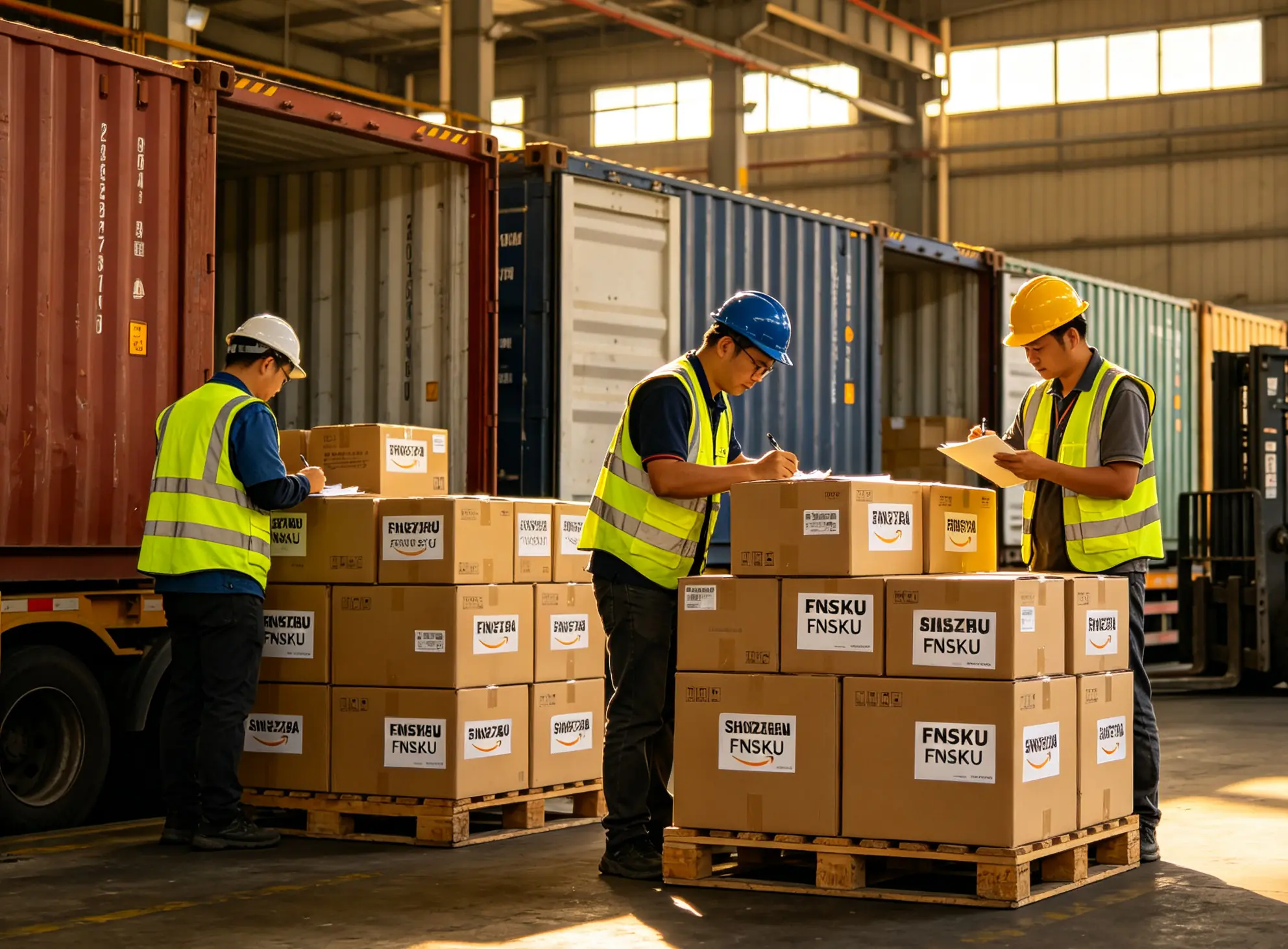
For sellers running fixed replenishment cycles, the practical choice is scheduled rail LCL under a DDP door to door shipping arrangement. Predictable arrival beats shaving a few dollars per CBM — a stockout costs far more than the freight saving. Consolidate multiple suppliers into one weekly shipment rather than releasing small parcels on demand.
Import Duty, VAT and Customs Clearance in Uzbekistan: What You Actually Pay
A normal commercial import into Uzbekistan can trigger four customs payments: customs duty, VAT, excise tax where applicable, and customs fees (Customs Code of the Republic of Uzbekistan, Article 289). The declaration must be filed within 15 calendar days of arrival (Article 261, same Code).
Two numbers get misquoted constantly. The standard import VAT is 12% (Tax Code of the Republic of Uzbekistan, Article 258), levied on customs value plus duty (Customs Code, Article 322), not on your invoice value alone. Many 2026 articles still print 15% or 20%; those figures are outdated.
How Duty Is Determined by Your 10-Digit HS Code
Uzbekistan assigns duty against a 10-digit commodity code, so a two-digit chapter is never precise enough to budget from. Indicative bands:
| Product Category | Indicative Duty Band |
|---|---|
| Raw materials, locally unproduced equipment, some agricultural inputs | 0% |
| Industrial machinery | 0–15% (industrial goods often 0–5%) |
| Electronics and auto parts | 0–30% (smartphones 0–5%; TVs and some consumer electronics 20–30%) |
| Chemicals and some food products | 5–10% |
| Toys and games, cosmetics | 10–20% |
| Textiles, clothing and footwear | 10–30% (finished garments often 20–30%) |
Calculating Your VAT Base Correctly
The formula is short, and getting it wrong is expensive:
VAT = 12% × (customs value + customs duty + excise, where applicable)
Take a consignment with a customs value of $10,000 and duty at 10%:
- Duty: 10% × $10,000 = $1,000
- VAT: 12% × ($10,000 + $1,000) = $1,320
- Total tax at import: $2,320
If you had budgeted VAT on the invoice value alone, you would be $120 short on a single small shipment. Scale that across a container and the error becomes material.
That $120 gap is not rounding. It is the difference between budgeting VAT correctly and finding out at the terminal.
UzStandard Certification — and Why an EAC Certificate Will Not Help
This is the compliance point that costs importers the most time. Uzbekistan applies its own national conformity system: a GOST-UZ (GOST UZB) certificate of conformity, issued under the UzStandard agency and the O’zDSt technical regulations. An EAC certificate, valid across the Eurasian Economic Union, is not accepted for Uzbek clearance, even when your supplier sends one with the invoice.
Start certification 30–45 days before shipment, verify the requirement against your specific HS code before production rather than before loading, and treat any supplier claim of “EAC is enough” as a red flag.
Our Industry Insights: One of the most common rescues we run is a container sitting at a Tashkent terminal because the consignee’s certificate was issued for the wrong conformity scheme. Storage and demurrage then cost more than the certification would have. We now audit the certificate number against the HS code at booking stage, before the goods ever leave the factory.
Documents and the Single Window Pre-Declaration
Missing or inconsistent paperwork is the single most common cause of clearance delay. You need a commercial invoice, packing list, the bill of lading, CIM/SMGS rail consignment note or air waybill, a certificate of origin, an import licence or permit where applicable, a conformity certificate, and the importer’s STIR taxpayer number. Your broker files the electronic pre-declaration through Uzbekistan’s single window before arrival. Setting up the importing entity and obtaining its STIR is a pre-shipment task, not an arrival task: domestic registration can be near-instant online, but a wholly foreign-owned entity should allow 1–2 weeks once document legalisation and the tax number are included.
How to Reduce Shipping Cost from China to Uzbekistan: Landed Cost Walkthrough and 8 Strategies
The cheapest route is not a fixed answer: above roughly 2 CBM, rail LCL or truck consolidation is usually cheapest; for full containers, rail FCL delivers the lowest cost per unit; and below 30 kg, express can be competitive.
What you actually want to minimise is landed cost: the total of product, freight, insurance, duty, VAT, clearance and delivery. Not the freight line.
The Seven-Step Import Process, Factory to Tashkent Warehouse
A standard China–Uzbekistan import runs through seven coordinated steps:
- Consolidate at a Shenzhen, Yiwu or Ningbo warehouse and verify packaging and labels.
- Declare for export and book the rail or road slot, confirming the corridor and terminal.
- Depart on the block train and clear the border transloading at Khorgos, Alashankou or Irkeshtam.
- Arrive at the Chukursay or nominated terminal; the carrier issues arrival notice.
- Pre-declare and pay duty and VAT through the single window with your broker.
- Release and unstuff the container, watching free-time days closely.
- Deliver by truck to Tashkent, Samarkand, Bukhara or the Ferghana Valley.
Landed Cost Walkthrough: Three Real Shipments from Shenzhen to Tashkent
Landed cost = FOB value + international freight + insurance + duty + VAT + clearance fees + final-mile delivery.
The three examples below use the same formula with different modes and duty rates. Treat them as illustrations of structure, not quotations.
| Cost Line | A: 25 kg Express Sample (duty 5%) | B: 1 CBM / 300 kg Rail LCL (duty 10%) | C: 40HQ Machinery by Rail FCL (duty 5%) |
|---|---|---|---|
| FOB value | $1,200 | $6,000 | $120,000 |
| International freight | $225 | $130 | $4,200 |
| Origin pickup, loading and export docs | included | $150 | $600 |
| Cargo insurance | $15 | $45 | $600 |
| Customs value (CIF) | $1,440 | $6,325 | $125,400 |
| Customs duty | $72 | $633 | $6,270 |
| Import VAT 12% | $181 | $835 | $15,800 |
| Destination handling / unstuffing | included | $60 | $400 |
| Clearance and documentation | $90 | $130 | $250 |
| Final-mile delivery | included | $110 | $450 |
| Total logistics + tax | $583 | $2,093 | $28,570 |
| Uplift over FOB value | ~49% | ~35% | ~24% |

Look at the last two rows. Tax beats freight in all three scenarios: VAT alone costs more than the entire freight bill in case C. And the uplift over FOB keeps shrinking as the shipment grows, which is why consolidating small orders is usually the highest-return move an importer can make here.
8 Actionable Ways to Cut Your Shipping Cost
Ask ten forwarders for a “cheapest option” and you’ll get ten answers. Ask for a landed cost per unit and the field narrows fast.
- Use the 15 CBM gate. Ship LCL below it, FCL above it, and never ship LCL out of habit at 20 CBM.
- Re-pick your inland origin. Xi’an, Lianyungang and Yiwu price $700–$1,000 below a Guangzhou or Shenzhen slot on a 40HQ, so consolidate south and rail north.
- Never air-freight volume. Above roughly 500 kg chargeable, air stops being a speed premium and starts being a margin problem.
- Book 14–21 days ahead on the Kazakhstan corridor to avoid peak surge slot pricing and rolled cargo.
- Shift what you can out of August–October, or at least book it earlier and budget a peak surcharge line.
- Ship FOB and buy DDP from one forwarder. A single door to door shipping from China contract then owns surcharges, clearance and the risk of a surprise, which is exactly what makes two quotes comparable.
- Prepare UzStandard certification 30–45 days ahead and confirm your STIR number before booking. Storage and demurrage at $80–$120 per container per day will always cost more than being early.
- Optimise packaging and CBM. The cheapest kilogram is the one you never ship, and LCL pricing punishes light, bulky cartons with volumetric charges.
Where Efanda Logistics Fits
Where a partner earns its fee: corridor choice, border risk, compliance prep. Not the invoice line.
Efanda Logistics has been moving freight out of China since 2018 from our headquarters in Shenzhen, inside the manufacturing belt where most of this cargo originates. We run end-to-end shipments into Uzbekistan: factory pickup, consolidation, export declaration, rail, road, air or sea-plus-inland freight, Tashkent customs clearance and final-mile delivery, all under one accountable partner instead of three handovers.
Our pricing is transparent and built on real market conditions, with no destination fees appearing after your goods have left. Every client also gets a dedicated logistics specialist who flags a border queue or a documentation gap while you can still act on it. Tell us your HS code and we will build the corridor-by-corridor landed cost from the numbers above.
Shipping Cost from China to Uzbekistan FAQ
How much does it cost to ship a 20ft or 40ft container from China to Uzbekistan?
In 2026 terms, a 40HQ by rail to Tashkent runs about $2,800–$4,500 and a 20GP about 20–25% less, before destination fees, duty and VAT. Origin city and corridor can move a 40HQ by as much as $1,700, so always compare on a landed-cost basis.
Is rail freight cheaper than sea freight from China to Uzbekistan?
Usually yes. Because there is no seaport, sea freight requires a foreign gateway and an inland leg, which adds 20–30 days and often erases the freight saving. Sea still wins for out-of-gauge machinery and very large non-urgent bulk.
What is the cheapest way to ship from China to Uzbekistan?
Above roughly 2 CBM, rail LCL or truck consolidation is the cheapest absolute option. For full containers, rail FCL gives the lowest cost per unit. Under 30 kg, express courier can be competitive.
How long does shipping from China to Uzbekistan take door-to-door?
Plan on 22–31 days by rail via Kazakhstan, 16–24 days via Kyrgyzstan, 12–18 days by road, 5–8 days by air, and 35–55 days by sea-plus-inland. Quoted transit times that exclude customs are not door-to-door figures.
What import duty and VAT will I pay in Uzbekistan?
Duty depends on your 10-digit HS code and typically falls between 0% and 30% depending on category. Import VAT is 12%, charged on customs value plus duty, plus excise where applicable.
Is the Uzbek VAT rate 12%, 15% or 20%?
It is 12%. Uzbekistan reduced the standard rate from 20% to 15% and then to 12%; many older articles and supplier quotes still print the historic figures.
Do I need an EAC certificate or UzStandard certification?
UzStandard. Specifically, a GOST-UZ certificate of conformity. Uzbekistan is not a member of the Eurasian Economic Union, so an EAC certificate does not satisfy Uzbek customs. Confirm the applicable conformity scheme against your HS code 30–45 days before shipment.
What documents are required for Uzbek customs clearance?
Commercial invoice, packing list, bill of lading or CIM/SMGS rail consignment note or air waybill, certificate of origin, conformity certificate, import licence where applicable, and the importer’s STIR taxpayer number.
Should I choose FOB, CIF or DDP for my first shipment to Uzbekistan?
Buy FOB from your supplier and let one forwarder handle the rest as DDP to your warehouse. It gives you a single all-in number, transfers surcharge risk to a party that can manage it, and removes customs compliance from your first-import workload.
Which Chinese cities offer the best rail rates to Tashkent?
Xi’an is consistently the cheapest 40HQ origin at roughly $2,800–$3,600, followed by Zhengzhou, Lianyungang, Chongqing and Chengdu. Guangzhou and Shenzhen sit highest and usually benefit from domestic consolidation first.
What are the hidden fees at Tashkent’s customs terminals?
Unstuffing and CFS handling at $45–$75 per CBM, a customs documentation fee of $100–$160, free storage of only 3–5 days, and storage thereafter at $12–$20 per CBM per day. Container demurrage runs about $80–$120 per container per day from around day three.
Can I insure cargo moving by rail through Kazakhstan?
Yes. Cargo insurance for China exports is widely available on rail and is usually priced as a small percentage of CIF value. Given border transloading and long overland transit, underwriting the shipment is standard practice rather than optional.
Rail operators, truckers and customs rules here change faster than rate sheets do. Treat every figure here as a 2026 planning range, confirm duty against your own 10-digit classification — and compare the full landed cost, not the headline freight rate.