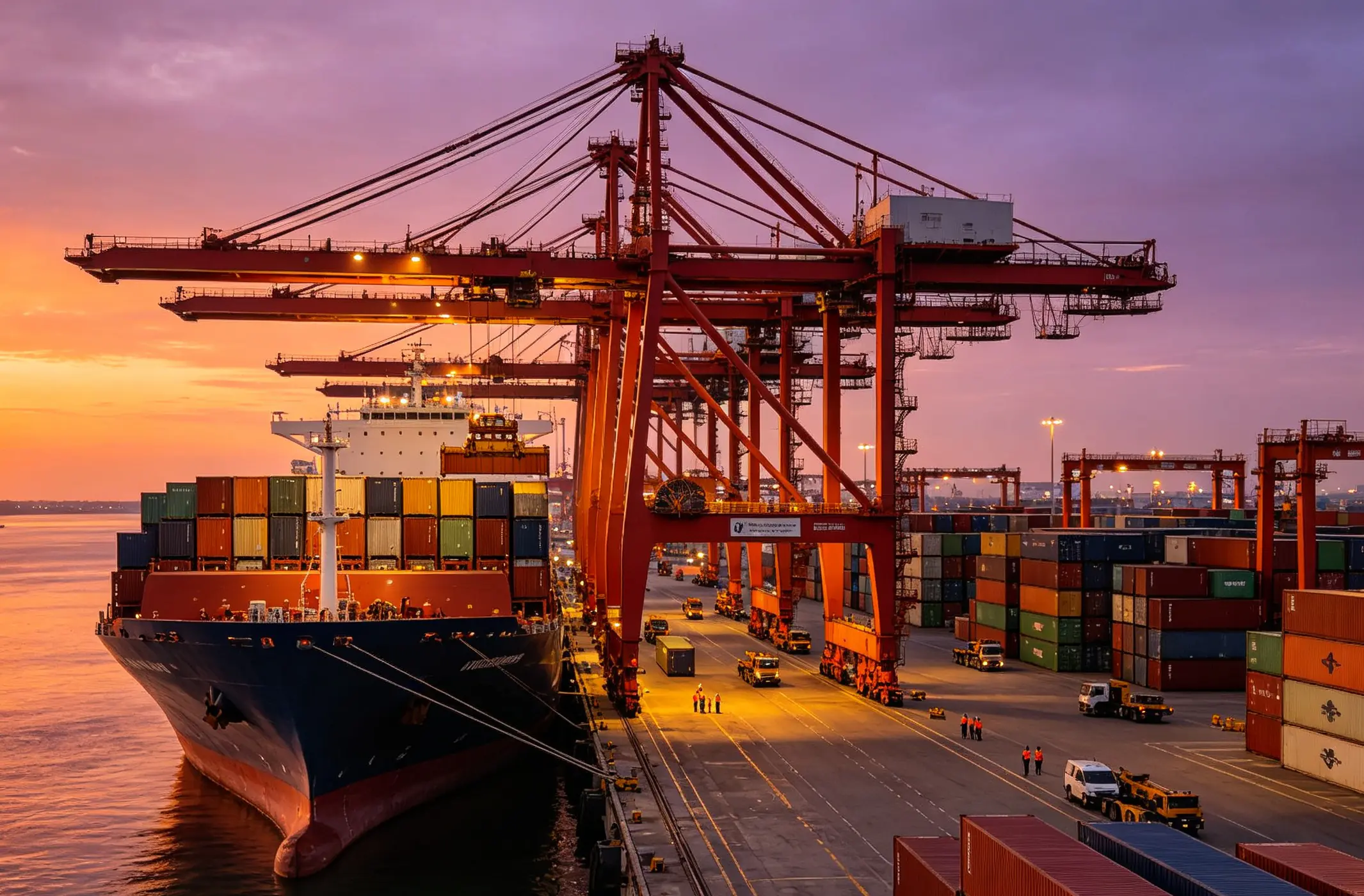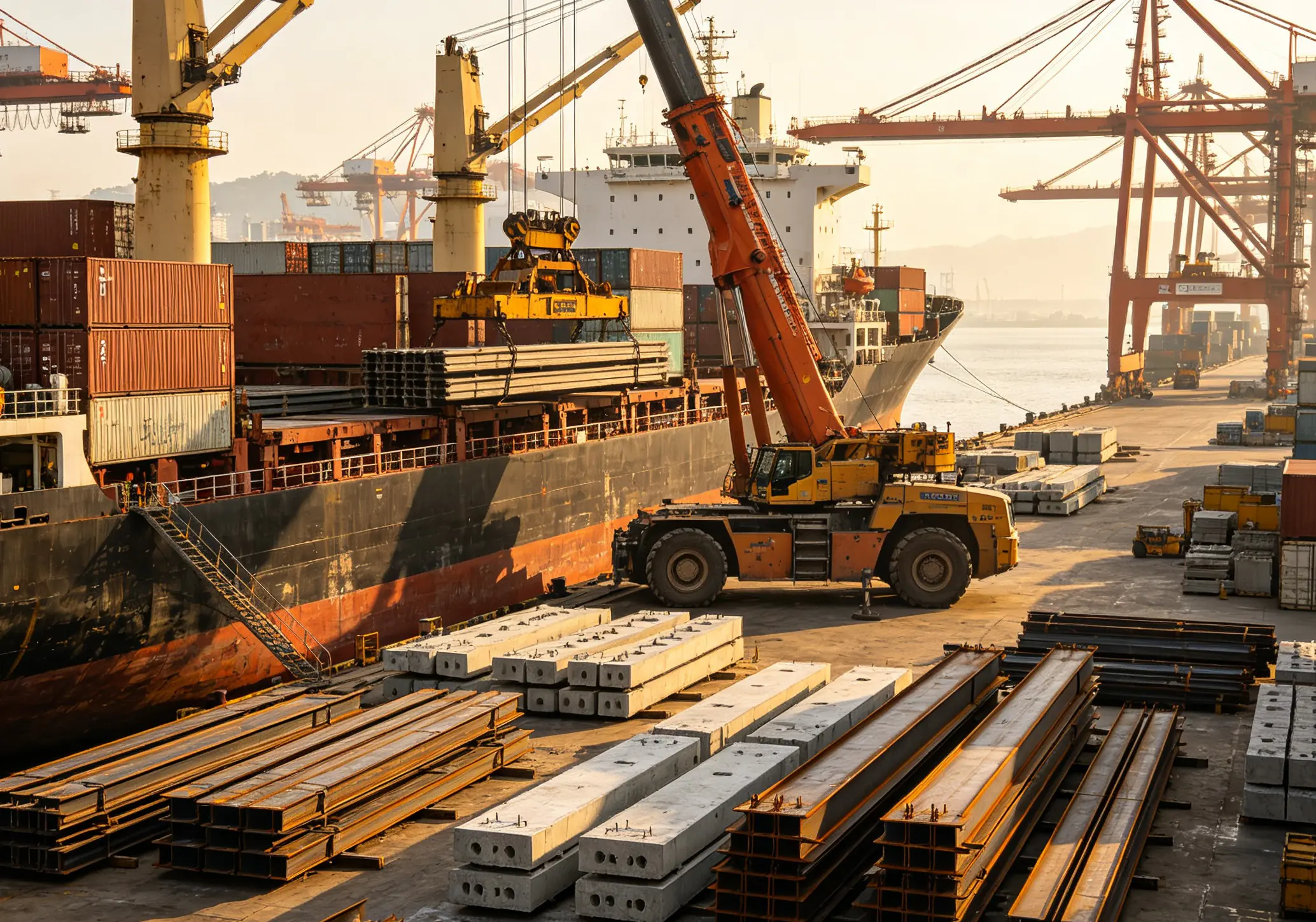
Are you importing engine parts, brake pads, body panels, or electronic components from China but struggling to figure out the most cost-effective and compliant way to get them into Iran? You are not alone. How to ship automotive parts and spare parts from China to Iran is a question that trips up even experienced importers — not because the shipping routes are unavailable, but because the intersection of Iranian customs regulations, HS code classification, sanctions compliance, and specialized cargo handling creates a uniquely complex logistics puzzle.
This guide is built specifically for automotive parts importers. Unlike generic China-to-Iran shipping guides, we focus on what matters for your cargo: which HS codes apply to engine components versus body panels, how to handle OOG (Out of Gauge) shipments like complete engine assemblies, which dangerous goods (DG) rules govern batteries and airbag components, and how to navigate Iran’s IRICA customs system with automotive-specific documentation. For a broader overview of general cargo routes and services, see our complete guide to shipping from China to Iran . Whether you source from Guangzhou’s auto parts markets, Zhejiang’s manufacturing clusters, or multiple suppliers across China, you will walk away with a clear, actionable roadmap — from factory floor to your warehouse door in Iran.
1. What Are the Main Shipping Methods for Automotive Parts from China to Iran?
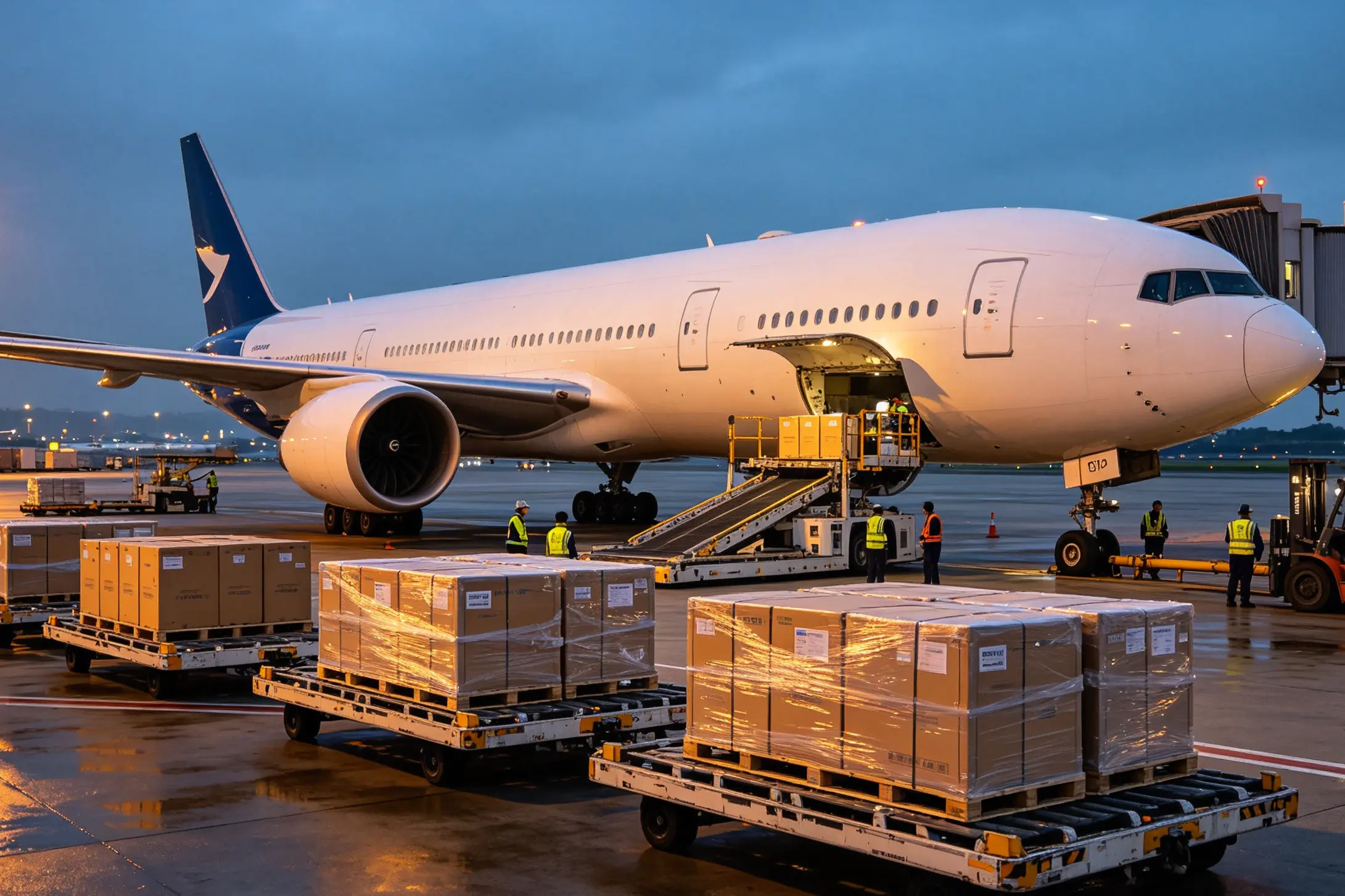
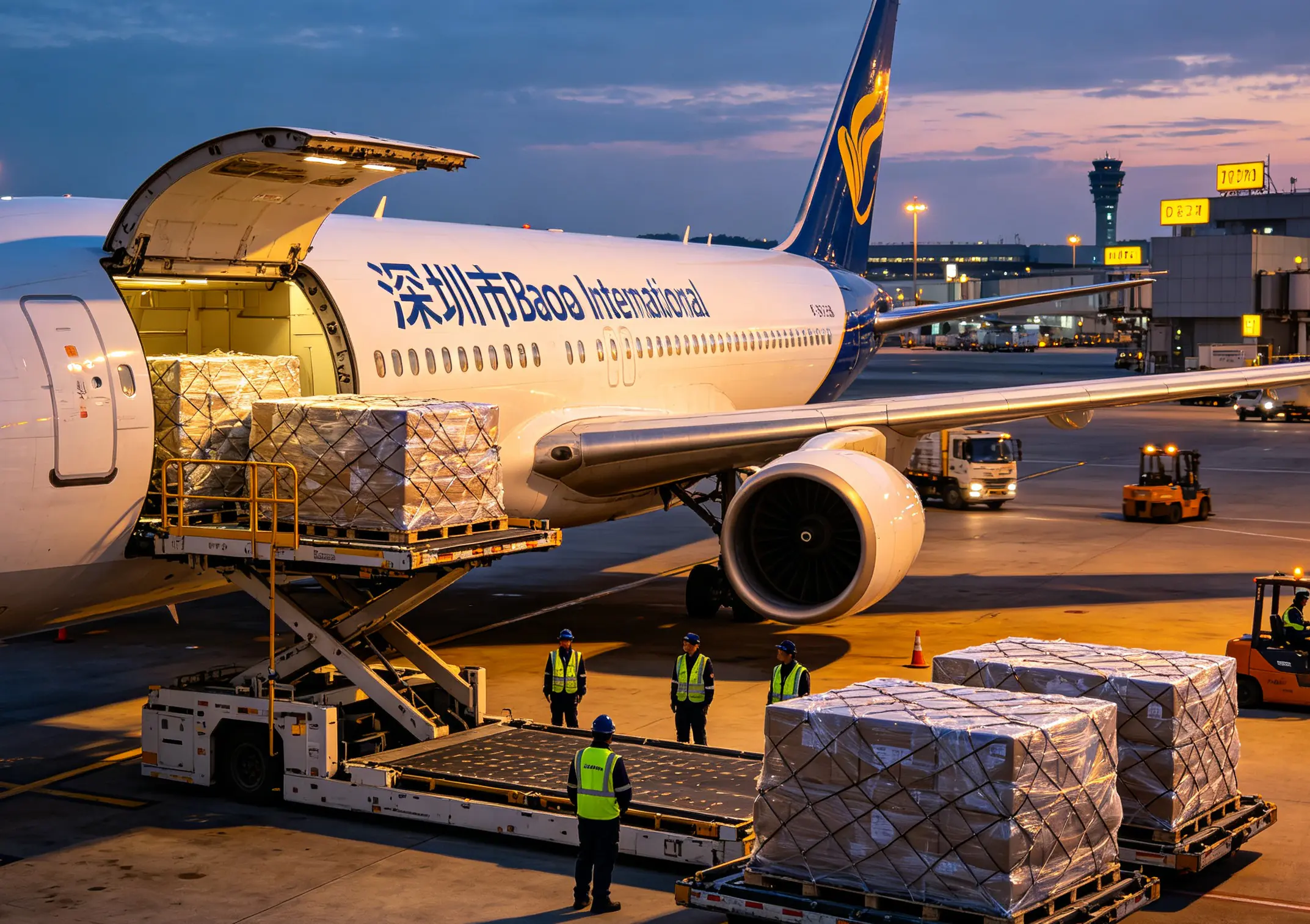
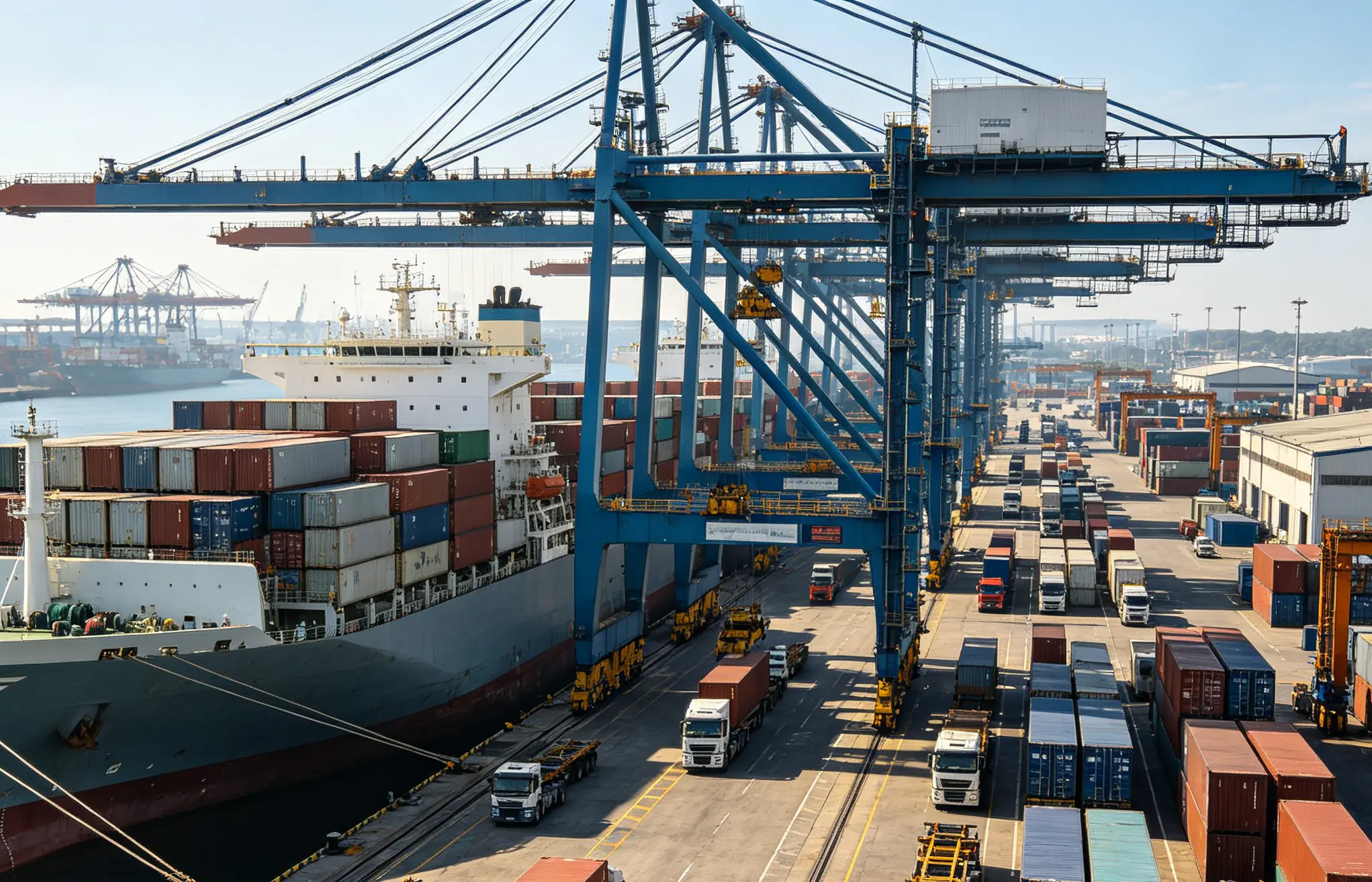
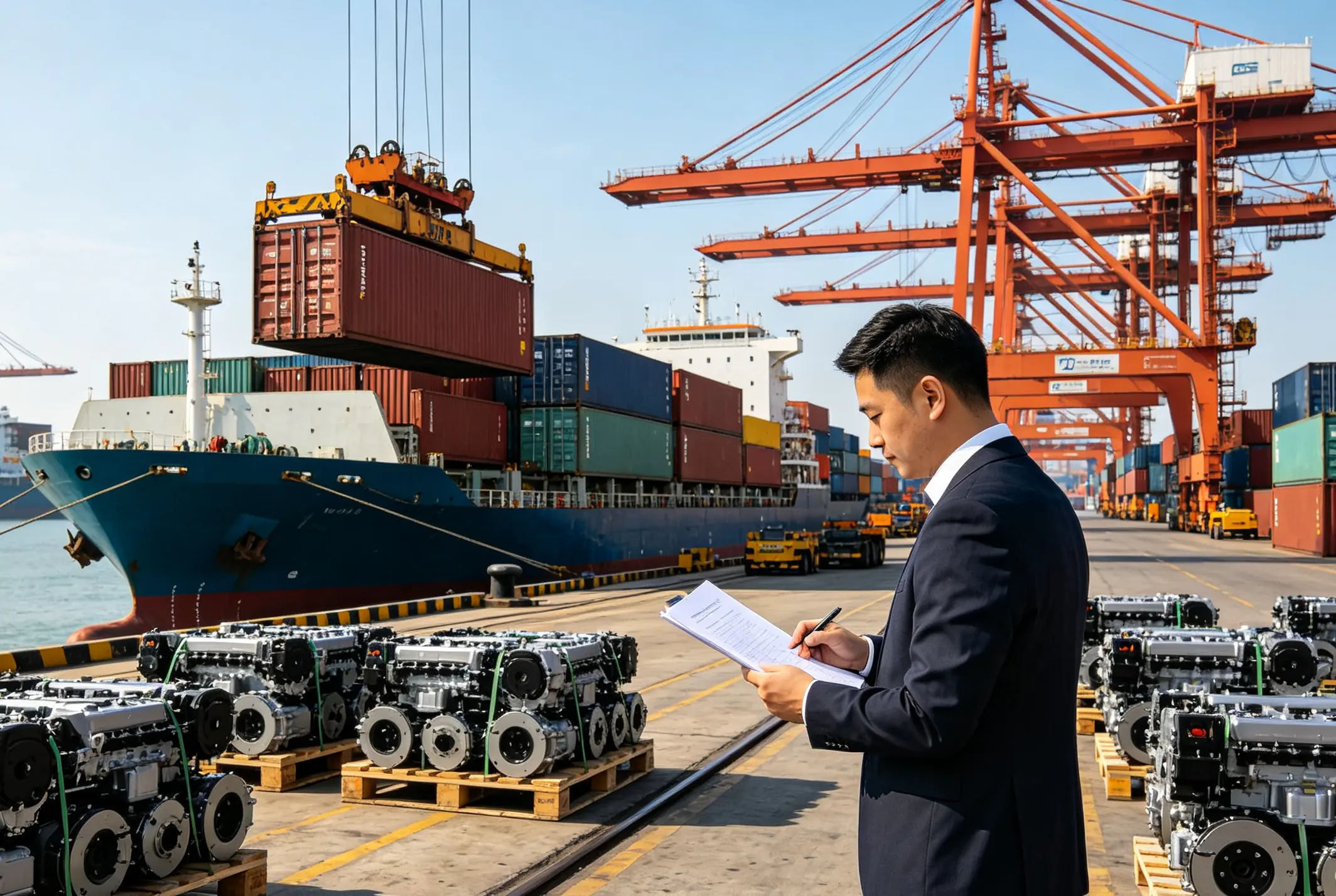
Three primary transport modes connect Chinese export hubs to Iranian destinations: sea freight, air freight, and rail freight — each suited to different auto parts categories, cargo volumes, and delivery timelines. Your choice should be driven by the type of parts you are shipping, not just the lowest headline rate.
| Transport Mode | Typical Transit Time | Cost Level | Best for These Auto Parts | Key Limitation |
|---|---|---|---|---|
| Sea Freight (FCL/LCL) | 18–35 days port-to-port | Low | Engine blocks, body panels, brake discs, suspension parts, bulk aftermarket components | Long lead time; requires accurate PSI and customs pre-work |
| Air Freight | 4–7 days airport-to-airport | High | ECUs, sensors, fuel injectors, small high-value electronic modules, urgent replacement units | Chargeable weight pricing; limited capacity for heavy parts |
| Rail Freight | 15–20 days terminal-to-terminal | Medium | Medium-value time-sensitive shipments — transmissions, turbochargers, steering racks | Fixed schedules; gauge-change delays at border crossings |
For most auto parts importers, sea freight from China is the backbone. A 40HQ container can hold roughly 55–65 CBM of packaged brake pads, filters, or suspension components, making the per-unit shipping cost negligible. Air freight makes sense when downtime costs outweigh freight costs — for example, a $2,000 ECU that is keeping a production line idle justifies a $150 air freight charge. When deciding between modes, understanding the sea freight vs air freight trade-off in terms of cost, speed, and cargo suitability is essential for automotive parts importers. Rail freight via Central Asia has gained traction as a middle ground, particularly for Tehran-bound cargo that cannot wait 30 days for sea but does not justify air rates.
Real-Life Scenario: A Tehran-based importer sourcing brake pads, oil filters, and alternators from three factories in Guangzhou and Wenzhou chose LCL sea freight for their regular monthly restock of 6–8 CBM. By consolidating all three suppliers’ cargo at a Shenzhen warehouse, they cut per-CBM shipping costs by roughly 18% compared to booking three separate LCL shipments directly from each factory. The consolidated load shipped as one clean LCL booking to Bandar Abbas, with one set of export documents — dramatically simplifying their customs clearance on the Iranian side.

2. How to Classify Automotive Parts with HS Codes for Iran Import
Correct HS code classification is the single most impactful decision you make before shipping — it determines your import duty rate (ranging from approximately 15% to over 40%), whether you need a special import license, and how smoothly your cargo clears Iranian customs. Iranian customs (IRICA) cross-references your declared HS code against the commercial invoice, packing list, and PSI certificate. A mismatch can result in weeks of detention, reclassification penalties, or even cargo rejection.
Below is a quick-reference table for the six most common auto parts categories imported into Iran, with their typical HS code ranges and estimated duty rates as of mid-2026:
| Auto Parts Category | Typical HS Code Range | Example Products | Estimated Iran Import Duty |
|---|---|---|---|
| Engine Components | 8409.91 / 8409.99 | Pistons, cylinder heads, crankshafts, camshafts, valves | 25%–32% |
| Body Panels & Exterior | 8708.10 / 8708.29 | Bumpers, doors, fenders, hoods, grilles | 30%–40% |
| Brake System Parts | 8708.30 | Brake pads, brake discs, calipers, master cylinders | 20%–28% |
| Suspension & Steering | 8708.80 / 8708.94 | Shock absorbers, struts, tie rods, control arms, steering racks | 22%–30% |
| Electrical & Electronic | 9032.89 / 8511.80 | ECU modules, oxygen sensors, alternators, starter motors, ignition coils | 15%–25% |
| Filters & Fluid Parts | 8421.23 / 8421.31 | Oil filters, air filters, fuel filters, transmission filters | 15%–20% |

Critical note: These rates are indicative and subject to change. Iran’s tariff schedule can be adjusted through annual trade policy updates. Always verify your specific HS code classification with your Iranian Tarkhis Kar (licensed customs broker) before finalizing your commercial invoice. This single step prevents more clearance delays than any other action.
Expert Insight: We have seen importers classify “engine valves” under Chapter 84 (general machinery parts at ~15%) when IRICA assigns them to 8409.99 (engine-specific parts at ~28%). The 13-percentage-point difference on a $30,000 shipment amounts to $3,900 in unexpected duties — plus storage and demurrage charges while the dispute is resolved. Pre-clearance HS code review with a Tehran-based Tarkhis Kar costs approximately $50–$100 and is the best insurance you can buy.
3. FCL vs LCL: Which Container Load Is Right for Your Auto Parts?
For auto parts shipments, the FCL vs LCL decision is governed by cargo volume, but with nuances specific to mixed-SKU auto parts loads. The general threshold is 15 CBM — above that, FCL (Full Container Load) delivers lower per-unit freight costs. Below 8 CBM, LCL (Less than Container Load) is usually more economical. Between 8 and 15 CBM, the answer depends on your parts mix and handling sensitivity. Choosing the right container type also matters — refer to our shipping container dimensions guide to understand the exact internal capacity of 20GP, 40GP, and 40HQ units.
| Factor | FCL (Full Container Load) | LCL (Less than Container Load) |
|---|---|---|
| Container Types | 20GP (~33 CBM / 21,000 kg), 40GP (~67 CBM / 26,000 kg), 40HQ (~76 CBM) | Shared container space |
| Cost Structure | Flat rate per container | Per CBM or per 1,000 kg (whichever is greater) |
| Cargo Security | Sealed at origin factory; opened only at destination | Multiple handling points; consolidation and deconsolidation |
| Ideal Volume | Above 15 CBM | Below 8 CBM |
| Handling Risk | Low — minimal cargo touches | Moderate — parts shift during multiple load/unload cycles |
| Transit Time | Direct, faster by 3–7 days vs LCL | Slower due to consolidation/deconsolidation windows |
One auto-parts-specific trap to watch for with LCL: destination CFS (Container Freight Station) charges at Bandar Abbas. When your LCL cargo arrives, the container must be unstuffed at a CFS, and each consignment is separated. These deconsolidation fees — often $45–$85 per CBM — are not always included in your forwarder’s initial LCL quote. For a 10 CBM LCL shipment, that is an additional $450–$850 in destination charges that can make FCL cheaper even at volumes slightly below the 15 CBM threshold.
Real-Life Scenario: A Mashhad-based importer sourcing aftermarket body panels (fenders, grilles, bumper covers) from three different suppliers in Zhejiang province had been using LCL for years at roughly 12 CBM per shipment. After reviewing their total landed cost, including $550 in Bandar Abbas CFS charges and $380 in Tarkhis Kar handling for multi-consignment clearance, switching to a 20GP FCL — even though it was only 65% full — reduced their total door-to-door cost by 14%. The sealed-container handling also eliminated the minor dent damage they were experiencing on roughly one in every four LCL shipments.
4. What Are the 2026 Sea Freight Costs and Transit Times from China to Iran?
Sea freight from South China ports offers the best balance of cost and capacity for auto parts in mid-2026. Rates from Shenzhen and Guangzhou to Bandar Abbas are typically 5%–10% lower than from Shanghai or Ningbo, driven by higher sailing frequency and more carrier competition on the South China–Persian Gulf corridor.
| Route | Container Type | Estimated Sea Freight (Mid-2026) | Typical Transit Time |
|---|---|---|---|
| Shenzhen (Yantian/Shekou) → Bandar Abbas | 20GP | $1,800–$2,800 | 18–25 days |
| Guangzhou (Nansha) → Bandar Abbas | 20GP | $2,000–$3,000 | 20–28 days |
| Shanghai → Bandar Abbas | 20GP | $2,300–$3,600 | 22–32 days |
| Ningbo → Bandar Abbas | 20GP | $2,400–$3,500 | 22–32 days |
| Shenzhen → Bandar Abbas | 40HQ | $3,200–$4,500 | 18–25 days |
| LCL (all major ports) | Per CBM | $55–$95 | +3–7 days vs FCL |
Disclaimer: Ocean freight rates fluctuate weekly based on fuel costs (BAF), carrier capacity, and seasonal demand. The figures above are public market indications for June–July 2026 and should be used for budget planning only. Always request a current, binding quote before committing to a booking.
Beyond the base ocean freight, Iranian importers must budget for these mandatory and common destination costs:
| Cost Item | Typical Range | What It Covers |
|---|---|---|
| PSI (Pre-Shipment Inspection) | $250–$600 | Third-party inspection in China verifying cargo quantity, quality, and value — mandatory for Iran import |
| Terminal Handling Charges (THC) | $150–$350 | Port handling fees at Bandar Abbas |
| Tarkhis Kar (Customs Broker) | $200–$500 | Licensed Iranian customs broker fees for document submission, duty calculation, and cargo release |
| Iran Import Duty | 15%–40% of CIF value | Varies by HS code — see section 2 above |
| VAT | 9% | Applied to (CIF value + import duty) |
| Inland Trucking (Bandar Abbas → Tehran) | $300–$800+ | Approximately 1,000 km / 12–15 hours by road |
5. How to Handle Special Cargo: OOG, Dangerous Goods, and Electronic Auto Parts
Standard dry containers cannot accommodate every type of auto parts cargo. Engine assemblies, lithium batteries, airbag modules, and sensitive electronics each require specialized handling, packaging, and documentation — shipping them in a regular 40HQ without proper preparation invites carrier rejection at origin or regulatory penalties at destination.
OOG Cargo: Flat Rack and Open Top Containers
Complete engine-and-transmission assemblies, large body-in-white structures, and oversized stamping dies exceed standard container dimensions. These require Flat Rack containers (collapsible end walls, no roof) or Open Top containers (removable tarpaulin roof). Key considerations:
- Flat Rack: Best for heavy, irregularly shaped assemblies that cannot fit through container doors. Lashing and securing (dunnage, chains, tension belts) is critical — improper securing can cause load shift during ocean transit.
- Open Top: Suitable for tall cargo loaded by crane from above, such as vertically packed exhaust systems or large radiators.
- Both types carry higher freight rates — typically 1.5× to 2× the cost of a standard dry container — and require advance booking since availability is limited.
Dangerous Goods (DG): Batteries, Airbags, and Fluids
Many auto parts fall under IMDG (International Maritime Dangerous Goods) classification:
| DG Class | UN Number(s) | Auto Parts Examples | Key Requirements |
|---|---|---|---|
| Class 9 — Miscellaneous | UN 3480 / UN 3481 | Lithium-ion batteries (EV battery packs, hybrid batteries, starter batteries) | MSDS (Material Safety Data Sheet), UN38.3 test report, DG declaration, certified DG packaging |
| Class 9 — Miscellaneous | UN 3268 | Airbag inflators, seatbelt pretensioners (pyrotechnic devices) | Special DG packaging; some carriers refuse entirely |
| Class 3 — Flammable Liquids | UN 1263 | Paint, touch-up coatings, thinners | Limited quantity provisions may apply for small volumes |
| Class 9 — Miscellaneous | UN 3082 | Engine oil, transmission fluid, brake fluid (environmentally hazardous) | Proper labeling and packaging; quantity limits per container |
Critical compliance note: Not all shipping lines accept DG cargo on the China–Iran route. Always confirm carrier DG acceptance before booking. A forwarder experienced in Iran-bound DG shipments can pre-clear the commodity with the carrier and prepare compliant DG documentation packages.
Sensitive Electronics: ECU, Sensors, and Modules
ECUs, mass airflow sensors, instrument clusters, and other electronic auto parts require anti-static (ESD) packaging, moisture-barrier wrapping, and adequate cushioning against vibration. A single improperly packed ECU can arrive non-functional due to corrosion or impact damage. We strongly recommend adding cargo insurance for any electronics shipment — the premium (typically 0.3%–0.5% of declared value) is negligible compared to the cost of replacing damaged modules.
6. Step-by-Step Iran Customs Clearance for Automotive Parts
Clearing auto parts through Iranian customs follows a defined sequence. Missing or mismatched documents at any stage will stall the process and accumulate demurrage (port storage) and detention (container usage) charges. Here is the proven six-step workflow:
- Pre-Shipment Inspection (PSI) — Before cargo leaves China, an IRICA-approved third-party inspection agency verifies the quantity, quality, HS code classification, and declared value. The PSI certificate must match your commercial invoice and packing list exactly.
- Import Order Registration — Your Iranian importer (or their Tarkhis Kar) registers the import order in the IRICA electronic system. This step requires a valid Commercial Card (issued by the Iranian Chamber of Commerce). Complete this before the vessel sails — do not wait until arrival.
- Document Assembly — During transit, ensure the following are ready and cross-checked for consistency: Bill of Lading (original required for cargo release), Commercial Invoice, Packing List, Certificate of Origin (issued by CCPIT in China), PSI Certificate, and any product-specific permits (import license, ISIRI certificate).
- IRICA EPL Declaration — Upon vessel arrival at Bandar Abbas, your Tarkhis Kar submits the electronic customs declaration through IRICA’s EPL (Electronic Processing of Licenses) system. The declared HS code triggers the applicable duty rate.
- Duty and VAT Payment — Import duty (15%–40% depending on HS code) plus 9% VAT on the CIF+duty total must be paid before cargo release. Budget for this payment in advance — delays in fund transfer can add days of storage fees.
- Cargo Release and Inland Delivery — Once duties are settled and documents approved, the Tarkhis Kar obtains the release order. The cargo is trucked to Tehran, Mashhad, Isfahan, Shiraz, or your specified destination. Bandar Abbas to Tehran is approximately 1,000 km with 12–15 hours of road transit.
Expert Insight: The most common clearance failure we observe is a mismatch between the PSI certificate and the commercial invoice. If the PSI inspector records “brake pads — 5,000 sets” but the commercial invoice says “brake pads — 5,100 sets,” IRICA may flag this as a value discrepancy and hold the entire shipment. The fix is simple but requires discipline: do not change your commercial invoice quantities or values after the PSI inspection. If you need to ship additional units, process them as a separate shipment with a separate PSI.
7. Iran Automotive Parts Market Access: Certifications, Permits, and Sanctions Compliance
Importing auto parts into Iran goes beyond logistics — it requires navigating a regulatory landscape shaped by product standards, import licensing, and international sanctions.
ISIRI standards (Institute of Standards and Industrial Research of Iran) mandate that certain safety-critical and emissions-related auto parts carry ISIRI certification. Brake components, lighting equipment, tires, and emissions-control parts are the most commonly affected categories. Before placing a purchase order, confirm with your Iranian buyer whether the specific parts you are shipping require ISIRI conformity assessment.
Import licensing is not required for all auto parts, but certain categories trigger it. Branded OEM parts (e.g., parts bearing a vehicle manufacturer’s logo) may require a trademark authorization letter from the brand owner to clear Iranian customs. Aftermarket generic parts generally do not trigger this requirement. Used or second-hand auto parts face additional restrictions — many categories are restricted or prohibited from import unless accompanied by special permits from the Ministry of Industry, Mine and Trade.
Sanctions compliance affects practical operations. While China–Iran trade in auto parts is permitted, payment channels, shipping line selection, and cargo insurance availability are shaped by the sanctions environment. Common workable payment paths include direct RMB settlement through Chinese banks with Iranian correspondent relationships, euro-denominated transactions through intermediary banks in neutral jurisdictions, and Letter of Credit (L/C) arrangements for larger contract values. Currency volatility — the Iranian rial’s exchange rate against hard currencies — means the CIF value declared at customs can quickly diverge from the originally planned duty calculation, so build a buffer into your duty budget.
8. 6 Proven Strategies to Reduce Your Auto Parts Shipping Costs to Iran
Reducing total landed cost for auto parts from China to Iran requires looking beyond the freight rate. These six strategies target the full logistics chain:
- Consolidate multiple suppliers at a Shenzhen or Guangzhou warehouse before shipping. Instead of paying three separate LCL minimum charges, combine cargo into one FCL container. Typical savings: 15%–25% on total freight spend.
- Switch to FCL once your volume exceeds 15 CBM. Even if the container is not completely full, the elimination of CFS deconsolidation fees at Bandar Abbas and the lower per-unit ocean rate often makes FCL the cheaper option above this threshold.
- Avoid booking 3–4 weeks before Chinese New Year. Carrier space tightens dramatically, and spot rates can surge 30%–50%. If your shipment window falls in late January, build in an extra 2–3 weeks of lead time or ship earlier.
- Choose Shenzhen or Guangzhou as your export port. Higher sailing frequency to Bandar Abbas and more carrier competition on South China routes translate to rates 5%–10% lower than Shanghai or Ningbo for equivalent services.
- Use DDP (Delivered Duty Paid) door-to-door service for predictable total cost. A properly structured DDP quotation bundles freight, destination handling, customs brokerage, duties, VAT, and inland delivery into one fixed price — eliminating the risk of unexpected Bandar Abbas charges. Learn more about how DDP shipping explained works and when it makes sense for your auto parts shipments.
- Pre-audit HS codes and documents with your Iranian Tarkhis Kar before the vessel sails. A $100 pre-review can prevent $1,000+ in clearance delay charges. This is especially valuable for first-time shipments or new product categories.
9. Frequently Asked Questions (FAQ)
Can I ship used or second-hand auto parts from China to Iran?
Used auto parts face import restrictions in Iran. Many categories require a special permit from the Ministry of Industry, Mine and Trade, and some (such as used tires and used brake components) may be prohibited entirely. Check with your Iranian importer or Tarkhis Kar before purchasing used parts for shipment to Iran.
What is the cheapest way to ship small quantities of car spare parts to Iran?
For shipments under 2 CBM, LCL sea freight ($55–$95 per CBM plus destination charges) is generally the most economical option. For urgent shipments under 30 kg, express courier services (DHL, FedEx, or EMS) offer 2–5 day door-to-door delivery at $12–$18 per kg, but service availability depends on the carrier’s Iran coverage at the time of booking.
Do I need a special import license for automotive parts in Iran?
It depends on the HS code classification and whether the parts are OEM-branded. Generic aftermarket parts under most HS codes in Chapter 87 do not require a special import license. Branded OEM parts may require a trademark authorization letter. Certain safety-related categories (brakes, lighting, tires) may additionally require ISIRI certification.
How long does DDP door-to-door shipping take from China to Tehran?
Sea freight DDP (China factory → Tehran warehouse): typically 30–45 days total, including factory pickup, export clearance, 18–25 days ocean transit to Bandar Abbas, 5–10 days Iranian customs clearance, and 1–2 days inland trucking. Air freight DDP: typically 7–12 days total.
Can auto batteries or airbag components be shipped by sea to Iran?
Yes — but only as declared dangerous goods (DG) with proper documentation. Lithium batteries require UN38.3 test reports and certified DG packaging. Airbag inflators (UN 3268) are restricted by many carriers. Always confirm DG acceptance with your forwarder and carrier before booking, as not all China–Iran services accept DG cargo.
What documents does a Chinese exporter need to provide for Iran customs?
The mandatory document package includes: Commercial Invoice (with HS codes and declared value), Packing List (detailed weights and dimensions), Bill of Lading (original required for cargo release), Certificate of Origin (issued by CCPIT), and PSI Certificate. OEM-branded parts may additionally require a trademark authorization letter from the brand owner.
10. Your Next Step for Shipping Auto Parts from China to Iran
Shipping automotive parts and spare parts from China to Iran does not have to be complicated — it requires the right preparation in the right order. Classify your HS codes before you finalize the invoice. Consolidate your cargo intelligently to hit the FCL threshold. Get your PSI done with an invoice that will not change. Work with a freight forwarder who understands that auto parts are not just “general cargo” — they are a mix of standard, OOG, DG, and high-value electronics, each demanding its own handling protocol.
At Efanda Logistics, our Shenzhen-based team specializes in China-to-Iran automotive parts shipping. From HS code pre-audit and multi-supplier consolidation to door to door shipping covering Bandar Abbas customs clearance and inland trucking to Tehran, Mashhad, Isfahan, or Shiraz, we provide transparent end-to-end pricing with no hidden destination charges — because your parts budget should go toward growing your business, not unexpected logistics fees.
Ready to get a customized shipping plan for your automotive parts? Contact Efanda Logistics today for a free consultation and a tailored quote based on your cargo type, volume, and delivery destination in Iran.