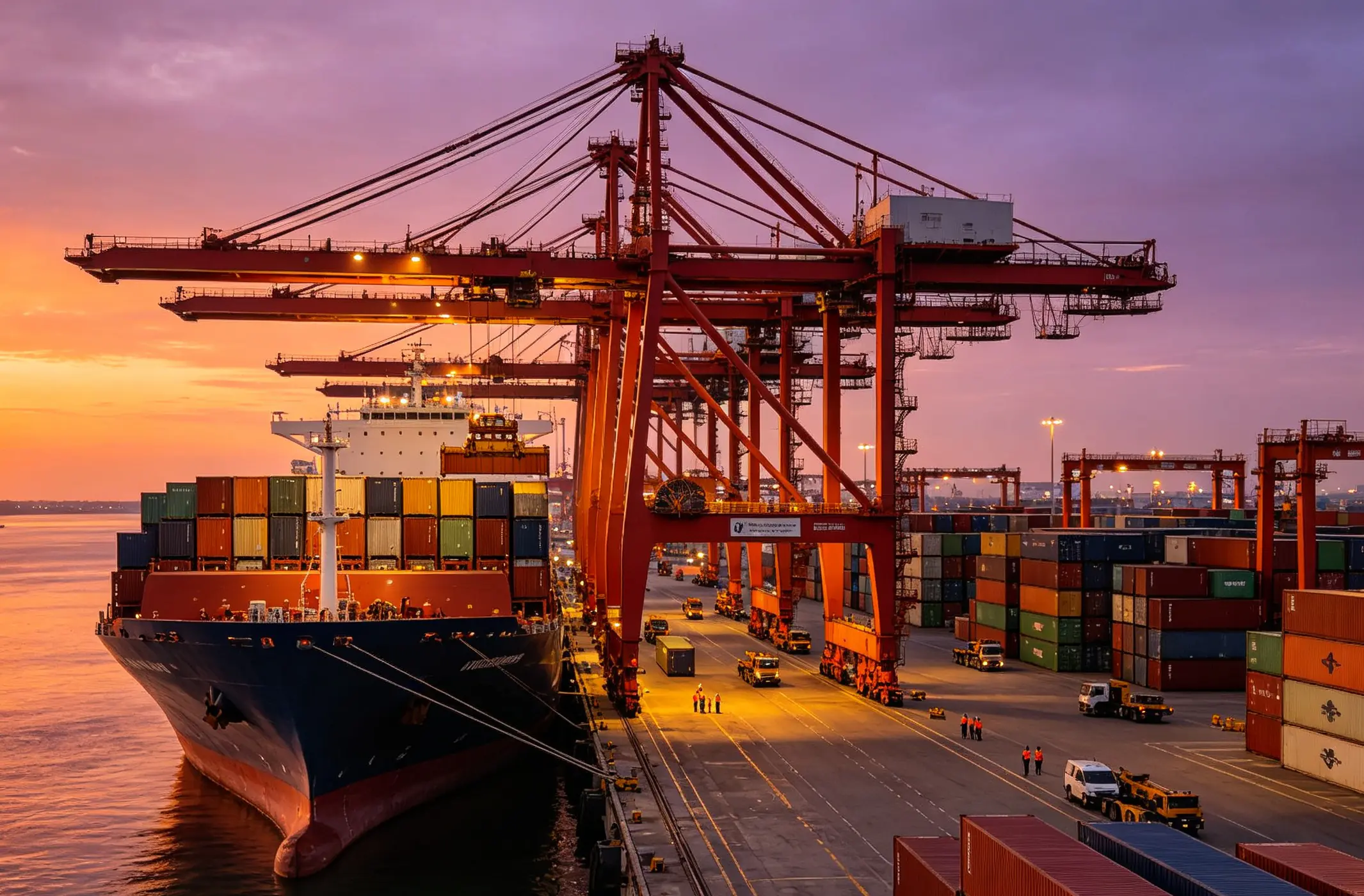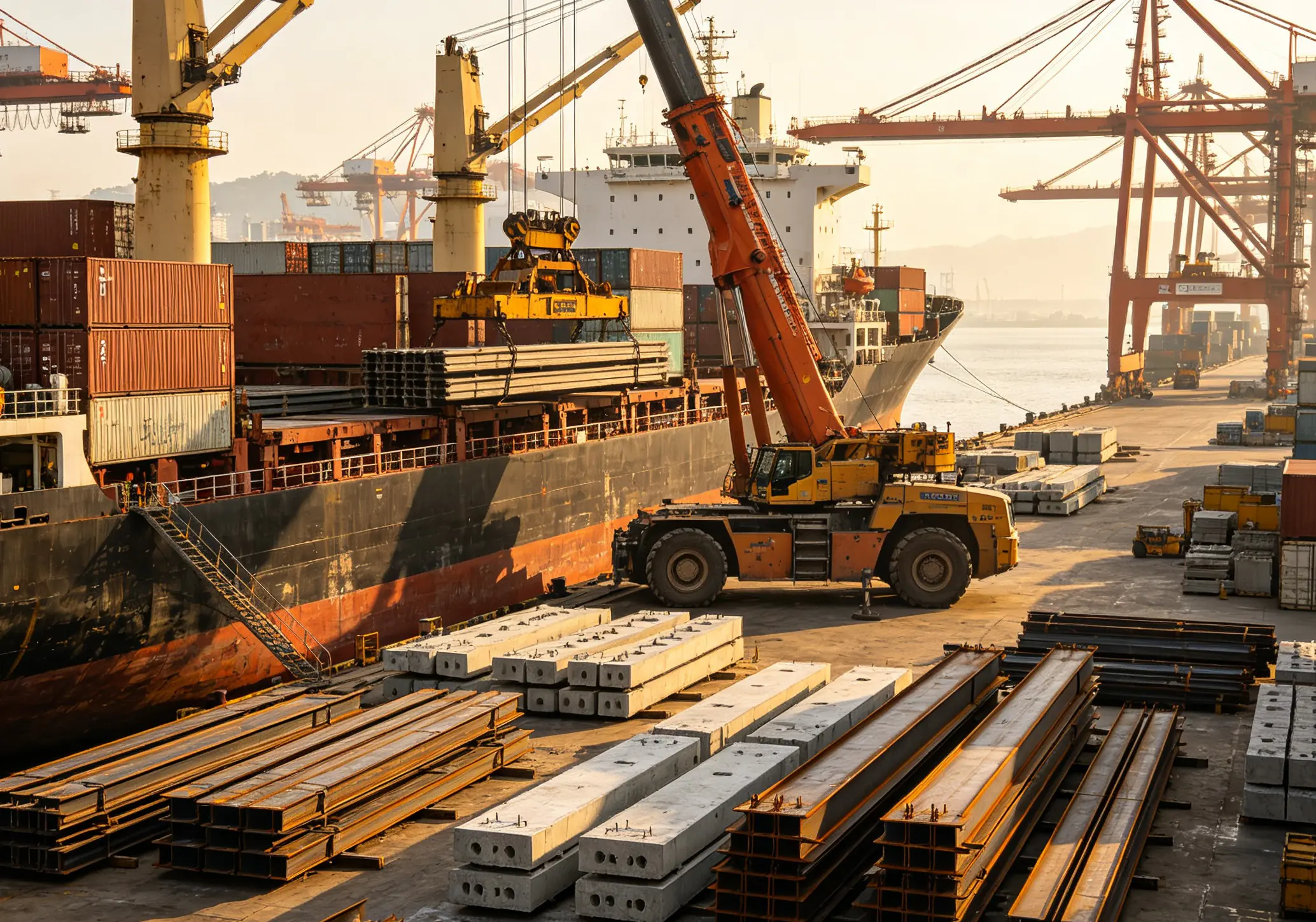
What if your $120,000 CNC machining center arrived at Bandar Abbas only to be rejected because it was loaded into a standard container that could not accommodate its height — leaving it stranded on the dock for five days, racking up over $4,000 in demurrage and re-handling fees? This is not a hypothetical scenario. It happens to Iranian importers who treat how to ship machinery and industrial equipment from China to Iran the same way they would ship cartons of consumer goods.
Industrial equipment is an entirely different animal. A single injection molding machine can weigh 15 tons. A production line spans multiple containers plus flat racks. And Iran’s unique sanctions environment adds layers of compliance, certification, and payment complexity that do not exist on any other trade lane. This guide walks you through every stage — from equipment assessment and mandatory certifications to customs clearance and inland delivery — so your machinery arrives intact, on time, and without costly surprises.
What Makes Shipping Machinery to Iran Different from Standard Cargo
Shipping machinery is not just “bigger cargo.” It is cargo that demands a fundamentally different approach to planning, handling, and compliance. Unlike palletized consumer goods, industrial equipment concentrates high value in a single unit, often has irregular dimensions, and requires specialized lifting and securing.
The Iran lane amplifies every one of these challenges. Sanctions have pushed most global carriers and express couriers — including DHL, FedEx, and UPS — out of the market. Commercial cargo to Iran typically moves through direct IRISL services, transshipment via Jebel Ali (UAE) or Sohar (Oman), or regional airlines such as Mahan Air and Iran Air. This narrower carrier pool means fewer sailing options, tighter equipment availability, and higher scrutiny at both Chinese export and Iranian import customs.
Before you even book a shipment, you need to understand which category your machinery falls into:
| Cargo Type | Definition | Typical Machinery Examples | Container/Equipment |
|---|---|---|---|
| Standard Containerized (FCL/LCL) | Fits within standard container dimensions and weight limits | Textile machines, small generators, packaging equipment, spare parts | 20GP, 40GP, 40HQ |
| OOG (Out of Gauge) | Exceeds standard container dimensions or weight limits | CNC machining centers (over-height), wide injection molders, excavators | Flat Rack, Open Top |
| Breakbulk / Project Cargo | Too large or heavy for any container platform | Complete production lines, industrial boilers, transformers, mining crushers | LOLO vessel, heavy-lift charter |
The majority of machinery shipments from China to Iran fall into the first two categories. Misclassifying your cargo at this stage is the single most expensive mistake you can make — it leads to rejected bookings, re-stowage charges, or cargo left behind at the port.
Iran Import Regulations and Mandatory Certifications for Industrial Equipment
Iran maintains a structured but demanding import compliance framework for machinery, and ignorance of it is the top reason shipments get stuck in customs — sometimes permanently. Before your supplier crates the equipment, you must confirm which of the following apply.
ISIRI Mandatory Standards
The Iranian National Standards Organization (ISIRI) requires many categories of industrial machinery to carry a Certificate of Conformity confirming compliance with Iranian national standards. This is not optional. Machinery falling under mandatory ISIRI standards cannot clear customs without the certificate, and non-compliant goods may be confiscated or ordered destroyed. The scope covers everything from electrical safety for CNC controllers to mechanical safety for press brakes and injection molding machines.
COI and Pre-Shipment Inspection (PSI)
Iran’s Ministry of Industry, Mine and Trade (MIMT) mandates a Certificate of Inspection (COI) — also referred to as a Verification of Conformity (VOC) — for many imported machinery categories. This certificate is issued after a Pre-Shipment Inspection (PSI) conducted by an approved third-party agency such as SGS or Bureau Veritas, usually at the supplier’s factory in China.
The inspection verifies quantity, specifications, manufacturing year, and compliance with Iranian standards. The process typically takes 5 to 10 working days from application to certificate issuance and should be scheduled before the export customs declaration. Skipping this step means your shipment will be blocked at the Iranian port of entry.
Real-Life Scenario: An Iranian plastics manufacturer purchased two used injection molding machines from a factory in Ningbo. The supplier assured them COI was unnecessary for used equipment — a dangerously incorrect claim. The shipment arrived at Bandar Abbas without inspection certificates. Iranian customs flagged the consignment under mandatory standard regulations, and the machines sat in a bonded warehouse for six weeks while the buyer scrambled to arrange retroactive inspection. The additional storage, inspection coordination, and demurrage cost the buyer over $7,500.
HS Code Classification
Accurate HS code classification is non-negotiable. Iranian customs closely scrutinizes machinery classifications, and an incorrect code can trigger re-assessment of duties, back-duty payment demands, and fines. Common machinery chapters include:
- Chapter 84 — Nuclear reactors, boilers, machinery and mechanical appliances (CNC machines, injection molders, generators, pumps, compressors, printing machinery, textile machinery)
- Chapter 85 — Electrical machinery and equipment (industrial motors, transformers, electrical control panels)
- Chapter 87 — Vehicles and parts (construction vehicles, forklifts, tractors)
Sanctions Compliance
Not every piece of machinery can be legally exported to Iran. The U.S. Bureau of Industry and Security (BIS) maintains the Commerce Control List, and the Office of Foreign Assets Control (OFAC) enforces broad restrictions. Dual-use equipment — machinery that could serve both civilian and military applications — is subject to export controls, as is oil-and-gas equipment, certain telecommunications hardware, and advanced electronics above specified technical thresholds. A responsible freight forwarder screens your cargo description, end-use statement, consignee, and routing against restricted-party lists before accepting a booking.
Used vs. New Machinery
Iran restricts the import of used machinery through age limits, emission standards, and mandatory inspection certificates. Used equipment generally requires a more rigorous PSI process, and machines older than a certain manufacturing year may be prohibited outright. Always confirm the applicable age limits with a licensed Iranian customs broker before purchasing used equipment in China.
How to Choose the Best Shipping Method for Your Machinery
The right shipping method depends on your equipment’s dimensions, weight, value density, urgency, and final destination inside Iran. There is no one-size-fits-all answer — but the decision table below gives you a reliable starting point.
| Machinery Type | Typical Profile | Recommended Method | Recommended Equipment |
|---|---|---|---|
| CNC machining center | Medium-large, high-value, may exceed container height | Sea freight FCL | 40HQ or Flat Rack (if over-height) |
| Injection molding machine | Medium, very heavy (5–25 tons) | Sea freight FCL | 40HQ or Open Top |
| Industrial generator | Medium-heavy, standard dimensions | Sea freight FCL | 20GP or 40GP |
| Construction machinery (excavator, loader) | Over-width, over-weight, self-propelled | Sea freight OOG | Flat Rack or RoRo |
| Complete production line | Multiple pieces, mixed sizes | Sea freight multi-container | Mix of 40HQ + Flat Rack |
| Textile machinery | Medium, standard dimensions | Sea freight LCL or FCL | 20GP / 40GP |
| Urgent spare parts | Small, high-value, time-critical | Air freight | Airline pallet |

Standard Container Shipping (FCL/LCL)
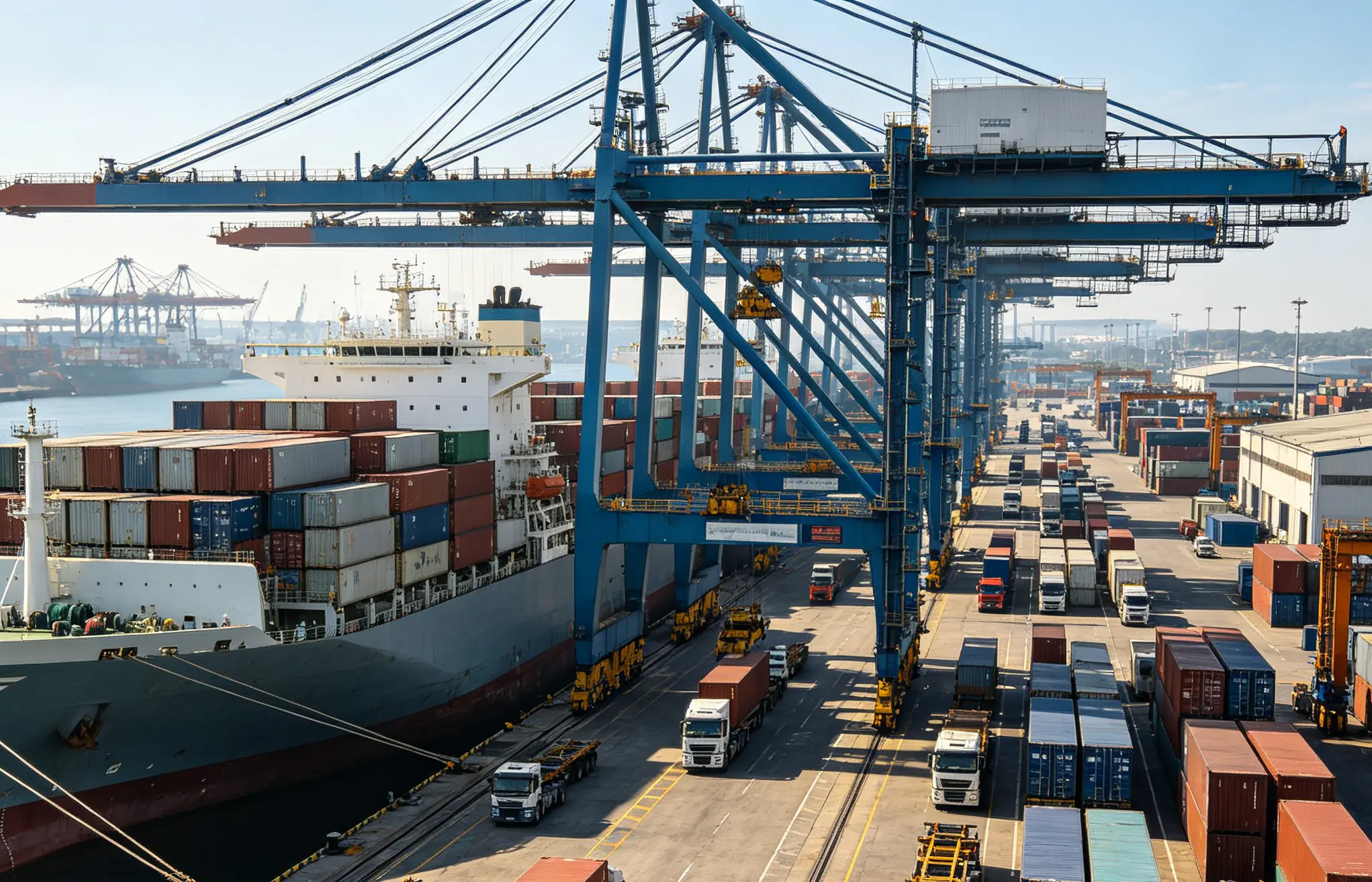
For machinery that fits within standard container dimensions — internal width of approximately 2.35 m, height of 2.39 m (20GP) or 2.69 m (40HQ), and payload up to roughly 28 tons depending on the container type — FCL sea freight is the most cost-effective option. A 40HQ container from Shanghai or Shenzhen to Bandar Abbas currently costs between $6,500 and $8,500, with a port-to-port transit of 20 to 30 days. LCL (Less than Container Load) is viable for smaller, standard-dimension equipment pieces at $75 to $210 per CBM, but deconsolidation fees and longer transit times often make FCL competitive even for partial loads.
OOG and Breakbulk Transport
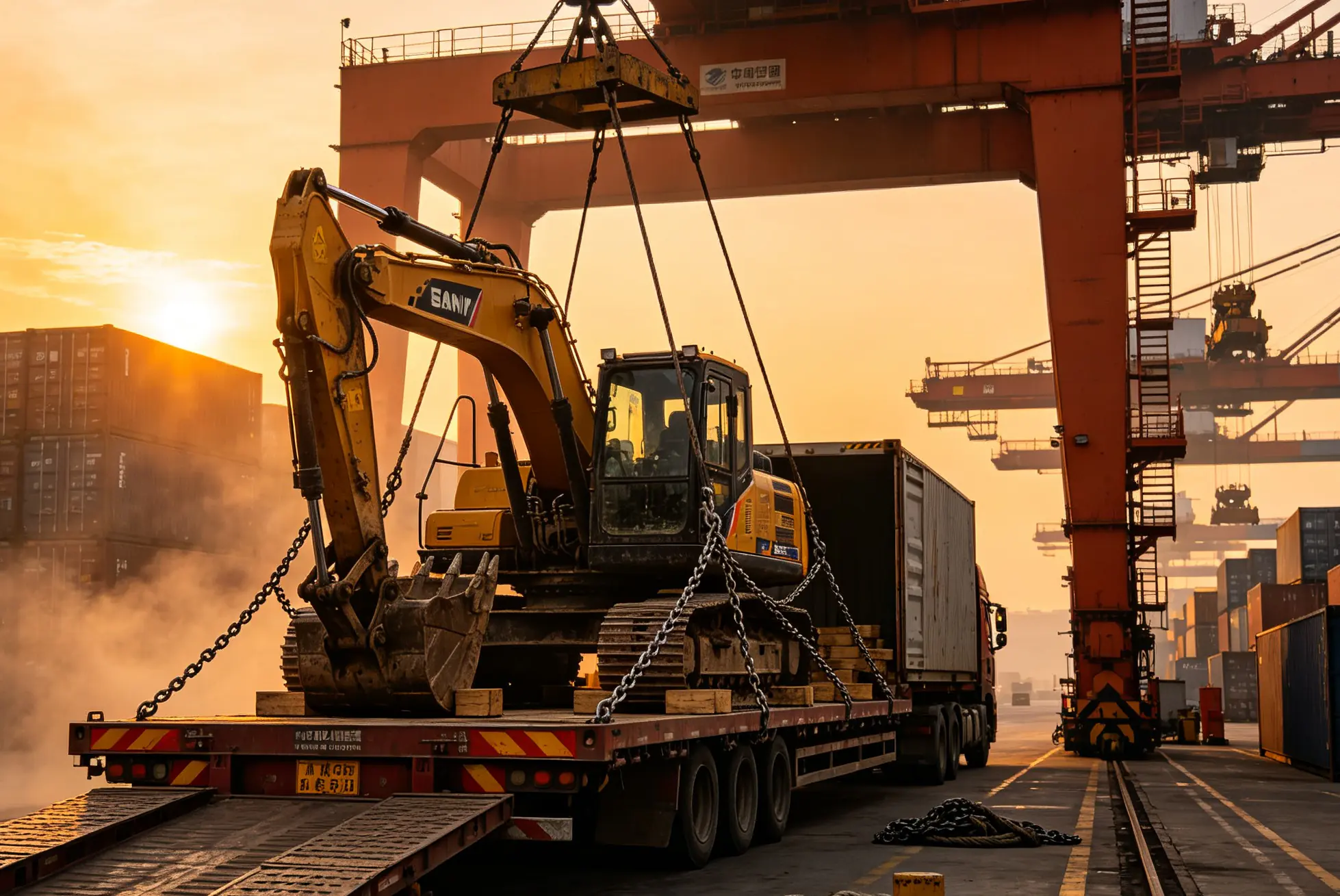
When your machinery exceeds container dimensions, you enter OOG territory. A flat rack container handles over-width cargo — think wide injection molders or generator sets — with cargo lashed directly to the open-sided platform. An open top container solves over-height problems, allowing top-loading by crane for tall machinery with a narrow footprint. For equipment too large for any containerized platform — such as a 50-ton transformer or a mining crusher — breakbulk or LOLO (Lift-on/Lift-off) shipping moves the cargo as an individual piece on a vessel’s deck or in its hold. These shipments are priced case-by-case, typically 1.5 to 3 times standard container rates plus OOG surcharges.
Rail Freight via the Central Asia Corridor
Rail freight from China to Iran routes through Kazakhstan, Uzbekistan, and Turkmenistan, entering Iran at the Sarakhs border and terminating at the Aprin terminal near Tehran. Transit time is approximately 15 to 20 days — faster than sea freight but slower than air. A 40ft container costs roughly $6,800 to $8,200, making rail a balanced option for medium-volume, containerized machinery when ocean transit is too slow and air freight is too expensive. However, OOG cargo is generally constrained by rail gauge limits, so rail is best for standard-sized industrial equipment.
Air Freight
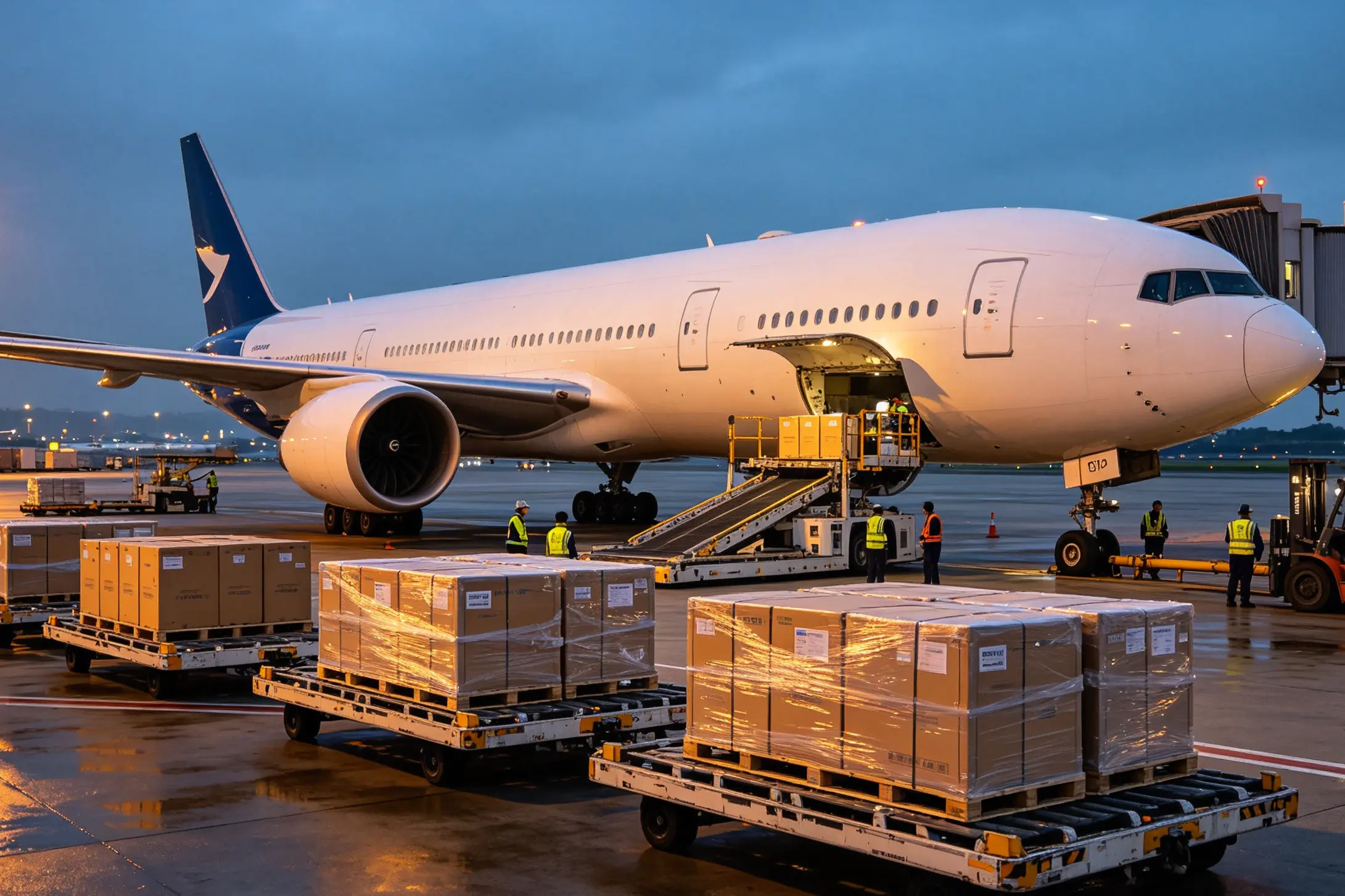
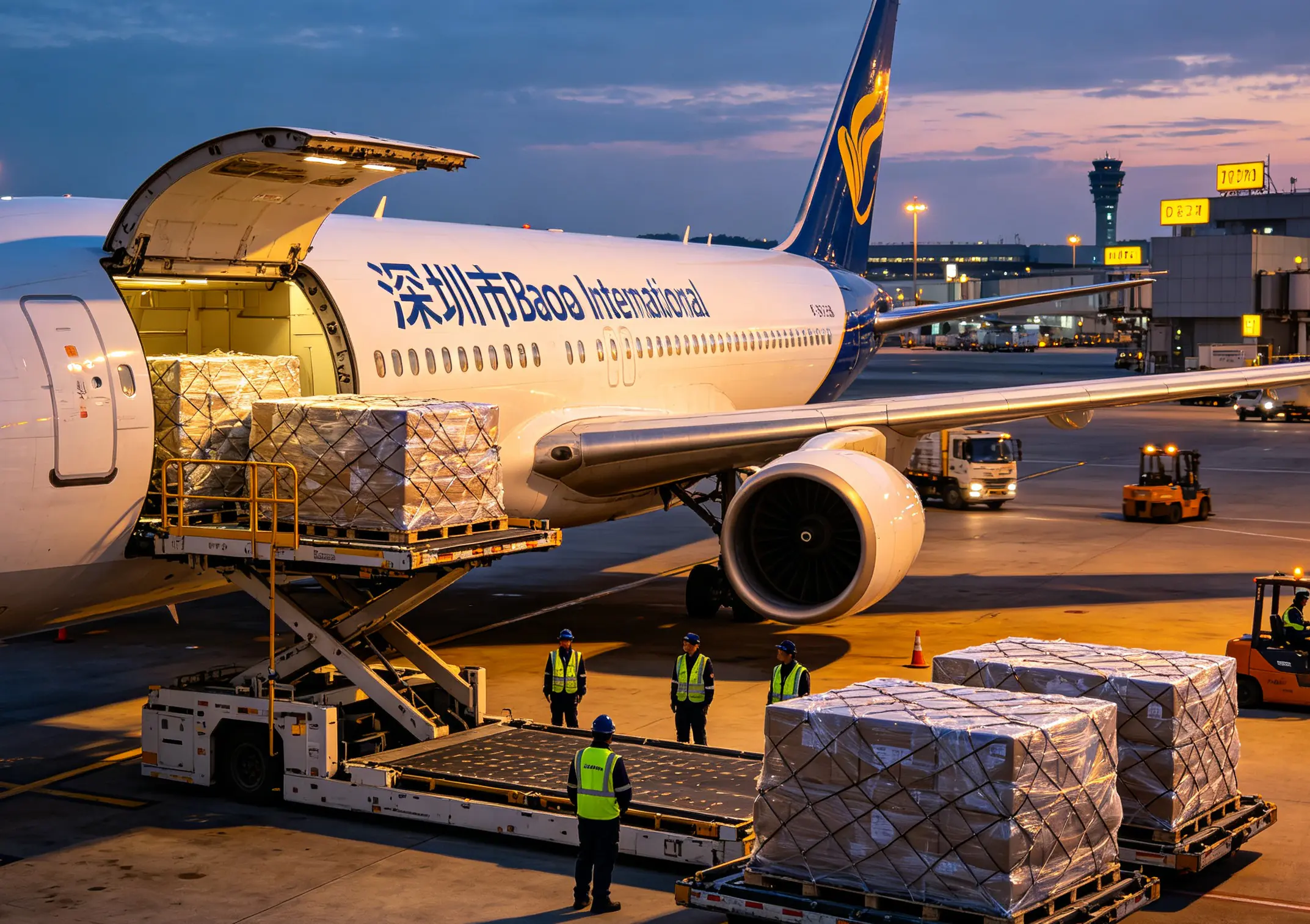
Air freight is rarely viable for full machinery units due to weight and dimensional restrictions, but it is indispensable for urgent spare parts, electronic controllers, and small precision components. Rates from Shanghai or Guangzhou to Tehran Imam Khomeini International Airport (IKA) range from $4.50 to $7.00 per chargeable kilogram, with airport-to-airport transit of 3 to 10 working days.

A Step-by-Step Guide to Shipping Machinery from China to Iran
Step 1 — Equipment Assessment: Gather exact dimensions (length, width, height), gross weight, center of gravity, lifting points, photos from all angles, and technical drawings. OOG rates are sensitive to every centimeter and kilogram — approximations lead to re-quoted rates.
Step 2 — Packing and Crating: Industrial equipment must be packed for ocean transit, not domestic trucking. Use ISPM 15-compliant fumigated timber crates, apply rust-proof coating to all exposed metal surfaces, wrap in VCI (Volatile Corrosion Inhibitor) film, and bolt the machine to the crate base. Drain fluids, disconnect batteries, and protect delicate components with foam and corner guards. For machinery with removable booms, buckets, or counterweights, dismantling can reduce the cargo profile from breakbulk to flat rack — cutting freight cost significantly.
Step 3 — Route and Method Selection: Match your origin port to your supplier’s location. Shenzhen (Yantian/Shekou) offers the fastest transit to Bandar Abbas at 20 to 25 days and sits in the heart of South China’s machinery manufacturing ecosystem. Shanghai provides the broadest flat-rack and RoRo options, while Ningbo and Qingdao serve Zhejiang, Jiangsu, and Shandong-based suppliers respectively.
Step 4 — Documentation Preparation: Assemble the Commercial Invoice, Packing List, Certificate of Origin, HS code declaration, ISIRI/COI certificates (if applicable), and any MIMT import license. Incomplete paperwork is one of the top reasons OOG cargo gets stuck in Iranian customs.
Step 5 — Pre-Shipment Inspection: Schedule an SGS or Bureau Veritas inspection at the supplier’s facility. The inspector verifies specifications, condition, manufacturing year, and compliance. Plan for 5 to 10 working days from application to certificate issuance.
Step 6 — Booking and Stowage Plan: For OOG cargo, the carrier must approve dimensions and issue a stowage plan confirming the vessel can accommodate your unit. This step alone can take several days.
Step 7 — China Export Customs Clearance: The export declaration must accurately describe the machinery, list the correct HS code, and match all supporting documents. Chinese customs may conduct physical inspection for high-value or OOG cargo.
Step 8 — Main Transit: Sea freight to Bandar Abbas takes 20 to 40 days depending on the origin port. Your forwarder should provide vessel tracking and prepare the Iranian customs broker for arrival.
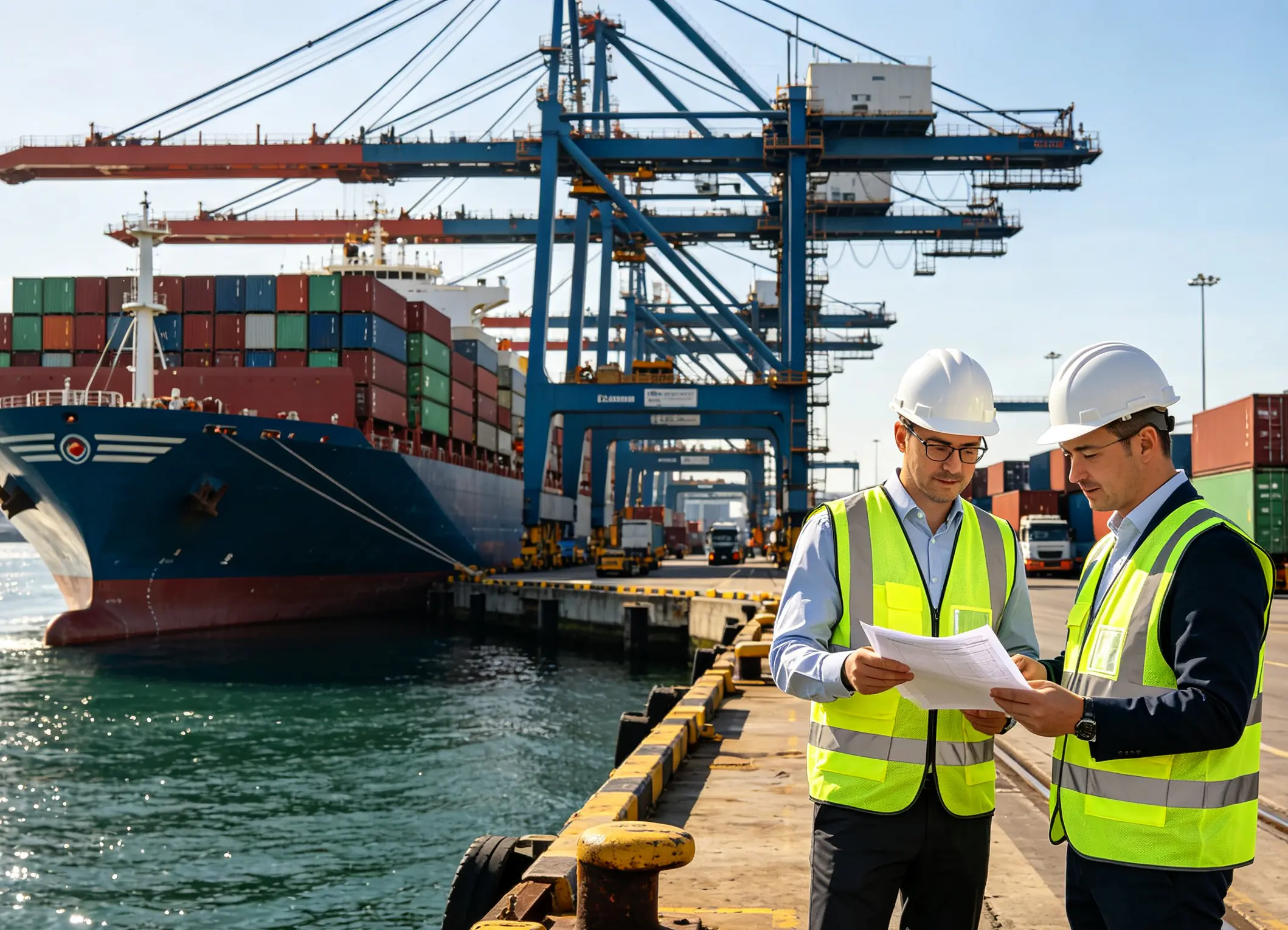
Step 9 — Iran Import Customs Clearance: Upon arrival, the Iranian customs broker submits documents through the EPL (Electronic Portals for Logistics) system. Customs assesses the declaration, verifies the HS code, conducts a physical inspection for high-risk or high-value cargo, and calculates import duties and VAT. Once duties are paid, the cargo is released.
Step 10 — Inland Delivery: Standard containers move by regular semi-trailer — Bandar Abbas to Tehran takes 1 to 2 days. OOG and heavy machinery require low-bed trailers, road permits, and often a police escort. Be sure inland transport is arranged before the vessel arrives.
Machinery Shipping Costs and Transit Times: 2026 Benchmarks
The following figures are market benchmarks collected in mid-2026 for preliminary budgeting. Actual rates depend on carrier, sailing date, cargo specifications, and service scope. Always request a dated, itemized quotation.
| Route | 20GP (USD) | 40GP/40HQ (USD) | Port-to-Port Transit |
|---|---|---|---|
| Shenzhen/Yantian → Bandar Abbas | $5,000–$6,200 | $6,500–$8,500 | 20–25 days |
| Shanghai → Bandar Abbas | $5,000–$6,200 | $7,500–$8,500 | 25–30 days |
| Ningbo → Bandar Abbas | $5,500–$6,500 | $7,800–$8,500 | 22–28 days |
| Qingdao → Bandar Abbas / Bushehr | $5,800–$7,000 | $8,000–$9,200 | 28–35 days |
| Tianjin → Bandar Abbas / Imam Khomeini | $6,200–$7,500 | $8,500–$9,800 | 30–40 days |
Beyond the ocean freight rate, your total landed cost includes origin pickup and trucking, terminal handling charges at both ends, OOG surcharges (if applicable), customs brokerage, import duty and VAT, cargo insurance, and inland delivery inside Iran. A port-to-port quote that ignores these components creates a dangerously misleading cost picture.
Our Industry Insight: Machinery importers from China to Iran often obsess over the per-container ocean rate while underestimating destination-side costs. Based on shipments handled through the Bandar Abbas corridor, destination charges — including terminal handling, customs brokerage, duty, VAT, and inland trucking — frequently account for 40% to 60% of the total logistics spend. This is why the lowest freight quotation rarely equals the lowest total landed cost. Request a door-to-door or DDP breakdown, not just a freight rate.
Cost-saving tactics that work: Dismantle removable components to downgrade from breakbulk to flat rack. Choose the port closest to your supplier to minimize domestic Chinese trucking. Book 4 to 6 weeks ahead, especially before Chinese New Year, Nowruz (March), and Ramadan. Avoid peak-season surcharges by planning shipments outside of the August–October pre-holiday rush.
Iran Customs Clearance and Inland Delivery for Heavy Equipment
Iranian customs uses the EPL electronic platform for all import declarations. The clearance process follows a five-stage workflow: document submission, customs valuation, HS code verification, physical inspection (for flagged consignments), and duty/VAT payment before release.
The import duty on machinery varies dramatically by HS chapter. Chapter 84 machinery generally attracts duties of 5% to 20% of CIF value, though some categories reach 40%. Chapter 85 electrical machinery typically falls between 10% and 30%. Chapter 87 vehicles and heavy mobile equipment can face duties of 40% to 100%. VAT is applied on the CIF value plus duties. Verify exact rates with a licensed Iranian customs broker before shipping — the difference between a 5% and 30% duty rate on a $150,000 machine is $37,500.
For inland delivery, standard containerized cargo moves by regular semi-trailer — Bandar Abbas to Tehran (approximately 1,050 km) takes 1 to 2 days. From Bandar Abbas to Tabriz, expect 2 to 3 days; to Mashhad, 2 to 3 days; to Isfahan, about 1 day; and to Shiraz, approximately 1 day.
OOG and heavy cargo require a completely different approach. Low-bed trailers with 40 to 80 ton capacity handle most heavy machinery. For extreme loads — 100-ton transformers or oversized production equipment — modular multi-axle hydraulic trailers distribute weight across 12 to 20 axles. Every over-dimensional movement requires a road permit from Iranian transport authorities and, for wide or excessively heavy loads, a police escort. Without these permits, your cargo can be stopped, fined, or forced to return to the port. A proper route survey — checking bridge weight limits, tunnel clearances, overhead power lines, and turning radii — should be completed before the vessel sails.
Payment Strategies, Insurance, and Risk Management for Iran-Bound Machinery
Getting money from Iran to a Chinese machinery supplier is arguably the most persistent headache on this trade lane. International banking channels remain severely restricted. The most commonly used workaround is third-country bank transfer — payments routed through corporate accounts in the UAE (Dubai) or Turkey. This method works but carries compliance obligations; both the sending and receiving banks must be comfortable with the transaction’s legitimacy.
Chinese Yuan (RMB) settlement is a growing alternative. Several Chinese banks have established bilateral yuan-clearing arrangements that bypass the SWIFT network for Iran-related trade, though availability depends on the specific bank and transaction profile. Cryptocurrency — primarily USDT — has gained traction in Iran-China trade circles for smaller-value transactions, but buyers should be aware of legal risks, exchange rate volatility, and the difficulty of converting large amounts back to fiat currency.
Real-Life Scenario: A Tehran-based industrial equipment trader spent three weeks trying to wire $85,000 to a Shanghai machinery supplier through a European intermediary bank. The payment was rejected twice due to sanctions screening. After switching to a UAE-based corporate account recommended by their freight forwarder, the transfer cleared in four business days, and the shipment departed on schedule. The key lesson: confirm your payment channel works before finalizing the purchase order, not after.
Cargo insurance deserves special attention. Not all marine insurance policies cover the Iran leg — standard policies from some international insurers explicitly exclude sanctioned destinations. Confirm your policy states Iran coverage in writing. All-risk marine cargo insurance is strongly recommended for machinery, ideally with warehouse-to-warehouse extension. For high-value, vibration-sensitive equipment such as CNC machines or precision instruments, add machinery breakdown coverage. Premiums typically run 0.3% to 1.5% of the CIF value, depending on the equipment type and voyage risk.
Additional risk management measures include planning alternative routing in case of Strait of Hormuz disruptions, factoring Iran’s rial exchange rate volatility into your duty-payment budget, and choosing DAP or DDP Incoterms for first-time machinery shipments to Iran so that an experienced forwarder bears coordination risk rather than the buyer.
Common Pitfalls to Avoid When Shipping Equipment to Iran
Wrong container selection. The classic mistake: loading a CNC machine that is 2.65 meters tall into a 40GP with a 2.39-meter door height. The solution is simple — measure first, then select equipment. If the cargo exceeds standard dimensions, use a flat rack or open top from the start.
Skipping ISIRI/COI certification. Iranian customs will not make exceptions for missing certificates. Confirm certification requirements with a licensed customs broker before the supplier packs the machine.
Incorrect HS code. Misclassifying machinery to achieve a lower duty rate is customs fraud — Iranian authorities can re-assess duties retroactively, impose penalties, and delay your cargo indefinitely.
Ignoring sanctions compliance. Exporting controlled equipment to Iran without proper screening exposes you to legal liability. A qualified forwarder screens every shipment against restricted-party lists before quoting.
Underestimating inland transport. A 4-meter-wide excavator cannot travel on a standard truck. Road permits, route surveys, and police escorts must be arranged before the vessel docks.
Comparing only the freight rate. A $5,000 ocean freight quote is meaningless if the destination charges, duties, and inland trucking add $12,000. Always compare total landed cost, not the headline rate.
Frequently Asked Questions
What types of machinery can be shipped from China to Iran?
Virtually all categories: CNC machining centers, injection molding machines, industrial generators, textile machinery, food processing equipment, construction and mining machinery, packaging lines, printing presses, and spare parts. The shipping method — standard container, OOG, or breakbulk — depends on the equipment’s dimensions and weight.
How long does it take to ship machinery from China to Iran?
Sea freight port-to-port takes 20 to 40 days depending on the origin. Adding origin pickup, export clearance, Iran customs clearance, and inland delivery, the total door-to-door timeline typically ranges from 30 to 55 days for standard cargo and 40 to 65 days for OOG or project cargo requiring special handling.
What is the cheapest way to ship machinery from China to Iran?
FCL sea freight from the Chinese port closest to your supplier, booked 4 to 6 weeks in advance, and shipped outside of peak seasons (Chinese New Year, Nowruz, Ramadan). If your machinery is oversize, dismantling removable components to fit into standard containers or flat racks — rather than breakbulk — is the single most effective cost-reduction tactic.
Can used machinery be shipped to Iran?
Yes, but with additional requirements. Iran restricts used machinery through age limits, emission standards, and mandatory pre-shipment inspection certificates. Used equipment generally requires a more thorough PSI by SGS or Bureau Veritas than new machinery. Confirm the applicable age restrictions for your specific equipment category before purchasing.
Should I choose FOB, CIF, or DDP for machinery shipments to Iran?
For first-time machinery shippers to Iran, DAP (Delivered at Place) or DDP (Delivered Duty Paid) are recommended because an Iran-experienced freight forwarder manages the entire chain — reducing coordination risk, customs delays, and unexpected costs. Experienced importers with established customs broker relationships may prefer FOB or CIF to retain more control over the destination-side process.
Conclusion: Your Next Step to Ship Machinery from China to Iran
Shipping industrial equipment from China to Iran comes down to four non-negotiable principles: measure accurately before booking, secure Iranian certifications before the cargo leaves the factory, choose equipment and routing that match your machinery’s real dimensions, and arrange inland transport before the vessel sails. These steps are not optional — they are the difference between a smooth delivery and a five-figure port-side crisis.
A freight forwarder with proven China-Iran experience — one that screens sanctions compliance, coordinates ISIRI and COI certification, and manages door-to-door delivery including Iranian inland permits and escorts — is worth far more than the apparent savings from the lowest online quote. Efanda Logistics, headquartered in Shenzhen and active on the China-Iran lane since 2018, provides end-to-end DDP solutions for shipping from China to Iran, with dedicated specialists who handle equipment assessment, compliance, documentation, and final delivery to your factory door in Iran.
Ready to ship your machinery to Iran? Contact Efanda Logistics for a tailored shipping plan and a transparent, itemized door-to-door quotation.