Many small and medium-sized importers are initially attracted by seemingly unbelievable low ocean freight rates, only to be hit with exorbitant hidden charges once their cargo arrives at the destination port. If you are planning LCL Shipping from China to Iran, navigating the unpredictable Bandar Abbas port CFS charges and enduring lengthy customs clearance waiting times can severely impact your cash flow and overall supply chain efficiency.
In this comprehensive 2026 guide, we will completely break down the true costs of shipping consolidated cargo to Iran, expose the notorious “low-price traps,” and introduce highly efficient alternatives like cross-border trucking. Whether you are an e-commerce seller or an industrial manufacturer, this guide will provide you with the actionable insights you need to optimize your logistics strategy and protect your profit margins.
1. What is LCL Shipping from China to Iran?
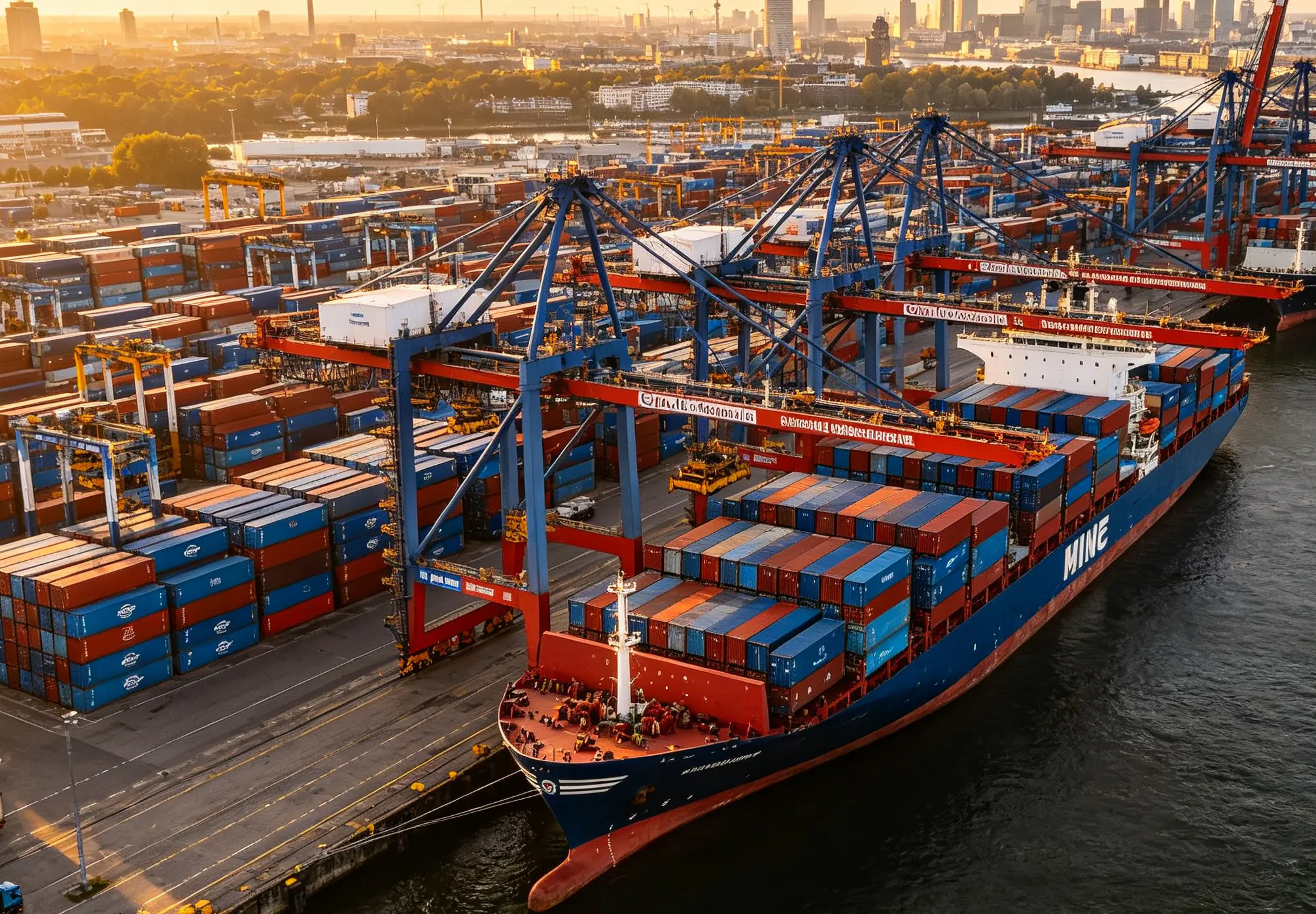
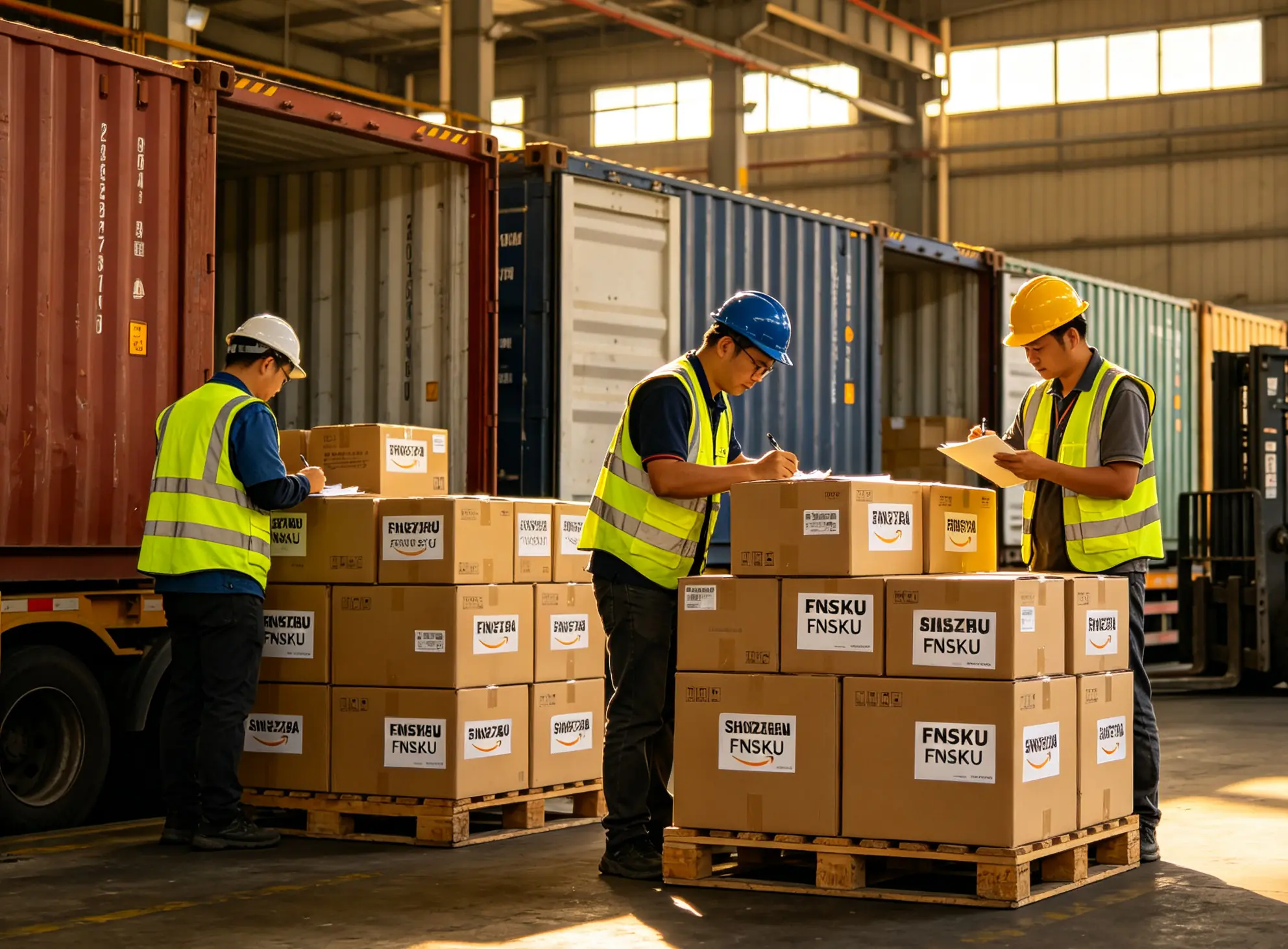
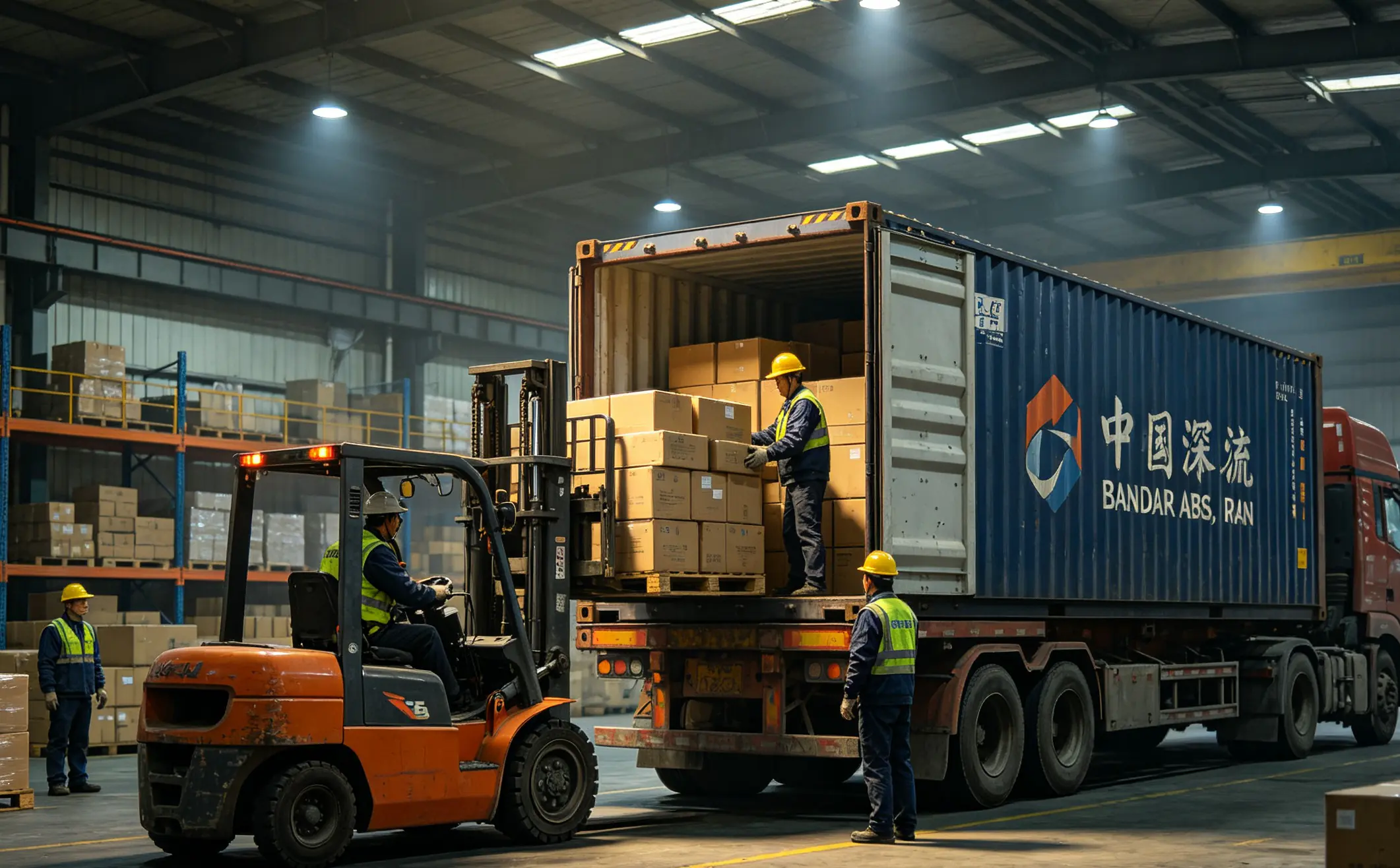
When importing goods internationally, you do not always have enough cargo to fill an entire 20-foot or 40-foot shipping container. This is where Less than Container Load (LCL) comes into play. LCL is a specialized logistics service where multiple shippers share the space of a single ocean container. Your designated Freight Forwarder will collect your goods, consolidate them with other shipments at a warehouse in a major Chinese export hub (such as Shenzhen, Guangzhou, or Shanghai), and load them into a single container. Once the vessel arrives at an Iranian port—typically Bandar Abbas—the container is moved to a Container Freight Station (CFS) where it is deconsolidated (unpacked), and individual shipments are separated for final delivery or customs processing.
LCL vs FCL Shipping to Iran: The Decision Framework

Understanding the critical differences between fcl vs lcl shipping to Iran is essential for optimizing your logistics budget. FCL (Full Container Load) means you rent the entire container exclusively for your goods. While FCL generally offers a lower per-unit cost and faster transit (since there is no consolidation or deconsolidation process), it requires a substantial volume of cargo to be cost-effective.
How do you decide between the two? The decision largely hinges on your cargo volume, weight, and budget:
| Feature | Less than Container Load (LCL) | Full Container Load (FCL – 20ft) |
|---|---|---|
| Minimum Volume | 1 CBM (Cubic Meter) | Typically 15+ CBM to be economical |
| Cost Structure | Charged per CBM or per 1,000 kg (whichever is greater) | Flat rate per container, regardless of fill level |
| Transit Time | Slower (requires consolidation & deconsolidation) | Faster (direct loading and unloading) |
| Security Risk | Slightly higher (handled alongside other cargo) | Minimal (container is sealed at origin) |
| Best Suited For | Small orders, samples, mixed SKUs, trial shipments | Bulk raw materials, large machinery, wholesale inventory |
Our Industry Insights: The Tipping Point
At Efanda Logistics, we consistently advise our clients to evaluate the “tipping point” of ocean freight. Generally, if your cargo volume exceeds 13 to 15 CBM, upgrading to a dedicated 20ft FCL container often becomes more cost-effective than shipping via LCL. This is because the cumulative origin and destination handling fees for a large LCL shipment will eventually surpass the flat rate of a 20ft container. Always ask your forwarder to quote both options if your shipment is hovering around this threshold.
2. The True LCL Shipping Cost from China to Iran (Exposing Hidden Fees)
One of the most common pitfalls for importers is focusing solely on the ocean freight rate provided by the forwarder in China. You might see advertisements boasting rates as low as $10 to $20 per CBM for shipping to Iran. However, this is a dangerous low-price trap. These incredibly low quotes typically only cover the base ocean freight, completely omitting the heavy origin and destination surcharges.
The Reality of Bandar Abbas Port CFS Charges

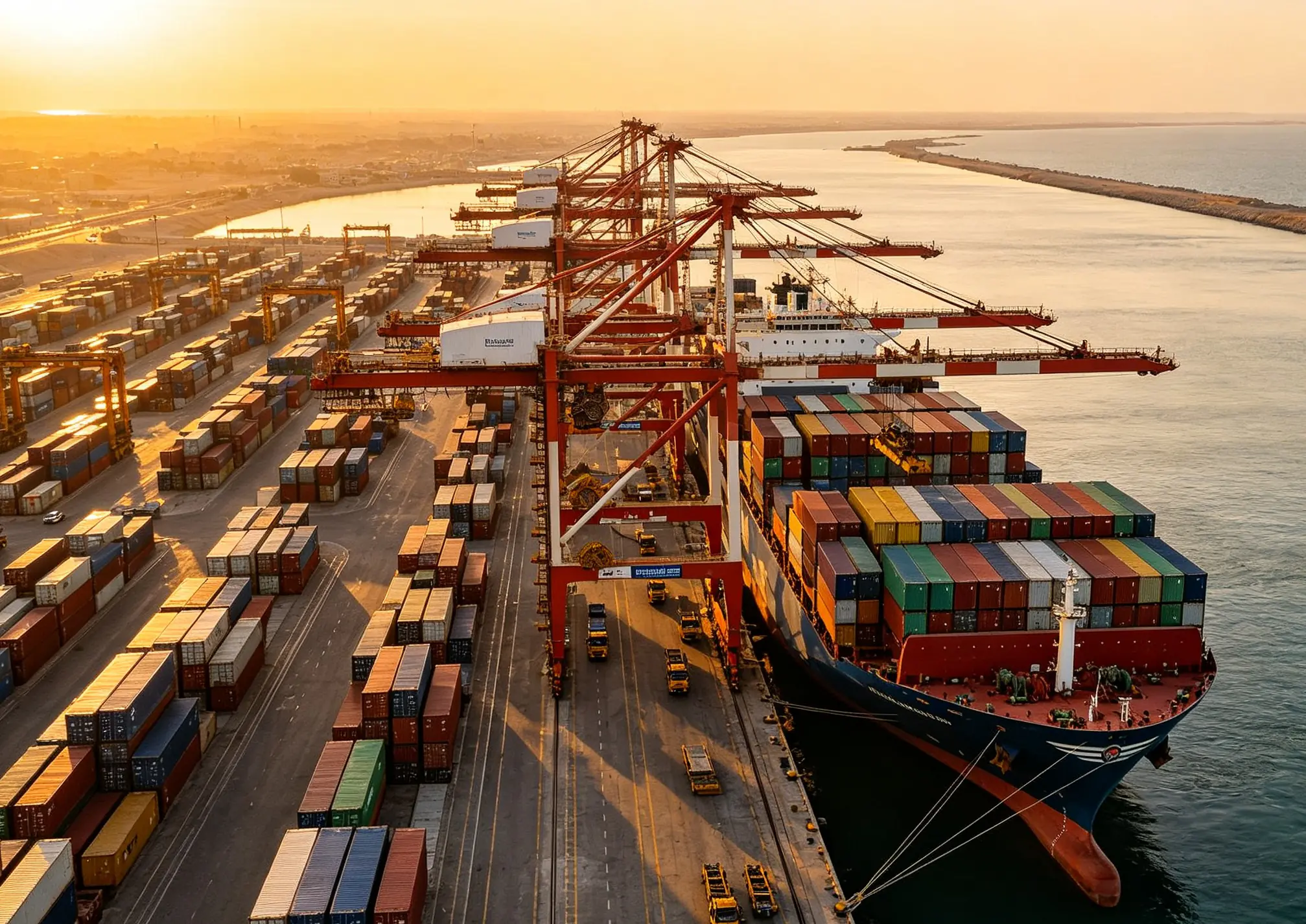
To calculate the absolute Cheapest LCL shipping to Bandar Abbas from China, you must look at the total landed cost. When an LCL container arrives at Bandar Abbas, it must be moved to a CFS warehouse for deconsolidation. This process incurs significant Unstuffing fees Iran and Bandar Abbas port CFS charges.
Unscrupulous forwarders intentionally quote a near-zero ocean freight rate to win your business, only to compensate by inflating the destination CFS fees. When your supplier in Iran goes to pick up the goods, they are handed an invoice that is hundreds of dollars higher than expected.
Here is a realistic breakdown of what a true LCL quote should include versus a deceptive quote:
| Cost Component | Deceptive “Low-Price” Quote | Transparent Efanda Quote |
|---|---|---|
| Ocean Freight (per CBM) | $10 | $65 |
| Origin Handling (China) | $0 (Hidden) | Included |
| Export Customs (China) | $0 (Hidden) | Included |
| Bandar Abbas CFS & Unstuffing | $150+ (Inflated at destination) | $45 (Standard market rate) |
| Documentation Fees | $80 (Inflated at destination) | $30 |
| Total Cost to Release Cargo | $240+ per CBM | $140 per CBM |
How Incoterms Dictate Your Costs
The Incoterms (International Commercial Terms) you agree upon with your Chinese supplier will dramatically affect who pays for what.
- EXW (Ex Works): You are responsible for all costs from the supplier’s factory in China all the way to Iran.
- FOB (Free On Board): The supplier pays for local China transport and export customs. You pay the ocean freight and all Iran-side charges.
- DDP (Delivered Duty Paid): The freight forwarder handles everything, including Customs clearance in Iran and import taxes, delivering the goods directly to your door.
For maximum cost predictability, many importers now prefer comprehensive DDP or DAP (Delivered at Place) solutions (see ddp vs dap incoterms) to avoid surprise fees at the destination port.
3. LCL Transit Time China to Iran & Customs Delays
When evaluating the LCL transit time China to Iran, importers must factor in both the actual time on the water and the operational time required at the ports.
Standard Ocean Transit and Operational Delays
Generally, the pure port-to-port ocean transit time from major Chinese hubs (like Shenzhen, Guangzhou, or Ningbo) to Bandar Abbas ranges from 20 to 25 days. However, LCL shipments require additional processing:
- Consolidation at Origin (3-5 days): Your cargo must wait at the Chinese warehouse until the forwarder has enough goods from other shippers to fill the container.
- Ocean Transit (20-25 days): The journey across the sea.
- Deconsolidation at Destination (4-7 days): Once the vessel docks at Bandar Abbas, the container must be unloaded, moved to the CFS, and unpacked.
Therefore, the realistic door-to-port timeframe for LCL shipments is typically 27 to 37 days.
Navigating Customs Clearance in Iran
The most significant variable in your shipping timeline is Customs clearance in Iran. Iran has stringent import regulations, and missing documentation can lead to weeks of Demurrage & Detention (D&D) charges.
A critical requirement for many product categories entering Iran is the Pre-Shipment Inspection (PSI). The Iranian customs authority mandates that certain commercial goods be inspected and certified by an approved third-party agency in China before they are loaded onto the vessel. Failing to secure the necessary PSI certificate, or having discrepancies between your Commercial Invoice & Packing List and the actual cargo, will result in your goods being detained indefinitely at Bandar Abbas.
Real-Life Scenario: Preventing Costly Port Holds
Recently, a client approached Efanda Logistics after their previous forwarder failed to advise them on Iranian PSI requirements for a batch of industrial valves. The cargo was stuck in Bandar Abbas for three weeks, accruing over $1,200 in storage fees. Our compliance team stepped in, retroactively coordinated the necessary documentation with local authorities, and expedited the release. Since then, we implement a mandatory pre-screening of all HS Codes and invoices before cargo ever leaves our Shenzhen warehouse, ensuring zero compliance delays upon arrival.
4. Faster Alternative: Cross-Border Trucking LCL to Iran
In recent years, global supply chains have been heavily disrupted by port congestion, equipment shortages, and fluctuating sailing schedules. For importers who cannot afford the 30+ day transit time of ocean LCL, but find air freight prohibitively expensive, there is a powerful middle ground: China to Iran multimodal transport LCL, specifically focusing on Cross-Border Trucking China to Iran.
What is Cross-Border Trucking?
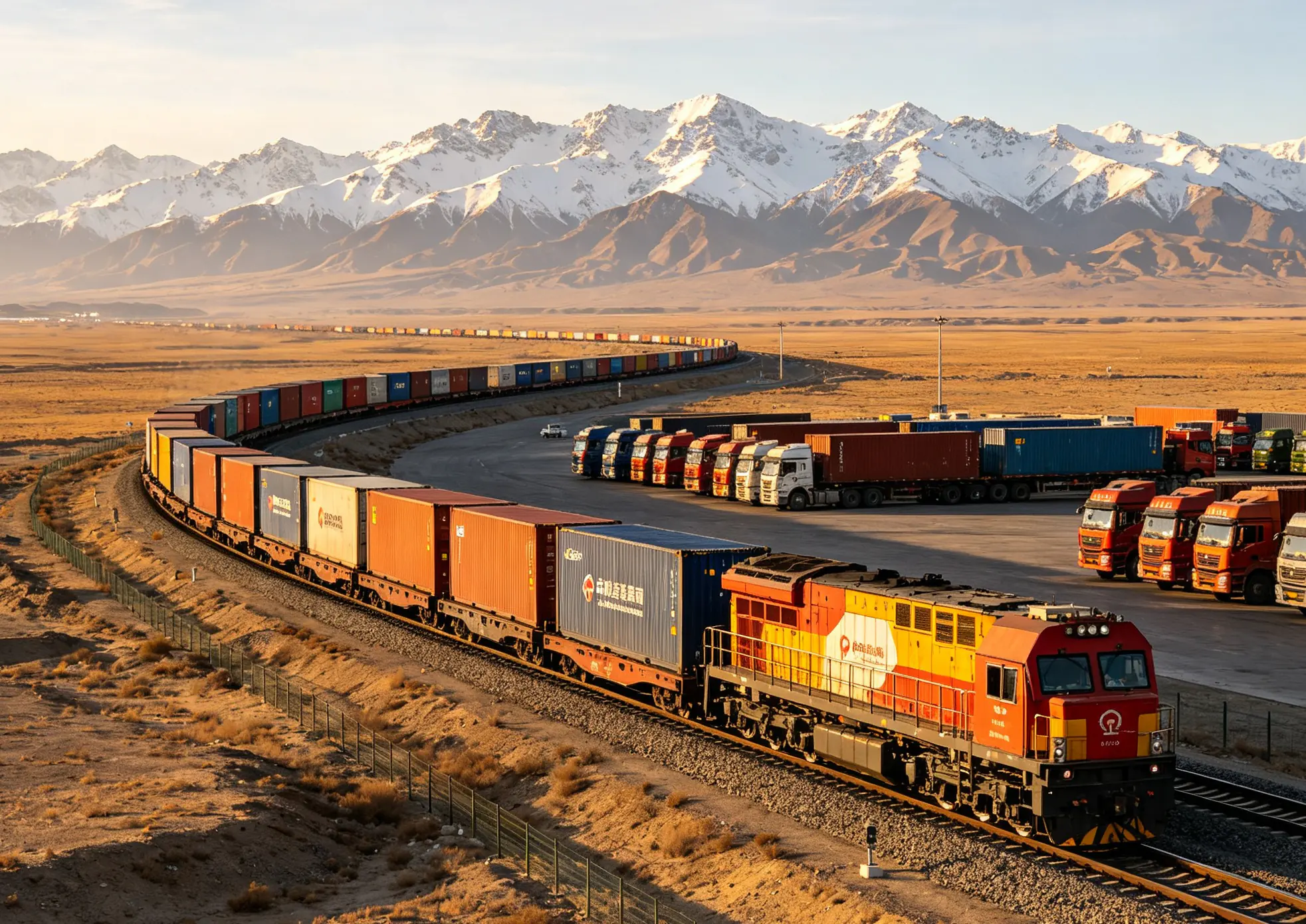
Cross-border trucking (also known as international road freight) utilizes the extensive highway networks connecting China, Central Asia, and the Middle East. Trucks load consolidated cargo at hubs in Western China (such as Xinjiang) and travel through Kazakhstan and Turkmenistan directly into Iran.
The Advantages of Trucking LCL
- Speed: The transit time for cross-border trucking from China to Tehran is typically 15 to 20 days—nearly twice as fast as ocean LCL.
- Flexibility: Unlike ocean vessels that sail on strict weekly schedules, trucks can depart almost daily once they are loaded, drastically reducing the waiting time for consolidation.
- Bypassing Port Congestion: By utilizing land borders, you completely avoid the notorious bottlenecks and high CFS fees at Bandar Abbas port.
Best Suited For: Cross-border trucking is the ultimate solution for manufacturing equipment parts, high-value electronics, seasonal apparel, or any commercial cargo where a 15-day delay would result in lost sales or halted production lines.
5. Real Case Study: Door to Door LCL Shipping (Shenzhen to Tehran)
To truly understand the value of an integrated logistics solution, let’s examine a real-world case of door to door shipping LCL from China to Iran.
A medium-sized Iranian manufacturer needed to import 5 CBM (approx. 2,000 kg) of machinery spare parts from a supplier in Shenzhen to their factory in Tehran. They were weighing the options between traditional ocean LCL (Port-to-Port) and a comprehensive Door-to-Door (DDP) service managed entirely by Efanda Logistics.
Cost and Time Breakdown Comparison
| Logistics Phase | Traditional Ocean LCL (FOB to Port) | Efanda’s Door-to-Door LCL Solution |
|---|---|---|
| Pickup in Shenzhen | Handled by supplier | Coordinated by Efanda |
| Export Clearance | Handled by supplier | Included in Efanda package |
| Ocean Freight (5 CBM) | $75 (Deceptive base rate) | Included in package |
| Bandar Abbas CFS & Handling | $450 (Paid by importer locally) | Included in package |
| Iran Customs Clearance | $250 (Paid to local broker) | Managed by Efanda’s local team |
| Trucking: Bandar Abbas to Tehran | $300 (Negotiated locally) | Included in package |
| Total Landed Cost | $1,075 + massive administrative headache | $950 (All-inclusive, transparent) |
| Total Time Spent | 42 Days (Due to uncoordinated handoffs) | 32 Days (Seamless end-to-end) |
The Importance of Cargo Insurance
In this scenario, the cargo was valued at over $45,000. When utilizing multimodal transport or dealing with multiple handling points (consolidation, port loading, unstuffing, inland trucking), the risk of damage or loss inherently increases. We strongly mandated the inclusion of comprehensive cargo insurance services for China to Iran. For a nominal premium of around $150, the client was protected against all risks from the moment the goods left the Shenzhen factory until they were safely unloaded in Tehran, providing absolute peace of mind.
6. How to Choose a Reliable Freight Forwarder China to Iran
The success of your import business heavily relies on the competence and integrity of your Freight forwarder China to Iran. A poor choice can lead to hidden fees, seized cargo, and ruined business relationships. Here is how to identify a reliable partner and avoid the pitfalls:
- Demand Transparent Pricing: A trustworthy forwarder will provide a comprehensive quote that explicitly breaks down origin charges, ocean freight, and destination fees. If a forwarder refuses to guarantee the destination CFS charges in writing, walk away.
- Verify Iran-Specific Experience: Iran is not a standard shipping lane. Your forwarder must have deep knowledge of Iranian customs regulations, PSI requirements, and the current sanctions compliance landscape.
- Look for End-to-End Capabilities: Forwarders who offer robust Door-to-Door (D2D) services demonstrate that they have strong, reliable agency networks within Iran, ensuring your cargo is never left stranded at the port.
Why Choose Efanda Logistics?
Headquartered in Shenzhen, the heart of China’s export manufacturing, Efanda Logistics is your premier door to door-shipping agent from china to middle east. We eliminate the smoke and mirrors from international shipping.
- Zero Hidden Fees: We provide competitive, transparent pricing based on real market conditions. The price we quote is the price you pay.
- Dedicated Logistics Specialists: You will not be passed around a call center. Every client is assigned a dedicated expert to monitor their cargo from factory pickup to final delivery.
- Versatile Solutions: Whether you need the absolute lowest cost via Ocean LCL, the speed of Cross-Border Trucking, or a completely hands-off Door-to-Door DDP service, we engineer the optimal route for your specific needs.
7. FAQ
How is the LCL shipping cost from China to Iran calculated?
LCL ocean freight is calculated based on the cargo’s volume (Cubic Meters or CBM) or its gross weight (in metric tons), whichever yields the higher revenue for the carrier. For example, if your cargo is 2 CBM but weighs 3,000 kg (3 tons), you will be charged based on the 3-ton weight because it is heavy, dense cargo.
How can I avoid high unstuffing fees in Bandar Abbas?
The only way to avoid inflated destination fees is to negotiate them before the cargo leaves China. Work with a reputable freight forwarder like Efanda Logistics, who will provide a transparent quote that caps or pre-pays the Bandar Abbas CFS and unstuffing fees, preventing local agents from overcharging you upon arrival.
Is cross-border trucking better than sea freight LCL for my cargo?
If your cargo is highly time-sensitive, cross-border trucking (15-20 days) is vastly superior to ocean LCL (27-37 days). However, trucking is generally more expensive per kilogram. It is the best choice for high-value goods, electronics, or urgent machinery parts, whereas ocean LCL remains the champion for low-cost, non-urgent inventory.
8. Conclusion
Successfully executing LCL Shipping from China to Iran requires far more than just finding the lowest ocean freight rate. As we have seen, the true cost of shipping is dictated by origin fees, destination CFS charges, customs efficiency, and inland delivery. By understanding the mechanics of consolidation, exposing hidden fee traps at Bandar Abbas, and exploring faster alternatives like cross-border trucking, you can take full control of your supply chain.
Never settle for deceptive quotes that leave your budget vulnerable at the destination port. Efanda Logistics is committed to providing end-to-end transparency, rigorous compliance, and unparalleled customer service.
Ready to optimize your imports? Contact Efanda Logistics today for a customized, no-hidden-fees quote for your next LCL or cross-border trucking shipment to Iran. Let our Shenzhen-based experts simplify your logistics and protect your bottom line.