How do you get a container from a Chinese factory to a warehouse in Tripoli or Benghazi when the country runs two parallel customs administrations, its ports are too shallow for the largest container ships, and a decree that took effect on September 30, 2026 changed how every commercial import must be paid? That question sits behind every booking on the China–Libya lane, and it is why sea shipping from China to Libya rewards importers who understand the routing before they chase the headline rate. The lane itself is substantial: China shipped about $4.05 billion of goods to Libya in 2025 — machinery, vehicles, electronics, and the building materials feeding the country’s reconstruction — making it Libya’s second-largest supplier after the UAE, according to Central Bank of Libya figures.
This guide breaks the sea route down the way a forwarder works it: the three routing products on the lane and what each costs in days, FCL and LCL rate bands for late 2026, which of Libya’s ports your container should land at, the document set customs will actually check, and how the new banking-channel rule changes the payment side of your purchase contracts. For the full landed-cost picture including air freight and hidden fees, see our companion guide on shipping costs from China to Libya; for air cargo, start with air freight from China to Libya; for the route overview, see shipping from China to Libya.
How Long Does Sea Shipping Take from China to Libya?
Port-to-port transit runs 30 – 45 days for FCL on the faster routings, 42 – 55 days when the container relays through Malta, and 3 – 7 days longer for LCL, which adds consolidation and deconsolidation handling at both ends.
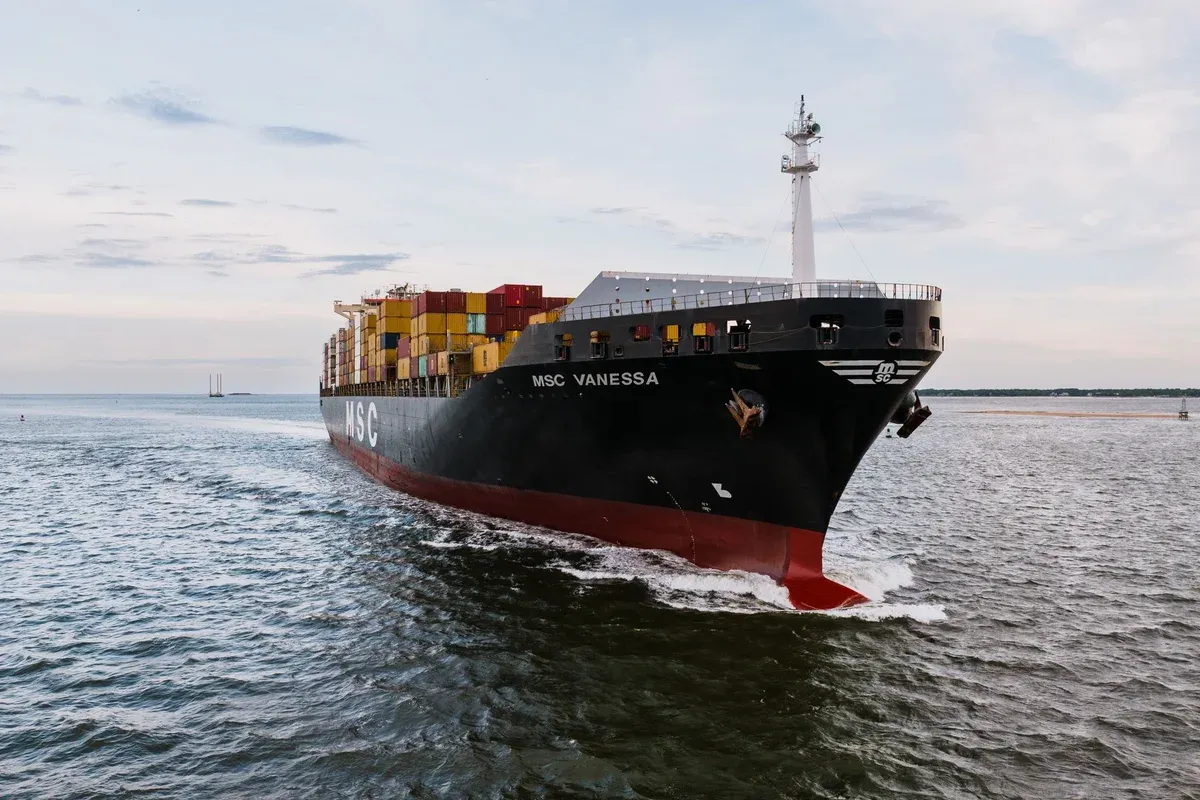
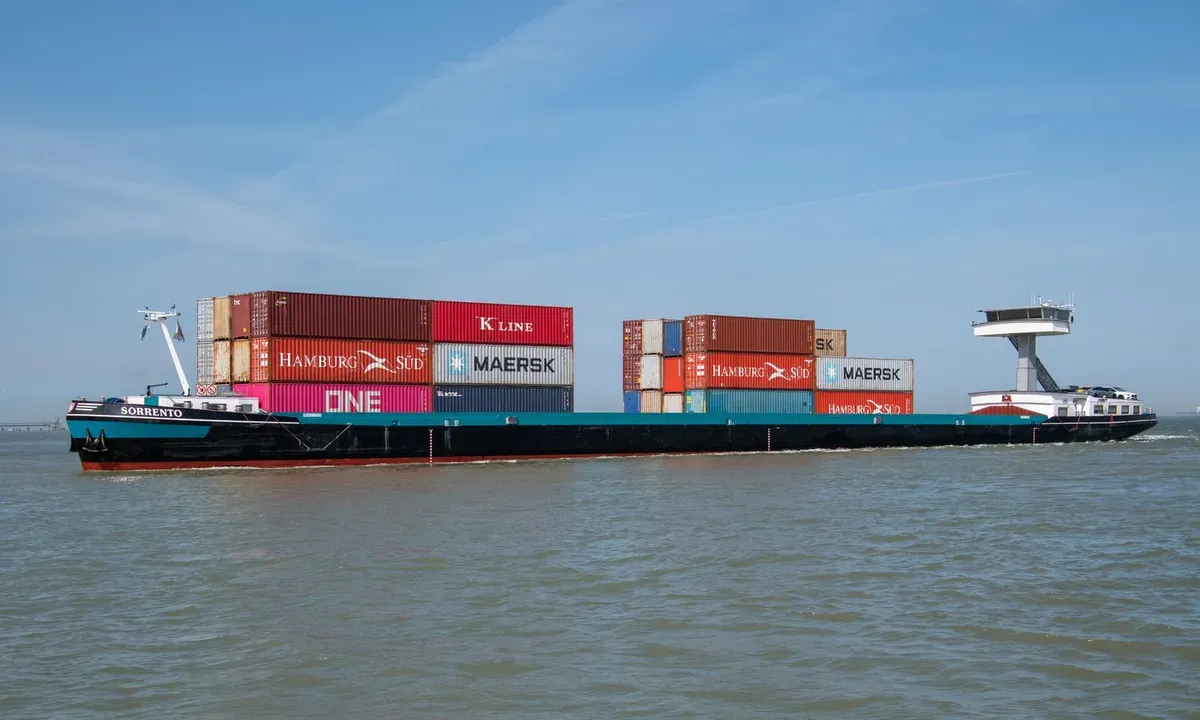
Virtually every China–Libya container is a transshipment box: it rides a mainline service to a Mediterranean hub, then a feeder for the final call. The hub is the decision that drives your ETA. CMA CGM, which runs three weekly Libya calls through its local network, feeds the country mainly through Malta and Alexandria; MSC and other carriers relay through similar Mediterranean gateways. Since May 2026 there is also a direct option: COSCO launched a China–Libya string that calls at Benghazi and then Misrata roughly twice a month, using vessels around 300 meters long. Frequency, not speed, is the direct service’s constraint — miss the sailing and your cargo waits half a month.
| China Port | Via Alexandria (Misrata) | Via Malta (Tripoli / Misrata / Khoms) | Direct Service (Misrata / Benghazi) |
|---|---|---|---|
| Shenzhen (Yantian / Shekou) | 29 – 34 days | 42 – 47 days | ~30 – 40 days, 2 sailings/month |
| Guangzhou (Nansha) | 30 – 36 days | 44 – 49 days | ~30 – 40 days, 2 sailings/month |
| Ningbo | 37 – 42 days | 48 – 55 days | ~30 – 40 days, 2 sailings/month |
| Shanghai | 38 – 44 days | 50 – 57 days | ~30 – 40 days, 2 sailings/month |
| Qingdao | 40 – 45 days | 54 – 60 days | ~30 – 40 days, 2 sailings/month |
Transit columns are carrier-published schedule figures, rounded; the direct-service column is indicative.
Southern ports load closest to the Malacca corridor and post the fastest numbers; Qingdao adds a coastal leg down China before the vessel joins the trunk route. The Alexandria product is the sleeper on this lane: it rides an Asia–East Med express and short-feeds across to Misrata, which is why Shekou can post 29 days on a routing most importers assume runs 45.

The Red Sea Factor
Red Sea security is priced into this lane, directly or indirectly. On routings that transit Bab el-Mandeb and the Suez Canal, war-risk premiums are baked into the base ocean freight — premiums that climbed again toward the end of September 2026. On the slower Malta strings, part of the transit gap comes from mainline rotations that still divert around the Cape of Good Hope rather than run the Red Sea gauntlet. Our Red Sea crisis 2026 tracker covers the security picture in detail; the practical takeaway for Libya-bound cargo is that two boxes with identical headline rates can sit ten days apart in delivery.
Sea Freight Cost from China to Libya: FCL, LCL & Container Rates
In November 2026, expect $2,200 – $3,800 port-to-port for a 20ft container, $3,500 – $5,500 for a 40ft, $3,700 – $5,800 for a 40ft high cube, and $80 – $150 per CBM for LCL. That is a calmer market than the first quarter of 2026, when war-risk surcharges and peak-season pricing pushed 20ft quotes toward the top of the $2,500 – $6,500 band our March 2026 shipping cost guide for Libya documented as it happened.
Disclaimer: these are indicative market ranges for November 2026. Ocean freight moves with GRI cycles, fuel and war-risk surcharges, and equipment availability; Libyan destination charges add a separate stack on top. Confirm live pricing against your cargo-ready date before committing to supplier contracts.
| Shipping Method | Indicative Rate | Typical Transit | Best For |
|---|---|---|---|
| LCL sea freight | $80 – $150 per CBM | 33 – 52 days | Shipments under ~15 CBM |
| FCL 20ft (20GP) | $2,200 – $3,800 | 30 – 50 days | Dense cargo, machinery, tiles |
| FCL 40ft (40GP) | $3,500 – $5,500 | 30 – 50 days | High-volume general cargo |
| FCL 40ft HQ | $3,700 – $5,800 | 30 – 50 days | Lightweight bulky goods |
| Air freight (comparison) | $4.50 – $8.50 per kg | 3 – 8 days | Urgent, high-value cargo |
FCL Rates by Port Pair
| China Port | Tripoli | Misrata | Benghazi |
|---|---|---|---|
| Shanghai | $2,400 – $3,400 | $2,300 – $3,300 | $2,600 – $3,400 |
| Ningbo | $2,350 – $3,300 | $2,300 – $3,200 | $2,500 – $3,300 |
| Shenzhen (Yantian / Shekou) | $2,400 – $3,600 | $2,300 – $3,500 | $2,600 – $3,600 |
| Guangzhou (Nansha) | $2,400 – $3,600 | $2,300 – $3,500 | $2,600 – $3,600 |
| Qingdao | $2,500 – $3,800 | $2,400 – $3,600 | $2,700 – $3,800 |
Misrata, the country’s container workhorse, usually quotes the cleanest numbers; Benghazi in the east carries a premium because feeder capacity there is scarcer and the reconstruction market absorbs whatever space exists.
LCL Rates and How Chargeable Volume Works
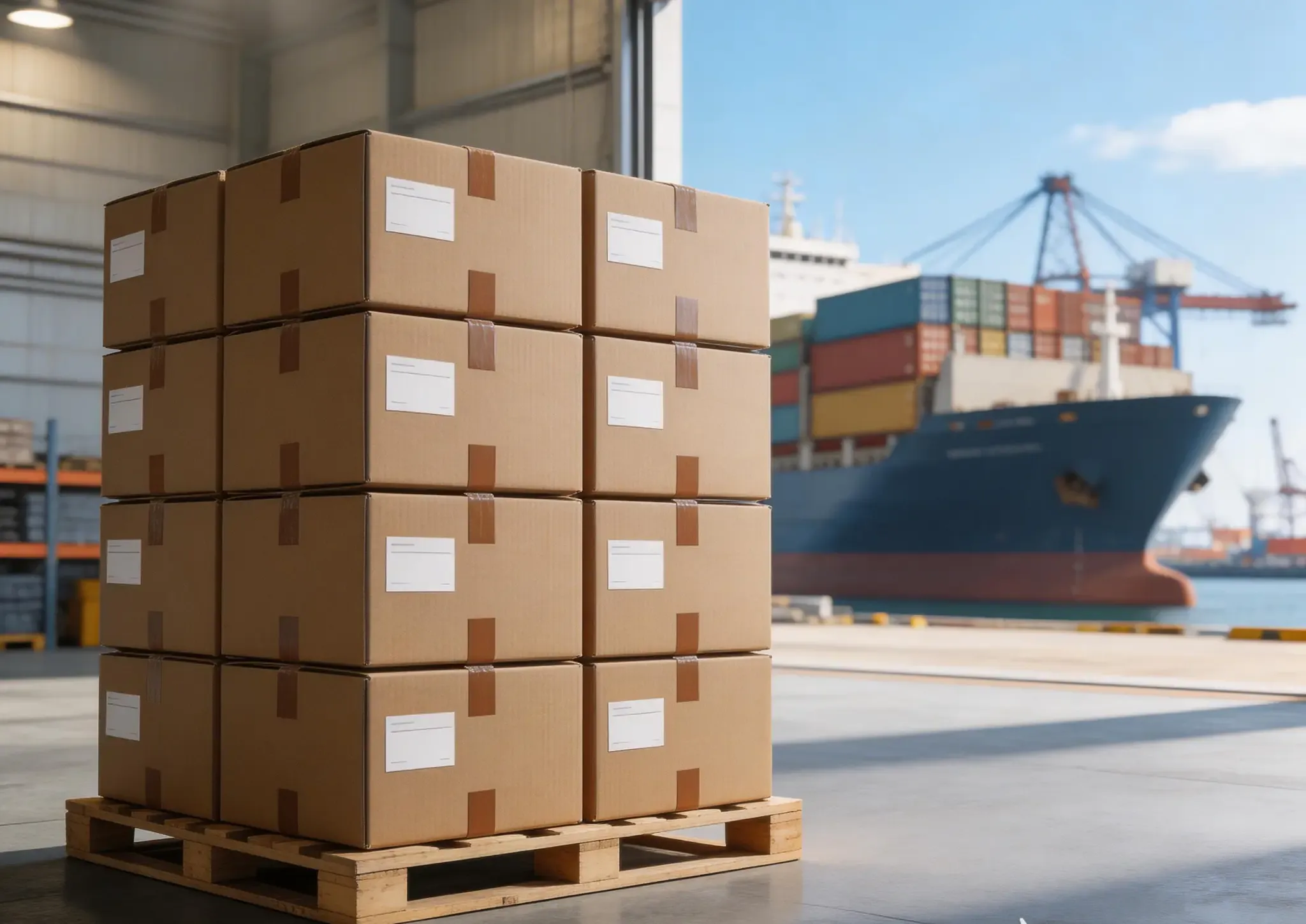
LCL is billed per revenue ton under the W/M rule — one CBM or 1,000 kg, whichever yields more — with origin CFS and destination CFS fees on top of the per-CBM base. Budget $80 – $150 per CBM ocean plus consolidation and deconsolidation charges at both ends. For the mechanics of consolidation pricing, our FCL vs LCL shipping comparison walks through the math — and dense cargo is the trap: a 10 CBM, 12-ton machinery lot is billed at 12 revenue tons, not 10.
Our Industry Insights: The Quote Is Not the Invoice The biggest cost surprises on this lane are rarely the ocean freight. They are destination terminal handling, the delivery order fee, the ECTN filing, documentation charges, and — above all — demurrage when clearance slows down at a Libyan port. Ask any forwarder you evaluate to quote origin charges, destination charges, and stated free time in writing. At Efanda Logistics we break all three out on the first quote, because a rate you cannot audit is not a rate you can budget.

FCL vs LCL: Which Container Mode Wins on the China–Libya Route?
Below about 15 CBM, LCL usually wins on price; above it, a 20ft container is almost always cheaper per cubic meter and clears faster. The break-even shifts with the market: when 20ft rates sit near the bottom of the $2,200 – $3,800 band, FCL’s threshold drops toward 12 CBM; when they peak, it climbs toward 18 CBM.
| Container | Usable Capacity | Payload | Typical Cargo |
|---|---|---|---|
| 20GP | ~28 CBM | ~21,700 kg | Dense cargo: tiles, steel, machinery |
| 40GP | ~58 CBM | ~26,500 kg | General cargo, furniture, appliances |
| 40HQ | ~68 CBM | ~26,300 kg | Lightweight bulky goods: textiles, foam, furniture |
LCL carries three hidden costs beyond the per-CBM rate on this lane. Deconsolidation at the destination CFS adds days and handling risk in exactly the market where free time matters most; pilferage exposure is higher because your cargo is co-loaded with other importers’ goods; and per-revenue-ton pricing punishes dense cargo. FCL cargo moves sealed from the Chinese load port to the Libyan discharge port, which is why high-value or fragile goods often justify a full container even below the volume break-even. Neighboring lanes follow the same logic — our guides to sea shipping from China to Egypt and sea shipping from China to Algeria cover how it plays out on the East Med and Maghreb corridors.
Libya’s Ports: Where Your Container Actually Lands
Libya’s commercial port system is small, split, and shallower than it looks on paper — and the port you choose shapes both your clearance experience and your inland cost.
Misrata is the country’s container workhorse: roughly two thirds of Libya’s container traffic moves through it, and its free-zone status makes it the natural gateway for commercial imports. A January 2026 partnership to develop Misrata into a deepwater facility is real but phased — do not build this year’s shipping plan on it.
Tripoli serves the capital’s market — the largest concentration of population and purchasing power in the west. Port-call activity ran well above its typical baseline in early October 2026.
Benghazi is the east’s gateway and the port to watch. The adjacent Julyana Free Zone Port received 371 cargo vessels in the first seven months of 2026, took delivery of a new 154-ton container crane, and is building overflow container storage — investment that tracks the reconstruction trade flowing into eastern Libya. Median vessel waiting time ran about 1.25 days in early October 2026, which is manageable, but schedule reliability still depends on feeder connections. Khoms and Zawia work as secondary discharge options for western cargo when Tripoli congestion or routing makes them cheaper.
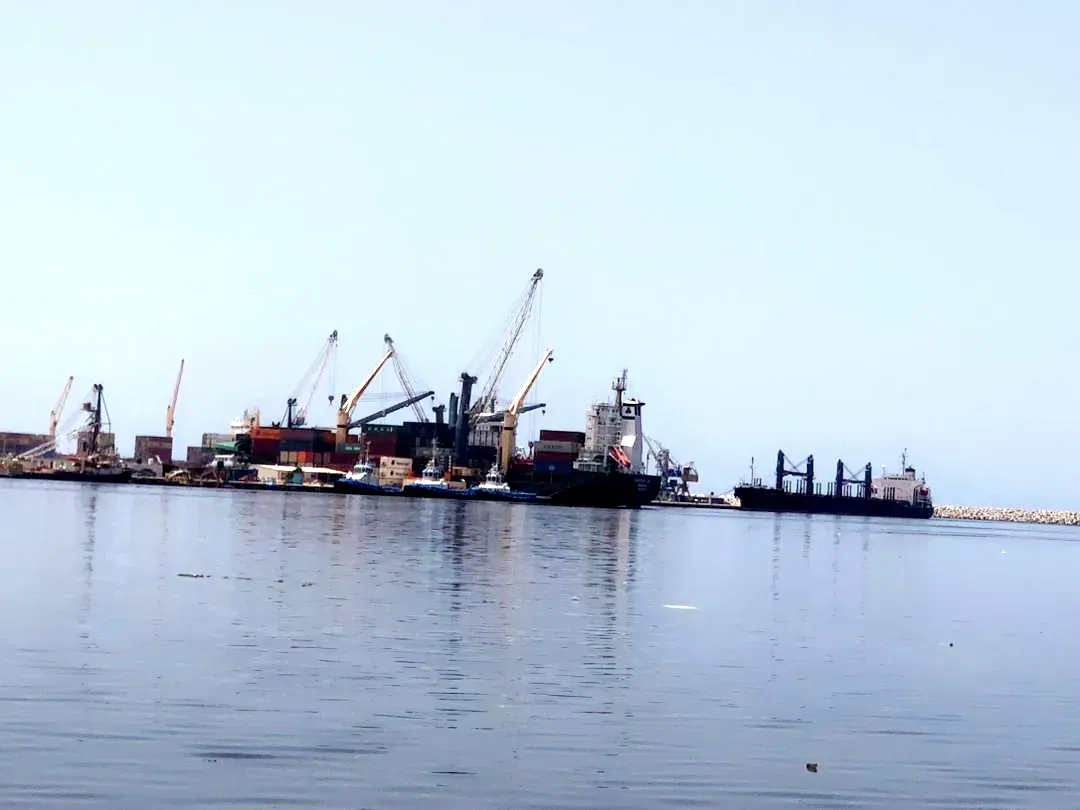
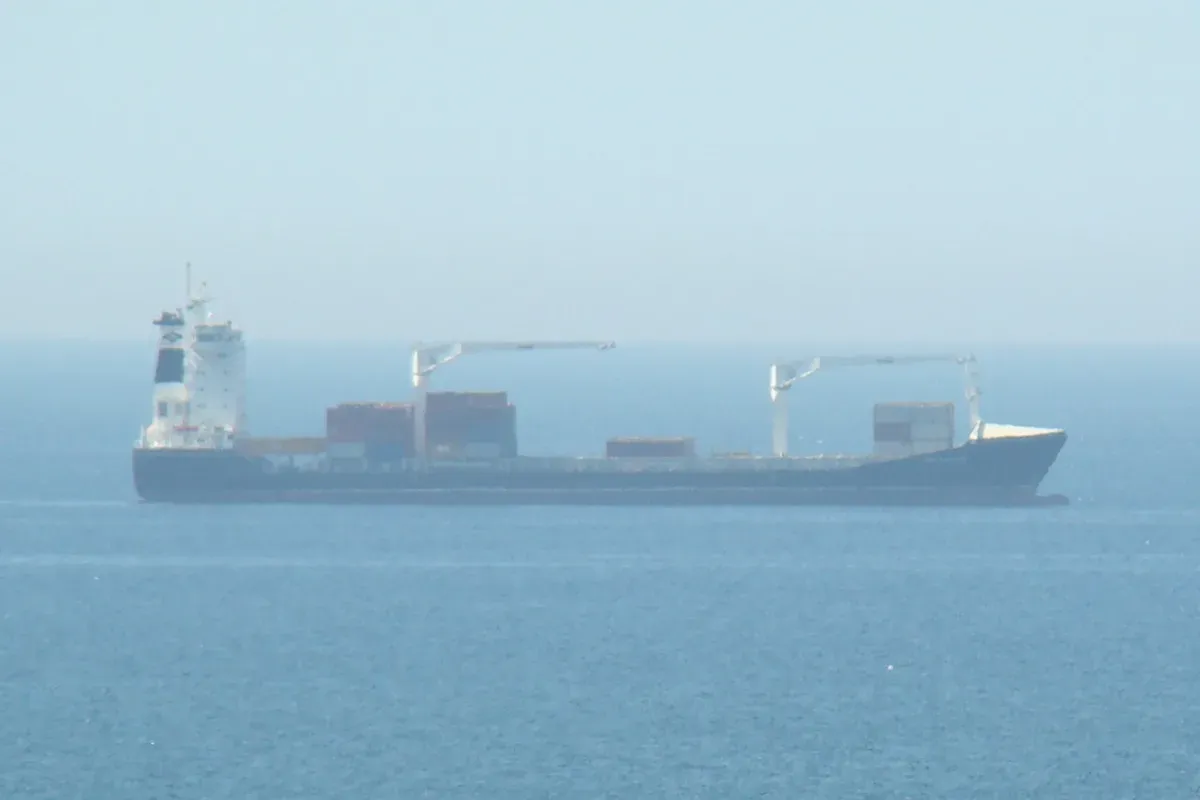
Two structural facts matter more than any single port’s rates. First, the east–west administrative split: Libya effectively runs two parallel bureaucracies, and documentation requirements, valuation practice, and clearance timelines vary between a Tripoli entry and a Benghazi entry. Route the container to where the consignee actually is, then optimize the port pair — not the other way round. Second, the draft constraint: declared channels are far deeper than the berths, which operationally run around 10 – 12 meters. The largest container ships do not work this coast, which is why feeder economics dominate and why the direct-service vessels are midsize.
Libya Customs: Service Fee, Consumption Tax & the ECTN
Libya’s import tax stack is lighter than most of North Africa’s on paper — and narrower than it looks. Customs duties were largely abolished in 2005; what replaced them is a service (port) fee of roughly 4 – 5 percent on the value of most imports, plus around 0.5 percent in other dues. The exceptions bite: around 84 listed finished-goods categories carry a production tax of 2 percent and a consumption tax of 25 percent or even 50 percent, and tobacco keeps classic duties. Most machinery, raw materials, and intermediate goods enter duty-free apart from the service fee.
| Charge | Base | Rate |
|---|---|---|
| Customs duty | By HS code | 0% for most goods; tobacco excepted |
| Service (port) fee | Import value, most goods | ~4 – 5% |
| Production tax | Listed goods | 2% |
| Consumption tax | Listed finished goods | 25% or 50% |
| Other dues | Import value | ~0.5% |
A 20ft container of general cargo — invoice $8,000, ocean freight $2,600, insurance $150 — lands at a CIF value of about $10,750. The 4 percent service fee adds roughly $430; other dues add a rounding amount; if the goods are on the consumption-tax list at 25 percent, add about $2,690 on top. Unlisted cargo pays a few hundred dollars in charges; listed finished goods pay more in tax than in freight.
The document set is unforgiving about originals: the commercial invoice (original), certificate of origin (legalized), packing list, and bill of lading, plus the importer’s statistical registration. And the step that catches first-time shippers: the ECTN — the Electronic Cargo Tracking Note, sometimes sold as a CTN or ACI filing — which Libya activated in February 2025. Enforcement has fluctuated since, but treat it as mandatory: the filing needs the final bill of lading, commercial and freight invoices, the export customs declaration, and the importer’s statistical ID, typically costs $100 – $300, and must be validated before the vessel arrives.
Prohibited and restricted cargo is fixed by decree: alcohol, pork products, and gambling equipment are banned outright, and sanctions-sensitive goods require their own screening. Our customs clearance desk files Libya entries daily and pre-screens classifications before booking, which is cheaper than reclassifying cargo after it berths.
Paying for Your Shipment: Decision 449/2026 Changes the Game
Since September 30, 2026, commercial imports into Libya must be paid through official banking channels — full stop. Decision 449/2026, issued by the Ministry of Economy and Trade on September 6, bans the import of goods intended for trade outside the Central Bank of Libya’s banking system, and customs will not release a commercial shipment until the banking requirements are met and documents proving the shipment’s actual value are filed. The driver is hard-currency control: the central bank has spent years fighting letter-of-credit fraud — this year alone, hundreds of companies were blacklisted and around $130 million of suspicious letters of credit were suspended — and is now pushing liquidity back into legitimate trade.
The old habit — paying a Chinese supplier informally in cash dollars and clearing the goods on a friendly invoice — now leaves cargo stranded at the port. Before you book, confirm that your Libyan bank can issue the letter of credit or execute the transfer against your purchase contract, and that the invoice value on the banking file matches the commercial documents the customs broker will file. Undervalued invoices, long a workaround for FX scarcity, now read as fraud signals. Build the bank’s processing time — often one to two weeks for a new letter of credit — into your lead time the same way you build in the sailing schedule.
Door to Door and DDP: What Actually Works for Libya
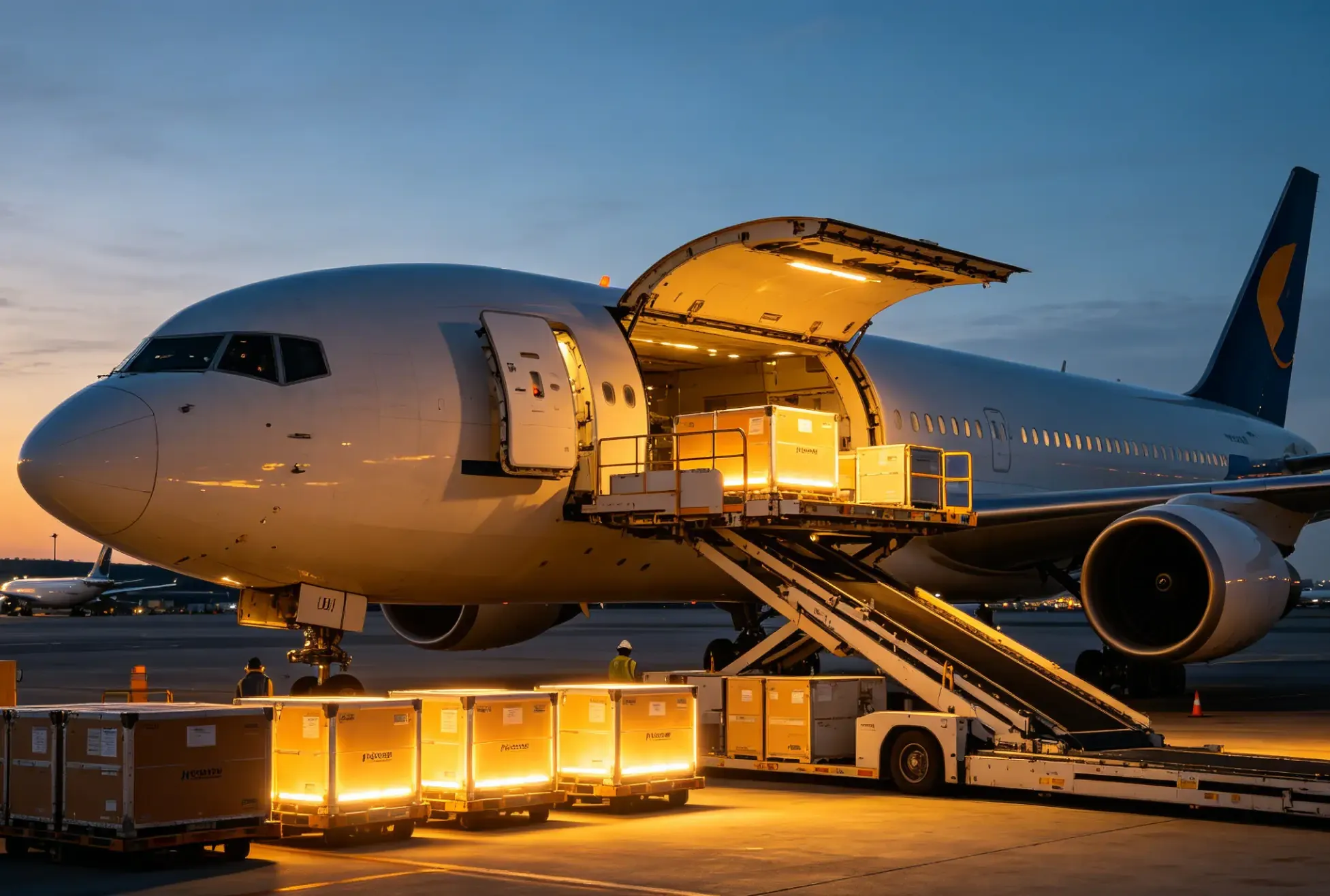
A forwarder can own the China side completely — supplier pickup, export declaration, consolidation, ocean freight, ECTN filing, and delivery to the Libyan port — under DAP or CIF terms, with the consignee completing local clearance and paying the service fee and any consumption tax. Full DDP, with the forwarder paying Libyan duties and taxes on your behalf, is rare in practice because currency control makes the forwarder’s cash recovery unpredictable; established importers with their own bank lines and broker almost always land flatter costs on DAP or CIF. If you are weighing purchase terms at the sourcing stage, our door to door shipping page maps what the origin side covers and what it does not.
6 Ways to Cut Your China–Libya Shipping Cost
- Match the origin port to your factory geography. Trucking goods from a Zhejiang supplier to Shenzhen to save $150 on ocean freight burns the savings in inland haulage. Book the port nearest your supplier cluster — our sea freight from China desk compares port pairs against your actual sourcing map.
- Consolidate suppliers into one container. Multi-supplier buyers who ship LCL from three vendors pay three CFS fees and three minimum charges. Consolidating into one FCL through a Shenzhen warehouse typically strips 15 – 25 percent out of total logistics spend; our warehouse services in China exist exactly for this.
- Respect the calendar. Space tightens and rates spike before Chinese New Year and during the Ramadan restocking window.
- Ask which routing each quote uses. Two quotes with identical headline rates can differ by ten days if one rides the Alexandria express and the other a Malta relay.
- File the paperwork before the vessel sails. The ECTN, the legalized certificate of origin, and a bank-consistent invoice value are all pre-sailing tasks. Fixing any of them after arrival costs demurrage at Libyan port rates.
- Insure the cargo. A policy costs a fraction of a percent of cargo value, and on a lane that transits the Red Sea’s war-risk zone on the fast routings, it is cheap protection. See our primer on cargo insurance for China exports.
FAQ
Q: Is there a direct sailing from China to Libya? A: Yes — since May 2026, a COSCO service calls Benghazi and then Misrata roughly twice a month with midsize vessels of around 300 meters. Most China–Libya containers still move as transshipment cargo via Malta, Alexandria, or another Mediterranean hub, and quotes that look direct are usually through-bills covering the relay.
Q: Which Libyan port should my container land at? A: Route to where the consignee is. Misrata handles about two thirds of Libya’s container traffic and quotes the cleanest rates; Tripoli serves the capital’s market in the west; Benghazi is the east’s gateway, with a premium attached for feeder scarcity. The east–west administrative split means clearance practice differs between ports — a cheap rate into the wrong half of the country costs more than it saves.
Q: How much does a 20ft container from China to Libya cost? A: In November 2026, expect $2,200 – $3,800 port-to-port depending on the origin port and routing, with 40ft containers at $3,500 – $5,500. Origin charges, Libyan destination charges, the ECTN, and the customs service fee are additional.
Q: Do I need an ECTN certificate for Libya? A: Treat it as mandatory. Libya activated the Electronic Cargo Tracking Note system in February 2025; enforcement has fluctuated, but cargo arriving without a validated certificate risks fines, detention, and storage charges. Budget $100 – $300 and file it against the final bill of lading before the vessel arrives.
Q: Can I pay my Chinese supplier outside the Libyan banking system? A: Not for goods intended for trade. Since September 30, 2026, Decision 449/2026 bars commercial imports settled outside official banking channels, and customs will not release cargo without proof of payment and documented actual value. Small traders have a carve-out with annual limits, and banks now offer direct transfers up to $100,000 for them.
Q: When is LCL cheaper than FCL to Libya? A: Below roughly 15 CBM — adjusted toward 12 CBM when 20ft rates are soft and toward 18 CBM when they peak. Dense, heavy cargo favors FCL earlier because LCL bills by the revenue ton under the W/M rule.
Q: How long does customs clearance take in Libya? A: Clean, non-regulated cargo with original documents and a valid ECTN typically clears in a few business days. Listed consumption-tax goods, valuation queries, or paperwork mismatches stretch that to one or two weeks — and every day past free time is demurrage.
Conclusion
The numbers that decide most China–Libya shipments: 29 – 45 days port-to-port depending on whether the box rides the Alexandria express, a Malta relay, or the twice-monthly direct service; $2,200 – $3,800 for a 20ft container in November 2026; and an import regime where the real cost sits in the destination stack — service fees, the ECTN, consumption tax on listed goods, and a banking rule that now gates every commercial clearance. Choose the port by the consignee, demand a quote that itemizes destination charges and free time, and put the payment file in order before the vessel sails, and Libya becomes one of the more workable reconstruction markets out of China.
Efanda Logistics has run China–North Africa lanes from Shenzhen since 2018, with transparent per-charge quoting and a dedicated specialist on every shipment. Contact us at +86 18929345880 for a China–Libya sea freight quote with every destination charge itemized.

Written by the EFANDA Logistics team — a Shenzhen-based freight forwarder established in 2018, moving cargo from China to ports worldwide with end-to-end pickup, consolidation, customs and door delivery.About us