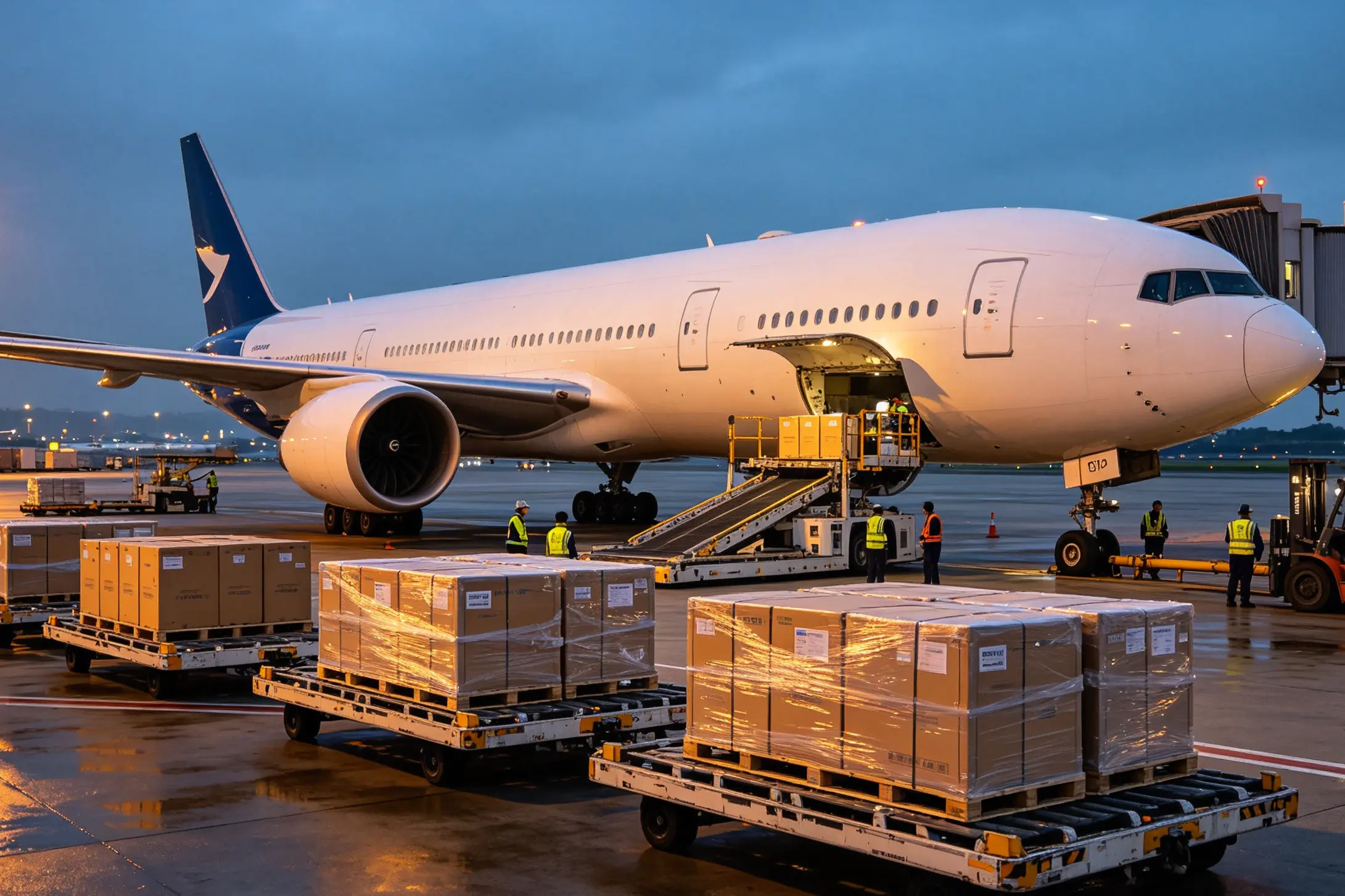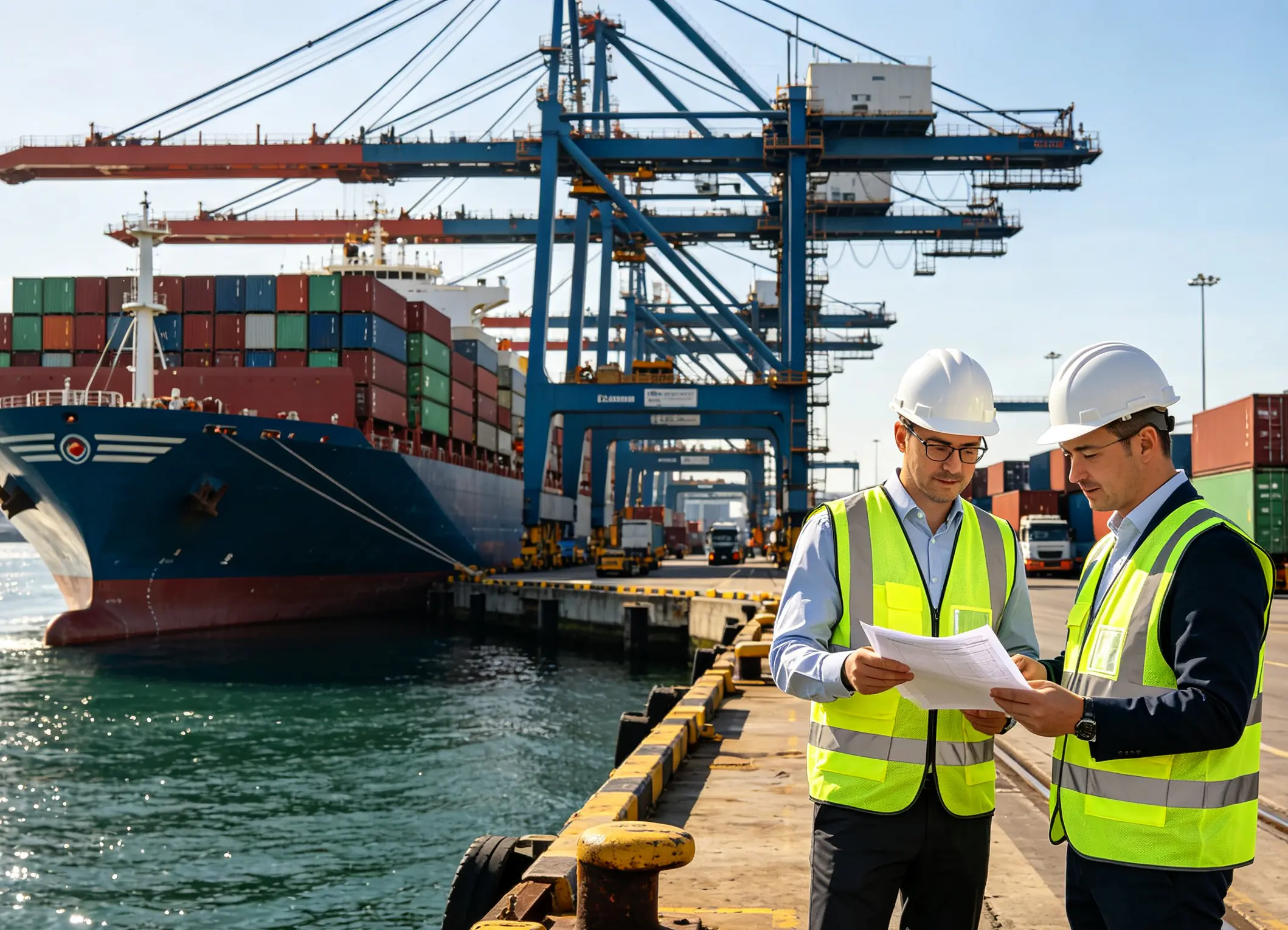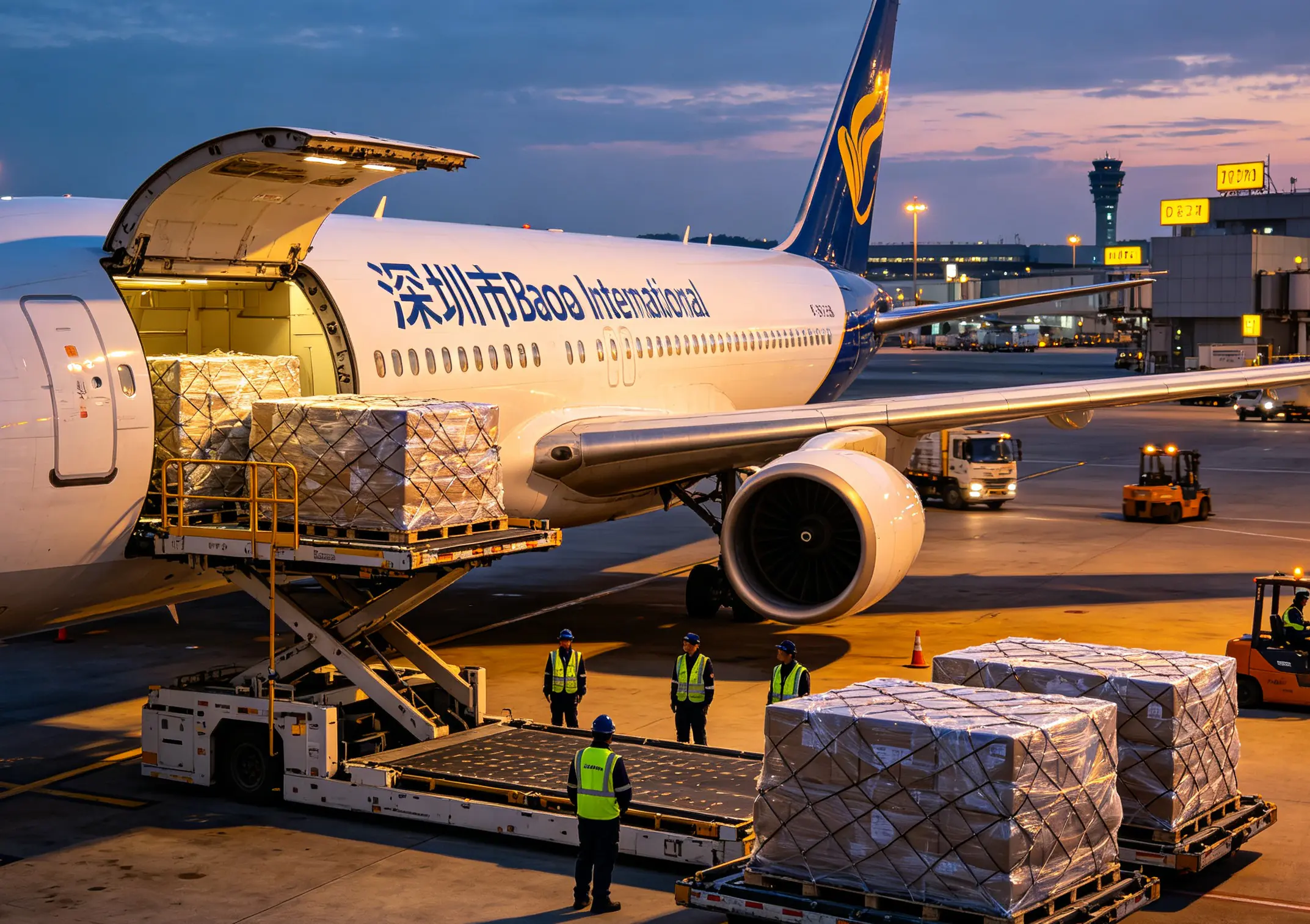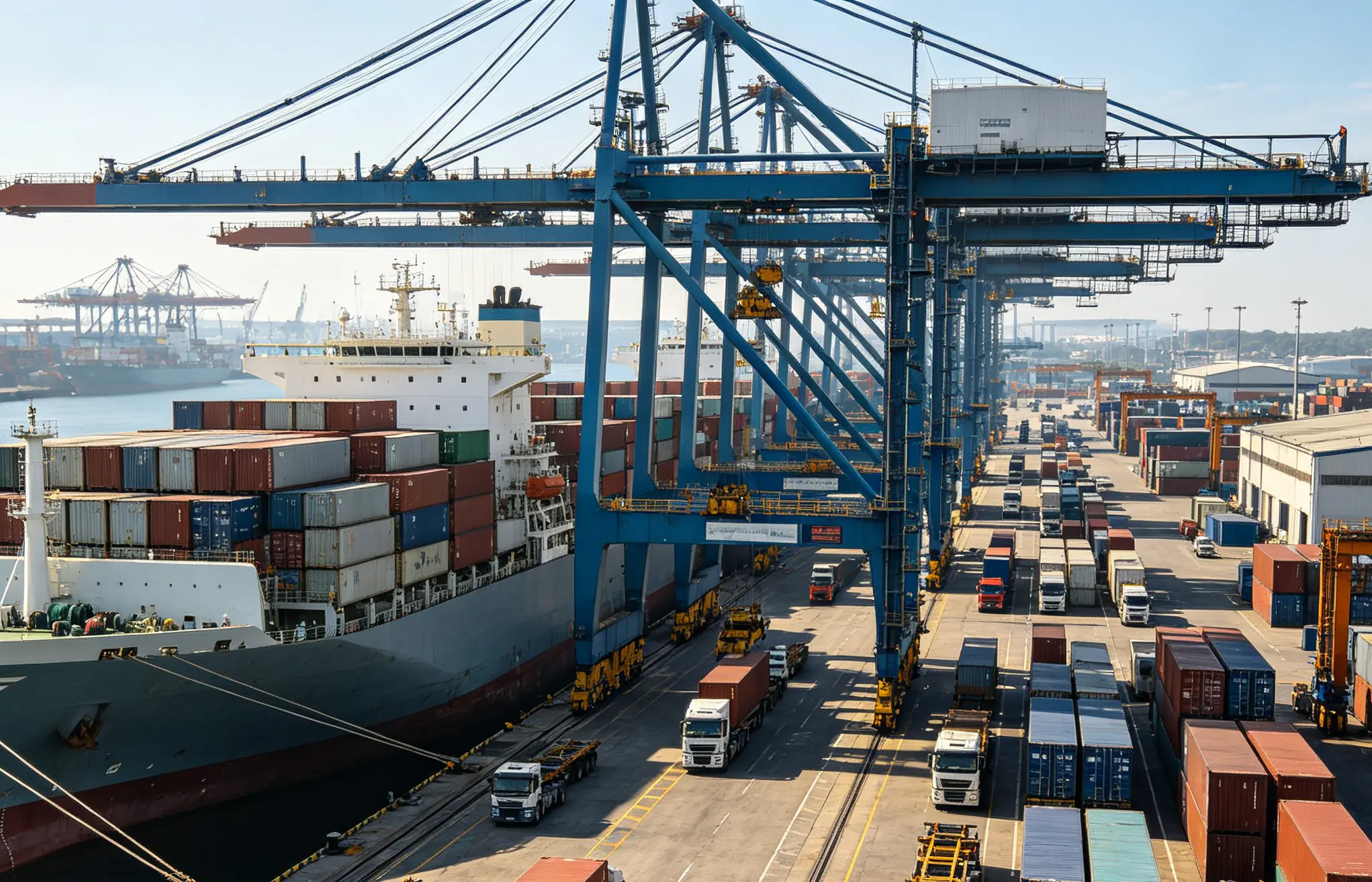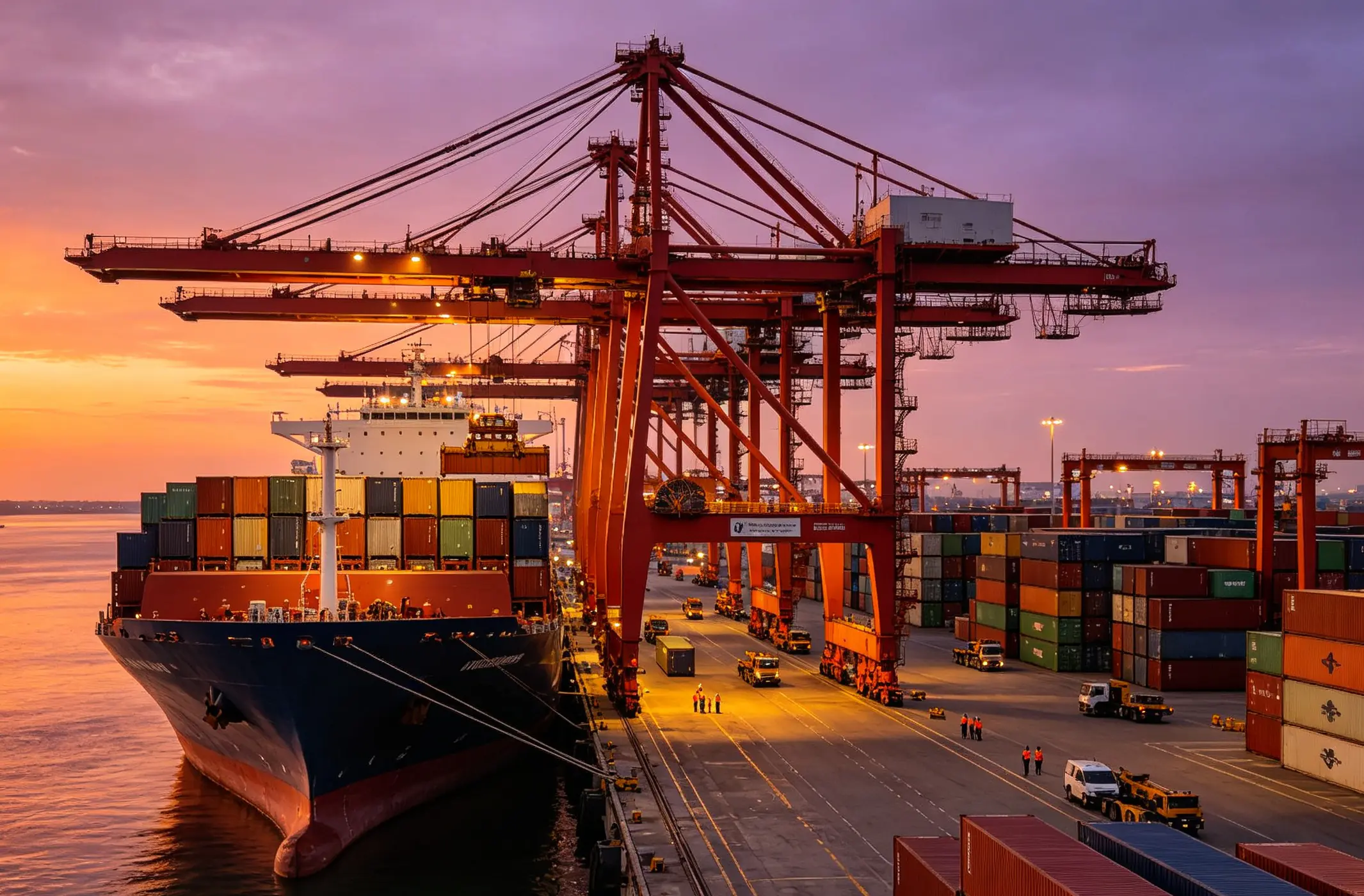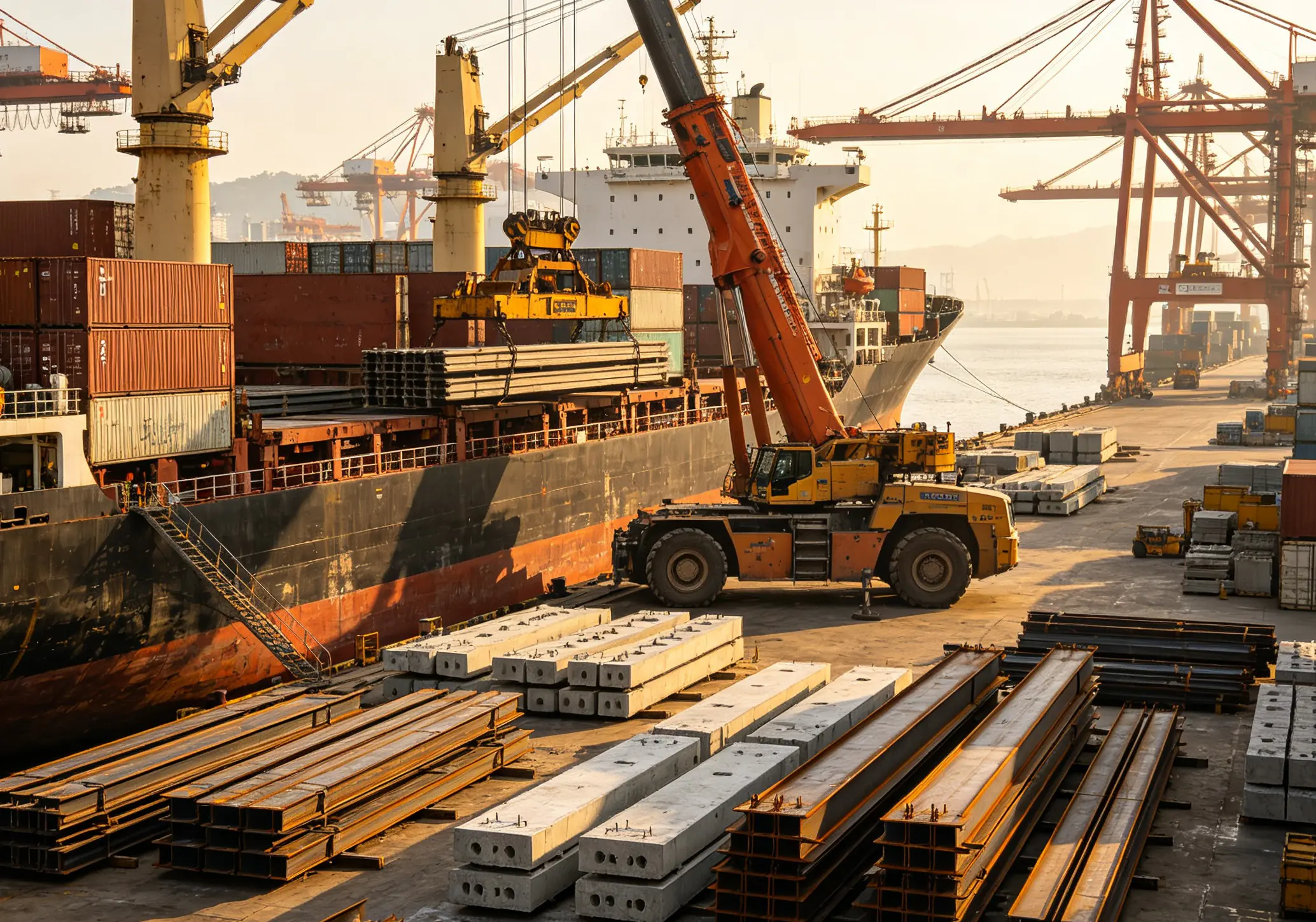
Are you worried about hidden fees, customs delays, and the maze of Brazilian tax bureaucracy every time you import from China? Door to door shipping from China to Brazil is the most effective way to eliminate those headaches, but only if you understand what the service actually includes — and what it does not. In this guide, you will learn the exact shipping methods, current costs, transit times, documentation requirements, and compliance rules you need to move goods smoothly from a Chinese factory to your warehouse in Brazil. Please note that all rates and timelines referenced here reflect market conditions as of May 2026 and are subject to change based on seasonality, fuel costs, and carrier capacity. We have managed door-to-door shipments on this lane since 2018, and the insights below come from handling everything from single LCL boxes of electronics to full 40HQ loads of industrial machinery for Brazilian manufacturers.
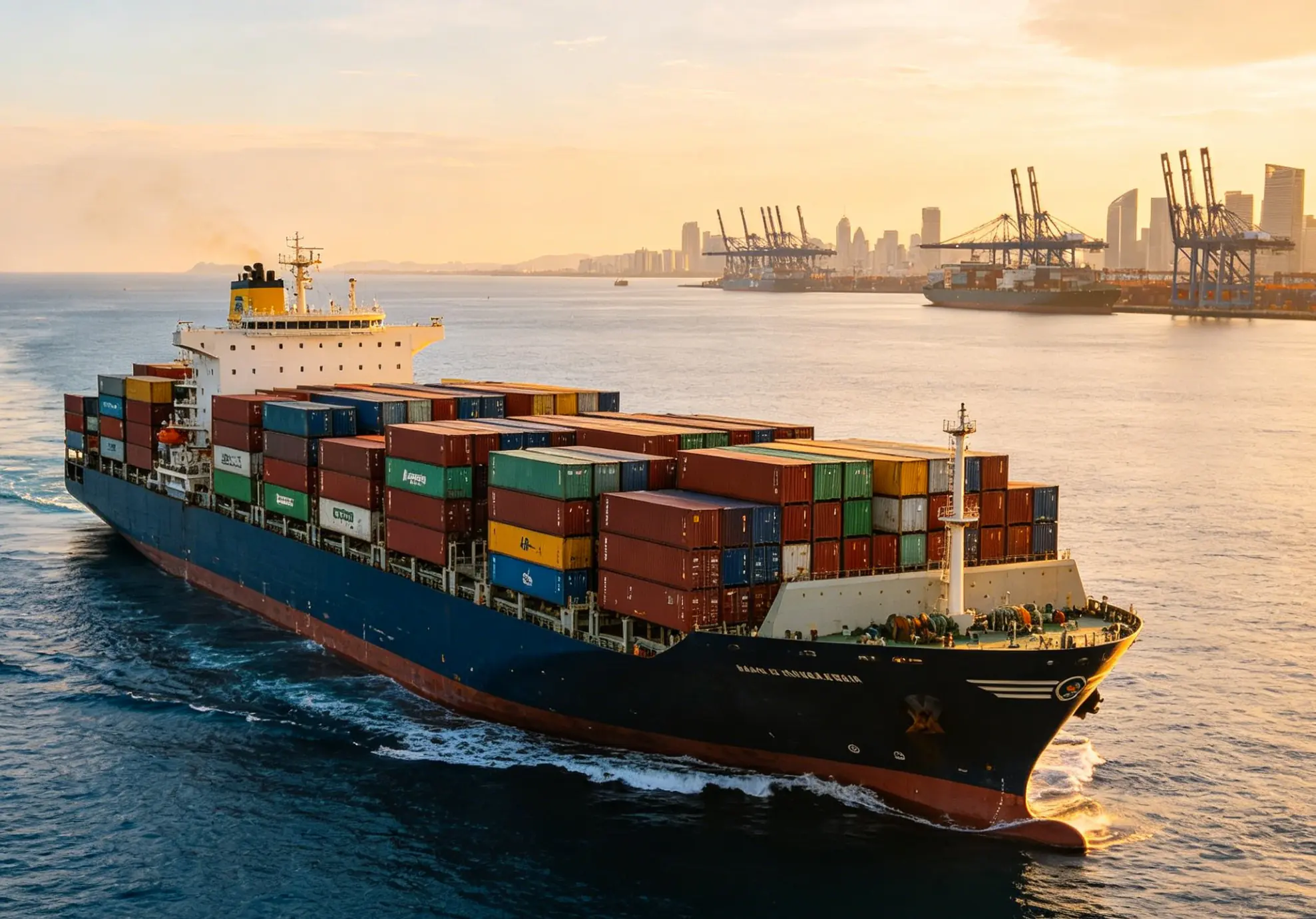
What Is Door to Door Shipping from China to Brazil?
Door to door shipping is an end-to-end logistics service where a single freight forwarder manages every stage of the journey from your supplier’s warehouse in China to your designated address in Brazil. The scope typically includes origin pickup, export customs clearance, international freight by sea or air, import clearance coordination, and final inland delivery.
This model is fundamentally different from port-to-port shipping. Instead of juggling multiple carriers, customs brokers, and trucking companies on two continents, you work with one accountable partner who coordinates the entire chain. That said, “door to door” does not automatically mean the seller pays your Brazilian import duties. Under Brazilian law, duties and taxes are almost always the buyer’s responsibility, which brings us to one of the most misunderstood topics on this trade lane.
Key terms you will encounter throughout this process include the Bill of Lading (B/L), which serves as your contract of carriage and proof of ownership for sea freight; the Air Waybill (AWB), its air freight equivalent; and Customs Clearance, the process of getting your goods legally approved for export and import. One detail many first-time importers miss: the B/L for Brazil must show the freight cost because Receita Federal calculates import taxes on the CIF value, not just the goods value. We have seen shipments held for days simply because the B/L omitted this figure.
Can You Ship DDP to Brazil? Understanding the DDP Ban and Your Real Options
No — Brazil strictly prohibits DDP (Delivered Duty Paid) shipments, and any freight forwarder advertising DDP to Brazil is either misinformed or operating outside compliance. This is not a matter of preference or negotiation; it is a legal requirement enforced by Receita Federal, Brazil’s Federal Revenue Service.
Under Receita Federal regulations, the importer of record must be a registered Brazilian entity with a valid CNPJ (company tax ID) and a RADAR license. All import duties and taxes must be paid directly by the importer through the Siscomex electronic system. Because the foreign seller cannot legally register as the importer or pay taxes on behalf of the Brazilian buyer, true DDP is impossible for standard commercial shipments.
The real alternative is DAP (Delivered at Place) or DDU (Delivered Duty Unpaid). Under these Incoterms, your freight forwarder handles all physical transportation and customs coordination, but you — the importer — remain responsible for paying import duties and taxes, typically facilitated by a local Brazilian customs broker known as a Despachante Aduaneiro. For a detailed breakdown of how these terms differ, see our guide on DDP vs DAP Incoterms.
| Stage | DDP (Not Allowed) | DAP / DDU (Legal Door-to-Door) |
|---|---|---|
| Export customs in China | Seller / Forwarder | Seller / Forwarder |
| International freight | Seller / Forwarder | Seller / Forwarder |
| Import clearance coordination | Seller / Forwarder | Forwarder + Despachante |
| Duty and tax payment | Seller (illegal in Brazil) | Importer (mandatory) |
| Final delivery in Brazil | Seller / Forwarder | Forwarder |
Transparency around this restriction is critical. Many forwarders, especially on B2B marketplaces, still list DDP as an option. Relying on such a service can result in customs seizures, fines, or cargo held indefinitely at the port.
Door to Door vs. Port to Port vs. Door to Port: Which Model Fits You?
The right service model depends on your internal logistics capacity, shipment size, and how much of the Brazilian import process you want to manage yourself. For most businesses, the safest and most predictable choice is full door-to-door service.
| Service Model | Scope | Best For | Importer Workload | Cost Predictability |
|---|---|---|---|---|
| Door to Door | Factory in China → Final address in Brazil | SMEs, e-commerce, first-time importers | Minimal — forwarder manages everything | High (all-in quote) |
| Door to Port | Factory in China → Destination port in Brazil | Cost-sensitive buyers with local trucking | Moderate — handles customs + delivery | Medium |
| Port to Port | Port in China → Port in Brazil | Large manufacturers with in-house teams | High — handles everything at destination | Low (many hidden fees) |
Brazil’s inland infrastructure, steep port storage fees (Armazenagem), and rigid customs bureaucracy make self-managed port-to-port shipping risky for all but the largest enterprises with dedicated Brazilian logistics teams. Door-to-door service bundles origin and destination operations under one provider, eliminating duplicate charges and the “blame game” when delays occur.
Shipping Methods Compared: Sea Freight, Air Freight, and Express Courier
Most door-to-door shipments from China to Brazil move by sea freight (FCL or LCL), but air freight and express couriers serve urgent or small-volume needs. Choosing the right method comes down to balancing cost, speed, and cargo volume. To understand the broader trade-offs, read our sea freight vs air freight comparison.
| Method | Transit Time (Door-to-Door) | Cost Range (May 2026) | Best For |
|---|---|---|---|
| Sea FCL (20GP) | 35–50 days | $3,105–$3,795 (port-to-port base) | Bulk shipments, machinery, large inventory |
| Sea FCL (40HQ) | 35–50 days | $3,375–$4,125 (port-to-port base) | Best per-CBM value; ideal for consolidated orders |
| Sea LCL | 40–55 days | ~$80–$200/CBM | 1–15 CBM shipments, SMEs |
| Air Freight | 6–12 days | $6.80–$10.50/kg (100kg+) | Urgent, high-value, seasonal goods |
| Express Courier | 4–8 days | $150–$265 (5–10kg sample) | Documents, samples, emergency parcels |
FCL vs. LCL: FCL (Full Container Load) gives you exclusive use of a 20ft or 40ft container, offering the lowest per-unit cost and maximum cargo security since the container is sealed at origin and opened only at destination. LCL (Less than Container Load) shares container space with other shippers, making it economical for smaller volumes but adding roughly 7–14 days for consolidation and deconsolidation.
A quick note on current market conditions: as of May 2026, South Atlantic equipment positioning issues have driven 20GP base rates up 59% from April, while 40HQ rates rose a more modest 9%. If your volume allows, consolidating into a 40HQ currently delivers the best economics. This is not a theoretical suggestion — we consolidated three separate supplier orders for a São Paulo-based importer last month, filling one 40HQ instead of three 20GP boxes, and cut their per-unit freight cost by roughly 22%. If you are unsure which option fits your cargo volume, our FCL vs LCL shipping guide walks through the decision framework. For exact internal measurements of each container type, see our guide to shipping container dimensions. Also remember that sea freight into Brazil incurs the AFRMM (Adicional ao Frete para a Renovação da Marinha Mercante), a federal tax originally created to fund the modernization of the Brazilian merchant fleet. It applies to all international ocean freight entering Brazilian ports and equals approximately 8% of the base freight cost listed on your B/L. Many importers forget to factor this in during budgeting because it is not included in standard carrier quotations — it only appears when your Despachante calculates the final Siscomex declaration.
How Much Does Door to Door Shipping from China to Brazil Cost?
The total cost depends on shipping mode, cargo volume, origin and destination cities, and Brazil’s complex layered tax structure. No two shipments are identical, but the following benchmarks provide a realistic starting point for budgeting.
FCL Base Ocean Freight (May 2026, Port-to-Port):
- 20GP container: $3,105–$3,795
- 40HQ container: $3,375–$4,125
LCL Rates:
- Base freight: ~$80/CBM and up
- All-in door-to-door: typically $130–$220/CBM depending on route and forwarder
Air Freight Rates:
- General cargo (100kg+): $6.80–$10.50/kg
These figures cover freight only. For the latest container pricing on this lane, see our dedicated page on shipping container rates from China to Brazil. Brazilian import taxes are calculated separately based on your cargo’s NCM classification and CIF value. The major taxes include:
| Tax | Typical Rate | Notes |
|---|---|---|
| II (Import Duty) | 0%–35% | Most manufactured goods fall between 10%–18% |
| IPI (Industrial Products Tax) | 0%–15% | Varies by product type |
| ICMS (State VAT) | 17%–25% | Varies by Brazilian state |
| PIS/COFINS | ~3.65% | Federal social contributions |
| AFRMM | ~8% | Applied to ocean freight cost only |
| SISCOMEX Fee | ~$38 | Per import declaration |
Additional cost drivers include your product’s HS/NCM code, the Incoterm at origin (EXW adds pickup costs), distance from the arrival port to your final address, seasonal demand surges, and any special handling requirements. Always request an all-inclusive quote and confirm whether Brazilian taxes are included or estimated separately. At Efanda Logistics, we provide itemized quotes that break down freight, handling, and estimated Brazilian taxes line by line — no hidden fees, no surprise destination charges after your cargo has already sailed.
How Long Does Door to Door Shipping Take from China to Brazil?
Door-to-door transit times range from roughly 4–8 days by express courier to 35–55 days by ocean freight, depending on the mode and how quickly Brazilian customs processes your shipment.
| Mode | Port-to-Port | Customs + Handling | Door-to-Door Total |
|---|---|---|---|
| Express Courier | 2–3 days | 1–2 days | 4–8 days |
| Air Freight | 3–5 days | 2–4 days | 6–12 days |
| Sea FCL | 28–38 days | 5–10 days | 35–50 days |
| Sea LCL | 30–38 days | 7–14 days | 40–55 days |

For a port-by-port breakdown, see our complete guide on how long does shipping from China to Brazil take.
Several factors can extend these windows. Port congestion at Santos and Paranaguá peaks during Brazil’s harvest season (September–November). Weather disruptions are common during Brazil’s rainy season (December–March) and the Asian typhoon season. Documentation errors, especially incorrect NCM codes, routinely add 3–10 days to customs clearance. Finally, transshipment routes through hubs like Panama or Rotterdam can add 5–10 days compared to direct sailings.
Step-by-Step: The Complete Door to Door Shipping Process
A professional door-to-door shipment from China to Brazil follows six distinct stages, each requiring precise coordination between the forwarder, the supplier, and the local Brazilian customs broker.
- Booking and Origin Pickup — Your forwarder collects cargo from the Chinese supplier, verifies packaging integrity, and confirms labeling meets both export and Brazilian import standards.
- Export Customs in China — The forwarder submits export declarations to Chinese customs, ensuring compliance with all outbound documentation requirements.
- International Transit — Cargo moves by ocean or air. For sea freight, the Bill of Lading must be accurately registered in Brazil’s Mercante maritime system before the vessel arrives. This is a strict legal prerequisite for tax assessment. One operational detail that catches many shippers off guard: Mercante registration must happen at least 48 hours before the vessel’s estimated arrival. Miss that window, and your cargo sits at the terminal until the next filing cycle, regardless of how perfect your other paperwork is.
- Import Customs in Brazil — Upon arrival, the import declaration is filed via Siscomex. Your appointed Despachante Aduaneiro works with the forwarder to coordinate payment of II, IPI, ICMS, and PIS/COFINS.
- Deconsolidation and Dispatch — Cargo is moved out of the port terminal quickly to avoid Brazil’s notoriously high Armazenagem (storage/demurrage) fees, which can escalate to $25–$60 per day after free time expires.
- Last-Mile Delivery — Vetted local trucking partners navigate Brazil’s complex inland infrastructure to deliver goods safely to your warehouse or office.

In our experience managing this lane, pre-screening documents before cargo leaves China prevents roughly 70% of the customs delays we see at Brazilian ports.
Navigating Brazilian Customs: Documents, Taxes, and Compliance
Brazilian customs, administered by Receita Federal, is one of the most rigorous in the world. Even minor documentation errors can trigger cargo holds, fines, or seizure. Understanding the requirements before your shipment departs China is the single most effective way to protect your timeline and budget.
Required Documents:
- Commercial Invoice — Must include exact NCM codes, detailed product descriptions, and accurate CIF values. Brazil calculates import taxes on the CIF value, so freight cost must be stated clearly.
- Packing List — Must match the commercial invoice perfectly. Discrepancies between listed and actual contents are a primary trigger for physical inspections.
- Bill of Lading (B/L) — The original B/L is often required for release. It must include the freight cost and the importer’s CNPJ.
- Special Certifications — Depending on product type, you may need ANVISA approval (cosmetics and medical devices), INMETRO certification (electronics), MAPA registration (food and agricultural goods), or ANATEL clearance (telecommunications equipment).
NCM vs. HS Code: The HS Code is the international 6-digit harmonized standard. The NCM (Nomenclatura Comum do Mercosul) is Brazil’s 8-digit extension that determines your exact duty rate. Using the wrong NCM is one of the fastest ways to get your shipment held at customs. We recently worked with a client importing LED lighting fixtures whose supplier used a generic electrical HS code. The correct NCM shifted the classification into a bracket with a 4% lower II rate but required an INMETRO certificate the client had not obtained. Catching that discrepancy during pre-shipment auditing saved them a two-week hold at Santos and roughly $1,800 in storage fees.
Siscomex and Mercante: Siscomex is Brazil’s electronic import declaration platform. Every commercial import must be declared through this system. Mercante is the maritime transport registry; for ocean freight, your B/L must be registered here before the vessel arrives, or customs clearance cannot proceed.
Importer Requirements: To import commercially into Brazil, you must hold a valid CNPJ and a RADAR license. Individuals cannot clear commercial cargo through standard import channels.
Choosing the Right Freight Forwarder for Your Brazil Shipments
Not every forwarder operating the China-Brazil lane has the local knowledge required to prevent costly delays. The right partner must understand both Chinese export procedures and Brazilian import compliance in equal depth.
Look for these five criteria when evaluating a freight forwarder:
- Dual-market expertise — Proven operational teams on both sides of the Pacific, not just an agent network.
- Local customs network — Established relationships with reliable Despachantes Aduaneiros who can expedite Siscomex filings.
- Transparent, all-in pricing — Clear quotes that break down freight, handling, and estimated taxes without hidden destination fees.
- Proactive documentation auditing — Pre-shipment review of commercial invoices and NCM codes before cargo leaves China.
- Real-time tracking and communication — Visibility across all six stages with a single point of contact.
A major red flag is any forwarder advertising “DDP to Brazil” without explaining the legal restriction. That omission alone signals a lack of local compliance knowledge.
Efanda Logistics, headquartered in Shenzhen since 2018, specializes in end-to-end door-to-door solutions for the China-Brazil lane. Our operations team works daily with the major Chinese export ports — Shenzhen, Guangzhou, Shanghai, and Ningbo — and maintains long-standing relationships with licensed Despachantes Aduaneiros in São Paulo and Rio de Janeiro. That dual-market presence matters: when a Receita Federal strike threatened to shut down Siscomex filings for 48 hours last year, our local partners had advance warning and pre-filed declarations for every container on the water, keeping every single shipment on schedule. With transparent competitive pricing and dedicated logistics specialists who proactively audit NCM codes and commercial invoices before cargo ever leaves the factory, we help importers avoid the delays and hidden costs that derail Brazil-bound shipments.
Shipping Scenarios: Which Solution Fits Your Business?
The optimal shipping setup varies significantly depending on whether you are a bulk B2B importer, an Amazon FBA seller, or a first-time buyer testing the market.
B2B Bulk Importer / Manufacturer:
Sea FCL is almost always the right choice, with 40HQ currently offering the best per-CBM economics. If you source from multiple suppliers, ask your forwarder about consolidation services to fill a single 40HQ container. DAP or DDU terms with a forwarder-managed door-to-door service give you predictable logistics without needing an in-house Brazilian trucking team. One client of ours sources components from three separate factories in Guangdong. By consolidating their monthly orders into one 40HQ through our Shenzhen warehouse, they cut per-unit freight costs by 18% and reduced the administrative overhead of managing three separate bookings.
Amazon FBA / E-commerce Seller:
For routine restocking, sea LCL keeps costs manageable. For urgent inventory ahead of a sales event, air freight bridges the gap. Brazilian e-commerce has specific compliance requirements, including a 20% import tax on parcels under $50. You need a forwarder experienced in FBA labeling, palletizing, and Brazilian last-mile routing.
First-Time Importer / Small Trader:
Start with door-to-door DAP/DDU service through a full-service forwarder. Your priority should be guidance on NCM classification, realistic tax budgeting, and document preparation. A small LCL or air freight test shipment lets you validate the process before scaling to FCL volumes.
7 Actionable Tips to Avoid Delays, Hidden Fees, and Customs Holds
Based on hands-on experience managing China-Brazil shipments, here are seven concrete steps you can take before your cargo ever leaves the factory.
- Pre-screen NCM codes with your forwarder before production ends. In our operational data, incorrect NCM codes are the single largest source of customs delays at Brazilian ports — roughly seven out of every ten holds we investigate trace back to a classification mismatch between the invoice, packing list, and the physical cargo.
- Consolidate into 40HQ whenever possible. Current May 2026 data shows 40HQ rates rose only 9% while 20GP surged 59%, making the larger container dramatically better value per cubic meter.
- Book 2–3 weeks ahead during peak seasons, including Chinese New Year, Golden Week, and Brazil’s harvest period from September to November.
- Ensure your Bill of Lading includes freight cost. Brazil calculates import taxes on CIF value, and missing freight figures can trigger reassessment and delays.
- Appoint a Despachante Aduaneiro before cargo arrives. Having a local customs broker ready to file your Siscomex declaration the day the vessel docks cuts days off clearance time. We have seen shipments clear in 24 hours because the Despachante had every document pre-reviewed, while identical cargo without pre-appointment sat for six days waiting for broker availability.
- Factor AFRMM (~8%) into your sea freight budget from day one. This tax is easy to overlook but adds a meaningful chunk to your landed cost.
- Invest in cargo insurance. The China-Brazil route is long-haul and subject to port congestion, weather, and handling risks. Coverage typically costs 0.4%–0.8% of cargo value.
You may be interested in the following related articles:
- shipping from china to panama
- shipping from china to spain
- shipping from china to germany
- shipping from China to Canada
- shipping from china to mexico
Frequently Asked Questions
Can I ship DDP from China to Brazil?
No. Brazil strictly prohibits DDP. Importers must hold a CNPJ and RADAR license, and all import duties and taxes must be paid directly by the importer via the Siscomex system. Use DAP or DDU instead.
How long does door to door shipping take from China to Brazil?
Sea FCL typically takes 35–50 days door-to-door. Sea LCL takes 40–55 days. Air freight takes 6–12 days. Express courier takes 4–8 days. Customs efficiency and documentation accuracy are the biggest variables.
How much does door to door shipping from China to Brazil cost?
As of May 2026, sea FCL 40HQ base rates range from $3,375–$4,125 port-to-port. LCL door-to-door runs approximately $130–$220/CBM. Air freight is $6.80–$10.50/kg for 100kg+ general cargo. Brazilian import taxes (II, IPI, ICMS, PIS/COFINS, and AFRMM) must be added on top.
What documents do I need for Brazilian customs?
You need a Commercial Invoice, Packing List, and Bill of Lading at minimum. Depending on your product, you may also need ANVISA, INMETRO, MAPA, or ANATEL certifications. All documents must include accurate NCM codes.
What is the difference between NCM and HS Code?
The HS Code is the international 6-digit classification standard. The NCM is Brazil’s 8-digit Mercosul extension. Brazilian duty rates are tied to the NCM, not the HS Code, so accuracy at the 8-digit level is essential.
What is AFRMM and do I have to pay it?
AFRMM is the Merchant Marine Renewal Tax, equal to roughly 8% of your ocean freight cost. Yes, it applies to all sea freight imports into Brazil and must be factored into your total landed cost.
Can I ship Amazon FBA inventory door to door to Brazil?
Yes, but you need a forwarder experienced in FBA labeling, palletizing, and Brazilian e-commerce tax compliance. Brazilian customs applies a 20% tax on parcels under $50, so proper classification and routing are critical.
How can I avoid storage fees (Armazenagem) in Brazil?
The most effective way is to ensure 100% document accuracy before cargo departs China. Appoint a local customs broker in advance so your Siscomex declaration is filed the moment the vessel arrives. Even a two-day delay can trigger demurrage charges of $25–$60 per day.
Do I need a Brazilian company to import?
For standard commercial shipments, yes. You need a CNPJ (company tax ID) and a RADAR license. Individuals can import very small parcels via courier under strict limits, but commercial-scale imports require formal corporate registration.
Why should I choose Efanda Logistics for China-Brazil shipments?
Efanda Logistics offers transparent all-in pricing, Shenzhen-based origin handling with direct access to major Chinese ports, dedicated logistics specialists, and deep expertise in Brazilian customs compliance. Founded in 2018, we manage the full journey from factory pickup to final delivery, helping you avoid the delays and hidden costs that derail Brazil-bound shipments.
Conclusion
Door to door shipping from China to Brazil is one of the most complex trade lanes in global logistics, but it does not have to be a source of stress. The key takeaways are straightforward: DDP is prohibited, so plan your shipments under DAP or DDU terms. A 40HQ container currently offers the best sea freight value. And above all, document accuracy — especially NCM codes — is your strongest defense against customs delays and storage fees.
For most importers, partnering with an experienced freight forwarder who understands both Chinese export procedures and Brazilian import compliance is the safest and most cost-effective path. If you are planning your next shipment to Brazil, contact Efanda Logistics for a transparent, no-obligation quote. Our team in Shenzhen will walk you through the exact costs, timelines, and documentation requirements for your specific cargo.