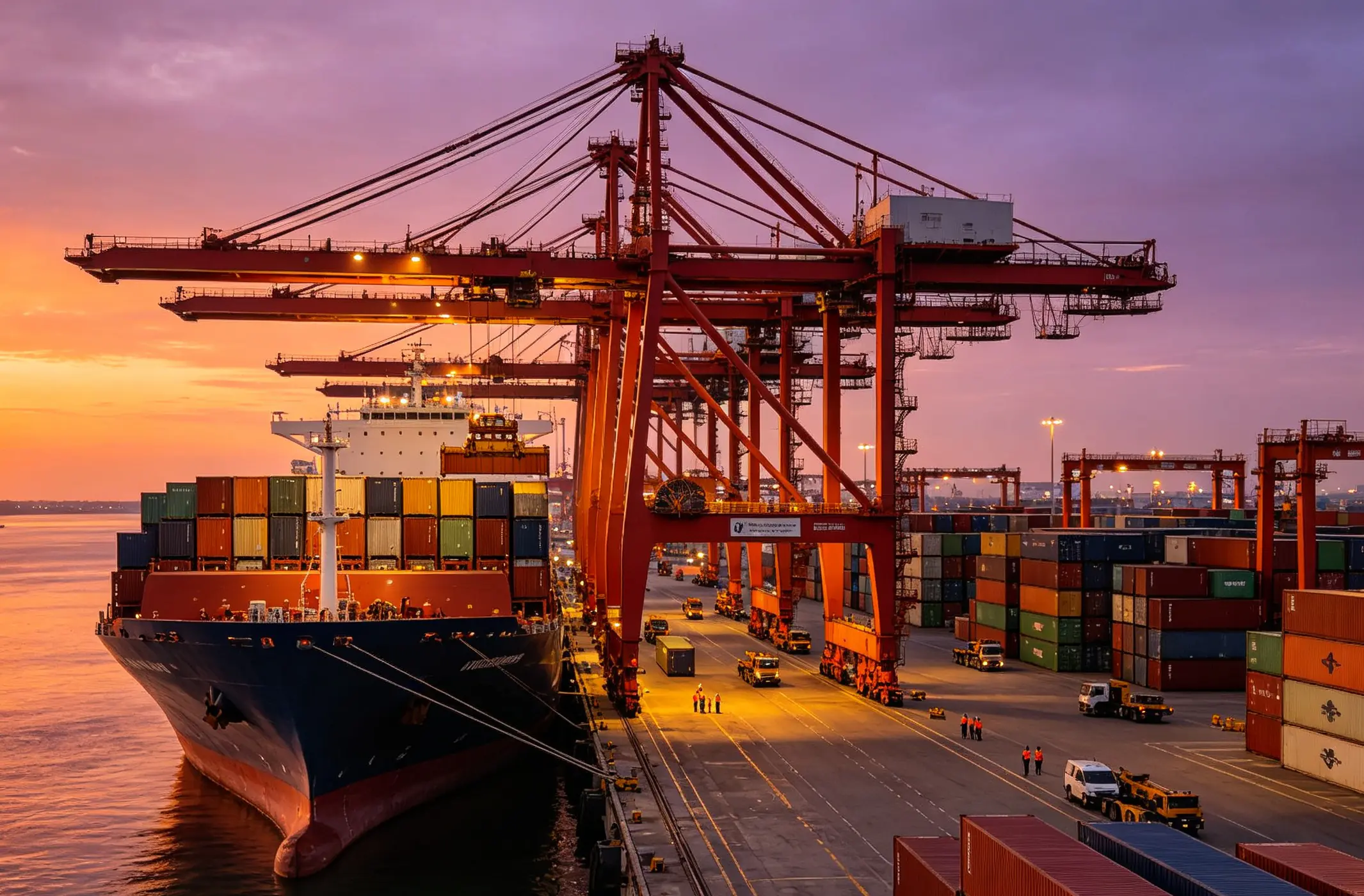
How much should you realistically budget for the shipping cost from Shenzhen to Manzanillo Port in 2026, and why do quotes from different logistics providers often vary by thousands of dollars? Importers frequently face volatile ocean rates, hidden peak season surcharges, and confusing trade terms that inflate the total landed cost far beyond the initial quoted sea freight.
As an experienced Freight Forwarder headquartered in Shenzhen, our team at Efanda Logistics handles thousands of TEUs along the China-to-Mexico corridor annually. We’ve seen firsthand how a single missing document can cost weeks of delays. This comprehensive guide breaks down the exact 2026 container shipping rates based on real market conditions, provides a complete landed cost walkthrough for your cargo, shares vital seasonal market intelligence, and reveals proven strategies to dramatically cut your logistics expenses on the highly demanded Shenzhen-Manzanillo trade lane.
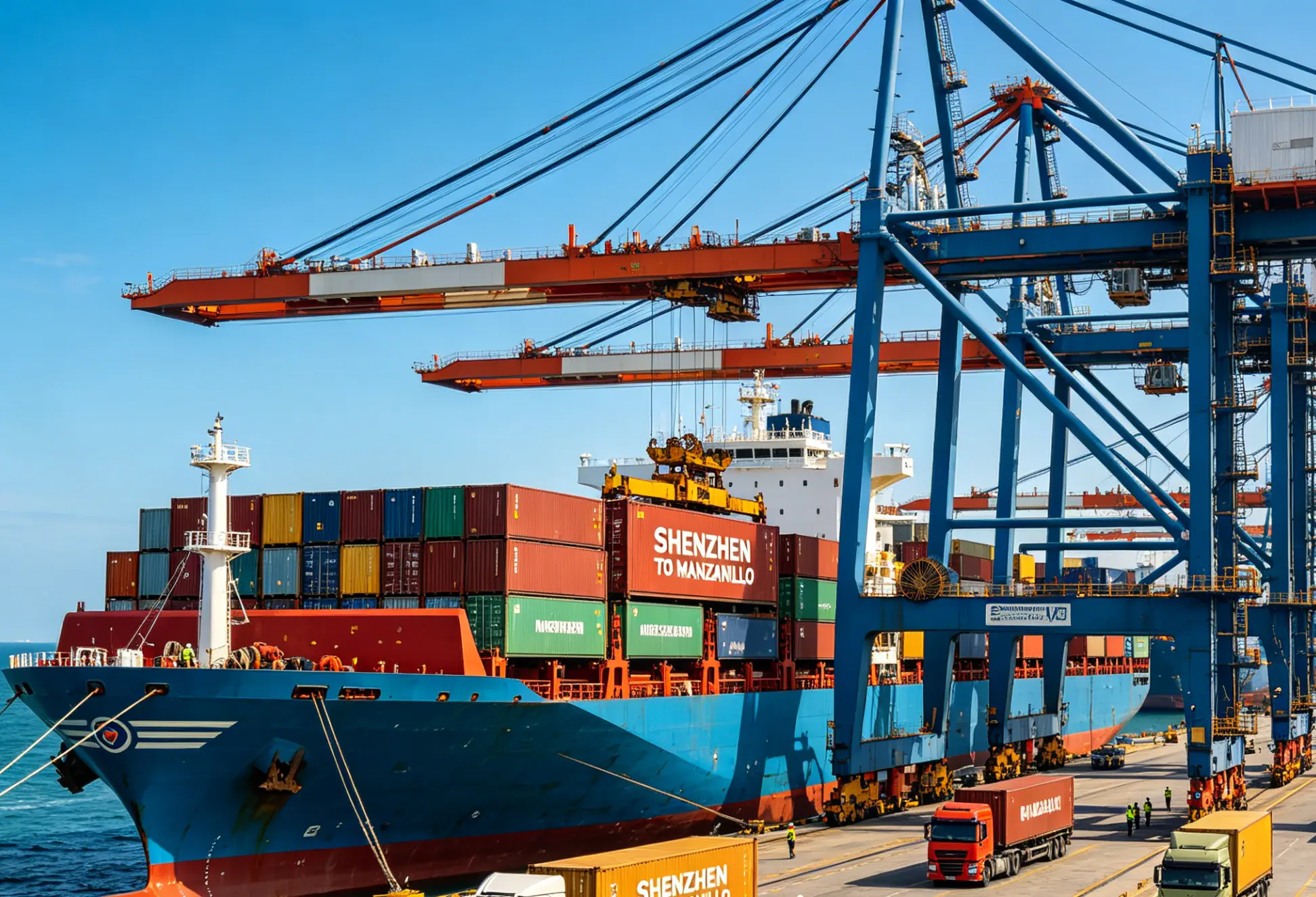
Why the Shenzhen-Manzanillo Lane Matters for Your Supply Chain
The trade corridor connecting Shenzhen to Manzanillo is the fastest and most cost-efficient route for Asian imports entering Central and Western Mexico. For businesses evaluating broader national logistics strategies, exploring comprehensive solutions for shipping from China to Mexico is highly recommended. As a South China manufacturing hub, Shenzhen offers unparalleled proximity to factories in Guangdong and the Pearl River Delta, drastically reducing your inland haulage costs compared to trucking goods to Shanghai or Ningbo.
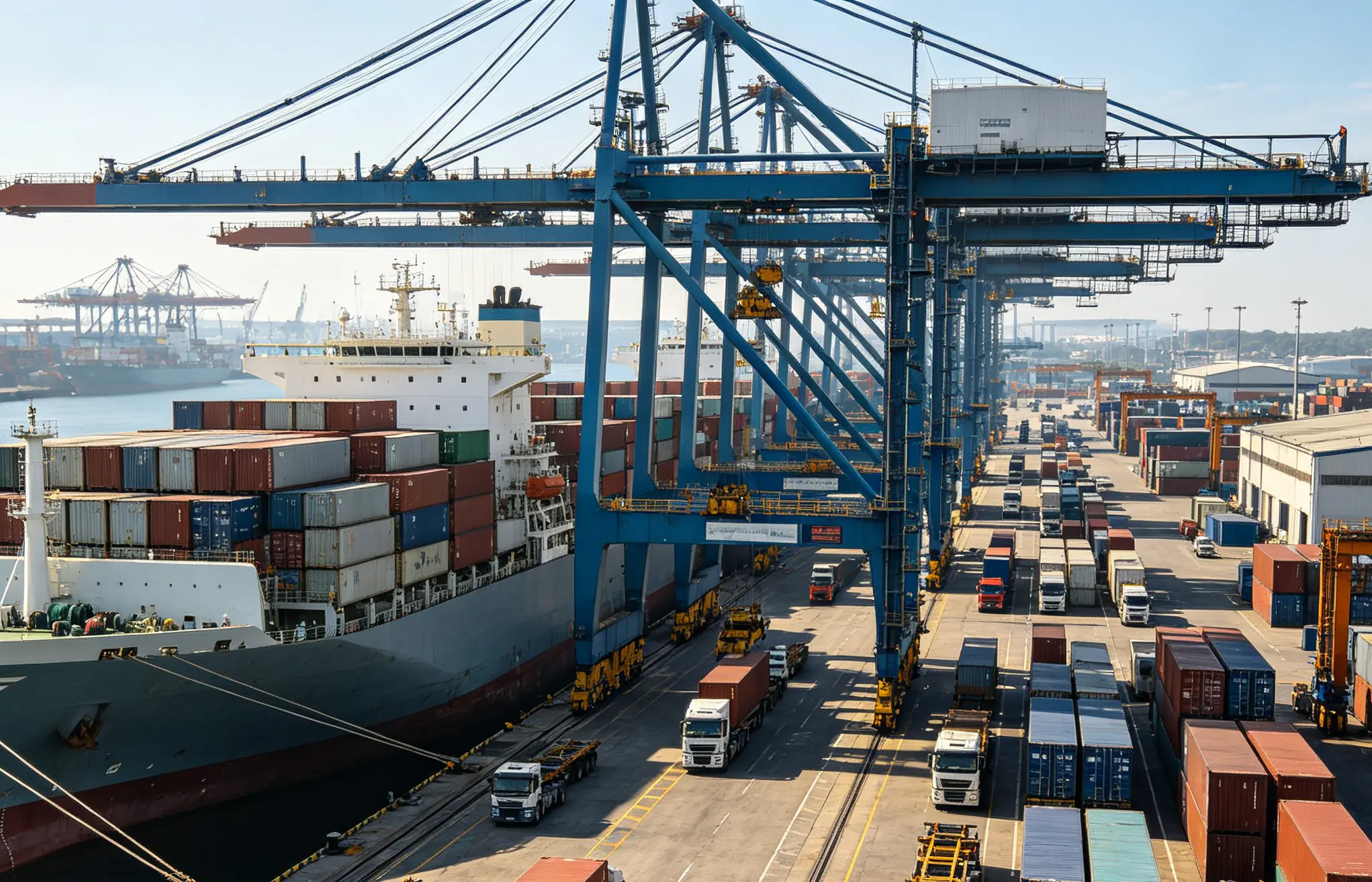
When selecting a departure terminal in Shenzhen, importers can choose between Yantian, Shekou, and Chiwan. In our experience managing high-volume shipments out of Shenzhen, we typically route time-sensitive Mexico-bound cargo through Yantian, as it offers the highest sailing frequency and the most direct carrier coverage. However, for a recent client moving heavy machinery, we successfully utilized Shekou as an excellent alternative for oversized cargo and breakbulk, while Chiwan often features budget-friendly carrier options for flexible schedules. On the receiving end, Manzanillo Port acts as Mexico’s largest and busiest Pacific gateway, handling approximately 60% of all Asian imports. It boasts direct rail and trucking links to major industrial centers like Mexico City, Guadalajara, and Monterrey. Driven by the nearshoring manufacturing boom, demand on this specific lane has surged, making an optimized shipping strategy more crucial than ever.
Current Shipping Costs: Shenzhen to Manzanillo (2026 Rates)
As of June 2026, container shipping rates from Shenzhen to Manzanillo reflect a highly dynamic market driven by carrier capacity and seasonal demand. The prices below represent live market contracts rather than generic database estimates, giving you a precise baseline for your budget.
| Shipping Service | Standard All-In Price Range (USD) |
|---|---|
| 20ft GP Container (FCL) | $2,200 – $3,400 |
| 40ft GP Container (FCL) | $3,100 – $4,600 |
| 40ft HC Container (FCL) | $3,300 – $4,900 |
| LCL Consolidation (Sea Freight) | $75 – $165 per CBM |
| DDP Door-to-Door (LCL) | $95 – $190 per CBM |
| DDP Door-to-Door (40ft HC) | $4,800 – $7,200 |
Disclaimer: Ocean freight rates are subject to weekly market volatility. These estimates reflect Port-to-Port base sea freight unless labeled as DDP. Origin and destination handling fees are not included in the standard FCL/LCL rates.
Complete Landed Cost Breakdown: A Real-World Example
To understand your true financial commitment, you must calculate the total landed cost, which includes origin fees, ocean freight, destination terminal charges, Customs Clearance, and Mexican taxes.
To provide full transparency—a core value at Efanda Logistics—we always advise clients to look beyond the base rate. Imagine you are shipping a 20ft container of electronics from Shenzhen (Yantian) to Manzanillo under FOB terms. The cargo has a volume of 15 CBM, weighs 8,500 kg, and holds a commercial value of $48,000. Here is how your actual costs break down based on a recent real-world shipment:
| Cost Component | Estimated Cost Range (USD) | Details |
|---|---|---|
| Origin Port Handling & Docs | $180 – $320 | THC, B/L issuance, export clearance |
| Ocean Freight (20ft GP) | $2,200 – $3,400 | Base sea freight rate |
| Bunker Adjustment Factor (BAF) | $180 – $350 | Carrier fuel surcharge |
| Destination THC | $220 – $380 | Terminal Handling Charge at Manzanillo |
| Customs Clearance (Mexico) | $200 – $400 | Customs broker fees and SAT filing |
| Import Duty | ~$3,840 | Assuming an 8% average duty on $48,000 |
| VAT / IVA | ~$8,294 | 16% calculated on (CIF Value + Import Duty) |
| Inland Delivery | $650 – $1,100 | Trucking from Manzanillo to Mexico City |
| Total Landed Cost Estimate | $15,764 – $18,084 | Excludes Cargo Insurance |
The key takeaway is that the pure ocean freight only accounts for about 15% to 20% of your total landed cost. When calculating overall freight costs from China to Mexico, remember that import duties and the 16% Mexican VAT (IVA) heavily dominate the final expense.
FCL vs. LCL: Which Is Right for Your Shipment?
Choosing between FCL (Full Container Load) and LCL (Less than Container Load) depends entirely on your cargo volume, budget, and delivery timeline.
| Decision Factor | FCL (Full Container Load) | LCL (Less than Container Load) |
|---|---|---|
| Best For | Volumes over 15 CBM, high-value goods | Small shipments, samples, under 12 CBM |
| Cost Structure | Flat rate per container | Charged per CBM or metric ton |
| Transit Speed | Faster (direct loading and unloading) | Slower (requires consolidation/deconsolidation) |
| Security | High (sealed at origin until destination) | Moderate (shared container space) |
The break-even analysis for the Shenzhen-Manzanillo route shows that FCL generally becomes cheaper than LCL when your cargo volume reaches 13 to 15 CBM. At this point, the flat rate of a 20ft container (which holds up to 28 CBM) is more economical than paying the per-CBM LCL rate. When shipping LCL, remember the “Weight or Measure” (W/M) rule: carriers charge based on whichever is greater—the actual volume in CBM or the weight calculated at 1,000 kg per CBM.
Transit Times: What to Expect from Shenzhen to Manzanillo

The average port-to-port transit time from Shenzhen to Manzanillo ranges from 18 to 28 days via direct Pacific service. However, your complete door-to-door cycle will realistically take between 28 and 42 days once you factor in origin handling, export customs, import clearance, and inland trucking.
Several variables can impact your timeline. Yantian Port offers the most frequent and direct sailings to Mexico, making it the fastest option. Delays typically occur due to severe port congestion at Manzanillo, strict SAT (Servicio de Administración Tributaria) customs inspections, or blank sailings implemented by carrier alliances (like 2M, Ocean Alliance, and THE Alliance) during slow periods. Furthermore, major Mexican holidays can significantly slow down customs processing and inland transportation.
Hidden Costs & Surcharges You Must Budget For
Many importers fall into the trap of accepting a cheap initial quote, only to be hit with hidden surcharges upon arrival. To accurately forecast your budget, watch out for these standard carrier fees:
- BAF (Bunker Adjustment Factor): A fuel-linked surcharge that typically adds $150 to $400 per container.
- CAF (Currency Adjustment Factor): Protects carriers against exchange rate volatility, costing around $50 to $150.
- PSS (Peak Season Surcharge): Implemented during high-demand months (August to October) and pre-Chinese New Year, adding $200 to $800 per container.
- Low Sulphur Surcharge: An environmental compliance fee adding $50 to $150.
- Customs Clearance: To avoid port storage fees, always pre-clear your goods. Ensure your HS codes and NOM certificates are flawless.
- Demurrage & Detention (D&D): You usually get 5 to 7 free days at Manzanillo. Exceeding this window incurs penalties of $60 to $140 per day.
- Documentation Fees: Any amendments to your Bill of Lading (B/L) or Commercial Invoice can cost $50 to $150 per correction.
Seasonal Rate Calendar: When to Book for the Best Price
Ocean freight rates fluctuate dramatically throughout the year based on manufacturing cycles and holiday demand. Understanding this seasonal calendar is vital for locking in the best rates.
- January–February: The pre-Chinese New Year rush causes rates to spike by 15% to 25%. You must book space 4 to 5 weeks in advance.
- March–May: The post-holiday lull offers the lowest rates of the year, making it the ideal time to negotiate annual carrier contracts.
- June–July: Demand builds gradually, keeping rates relatively stable.
- August–October: The global peak season for back-to-school and holiday inventory. Expect the highest rates of the year and severe space shortages.
- November–December: Rates soften as the pre-Golden Week rush subsides, but Mexican holidays like Day of the Dead and the Christmas season will slow down destination handling.
Navigating Mexican Customs at Manzanillo
Clearing customs in Mexico is notoriously complex, and the SAT strictly enforces documentation accuracy. A single missing certificate can result in weeks of delay.
Since 2024, it is absolutely mandatory for the Mexican importer to possess an active RFC (Registro Federal de Contribuyentes) tax ID. Without it, your cargo will not clear customs. Your mandatory documentation checklist must include a flawless Bill of Lading (B/L), a detailed Commercial Invoice & Packing List, a Certificate of Origin, and the Import Pedimento filed by your licensed Mexican customs broker.
Customs delays can derail your entire supply chain. Recently, our compliance team pre-screened a client’s HS codes and commercial invoices for a shipment to Mexico, preventing a potential 2-week hold at the destination port due to missing NOM compliance (Normas Oficiales Mexicanas) certification documentation for their electronics. To ensure a smooth “Green Channel” automatic clearance, we strongly recommend implementing a pre-clearance strategy by submitting all documents to your broker at least 72 hours before the vessel arrives at Manzanillo.
Cargo Insurance & Risk Mitigation for Mexico-Bound Shipments
Investing in Cargo Insurance is a non-negotiable best practice for shipments terminating in Mexico. You must protect your supply chain against theft during inland trucking, damages from customs inspections, and rough handling during transshipments.
Standard all-risk insurance coverage typically costs between 0.3% and 0.5% of your cargo’s CIF value. Always opt for “All-Risk” policies rather than basic FPA (Free of Particular Average) plans. If your container arrives damaged, document everything immediately with photographs before opening it fully, and notify your insurer within 48 hours to validate your claim.
Amazon FBA Mexico: Shipping from Shenzhen to Manzanillo for E-Commerce Sellers
E-commerce sellers are increasingly utilizing the Shenzhen-Manzanillo lane to supply the rapidly expanding Amazon FBA Mexico market. Shipping to FBA centers requires much stricter compliance than traditional B2B logistics.
Amazon strictly enforces labeling (FNSKU), specific pallet standards (ISPM-15 compliance), and carton weight limits. Your Freight Forwarder must schedule delivery appointments with FBA centers like MEX1, MEX2, or GDL1 through the Carrier Central portal. For FBA sellers, strict adherence to packaging and routing requirements is non-negotiable. Utilizing LCL consolidation is often best for seasonal restocks, while high-volume sellers should consolidate multiple SKUs into a single FCL to lower the per-unit shipping cost. We recently managed a multi-container shipment from China to an FBA center in Mexico, handling labeling, palletizing, and direct delivery without incurring any Amazon rejection fees. At Efanda Logistics, our dedicated logistics specialists manage the entire FBA Mexico routing process to ensure zero rejection at the Amazon warehouse.
Incoterms for Shenzhen-Manzanillo Shipments: Which Should You Choose?
Selecting the correct Incoterms dictates who bears the cost and risk during international transit. If you are torn between the most popular terms, exploring the differences in FOB vs CIF is a crucial first step.
- FOB (Free On Board): You control the ocean freight and choose your forwarder. This is highly recommended for experienced importers seeking the best sea freight rates.
- CIF (Cost, Insurance, and Freight): The Chinese supplier manages the ocean transit. While it seems easy, suppliers often add hidden markups to the freight cost.
- EXW (Ex Works): Offers maximum flexibility but requires you to handle inland pickup from the Chinese factory to the Shenzhen port.
- DDP (Delivered Duty Paid): The ultimate hassle-free solution. Your freight forwarder handles everything from factory pickup in China to final delivery in Mexico, including all customs duties and VAT.
How to Choose a Freight Forwarder for the Shenzhen-Manzanillo Route
Partnering with the right logistics provider makes the difference between a profitable import business and endless supply chain headaches.
Look for a forwarder with robust Shenzhen-based operations to handle local factory pickups and warehouse consolidation efficiently. They must offer AEO-certified export clearance in China and maintain strong partnerships with local customs brokers in Manzanillo or Mexico City. Avoid forwarders who provide vague “all-in” quotes without itemizing surcharges or those lacking specific Mexican customs expertise.
Established in 2018 and headquartered in Shenzhen, Efanda Logistics specializes in end-to-end China-to-Mexico supply chain solutions. We offer transparent, highly competitive pricing with zero hidden fees, and every client receives a dedicated logistics specialist for real-time tracking and personalized support.
5 Proven Ways to Reduce Your Shenzhen-Manzanillo Shipping Costs
- Negotiate Annual Rate Contracts in Q2: Utilize the low-season months (March to May) to lock in fixed carrier rates for the next 12 months, shielding yourself from peak season spikes.
- Consolidate Multiple Supplier Orders: Use a warehouse in Shenzhen to combine smaller orders from different factories into a single FCL shipment rather than paying premium rates for multiple LCL shipments.
- Control the Freight with FOB Terms: Take charge of your logistics by buying FOB. This prevents suppliers from inflating CIF freight costs and gives you full visibility into transit times.
- Optimize Container Loading: If shipping light but bulky goods, upgrade to a 40ft High Cube (40HC) instead of a standard 40GP. Maximizing your CBM utilization drastically lowers your per-unit shipping cost.
- Pre-Clear Mexican Customs: Submit your Pedimento, Commercial Invoice, and NOM documents to your Mexican broker 72 hours before vessel arrival to eliminate expensive port demurrage and detention fees.
FAQ
How much does it cost to ship a 20ft container from Shenzhen to Manzanillo?
In 2026, the base ocean freight for a 20ft container ranges from $2,200 to $3,400, depending on the carrier and season. This excludes origin handling, customs, and destination fees.
What is the cheapest way to ship from Shenzhen to Manzanillo—FCL or LCL?
If your cargo is under 12 CBM, LCL is the cheapest option. Once your cargo volume exceeds 13 to 15 CBM, upgrading to a dedicated 20ft FCL becomes more cost-effective.
How long does sea freight take from Shenzhen to Manzanillo Port?
Direct port-to-port transit takes 18 to 28 days. However, you should plan for a complete door-to-door timeline of 28 to 42 days to account for customs clearance and inland delivery.
What documents are needed for customs clearance at Manzanillo?
You will need a Bill of Lading, Commercial Invoice, Packing List, Certificate of Origin, Import Pedimento, and any required NOM compliance certificates.
Do I need a Mexican RFC to import through Manzanillo?
Yes. Since 2024, the Mexican importer of record must possess an active RFC (Registro Federal de Contribuyentes) tax ID to clear goods through customs.
Can I ship Amazon FBA cargo from Shenzhen to Manzanillo?
Absolutely. Freight forwarders can handle DDP shipping directly to Amazon FBA centers in Mexico, ensuring all pallet and labeling requirements are strictly met.
What Incoterm is best for first-time importers on this route?
DDP (Delivered Duty Paid) is the safest and easiest term for beginners, as the freight forwarder handles all transportation, customs clearance, and import duties.
Why do shipping rates fluctuate throughout the year?
Rates fluctuate based on carrier capacity, fuel prices (BAF), and seasonal demand peaks, such as the pre-Chinese New Year rush and the August-October global holiday shipping peak.
Is cargo insurance required for shipments to Mexico?
While not legally required by customs, it is highly recommended. For 0.3% to 0.5% of your cargo value, it protects you against port theft, damage, and container loss.
How do I get an accurate quote for my specific shipment?
Provide your forwarder with the exact cargo weight, dimensions, HS Code, pickup address in Shenzhen, delivery address in Mexico, and your preferred Incoterms to receive a binding, itemized quote.
Conclusion
The Shenzhen to Manzanillo corridor is a highly strategic and cost-efficient trade lane, but your total landed cost relies on much more than the base ocean freight quote. By understanding seasonal rate fluctuations, mastering Mexican customs compliance, and optimizing your container loads, you can transform your logistics into a competitive advantage. Take action today by auditing your current Incoterms and securing annual rates during the low season.
For transparent, itemized shipping cost from Shenzhen to Manzanillo Port quotes with zero hidden fees, contact Efanda Logistics. Headquartered in Shenzhen since 2018, we provide end-to-end sea freight, customs clearance, and door-to-door delivery, ensuring your cargo arrives safely and on time.