With bilateral trade flourishing, importing high-quality goods via sea shipping from China to Angola is more profitable than ever, but navigating the logistics to West Africa can be challenging. Importers often struggle with fluctuating FCL sea freight rates from China to Luanda, notorious port congestion, and strict compliance requirements like the mandatory CNCA certificate. This comprehensive guide will break down the cheapest way to ship from China to Angola, provide up-to-date rates and transit times, and share insider tips from a senior freight forwarder China to Africa to help you avoid hidden fees like Demurrage & Detention (D&D). For importers expanding across the continent, we also provide specialized logistics solutions for shipping from China to Nigeria and shipping from China to South Africa.
Sea Freight vs. Air Freight: Making the Right Choice
When planning your supply chain, understanding the balance between cost and transit time is critical. Choosing the wrong mode of transport can severely impact your profit margins.
When to Choose Air Freight:
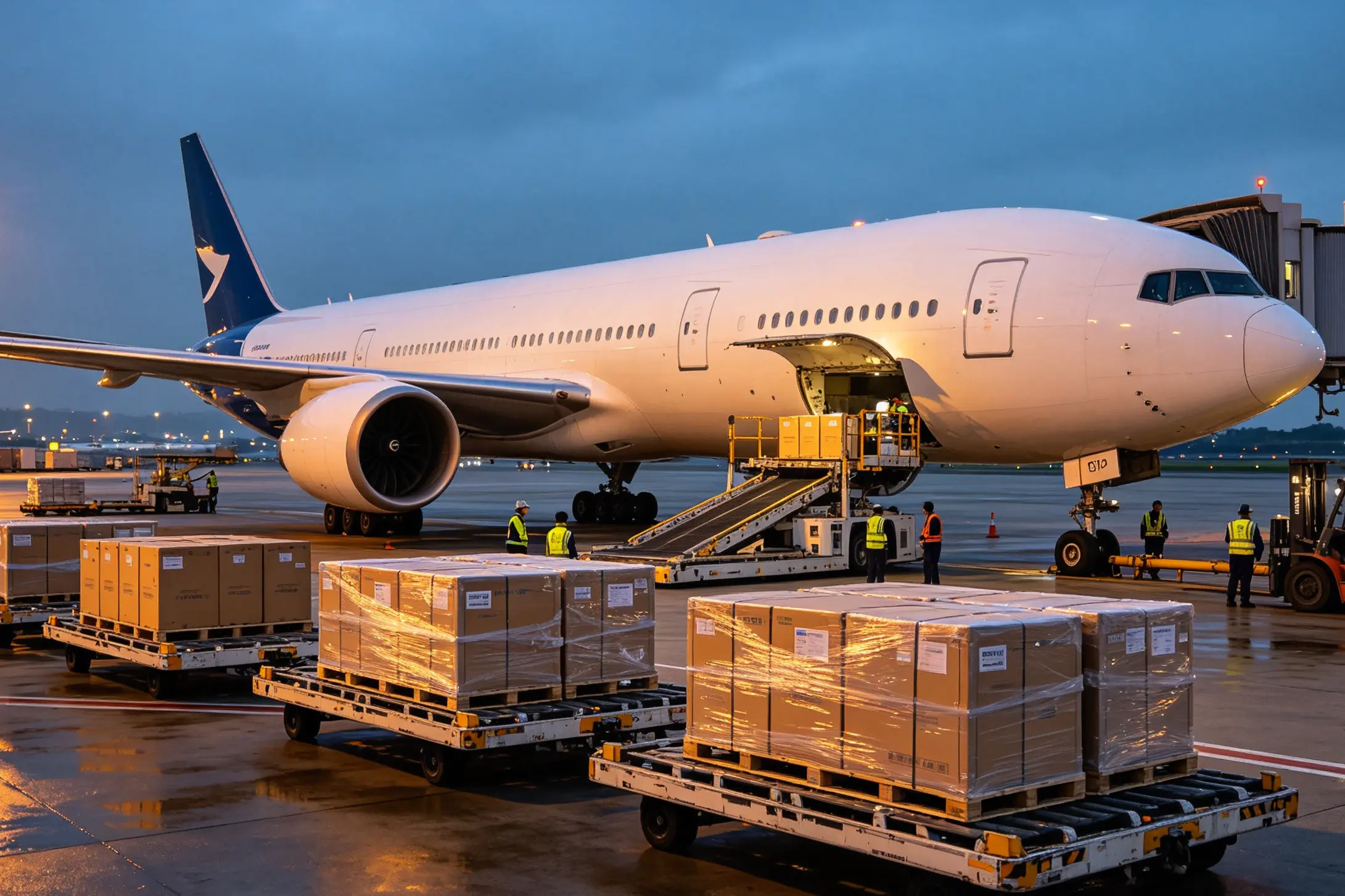
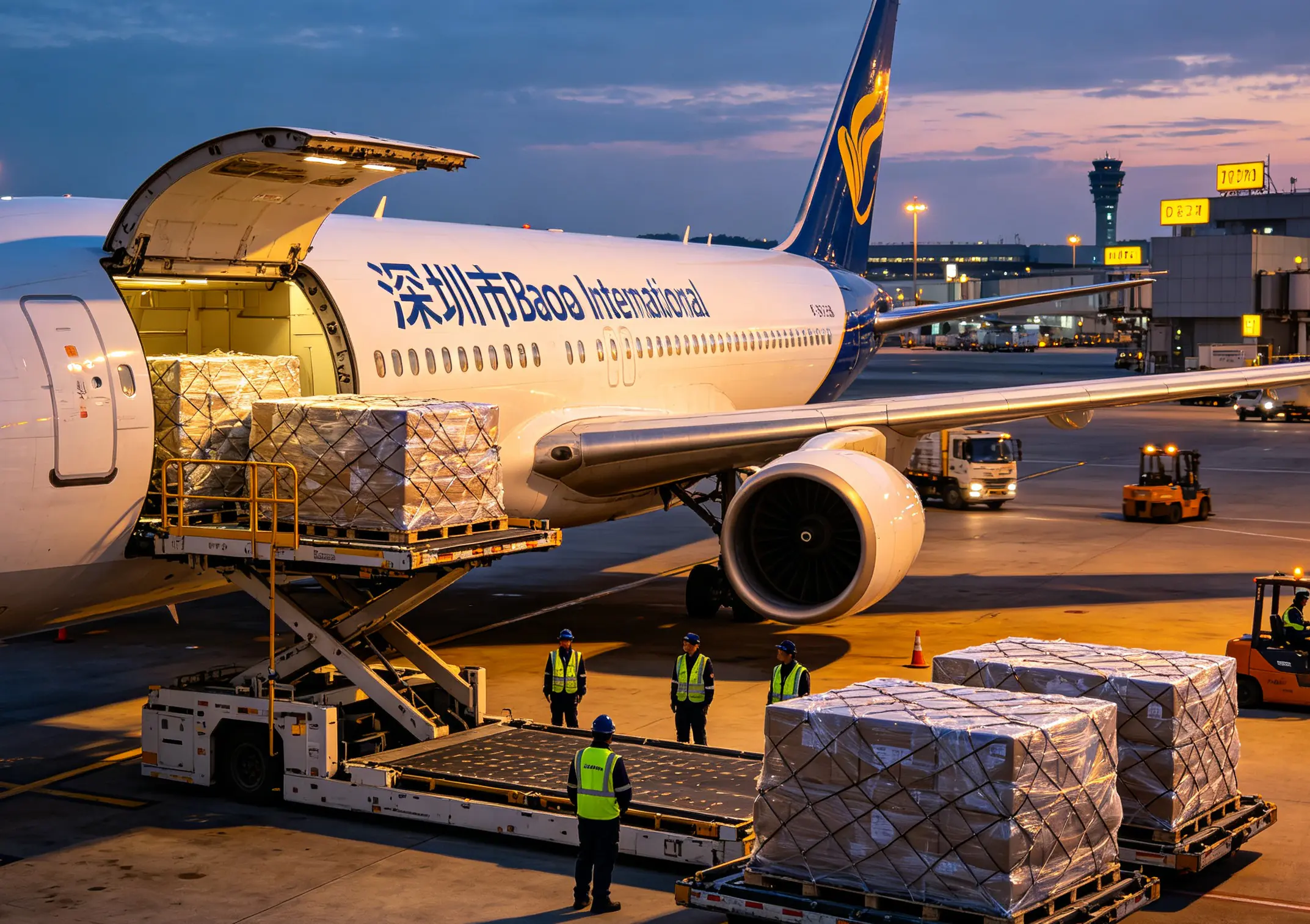
Air freight is the go-to option for urgent, high-value, or low-weight shipments, typically documented by an Air Waybill (AWB). With transit times typically ranging from 3 to 7 days, it is ideal for electronics, medical supplies, or urgent replacement parts. However, the premium speed comes with a premium price tag, making it less viable for large commercial orders.
Why Sea Shipping is Dominant:
Despite longer transit times, sea freight remains the undisputed choice for the vast majority of imports to Angola. It is by far the most cost-effective method for bulk cargo, construction materials, steel, and heavy machinery. A reliable freight forwarder China to Africa will help you plan your inventory cycles around sea freight schedules, maximizing your cost savings.
Shipping Modes: FCL, LCL, RoRo, and DDP
Selecting the appropriate shipping mode is the first step in optimizing your logistics strategy.
FCL (Full Container Load)
FCL (Full Container Load) is the standard for large volume shipments. You rent the entire container (typically a 20ft or 40ft box) for your goods. This mode offers better security and faster handling at ports since the container isn’t opened until it reaches its final destination. Later in this guide, we will explore the current FCL sea freight rates from China to Luanda.
LCL (Less than Container Load)
If your cargo volume isn’t enough to fill a whole container, LCL (Less than Container Load) is the perfect solution. Your goods share container space with other shipments. If you are unsure which mode is best for your specific cargo volume, our detailed guide on fcl vs lcl shipping breaks down the cost and speed differences. For small and medium-sized enterprises (SMEs), LCL is often the cheapest way to ship from China to Angola, allowing for flexible inventory management without the cost of a full container.
RoRo Shipping
RoRo shipping from China to Angola stands for Roll-on/Roll-off. This specialized service is designed for wheeled cargo such as cars, trucks, trailers, and heavy construction machinery that can be driven on and off the vessel.
Door-to-Door Shipping (DDP)
For importers looking for a hassle-free experience, door to door shipping China to Angola DDP (Delivered Duty Paid) is an excellent choice. This is a seamless, end-to-end solution where your Freight Forwarder handles everything: factory pick-up in China, export clearance, ocean freight, destination customs clearance, and final delivery to your warehouse in Angola.
Cost and Transit Time Breakdown (China to Luanda)
To help you budget effectively, here is a snapshot of the estimated costs and transit times for shipping from major Chinese ports (like Shenzhen, Guangzhou, and Shanghai) to Luanda.
Please note: The shipping industry is highly volatile. Rates fluctuate based on seasonality, fuel surcharges, and carrier capacity. Always request a real-time quote before finalizing your shipment.
| Shipping Mode | Estimated Cost (USD) | Estimated Transit Time |
|---|---|---|
| FCL (20GP Container) | $2,100 – $4,500 | 35 – 45 Days |
| FCL (40HQ Container) | $2,600 – $5,000 | 35 – 45 Days |
| LCL (per CBM) | $100 – $250 | 40 – 50 Days |
| Air Freight (per kg) | $4.50 – $8.00 | 3 – 7 Days |
| DDP Sea Freight (per CBM) | $150 – $350 | 45 – 55 Days |
When comparing these figures, notice that the LCL shipping time China to Angola is slightly longer than FCL due to the additional time required for consolidation in China and deconsolidation in Luanda.
The Critical CNCA Certificate (Crucial Compliance)
One of the most common pitfalls for new importers is failing to secure the proper documentation. For Angola, the CNCA certificate Angola (Conselho Nacional de Carregadores de Angola) is absolutely non-negotiable.
What is it?
The CNCA is a mandatory loading certificate (waiver) required by the Angolan government for all sea shipments entering the country. It must be applied for and validated before the cargo arrives at the destination port.

The Risks of Non-Compliance:
Arriving in Luanda without a validated CNCA certificate will result in severe consequences. Your cargo will not be cleared by customs, and you will face massive fines. Furthermore, the cargo will sit at the port, racking up exorbitant storage fees.
Expertise Insight:
As a senior freight forwarding team based in Shenzhen, we’ve seen how minor oversights can derail entire supply chains. Recently, the Efanda Logistics compliance team pre-screened a client’s HS codes and Commercial Invoice & Packing List for a shipment to Luanda. We discovered that their previous supplier had failed to initiate the CNCA process. By catching this early and expediting the certification, we prevented a potential 2-week hold at the destination port, saving the client thousands of dollars in penalties.
Luanda Port Customs Clearance & Import Duties
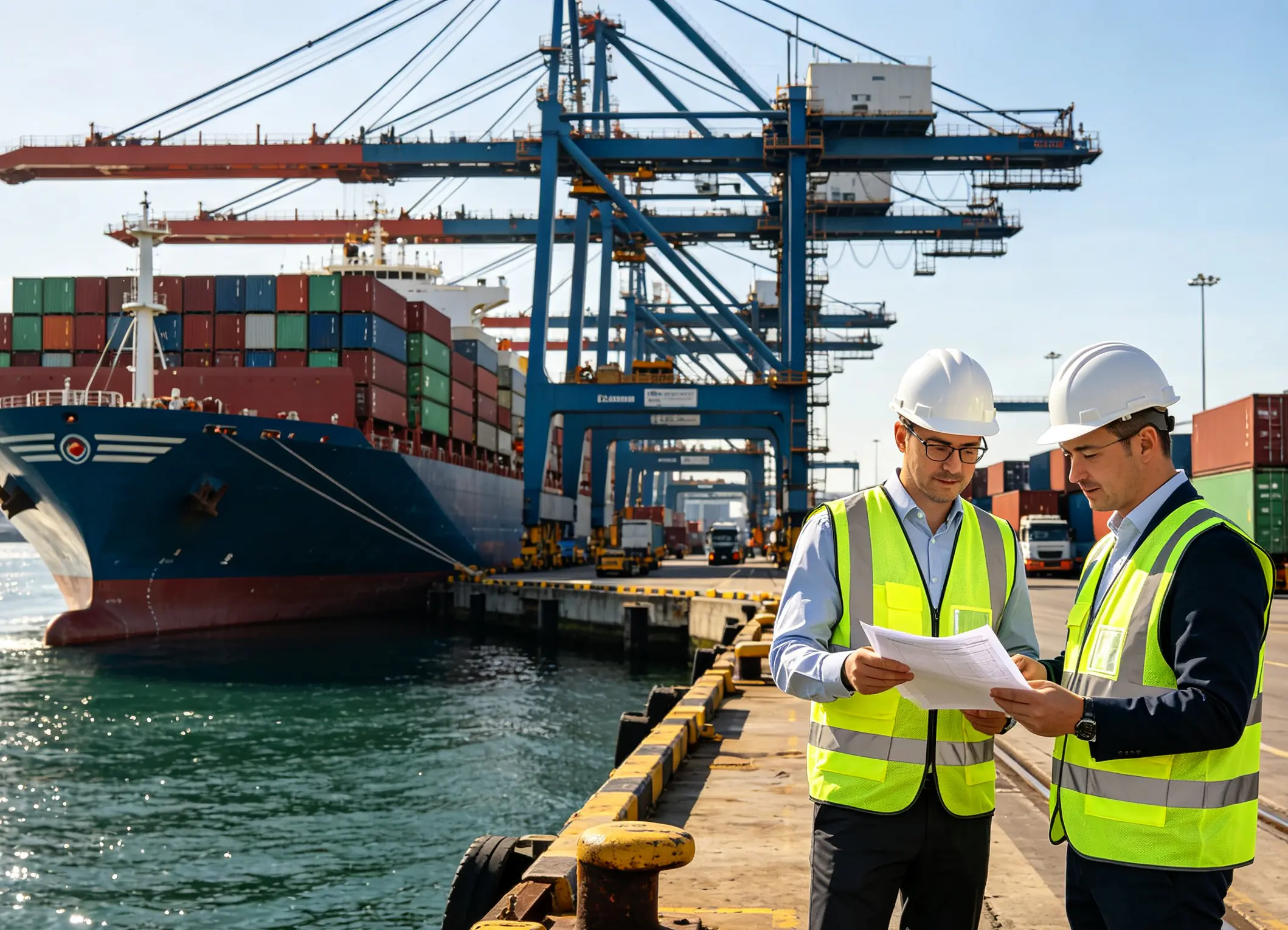
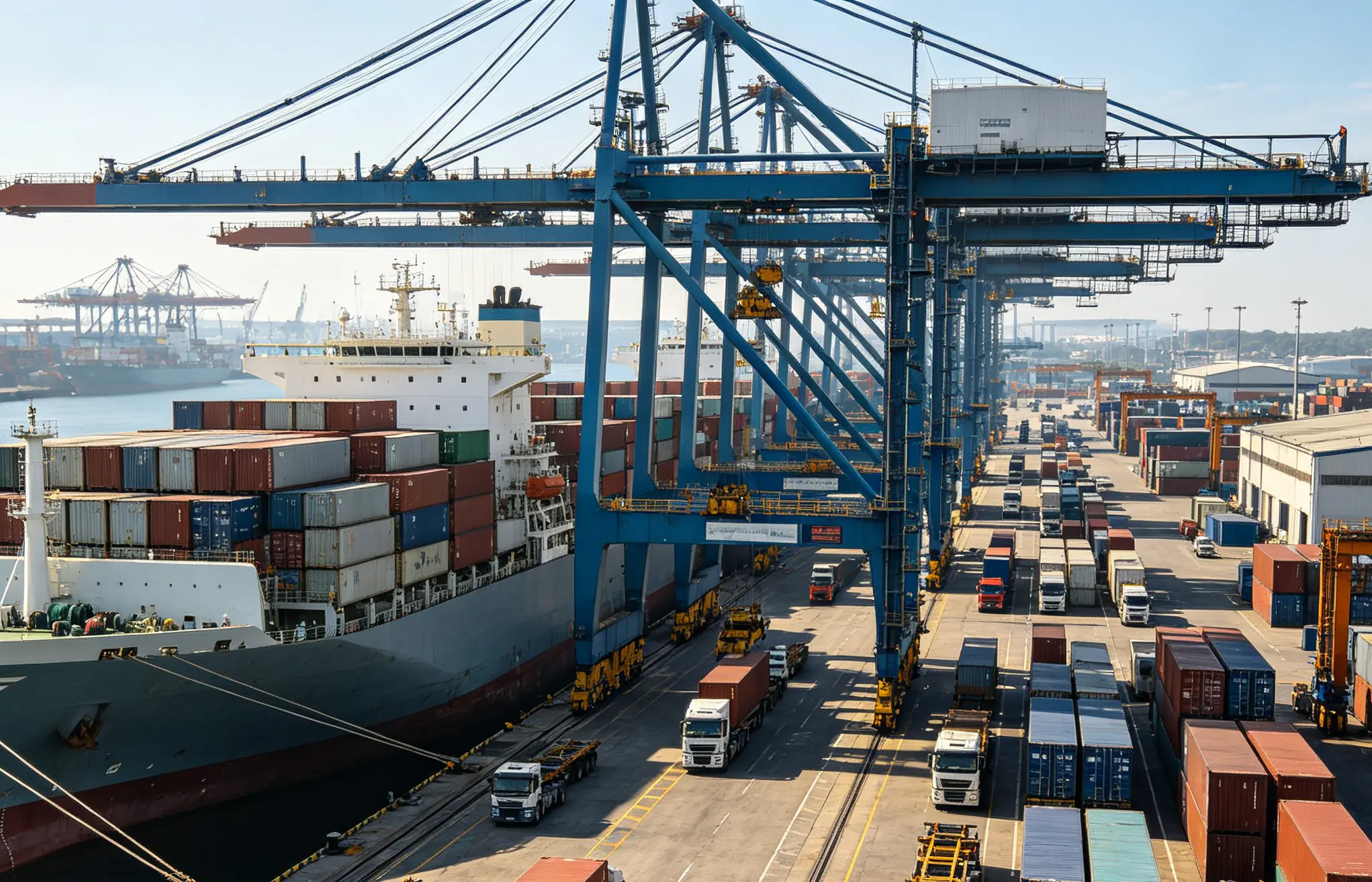
Successfully navigating Luanda port customs clearance requires meticulous preparation and local expertise. The port is known for heavy congestion, which can cause significant delays if your paperwork isn’t perfect.
Documentation Requirements:
Angola uses the ASYCUDA electronic system for customs declarations. A critical requirement is that key documents, such as the Commercial Invoice & Packing List and the Bill of Lading (B/L), must often be translated into Portuguese. Working with an experienced broker is essential to ensure smooth processing and Customs Clearance.
Import Duties in Angola from China:
Taxes vary significantly based on the product category and its assigned HS Code. Here is a general overview:
- Electronics: 2-10% (e.g., smartphones 2%, TVs 10%)
- Clothing & Footwear: 20-30%
- Machinery: 2-5% (equipment for the oil industry often benefits from lower rates)
- Food Products: 2-50% (basic staples are low, while processed foods are heavily protected)
Managing Hidden Costs:
Luanda is considered one of the more expensive ports in Africa. To mitigate Demurrage and Detention (D&D) fees caused by port congestion, it is crucial to negotiate longer “free time” with the carrier upfront. An experienced freight forwarder will handle these negotiations on your behalf.
Actionable Tips to Reduce Your Shipping Costs
Beyond choosing the right shipping mode, here are three strategic tips to optimize your logistics budget:
- Optimize Incoterms:
Understanding Incoterms FOB CIF EXW Angola is vital. While buying EXW (Ex Works) means you control the whole shipping process, it can be overwhelming. FOB (Free On Board) is often recommended, as your supplier handles local Chinese logistics, and you (via your forwarder) control the international sea freight, ensuring you aren’t overcharged by the supplier’s shipping agent. For a deeper dive into how trade terms affect your risk and costs, check out our comparison of fob vs cif. - Consolidate Shipments:
If you buy from multiple factories in China, don’t ship several small LCL shipments. Use a freight forwarder with warehouse services in Shenzhen or Guangzhou to consolidate your orders into a single FCL shipment. In our experience managing multi-supplier orders, clients who switched to a consolidated FCL model out of our Shenzhen warehouse saved an average of 18% on terminal handling charges. - Manage Risk with Insurance:
Ocean transit is unpredictable. Investing in comprehensive Cargo Insurance from China to Angola is a non-negotiable strategy. The minimal upfront cost protects your bottom line against severe maritime risks, theft, or damage during unloading.
How to Choose the Best Freight Forwarder China to Angola
Selecting the best freight forwarder China to Angola is the most critical decision in your supply chain. You need a partner who offers more than just cheap rates; you need reliability, transparency, and deep market expertise.
Key Criteria to Look For:
- Proven experience handling West African routes and specific knowledge of Luanda port operations.
- Deep understanding of Angolan customs compliance, including CNCA processing.
- Transparent pricing structures with absolutely no hidden fees.
Your Trusted Partner: Efanda Logistics
Established in 2018 and headquartered in the logistics hub of Shenzhen, Efanda Logistics is dedicated to providing end-to-end solutions for your African imports. We provide competitive and transparent pricing based on real market conditions, with absolutely no hidden fees. We are always honest about transit uncertainties and incorporate necessary buffer times. When you ship with us, you are assigned a dedicated 24/7 logistics specialist who tracks your cargo from factory pick-up to final delivery in Angola, ensuring peace of mind every step of the way.
You may be interested in the following related articles:
- shipping from china to tunisia
- shipping from china to senegal
- shipping from china to afghanistan
- shipping from china to morocco
- shipping from china to nigeria
FAQs
How long is the LCL shipping time China to Angola?
Typically, LCL shipping takes between 40 to 50 days. It takes slightly longer than FCL because the cargo must be consolidated with other shipments at the origin port and deconsolidated upon arrival in Luanda.
What happens if my cargo arrives in Luanda without a CNCA certificate?
If your shipment arrives without a validated CNCA certificate, customs will refuse clearance. You will face heavy fines, and your cargo will accumulate expensive port storage and demurrage fees until the issue is resolved.
Is door to door shipping China to Angola DDP available for all types of goods?
DDP services are widely available for most general commercial goods. However, heavily regulated items, dangerous goods, or specialized machinery may require specific import licenses and are typically handled under different terms.
How are import duties in Angola from China calculated?
Import duties are calculated based on the CIF (Cost, Insurance, and Freight) value of your goods and the specific HS Code assigned to the product category. Rates can range from 2% for industrial machinery to 30% or higher for clothing and processed foods.
Conclusion
Mastering sea shipping from China to Angola requires a strategic approach to choosing between FCL and LCL, understanding fluctuating freight rates, and strictly adhering to compliance mandates like the CNCA certificate. By proactively managing your documentation and negotiating favorable terms, you can avoid the costly trap of port congestion and demurrage fees.
Don’t leave your supply chain to chance. Partner with experts who understand the nuances of the African logistics landscape. Contact Efanda Logistics today for a transparent, customized quote, and let our dedicated specialists streamline your shipments from China to Angola.