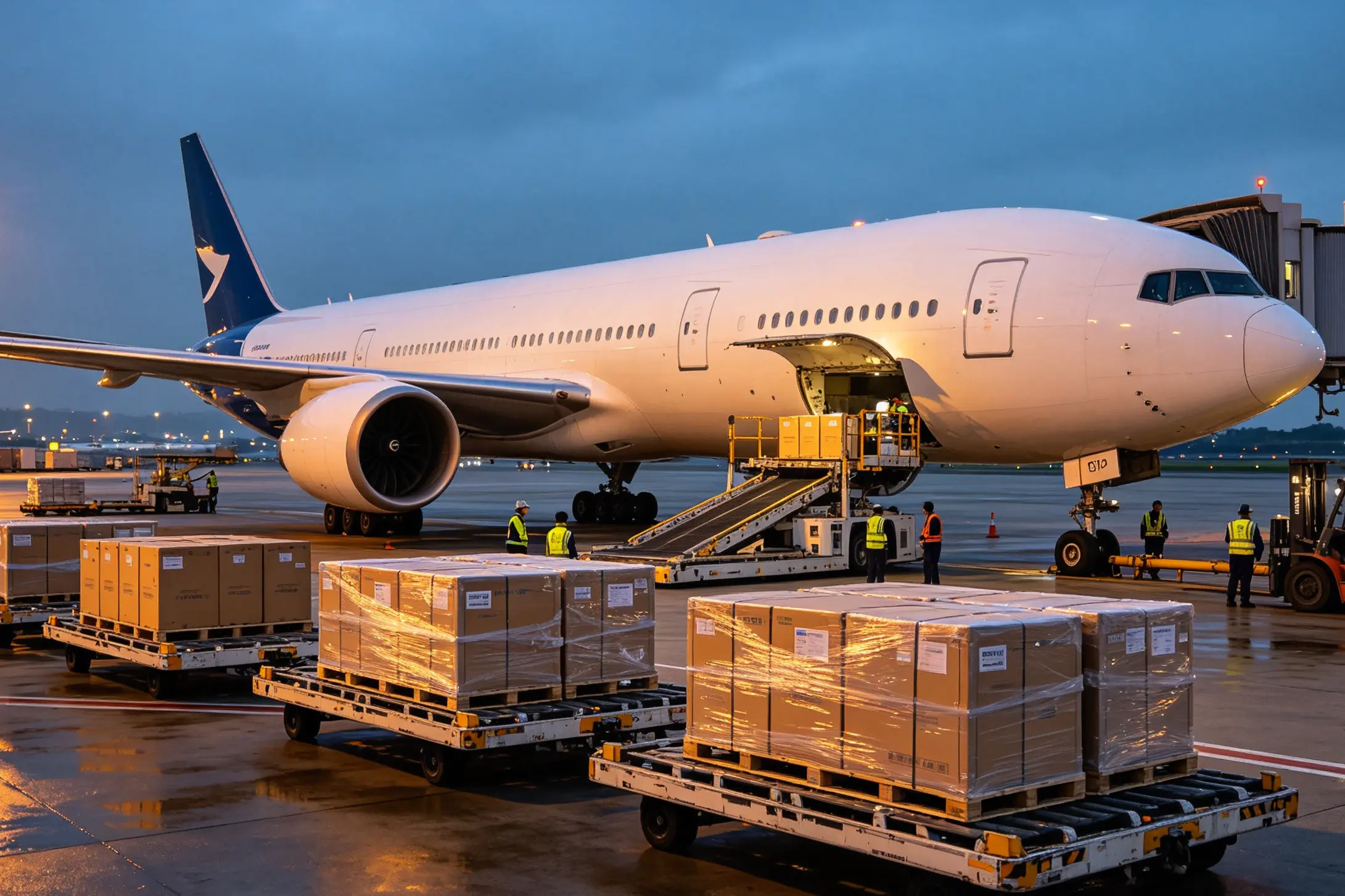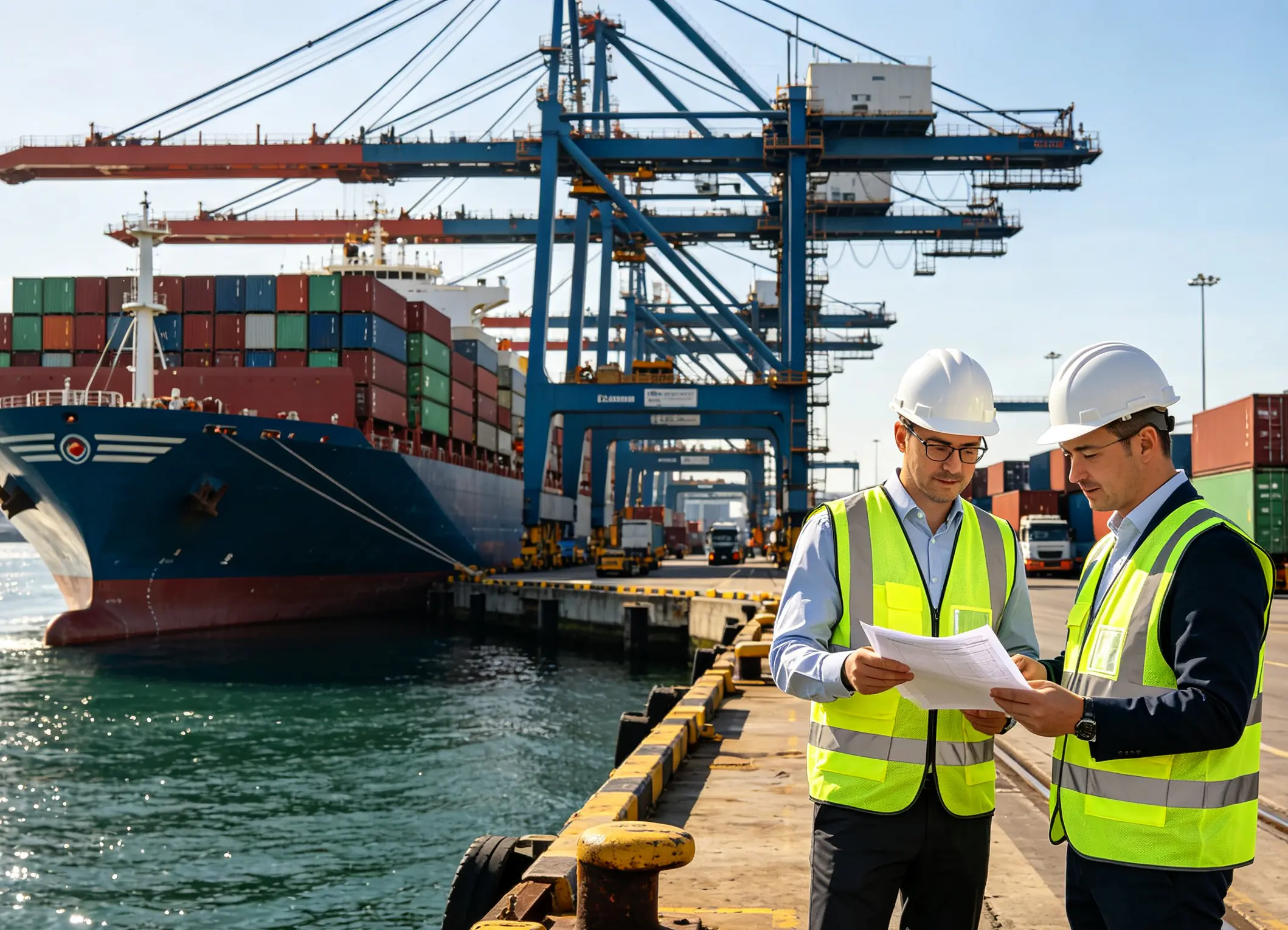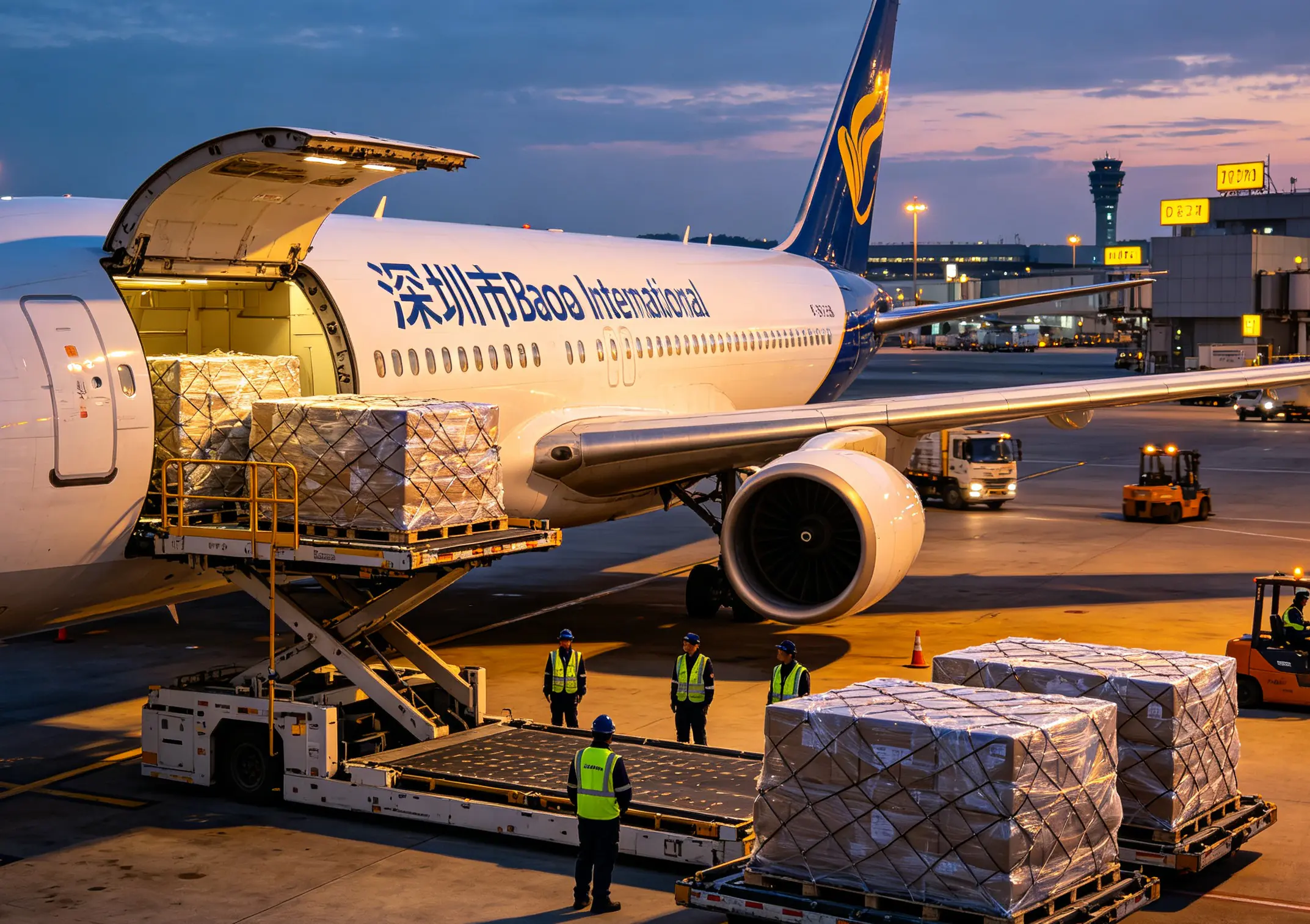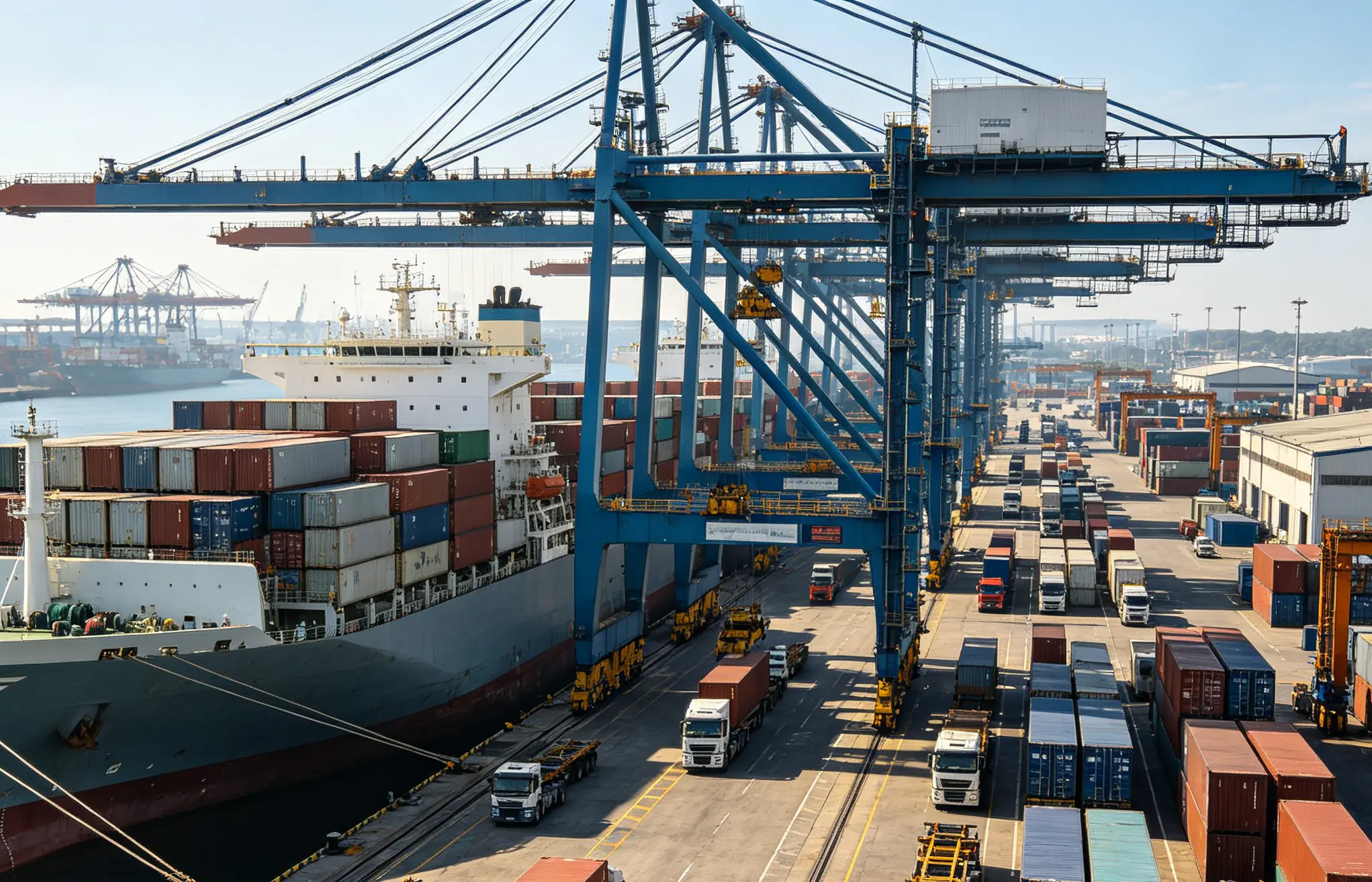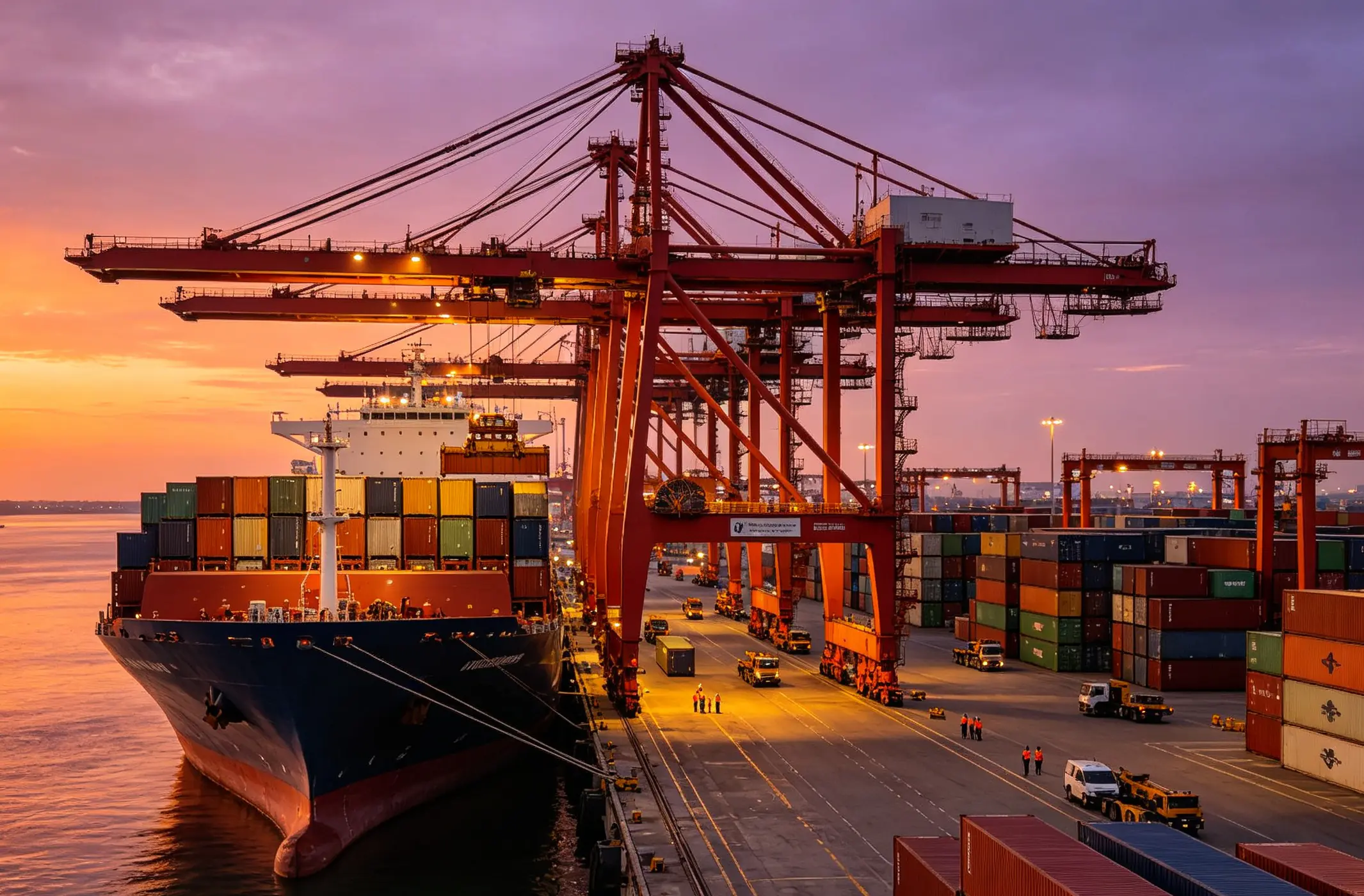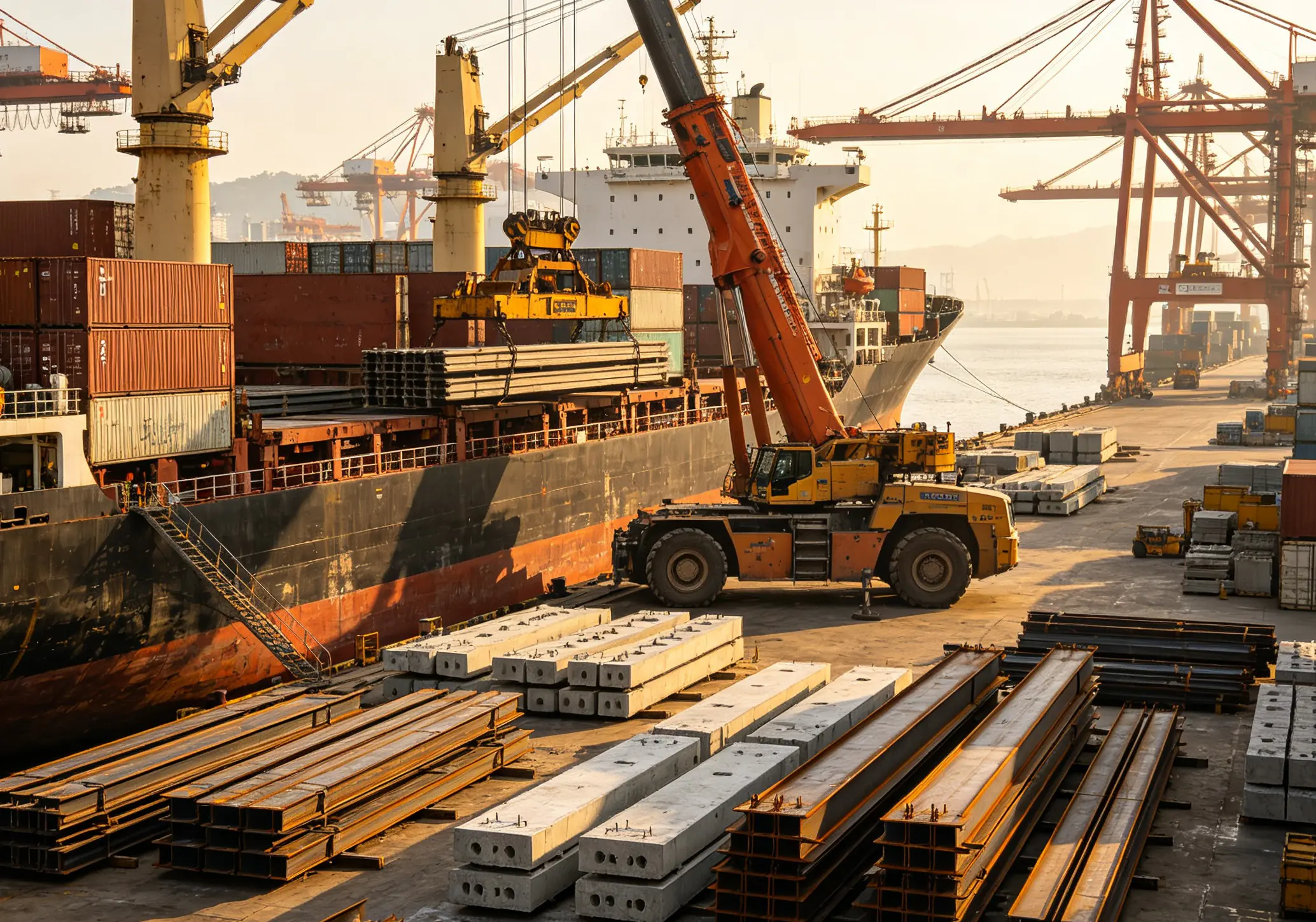
Are you tired of receiving unexpected customs bills, watching your shipments stall at the Port of Manila for days, or discovering “extra charges” that your freight forwarder never mentioned upfront? If you import goods from China to the Philippines, you already know that the final landed cost can drift far from the original quote. This is why more Philippine importers — from small business owners to e-commerce sellers — are switching to DDP Sea Freight from China to the Philippines. In this comprehensive 2026 guide, you will learn exactly how DDP sea freight works, what it actually costs, how long it takes, which documents you need, the hidden destination fees most forwarders leave out, and how to pick a reliable logistics partner that won’t surprise you with last-minute charges.
If you are looking for broader coverage of all transport modes on this route, check our dedicated page on shipping from china to philipines — this article focuses exclusively on the DDP sea freight approach.
What Is DDP Sea Freight?
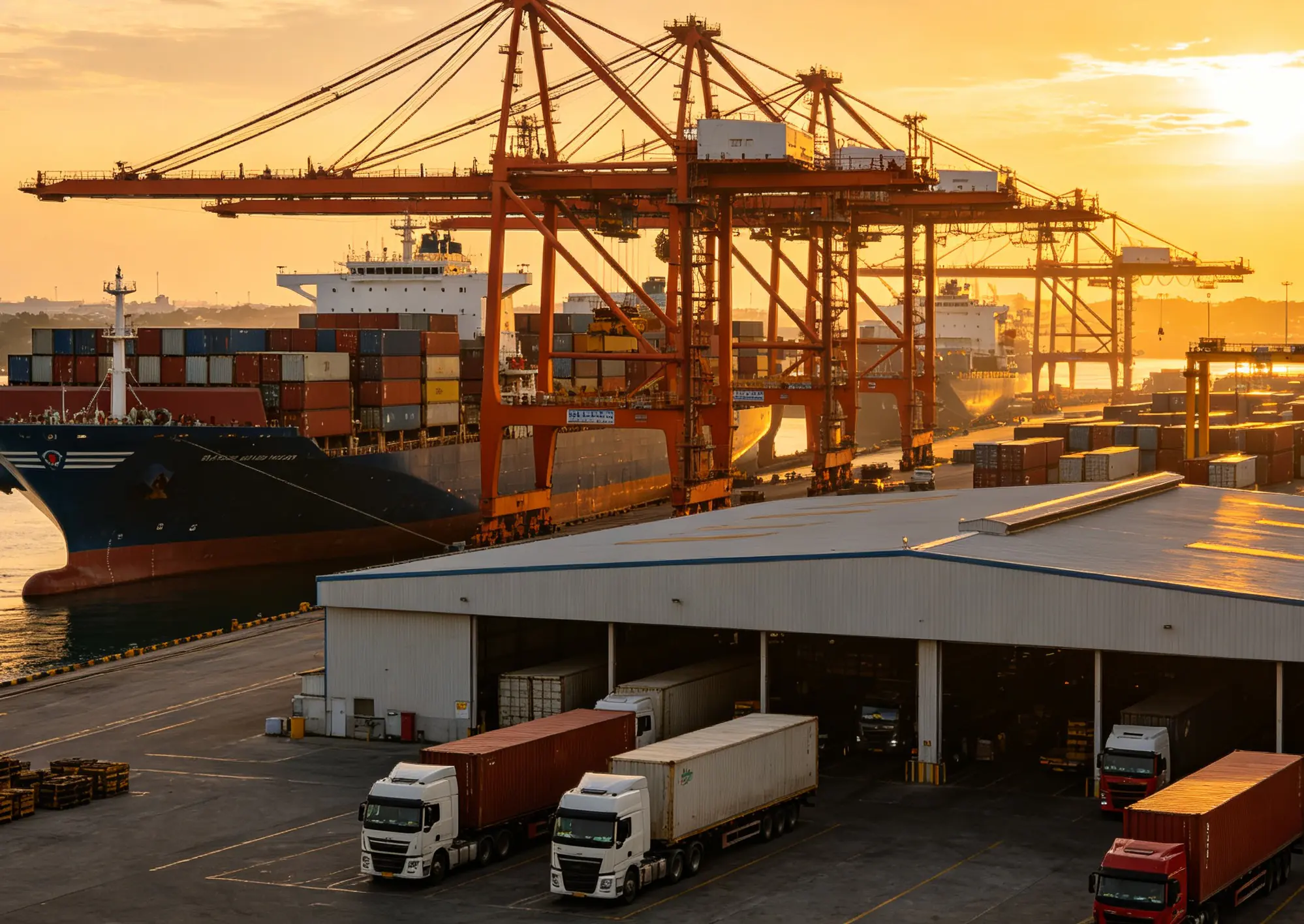
DDP stands for Delivered Duty Paid, a trade term defined under Incoterms 2020 where the seller — or their appointed freight forwarder — assumes full responsibility for shipping costs, export and import Customs Clearance, all import duties and taxes, and final delivery to the buyer’s doorstep. Under a DDP arrangement, the Philippine buyer does not need to hire a separate customs broker, register as an importer with the Bureau of Customs (BOC), or calculate and remit import taxes. The forwarder handles everything end-to-end. If you are new to the Incoterms framework, our primer on ddp shipping explained covers the fundamentals.
In practice, a DDP sea freight shipment from China to the Philippines follows this chain: factory pickup in China → consolidation at a warehouse → export customs declaration → container loading and ocean transport → arrival at a Philippine port (Manila, Cebu, or Davao) → BOC electronic filing via the e2m system → duty and VAT payment → container devanning → truck delivery to the recipient’s address. The buyer simply receives the goods.
This model has become especially popular for Philippine importers because the country’s 7,641-island geography introduces inter-island logistics complexity that inexperienced buyers struggle to manage alone. Pair that with the BOC’s requirement for a local TIN (Taxpayer Identification Number) and accredited importer profile, and DDP becomes the most practical choice for small and medium-sized importers, first-time buyers, and cross-border e-commerce sellers. For shipments that need to arrive at the buyer’s address without any customs involvement on their part, our door to door shipping service page explains how we handle the full chain from factory to final destination.
2026 DDP Sea Freight Costs: Real Numbers and a Full Example
As of mid-2026, DDP sea freight from China to Manila costs approximately $95–$140 per CBM for LCL (Less than Container Load) shipments and $2,000–$3,500 for a 20-foot FCL (Full Container Load) container, with shipments to Cebu and Davao adding $50–$80 per CBM for inter-island RORO ferry transit. Not sure whether LCL or FCL fits your cargo volume? Our fcl vs lcl shipping comparison can help you decide.
LCL DDP Sea Freight Rates by Destination (2026)
| Origin Port | Manila (per CBM) | Cebu (per CBM) | Davao (per CBM) |
|---|---|---|---|
| Shenzhen (Yantian/Shekou) | $95–$130 | $145–$180 | $155–$200 |
| Guangzhou (Nansha) | $100–$135 | $150–$185 | $160–$205 |
| Shanghai/Ningbo | $110–$140 | $160–$190 | $170–$210 |
| Xiamen | $105–$135 | $155–$185 | $165–$200 |
FCL DDP Container Rates (Shenzhen to Manila, 2026)
| Container Type | Capacity | DDP All-In Price (USD) |
|---|---|---|
| 20GP | 28 CBM / 21 tons | $2,000–$3,500 |
| 40GP | 58 CBM / 26 tons | $2,800–$4,500 |
| 40HQ | 68 CBM / 26 tons | $3,000–$5,000 |
Real-World Example: 5 CBM Furniture from Shenzhen to Manila
Here is what a recent 5 CBM furniture shipment actually cost under DDP terms:
| Cost Item | Amount (USD) |
|---|---|
| Factory pickup (Shenzhen to warehouse) | $40 |
| Export customs declaration | $55 |
| Ocean freight + THC + documentation | $220 |
| Philippine customs clearance (BOC e2m filing) | $85 |
| Import duty (0% with Form E) | $0 |
| 12% VAT (on CIF value + duty) | $276 |
| Last-mile truck delivery (Metro Manila) | $65 |
| Total DDP All-In Cost | $741 |
| Effective Rate | $148.20 per CBM |
Our Industry Insight: Many first-time importers are shocked when their “cheap” CIF quote balloons at destination. We once audited a client’s previous shipment — a 3 CBM LCL from Guangzhou to Manila quoted at $45/CBM under CIF. After arrival, the destination agent charged $120 for CFS unstuffing, $95 for customs brokerage, $360 in VAT, and $85 for local delivery. The “cheap $135” CIF rate became $660 — nearly $220/CBM. Under DDP, the same shipment would have been quoted at $115–$130/CBM all-in, with zero surprises. The math is simple: a transparent DDP quote is almost always cheaper than a CIF quote plus unbundled destination fees.
Several factors influence your final DDP rate: cargo type (general goods vs. sensitive items like batteries or cosmetics), the volume-to-weight ratio, the destination city (Manila metro is cheapest), and the season. During Q4 peak shipping (October–December), expect rates to rise 15–25% due to holiday demand and tighter vessel capacity.

DDP Sea Freight Transit Time: From Factory to Doorstep
The total door-to-door DDP sea freight transit time from China to the Philippines typically ranges from 14 to 22 days for Manila, 18 to 28 days for Cebu, and 20 to 32 days for Davao, with the actual duration heavily influenced by port congestion, the BOC inspection lane assigned, and inter-island RORO ferry schedules.
Typical Transit Timeline (Shenzhen to Manila DDP)
| Stage | Duration |
|---|---|
| Factory pickup + warehouse consolidation | 1–3 days |
| Export customs declaration | 0.5–1 day |
| Ocean voyage (Shenzhen/Guangzhou to Manila) | 4–5 days |
| Philippine BOC clearance (Green/Yellow Lane) | 1–3 days |
| Philippine BOC clearance (Red Lane examination) | 5–7 days |
| Last-mile truck delivery (Metro Manila) | 1–2 days |
| Inter-island ferry to Cebu/Davao | +3–7 days |
What Slows Down Your Shipment
Three factors cause the most delays on the China-to-Philippines route:
Typhoon season (June–November). The Visayas and Mindanao sea lanes experience 1–3 day disruptions during tropical storms. If your goods are destined for Cebu or Davao, build an extra 3–5 buffer days into your planning during these months. Routing through the Manila hub and using RORO ferry adds predictability because Manila’s MICT terminal is less exposed to open-sea typhoon swells.
MICT port congestion. The Manila International Container Terminal (MICT) handled over 7.6 million TEUs in 2024, and yard utilization regularly exceeds 80% during peak weeks. When congestion hits, container discharge can add 2–4 days to the timeline. Working with a forwarder that pre-files BOC documents electronically while the vessel is still at sea can cut post-arrival clearance time by 50%.
BOC inspection lane assignment. Every shipment entering the Philippines passes through one of three risk management lanes: Green (no examination — 1 day), Yellow (document review only — 1–2 days), or Red (physical container examination — 3–7 days). The lane is determined by the consistency of your documentation. Accurate HS codes, matching commercial invoices and packing lists, and consistent declared values across all papers are the best defense against landing in the Red lane.
DDP vs Other Incoterms: Which Is Right for You?
DDP offers the most hands-off experience for Philippine importers by shifting all logistics, customs, and tax responsibilities to the seller, but it may not be the most cost-effective choice for experienced importers with their own customs broker — EXW or FOB can yield lower per-unit costs if you already have established logistics channels. For a deeper comparison of the two most common terms used by experienced importers, see our fob vs cif breakdown.
| Incoterm | Seller Responsibility | Buyer Responsibility | Best For |
|---|---|---|---|
| EXW (Ex Works) | Makes goods available at factory | All logistics, export clearance, shipping, import clearance, duties, delivery | Large importers with in-house logistics teams |
| FOB (Free On Board) | Delivers goods onto the vessel at origin port | Ocean freight, insurance, destination clearance, duties, delivery | Importers with a designated freight forwarder |
| CIF (Cost, Insurance, Freight) | Ocean freight + insurance to destination port | Destination clearance, duties, delivery | Importers with a Philippine customs broker |
| DDP (Delivered Duty Paid) | Full door-to-door including duties and taxes | Receive goods only | SMEs, first-time importers, e-commerce sellers |

When DDP Is the Smarter Choice
DDP makes the most sense for Philippine SMEs and first-time importers who do not have a BOC-accredited importer profile or a local customs broker. It is also the default choice for Shopee and Lazada sellers who need predictable landed costs and reliable delivery timelines to manage inventory. For multi-supplier scenarios — buying from 3–5 different factories across Guangdong and Zhejiang — a single DDP forwarder consolidates everything under one document set, eliminating the coordination nightmare of juggling multiple CIF shipments.
When CIF or DDU Might Be Better
If you are a PEZA-registered enterprise enjoying 0% import duty on raw materials and machinery, a DDP all-in rate may not pass through those savings. In that case, CIF port-to-port plus your own customs broker gives you direct control over tax declarations and refunds. Similarly, B2B importers moving 20+ containers per month can negotiate lower per-unit costs by separating freight from customs brokerage under FOB or CIF terms. But for everyone else — the math favors DDP. If you are weighing DDU or DAP as an alternative, our ddp vs dap incoterms comparison breaks down the responsibility split in detail.
Step-by-Step DDP Sea Freight Process
A complete DDP sea freight shipment from China to the Philippines follows a structured 8-stage workflow that your sea freight from china forwarder manages on your behalf.
Stage 1: Origin Operations (China Side)
Your forwarder collects goods from each of your Chinese suppliers and consolidates them at a warehouse in Shenzhen, Guangzhou, Yiwu, or another sourcing hub. The warehouse team checks carton counts, verifies SKU labels, measures actual CBM, and prepares a unified commercial invoice and packing list. Export customs declaration is filed electronically, and the cargo is loaded into a container and trucked to the departure port.
Stage 2: Ocean Transit
Direct sailings from Shenzhen (Yantian/Shekou) or Guangzhou (Nansha) to Manila take 4–5 days. During this window, the forwarder transmits the complete document package — Bill of Lading (B/L), commercial invoice, packing list, and Form E Certificate of Origin — to the Philippine-based clearance team for pre-arrival filing in the BOC e2m system.
Stage 3: Destination Operations (Philippines Side)
Upon vessel arrival, the BOC-licensed customs broker submits the electronic import entry. Once the shipment clears its assigned inspection lane and duties plus 12% VAT are settled (all prepaid under DDP), the container is devanned at a CFS (Container Freight Station) warehouse. Individual cartons are sorted, checked against the packing list, and loaded onto trucks for last-mile delivery to the recipient’s address. The forwarder provides a proof of delivery (POD) to confirm completion.

Our Industry Insight: The single biggest cause of DDP shipment delays is mismatched documentation between suppliers. When you source from three different Alibaba factories, Supplier A might describe the product as “plastic storage box,” Supplier B calls it “PP container,” and Supplier C lists it as “household organizer.” On the consolidated packing list, these all need to be harmonized under one consistent product description with a single HS code. If the BOC officer sees three different descriptions for what is clearly the same product, your shipment can get flagged for Red lane examination. A good forwarder reviews and normalizes all supplier invoices during consolidation — before the container ever leaves China.
Philippines Customs Clearance, Documents & Tax Optimization
DDP shipments to the Philippines require a complete document package — with the ACFTA Form E Certificate of Origin being the single most valuable piece of paper in the entire shipment because it can reduce your import duty to 0% under the China-ASEAN Free Trade Agreement.
Essential Documents Checklist
China-side documents: Commercial invoice, packing list, customs declaration authorization, and supplier contracts.
Philippine-side documents: Original or telex-released Bill of Lading, Form E Certificate of Origin, BOC Form 236 import declaration (filed electronically via e2m), and the importer’s BIR TIN (Taxpayer Identification Number).
Special product documents: NTC certification for wireless/telecom devices, FDA Certificate of Product Registration for cosmetics and food items, IPPC fumigation certificate for solid wood packaging, and brand authorization letters for branded goods.
Three Ways to Cut Your Import Tax Bill
1. ACFTA Form E — Issued by the China Council for the Promotion of International Trade (CCPIT) in 5–7 business days, this certificate eliminates import duty on approximately 90% of product categories. For a $5,000 shipment of furniture with a standard 10% MFN duty rate, Form E saves you $500 instantly. The key detail: the consignee name on the Form E must exactly match the importer name on the commercial invoice and B/L — even a minor spelling discrepancy can void the certificate.
2. RCEP Form RCEP — Even broader than Form E, covering 98.1% of all goods moving between China and the Philippines. If your product falls outside the 90% ACFTA scope, RCEP is your backup path to 0% duty.
3. PEZA incentives — If you operate within a Philippine Economic Zone Authority ecozone and export at least 70% of production, you qualify for 0% import duty on raw materials and machinery, VAT zero-rating, and a 4–7 year corporate income tax holiday under the CREATE MORE Act (RA 12066).
Our Industry Insight: One of the most common mistakes we see is importers skipping Form E because “the supplier said it’s too complicated.” The reality is that a competent freight forwarder handles the entire Form E application — all you need to provide is a copy of the commercial invoice and packing list. The certificate costs roughly $30–$50 and takes one week to process. Compared to paying 5–15% import duty on every shipment, the ROI is immediate. We have never seen a case where skipping Form E made financial sense for a Philippine importer.
A final word of caution: the BOC imposes penalties of 1–6 times the underpaid duty for undervaluation exceeding 30% of the correct CIF value, plus seizure of goods. Under DDP, a reputable forwarder will never suggest under-declaring your cargo value — because it is their customs broker license on the line. If a forwarder offers a DDP rate that seems too good to be true, undervaluation is usually the hidden explanation.
Hidden Destination Costs in Philippine Ports
Beyond your quoted DDP rate, Philippine destination ports — especially Manila — can generate charges that inexperienced forwarders conveniently leave out of their initial estimates. These include CFS unstuffing fees ($50–$150 per shipment), storage charges after the free period expires, customs examination fees ($100–$500 for Red lane), and remote area delivery surcharges (₱5,000–₱15,000 for Cebu and Davao).
| Hidden Fee | Typical Cost | What Triggers It | How to Avoid It |
|---|---|---|---|
| CFS unstuffing fee | $50–$150/shipment | LCL consolidation devanning at destination | Choose a forwarder that operates its own CFS or includes this in the quote |
| Demurrage (port storage) | $20–$80/day per container | Clearance exceeds the free period (usually 7 days) | Pre-file BOC documents before vessel arrival |
| Detention (container rental) | $30–$100/day per container | Container not returned empty within free days | Schedule truck delivery and empty return promptly |
| BOC examination fee | $100–$500 | Red lane physical inspection | Ensure document consistency and accurate HS codes |
| Remote area delivery surcharge | ₱5,000–₱15,000 | Delivery to Cebu, Davao, Mindanao, or island provinces | Confirm delivery coverage in the quote upfront |
| Staircase/loading dock fee | ₱2,000–₱5,000 | No elevator access or heavy cargo requiring a forklift | Inform the forwarder about delivery address conditions |
How to Spot a Genuinely All-Inclusive DDP Quote
A trustworthy DDP quote should list freight, export clearance, import customs brokerage, import duty, 12% VAT, CFS handling, and last-mile delivery as line items — even if the total is presented as one all-in price. If a forwarder refuses to break down the quote or dismisses the question with “trust me, it’s all included,” that is a red flag. Ask specifically: “Does this include BOC examination fees if my shipment goes to Red lane? Does it cover CFS unstuffing for LCL? Is delivery to my exact barangay address included or only to a commercial depot?” A professional forwarder will answer every one of these questions without hesitation.
What Products Are Suitable for DDP Sea Freight?
DDP sea freight from China to the Philippines works best for general cargo — furniture, building materials, hardware tools, textiles, toys, household goods, basic electronic accessories, plastic products, and packaging materials — while products subject to Philippine regulatory controls require additional certifications and careful planning.
Product Suitability Guide
Recommended for DDP Sea Freight:
Furniture (indoor and outdoor), construction materials, hardware and machinery, textiles and garments, toys, household goods and kitchenware, basic electronic accessories (non-wireless), plastic products and containers, packaging materials, stationery, and pet supplies.
Requires Additional Documentation or Certifications:
Battery-containing products need MSDS and UN38.3 test reports. Cosmetics and skincare require FDA Philippines notification. Food and beverages need FDA registration and a Certificate of Analysis. Wooden products with solid wood packaging must have an IPPC fumigation certificate with ISPM15 stamps. LED lights and electrical equipment may require IEC testing reports and NTC certification for wireless functionality. Branded goods need a notarized brand authorization letter from the trademark owner.
Not Recommended for DDP Sea Freight:
Dangerous goods (flammable, corrosive, explosive materials), counterfeit or trademark-infringing products, uncertified machinery and electrical equipment, fresh or frozen perishables, and pure lithium batteries (Class 9 hazardous materials requiring specialized DG containers).
Our Industry Insight: For Shopee and Lazada sellers, the most profitable DDP sea freight categories are home and living products, kitchenware, basic apparel, and non-electronic accessories. These are low-risk, high-volume, and rarely flagged for BOC examination. We advise e-commerce sellers to avoid electronics with wireless modules — even a simple Bluetooth speaker requires NTC certification, which can take 4–6 weeks and cost $200–$500. Until your monthly volume justifies the certification cost, stick to purely mechanical or non-wireless products.
How to Choose a Reliable DDP Freight Forwarder for the Philippines
The best DDP freight forwarder for the Philippines should have a physical presence in both Shenzhen (for origin-side consolidation and export) and the Philippines (for local customs clearance and delivery), offer transparent all-inclusive pricing with no hidden fees, maintain a BOC-licensed customs broker, and provide real-time shipment tracking from pickup to doorstep. If you are evaluating forwarders for the first time, our guide on what is freight forwarding explains what a good logistics partner should deliver.
Seven Criteria for Evaluating a DDP Forwarder
1. Dual-country presence. The forwarder should have offices in both China (preferably Shenzhen, the largest consolidation hub for Philippine-bound cargo) and the Philippines. A China-only forwarder outsourcing Philippine clearance to a third party adds a communication layer that breaks down exactly when problems arise.
2. BOC-licensed customs broker. Ask whether the forwarder uses an in-house licensed broker or subcontracts. In-house brokers can respond to BOC queries within hours rather than days.
3. Transparent all-inclusive pricing. The quote must explicitly state that import duty, 12% VAT, BOC filing fees, CFS charges, and last-mile delivery are all included. If a line item is missing, assume you will pay it later.
4. Real-time tracking. You should be able to see your shipment status at every milestone: pickup, warehouse receipt, export clearance, vessel departure, arrival, customs release, and out-for-delivery.
5. Multi-supplier consolidation. If you source from several Chinese factories, the forwarder should offer free or low-cost short-term warehousing to accumulate cargo before shipping.
6. Cargo insurance and claims process. Confirm that insurance is available (typically 0.3–0.5% of cargo value) and that the claims procedure is clearly documented — not just verbally promised.
7. Verified customer track record. Look for forwarders with Google reviews, Alibaba Gold Supplier status, or case studies with real shipment data.
Questions to Ask Before Booking
Before committing to a DDP quote, ask these five questions: (1) Does the price include Philippine 12% VAT? (2) Are BOC examination fees covered if my shipment is selected for inspection? (3) Is there a remote area surcharge for Cebu, Davao, or provincial delivery? (4) Do you provide Form E processing, and is it included in the quote? (5) How many days of free warehouse storage do you offer at origin and destination?
Why Suspiciously Low DDP Quotes Backfire
A DDP rate that is 20–30% below market almost always hides one of three things: excluded duties and VAT that will be invoiced after cargo arrival, undervalued customs declarations that risk Red lane inspection and BOC penalties, or last-mile delivery charges billed separately. The cost of a seized or delayed shipment far exceeds the “savings” from choosing the cheapest quote. In logistics, if a price looks too good to be true, it is.
Frequently Asked Questions
How much does DDP sea freight from China to the Philippines cost in 2026?
DDP sea freight to Manila costs approximately $95–$140 per CBM for LCL shipments and $2,000–$3,500 for a 20-foot FCL container. Cebu and Davao add $50–$80 per CBM for inter-island transit.
How long does DDP sea freight take from China to the Philippines?
Door-to-door takes 14–22 days to Manila, 18–28 days to Cebu, and 20–32 days to Davao. The actual timeline depends on BOC inspection lane assignment, port congestion, and typhoon season disruptions (June–November).
Do I need an import license for DDP shipping to the Philippines?
No. The forwarder’s BOC-licensed customs broker clears the shipment under their own accreditation. You only need to provide a valid TIN (Taxpayer Identification Number).
Are import duties and VAT included in DDP shipping?
Yes — by definition. DDP (Delivered Duty Paid) means all import duties, taxes, and clearance fees are borne by the seller or forwarder. Always verify that the quote explicitly states “including all duties and 12% VAT.”
Can I ship branded goods or electronics via DDP sea freight to the Philippines?
Branded goods require a notarized brand authorization letter from the trademark owner. Electronics with wireless functionality (Bluetooth, Wi-Fi, cellular) require NTC certification. Confirm compliance requirements with your forwarder before shipping.
What is the difference between DDP and door-to-door shipping?
Door-to-door covers transportation and delivery but typically excludes import duties and taxes. DDP (Delivered Duty Paid) includes duties, taxes, customs brokerage, and all destination charges. Always confirm whether “door-to-door” in your quote means DDP or simply transport-only.
Which Chinese ports offer the fastest DDP sea freight to the Philippines?
Shenzhen (Yantian and Shekou) and Guangzhou (Nansha) offer the fastest route, with direct sailings to Manila taking just 4–5 days. Shanghai and Ningbo take 7–10 days. If speed and cost are both priorities, ship from South China ports.
Is there a minimum volume for DDP sea freight LCL?
Most forwarders accept shipments from 1 CBM upward. Some accept as little as 0.5 CBM, though the per-CBM rate is higher for very small volumes due to minimum billing thresholds.
DDP sea freight is the most straightforward way to import goods from China to the Philippines. It eliminates the complexity of dealing with the Bureau of Customs, removes the guesswork from landed cost calculations, and lets you focus on growing your business instead of chasing customs brokers and trucking schedules. The key to a successful DDP experience is choosing a forwarder that is transparent about every cost line, proactive about documentation (especially your Form E), and physically present on both sides of the shipping lane.
Ready to ship from China to the Philippines without the surprises? Efanda Logistics — headquartered in Shenzhen with a dedicated Philippine clearance team — provides transparent, all-inclusive DDP sea freight quotes with door-to-door delivery across Manila, Cebu, and Davao. Every quote includes duties, 12% VAT, customs brokerage, and last-mile delivery — no hidden fees, no post-arrival invoices. Contact our team today for a free, no-obligation shipping plan tailored to your cargo.