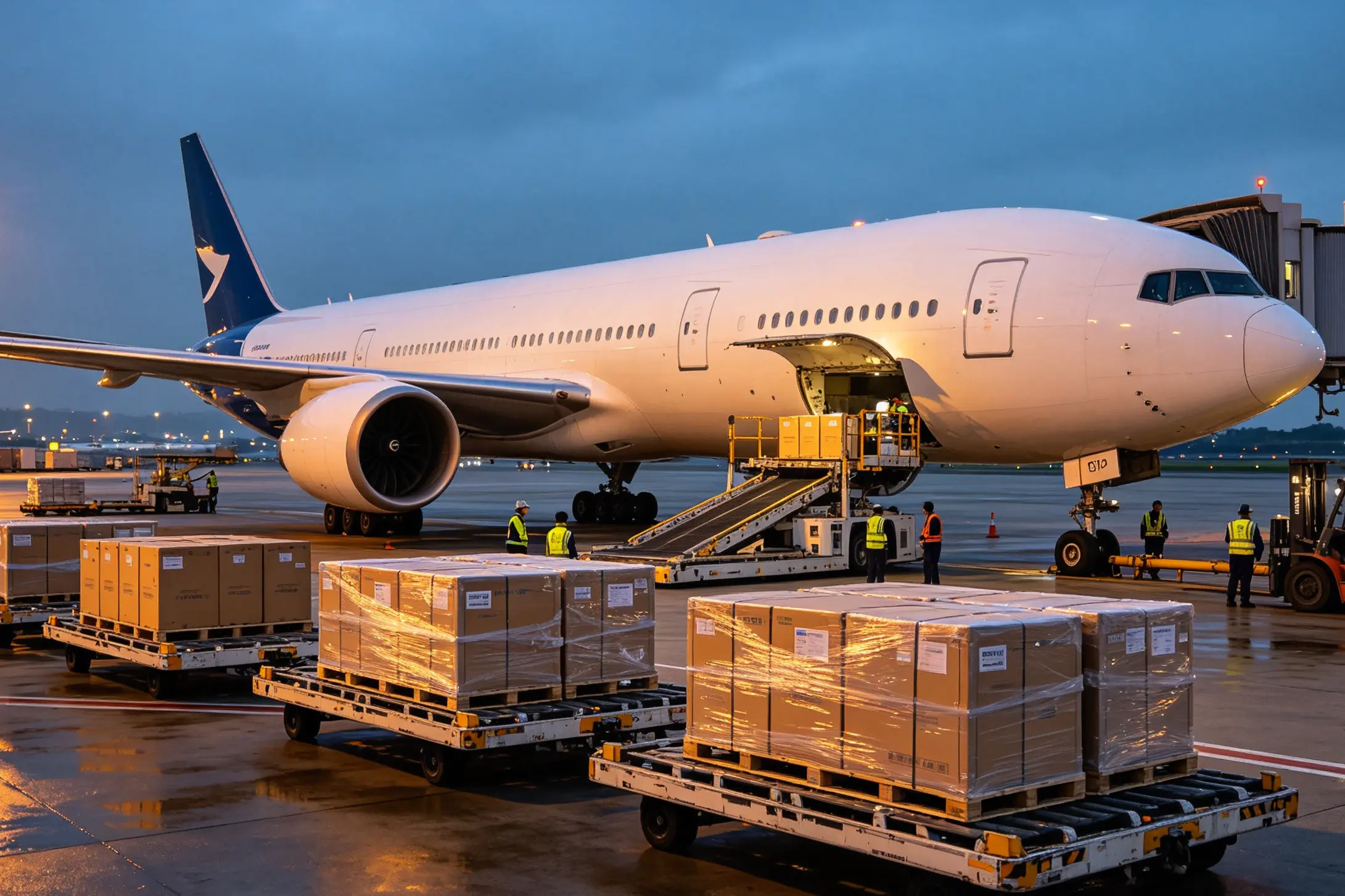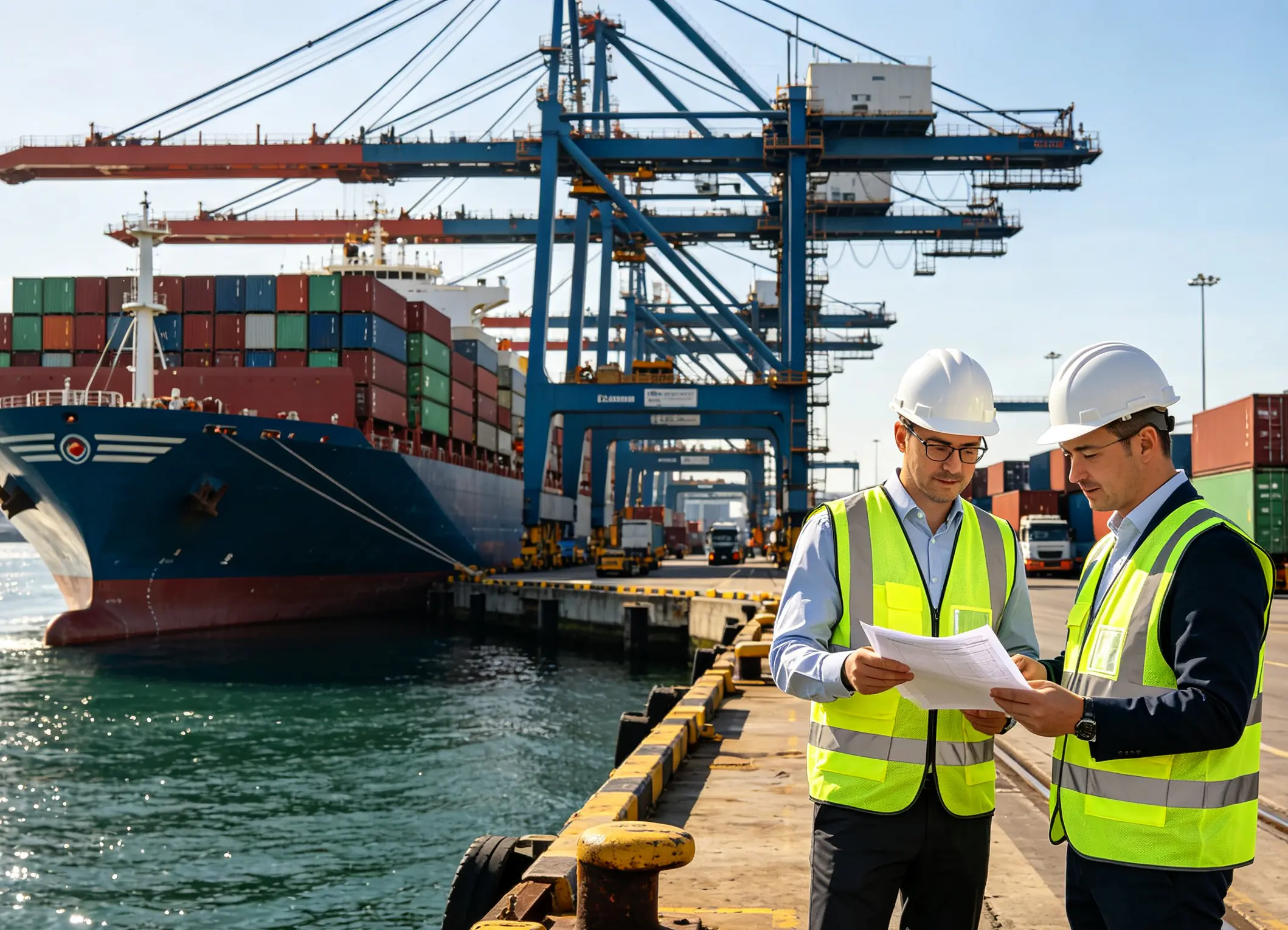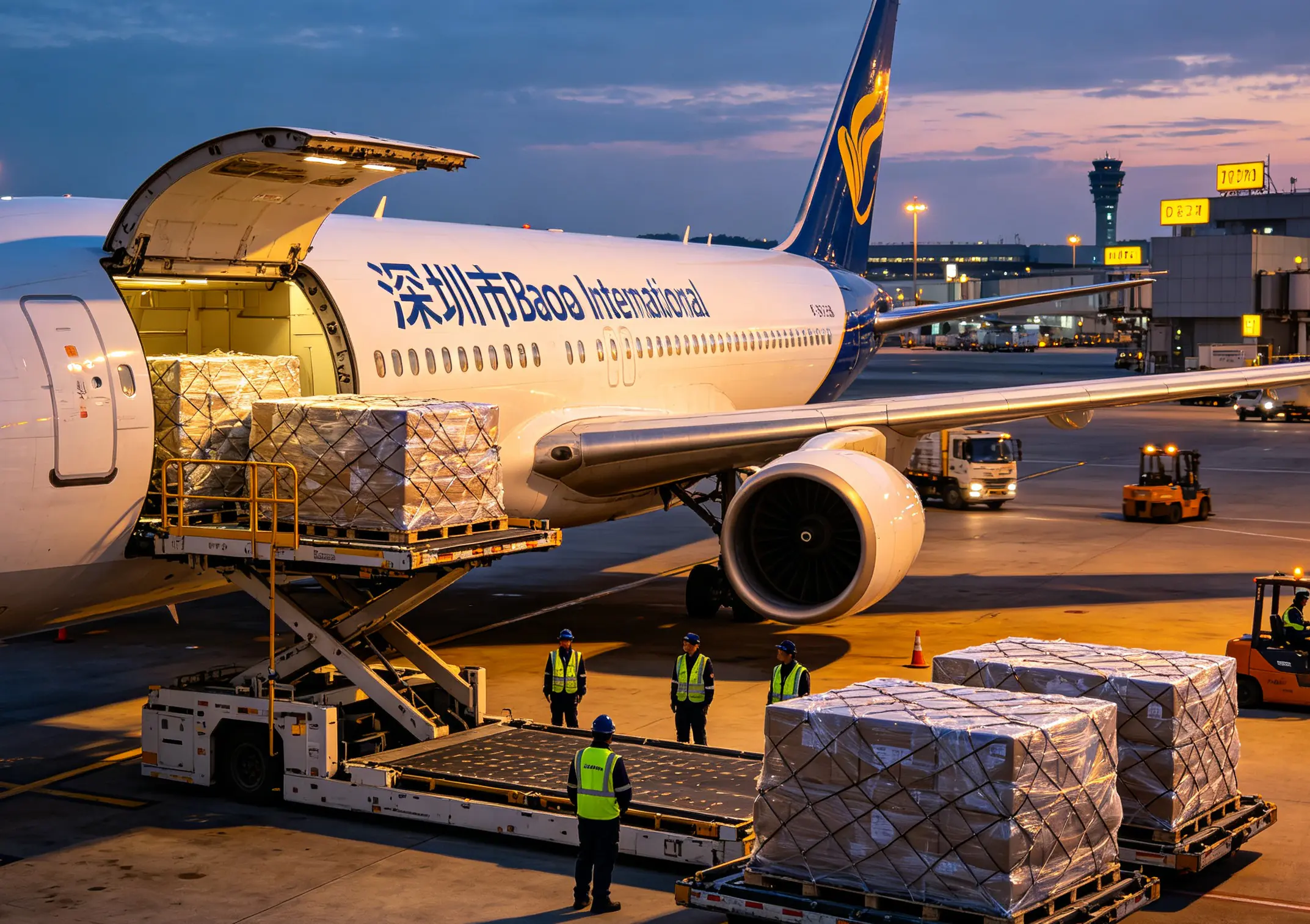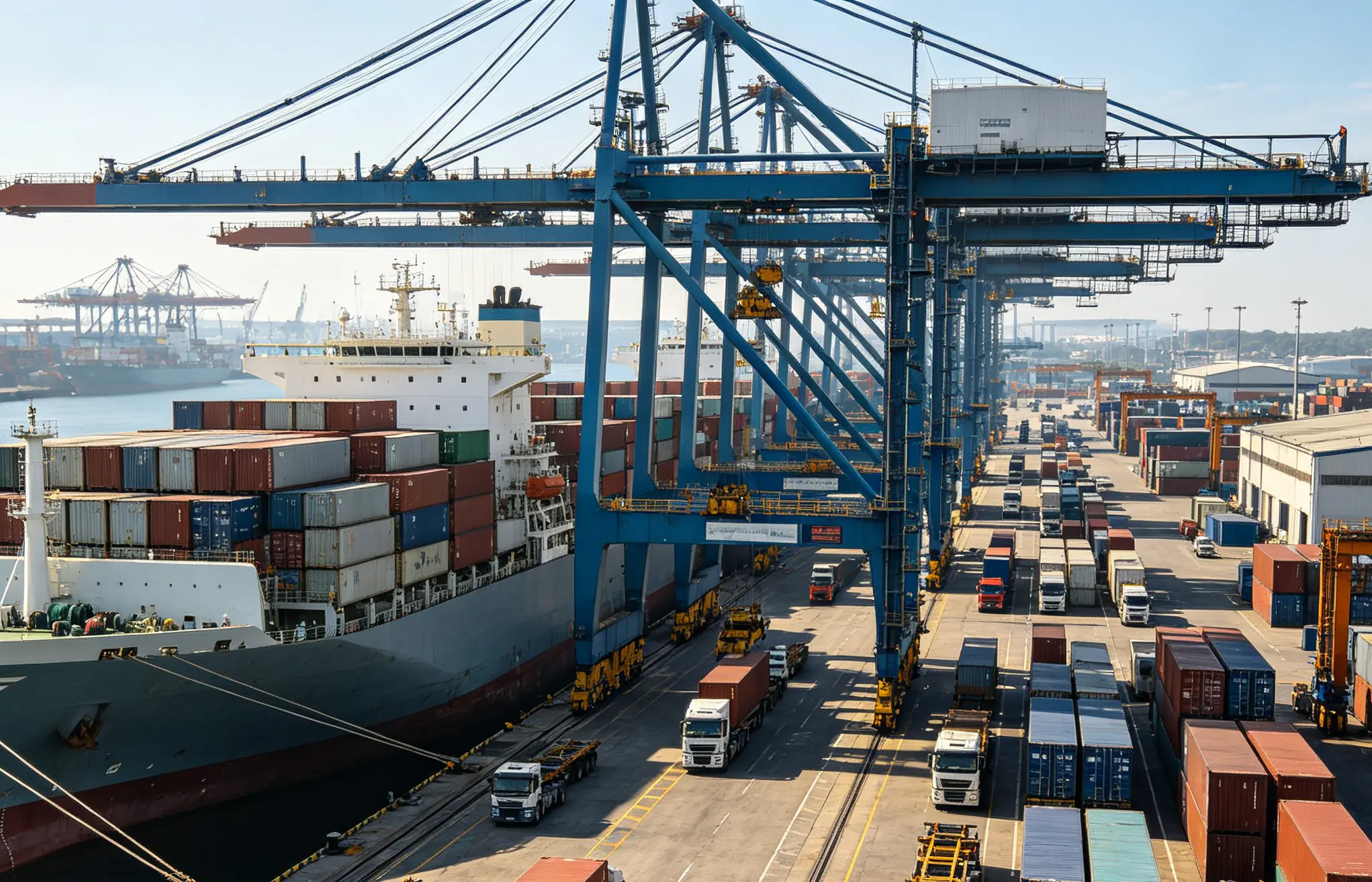
As a doubly landlocked country, Uzbekistan presents a unique and formidable logistics challenge for international trade. Direct maritime access is physically impossible, yet Sea Shipping from China to Uzbekistan remains a crucial and highly strategic component for large-scale imports. Many importers and businesses struggle with comparing the actual costs of sea-and-land combined transport versus direct railway, navigating hidden transshipment fees at intermediate ports, and handling complex border crossings like Sarakhs.
In this comprehensive guide, we will break down the exact multimodal routes for transporting goods via the southern corridor through Iran’s Bandar Abbas. You will learn how to accurately calculate the cheapest shipping from China to Uzbekistan, how to navigate the pitfalls of consolidation fees, and receive actionable tips to ensure smooth Customs Clearance in Tashkent. Whether you are shipping standard consumer goods or oversized industrial machinery, understanding this hybrid logistics model is the key to optimizing your supply chain and protecting your profit margins.
1. How Does Sea Shipping from China to Uzbekistan Work?
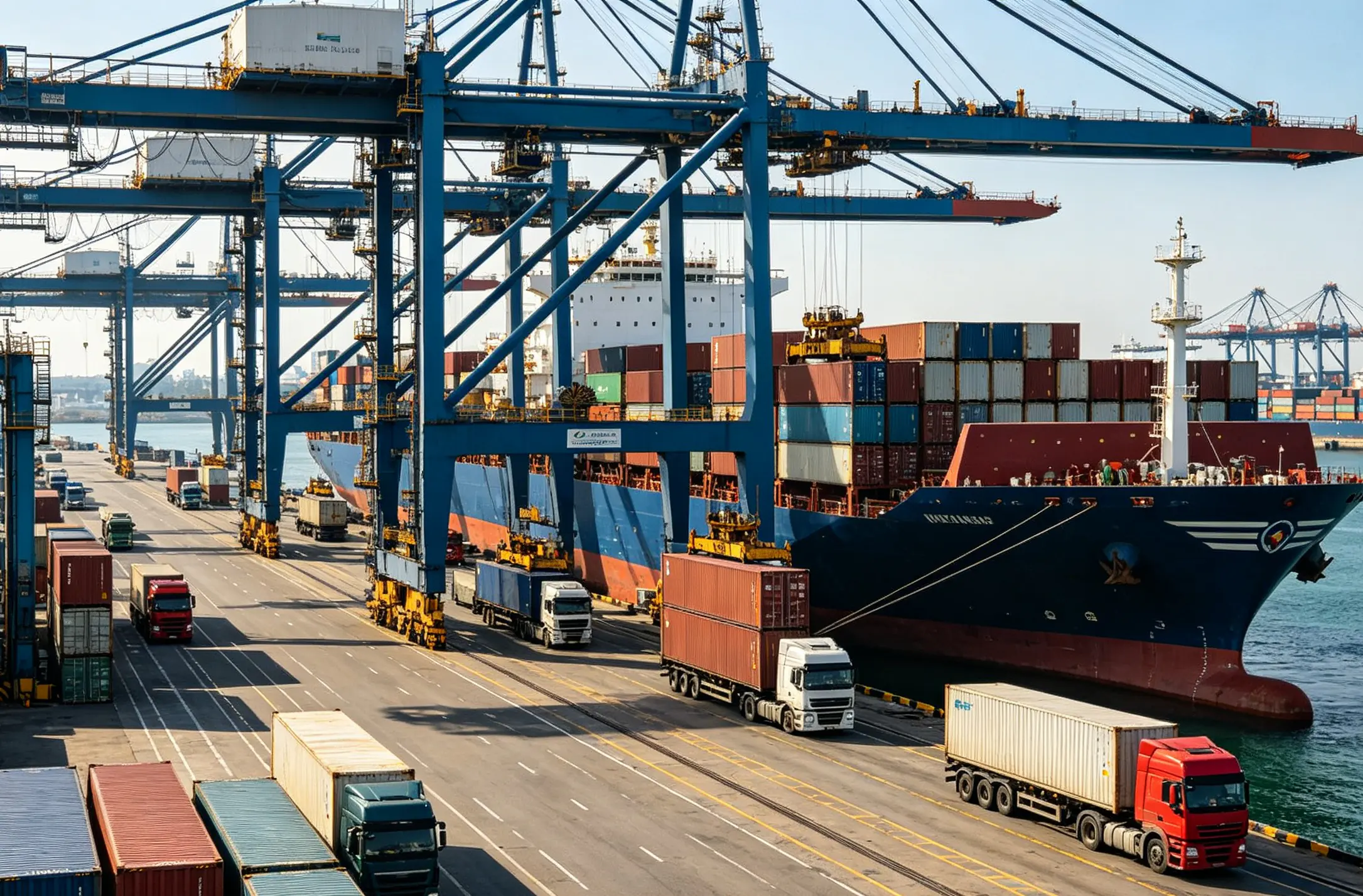
When we talk about sea shipping to a country without an ocean border, we are essentially referring to Multimodal Freight. This is a logistics strategy that combines at least two different modes of transport—in this case, sea freight followed by either road or rail transport—under a single overarching journey.
The Southern Corridor: China to Bandar Abbas
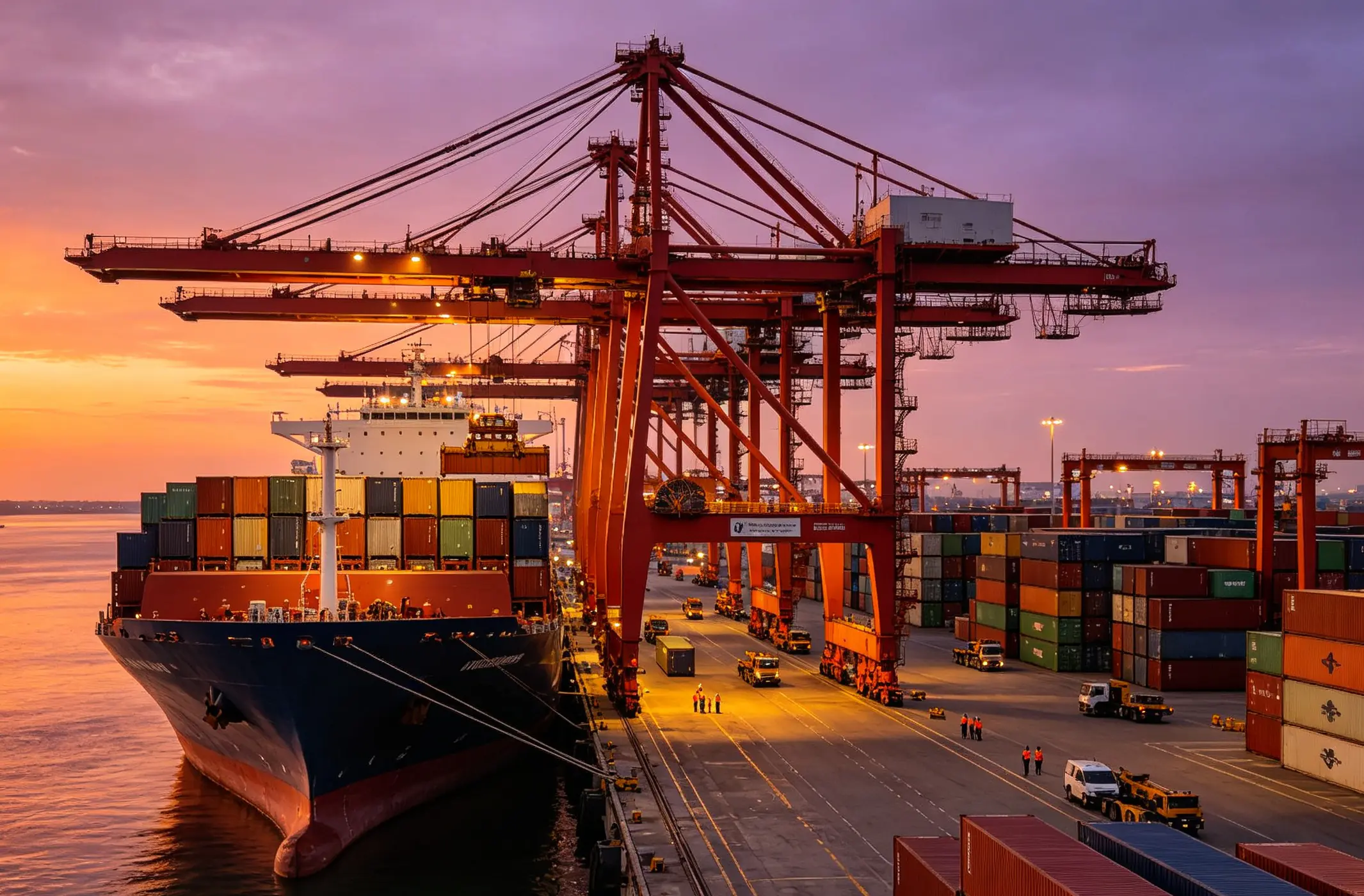
The most established and frequently used maritime route for this destination is the southern corridor. The journey typically begins at major Chinese coastal hubs such as Shenzhen, Guangzhou, Ningbo, or Shanghai. From there, the cargo is loaded onto vessels bound for the Persian Gulf. The primary transshipment hub for Central Asia is Bandar Abbas Port in Iran.
Once the cargo arrives at Bandar Abbas, it is unloaded and transferred to either trucks or regional trains. The overland segment then travels northward through Iran, crossing into Turkmenistan (commonly via the Sarakhs border), and finally entering Uzbekistan, with Tashkent being the primary destination.

Why Choose Sea Shipping Over Direct Rail?
Given that direct rail freight from China to Uzbekistan (via Kazakhstan) is well-established, why do logistics professionals still utilize China to Uzbekistan via Bandar Abbas? There are several strategic reasons:
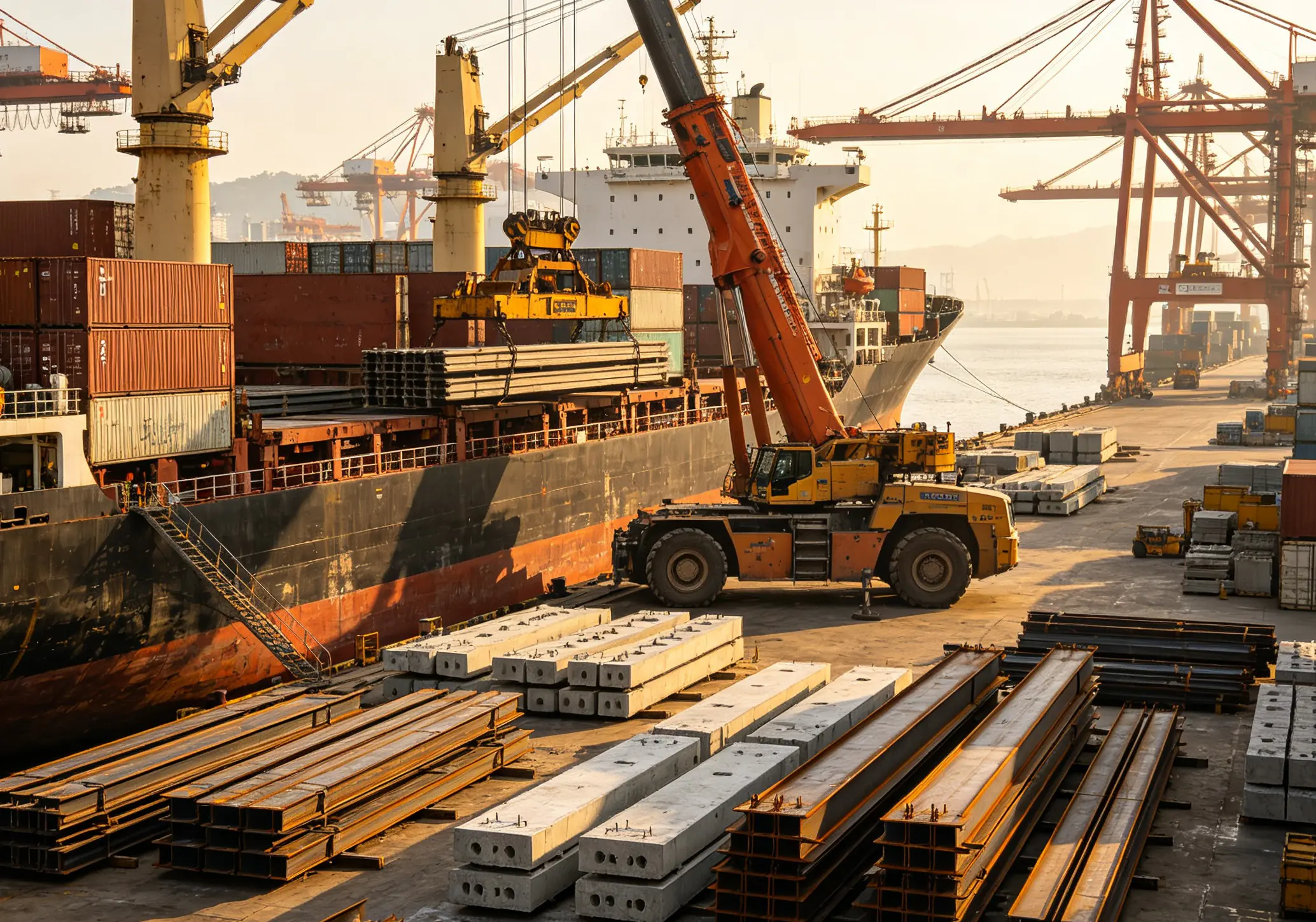
- Oversized and Heavy Cargo: Direct railway transport has strict gauge and dimension limits. For Out-of-Gauge (OOG) machinery, massive industrial transformers, or construction vehicles, rail is often not viable. Sea shipping combined with specialized flatbed Cross-border Trucking is the only way to move these massive assets.
- Hazardous Materials: Railway operators impose stringent restrictions on carrying dangerous goods or chemicals. Sea freight offers more flexibility and specialized containers for hazardous materials.
- Rail Congestion and Capacity: During peak seasons, the rail gateways at the China-Kazakhstan border (such as Khorgos or Alashankou) can experience severe bottlenecks. Utilizing the maritime route via Bandar Abbas provides a reliable alternative to keep supply chains moving when rail capacity is choked.
- Cost Efficiency for Specific Geographies: For factories located deep in Southern China (e.g., Guangdong province), the cost of domestic transport to a northern rail hub can be exorbitant. Shipping directly out of the Port of Shenzhen to Bandar Abbas often proves to be more economical.
2. Sea Freight vs. Direct Rail: Shipping Time & Cost Comparison
When planning your inventory and supply chain, understanding the exact shipping time from China to Uzbekistan and comparing the financial trade-offs is essential.
Transit Time Analysis
Because multimodal transport involves a transfer from a ship to a truck or train, the transit time is inherently longer than direct rail.
- Sea + Land (via Bandar Abbas): The ocean voyage from China to Iran generally takes 20 to 30 days. Transshipment, customs processing in Iran, and the final overland journey through Turkmenistan to Uzbekistan add another 7 to 12 days. The total transit time usually ranges from 29 to 42 days.
- Direct Rail Freight: Direct trains from hubs like Xi’an or Zhengzhou to Tashkent typically take 12 to 18 days, offering a significantly faster turnaround.
Cost Breakdown and Volatility
Finding the cheapest shipping from China to Uzbekistan requires analyzing current market conditions. Historically, sea freight from China has always been the budget-friendly option. However, global ocean freight rates are highly volatile. During periods of ocean capacity shortages, sea freight rates can surge, sometimes making rail freight surprisingly competitive or even cheaper.
For instance, if ocean FCL rates spike, the cost of moving a 40-foot container by sea and then by truck might temporarily exceed the stable contract rates of the railway. Therefore, a dynamic comparison is necessary for every shipment.
Comparative Table: Sea + Land vs. Direct Rail
| Logistics Metric | Sea + Land (via Bandar Abbas) | Direct Rail Freight (via Kazakhstan) |
|---|---|---|
| Average Transit Time | 29 – 42 Days | 12 – 18 Days |
| Cost Profile | Generally lower, but subject to ocean volatility | Moderate to High, but highly stable |
| Ideal Cargo Types | OOG machinery, hazardous goods, bulk commodities | Electronics, e-commerce, time-sensitive goods |
| Volume Flexibility | High (Massive vessel capacity) | Limited (Train capacity is capped) |
| Weather Risks | Ocean storms, winter passes in Iran/Turkmenistan | Winter freezing at rail borders |
Our Industry Insights:
“With ocean freight rates fluctuating, our logistics team in Shenzhen regularly analyzes routing options. We have seen instances where ocean freight to Bandar Abbas suddenly spiked due to global container shortages. In those moments, we proactively shifted our clients’ non-hazardous cargo to the railway corridor, saving them both time and protecting them from sudden budget overruns. Always ask your Freight Forwarder for a real-time comparison before booking.”
3. FCL and LCL Shipping from China to Tashkent
Whether you are a massive industrial importer or a growing e-commerce brand, choosing the right container strategy is critical. You generally have two options: FCL (Full Container Load) and LCL (Less than Container Load). Understanding the nuances of FCL vs LCL shipping will help you optimize costs based on your cargo volume.
The Strategy Behind FCL
FCL is the standard for large shipments. Depending on the shipping container dimensions you choose, you rent the entire container (typically a 20GP, 40GP, or 40HQ), meaning your goods are sealed at the factory in China and are not opened until they reach your warehouse in Uzbekistan. This minimizes handling, reduces the risk of damage, and offers the best per-cubic-meter cost. If your cargo volume exceeds 15 cubic meters, FCL is almost always the financially sound choice.
The Nuances of LCL Shipping from China to Tashkent
For smaller shipments (between 1 and 15 cubic meters), LCL shipping from China to Tashkent allows you to share container space with other importers. While this lowers the base ocean freight cost, multimodal LCL is notoriously complex.
When an LCL container arrives at Bandar Abbas, it must be unpacked (unstuffed) at a Container Freight Station (CFS). The goods are then sorted and reloaded onto different trucks heading to various destinations in Central Asia.
Beware of the LCL Trap
This unpacking process is where many inexperienced importers get caught. Unscrupulous forwarders may offer a shockingly low base rate for the ocean leg, only to hit the consignee with exorbitant Destination Terminal Handling Charges (DTHC), unstuffing fees, and warehousing fees at the transit port.
A reliable freight forwarder China to Uzbekistan will provide a transparent, all-inclusive quote that covers the entire journey, explicitly stating the transshipment costs at Bandar Abbas. At Efanda Logistics, we provide competitive and transparent pricing based on real market conditions, ensuring no hidden surprises disrupt your budget.
4. Navigating Transshipment Risks at Bandar Abbas & Borders
The multimodal route is geographically and politically complex. The transition from sea to land in a third-party country introduces specific risks that must be managed by experts.
The Transshipment Bottleneck
Bandar Abbas is a massive, bustling port. Delays can occur due to port congestion, seasonal weather conditions, or bureaucratic hurdles. While we provide direct shipping from China to Iran for domestic importers, Central Asian cargo requires different handling. Furthermore, because Iran is subject to various international sanctions, strict compliance and documentation are required. Goods must be clearly manifested as “In Transit to Uzbekistan” to avoid being subjected to Iranian domestic import tariffs or compliance holds.
The Role of the TIR Carnet
For the overland segment, the TIR Carnet is an absolute necessity. The TIR system is an international customs transit system that allows goods to travel across borders in sealed load compartments without requiring extensive customs checks at every single border crossing.
When a truck leaves Bandar Abbas with a valid TIR Carnet, it can pass through the Iranian border and the Turkmen border (Sarakhs) with minimal delay, as the customs duties and taxes are guaranteed by an international chain. Without a TIR Carnet, your cargo could sit at the border for weeks while local agents process transit bonds.
Real-Life Scenario:
“Navigating multiple carriers and local handlers is a headache for importers. Our door-to-door service eliminated this complexity for an industrial client shipping from Guangzhou to Samarkand. We coordinated the factory pickup, export clearance, ocean freight to Bandar Abbas, and utilized a bonded trucking partner with a TIR Carnet. The truck bypassed a 5-day congestion queue at the Sarakhs border, delivering the machinery directly to the site.”
5. Customs Clearance in Tashkent: Taxes and Documentation
No matter how fast the transit time, a shipment is not complete until it clears customs. Customs Clearance in Tashkent is a rigorous process that requires absolute precision in documentation.
Understanding Uzbekistan’s Import Taxes
Uzbekistan has been actively reforming its customs regulations to encourage trade, but compliance remains strict. When calculating your landed costs, you must account for two primary financial components:
- Import Duties: These vary widely depending on the HS Code of your specific product. Machinery and tech equipment often enjoy lower tariffs to stimulate the economy, while consumer goods may face higher rates.
- Value Added Tax (VAT): Uzbekistan applies a standard 12% VAT on most imported goods. This VAT is calculated based on the CIF (Cost, Insurance, and Freight) value of the goods plus the import duty.
Essential Documentation Checklist
To ensure your cargo is not held up in Tashkent and subjected to costly Demurrage & Detention (D&D) fees, your documentation must be flawless:
- Commercial Invoice & Packing List: Must accurately reflect the contents, quantities, and values. Any discrepancy can trigger a physical customs inspection.
- Bill of Lading (B/L): For multimodal shipments, a Through Bill of Lading or a combination of Ocean B/L and overland waybills (like CMR for trucks or SMGS for rail) is required.
- Certificate of Origin: Crucial for applying the correct tariff rates.
- Technical Certificates: Certain electronics, machinery, or agricultural products require specific conformity certificates recognized by Uzbekistan authorities.
6. Incoterms & DDP Shipping Solutions
The choice of Incoterms dictates who is responsible for the risk, cost, and insurance at each leg of this complex multimodal journey.
Standard Incoterms (FOB and CIF)
When evaluating FOB vs CIF, many importers buy on FOB (Free On Board) terms, meaning the Chinese supplier handles local transport and export clearance, and the buyer takes over once the goods are on the ship. While this gives the buyer control over the main freight costs, it leaves them responsible for managing the difficult transshipment at Bandar Abbas and the final trucking leg. CIF (Cost, Insurance, and Freight) pushes the responsibility to the destination port, but in a landlocked scenario, “destination port” often means Bandar Abbas, leaving the buyer stranded trying to arrange Iranian trucking to Uzbekistan.
The Power of DDP (Delivered Duty Paid)
For businesses that lack a dedicated logistics department or local customs brokers in Tashkent, DDP is the ultimate solution. To have DDP shipping explained simply: under DDP terms, the freight forwarder handles the entire door to door shipping process.
Efanda Logistics takes full responsibility for:
- Factory pickup in China
- Export clearance
- Ocean freight to Bandar Abbas
- Transshipment and bonded trucking
- Import customs clearance and paying the 12% VAT in Tashkent
- Final delivery to the consignee’s warehouse
DDP provides absolute cost certainty. The price you are quoted is the final price you pay, effectively shielding you from unexpected border fees, fluctuating local truck rates, or complex customs calculations.
7. FAQ: Shipping to Uzbekistan
Q: What is the cheapest way to ship from China to Uzbekistan?
A: Generally, multi-modal transport China to Tashkent (Sea Freight to Bandar Abbas + Trucking) is the cheapest option for large volumes or Out-of-Gauge machinery. However, for standard containers, direct rail freight can sometimes offer comparable rates with much faster transit times. It is essential to get a real-time quote comparison.
Q: How long does it take to ship from China to Tashkent via Bandar Abbas?
A: The total transit time usually ranges from 29 to 42 days. This includes 20-30 days for the ocean voyage and 7-12 days for transshipment and cross-border trucking.
Q: Can I ship out-of-gauge (OOG) machinery via sea freight to Uzbekistan?
A: Yes. In fact, sea freight combined with specialized heavy-haul trucking from Bandar Abbas is often the only way to ship massive OOG machinery, as railway networks have strict dimensional constraints that cannot accommodate oversized loads.
Q: What are the hidden costs in multimodal transport to Central Asia?
A: The most common hidden costs occur during transshipment. These include Container Freight Station (CFS) fees for LCL cargo, unstuffing charges, temporary warehousing at the port, and unexpected border crossing fees. Working with a transparent forwarder who provides an all-inclusive quote eliminates these risks.
8. Conclusion
Successfully executing Sea Shipping from China to Uzbekistan requires a deep understanding of multimodal logistics. While the lack of direct ocean access presents a hurdle, routing cargo through Bandar Abbas offers a robust, flexible, and often highly cost-effective solution—especially for oversized machinery or when rail networks are congested.
However, the complexities of transshipment, the absolute necessity of proper documentation like the TIR Carnet, and the rigorous demands of Customs Clearance in Tashkent mean that this route should not be left to chance. Partnering with an expert who understands the nuances of cross-border trucking and Central Asian compliance is vital to protecting your supply chain.
If you are looking for competitive pricing, transparent routing without hidden transshipment fees, and expert handling of your cargo from the factory floor in China to your warehouse in Uzbekistan, Efanda Logistics is your trusted partner. Headquartered in the logistics hub of Shenzhen, and acting as a premier door to door-shipping agent from China to Middle East and Central Asia, our dedicated specialists are ready to engineer a customized, end-to-end freight solution for your business. Contact us today to optimize your next shipment to Central Asia.