Are you planning to ship a full container of goods from China to Thailand — and wondering whether FCL actually makes sense for your cargo volume, how much it will cost in real terms, and what the entire process looks like from booking to final delivery? You are not alone. Many Thai importers, whether first-timers or seasoned buyers, find themselves navigating opaque pricing, fragmented documentation requirements, and unexpected destination charges that can quietly erode their margins. This guide cuts through the noise. We break down every aspect of FCL sea freight from China to Thailand — real July 2026 rates, a clear step-by-step shipping process, container loading best practices, Thai customs clearance essentials, D&D fee transparency, and a practical pre-shipment checklist — so you can ship with confidence and keep your supply chain under control.
What Is FCL Sea Freight from China to Thailand?
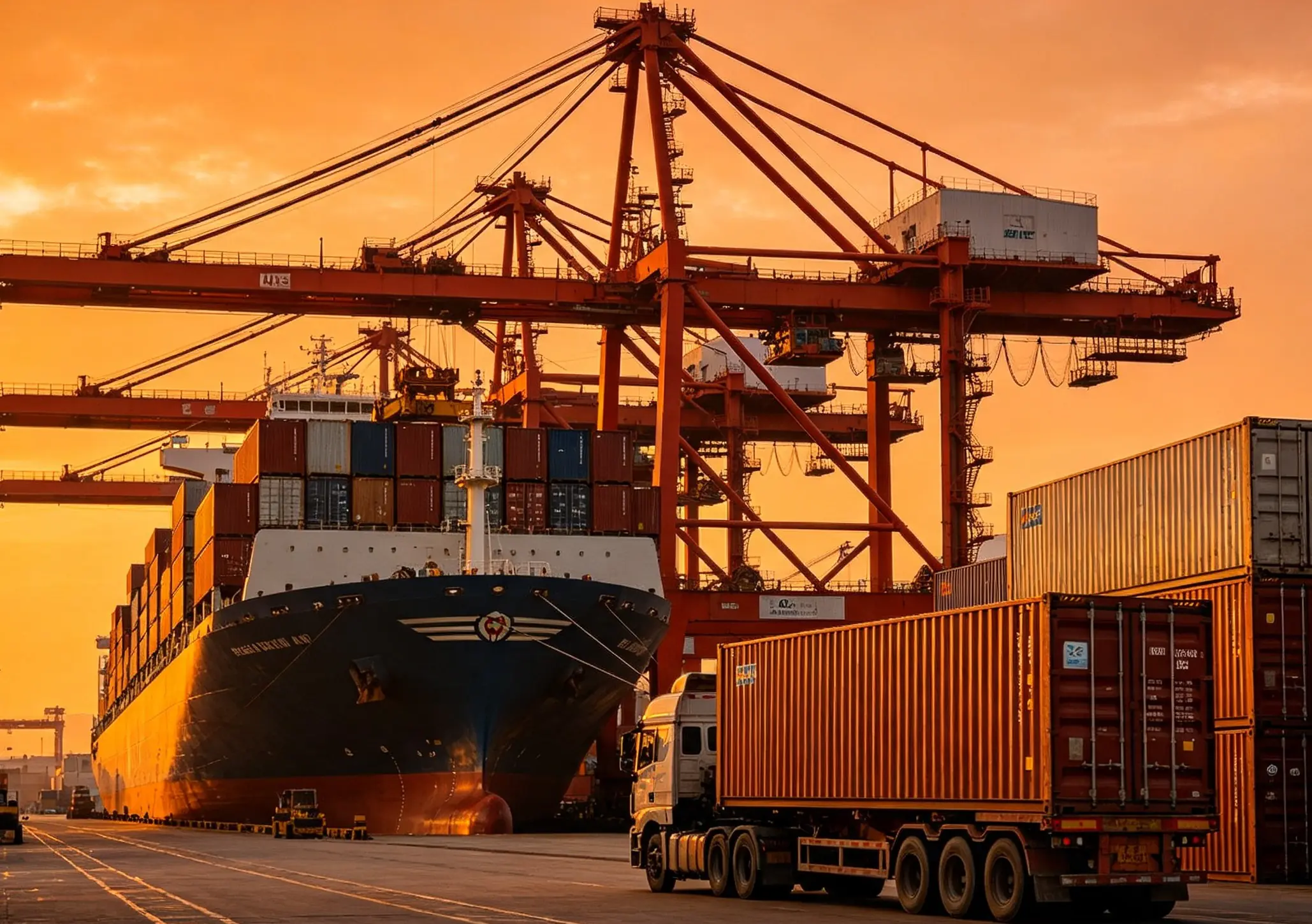
FCL (Full Container Load) means you book and pay for an entire shipping container exclusively for your cargo. Unlike LCL (Less than Container Load) , where you share space with other importers, an FCL container is loaded and sealed at your supplier’s facility in China and remains untouched until it reaches your warehouse or designated facility in Thailand.
There are three standard container types you will encounter on this route:
- 20GP (20-foot General Purpose): approximately 28 CBM of loading capacity, with a maximum payload of around 21 tons. This is the most popular choice for medium-volume shipments and heavy cargo such as machinery parts, steel products, or dense industrial goods.
- 40GP (40-foot General Purpose): approximately 58 CBM , max payload around 26 tons. Suitable for larger volumes of general cargo — furniture, consumer goods, textiles, and electronics.
- 40HQ (40-foot High Cube): approximately 68 CBM with extra height clearance. Ideal for voluminous but lightweight goods such as packaged furniture, foam products, or plastic goods where you run out of space before you hit the weight limit.
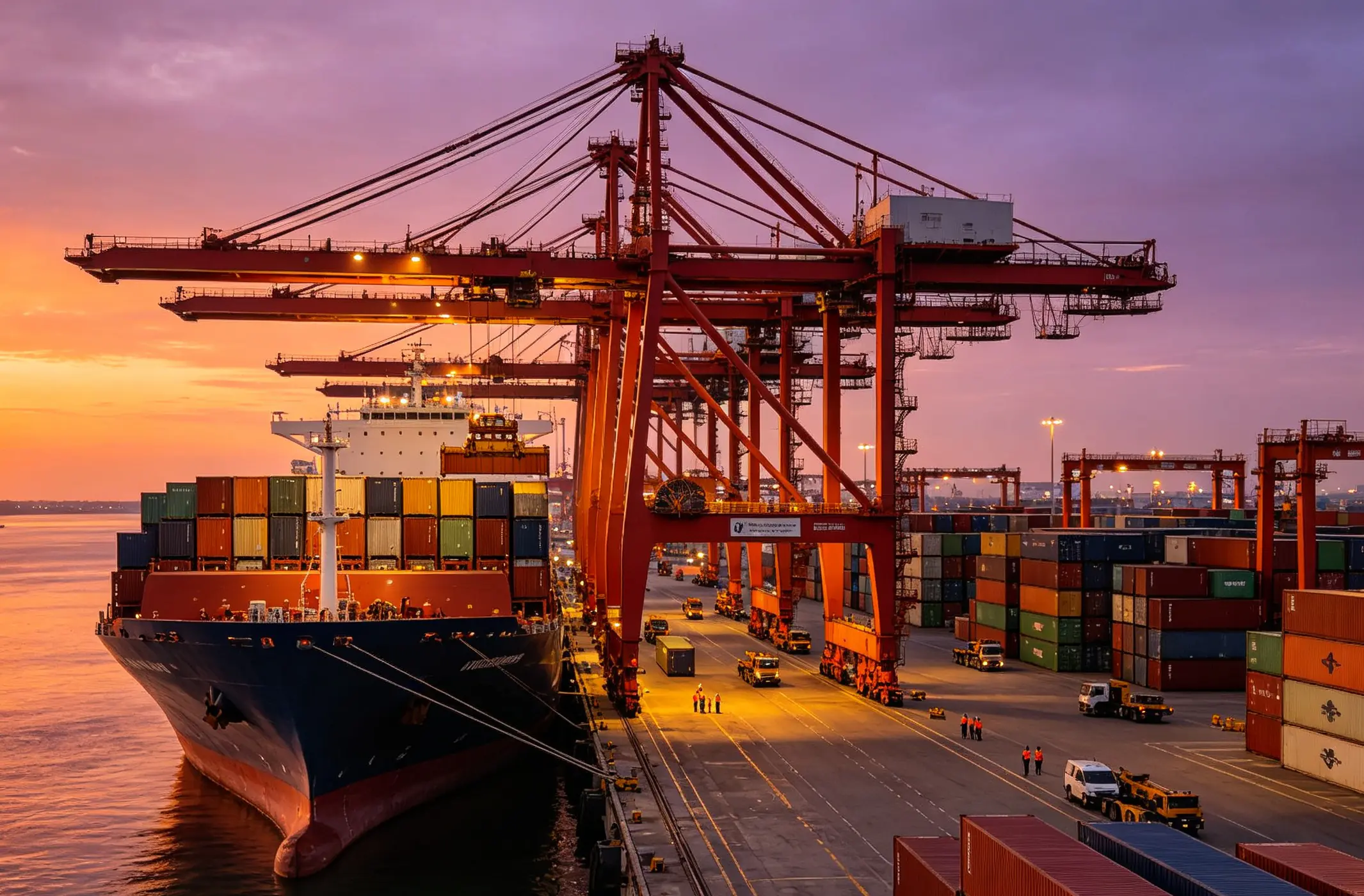
The most common departure ports in China are Shenzhen (Yantian and Shekou terminals), Guangzhou (Nansha), Shanghai , and Ningbo. On the Thai side, nearly all FCL cargo arrives at Laem Chabang Port — which handles over 70% of Thailand’s sea imports and ranks as the world’s 20th-busiest container port with 8.1 million TEU processed in 2024 — or Bangkok Port (Klong Toey) for shipments destined for the capital and surrounding areas. For a broader overview covering all shipping modes to Thailand, see our dedicated shipping from China to Thailand guide.
Why Choose FCL Shipping from China to Thailand?
The China-Thailand trade corridor is one of Southeast Asia’s busiest. Bilateral trade exceeded $130 billion in 2024 , with China serving as Thailand’s second-largest trading partner. This volume is driven not just by consumer goods, but increasingly by heavy industry — Thailand produces 1.8 million vehicles per year as ASEAN’s “Detroit of Asia,” and the ongoing wave of Chinese EV manufacturers building factories in Thailand (BYD in Rayong, MG in Chonburi, GAC Aion — collectively over $2.5 billion in investment) has created sustained demand for Chinese auto parts, EV batteries, and industrial machinery transported in full containers.
For importers who regularly ship 15 CBM or more per consignment, FCL offers four structural advantages over LCL:
Cost per CBM drops dramatically. Research from the China-Thailand lane shows that for shipments above 10–12 CBM, the flat-rate FCL container cost becomes cheaper on a per-unit basis than LCL’s per-CBM pricing — especially once LCL destination deconsolidation fees, handling charges, and documentation surcharges are factored in. The break-even point typically sits around 10–12 CBM; above that threshold, FCL wins on cost almost every time.
Faster total transit time. FCL avoids the consolidation and deconsolidation steps inherent in LCL. The container goes directly from the factory to the vessel and from the vessel to your door. This cuts 3–7 days off the total cycle compared to LCL.
Superior cargo safety. A sealed FCL container experiences zero intermediate handling between origin and destination. There is no mixing with other shippers’ cargo, no repacking at a deconsolidation warehouse, and dramatically lower risk of damage, moisture intrusion, or loss — particularly important for high-value electronics, precision machinery, or fragile goods.
Faster customs clearance. Thai Customs processes individual FCL declarations more quickly than group LCL declarations, where one importer’s documentation error can delay the entire consolidated container.
Real-Life Scenario: A Bangkok-based auto parts distributor was importing 22 CBM of EV charging components from Shenzhen every six weeks. They initially used LCL out of habit, paying roughly $3,500 per shipment after hidden fees. When they switched to a 20GP FCL at approximately $1,400 all-in (July 2026 rates), they saved over $2,100 per shipment — and reduced door-to-door transit from 18 days to 11 days. That freed up working capital and eliminated two stockout incidents in the first quarter alone.

China to Thailand FCL Ocean Freight Rates & Transit Times (July 2026)
Ocean freight rates on the China-Thailand lane are dynamic — they move with seasonal demand, carrier capacity decisions, and broader geopolitical conditions. As of July 2026, FCL rates have eased approximately 22–24% from their June peak, making this a favorable window for importers to lock in volume. Below are the current benchmark rates and transit times from major Chinese ports to Laem Chabang:
| Container Type & Route | Cost (USD, July 2026) | Port-to-Port Transit | Best For |
|---|---|---|---|
| 20GP — Shenzhen → Laem Chabang | $293 – $358 | 4–6 days | 15–28 CBM, heavy cargo |
| 40GP — Shenzhen → Laem Chabang | $563 – $688 | 4–6 days | 28–58 CBM, general goods |
| 40HQ — Shenzhen → Laem Chabang | $650 – $750 | 4–6 days | 28–68 CBM, voluminous goods |
| 20GP — Shanghai → Laem Chabang | $300 – $380 | 5–7 days | Eastern China suppliers |
| 40GP — Shanghai → Laem Chabang | $580 – $720 | 5–7 days | Eastern China bulk shipments |
| 20GP — Ningbo → Laem Chabang | $310 – $390 | 6–8 days | Zhejiang-based suppliers |
| 20GP — Qingdao → Laem Chabang | $350 – $450 | 7–9 days | Northern China industrial cargo |
Important: These rates are indicative ocean freight only. Always request an all-in quote from your freight forwarder. A professional sea freight from China provider will clearly itemize origin charges, destination THC, documentation fees, and inland trucking, which together add $300–$700 to the total landed cost per container, depending on distance and service scope. Rates can shift within days; lock quotes with 2–3 week validity when possible.
Peak season surcharge warnings: Expect 15–25% rate increases during Q4 (October–December holiday season restocking), 10–15% around Songkran (April), and volatility during the weeks surrounding Chinese New Year.
Major carriers serving the China-Thailand lane include Maersk , CMA CGM , COSCO , MSC , Evergreen , OOCL , Wan Hai , SITC , and KMTC. Shenzhen and Shanghai see daily sailings from multiple carriers; Ningbo and Qingdao typically offer 2–3 sailings per week.

Step-by-Step FCL Shipping Process from China to Thailand
If this is your first FCL shipment, the process may seem overwhelming. In practice, it follows a clear, sequential workflow from booking to delivery. Here is exactly what happens at each stage:
| Step | Stage | Key Actions | Typical Duration |
|---|---|---|---|
| 1 | Booking & Rate Negotiation | Contact your freight forwarder, confirm sailing schedule, lock the rate for 2–3 weeks | 1–2 days |
| 2 | Container Pickup & Factory Loading | Arrange trucking to deliver empty container to factory; supervise loading, weight distribution, and container sealing | 1 day |
| 3 | Export Customs Clearance (China) | Submit Commercial Invoice, Packing List, and customs declaration form to China Customs | 1–2 days |
| 4 | Port Handling & Vessel Departure | Container delivered to CY (Container Yard), loaded onto vessel | 1–2 days |
| 5 | Ocean Transit | Vessel sails the South China Sea route to the Gulf of Thailand | 4–7 days |
| 6 | Arrival & Import Clearance (Thailand) | Submit Bill of Lading, Form E, and import declaration to Thai Customs via E-Customs | 1–3 days |
| 7 | Container Pickup & Final Delivery | Arrange trucking from Laem Chabang or Bangkok Port to your warehouse; return empty container within free time window | 1–2 days |
Total FCL door-to-door cycle: 9–16 days from southern China (Shenzhen/Guangzhou) to Bangkok, depending on port pair and customs processing speed.
A key decision at Step 1 is choosing your Bill of Lading (B/L) type. FCL shipments most commonly use an Original B/L — the physical document required for cargo release at destination. For faster processing, you can request a Telex Release, where the Original B/L is surrendered at origin and an electronic release is issued. A Sea Waybill (no physical document required) is also an option for established, trusted trade relationships, though it is less common for FCL due to cargo value and security considerations.
FCL Container Loading Best Practices
How your container is loaded directly affects cargo safety, customs inspection risk, and insurance claim validity. These are the non-negotiable practices every FCL importer should verify at the factory:
Weight distribution. Always place heavy cargo on the bottom and lighter items on top. Distribute weight evenly from front to back and side to side — an imbalanced container can tip during trucking or lifting operations. Respect payload limits: 20GP maximum ~21 tons , 40GP maximum ~26 tons. Overloading creates safety hazards and can result in fines or cargo rejection at the port.
Cargo securing. Heavy machinery should be fastened with steel chains and wooden blocking. Palletized goods need stretch wrap, corner boards, and strapping. Loose cartons require void fillers such as dunnage air bags to prevent shifting during transit. Never assume friction alone will hold cargo in place — vessels encounter significant roll and pitch at sea.
Moisture prevention. The South China Sea route passes through tropical humidity. Place silica gel desiccants inside the container (approximately 200g for a 20GP, 400g for a 40GP) and line the container floor with kraft paper. Avoid loading cargo against container walls where condensation forms.
Seal management. Record the container seal number before the truck departs the factory, and verify the seal is intact and matches the number on your B/L upon arrival in Thailand. A broken or mismatched seal is the first indicator of tampering — and a near-automatic rejection for cargo insurance claims.
Commodity-specific guidance:
- Electronics: Use anti-static packaging and moisture barrier film. Never stack heavy boxes on top of electronics cartons.
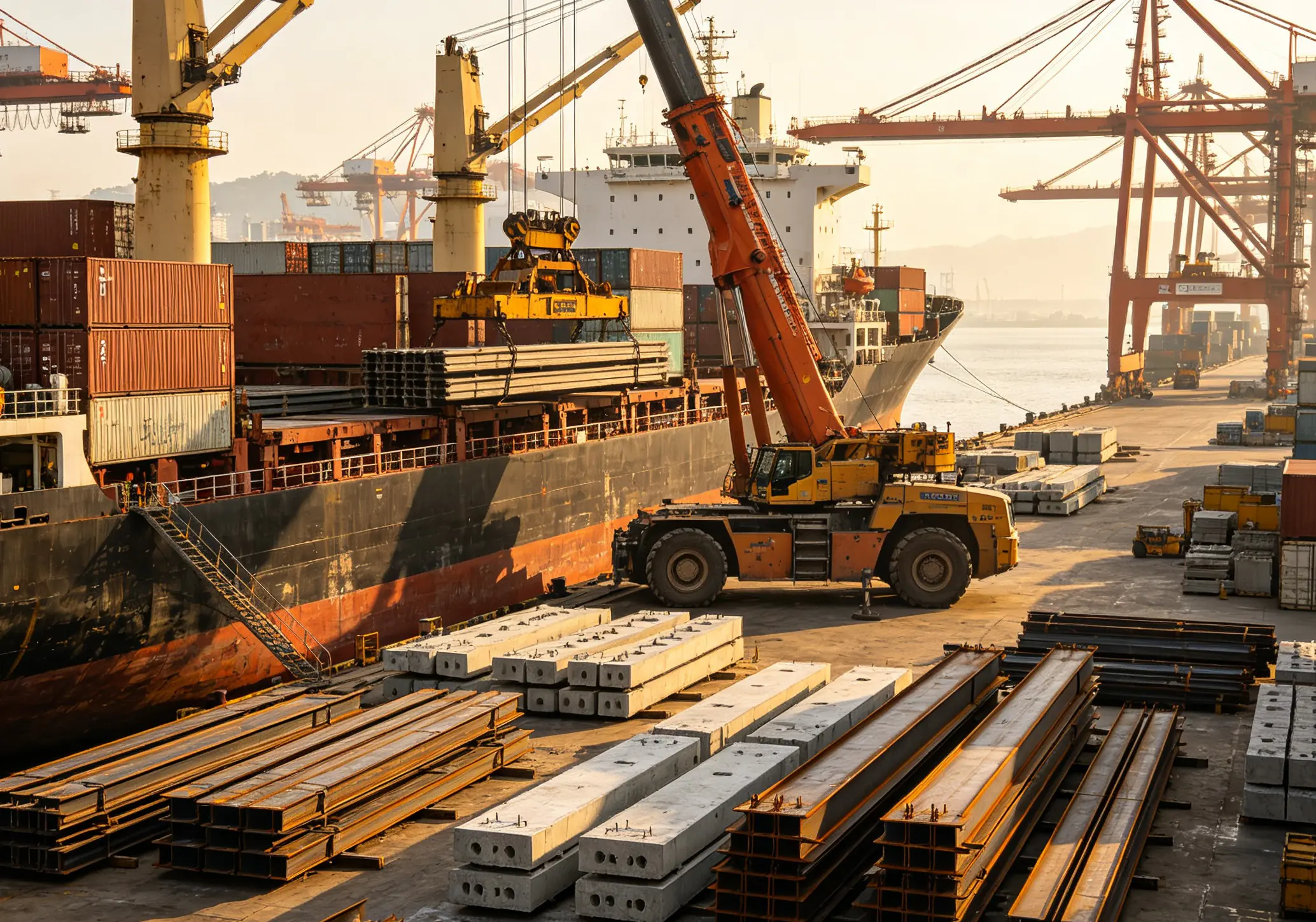
- Machinery & equipment: Bolt or chain to wooden cradles secured to the container floor. If the machinery exceeds standard container dimensions, request a Flat Rack or Open Top container — your freight forwarder should advise whether your cargo qualifies as OOG (Out of Gauge).
- Furniture & consumer goods: Use corner protectors on all edges, avoid over-stuffing to prevent compression damage, and clearly label fragile sides on the outer cartons.
Our Industry Insight: We have seen more cargo damage claims originate from poor loading practices — improper weight distribution, missing dunnage bags, or skipped desiccants — than from any other single cause in the FCL supply chain. A 30-minute loading inspection at the factory is the highest-ROI investment you can make on an FCL shipment.
Choosing the Right Chinese Port for Your FCL Shipment to Thailand
Your supplier’s location is the primary factor, but port choice also affects total cost, transit time, and sailing frequency. Below is a practical comparison of the major Chinese departure ports for Thailand-bound FCL:
| Departure Port | Destination Port | 20GP Cost (July 2026) | Transit (Days) | Best Supplier Region |
|---|---|---|---|---|
| Shenzhen (Yantian/Shekou) | Laem Chabang | $293 – $358 | 4–6 | Guangdong, Pearl River Delta |
| Guangzhou (Nansha) | Laem Chabang | $300 – $370 | 5–7 | Guangzhou, Foshan, Zhongshan |
| Shanghai | Laem Chabang | $300 – $380 | 5–7 | Jiangsu, Zhejiang, Yangtze Delta |
| Ningbo | Laem Chabang | $310 – $390 | 6–8 | Zhejiang, southern Jiangsu |
| Qingdao | Laem Chabang | $350 – $450 | 7–9 | Shandong, northern China |
Three practical rules for port selection:
Supplier proximity minimizes inland trucking cost. Inland transportation from factory to port typically costs $150–$400 per container depending on distance. Picking the nearest port usually saves more on trucking than any marginal difference in ocean freight between ports.
Sailing frequency matters for planning. Shenzhen and Shanghai offer daily sailings across multiple carriers — meaning you rarely wait more than a day or two after cargo is ready. Ningbo and Qingdao have fewer departures (2–3 per week), which requires tighter production timeline coordination.
South China ports are faster. Shenzhen and Guangzhou benefit from the shortest sailing distance to the Gulf of Thailand, offering port-to-port transit of 4–6 days versus 5–9 days from Shanghai, Ningbo, or Qingdao. For time-sensitive cargo — especially auto parts or electronics feeding just-in-time production lines — this 2–3 day difference is meaningful.
Thailand Customs Clearance for FCL Shipments
Thai Customs clearance for FCL is efficient when your documentation is complete, but one missing or incorrectly classified item can cause days of delay and storage charges. Here is the exact documentation package required:
- Commercial Invoice — declaring the goods description, unit and total value, HS Code (Harmonized System code for product classification), and the applicable Incoterms (e.g., FOB, CIF, DDP)
- Packing List — itemized with weight, dimensions, and quantity per package
- Bill of Lading (B/L) — original or telex release
- Certificate of Origin (Form E) — issued under the ASEAN-China Free Trade Agreement (ACFTA) ; with a valid Form E, eligible goods qualify for 0% Most-Favored-Nation (MFN) import duty
- Import Declaration — submitted electronically through Thailand’s E-Customs system
ACFTA Form E matters enormously. Applying for Form E should be one of your earliest pre-shipment actions because it directly determines your duty liability. The application is submitted through China’s CIQ (Entry-Exit Inspection and Quarantine bureau) or CCPIT (China Council for the Promotion of International Trade). Processing typically takes 2–5 working days. The key eligibility criterion: at least 40% of the product’s FOB value must originate from China. Without a valid Form E, your goods face the standard MFN duty rate — typically 5–30% depending on the HS Code classification — plus 7% VAT on the CIF value. That can easily add thousands of dollars to a single FCL shipment.
Thailand’s 7% VAT applies to the CIF value (Cost + Insurance + Freight) of virtually all imported goods, regardless of duty status. With Form E in hand and proper HS Code classification, the effective tax rate for most FCL shipments from China to Thailand is just 7% VAT — one of the lowest in Southeast Asia.
Common customs delays and how to avoid them:
- HS Code misclassification — work with your Thai customs broker to pre-classify products before shipment; a wrong code triggers inspection, reassessment, and potential penalties.
- Valuation disputes — Thai Customs may challenge declared values that appear below market norms; keep supplier payment records and referenceable market prices ready.
- Missing or incomplete Form E — apply before the vessel departs China. Retroactive Form E applications after cargo arrival are technically possible but slow, cumbersome, and frequently denied in practice.
Understanding FCL Costs Beyond Ocean Freight: D&D and Hidden Charges
Many first-time FCL importers fixate on the ocean freight rate and overlook the stack of charges that accumulate at both origin and destination. Here is a transparent breakdown of every cost layer in a typical FCL shipment from China to Thailand:
| Cost Layer | Charged By | Typical Range (USD) | Notes |
|---|---|---|---|
| Ocean Freight | Shipping Line | $293 – $688 | Per container; fluctuates monthly |
| Origin THC (Terminal Handling) | Chinese Port | $150 – $200 | Mandatory, non-negotiable |
| Export Customs Declaration | Freight Forwarder | $30 – $80 | Usually included in forwarder’s quote |
| Documentation Fee (B/L Fee) | Shipping Line | $30 – $80 | Per Bill of Lading issued |
| Seal Fee | Carrier/Depot | $5 – $8 | Container security seal |
| Inland Trucking (Factory → Port) | Trucking Company | $150 – $400 | Distance-dependent |
| Destination THC | Thai Port | $80 – $120 | At Laem Chabang or Bangkok Port |
| Import Customs Clearance | Thai Broker | $100 – $200 | Brokerage service fee |
| Final Delivery (Port → Warehouse) | Thai Trucking | $150 – $300 | Distance-dependent |
The real margin-killer: Demurrage & Detention (D&D). D&D charges are the most common source of unexpected costs for FCL importers — and almost no competitor guides mention them.
Demurrage is charged when your container remains inside the port beyond the free time allowance. At Laem Chabang, carriers typically grant 3–7 free days before demurrage kicks in at $20–$50 per day.
Detention is charged when you keep the container outside the port (after pickup) beyond the allotted free days before returning it empty to the depot — typically 5–10 free days , then $30–$80 per day.
A container that sits for an extra week because customs clearance was delayed or trucking was not pre-arranged can easily rack up $350–$900 in D&D charges alone — wiping out whatever you thought you saved on ocean freight.
Our Industry Insight: The single most effective way to avoid D&D charges is to have your Thai customs broker engaged and your documentation package complete before the vessel arrives at Laem Chabang. Once the container is discharged, the D&D clock starts ticking immediately. Every day of delay is a day of charges. Pre-clearance — submitting import documentation to Thai Customs before the vessel docks — is a service experienced forwarders offer and is strongly worth requesting.
When comparing freight forwarder quotes, always demand an all-in quote that explicitly includes origin charges, ocean freight, destination THC, customs brokerage, inland trucking on both ends, and the D&D free time terms. A low ocean rate with hidden destination fees is not a bargain — it is a trap.
Incoterms for FCL Shipping: FOB, CIF, or DDP?
The Incoterm you negotiate with your Chinese supplier determines who pays for what, who bears risk at each stage, and (critically) who chooses the freight forwarder. For FCL shipments, this decision has outsized financial implications:
| Incoterm | Freight Arranged By | Insurance | Risk Transfers | Best For |
|---|---|---|---|---|
| EXW (Ex Works) | Buyer | Buyer | At factory gate | Experienced importers managing their own China-side logistics |
| FOB (Free On Board) | Buyer | Buyer (optional) | When goods cross vessel’s rail | Most recommended for FCL importers |
| CIF (Cost, Insurance, Freight) | Seller | Seller (minimum) | When goods cross vessel’s rail | Importers who want seller to handle main carriage |
| DDP (Delivered Duty Paid) | Seller/Forwarder | Seller/Forwarder | At buyer’s doorstep | New importers, first-time FCL, or risk-averse buyers |
Recommended strategy for most FCL importers: FOB (Free On Board). Under FOB, you choose your own freight forwarder rather than relying on a forwarder selected by your supplier (who may prioritize cost over service quality). You negotiate ocean rates directly, control the booking timeline, and have full visibility into the process. The trade-off: you assume risk once the goods are loaded on the vessel and must arrange cargo insurance yourself if desired. To understand the full implications of this choice, see our detailed FOB vs CIF comparison.
For first-time FCL importers: DDP (Delivered Duty Paid). Under DDP, your forwarder handles the entire chain — factory pickup in China, export clearance, ocean freight, Thai import clearance, duty and VAT payment, and final delivery to your warehouse. This is essentially a complete door to door shipping solution — you receive a single all-in price and a single point of contact. The premium over FOB is real, but the operational simplification is significant for importers who do not yet have established customs broker relationships in Thailand.
CIF caution for FCL: Under CIF, the seller arranges and pays for ocean freight and minimum insurance — but the seller also chooses the shipping line and forwarder. This can result in the cheapest available routing with poor service, extended transit, and surprise destination charges that land on your desk after the goods arrive. For large FCL shipments where thousands of dollars are at stake, CIF is generally not recommended.
FCL Pre-Shipment Checklist & Frequently Asked Questions
Pre-Shipment Timeline Checklist
| Timeframe | Action Items |
|---|---|
| 4 Weeks Before | Confirm supplier production completion date; request all-in FCL quote from your freight forwarder; verify HS Code classification for Thai import |
| 2 Weeks Before | Book container with your forwarder and lock the rate; apply for ACFTA Form E through CIQ or CCPIT |
| 1 Week Before | Arrange factory loading date and trucking to port; prepare Commercial Invoice and Packing List with correct values |
| Day of Loading | Supervise or verify container loading; check weight distribution and cargo securing; record the container seal number; photograph the loaded container before door closure |
| After Departure | Receive B/L copy from forwarder; send complete document package to your Thai customs broker; track vessel schedule via carrier website |
| Before Arrival | Confirm all clearance documents are ready with your broker; arrange destination trucking for port-to-warehouse delivery; prepare payment for import duty and VAT |
| After Arrival | Complete import clearance promptly; pay duty and VAT; arrange container pickup within free time window; return empty container to the designated depot before the detention deadline |
Frequently Asked Questions
How much does it cost to ship a full container from China to Thailand?
For July 2026, a 20GP from Shenzhen to Laem Chabang costs $293–$358 in ocean freight only. The all-in landed cost — including origin THC, export customs, documentation, inland trucking in China, destination THC, Thai customs brokerage, and final delivery — typically ranges from $800 to $1,300 per 20GP, depending on factory-to-port distance and warehouse location in Thailand.
How long does FCL shipping take from China to Thailand?
Port-to-port: 4–6 days from Shenzhen/Guangzhou, 5–7 days from Shanghai, 6–8 days from Ningbo, 7–9 days from Qingdao. Total door-to-door including loading, customs clearance at both ends, and final delivery: 9–16 days from southern China to Bangkok.
What is the cheapest FCL route from China to Thailand?
Shenzhen (Yantian) to Laem Chabang typically offers the most cost-effective FCL route due to the shortest sailing distance, highest carrier density, and most frequent departures — meaning more competition and better spot rates.
Do I need a freight forwarder for FCL shipping from China to Thailand?
While it is technically possible to book directly with shipping lines, a professional freight forwarder handles export and import customs, trucking coordination on both ends, documentation (B/L, Form E, import declaration), and D&D risk management. Working with an experienced, Shenzhen-based freight forwarder who understands both Chinese and Thai customs procedures can save you significant time and prevent costly mistakes.
What documents are required for FCL customs clearance in Thailand?
The mandatory package includes: Commercial Invoice, Packing List, Bill of Lading (original or telex release), ACFTA Form E (for 0% import duty eligibility), and the Import Declaration submitted through Thailand’s E-Customs system. Your Thai customs broker or freight forwarder can manage the submission process on your behalf.
What is the difference between Demurrage and Detention?
Demurrage is charged per day when your container stays inside the port beyond the free time allowance (typically 3–7 days at Laem Chabang). Detention is charged per day when you keep the container outside the port beyond the allotted free days (typically 5–10 days) before returning it empty. Combined, D&D can cost $50–$130 per day for each day over the limit.
Is FCL better than LCL for shipping from China to Thailand?
FCL is the better choice when your shipment exceeds 10–12 CBM. At that volume, the flat container rate becomes cheaper per CBM than LCL pricing — especially after factoring in LCL’s consolidation, deconsolidation, handling, and documentation surcharges. FCL is also faster (no consolidation delays), safer (sealed container, zero intermediate handling), and clears customs more quickly (individual declaration).