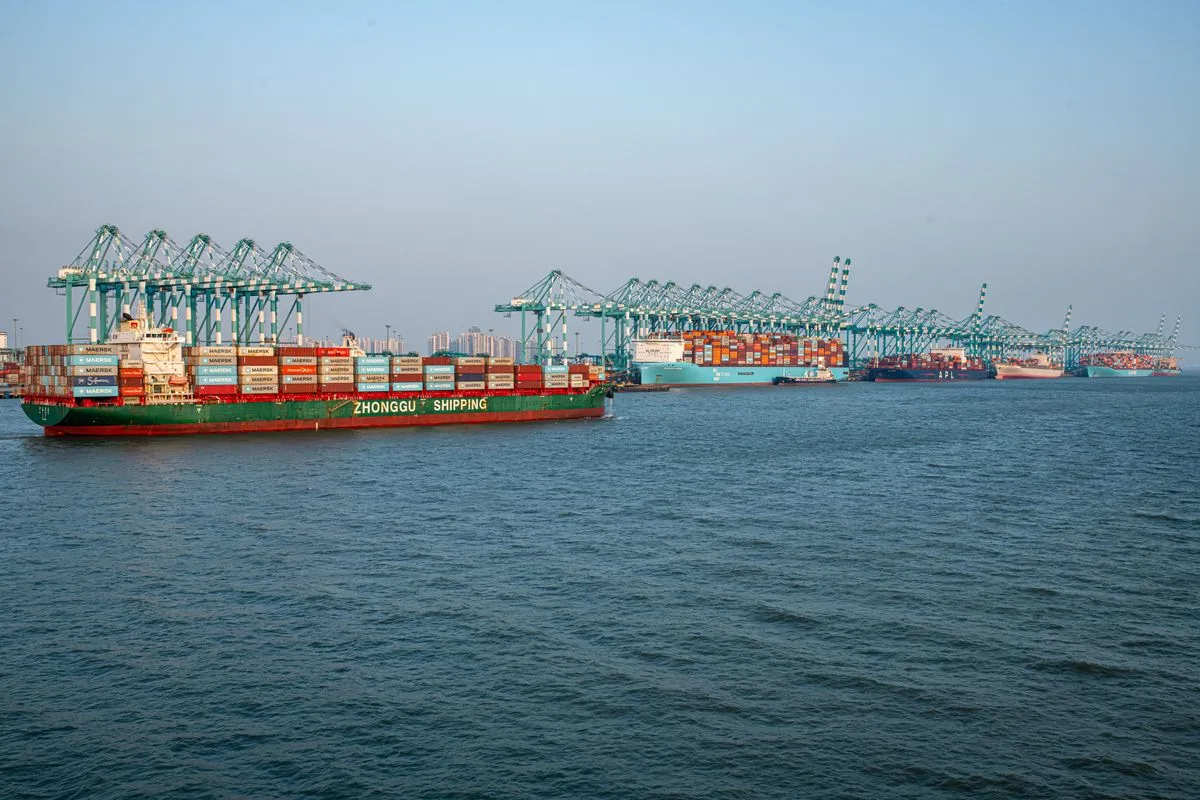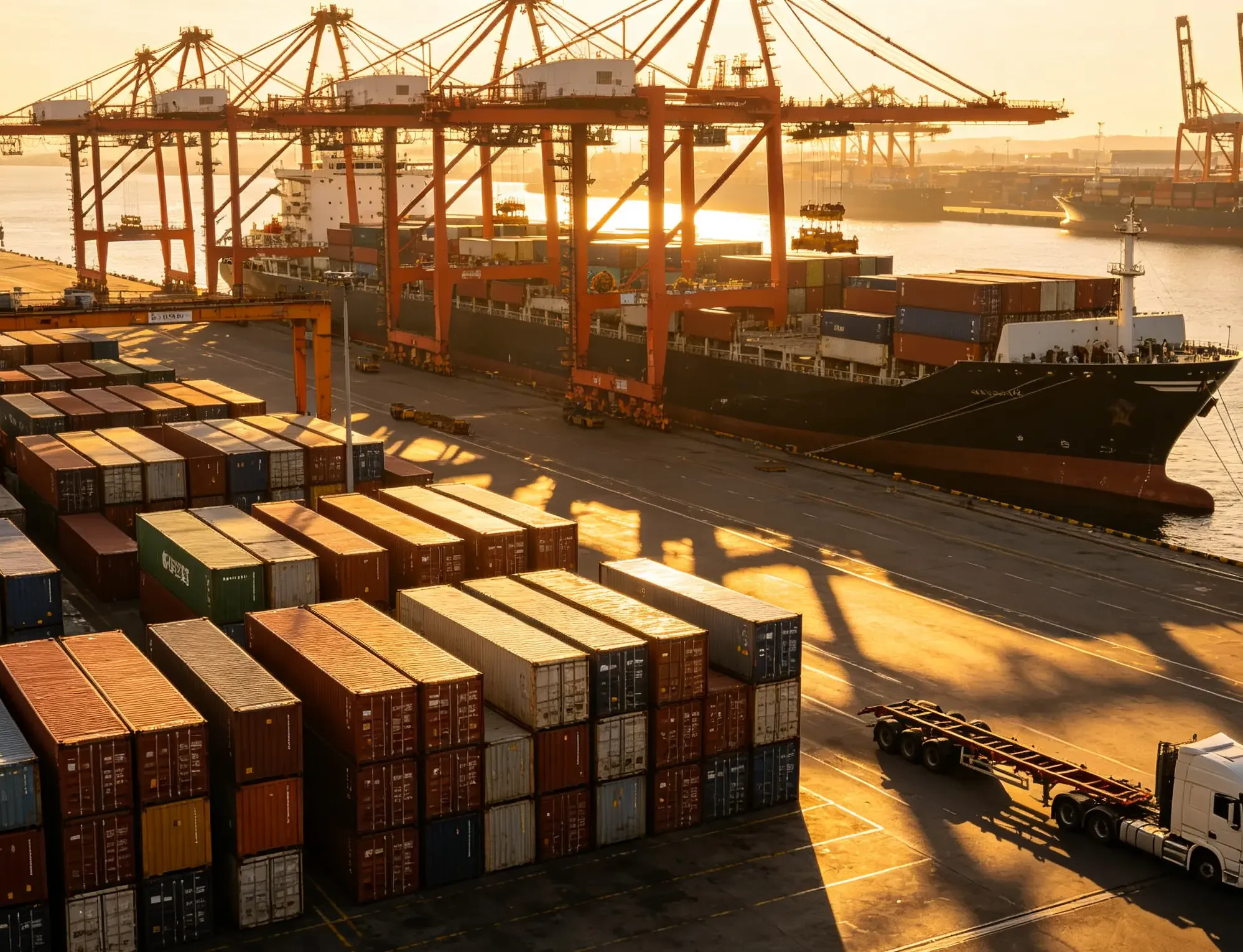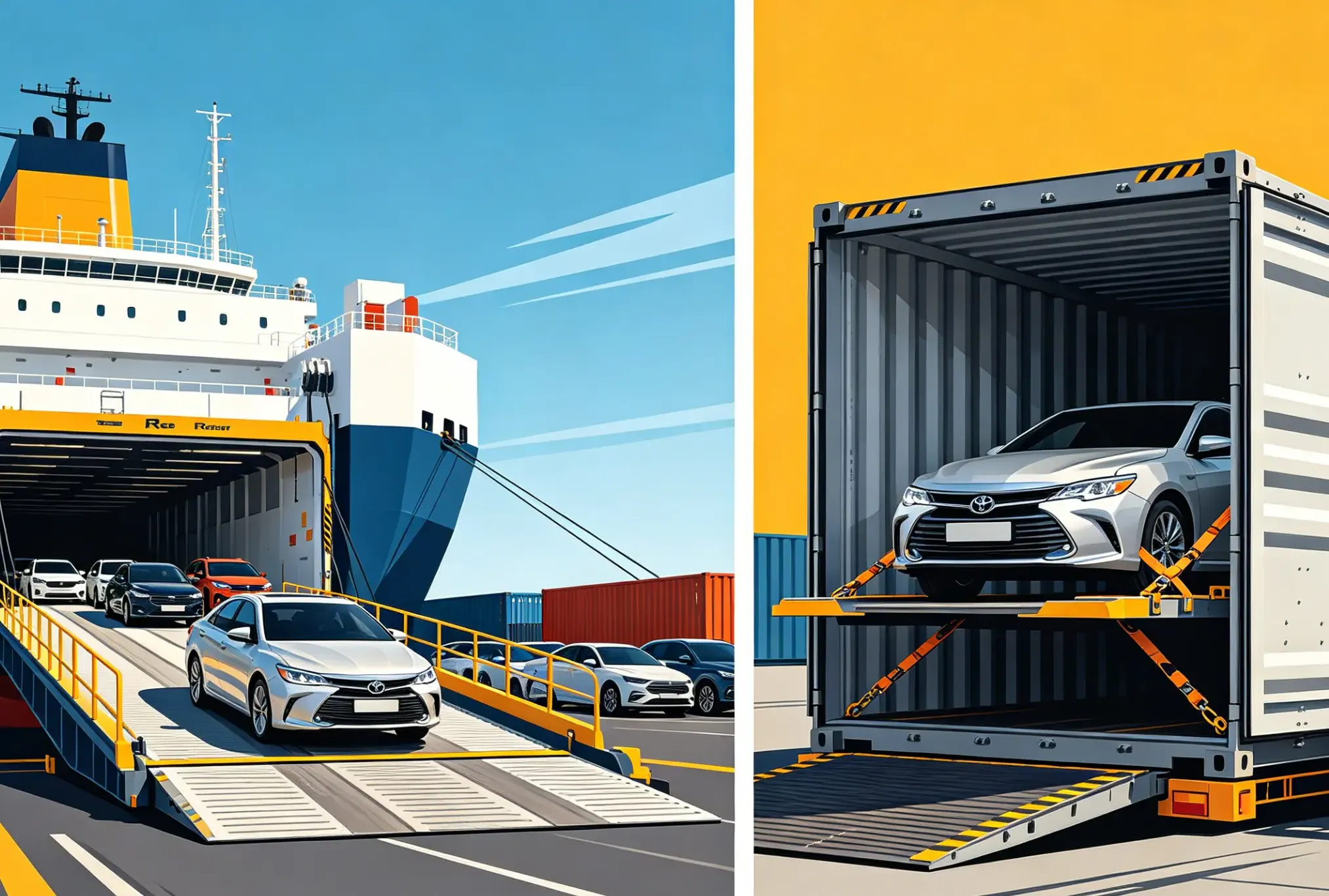
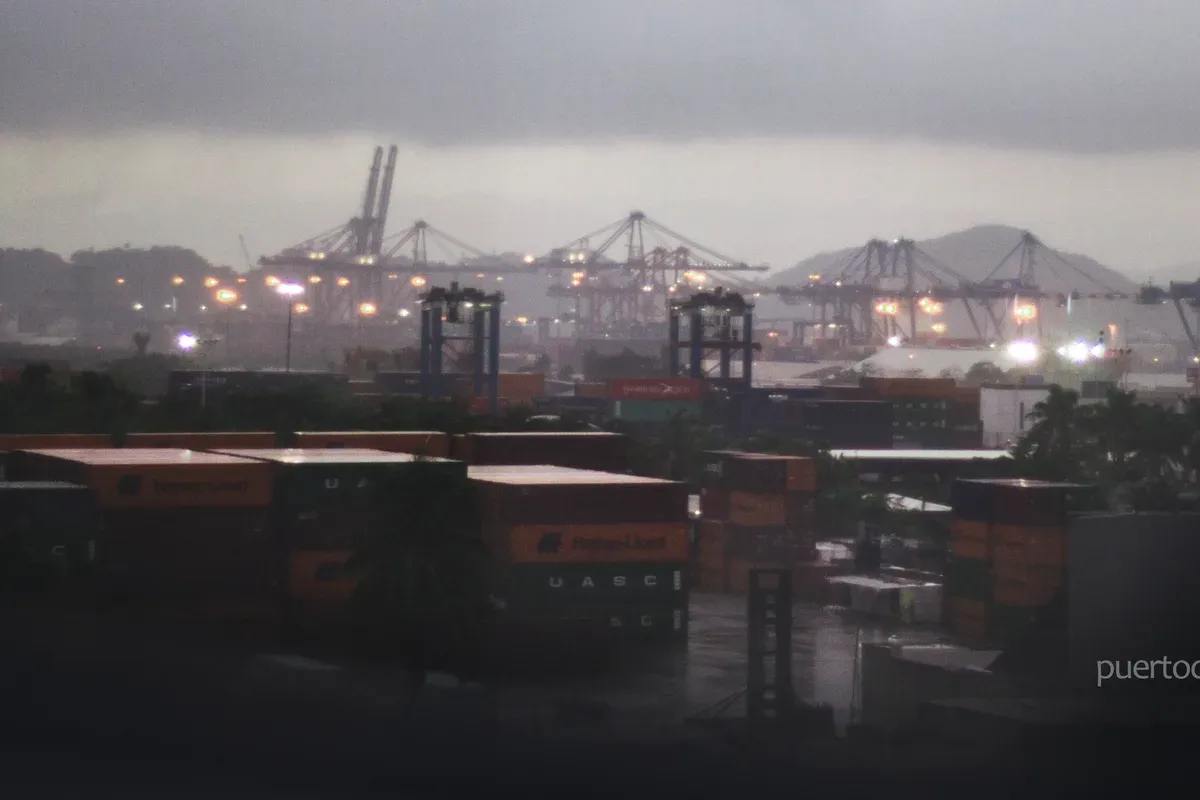
If your cargo is headed for Mexico City, Guadalajara, or anywhere in the Bajío manufacturing belt, the odds are high it will enter the country through Manzanillo. The Port of Manzanillo handled 3,893,357 TEU in 2025 — roughly 45 percent of all containerized cargo moving through Mexican ports — and has held the title of Mexico’s busiest container gateway for more than two decades. For importers booking sea freight from China to Mexico, this small city on the Colima coast is not one option among many. It is the main door.
But Manzanillo is also a port with a reputation: chronic congestion, a customs regime that punishes sloppy paperwork, and a 2025 customs work stoppage that stranded thousands of containers for weeks. This Manzanillo port guide covers what shippers actually need to know in 2026 — which terminal handles your container, what transit times look like from Chinese ports, what shipping costs right now, how customs clearance really works, and how to plan around the delays that catch first-time importers off guard.
1. Manzanillo Port at a Glance: Scale and Rankings
Manzanillo is the largest container port in Mexico and the third busiest on the entire Pacific coast of the Americas, behind only Los Angeles and Long Beach. The numbers tell the story:
- 2025 full year: 3,893,357 TEU, the port’s best year on record and its 20th-plus consecutive year as Mexico’s container leader.
- 2026 momentum: nearly 3.16 million TEU in the first nine months of 2026, up 9.5 percent year on year, with exports growing 14 percent.
- Asia share: roughly 70 percent of Mexico’s Asian imports arrive through Pacific gateways, and Manzanillo captures the largest share of that flow.
The port is administered by ASIPONA Manzanillo, the federal port authority, while private operators run the terminals. Growth has forced a building boom: the national expansion program targets up to 10 million TEU per year at Manzanillo by 2030, and ASIPONA is spending MX$1.729 billion on road access alone. For importers, the practical takeaway is simple: volume means frequency. More carriers call at Manzanillo, more often, than at any other Mexican port — which gives you flexibility on sailing dates and competitive rates on the China lane.
2. Container Terminals: Where Does Your Box Actually Land?
Manzanillo is not one terminal but four, and which one receives your container depends on the carrier you book. The 2025 throughput split shows how concentrated operations are:
| Terminal | Operator | 2025 Throughput | Notes |
|---|---|---|---|
| TEC I | SSA Marine México | 1,648,347 TEU | Largest terminal; best-equipped quay in the country |
| TEC II | Contecon Manzanillo (ICTSI) | 1,545,411 TEU | Fastest-growing; handles the biggest ships |
| TIMSA | Hutchison Ports | 356,243 TEU | Multi-use: containers, LCL, mineral bulk |
| OCUPA | Operadora de la Cuenca del Pacífico | 343,357 TEU | Smaller multi-purpose terminal |
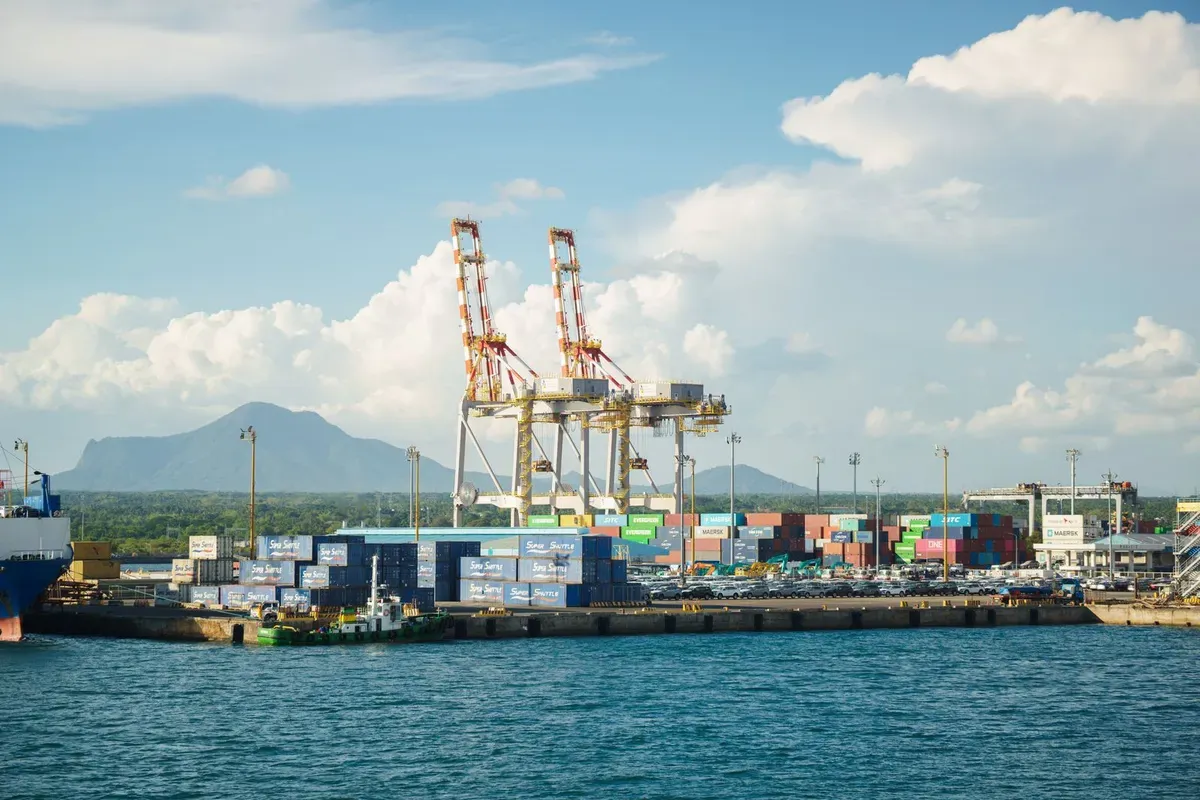
Contecon Manzanillo is where the port’s future capacity is being built. The ICTSI subsidiary completed Phase 3A of its expansion in 2025, lifting annual capacity above 1.77 million TEU, and has invested more than USD 300 million since 2023 in yard, berth, and equipment upgrades. In August 2026 it received clearance for vessels with drafts up to 15.5 meters — making it the only terminal on Mexico’s Pacific coast able to host ultra-large container vessels of up to 400 meters and 24,000 TEU. Phase 3B adds 227 meters of quay, two more quay cranes, and nine rubber-tired gantries, pushing capacity toward 2 million TEU per year.
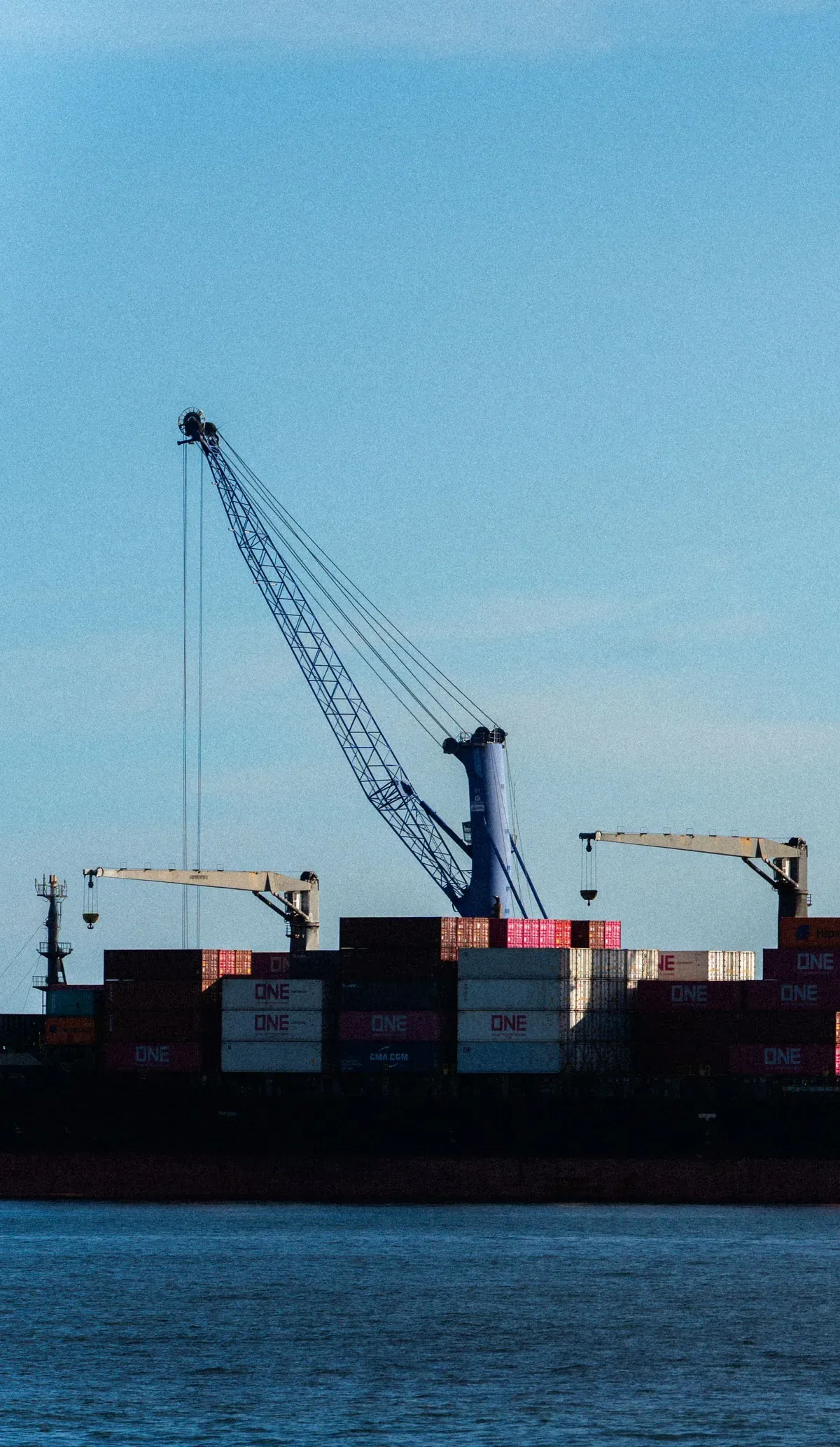
SSA Marine México (TEC I) remains the volume leader and also operates a separate multipurpose terminal with 1,475 meters of public quay, three rail sidings, 125 reefer plugs, and a 4,200 m² LCL warehouse. TIMSA and OCUPA handle a mix of containers, LCL, and break-bulk.
One operational point: terminal assignment is the carrier’s choice, not yours — but each terminal runs its own appointment system and free-time clock, so your customs broker and trucker need to know the terminal before the vessel arrives.
3. Shipping Routes from China: Transit Times to Manzanillo
Every major trans-Pacific carrier serves Manzanillo with direct loops from China: MSC, Maersk, COSCO, CMA CGM, Hapag-Lloyd, ONE, Evergreen, OOCL, and ZIM all call regularly, mostly on weekly or better frequency.
Typical port-to-port transit times for FCL direct service in late 2026:
| Origin Port (China) | Transit Time to Manzanillo | Frequency |
|---|---|---|
| Shanghai | 17 – 22 days | Multiple weekly |
| Ningbo | 19 – 24 days | Multiple weekly |
| Qingdao | 20 – 26 days | Weekly+ |
| Shenzhen (Yantian / Shekou) | 24 – 30 days | Multiple weekly |
| Hong Kong | 23 – 28 days | Multiple weekly |
| Xiamen | 23 – 27 days | Weekly |
| Tianjin | 23 – 28 days | Weekly (incl. direct loop launched mid-2026) |

A few things the table does not show:
- LCL shipments add 5–10 days for consolidation in China and deconsolidation at Manzanillo. If your volume is under 15 CBM, our FCL vs LCL shipping breakdown can help you decide when upgrading to a full container actually saves money.
- Port rotation matters. Some “direct” services call at Lázaro Cárdenas or Buenaventura first — a booking that looks like 20 days on paper can land at 25 if Manzanillo is the second port of call. Always check the rotation, not just the headline transit time.
- Add buffer at destination. Customs clearance and gate-out at Manzanillo add another 6–10 days in normal conditions, and more during disruptions (see Section 6).
For a lane-level view of the full journey, see our guide to ocean freight from China to Mexico, and for urgent cargo, air freight from China into Mexico City or Guadalajara runs 3–5 business days.
4. What Does Shipping to Manzanillo Cost in 2026?
The honest answer: far more than it did at the start of the year. Trans-Pacific rates to Mexico climbed sharply through 2026 on nearshoring demand and tight vessel capacity — our February guide quoted USD 1,500 – 1,900 for a 20GP from Shanghai or Ningbo to Manzanillo, and by October 2026 spot rates were running three to four times higher. Treat any published figure, ours included, as a snapshot, and request a live quote before booking.
Current indicative ranges (port-to-port ocean freight, October 2026):
| Mode | Rate Range | Notes |
|---|---|---|
| FCL 20GP | USD 6,300 – 7,700 | From Shanghai/Ningbo; south China ports similar |
| FCL 40HQ | USD 6,600 – 8,100 | Best per-CBM value for 55+ CBM loads |
| LCL | USD 110 – 150 per CBM | Minimum charges apply; slower door-to-door |
| Air freight | USD 5.50 – 9.00 per kg | Chargeable weight; peak surcharges possible |
Freight markets are highly volatile. These estimates reflect October 2026 spot conditions and change with carrier capacity, fuel, and seasonal demand.
Ocean freight is only part of the landed bill. Budget for these destination-side charges at Manzanillo:
| Charge | Typical Cost | When It Applies |
|---|---|---|
| Terminal handling (destination THC) | USD 250 – 400 / container | Every import container |
| Customs broker fee | USD 300 – 600 / entry | Mandatory — a licensed agente aduanal is required by law |
| DTA (Derecho de Trámite Aduanero) | 0.8% of customs value | Every pedimento |
| IVA (VAT) | 16% of (CIF + duty + DTA) | Recoverable for registered importers |
| Port storage after free time | USD 50 – 120 / container / day | After 5 – 7 free days, escalating |
| Demurrage / detention | Carrier tariff | After free time expires |

The storage and demurrage rows are where inexperienced importers get hurt: free time typically runs 5–7 days, and a red-light customs inspection can eat most of that window before your container is even released. For a complete cost-modeling walkthrough, see freight costs from China to Mexico. And at current rate levels, cargo insurance services are cheap protection on a shipment that now costs five figures to move.
5. Customs Clearance at Manzanillo: How It Actually Works
Customs is the stage that defines the Manzanillo experience. Clearance is handled by ANAM (Agencia Nacional de Aduanas de México) together with the SAT tax authority, and every commercial import must be filed by a licensed Mexican customs broker (agente aduanal) — a legal requirement, not an optional service.
The standard flow:
- Pre-arrival filing (5–10 days before arrival). Your broker classifies every line item under its 8-digit tariff code plus 2-digit NICO identifier, calculates duties (IGI import duty, 0.8% DTA, 16% IVA), and prepares the pedimento — the customs entry — in the SAT’s SAAI/VUCEM system.
- Arrival and bonded yard. The container discharges into the terminal’s bonded yard under customs control. Free storage (typically 5–7 days) starts here.
- Duty payment. Duties are paid via authorized bank or SPEI transfer; the pedimento cannot proceed to selection until payment registers.
- Semáforo fiscal (traffic-light selection). The system randomly assigns green (about 85 percent of entries — release without inspection) or red (about 15 percent — physical inspection).
- Release and gate-out. With the release pass, your carrier — using a carta porte CFDI 3.1, mandatory for all Mexican road transport — picks up the container and delivers.
| Document | Purpose | Common Mistake |
|---|---|---|
| Commercial Invoice | Declares value and parties | Undervaluation triggers PAMA proceedings |
| Packing List | Itemized weights and dimensions | Mismatch with actual cargo |
| Bill of Lading | Transport contract | Consignee name errors block release |
| Pedimento | Official customs entry | Wrong HS/NICO classification |
| NOM compliance labels | Mexican product standards | Missing Spanish labeling on retail goods |
| Carta Porte (CFDI 3.1) | Legal road transport document | Issued late, delaying gate-out |
Three tips that save real time at Manzanillo:
- Get HS classification right before the vessel sails. Classification errors are the most expensive mistake in Mexican customs — a wrong code can mean re-filing, inspection, fines, or a PAMA precautionary seizure that takes weeks to resolve. Mexico’s January 1, 2026 tariff amendments also raised duties on many China-origin goods, so last year’s classification and duty assumptions may no longer hold.
- Pay duties the same day the pedimento is ready. The selection mechanism cannot trigger until payment registers in VUCEM. Importers who wait a day or two to organize funds burn their free-time window for nothing.
- Treat NOM labels as a loading requirement, not an arrival problem. Relabeling inside a bonded warehouse at Manzanillo costs multiples of doing it at your Chinese supplier’s facility.
Our customs clearance team coordinates with licensed brokers at Manzanillo daily, and pre-validates documentation before cargo leaves China — which is when corrections are still cheap.
6. Congestion and Delays: Planning for Manzanillo’s Bad Weeks
The port’s operational reality in 2025–2026 includes periodic congestion that adds days — occasionally weeks — to import timelines.
The defining event was the May 2025 customs work stoppage at ANAM’s Manzanillo office. What began as an internal labor action on May 12 cascaded into a port-wide crisis: single-shipment inspections took more than 72 hours, thousands of containers stranded in yards, import truck assignment stretched to 48–72 hours, and transport associations suspended southern-zone deliveries entirely to let the backlog clear. Importers reported cost increases of 20–30 percent, and full normalization took roughly five weeks.
Even outside crisis periods, expect friction:
- Red-light inspections routinely add 2–3 days because verifier capacity is limited.
- Berth waiting times hit 1.8 days at the 2025 peak and spike again in peak season.
- Appointment systems saturate in high-volume weeks — in June 2025, customs clearance appointments were booking out an average of 5 business days ahead.
Practical planning rules we apply for our own clients:
- Build a 5–7 day buffer into any Manzanillo import timeline beyond the quoted clearance time, and 2 weeks during the September–December peak.
- Front-load documentation. Every day of customs delay caused by your own paperwork is a day of storage and demurrage you chose to pay.
- Watch the calendar. Your forwarder should be tracking ANAM bulletins, not learning about stoppages from your demurrage invoice.
7. Getting Cargo Inland: Rail and Truck from Manzanillo
Manzanillo’s strategic value comes from what it connects to. Guadalajara — Mexico’s second-largest industrial market — sits 290 kilometers northeast via Federal Highway 54D, and the Bajío manufacturing corridor (Guanajuato, Querétaro, Aguascalientes) plus Mexico City are all within a day’s truck journey or a scheduled rail move.
Rail. Ferromex operates the port’s rail link, and the major carriers sell integrated intermodal products on top of it. CMA CGM’s block-train service, for example, runs 6 times per week from Manzanillo to Mexico City (Pantaco / APM Cuautitlán ramps, about 8 days rail transit on import) and to Guadalajara (IMEX ramp, about 7 days). Rail typically saves around 20 percent versus trucking on the long inland legs, at the cost of 1–2 extra days.
Trucking. Direct drayage covers the main destinations:
| Destination | Distance from Manzanillo | Truck Transit | Rail Option |
|---|---|---|---|
| Guadalajara | ~290 km | 4 – 6 hours | Yes, IMEX ramp |
| León / Guanajuato | ~450 km | 6 – 8 hours | Via Bajío ramps |
| Mexico City | ~800 km | 10 – 12 hours | Yes, Pantaco / Cuautitlán |
| Monterrey | ~1,100 km | 14 – 16 hours | Via Mexico City hub |
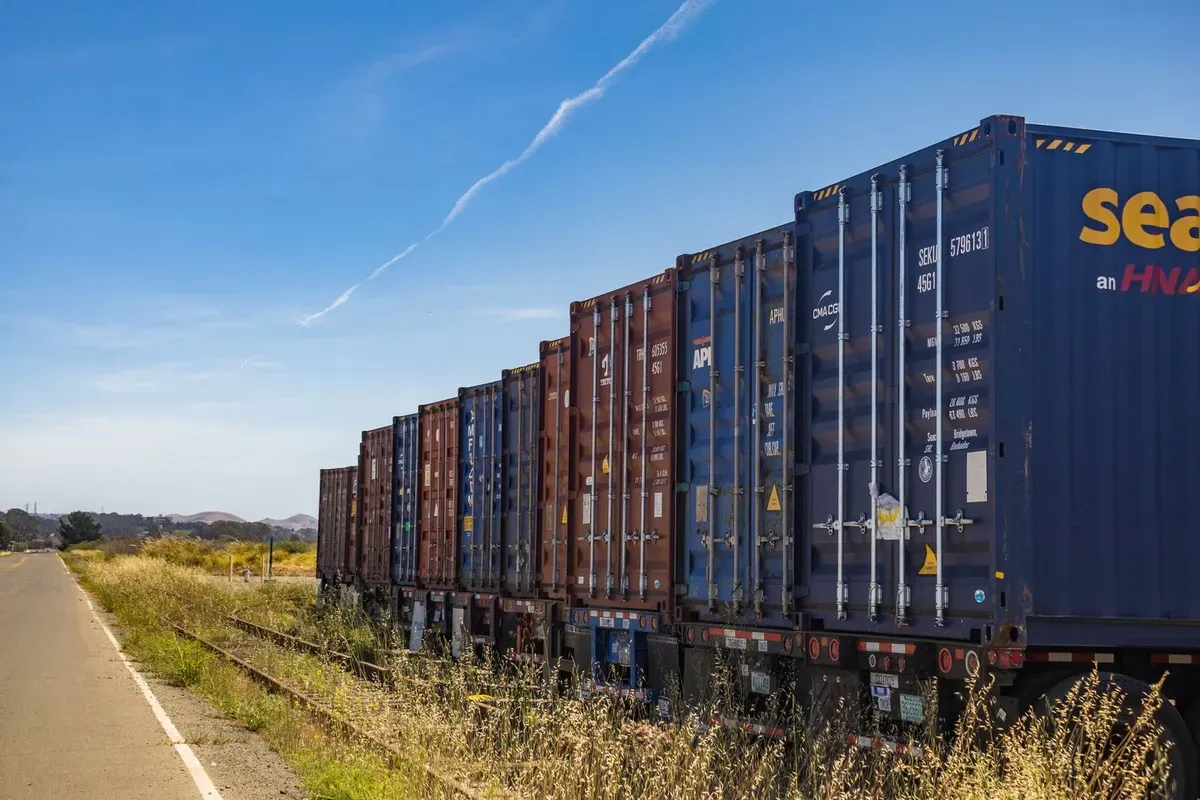
For time-critical cargo, trucking costs more but moves on your schedule. For regular replenishment volumes into Mexico City or the Bajío, the rail product is usually the right answer — ask your forwarder to quote both.
8. Manzanillo vs Lázaro Cárdenas: Which Pacific Gateway?
The only real alternative Pacific gateway is Lázaro Cárdenas, 400 kilometers southeast in Michoacán. It is a genuine competitor — APM Terminals’ facility there grew 35 percent year on year in the first half of 2026 — but the two ports serve different needs:
| Factor | Manzanillo | Lázaro Cárdenas |
|---|---|---|
| 2025 container volume | 3.89 million TEU | ~2.3 million TEU (est.) |
| Sailing frequency from China | Highest in Mexico | Good, fewer loops |
| Max vessel size | 24,000 TEU (Contecon, from Aug 2026) | Large post-Panamax |
| Rail connections | Ferromex block trains to Mexico City | KCSM/CPKC direct to US border |
| Congestion record | Periodic, documented | Generally lighter |
| Best for | Mexico City, Guadalajara, Bajío | US/Canada-bound cargo; overflow during congestion |
The routing logic we use: Manzanillo is the default for cargo consumed in central and western Mexico — the sailing frequency and inland rail density are unmatched. Lázaro Cárdenas earns its place when Manzanillo is congested (rerouting can save 3–5 days of berth and yard delay), when cargo is ultimately US-bound via the CPKC corridor, or when a carrier’s rotation favors it.
9. Step-by-Step: Importing a Container Through Manzanillo
Putting the full journey together, here is the standard workflow for a China-to-Manzanillo import:
- Booking (2–4 weeks before ETD). Your forwarder books FCL or LCL space and confirms vessel, rotation, and terminal at Manzanillo. Peak season (September–December) demands the longer lead time.
- Export handling in China. Cargo is picked up or delivered to the origin port, export customs clears, and the container loads. Verify the B/L draft — check consignee names character by character.
- Pre-arrival documentation (5–10 days before ETA). Your Mexican broker receives the commercial invoice, packing list, and B/L, classifies every item, and prepares the pedimento. This window is where smooth shipments are made.
- Arrival and discharge (1–3 days). The vessel berths; your container moves to the bonded yard. The free-time clock starts.
- Duty payment and selection. Duties are paid; the semáforo fiscal assigns green (release) or red (inspection, typically +1–3 days).
- Release and inland delivery. The release pass issues, and your trucker (with carta porte CFDI) or the rail operator moves the container to destination. Port-to-warehouse typically runs 6–10 days from vessel arrival in normal conditions.
- Empty return. The empty returns to the designated depot within the carrier’s free days to avoid detention charges.
Total door-to-door from a Chinese factory to a Mexico City warehouse: roughly 35–50 days depending on origin port, season, and customs outcome. For a fully managed version of this flow — one invoice, one point of contact, duty handling included — see our door to door shipping from China service or the Mexico-specific door to door shipping from China to Mexico guide.
10. Frequently Asked Questions
What is the port code for Manzanillo? The UN/LOCODE is MXZLO (MX ZLO). Use it on bills of lading, shipping instructions, and customs documentation to avoid confusion with the Manzanillo ports in Panama, Cuba, and the Dominican Republic.
How long does customs clearance take at Manzanillo? In normal conditions, 6–10 days from vessel arrival to warehouse delivery. A red-light inspection adds 2–3 days. During disruptions — as in May–June 2025 — clearance can stretch to several weeks, which is why buffer planning matters more here than at most ports.
Do I need a customs broker to import through Manzanillo? Yes. Mexican law requires a licensed customs broker (agente aduanal) to file the pedimento for commercial imports. Choose your broker before your first shipment sails, not after it arrives — the pre-arrival classification window is where delays are prevented.
Is Manzanillo or Lázaro Cárdenas better for imports from China? For cargo destined for Mexico City, Guadalajara, or the Bajío, Manzanillo is the default: more sailings, more rail options, more carrier competition. Lázaro Cárdenas is the smart alternative when Manzanillo is congested or when cargo continues to the US or Canada by rail. Quote both during peak season.
How far in advance should I book space to Manzanillo? Two to three weeks before ETD in normal conditions, and four weeks during the September–December peak or ahead of Chinese New Year. With 2026 rates this volatile, booking early also locks your freight cost — spot rates on this lane have moved thousands of dollars within a quarter.
What are Manzanillo Port’s operating hours? The container terminals operate 24 hours a day, 7 days a week for vessel operations. Customs (ANAM) runs on business schedules, and truck access depends on terminal appointment availability — another reason to have your broker book slots early.
Manzanillo is the gateway that Mexican imports from China run through — 3.89 million TEU in 2025, expanding terminals, dense rail connections to the industrial heartland, and a customs regime that rewards preparation and punishes improvisation. The shippers who move through it smoothly are the ones whose paperwork is right before the vessel arrives. That is exactly how we run it: Efanda Logistics has coordinated China–Mexico shipments since 2018, with pre-validated documentation, licensed broker coordination at Manzanillo, and transparent pricing with no hidden fees. Tell us what you are shipping, and we will quote the full journey — ocean, customs, and inland delivery included.

Written by the EFANDA Logistics team — a Shenzhen-based freight forwarder established in 2018, moving cargo from China to ports worldwide with end-to-end pickup, consolidation, customs and door delivery.About us