Need to ship from China to France but stuck between slow sea freight (38-55 days) and expensive air freight ($4.3/kg)? There’s a third option that’s been gaining serious traction: China to France rail freight. With 12-25 day transit times and costs 60-80% lower than air, it’s become the go-to choice for smart importers. At Efanda Logistics, we’ve been running rail shipments since 2018—long before it was trendy—and we’ve watched this “New Silk Road” transform supply chains for B2B importers, Amazon FBA sellers, and e-commerce brands alike.
If you’re tired of unpredictable sea freight delays caused by Red Sea disruptions, or you’re looking to slash air freight costs by 60-80%, here’s everything you need to know about China to France rail freight—from current 2026 rates and transit times to DDP door-to-door solutions and customs clearance best practices. If you’re also considering other transport modes, check out our complete guide to shipping from China to France for sea and air freight alternatives.
What is China to France Rail Freight and How Does It Work?
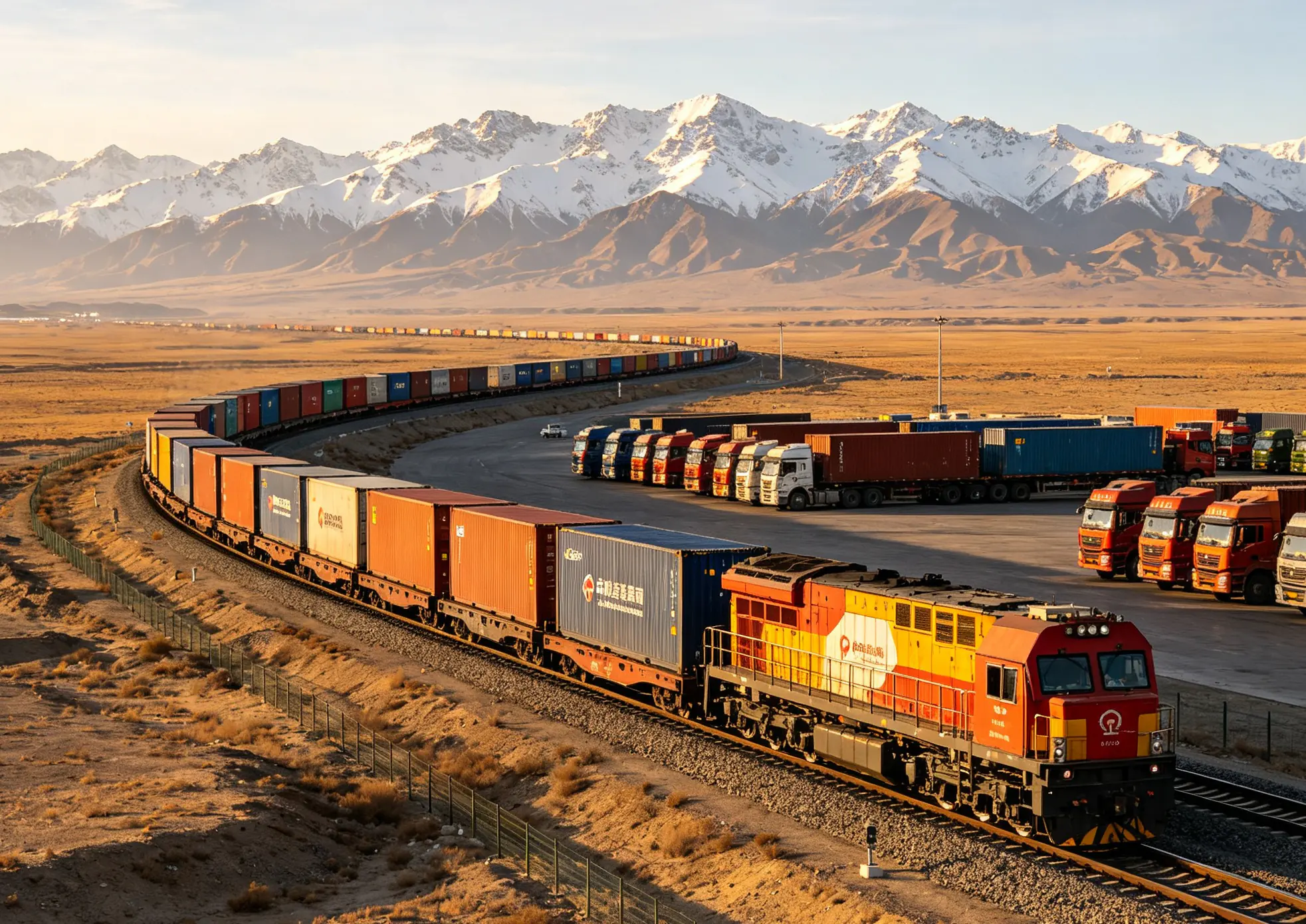
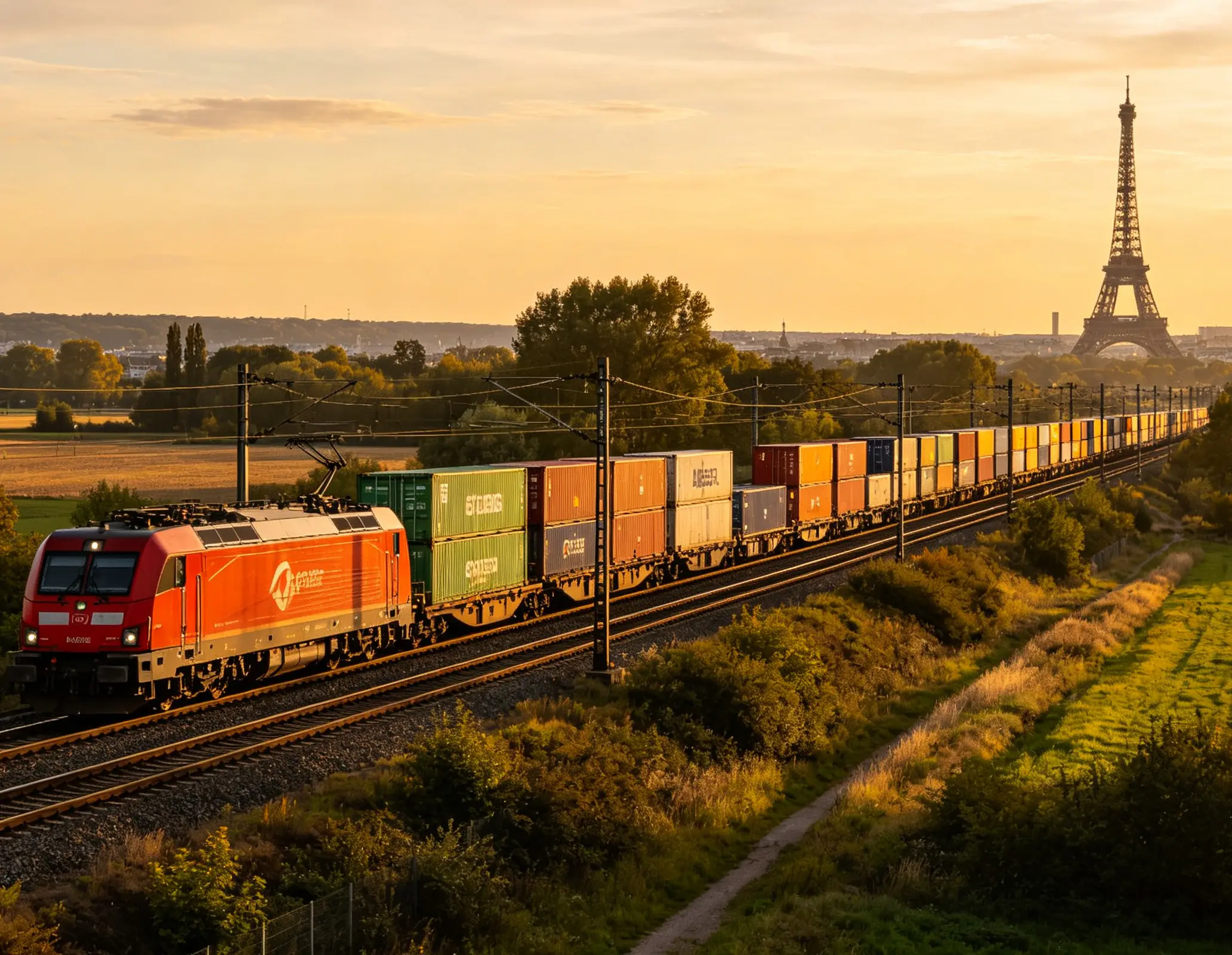
China to France rail freight refers to the transportation of goods via the China-Europe Railway Express (中欧班列), commonly known as the China-Europe rail corridor or “New Silk Road.” This land-based shipping method connects major Chinese manufacturing hubs with European destinations through an extensive rail network spanning Kazakhstan, Russia, Belarus, and Poland.
The China-Europe Railway Express has experienced explosive growth in recent years. In Q1 2026, the China-Europe Railway Express handled 5,460 train trips with goods transported reaching 546,000 twenty-foot equivalent units (TEUs), up 22% and 29% year-on-year respectively. This growth reflects increasing demand for reliable, cost-effective alternatives to traditional sea and air freight.
For a broader perspective on rail routes across the continent, explore our guide to rail freight from China to Europe.
Major Rail Routes and Key Hubs
Understanding the China to France train freight schedule starts with knowing the primary routes:
Chinese Origin Cities:
- Chengdu: One of the busiest rail hubs with daily departures to Europe
- Xi’an: Strategic location with direct connections to Duisburg
- Chongqing: Major western hub serving Southwest China manufacturing
- Wuhan: Central China departure point with multiple weekly services
Transit Route:
Chinese hubs → Kazakhstan → Russia → Belarus → Poland (Malaszewicze border crossing) → European hubs
European Gateway Hubs:
- Duisburg, Germany: Europe’s largest inland port and primary rail gateway
- Hamburg, Germany: Major port city with extensive rail connections
- Malaszewicze, Poland: Key border crossing point where cargo enters the EU
French Destinations:
From Duisburg or Hamburg, cargo continues by rail or truck to Paris, Lyon, and other French cities. The final leg typically adds 2-4 days to the overall transit time.
Service Types: FCL vs LCL
Rail freight offers two primary service options:
FCL (Full Container Load): You book an entire 20ft or 40ft container exclusively for your cargo. Best for shipments over 15 CBM or 3 tonnes.
LCL (Less than Container Load): Your cargo shares container space with other shippers. You pay only for the volume (CBM) you use, making it ideal for smaller shipments.
Our Industry Insight: Based in Shenzhen, we leverage our proximity to major South China manufacturing hubs and direct rail connections to offer flexible departure options. Our team coordinates weekly consolidations from Shenzhen factories to Chengdu and Xi’an rail terminals, ensuring our clients never miss a departure due to inland transportation delays.
Why Choose Rail Freight from China to France?
Rail freight offers five compelling advantages that make it increasingly popular for China-France trade:
1. Significantly Faster Than Sea Freight
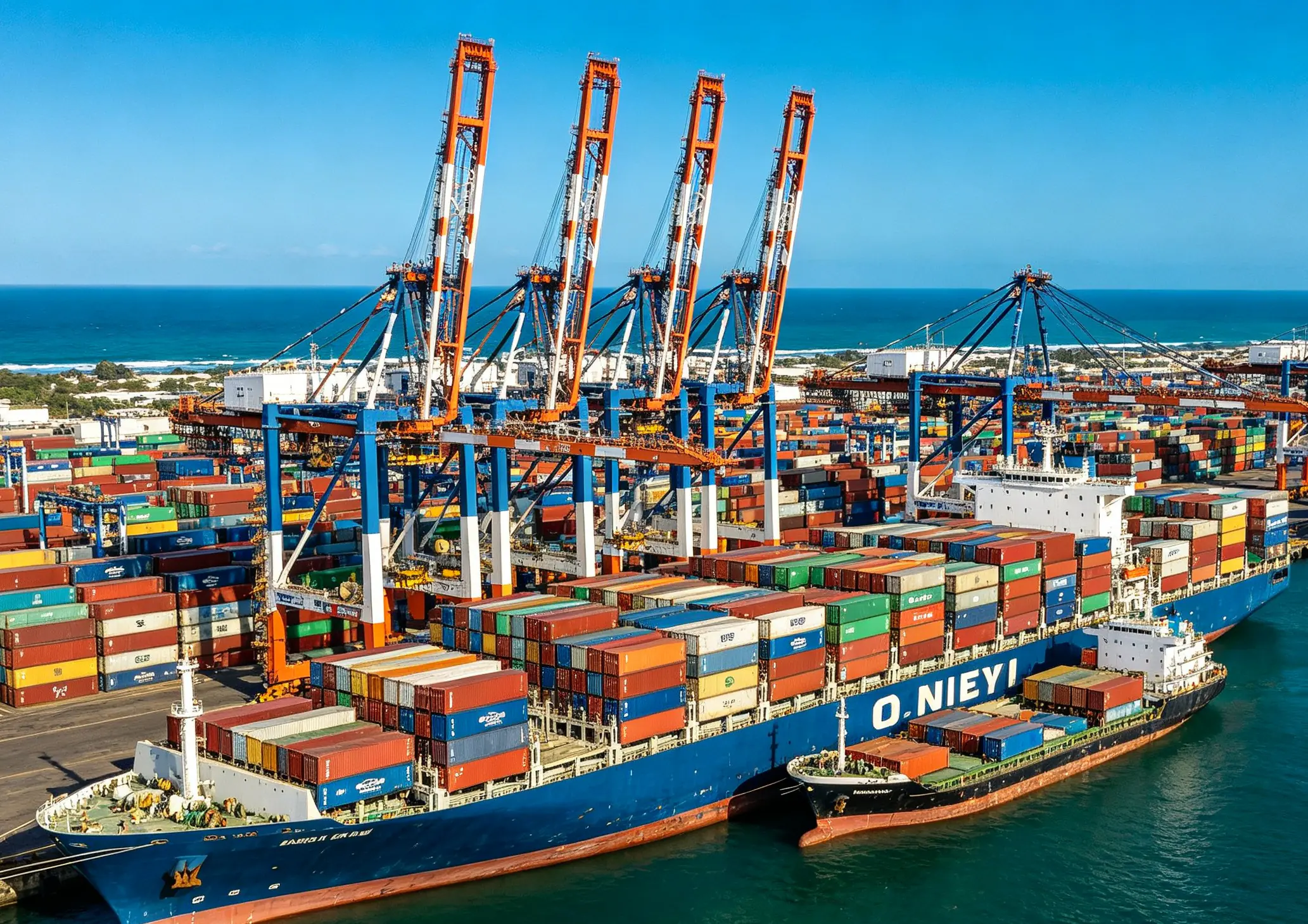
While traditional sea freight from China to France now takes 38-55 days (due to Red Sea disruptions forcing Cape of Good Hope routing), China to France rail freight delivers in just 12-25 days. That’s a 50-60% reduction in transit time. For importers, this means faster response to market demands, lower inventory carrying costs, and—perhaps most importantly—fewer sleepless nights wondering where your cargo is.
2. Much More Affordable Than Air Freight
Rail freight costs approximately 1/3 to 1/5 of air freight rates. For a typical 1,000 kg shipment, air freight might cost $4,300+, while rail LCL would run $1,800-$2,300. This dramatic cost saving makes rail ideal for medium-value goods where air freight is prohibitively expensive but sea freight is too slow.
3. Unaffected by Maritime Disruptions
The ongoing Red Sea crisis and Strait of Hormuz tensions have created massive uncertainty in ocean shipping. Rail routes bypass these geopolitical hotspots entirely, providing predictable transit times regardless of maritime disruptions.
4. Lower Carbon Footprint
Rail freight produces significantly fewer CO2 emissions per tonne-kilometer than air freight and comparable or lower emissions than sea freight on Cape of Good Hope routes. For companies with ESG commitments, rail is an environmentally responsible choice.
5. Reliable, Fixed Schedules
Unlike ocean freight which faces port congestion and schedule reliability issues, China-Europe rail operates on fixed block train schedules. Departure and arrival times are predictable, making supply chain planning easier.
Real-Life Scenario: Just last month, a French electronics importer came to us in panic mode. Their sea freight was stuck for 50+ days due to Red Sea disruptions, and they were facing a critical product launch with empty shelves. We switched them to rail and delivered in 16 days flat—just in time for launch. Yes, it cost 15% more than sea freight. But compared to the revenue they’d have lost from stockouts? A bargain.
China to France Rail Freight Cost: Complete Breakdown
Understanding China to France rail freight cost requires looking at both base rates and additional charges. Here’s the current 2026 pricing landscape (rates as of Q3 2026):
Sound too good to be true? Let’s break down the real numbers.
2026 Rail Freight Rate Card
| Service Type | Transit Time (Days) | Cost Range | Best For |
|---|---|---|---|
| Rail LCL | 18-25 | $180–$230/CBM | Small shipments under 10 CBM |
| Rail FCL 20GP | 12-18 | $4,158–$5,082 | Medium volumes (15-25 CBM) |
| Rail FCL 40GP | 12-18 | $6,048–$7,392 | Large volumes (25-55 CBM) |
| Express Rail FCL | 10-14 | Standard +20-30% | Time-sensitive cargo |

What’s Included in Your Quote?
A comprehensive China to France rail freight rates 2026 quote typically includes:
Origin Charges:
- Factory pickup and inland transportation to rail terminal
- Export customs clearance and documentation
- Terminal handling charges (THC)
Main Freight:
- Rail transportation from Chinese hub to European gateway
- Border crossing fees and transit country charges
Destination Charges:
- Import customs clearance in France
- Duties and taxes (if DDP service)
- Final delivery to your warehouse or specified address
Cost Optimization Strategies
To secure the cheapest rail freight from China to France, follow these proven tactics:
- Book 2-3 weeks in advance: Early bookings secure better rates and guaranteed space, especially during peak seasons.
- Avoid Q4 peak season: Rates typically increase 10-20% during October-December due to holiday demand. Ship in Q1-Q2 for best pricing.
- Consolidate shipments: Combine multiple small orders into one LCL shipment or upgrade to FCL when volume exceeds 15 CBM.
- Choose the right departure city: Chengdu and Xi’an often offer more competitive rates than coastal cities due to government subsidies for western hub development.
Price Disclaimer: Rail freight rates fluctuate based on fuel costs, capacity availability, and seasonal demand. The rates provided are indicative as of Q3 2026. Contact Efanda Logistics for a current, customized quote based on your specific shipment details.
Transit Time: How Long Does China to France Rail Freight Take?
The China to France rail freight transit time typically ranges from 12-25 days, depending on your service type and specific route.
Standard Transit Times by Route
| Origin City | European Hub | French Destination | Typical Transit (Days) |
|---|---|---|---|
| Chengdu | Duisburg | Paris | 14-18 |
| Xi’an | Duisburg | Lyon | 15-19 |
| Chongqing | Malaszewicze | Paris | 16-20 |
| Wuhan | Hamburg | Lyon | 17-21 |

Factors Affecting Transit Time
Several variables can impact your actual delivery time:
1. Origin and Destination Locations
Inland Chinese cities require 2-3 days of trucking to reach rail hubs. Similarly, French destinations beyond Paris or Lyon may add 1-2 days for final delivery.
2. Customs Clearance Efficiency
Proper documentation is critical. Shipments with complete, accurate paperwork clear customs in 1-2 days. Incomplete documentation can cause 5-7 day delays.
3. Seasonal Congestion
Q4 (October-December) and pre-Chinese New Year (January-February) periods experience higher volumes and potential delays.
4. Weather and Operational Delays
Severe winter weather in Central Asia or Eastern Europe can occasionally impact rail schedules.
How to Optimize Transit Time
- Choose direct trains: Avoid routes requiring multiple transshipments
- Prepare documents early: Submit customs paperwork 3-5 days before departure
- Build in buffer time: Add 3-5 days to quoted transit times for time-sensitive shipments
Transit Time Guarantee: While rail freight is generally reliable, transit times can vary due to factors beyond our control. We recommend building in a 3-5 day buffer for time-sensitive shipments. At Efanda, we provide real-time tracking so you always know your cargo’s exact location and estimated arrival.
FCL vs LCL: Which is Right for Your China to France Rail Shipment?
Here’s a decision that trips up a lot of first-time shippers: FCL (Full Container Load) vs. LCL (Less than Container Load). Choose wrong, and you could overpay by hundreds—or even thousands—of dollars.
FCL Rail Freight: The Complete Container Option
Advantages:
- Exclusive use of container space—no sharing with other shippers
- Faster transit times (no consolidation/deconsolidation delays)
- Reduced risk of damage or loss from handling
- Better security and cargo integrity
When to Choose FCL:
- Shipment volume exceeds 15 CBM
- Cargo weight exceeds 3 tonnes
- High-value goods requiring extra security
- Fragile items sensitive to multiple handlings
Cost: 20GP $4,158–$5,082; 40GP $6,048–$7,392
LCL Rail Freight: The Flexible, Cost-Effective Option
Advantages:
- Pay only for the space you use (charged per CBM)
- Lower upfront costs for small shipments
- Flexibility to ship smaller quantities more frequently
- Ideal for testing new products or markets
When to Choose LCL:
- Shipment volume under 10 CBM
- Cargo weight under 1,500 kg
- Budget-conscious shipments without strict deadlines
- Regular small-batch inventory replenishment
Cost: $180–$230 per CBM
Decision Framework: FCL vs LCL
| Shipment Volume | Recommended Option | Rationale |
|---|---|---|
| Under 10 CBM | LCL | Most cost-effective for small loads |
| 10-15 CBM | Compare both | Calculate total cost including CFS fees |
| 15-25 CBM | 20GP FCL | FCL becomes more economical |
| Over 25 CBM | 40GP FCL | Lowest cost per CBM |
Hidden Costs to Consider
LCL Additional Charges:
- CFS Fees (Container Freight Station): Charged for consolidation/deconsolidation, typically $25-40/CBM
- Minimum charges: Many LCL services have 1-2 CBM minimums
FCL Additional Charges:
- Container deposit: Refundable deposit may be required
- Demurrage & Detention: Charges for keeping container beyond free time at terminals
Our Expert Recommendation: At Efanda, we provide a complimentary shipment analysis to determine whether FCL or LCL offers better value for your specific cargo. Contact us with your shipment details, and we’ll calculate the total landed cost for both options, ensuring you make the most economical choice.
DDP Rail Freight from China to France: Door-to-Door Made Simple
DDP (Delivered Duty Paid) rail freight represents the ultimate convenience for importers. With rail freight China to France DDP shipping, your freight forwarder handles everything from factory pickup to final delivery, including all customs clearance and tax payments. For a complete door-to-door solution covering all transport modes, explore our door to door shipping from China services.
What Does DDP Rail Freight Include?
A complete rail freight from China to France door to door DDP service covers:
- Factory Pickup: Collection from your supplier’s warehouse anywhere in China
- Export Customs Clearance: Documentation and clearance at Chinese border
- Rail Transportation: Main carriage via China-Europe Railway Express
- Import Customs Clearance: French customs declaration and processing
- Duty and Tax Payment: 20% VAT + applicable customs duties based on HS Code
- Final Delivery: Trucking from European hub to your specified French address
DDP vs DAP vs FOB: Which Incoterm is Right for You?
| Incoterm | Seller Responsibility | Buyer Responsibility | Best For |
|---|---|---|---|
| DDP | Everything including duties | Simply receive goods | Buyers without import experience, e-commerce |
| DAP | Transport to destination (excl. duties) | Import clearance and duties | Buyers with customs broker relationships |
| FOB | Load goods onto vessel/train | All transport and clearance from origin | Large importers with own logistics teams |
DDP Cost Calculation Example
Let’s calculate the total cost for a typical shipment:
Shipment Details:
- 1,500 kg / 6 CBM of consumer electronics
- Route: Shenzhen → Paris
- Value: €30,000

Cost Breakdown:
- Rail LCL freight: ~$1,260
- Export clearance: ~$80
- Insurance (0.3% of value): ~$95
- Import clearance: ~$150
- Duties (2.5% for electronics) + 20% VAT: ~$1,800
- Final delivery to Paris warehouse: ~$200
Total DDP Cost: ~$3,585 (approximately €3,300)
Why Choose DDP Rail Freight?
1. Simplicity: No need to navigate complex French customs procedures or hire separate customs brokers.
2. Cost Predictability: One all-inclusive quote means no surprise charges upon arrival.
3. Time Savings: Your forwarder’s expertise ensures faster clearance than handling it yourself.
4. Ideal for E-commerce: Perfect for Amazon FBA sellers and D2C brands without import infrastructure.
Efanda’s DDP Solution: With over 6 years of DDP rail freight experience, Efanda Logistics handles everything from factory pickup in Shenzhen to final delivery in Paris. Our transparent pricing includes all fees with no hidden charges, and our dedicated logistics specialists provide real-time updates throughout your shipment’s journey.
Rail Freight for Amazon FBA Shipments from China to France
For Amazon sellers, China to France railway shipping for FBA offers an optimal balance of speed and cost for replenishing European inventory. Learn more about our comprehensive Amazon FBA services for end-to-end fulfillment solutions.
Why Rail Freight Works for FBA
French Amazon fulfillment centers like CDG7 (Paris), ORY1 (Orly), and MRS1 (Marseille) require precise delivery appointments and strict compliance with FBA packaging standards. Rail freight’s predictable 18-25 day transit times allow sellers to plan inventory replenishment accurately without the premium cost of air freight.
Rail vs Air vs Sea for FBA Shipments
| Transport Mode | Transit Time | Cost | Best Use Case |
|---|---|---|---|
| Rail Freight | 18-25 days | $180–$230/CBM | Regular replenishment, cost-sensitive |
| Air Freight | 5-7 days | $4.3/kg | Emergency restock, high-value items |
| Sea Freight | 30-55 days | $30–$50/CBM | Bulk inventory, non-urgent |
FBA Rail Freight Requirements
Packaging Standards:
- Pallets must meet Amazon’s 48″ x 40″ GMA standard or EU equivalent
- Maximum pallet height: 72″ (1.8m) including pallet
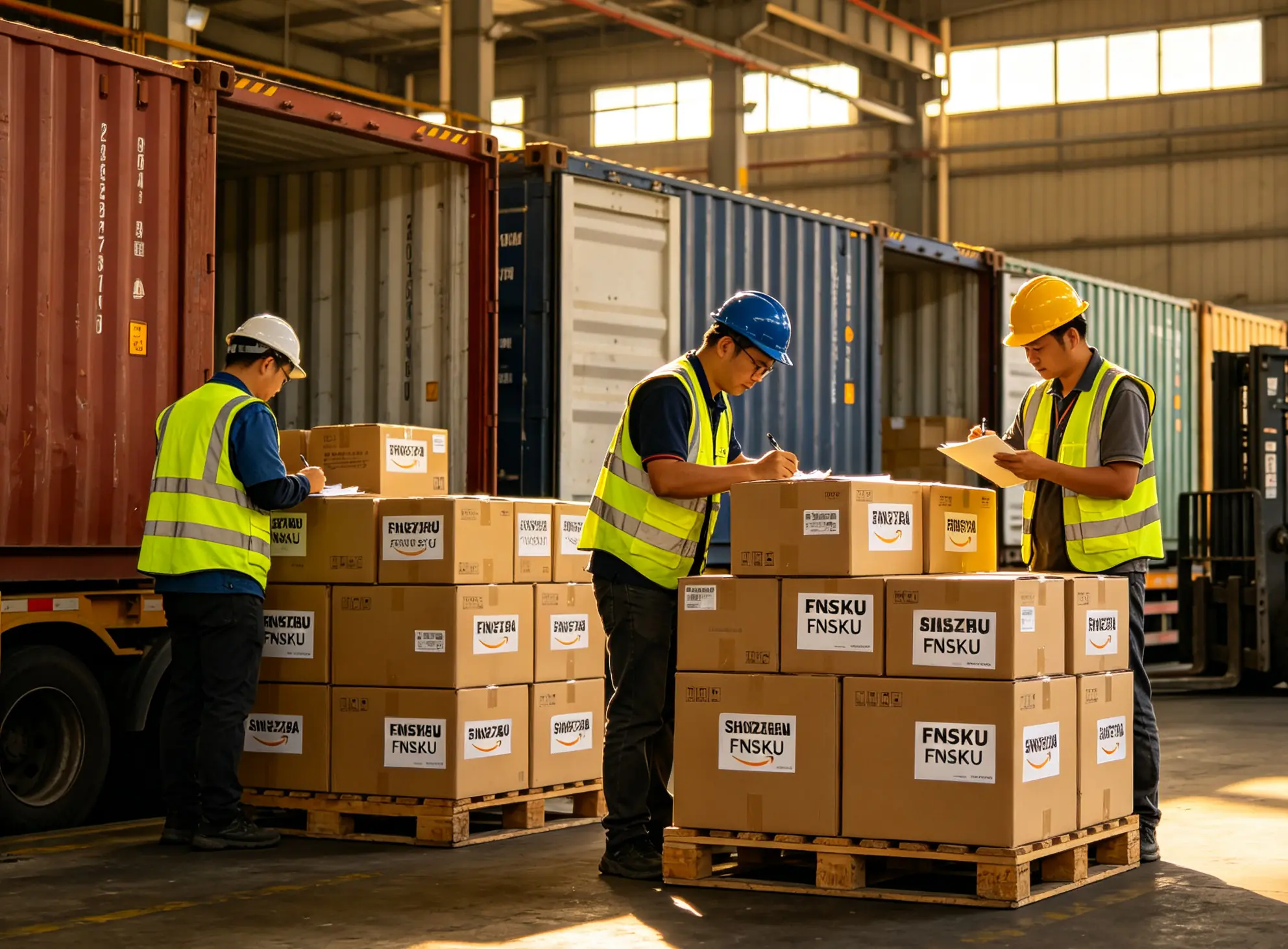
- Each carton must have scannable FNSKU label
Labeling Requirements:
- FNSKU labels on every sellable unit
- Shipping labels on cartons (provided by Amazon during shipment creation)
- Pallet labels on all four sides of each pallet
Booking Requirements:
- Delivery appointments must be scheduled through Amazon Seller Central
- Appointments typically required 5-7 days in advance
- Carrier must comply with Amazon’s delivery window (usually 30-minute tolerance)
Peak Season Planning for FBA
Prime Day (July) and Black Friday/Cyber Monday (November) require advance planning:
- Book rail space 45-60 days in advance for peak season shipments
- Avoid pre-Chinese New Year (Jan-Feb) when rail capacity is tightest
- Consider split shipments: Send 70% by rail (cost-effective) and 30% by air (for launch momentum)
Success Story: A few months back, an Amazon seller shipped 3,000 kg of home goods from Shenzhen to CDG7 via rail. They saved 40% compared to air freight and hit their Prime Day deadline with room to spare. Our team handled all the FBA labeling, palletizing, and appointment scheduling—zero rejection fees from Amazon. Not bad for a first-time rail shipper.
How to Choose a Reliable China to France Rail Freight Forwarder
Selecting the right China to France rail freight forwarder can mean the difference between smooth, on-time delivery and costly delays. Here’s what to look for:
7 Essential Criteria
1. Proven China-Europe Rail Experience
Look for forwarders with at least 3-5 years of actual rail freight operations. Rail freight requires specialized knowledge different from ocean or air freight.
2. Customs Clearance Expertise
Your forwarder should have strong relationships with French customs brokers and deep knowledge of EU import regulations, including VAT and product compliance requirements.
3. Comprehensive Network Coverage
Ensure your forwarder has reliable partners in both Chinese origin cities and French destination cities, not just major hubs.
4. Transparent Pricing
Demand detailed, itemized quotes with no hidden fees. Beware of quotes significantly below market rates—they often exclude essential services.
5. Real-Time Tracking Capabilities
Modern rail freight offers GPS tracking of containers. Your forwarder should provide online tracking or regular status updates.
6. Insurance Options
Comprehensive cargo insurance protects against loss or damage. Your forwarder should offer insurance or facilitate third-party coverage.
7. Responsive Customer Service
Dedicated account managers who respond quickly to inquiries and proactively communicate delays are invaluable.
How to Verify a Forwarder’s Reliability
- Check certifications: Look for WCA, FIATA, or IATA membership
- Request references: Ask for recent client testimonials or case studies
- Test responsiveness: Send pre-sales inquiries and gauge response time and professionalism
- Verify rail partnerships: Confirm they have guaranteed space allocations with actual rail operators
Red Flags to Avoid
- Quotes 20%+ below market rate: Often exclude customs clearance or final delivery
- Vague about transit times: Reputable forwarders provide realistic ranges, not guaranteed dates
- No physical office presence: Verify they have actual offices in China and Europe
- Poor communication: Slow or unprofessional pre-sales service usually worsens after booking
Why Choose Efanda Logistics?
- 6+ years of rail freight expertise: Operating China-Europe rail services since 2018
- Shenzhen headquarters: Strategic location near South China manufacturing centers
- End-to-end capabilities: Pickup, warehousing, customs clearance, rail transport, and final delivery
- Transparent pricing: Detailed quotes with no hidden fees
- Dedicated specialists: Every client gets a personal logistics coordinator
Customs Clearance for China-France Rail Freight
Customs clearance is often the most complex aspect of China to France rail freight. Understanding the process and preparing proper documentation prevents costly delays.
The Rail Freight Clearance Process
Step 1: Export Clearance (China)
Before your cargo boards the train, it must clear Chinese customs. Required documents include:
- Commercial Invoice
- Packing List
- Export Declaration (prepared by your forwarder)
- Any product-specific licenses or certifications
Step 2: Transit Country Clearance
As your cargo passes through Kazakhstan, Russia, Belarus, and Poland, transit documentation is handled by your forwarder. You don’t need to take action, but ensure your forwarder has experience with these transits.
Step 3: Import Clearance (France)
Upon arrival at Malaszewicze (Poland) or direct entry into the EU, French import clearance begins:
- HS Code classification: Determines duty rates
- Duty and VAT assessment: 20% VAT applies to most imports
- Customs inspection: Random or targeted inspections may occur
Essential Documents Checklist
| Document | Purpose | Critical Notes |
|---|---|---|
| Commercial Invoice | Declares value and transaction details | Must match actual goods exactly; undervaluation is illegal |
| Packing List | Details contents of each package | Must be consistent with invoice |
| Rail Waybill | Contract of carriage and title document | Issued by rail operator |
| Certificate of Origin | Proves manufacturing country | Required for duty preferences under some trade agreements |
| HS Code Classification | Determines duty rate | Misclassification leads to penalties |
Common Clearance Delays and Prevention
1. Incomplete or Inconsistent Documentation
- Prevention: Have your forwarder review all documents 3-5 days before departure
2. HS Code Misclassification
- Prevention: Consult with customs brokers or use official EU TARIC database for correct codes
3. Undervaluation or Overvaluation
- Prevention: Declare accurate transaction values; customs has reference price databases
4. Missing Certifications
- Prevention: Verify if products require CE marking, FCC certification, or other EU compliance documents
5. Physical Customs Inspection
- Prevention: While random, well-packaged, properly labeled cargo with complete paperwork faces lower inspection rates
French Import Duties and Taxes Reference
| Product Category | Customs Duty Rate | VAT Rate |
|---|---|---|
| Electronics | 0-3.5% (varies by product) | 20% |
| Textiles & Apparel | 12% | 20% |
| Toys | 4.7% | 20% |
| Furniture | 0-6% (varies by product) | 20% |
| Machinery | 0-4% (varies by product) | 20% |
Efanda’s Customs Expertise: Our in-house customs team specializes in French import regulations. We pre-review all documentation before departure, classify your HS codes correctly, and calculate duties and taxes in advance so you know your total landed cost upfront. This proactive approach reduces clearance delays by over 80% compared to industry averages.
Rail Freight vs Sea Freight vs Air Freight: Which is Best for You?
Choosing between China France rail freight vs sea freight (or air freight) depends on your specific priorities. Here’s a comprehensive comparison to guide your decision:
Full Comparison Table
For a detailed analysis of air versus sea freight trade-offs in European markets, see our comparison of air freight vs sea freight from China to Germany. The principles apply equally to France-bound shipments.
| Factor | Rail Freight | Sea Freight | Air Freight |
|---|---|---|---|
| Transit Time | 12-25 days | 25-55 days (Cape route) | 3-7 days |
| LCL Cost | $180–$230/CBM | $30–$50/CBM | $4.3/kg |
| FCL 20GP Cost | $4,158–$5,082 | $2,615–$3,196 | N/A |
| Reliability | ⭐⭐⭐⭐⭐ (fixed schedules) | ⭐⭐⭐ (congestion issues) | ⭐⭐⭐⭐⭐ |
| Carbon Footprint | Low | Lowest | Highest |
| Cargo Restrictions | No dangerous goods, lithium batteries limited | Broad acceptance | Broad acceptance |
| Tracking Visibility | High (GPS tracking) | Moderate | High |
| Geopolitical Risk | Low | High (Red Sea, Hormuz) | Low |
Decision Framework
Choose AIR FREIGHT if:
- You need delivery in under 7 days
- Shipping high-value, low-volume goods (electronics, fashion)
- Budget is secondary to speed
- Cargo is extremely time-sensitive (product launches, emergency restocks)
Choose RAIL FREIGHT if:
- 12-25 day transit time meets your needs
- Shipping medium-weight cargo (500 kg – 3 tonnes)
- You want to balance cost and speed
- Sustainability is a corporate priority
- You’re experiencing sea freight delays due to Red Sea disruptions
For importers also shipping to neighboring markets, understanding regional transit times is crucial. Check out our guide on how long does shipping from China to Germany take for insights into one of Europe’s largest markets.
Choose SEA FREIGHT if:
- Cost is your primary concern
- Shipping large volumes (over 3 tonnes)
- 30-55 day transit time is acceptable
- You have sufficient inventory buffer to handle delays
Hybrid Solutions for Optimization
Sea-Rail Intermodal: Ship by sea to Hamburg or Rotterdam, then transship by rail to France. This combines sea’s low cost with rail’s inland efficiency, ideal for large shipments to inland French destinations.
Air-Rail Combination: Air freight to a European hub (Frankfurt, Amsterdam), then rail distribution to multiple French cities. Perfect for time-sensitive goods requiring rapid EU entry followed by cost-effective distribution.
Our Recommendation: At Efanda Logistics, we don’t push one mode over another. Our logistics specialists analyze your shipment characteristics, budget, timeline, and sustainability goals to recommend the optimal transport mode—or combination of modes. Contact us for a free logistics consultation.
FAQs About China to France Rail Freight
Q: Is rail freight suitable for my cargo type?
Rail freight accommodates most general cargo including electronics, textiles, machinery, furniture, and consumer goods. However, it does not accept dangerous goods (Class 1-9), most lithium batteries (unless installed in equipment), aerosols, or other hazardous materials. If you’re unsure whether your cargo qualifies, contact us with your product details for confirmation.
Q: How much cheaper is rail freight compared to air freight?
Rail LCL ($180–$230/CBM) typically costs 1/3 to 1/5 of air freight ($4.3/kg). For a 1,000 kg shipment with 4 CBM volume, air freight might cost $4,300+, while rail LCL would be approximately $800-920—a savings of 75-80%.
Q: What’s included in DDP rail freight service?
DDP (Delivered Duty Paid) includes factory pickup in China, export customs clearance, rail transportation to Europe, French import customs clearance, payment of duties and 20% VAT, and final delivery to your specified address. Essentially, you receive goods at your door with no additional action or payment required.
Q: How can I track my rail freight shipment?
Efanda Logistics provides real-time GPS tracking for all rail shipments. You’ll receive a tracking number upon booking, allowing you to monitor your cargo’s location via our online platform or through direct updates from your dedicated logistics specialist.
Q: How long does customs clearance take in France?
With complete, accurate documentation, French customs clearance typically takes 1-3 business days. Shipments selected for physical inspection may require 5-7 additional days. Working with experienced customs brokers like Efanda’s team minimizes inspection likelihood and speeds processing.
Q: Can I ship Amazon FBA goods via rail freight?
Absolutely. Rail freight is an excellent FBA replenishment solution, offering 18-25 day transit times at costs 60-80% lower than air freight. Ensure your goods meet Amazon’s packaging and labeling requirements, and schedule delivery appointments through Seller Central. For specialized product categories like home appliances, check out our guide on how to ship air conditioner from China to France for product-specific requirements.
Q: What documents are required for rail freight customs clearance?
Essential documents include: Commercial Invoice, Packing List, Rail Waybill, Certificate of Origin (if applicable), and product certifications (CE marking for electronics, etc.). Efanda provides document review services to ensure compliance before departure.
Q: How do I get a quote for rail freight from China to France?
Contact Efanda Logistics with your shipment details: cargo description, weight, volume (CBM), origin city in China, and destination in France. We’ll provide a detailed, itemized quote within 24 hours, including all fees with no hidden charges.
Q: Are there any seasonal rate fluctuations?
Yes. Rail freight rates typically increase 10-20% during Q4 (October-December) due to holiday demand and before Chinese New Year (January-February) when capacity tightens. Booking 4-6 weeks in advance during these periods secures better rates and space availability.
Q: What happens if my shipment is delayed?
While rail freight is highly reliable, unexpected delays can occur. Efanda provides proactive communication—your dedicated specialist notifies you immediately of any delays and works to expedite resolution. We also offer delay compensation per our service terms for qualifying situations.
Conclusion: Start Shipping from China to France with Confidence
China to France rail freight has become the optimal solution for importers seeking the perfect balance of speed, cost, and reliability. With 12-25 day transit times, 60-80% cost savings versus air freight, and immunity to Red Sea disruptions, rail freight transforms supply chains for B2B importers, Amazon FBA sellers, and e-commerce brands.
Here’s what you need to remember:
✅ Rail freight fits the “golden middle”: Faster than sea (12-25 days vs 38-55 days), cheaper than air (1/3 to 1/5 the cost)
✅ DDP simplifies everything: Let your forwarder handle pickup, customs, duties, and delivery while you focus on your business
✅ Choose the right partner: Experience, transparency, and communication matter more than the lowest quote
✅ Plan for peak seasons: Book 4-6 weeks ahead for Q4 and pre-Chinese New Year shipments
Ready to ship from China to France? Contact Efanda Logistics today for a free, no-obligation quote tailored to your specific needs. Our team of rail freight experts is here to help you navigate every step of the process, from pickup in Shenzhen to delivery in Paris.
Get Your Free Quote Today:
- 📞 Phone/WhatsApp: +86 18929345880
- 🌐 Visit: https://efandatrans.com/
With Efanda Logistics, you gain more than a freight forwarder—you gain a logistics partner committed to your success. Since 2018, we’ve helped hundreds of businesses optimize their China-France supply chains with transparent pricing, dedicated support, and end-to-end solutions.
Last updated: September 2026. All rates and transit times are indicative and subject to change based on market conditions, fuel costs, and seasonal demand. Contact Efanda Logistics for current, customized quotes.