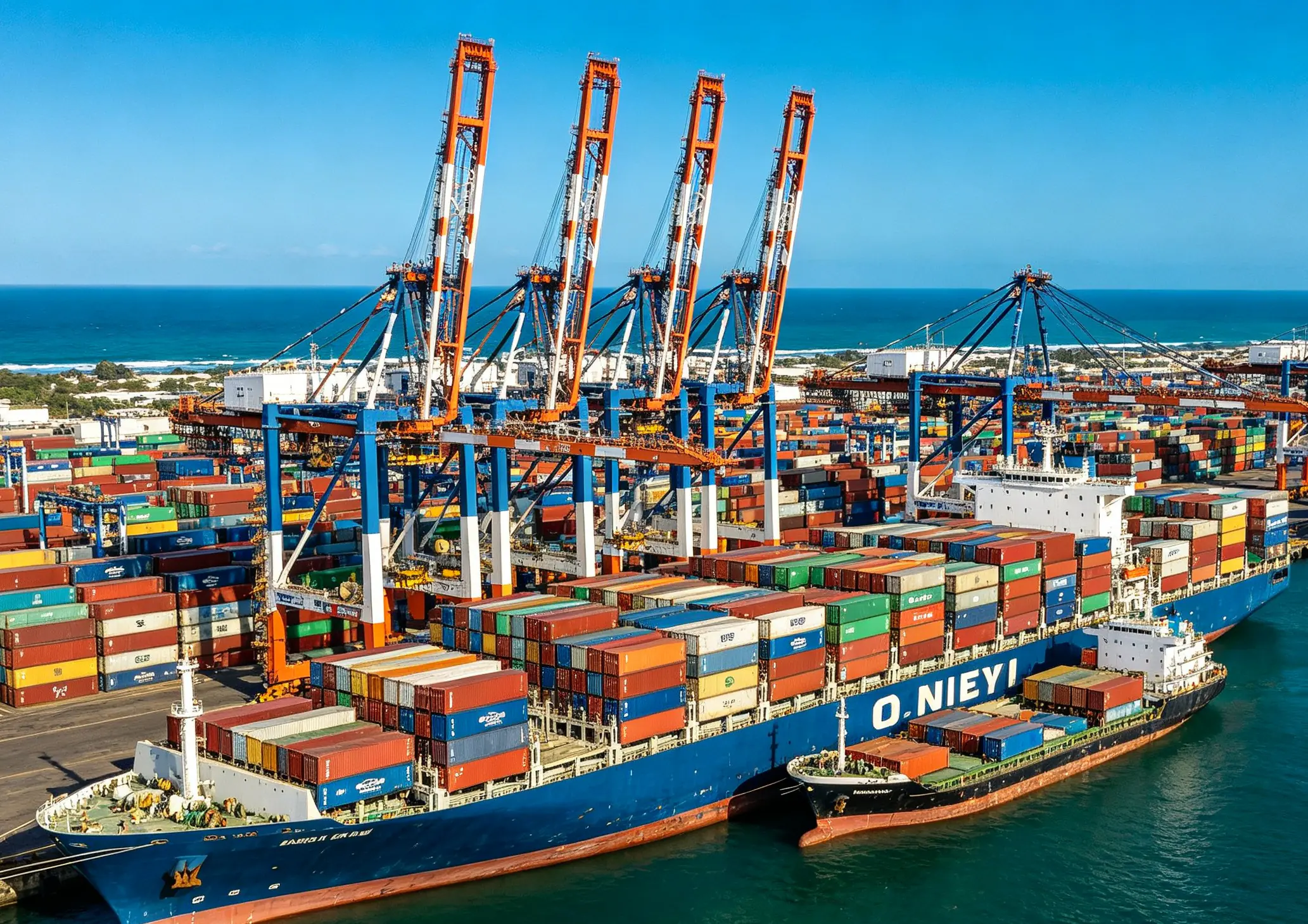
How much does FCL shipping from China to Iran really cost — and how do you move a full container through one of the world’s most complex trade corridors without getting stuck at customs, blindsided by hidden fees, or caught in a payment dead-end? If you’ve already collected freight quotes, you’ve probably noticed something frustrating: one forwarder quotes $2,200 for a 20ft container while another quotes $4,500 for what looks like the same route. Both could be “right” — the first is showing you basic ocean freight, while the second is closer to your true landed cost.
This guide gives you the full picture. Below you’ll find current 2026 FCL rates by origin port and container size, realistic transit times (and why they vary so much between forwarders), a complete landed cost breakdown with a worked example, and — critically — a practical sanctions compliance and payment settlement checklist that most pricing guides skip entirely.
Rate disclaimer: All figures in this guide are indicative market rates as of September 2026. Ocean freight to Iran fluctuates weekly with carrier capacity, fuel costs, and seasonal demand. Always confirm a live, line-by-line quote before booking.
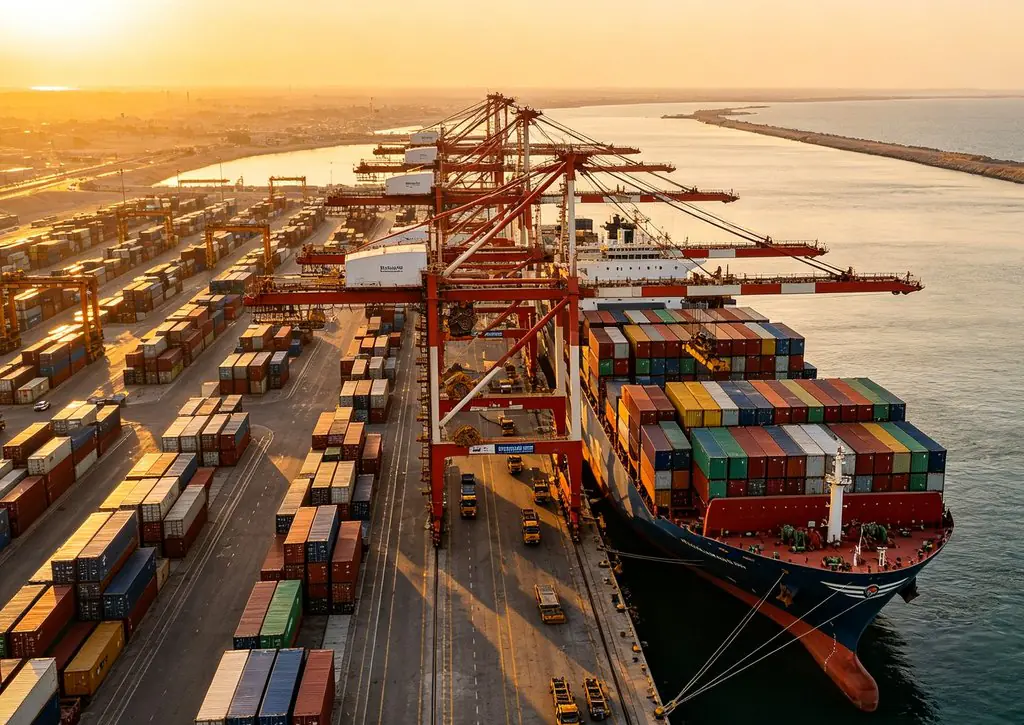
How Much Does FCL Shipping from China to Iran Cost?
Here’s the direct answer: a 20ft container from China to Iran runs $2,200–$3,200 in basic ocean freight, while a 40ft or 40ft high cube container costs $3,700–$5,700. But here’s the number that actually matters for your budget — your total landed cost, including Iranian import duties, 9–10% VAT (raised from 9% to 10% under Iran’s 1404 budget law in February 2025), destination charges, and inland trucking, typically adds 40–80% on top of the freight quote. If you’re comparing options for shipping from China to Iran, understanding this full cost picture comes before everything else.
The most common budgeting mistake we see? Importers planning around the ocean freight rate alone. In a typical DDP shipment, ocean freight represents only 5–10% of the total landed cost — Iranian duties and VAT are often three times the freight bill.
2026 FCL Rates by Origin Port (to Bandar Abbas)
| Origin Port | 20ft GP (USD) | 40ft GP (USD) | 40ft HC (USD) |
|---|---|---|---|
| Shenzhen (Yantian/Shekou) | $2,200–$2,700 | $3,700–$4,600 | $4,200–$5,200 |
| Guangzhou (Nansha) | $2,200–$2,800 | $3,800–$4,800 | $4,300–$5,400 |
| Shanghai | $2,200–$2,800 | $3,800–$4,800 | $4,300–$5,400 |
| Ningbo | $2,300–$2,900 | $3,900–$4,900 | $4,400–$5,500 |
| Qingdao | $2,400–$3,000 | $4,000–$5,100 | $4,600–$5,700 |
| Tianjin | $2,500–$3,200 | $4,200–$5,500 | $4,800–$6,000 |
Rates reflect port-to-port ocean freight with BAF (Bunker Adjustment Factor) included. Destination-side charges excluded. Subject to weekly fluctuation. During June 2026 Strait of Hormuz tensions, spot rates spiked to $6,000+ for a 20ft container — always confirm current market conditions before booking.
Shenzhen and Guangzhou typically offer the most competitive rates on this corridor thanks to their position in the Pearl River Delta manufacturing heartland, the highest sailing frequency to the Persian Gulf, and intense carrier competition. Qingdao and Tianjin carry a modest premium ($200–$500 per container) due to longer feeder distances and fewer direct strings to the Gulf.
What Your Ocean Freight Quote Does (and Doesn’t) Include
Your forwarder’s base rate usually covers only the ocean freight, fuel surcharge, and basic documentation. It does not include Terminal Handling Charges (THC) at Bandar Abbas, Iranian customs clearance fees, import duties (4–55% depending on your HS code), 9–10% VAT, inland trucking, or Demurrage & Detention (D&D) if your container overstays its free period.
The 8 Components of Your True Landed Cost
| # | Cost Component | Who Collects It | Typical Range |
|---|---|---|---|
| ① | FOB value of goods | Your Chinese supplier | Varies by product |
| ② | Ocean freight (20ft/40ft) | Freight forwarder / carrier | $2,200–$5,700 |
| ③ | Cargo insurance | Insurer / forwarder | 0.2–0.5% of CIF value |
| ④ | Destination port charges (THC, docs) | Port authority / forwarder | $300–$600 |
| ⑤ | Iran import duty | IRICA (Iran Customs) | 4–55% of CIF value |
| ⑥ | Iran VAT (9–10%) | IRICA | 9–10% × (CIF value + duty) |
| ⑦ | Customs brokerage fee (Tarkhis Kar) | Licensed Iranian broker | $150–$400 |
| ⑧ | Inland trucking | Trucking company / forwarder | $500–$1,200+ |
For port-specific pricing on the most popular corridor, our shipping cost from China to Bandar Abbas guide breaks down FCL, LCL, air, and landed cost estimates in more detail.
Worked Example: Shenzhen Electronics to Tehran (DDP)
An Iranian importer purchases $30,000 of consumer electronics from a Shenzhen supplier and ships one 20ft container DDP to Tehran. Here’s the real arithmetic:
| Cost Component | Amount (USD) | % of Total |
|---|---|---|
| Goods (FOB Shenzhen) | $30,000 | 71.2% |
| Ocean freight (20ft → Bandar Abbas) | $2,500 | 5.9% |
| Cargo insurance (0.3% of CIF) | $98 | 0.2% |
| Destination port charges | $400 | 0.9% |
| Iran import duty (~15% for electronics) | $4,875 | 11.6% |
| Iran VAT (10% on CIF + duty) | $3,748 | 8.6% |
| Customs brokerage | $250 | 0.6% |
| Inland trucking (Bandar Abbas → Tehran, ~1,200 km) | $650 | 1.5% |
| Total landed cost | $42,521 | 100% |
The critical insight: ocean freight was only 5.9% of the total. Duties and VAT together accounted for 20.2% — more than three times the freight cost. Knowing your HS code classification and applicable duty rate before you ship will save you money — or cost you a lot if you skip it.
Our industry insight: In our Shenzhen operations, we regularly see importers shocked by a $9,000+ gap between their freight budget and final invoice. The fix costs nothing: ask your forwarder for a landed cost estimate with your actual HS codes before you confirm the purchase order, not after the vessel sails.
How Long Does FCL Shipping from China to Iran Take?
Port-to-port transit runs 18–32 days depending on your origin port and routing — though during geopolitical tensions in the Strait of Hormuz, some sailings have been rerouted or delayed beyond this range. For door-to-door planning, work with 35–40 days as a realistic expectation.
If you’ve compared quotes from different forwarders, you may have noticed conflicting transit times for the same route — one says Shenzhen to Bandar Abbas takes 20 days, another says 28. Both can be accurate. Three variables explain nearly all the variance:
- Direct vs. transshipment routing. Cargo transshipping through Jebel Ali (UAE), Singapore, or Port Klang adds 5–10 days. Always confirm whether your quoted service is direct.
- Seasonality. The weeks before Chinese New Year (January–February), before Nowruz (March), and Q4 global holiday shipping push transit 5–10 days above normal.
- Port congestion. Bandar Abbas can experience unloading backlogs during peak import seasons, adding 3–7 days before your container is even available for clearance.
Transit Time by Origin Port
| Origin | → Bandar Abbas | → Bushehr | → Imam Khomeini |
|---|---|---|---|
| Qingdao | 20–26 days | 22–29 days | 24–31 days |
| Shenzhen / Guangzhou | 20–28 days | 22–29 days | 24–31 days |
| Shanghai | 20–25 days | 22–28 days | 24–30 days |
| Ningbo | 21–26 days | 23–29 days | 25–31 days |
| Tianjin | 24–30 days | 26–32 days | 28–34 days |
Door-to-Door Timeline Breakdown
| Stage | Duration | Notes |
|---|---|---|
| Factory pickup → export port | 1–2 days | Depends on supplier’s distance from port |
| China export customs clearance | 1–2 days | Smooth with correct documentation |
| Port waiting & vessel loading | 1–3 days | Longer during peak season |
| Ocean transit | 20–30 days | Varies by port pair and routing |
| Iran import customs clearance | 3–7 days | Can extend to 14+ days with documentation errors |
| Inland trucking to final destination | 1–3 days | Bandar Abbas → Tehran ≈ 1–2 days |
| Total door-to-door | 27–47 days | Plan for 35–40 days |

Which Ports Should You Use for FCL Shipping to Iran?
Bandar Abbas — specifically its Shahid Rajaee container terminal — handles roughly 80–85% of Iran’s containerized imports and is the default choice for most cargo. But the right port pair depends on where your goods originate in China and where they’re ultimately headed in Iran.
Choosing Your Chinese Origin Port
- Shenzhen (Yantian/Shekou): The fastest access for electronics, 3C products, and e-commerce cargo from the Pearl River Delta, with the densest direct sailing schedule to the Gulf. If your suppliers are in Guangdong, this is usually your best option.
- Guangzhou (Nansha): Strong for furniture, textiles, and machinery with competitive consolidation rates.
- Shanghai / Ningbo-Zhoushan: The Yangtze River Delta’s export powerhouses — best for industrial equipment and oversized cargo, with multiple carrier options.
- Qingdao: Ideal for Shandong and northern manufacturing zones; offers competitive direct sailings to Bandar Abbas depending on the carrier string.
- Tianjin: Serves northern China with a modest rate premium and lower service frequency.
A professional sea freight from China forwarder can help you match the optimal origin port to your supplier network and cargo profile.
Choosing Your Iranian Destination Port
| Port | Best For | Transit from Shanghai | Cost Premium vs Bandar Abbas |
|---|---|---|---|
| Bandar Abbas (Shahid Rajaee) | Tehran, central & eastern Iran | 20–25 days | Baseline |
| Bushehr | Southern Iran, Shiraz, Bushehr province | 22–28 days | +$200–$400 |
| Imam Khomeini | Western Iran, Khuzestan | 24–30 days | +$300–$500 |
| Chabahar | Eastern Iran, Afghanistan transit | 25–40 days | +$400–$800 |
Shahid Rajaee is Iran’s purpose-built container terminal, physically separated from Bandar Abbas’s general cargo and bulk operations. During peak seasons, its yard can reach high occupancy, which is precisely when D&D charges start compounding — another reason to have your customs broker ready before the vessel arrives.
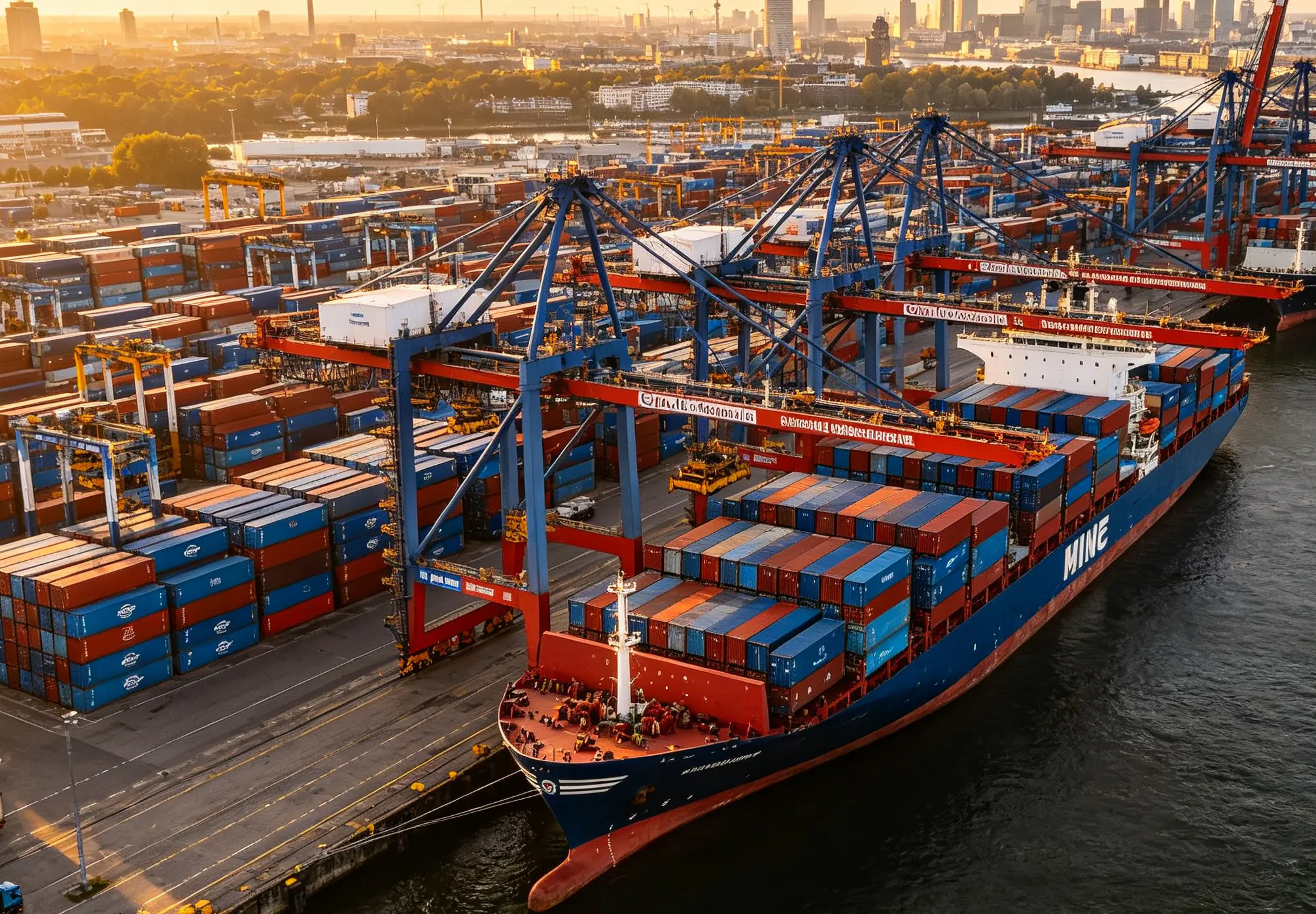
The typical routing runs from the South China Sea through the Strait of Malacca, across the Indian Ocean and Arabian Sea, then through the Strait of Hormuz into Bandar Abbas.

FCL vs. LCL: When Does a Full Container Make Sense?
The break-even point is roughly 15 CBM. Below that, LCL (priced at $55–$95 per CBM) costs less in absolute terms. Above 15 CBM, FCL almost always wins on unit cost, transit time, and cargo security. For a deeper look at how the two modes compare on this corridor, see our guide to LCL shipping from China to Iran.
20GP vs. 40HC: Choosing by Cargo Density
| Feature | 20ft GP (TEU) | 40ft HC (FEU) |
|---|---|---|
| Payload | ~21,000 kg | ~26,700 kg |
| Volume | ~33 CBM | ~67 CBM |
| Best for | Dense, heavy cargo | Light, bulky cargo |
The practical rule: heavy cargo (machinery parts, hardware, stone) fills a 20ft’s weight limit before its volume limit — choose 20GP. Light, bulky cargo (furniture, textiles, assembled goods) hits the volume ceiling first — choose 40HC, where the per-CBM cost drops dramatically.
Three loading tactics that consistently save our clients money:
- Mix heavy and light goods in the same container to balance weight and volume utilization.
- Choose pallets vs. floor-loading deliberately — pallets cost 10–15% of container volume but speed up unloading at destination.
- Verify VGM (Verified Gross Mass) before gate-in. Under SOLAS regulations, the shipper is legally responsible for an accurate VGM declaration, and misdeclaration triggers penalties and loading delays.
For oversized or heavy machinery that exceeds standard container dimensions, our guide on shipping machinery and industrial equipment to Iran covers flat-rack and OOG solutions in detail. Importers moving automotive parts should also review Iran-specific licensing requirements before booking.
Real-life scenario: A Tehran-based furniture importer was sourcing from three factories around Guangzhou. Instead of three separate LCL shipments, we consolidated everything at our Shenzhen warehouse, ran a unified loading inspection, and shipped a single 40ft HC to Bandar Abbas. The result: lower per-unit cost, dramatically less handling damage, and one streamlined customs clearance instead of three.
Sanctions Compliance and Payment Settlement for China–Iran Shipping
Disclaimer: This section is for general information only and does not constitute legal advice. Consult a qualified trade compliance professional before shipping to Iran.
Shipping ordinary commercial goods from China to Iran through compliant channels is legal — but it requires proactive screening and the right settlement path. This is the single area where most freight guides go silent, and where importers face the most risk.
Understanding the Sanctions Landscape
Chinese businesses primarily face OFAC secondary sanctions administered by the U.S. Treasury. The key distinction: ordinary consumer and industrial goods are generally permissible, while restricted items — dual-use goods with military applications, items subject to U.S. Export Administration Regulations (EAR), or anything destined for sanctioned end-users — create serious legal exposure for everyone in the chain, including your freight forwarder.
Your SDN Screening Checklist
Before booking, screen every party in the transaction against OFAC’s Specially Designated Nationals (SDN) List:
- Iranian consignee company name and address
- Shipper and any intermediate traders
- Ocean carrier and vessel IMO number
- Port operators at origin and destination
- Ultimate beneficial owners where identifiable
Use OFAC’s free Sanctions List Search tool, and retain screening records for at least five years.
Payment Settlement Paths
Because Iranian banks are largely cut off from SWIFT, most China–Iran freight settlements run through:
- RMB (CNY) settlement via Chinese banks that maintain Iranian correspondent relationships — currently the most practical channel for most importers.
- Letter of Credit (L/C) structures for large shipments where documentary control matters.
- Third-party arrangements in neutral jurisdictions — treat these with caution and full documentation.
Red flags that should stop a transaction: a paying party whose name doesn’t match the contract, requests to split invoices or under-declare value, or pressure to route payment through unrelated companies. Before confirming any booking, also verify that your cargo is not on the prohibited items shipping from China to Iran list — some everyday goods face unexpected restrictions.
What a Compliant Freight Forwarder Checks
A responsible forwarder performs KYC (Know Your Customer) verification, screens the cargo against restricted-party lists, confirms the commercial purpose of the shipment, and maintains a documentation trail. If a forwarder offers to ship anything to Iran with no questions asked, that absence of scrutiny is itself a warning sign.
Our industry insight: Since 2018, our compliance team has pre-screened every Iran-bound booking — HS codes, party names, and end-use declarations — before a single container is gated in. On two separate bookings last quarter, this front-end diligence caught misclassified dual-use components that would have exposed both shipper and consignee to secondary sanctions risk. Fifteen minutes of screening beats fifteen weeks of regulatory trouble.
Iran Customs Clearance and Mandatory Documents
Iranian customs (IRICA) is strict, and here’s the uncomfortable truth: 80% of your clearance outcome is determined before the vessel leaves China. Document accuracy — not luck — decides whether you’re through in three days or stuck for three weeks.
The Six Documents You Cannot Skip
| Document | Purpose | Critical Detail |
|---|---|---|
| Commercial Invoice | Duty assessment | Must match the PSI report exactly — discrepancies trigger holds |
| Packing List | Inspection & warehouse handling | Dimensions, weight, and packaging details |
| Bill of Lading (B/L) | Contract of carriage & title | Original B/L required for cargo release at Bandar Abbas; Telex Release is the faster alternative |
| Certificate of Origin (CO) | Confirms Chinese origin | Issued by CCPIT (China Chamber of Commerce) |
| PSI Certificate | Pre-shipment quantity/quality/value verification | Mandatory for most commercial goods; inspected in China before loading |
| Import License | Required for restricted goods | Electronics, pharmaceuticals, automotive parts often need one |
PSI: The Step Most Importers Underestimate
The Pre-Shipment Inspection (PSI) must be conducted by an approved agency in China before your cargo loads. The PSI certificate number is then bound to your commercial invoice. If the two don’t match upon arrival in Iran — wrong quantity, wrong value, wrong description — customs will reject the entry or impose heavy fines. Coordinate your supplier, forwarder, and the PSI agency as one chain, not three separate parties.
Duties, VAT, and ISIRI
- Import duty = CIF value × HS-code rate (4–55%; consumer goods skew highest)
- VAT = 9–10% × (CIF value + duty) — raised from 9% to 10% under Iran’s 1404 budget law (February 2025); confirm the current applicable rate with your broker
- ISIRI (Iranian national standard) certification is mandatory for categories like electrical appliances and cosmetics — verify requirements before production, not before shipment.
The Mistakes That Cost You Days
- Wrong HS code classification → IRICA audit and physical inspection, +3–14 days
- Invoice value inconsistent with PSI → cargo held pending reconciliation
- Missing CO original → loss of preferential duty treatment
- No broker booked before arrival → D&D accruing at $50–$150 per day
Real-life scenario: In a June booking to Isfahan, our compliance team pre-screened a client’s HS codes and commercial invoices for a multi-container shipment to Tehran. We caught a misclassified electronics entry that would have triggered a physical inspection hold — preventing an estimated two-week delay and several thousand dollars in demurrage. Pre-shipment diligence is the cheapest insurance in this trade lane.
How to Reduce Your FCL Shipping Cost from China to Iran
- Book around the three peak crunches. Avoid the 3–4 weeks before Chinese New Year, the month before Nowruz (March), and Q4 holiday shipping. Off-peak bookings routinely save 15–25% on ocean rates.
- Match the origin port to your supplier’s location. A Guangdong supplier shipping from Shenzhen instead of trucking to Shanghai saves inland haulage and gains access to denser direct sailings.
- Consolidate multiple suppliers into one FCL. One 40ft HC from a Shenzhen consolidation warehouse beats three separate LCL shipments on cost, damage risk, and clearance complexity.
- Right-size your container. Choose 20GP vs. 40HC based on cargo density, and mix heavy and light goods to maximize utilization.
- Negotiate D&D free time before booking. Standard free time is often 7–10 days at destination; extending it costs little upfront and saves significantly if clearance runs long.
- Buy full ICC(A) cargo insurance. At 0.2–0.5% of CIF value, it is inexpensive protection on a lane with multiple transshipment touchpoints. Learn more about our cargo insurance services and coverage options.
FAQ
How much does a 20ft container from China to Iran cost?
Between $2,200 and $3,200 in basic ocean freight as of September 2026, depending on the origin port, carrier, and season. Your total landed cost will typically run 1.4–1.8x the freight quote once duties, VAT, and destination charges are included.
How long does FCL shipping from China to Iran take?
Port-to-port transit is 18–32 days depending on the origin port. For door-to-door planning — including pickup, export clearance, ocean transit, Iranian customs, and inland delivery — budget 35–40 days.
Is it legal to ship from China to Iran?
Yes, ordinary commercial goods shipped through compliant channels are legal. The key requirements are sanctions screening (confirm no party is on the OFAC SDN list), correct HS code classification, and settlement through legitimate banking channels. Consult a trade compliance professional for your specific cargo.
What documents do I need to clear customs in Iran?
The six essentials: Commercial Invoice, Packing List, Bill of Lading, Certificate of Origin (CCPIT), PSI Certificate, and — for restricted goods — an Import License. The PSI certificate must exactly match your commercial invoice.
Do I need a Pre-Shipment Inspection (PSI) certificate?
For most commercial goods, yes. PSI is conducted by an approved agency in China before loading, and the certificate is verified against your invoice at Iranian customs. Mismatches are a leading cause of clearance delays.
How do I pay a freight forwarder for an Iran shipment safely?
The most practical channel currently is RMB (CNY) settlement through Chinese banks with Iranian correspondent relationships. For large shipments, consider Letter of Credit structures. Avoid third-party payers who don’t match your contract counterparty.
Should I choose FCL or LCL for shipping to Iran?
Below roughly 15 CBM, LCL is more economical. Above that threshold, FCL wins on unit cost, transit time (no consolidation delays), and cargo security (your container is sealed at the factory and opened only at destination).
Can I ship electronics, machinery, or chemicals from China to Iran?
Electronics and machinery are routinely shipped, but may require an Import License and ISIRI standard certification. Chemicals, dual-use items, and anything with potential military application require enhanced compliance review — flag these with your forwarder before booking.
Final Thoughts
Three principles will protect your China–Iran supply chain: budget the landed cost, not the freight quote (multiply by 1.4–1.8); plan 35–40 days door-to-door with buffer for seasonal surges; and resolve compliance and settlement before you book space, not after your container is at sea.
Port-to-port FCL or a fully managed door to door shipping solution — the fundamentals in this guide apply either way.
All rates and transit times in this guide reflect market conditions as of September 2026 and are subject to weekly fluctuation. For a binding quote tailored to your cargo, HS codes, and routing, request a line-by-line breakdown from your forwarder.
Efanda Logistics has managed end-to-end FCL shipments from Shenzhen to Bandar Abbas since 2018. Based in Shenzhen — the densest departure point on this corridor — our team handles everything from factory pickup, warehousing, and export declaration to Iranian customs coordination and final delivery, with a dedicated logistics specialist tracking your cargo at every stage. Our quotes are transparent and itemized, with no hidden surcharges. Get a tailored FCL shipping plan from Efanda Logistics today.