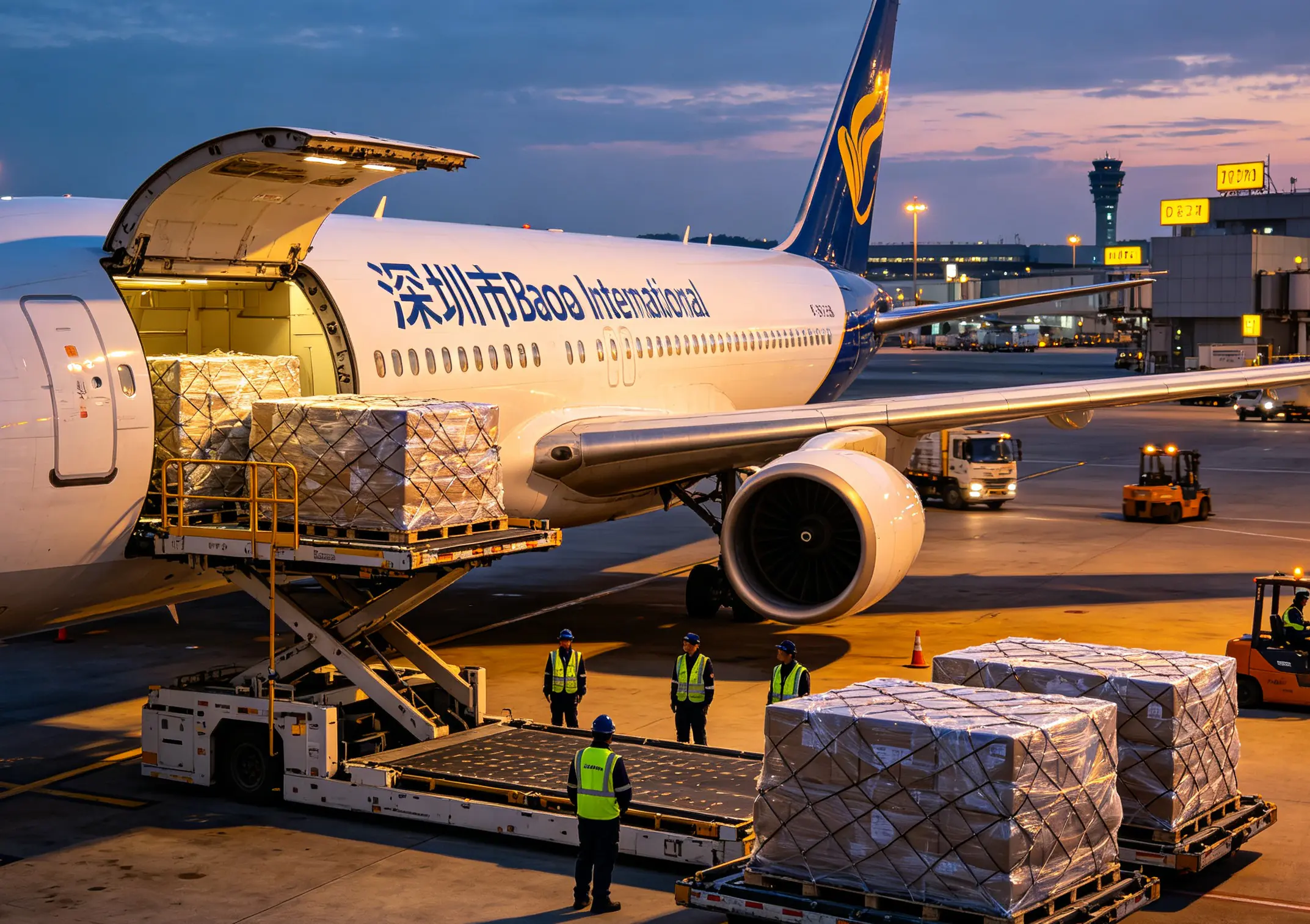
Are you struggling with how to import and ship LED lighting products from China to Europe without customs delays, compliance surprises, or disappearing profit margins? You are not alone. Every year, thousands of European importers, Amazon FBA sellers, contractors, and lighting distributors source LED bulbs, panels, strips, and smart fixtures from China. The opportunity is enormous, but so are the regulatory and logistical pitfalls. One missing CE document or one wrong HS code can turn a promising shipment into an expensive lesson at the border.
This guide gives you a practical, freight-forwarder-level roadmap for importing LED lighting from China to Europe in 2026. You will learn how to verify suppliers, navigate EU compliance rules, classify products under the correct HS codes, calculate duties and VAT, choose the right shipping method, and move goods door-to-door with confidence. We will also explain where an experienced China-Europe freight forwarder can remove the biggest headaches from the process.

What Are the Main Types of LED Lighting Products Imported from China?
The term “LED lighting” covers far more than screw-in bulbs. Before you request a quote or sign a purchase order, you need to know exactly what category your product falls into, because each type carries different compliance obligations, HS codes, and packaging requirements.
LED bulbs and lamps are the most common imports: finished, ready-to-use replacement lamps for residential, commercial, and industrial sockets.
LED panel lights and downlights dominate office, retail, and healthcare retrofits and need stronger packaging than bulbs because diffuser panels can crack in transit.
LED strip lights and tape are popular in architectural, decorative, and gaming setups. Whether they ship with or without controllers changes the HS code and safety testing required.
LED modules and light engines are components inside luminaires, favored by European lighting factories that assemble final fixtures locally.
LED floodlights, streetlights, and high-bay fixtures serve outdoor and industrial projects. They are heavier, often palletized, and usually demand IP ratings for dust and water resistance.
Finally, smart and IoT-connected LED products — WiFi or Bluetooth-enabled bulbs, strips, and panels — must also comply with radio-equipment rules.
China’s manufacturing geography matters. Zhongshan in Guangdong Province is known as the “Lighting Capital of China,” while Shenzhen supplies the LED chips, drivers, and IoT modules behind smart lighting. Proximity to these clusters is one reason a Shenzhen-based logistics partner can coordinate faster pickups and consolidation.
Why Is the European Market So Attractive for LED Lighting Importers?
Europe represents one of the largest and fastest-growing markets for LED lighting because regulatory pressure, sustainability goals, and cost savings are all pushing businesses and consumers in the same direction.
The European Union has phased out inefficient incandescent and halogen technologies, leaving LEDs as the default choice. The European Green Deal and national carbon-reduction targets accelerate building retrofits, where LED upgrades are usually the lowest-hanging fruit. Smart home and IoT lighting also fuel demand, with Chinese manufacturers supplying feature-rich app-controlled products at prices European brands find hard to match.
From a financial standpoint, LED products offer attractive margins. A basic LED bulb that might cost €6–€8 to source in Europe can often be manufactured in China for €1.50–€3 at volume, and lifespans of 25,000 to 50,000 hours create recurring replacement demand.
That said, the European market is not a free-for-all. Strict safety, environmental, and energy-efficiency rules mean that low-quality or uncertified goods can be seized, fined, or recalled. Profit belongs to importers who treat compliance as part of the business model.
What EU Compliance Requirements Must LED Lighting Meet?
LED lighting sold in the European Union must carry CE marking and comply with a stack of directives and regulations that go well beyond slapping a label on the box.
For mains-powered AC LED products, the Low Voltage Directive (LVD) 2014/35/EU governs electrical safety. The EMC Directive 2014/30/EU ensures the product does not emit or is immune to electromagnetic interference. Both require testing against harmonized EN standards, and the manufacturer must maintain a technical file.
The Ecodesign for Energy-related Products (ErP) Regulation (EU) 2019/2020 sets minimum efficiency, flicker, standby power, and lifetime requirements. As of 2026, general lighting products should generally reach at least Class D efficiency (≥120 lm/W). The related Energy Labelling Regulation (EU) 2019/2015 requires an A–G energy label with a QR code linked to the EPREL database. Non-EU manufacturers need an EU Authorized Representative to register products in EPREL.
The RoHS Directive restricts hazardous substances such as lead, mercury, cadmium, and hexavalent chromium in electrical equipment. The WEEE Directive requires producers to register for electronic-waste recycling and to mark products with the separate-collection symbol. If your LED product has WiFi, Bluetooth, or any radio function, the RED (Radio Equipment Directive) also applies.
For photobiological safety, EN/IEC 62471 assesses risks to eyes and skin. This is especially relevant for high-power LED lamps, stage lighting, and products aimed at children.
Post-Brexit, Great Britain no longer accepts CE marking for most new products. Instead, UKCA marking is required for England, Scotland, and Wales, although Northern Ireland still operates under CE/UK(NI) rules in many cases.
The practical takeaway: request a complete compliance package from your supplier before production. At minimum, you should receive a Declaration of Conformity (DoC), accredited test reports for LVD/EMC/ErP/RoHS, an energy label mockup, and EPREL registration details where applicable. Do not rely on a certificate image on a supplier’s website.

What HS Codes and Import Duties Apply to LED Lighting from China?
Getting the HS or CN code right is one of the most consequential decisions in your shipment. The wrong code can trigger overpayment of duties, customs inspections, or shipment holds. The EU uses the Combined Nomenclature (CN), an 8-digit extension of the international 6-digit HS system.
Here is a practical reference table for the most common LED lighting categories:
| Product Category | Common HS/CN Code | Typical EU Duty Range | Notes |
|---|---|---|---|
| LED lamps and bulbs (finished) | 8539.52 | 0% – 4.2% | Ready-to-use replacement lamps |
| LED light source modules | 8539.51 | 0% – 4.2% | Modules intended for luminaires |
| LED strip lights with controller | 8531.20.40 | Around 3.7% | Classified as electric visual signaling equipment |
| LED diodes and bare components | 8541.42 | Varies | Treated as light-emitting diodes |
| LED ceiling and wall luminaires | 9405.10 | 0% – 7% | Complete fixtures such as panels and downlights |
| Other LED lamps and luminaires | 9405.40 | 0% – 7% | Includes floodlights, streetlights, high-bay lights |
| Parts and accessories of LED luminaires | 9405.90 / 9405.99 | Varies | Spare parts, housings, drivers, mounts |
Always verify the exact code in the official EU TARIC database before shipping. A product that looks like a lamp to you may be classified as a fixture or a component by customs, and subtle differences in construction can change the code.
Import VAT applies in the destination member state, generally ranging from 19% to 27%. VAT is calculated on the customs value, which includes the product cost, freight, insurance, and import duty. Duty itself is typically 3.7% to 5.7% for many finished LED products, but rates vary by exact classification.
The bigger wildcard is anti-dumping duty. The EU has imposed anti-dumping measures on certain Chinese-origin LED products, with additional duties reaching up to roughly 66% for some suppliers and product categories. These measures change over time, so check the EU Official Journal and TARIC before placing large orders. If your supplier is on the affected list, your landed cost can more than double.
CBAM, the Carbon Border Adjustment Mechanism, is also becoming more relevant for Chinese-origin goods. While LED lighting is not currently among the highest-priority CBAM product categories, the mechanism signals a broader trend: origin documentation, supplier emissions data, and material traceability will matter more in future customs filings.
Landed cost example
Suppose you import €40,000 of LED panel lights to Germany under FOB terms, with a sea freight cost of €3,000 and insurance of €300. A simplified calculation might look like this:
| Cost Component | Amount |
|---|---|
| Product value | €40,000 |
| Sea freight | €3,000 |
| Insurance | €300 |
| Customs value | €43,300 |
| Import duty at 5% | €2,165 |
| VAT base | €45,465 |
| German import VAT at 19% | €8,638 |
| Total landed cost | €54,103 |
Use this as a planning estimate, not a quote. Actual rates depend on the exact product, supplier, routing, and Incoterms.
What Shipping Methods Work Best for LED Lighting from China to Europe?
The best shipping method depends on your order size, budget, urgency, and whether you want to manage EU customs yourself. LED lighting is often light but bulky, which means chargeable weight and volume ratios can swing the economics between air and sea.
| Shipping Mode | Transit Time | Cost Level | Best For | Key Considerations |
|---|---|---|---|---|
| Sea Freight (FCL) | 25–35 days | Lowest per unit | Large, palletized bulk orders | Full control of container; lowest damage risk |
| Sea Freight (LCL) | 30–40 days | Low | Smaller shipments not filling a container | Longer consolidation; shared container risk |
| China-Europe Rail | 14–20 days | Medium | Mid-size shipments needing faster delivery | Good speed-cost balance; seasonal capacity limits |
| Air Freight | 3–7 days | High | Urgent or high-value LED products | Weight and volume restrictions apply |
| Express / DDP | 5–12 days | Highest | Samples, small parcels, e-commerce | Duties and customs often bundled into rate |
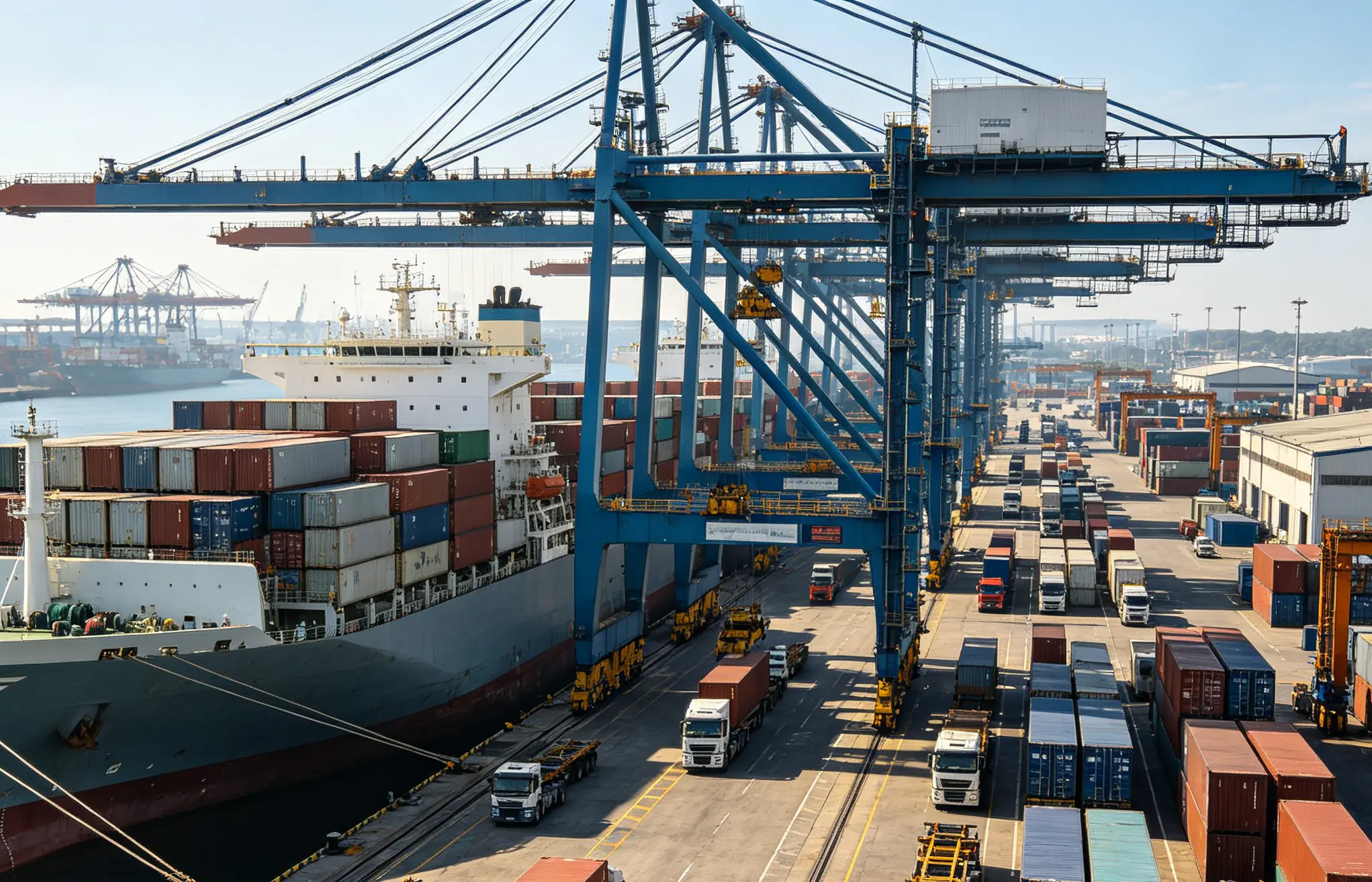
For most large LED importers, sea freight from China remains the default. A full container load (FCL) is ideal when you can fill most of a 20-foot or 40-foot container. LED cartons are usually light and voluminous, so shippers often hit container volume limits before weight limits.
If your order is too small for FCL, LCL shipping from China is cheaper upfront but involves consolidation and deconsolidation, which adds handling time and damage risk. China-Europe rail freight offers a middle ground at roughly 14–20 days, ideal for seasonal restocks. Air freight from China suits urgent samples or high-value smart lighting, though chargeable weight often drives up costs. Major European entry points include the Port of Rotterdam, Port of Hamburg, Port of Antwerp-Bruges, and Port of Felixstowe. Depending on your final market, you may also want dedicated routes such as shipping from China to the Netherlands or shipping from China to Belgium.
How Does Door-to-Door (DDP) Shipping Work for LED Lighting?
Door-to-door DDP shipping is the simplest way to move LED lighting from a Chinese supplier to a European warehouse, Amazon FBA center, or end customer. Under DDP, the seller or freight forwarder takes responsibility for export clearance, international freight, import customs, duty and VAT payment, and final delivery.
The process typically follows these steps:
- Factory pickup in Shenzhen, Zhongshan, Guangzhou, or another manufacturing hub.
- Warehouse consolidation and inspection, where cartons can be checked, repalletized, or labeled.
- Chinese export clearance, including customs declaration and document submission.
- International transport by sea, rail, or air based on the agreed plan.
- EU customs clearance, with duty and VAT paid on your behalf by the forwarder.
- Last-mile delivery to your warehouse, distribution center, or Amazon fulfillment center.
Understanding Incoterms 2020 helps you decide whether DDP is right for you. Under EXW, you arrange everything from the supplier’s door. Under FOB, the supplier delivers goods onto the vessel at the Chinese port. Under CIF, the supplier pays for freight and insurance to the destination port, but you handle import clearance. Under DAP, the forwarder delivers to your door but you pay import duty and VAT. Under DDP, the forwarder handles those charges too. For a side-by-side comparison, see our guide on DDP vs DAP Incoterms.
For first-time importers or e-commerce sellers, DDP reduces the risk of documentation errors and unexpected customs bills. For experienced importers with their own EU customs broker and VAT deferment arrangements, FOB or CIF may offer more control and lower total cost.
This is where Efanda Logistics adds value. Founded in 2018 and headquartered in Shenzhen, Efanda offers end-to-end sea freight, air freight, rail freight, and door-to-door shipping from China to Europe. Our team coordinates pickup near manufacturing clusters, consolidates cargo in our Shenzhen warehouse, prepares export and import paperwork, and tracks shipments through final delivery. Each client works with a dedicated logistics specialist who provides transparent, market-based pricing without hidden surcharges.

What Documents Are Required for EU Customs Clearance?
Smooth EU customs clearance depends on paperwork accuracy. Missing or inconsistent documents are one of the top reasons LED shipments get delayed or inspected.
The essential documents include:
- Commercial Invoice — shows product value, HS/CN code, Incoterms, and buyer/seller details.
- Packing List — lists carton count, dimensions, net/gross weights, and contents per carton.
- Bill of Lading (B/L) for sea freight or Air Waybill (AWB) for air freight — serves as the transport contract and proof of shipment.
- Certificate of Origin — needed if you are claiming preferential duty rates under a trade agreement.
- CE Declaration of Conformity (DoC) — mandatory for LED products sold in the EU.
- RoHS, ErP, and EMC test reports — support the DoC and prove compliance.
- Energy label and EPREL registration details — required for covered lighting products.
- EORI number — your EU importer registration number. Without it, you cannot clear goods in most EU countries.
If you plan to sell LED products in EU member states, you may also need WEEE or EPR registration before listing products. This is a sales-channel obligation, but failing to register can block marketplace listings.
What Are the Biggest Risks and How Can You Avoid Them?
Even experienced importers run into problems. Here are the most common risks when importing LED lighting from China to Europe, and how to mitigate them.
| Risk | Common Cause | Mitigation |
|---|---|---|
| Customs seizure or rejection | Missing, fake, or incomplete CE/RoHS documentation | Request accredited test reports and DoC before payment |
| Wrong HS code classification | Vague product descriptions or assumptions | Verify code in EU TARIC; consult a customs broker |
| Anti-dumping duties | Chinese-origin products under EU trade remedy measures | Check EU Official Journal and supplier status |
| Transit damage | Poor packaging or rough LCL handling | Use foam inserts, anti-static bags, and sturdy pallets |
| Customs delays | Documentation errors or random inspections | Pre-screen all paperwork with your freight forwarder |
| CBAM reporting gaps | Missing origin or emissions data | Maintain supplier and material documentation |
In 2026, Chinese customs has also increased random inspections on exported LED lighting products outside the statutory inspection catalogue. Authorities are checking electrical safety, photobiological safety, and EMC compliance against standards such as IEC 62471 and the IEC 61000-6 series. Products without proper certification may face return shipment or export clearance delays, so confirm your supplier’s documentation before the container leaves the factory.
Because LED products are electronic and often fragile, cargo insurance is strongly recommended. Standard carrier liability is usually far lower than the actual value of a damaged shipment. Also build buffer time into your inventory planning, since ocean rates, fuel surcharges, and peak-season capacity change constantly.
Actionable Checklist for Importing LED Lighting from China to Europe
Follow this checklist to reduce compliance and logistics risk at every stage of the import process.
Before you order:
- Verify the supplier’s business license, export license, and factory credentials.
- Request CE DoC, RoHS, ErP, EMC, and EN 62471 test reports from accredited labs.
- Confirm product specs match the EU market: 230V / 50Hz, correct plug type if wired, and appropriate IP rating for outdoor use.
- Validate the exact HS/CN code in the EU TARIC database.
- Check current anti-dumping duties, safeguard measures, and CBAM reporting requirements.
Before shipment:
- Choose the right Incoterms. For most first-time importers, DDP is the safest option.
- Confirm packaging: foam inserts, anti-static materials, corner boards, and palletization.
- Book cargo insurance covering the full replacement value.
- Prepare the complete customs document set and have your forwarder review it.
After arrival:
- Inspect goods immediately for damage, shortages, and correct compliance labeling.
- Register for WEEE/EPR in target EU member states before selling.
- Maintain technical documentation and test reports for at least 10 years.
FAQ
What certifications do LED lights need for Europe?
LED lighting sold in the EU generally needs CE marking based on LVD, EMC, ErP, and RoHS compliance. Covered products also need an energy label and EPREL registration. Smart products require RED compliance, and outdoor products should have appropriate IP ratings.
How do I find the correct HS code for my LED product?
Start with the product’s physical form and function. Use the EU TARIC database to search by description and material. If you are uncertain, ask your supplier and a customs broker to confirm the code before shipping.
What is the typical import duty for LED lights from China to Europe?
Base EU import duties typically range from 0% to 7% depending on the exact HS/CN code. Anti-dumping duties can add significantly more for some Chinese suppliers and product categories. VAT is charged separately at 19% to 27% depending on the destination country.
How long does shipping LED lighting from China to Europe take?
Sea freight usually takes 25–40 days, rail freight around 14–20 days, air freight 3–7 days, and express or DDP services roughly 5–12 days. Actual transit times vary by route, season, and customs handling.
What is the cheapest way to ship LED lights from China to Europe?
For large orders, FCL sea freight is usually the cheapest per unit. For smaller shipments, LCL sea freight or rail freight may be more economical than air. For very small parcels or samples, express DDP can sometimes be cost-effective because it bundles customs and duties.
Do I need an EU Authorized Representative to import LED lights?
If you are the importer placing products on the EU market and the manufacturer is outside the EU, you generally need an EU-based economic operator. This can be the importer, an authorized representative, or a fulfillment service provider, depending on your role and the product.
What is EPREL and do I need to register my LED products?
EPREL is the European Product Registry for Energy Labelling. Products covered by energy-labelling regulations must be registered before the label can legally be displayed. Non-EU manufacturers usually need an EU Authorized Representative to complete EPREL registration.
Can I ship LED lights to Amazon FBA in Europe from China?
Yes, but Amazon has strict labeling, palletization, and delivery requirements. Many sellers use a freight forwarder to handle DDP delivery to an Amazon fulfillment center in Germany, France, Italy, Spain, Poland, or the UK.
What is the difference between CE and UKCA marking?
CE marking is required for the EU market and Northern Ireland in many cases. UKCA marking is required for placing most goods on the market in Great Britain (England, Scotland, and Wales) post-Brexit.
What happens if my LED shipment is held by customs?
Customs may hold a shipment for missing documents, HS code queries, valuation checks, or compliance inspections. Your freight forwarder or customs broker can respond to the inquiry, but the best strategy is to provide accurate, complete documentation before arrival.
How can a freight forwarder help with LED lighting imports?
A freight forwarder manages pickup, consolidation, export clearance, international transport, import customs, duty payment, and final delivery. They can also review HS codes, advise on compliance documentation, and provide cargo insurance.
Is air freight or sea freight better for LED lighting?
Sea freight is better for large, bulky, or non-urgent shipments because of lower cost per unit. Air freight is better for urgent, high-value, or lightweight samples. Rail freight sits in the middle for speed and cost.
Conclusion
Importing LED lighting from China to Europe is a genuine growth opportunity, but success depends on preparation. You need to verify suppliers, understand EU compliance rules, classify products under the right HS codes, calculate duties and VAT accurately, choose a shipping mode that matches your timeline and budget, and prepare complete customs documentation.
The importers who win in this market are the ones who treat compliance as a competitive advantage rather than an afterthought. By requesting the right certificates, validating HS codes in TARIC, choosing proper packaging, and working with an experienced logistics partner, you can avoid the most common and expensive mistakes.
If you are looking for a reliable partner to handle the full journey, Efanda Logistics is here to help. Based in Shenzhen since 2018, we specialize in sea freight, air freight, rail freight, door-to-door DDP shipping, customs clearance, warehouse consolidation, and cargo insurance for LED lighting and general cargo from China to Europe. Contact us for a transparent, market-based quote and let our dedicated logistics specialist guide your next shipment from factory to final destination.