When does it make sense to book the whole truck instead of a share of one? If your China–Iran cargo has grown past the consolidation break-even — roughly 1,000 – 2,000 chargeable kilograms — full truckload trucking from China to Iran is almost always the cheaper and faster answer: one trailer, one seal, one consignee, and a flat price in the $3,000 – $5,000 band instead of a per-kilogram meter that never stops running.
FTL is the product this lane was built around. Since the 2026 Strait of Hormuz disruptions pushed Iran-bound trade onto the Central Asian road corridor, sealed full-truck loads have become the standard way machinery, auto parts, and building materials move from Chinese factories to Tehran’s bonded customs yards. This guide covers what an FTL actually buys you on this corridor, the break-even math against consolidated cargo, the four trailer configurations you can book, how to plan a load for a 6,000 km ride, and the paperwork that keeps a full truck moving at every border. For the corridor itself — routes, TIR mechanics, and the two exit gateways — start with our companion guide to China to Iran trucking; for the all-in delivered version, see door to door trucking from China to Iran.
What Is Full Truckload Trucking on the China–Iran Lane?
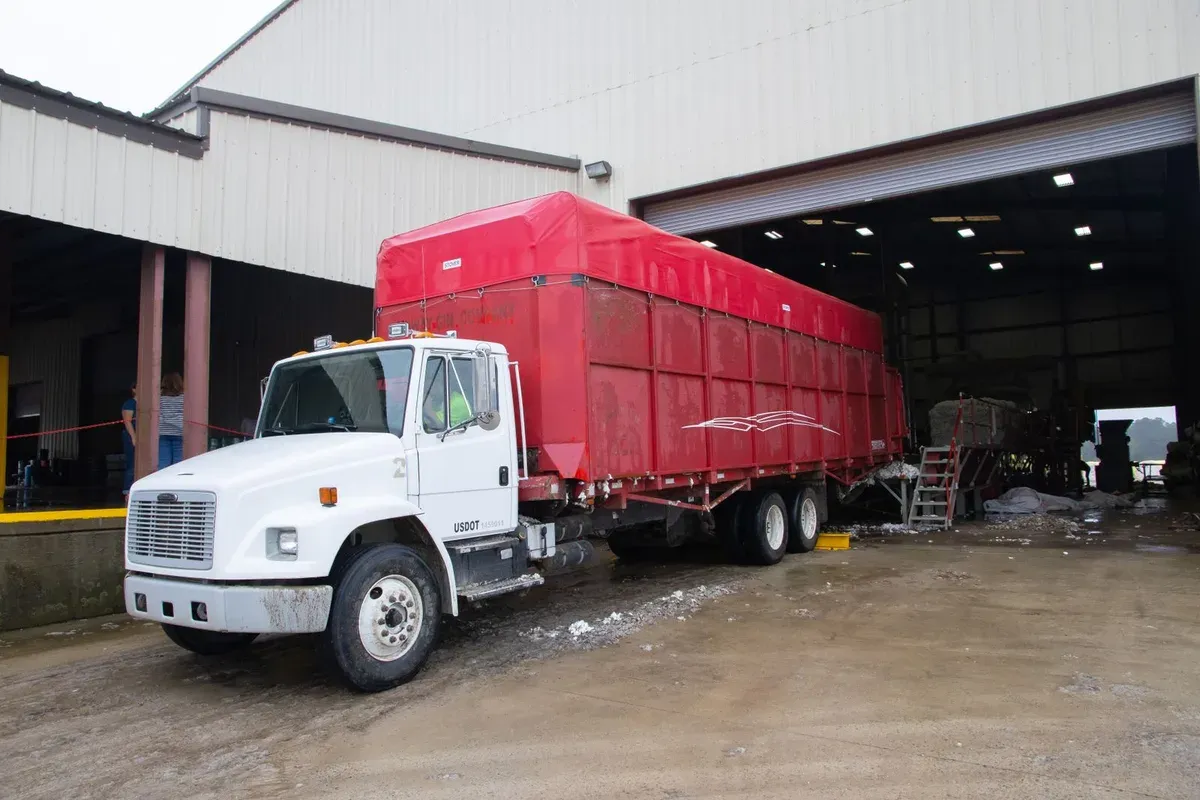
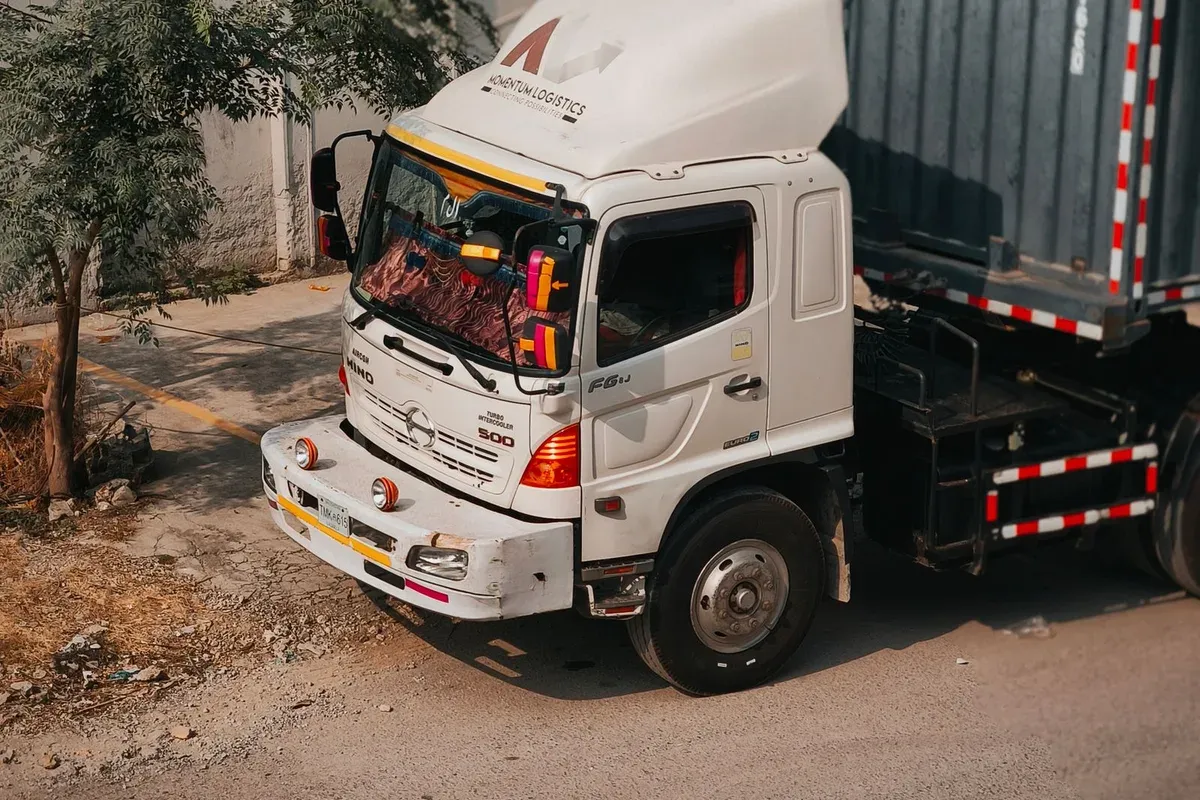
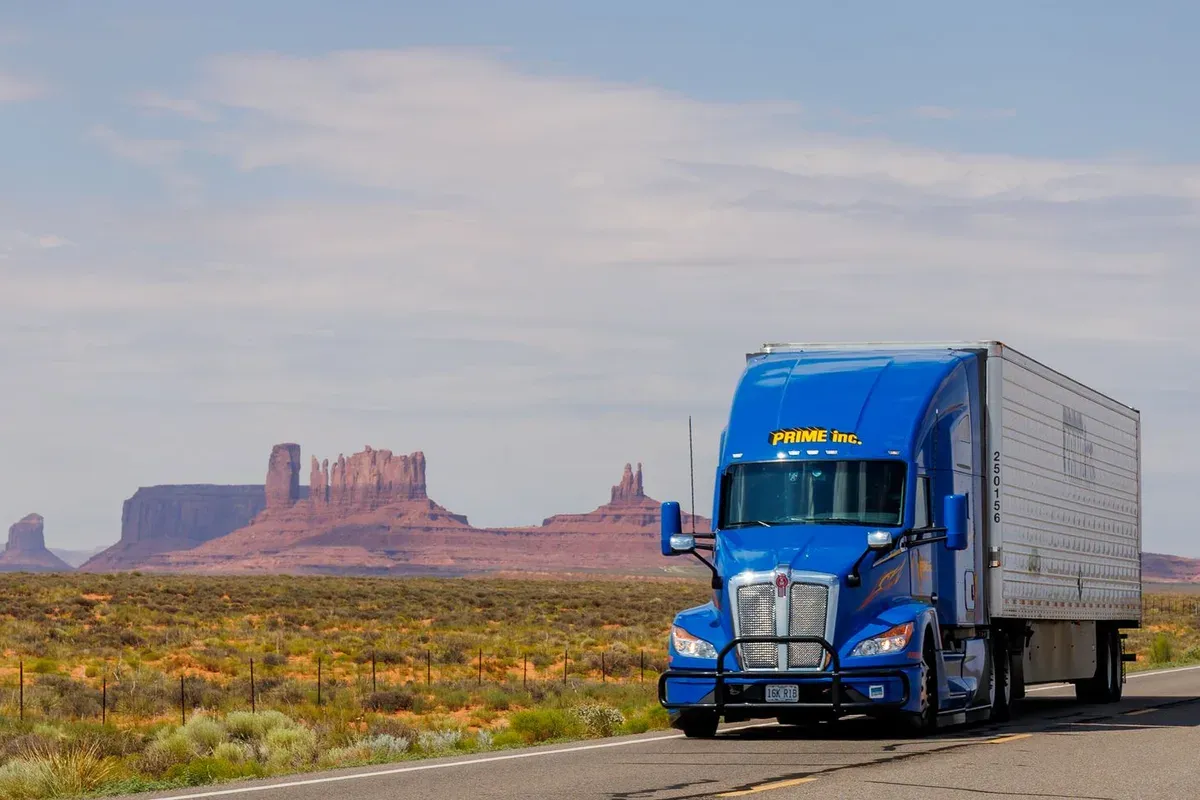
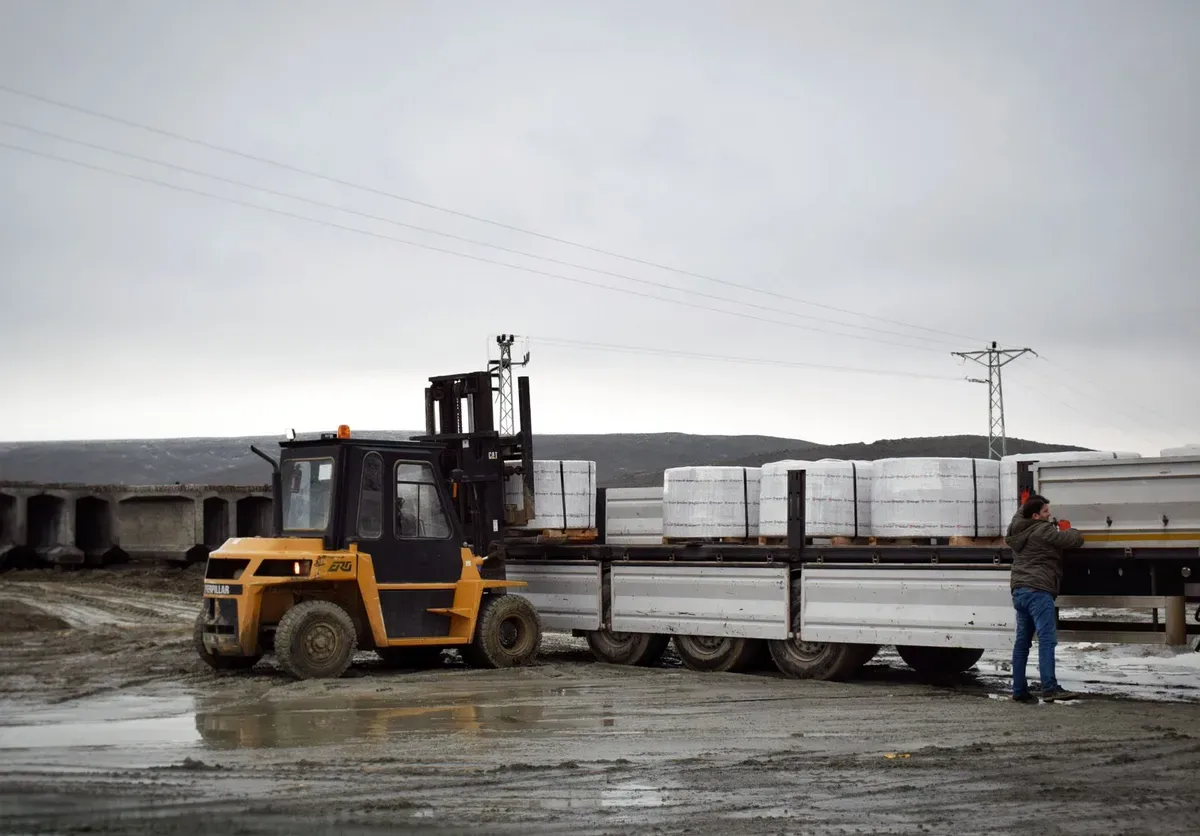
Full truckload trucking from China to Iran means one shipper’s cargo occupies an entire dedicated trailer — typically a 13.6 meter curtain-side unit rated up to 96 CBM and 25 metric tons — from a Chinese origin hub through the exit gateway at Wuqia or Khorgos, across Kyrgyzstan or Kazakhstan, Uzbekistan, and Turkmenistan, into Iran at Sarakhs, and on to a bonded customs yard in Mashhad or Tehran. The trailer is sealed once at the gateway under a TIR carnet and is not opened again until the destination yard, barring the one planned transload most direct services perform at Bukhara.
That distinguishes FTL from consolidated trucking — the LCL-style product where your cargo shares a trailer with other shippers’ freight from about 1 CBM or 100 kg, billed at $2.50 – $3.50 per chargeable kilogram on fixed weekly departures. The mechanical difference matters on this lane: a consolidated trailer stops at multiple origin warehouses, waits for cutoff dates, and splits consignees at the destination yard; a full truck loads once, seals once, and answers to one consignee. On a corridor where every border touch costs hours and every unsealing is a customs event, fewer touches are the product.
Two FTL service grades exist, and the quote must say which one you are buying. A direct truck transloads once, at Bukhara, with the trailer body continuing under seal; a transshipment truck unloads and reloads at Osh and again at Bukhara, costs somewhat less, and takes roughly five days longer to Tehran. Both are FTL — the difference is handling count, and on this lane handling count is transit time.
When Does FTL Beat Consolidated Cargo?
FTL wins on price the moment your shipment crosses about 1,000 – 2,000 chargeable kilograms — and it wins on control from the first kilogram if you have a hard delivery date.
The math is straightforward. Consolidated trucking bills $2.50 – $3.50 per chargeable kilogram, so a 2,000 kg shipment runs $5,000 – $7,000 on the per-kg meter — at or above the entire $3,000 – $5,000 flat price of a dedicated trailer with fifteen times the capacity. Past that crossing, every additional kilogram on the consolidated rate is money spent for capacity you are not using, while the FTL price is already paid. In practice most importers stop squeezing cargo into weekly consolidations once planned volume passes roughly 10 – 15 CBM — or earlier when several suppliers can be merged into one trailer at a China-side warehouse, which is exactly what consolidation services at origin are for.

| Factor | FTL (dedicated truck) | LTL (consolidated) |
|---|---|---|
| Pricing | Flat per trailer, $3,000 – $5,000 to the Tehran area | $2.50 – $3.50 per chargeable kg |
| Break-even | Cheapest option above ~1,000 – 2,000 chargeable kg | Cheapest below it |
| Departure | When your cargo is ready — the truck leaves for you | Fixed weekly schedule with cutoff dates |
| Handling | One load, one seal, one planned transload (Bukhara) | Multi-shipper loading; sorting at both ends |
| Security | One consignee; seal chain unbroken | Cargo co-loaded with strangers’ freight |
| Best for | Factory replenishment, project cargo, machinery, auto parts | Samples, small recurring orders, mixed trial shipments |
The full arithmetic of the destination side — Iranian duty, benefit tax, and VAT on top of either rate — is covered in our China to Iran trucking costs guide, and the consolidation mechanics in our LCL shipping from China to Iran article. The general FCL-versus-LCL decision framework in our FCL vs LCL shipping comparison applies to the road lane with the numbers swapped.
Which Truck Types Run This Corridor — and Which One Does Your Cargo Need?
The default China–Iran FTL unit is a 13.6 meter curtain-side trailer, but three specialized configurations matter once your cargo stops being ordinary palletized freight. Booking the right body type at the quoting stage is far cheaper than improvising one at the border.

| Trailer type | Deck / body | Cargo it is booked for |
|---|---|---|
| Curtain-side 13.6 m | Side + rear loading | Auto parts, consumer goods, palletized general cargo |
| Box / van 13.6 m | Hard walls, lockable doors | FMCG, packaged food, cosmetics, high-value electronics |
| Air-suspension | Pneumatic ride control | Solar PV modules, glass, stone, precision instruments |
| Step-frame low-bed 17.5 m | Dropped deck, chained loads | Out-of-gauge machinery: CNC centers, injection machines, excavators |
Two categories need explicit acceptance before booking, whatever the trailer. Class 9 lithium batteries — UN 3480 cells and packs, UN 3481 packed with equipment — move under TIR and ADR conventions but require a complete 16-section MSDS, UN packaging documentation, and trailers with fire-retardant partitions. Out-of-gauge machinery rides the 17.5 meter low-bed, quoted per piece with a route survey, and transit runs days longer than a standard curtain-side. If your machinery is borderline standard — a large injection machine that might squeeze a curtain-side with partial disassembly — the machinery planning details in our guide to shipping machinery and industrial equipment from China to Iran will settle the question, and anything export-controlled or dual-use needs a permit check before the truck is booked at all.
How Much Does a Full Truckload from China to Iran Cost?
Budget $3,000 – $5,000 per trailer for a full truckload from a Chinese origin hub to the Tehran customs area — Tehran West Customs (Gomrok Gharb), Shahriyar, or Aprin Dry Port — via the Kyrgyzstan–Uzbekistan routing, as an October–November 2026 indicative band. Mashhad runs at the lower end; eastern China origins at the upper.
That figure buys the truck, the linehaul, the TIR carnet, and delivery into the bonded yard on CPT/DAP-style terms. Four things sit outside it, and an honest quote says so: the 0.4% Kyrgyz transit tax on cargo invoice value if the routing crosses Wuqia (it never applies on the Khorgos–Kazakhstan routing), Turkmen transit permits and escort fees, insurance, and — the big one — the Iranian import stack: customs duty of roughly 4 – 55 percent by HS code, the commercial benefit tax, and 10 percent VAT. That destination stack, not the freight, is where the landed cost of an FTL is actually decided.
Disclaimer: these are indicative market ranges for October–November 2026. Road freight on this corridor moves with fuel prices, currency, border conditions, and seasonal capacity — some published competitor bands run materially higher — so confirm live pricing against your cargo-ready date before committing.
One structural saving is worth naming: TIR carriage itself. Because the sealed-trailer TIR system replaces repeated national guarantees with one carnet and sharply reduces border unsealings, TIR trucking saves roughly $300 – $500 per shipment against conventional multi-border trucking — a saving that comes free with every serious FTL quote on this lane.
How Long Does an FTL Take — Direct Truck vs Transshipment?
Counted from the Wuqia crossing, a direct truck currently runs 21 – 23 days to the Tehran West Customs bonded warehouse and 18 – 21 days to Mashhad; a transshipment truck runs 24 – 28 days to Mashhad and 26 – 30 days to Tehran. Add the domestic leg from your Chinese origin to the exit gateway — typically up to 7 days from coastal hubs — and a realistic pickup-to-yard plan for a coastal FTL is roughly 28 – 35 days.
| Origin region | Exit gateway | Typical total to Tehran yard |
|---|---|---|
| Western China / Xinjiang sourcing | Wuqia or Khorgos | 12 – 18 days |
| Shanghai / Yangtze Delta | Khorgos | 15 – 25 days |
| Shenzhen / Guangzhou / Pearl River Delta | Wuqia | 17 – 25 days |
| Any hub, Wuqia direct-truck service | Wuqia | 28 – 35 days (incl. domestic leg) |
Two schedule rules protect an FTL booking. First, the published Wuqia day count starts at the border crossing, not at your factory — a forwarder quoting “21 – 23 days” from Guangzhou is selling a different number than one quoting it from Wuqia, and our Wuqia vs Khorgos gateway comparison shows how the two exits trade schedule certainty against the Kyrgyz tax. Second, winter — December through February — adds days on the mountain approaches; a production schedule that cannot absorb that buffer belongs on the rail block train instead, where our China to Iran rail freight guide has the numbers.
How Do You Load a Full Truck for a 6,000 km Corridor?
A full trailer crosses three mountain ranges, two deserts, and at least four border inspection regimes; the load plan is what decides whether it arrives in saleable condition. The corridor ceiling is 96 CBM and 25 metric tons per vehicle — but treat 25 T as an axle-law limit, not a volume target, because the binding constraint is weight distribution, not space.
The working rules are three. Dense cargo — steel, tiles, stone, machinery bases — goes low and over the axles, never concentrated at the nose or tail where it overloads a single axle group and fails the weighbridges at Turkmen and Iranian border posts. Light, volumetric cargo — textiles, foam, furniture cartons — stacks above and behind the dense zone. And nothing rides loose: every layer is strapped, shored, or braced, because the washboard sections of the Turkmen steppe will walk an unblocked pallet three meters in a day. Fragile or vibration-sensitive goods on an air-suspension deck still need their own dunnage; the air ride removes the high-frequency chatter, not the low-frequency sway.
Multi-supplier loads are where FTL economics get interesting. If three suppliers in the Pearl River Delta each ship 5 CBM of auto parts, merging them into one trailer at a consolidation warehouse turns three consolidated shipments — each billed per kilogram — into one flat-price FTL, typically stripping 15 – 25 percent out of the linehaul spend. The merging step is exactly what our warehouse services in China desk does at origin: receive, inspect, repalletize where needed, and load the trailer as one shipper’s cargo with one packing list.
Which Cargo Runs FTL — and Which Needs Extra Paperwork?
The lane’s classic FTL cargo is commercial volume with a replenishment rhythm: auto parts for the Iranian aftermarket (the HS-classification pitfalls are covered in our guide to shipping automotive parts and spare parts from China to Iran), building materials and ceramics, consumer goods, electronics, and industrial inputs. What unites them is a steady order size that has crossed the break-even and a tolerance for roughly three weeks of transit.
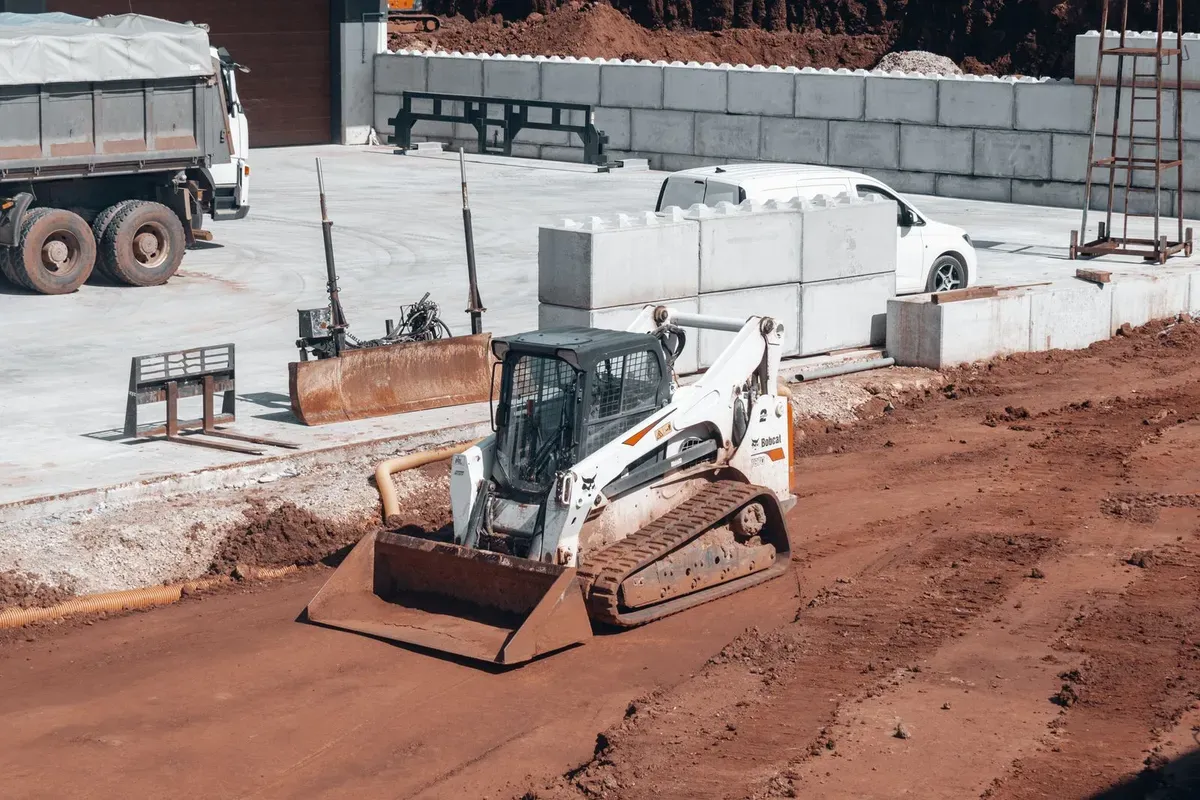
The paperwork gate applies to every FTL, and on a full truck a single bad line item stops the whole vehicle rather than one consignment among many. The pre-departure checklist: commercial invoice and packing list with HS codes stated, certificate of origin legalized and couriered ahead of the truck, the Iranian importer’s commercial card and pre-filed import registration, ISIRI conformity documents and Persian labeling for regulated categories, the TIR carnet and CMR note, and — for batteries — the MSDS and UN packaging papers. Everything that cannot ship at all is in our prohibited items guide for Iran. And because one seal covers your entire cargo value, insurance with explicit Iran geographic coverage is non-negotiable — our cargo insurance desk places corridor-appropriate cover, and the policy wording matters more than the premium.
How to Book an FTL from China to Iran: A 6-Step Checklist
- Send the three quoting inputs — origin hub, destination customs yard (Tehran West, Shahriyar, Aprin, or Mashhad), and cargo data: HS code, gross weight in kilograms, volume in CBM. FTL is quoted per shipment; a quote without those three numbers is a guess.
- Confirm the service grade in writing — direct truck (one Bukhara transload, 21 – 23 days from Wuqia) or transshipment (Osh and Bukhara, 26 – 30 days) — plus which exit gateway and whether the 0.4% Kyrgyz tax applies.
- Audit the exclusions — Turkmen permits, escort fees, insurance, and yard handling at destination should each be a named line, not a surprise.
- Lock the payment channel before the truck leaves. Most China–Iran settlement now runs in yuan through Chinese banks and CIPS; agree currency, bank, and channel in writing, because a payment that cannot clear parks the whole truck at a customs yard.
- File the Iran-side pre-clearance. The importer’s registration, commercial card, and broker engagement should be complete before Sarakhs, not after — a Tarkhis Kar (licensed broker) filing through ASYCUDA, or your forwarder’s customs clearance desk if you have none.
- Track by seal number, not GPS. Seal status at each border — Kyrgyz exit, Uzbek, Turkmen, Sarakhs — is the corridor’s ground truth, and any unplanned unsealing should trigger a call before the truck moves on.
FAQ
Q: How much does full truckload trucking from China to Iran cost? A: As of October–November 2026, budget $3,000 – $5,000 per trailer for the linehaul to the Tehran customs area, excluding the 0.4% Kyrgyz transit tax (Wuqia routing only), insurance, and the Iranian duty/VAT stack at destination. Consolidated cargo under roughly 1,000 – 2,000 chargeable kg is usually cheaper per kilogram.
Q: How long does an FTL take from China to Iran? A: A direct truck runs 21 – 23 days from the Wuqia crossing to Tehran West Customs and 18 – 21 days to Mashhad; add up to 7 days for the domestic leg from a coastal hub. Transshipment services add roughly five days.
Q: What is the maximum load for one truck? A: The corridor ceiling is 96 CBM and 25 metric tons per vehicle. Over-limit portions are quoted separately, and dense cargo is limited by axle-weight rules before it ever reaches the volume ceiling.
Q: Can one truck collect from multiple suppliers? A: Yes — and it is one of the biggest FTL savings. Cargo from several suppliers merges at a China-side warehouse into one trailer with one packing list, converting multiple per-kg consolidated shipments into a single flat-price truck, typically saving 15 – 25 percent on linehaul.
Q: Do Chinese trucks drive all the way to Tehran? A: Mostly no. A direct truck transloads once, at Bukhara, while the trailer continues under seal; the tractor may change at borders. Delivery is to a bonded customs yard — Tehran West Customs, Shahriyar, Aprin, or Mashhad — where your licensed broker clears the cargo.
Q: Can I ship lithium batteries or machinery FTL? A: Yes, both. Class 9 lithium (UN 3480 / 3481) requires a 16-section MSDS, UN packaging documents, and ADR-compliant trailers with fire-retardant partitions. Out-of-gauge machinery goes on a 17.5 m low-bed with a route survey and per-piece pricing.
Conclusion
The numbers that decide an FTL booking on this lane: $3,000 – $5,000 flat per trailer against a $2.50 – $3.50 per-kg meter that crosses it at roughly 1,000 – 2,000 chargeable kilograms; 96 CBM / 25 T of capacity governed by axle law, not floor space; and 21 – 23 days from the Wuqia crossing to Tehran’s customs yards for a direct truck. Book the trailer that matches the cargo, put dense cargo over the axles, and close the payment and pre-clearance loops before the seal goes on — the corridor rewards shippers who treat a full truck as a system, not just a vehicle.
Efanda Logistics has run China–Middle East lanes from Shenzhen since 2018, with itemized per-charge quoting — transloads, permits, and taxes as named lines — and a dedicated trailer on your schedule, not a weekly cutoff. Contact us at +86 18929345880 for a full truckload quote with every transit charge itemized.

Written by the EFANDA Logistics team — a Shenzhen-based freight forwarder established in 2018, moving cargo from China to ports worldwide with end-to-end pickup, consolidation, customs and door delivery.About us