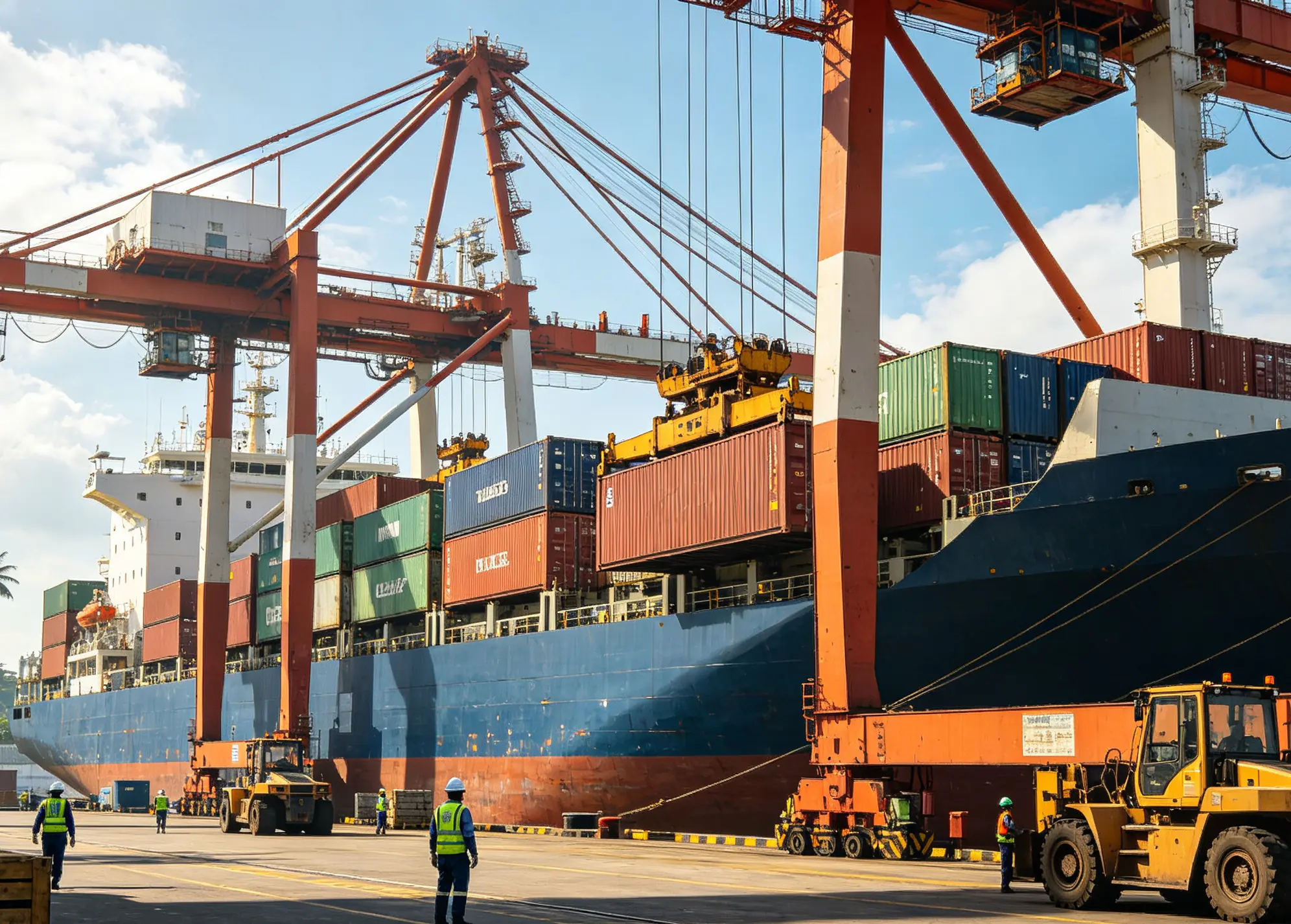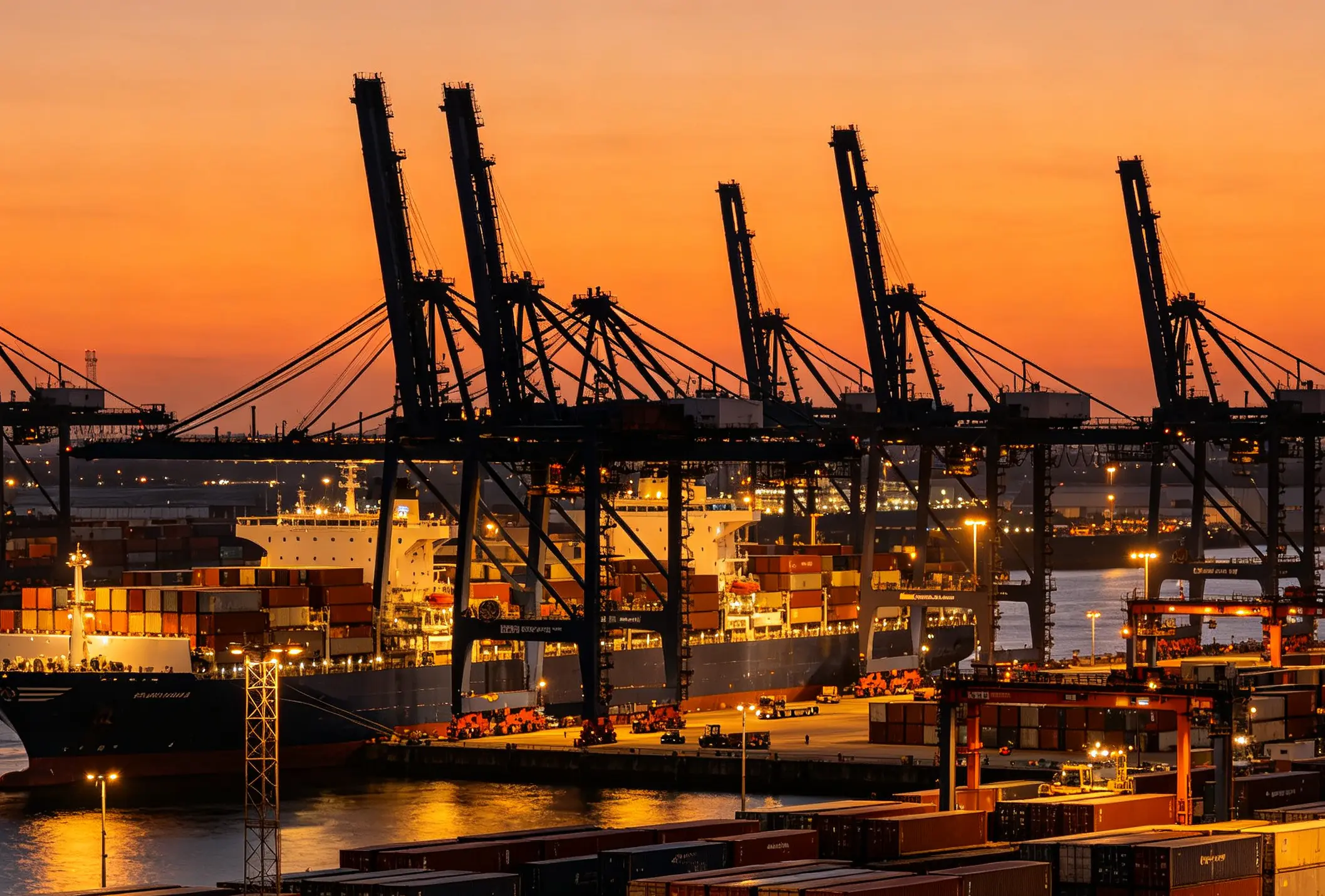
Have you been caught off guard by unpredictable sea freight from China to Israel transit times and spiraling costs in 2026? You are not alone. With the Red Sea crisis forcing most carriers to reroute around Africa’s Cape of Good Hope, Israeli importers are facing a logistical puzzle: longer lead times, elevated war risk surcharges, and a gap between the port-to-port quotes they see online and the actual door-to-door cost that lands on their invoice — a gap that Israeli customs duties and the 18% VAT can inflate by 40 to 60 percent.
This guide strips away the guesswork. It is a pure sea-freight deep dive — no air freight or express courier distractions — covering FCL and LCL costs from all six major Chinese ports to Haifa and Ashdod, real-world transit times factoring in the 2026 rerouting situation, Israeli customs compliance including SII certification and IPPC requirements, a line-by-line door-to-door cost model, and a real case study of a machinery shipment from Shenzhen to Ashdod. For a broader overview of all shipping modes to Israel — including air freight and express options — visit our dedicated shipping from china to israel service page. By the time you finish reading, you will know exactly how to budget, what documents to prepare, and which routing strategy gives you the best balance of speed and cost.
Understanding Sea Freight from China to Israel: How It Works
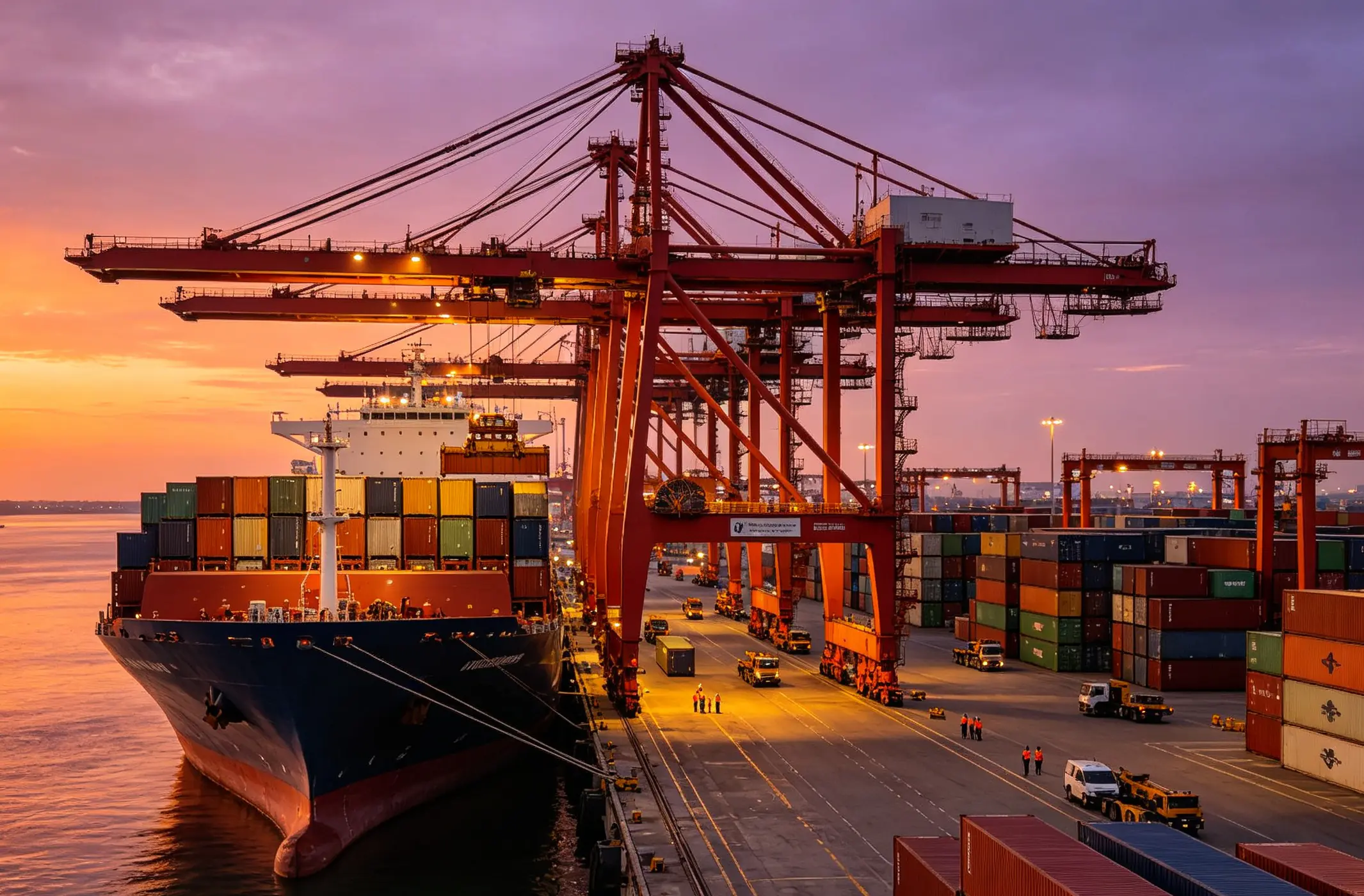
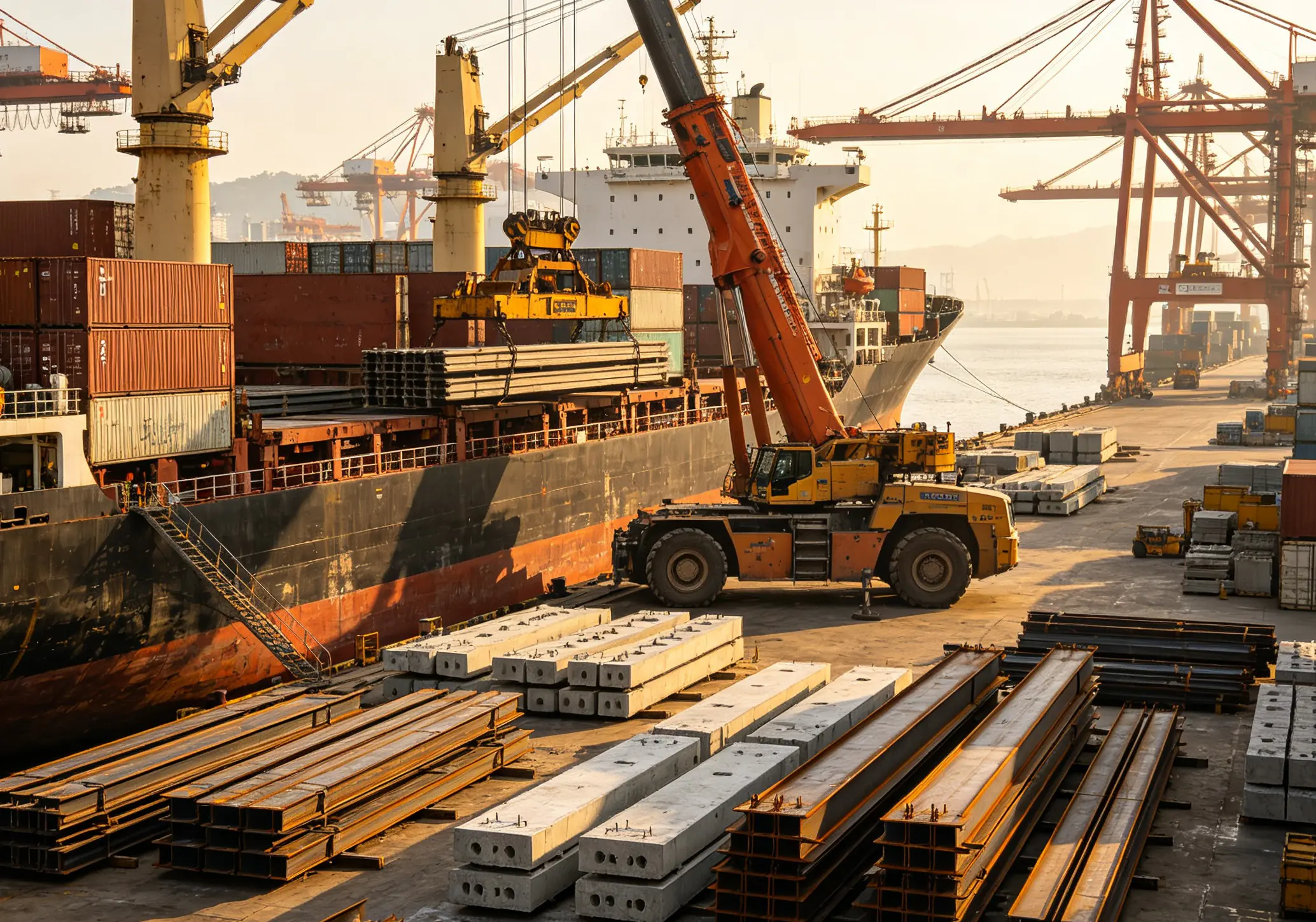
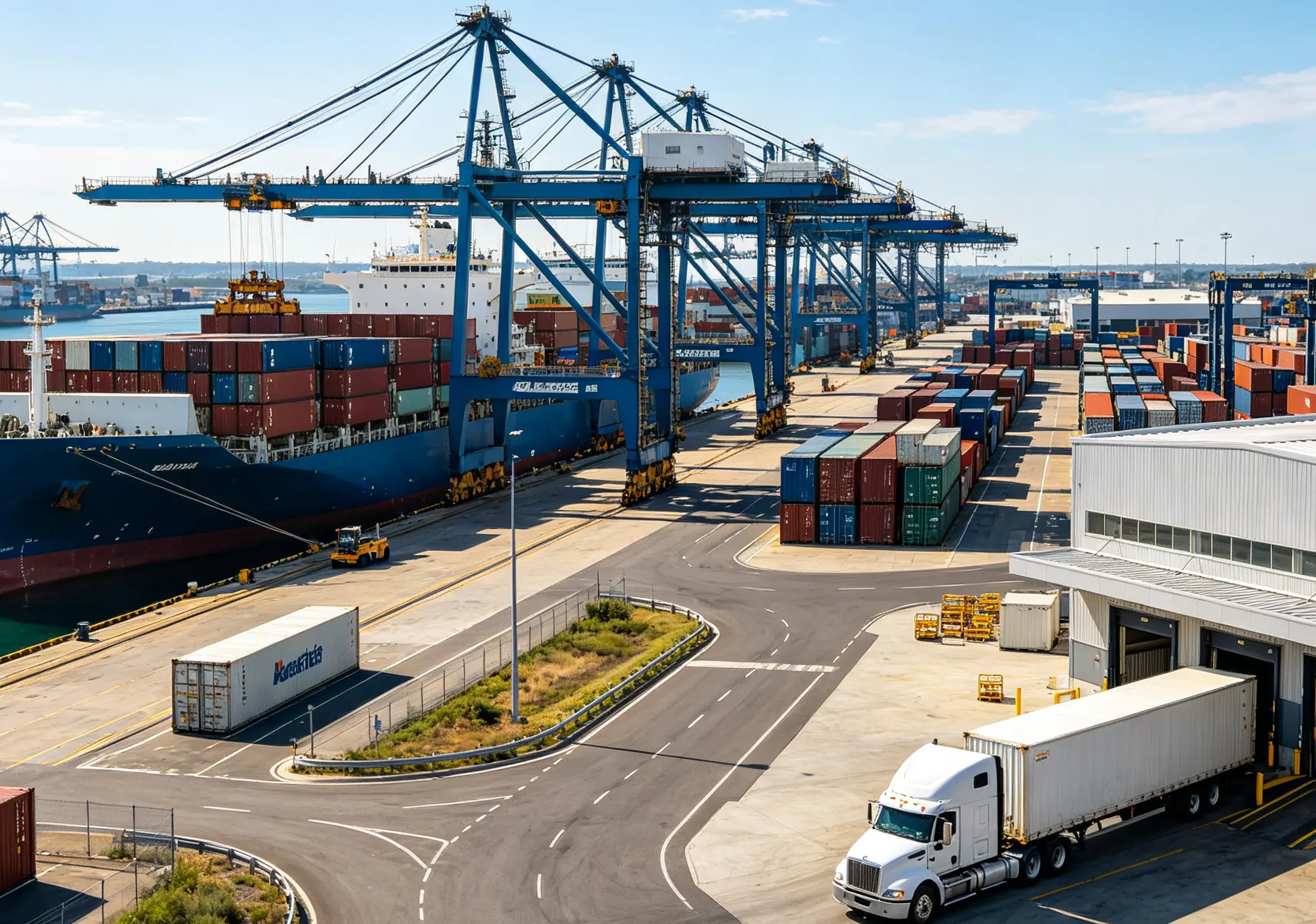
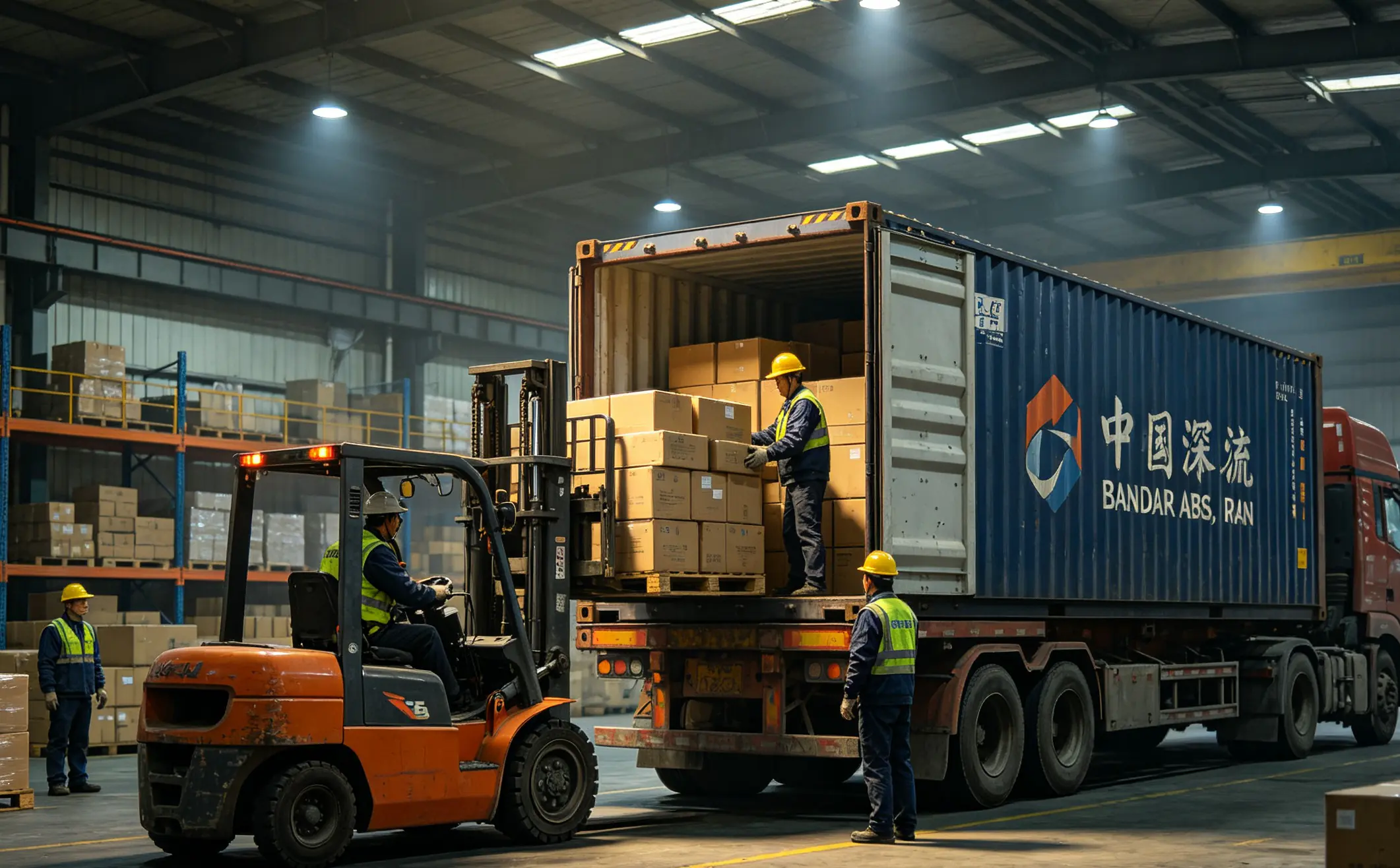
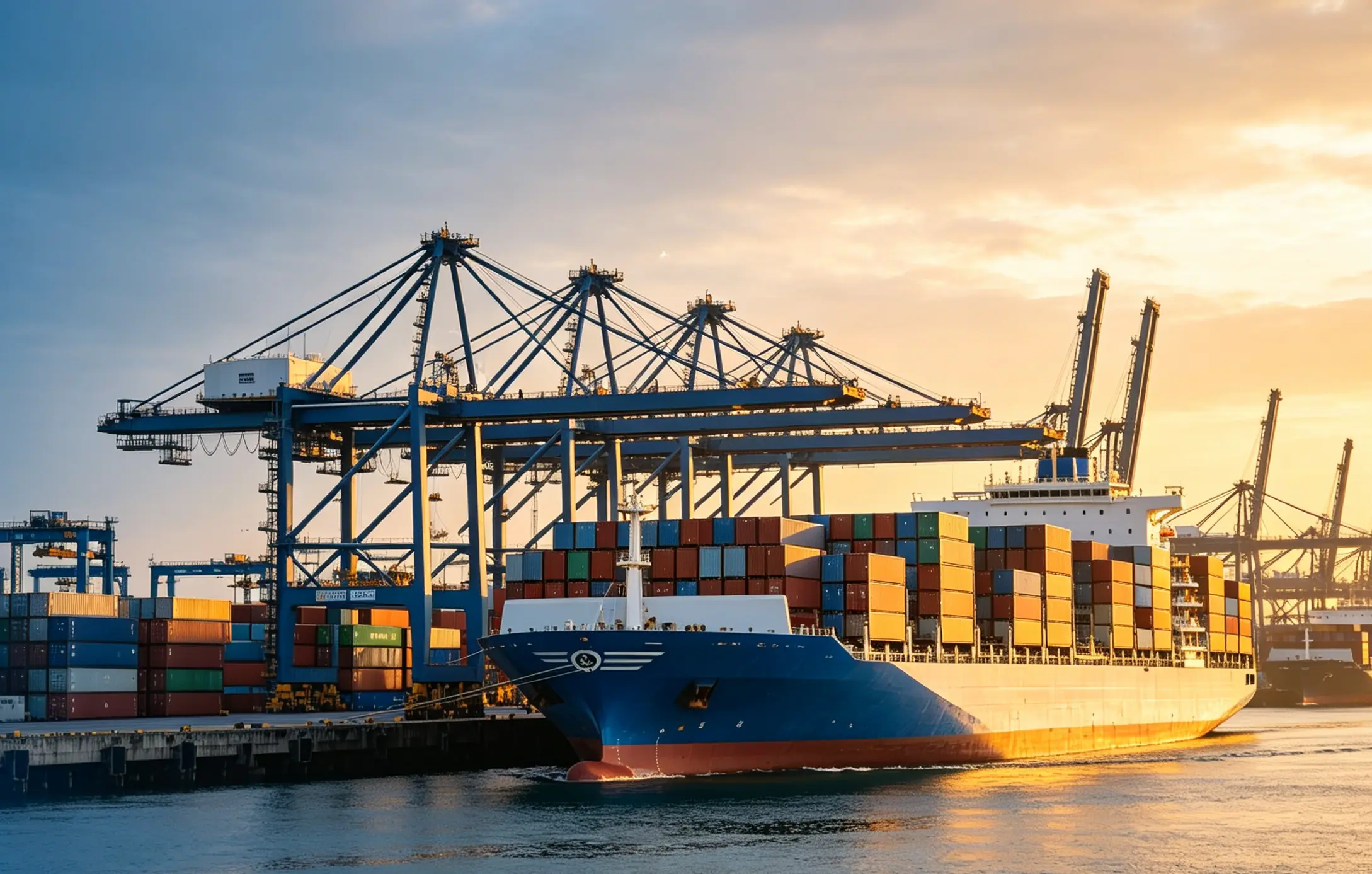
Sea freight from China to Israel is the maritime transportation of containerized cargo from major Chinese ports — Shenzhen, Shanghai, Ningbo, Guangzhou, Qingdao, and Xiamen — to Israel’s two gateway ports: Haifa and Ashdod. The process follows a well-established chain: factory pickup and trucking to the origin port, Chinese export customs clearance, container loading onto an ocean vessel, the ocean transit itself, Israeli import customs clearance at the destination port, and finally last-mile truck delivery to your warehouse or distribution center.
At the heart of this system are two container shipping models: FCL (Full Container Load) , where you rent an entire 20-foot, 40-foot, or 40-foot high-cube container exclusively for your cargo, and LCL (Less than Container Load) , where you share container space with other importers and pay per cubic meter (CBM). Every shipment also generates a set of essential documents — the Bill of Lading (B/L) acts as both the contract of carriage and proof of ownership, while the Commercial Invoice, Packing List, and Certificate of Origin support customs clearance at both ends.
Key Ports for Sea Freight from China to Israel
Your choice of origin and destination ports directly affects both your shipping cost and transit time. On the Chinese side, six ports handle the vast majority of Israel-bound container traffic:
| Origin Port (China) | Region | Best For |
|---|---|---|
| Shenzhen (Yantian / Shekou) | South China (Pearl River Delta) | Electronics, textiles, consumer goods; lowest rates and best container availability |
| Shanghai (Yangshan) | East China (Yangtze River Delta) | Highest departure frequency to Israel; broad cargo mix |
| Ningbo-Zhoushan | East China | Competitive LCL consolidation rates; good alternative to Shanghai |
| Guangzhou (Nansha) | South China | Cost-effective option for southern manufacturers; rates similar to Shenzhen |
| Qingdao | North China | Machinery, chemicals, heavy industrial goods from Shandong and beyond |
| Xiamen | Southeast China | Furniture, stone products, and expanding LCL services |
On the Israeli side, two ports receive virtually all containerized cargo from China. Port of Haifa, in the north, is Israel’s largest cargo gateway — it handles the majority of container traffic, offers faster unloading, and maintains direct carrier connections with Shanghai, Ningbo, Shenzhen, and Qingdao. Port of Ashdod, farther south and closer to Tel Aviv and the central economic corridor, is Israel’s largest container terminal by volume and processes most FCL imports from China. If your warehouse is in Tel Aviv or the central district, Ashdod typically saves you a day of inland trucking.
Our Industry Insight: When we at Efanda Logistics plan shipments for our clients, we do not default to the nearest port. For a client importing furniture from a factory in Qingdao, routing through Haifa saved them $180 in trucking costs because Haifa’s northern location aligned better with their warehouse in Haifa’s industrial zone. Always let your delivery address — not the freight rate difference — drive the port decision.
FCL vs LCL Shipping: Which Container Option Is Right for Your Cargo?
Choosing between FCL shipping from China to Israel and LCL sea freight from China to Israel depends on four factors: your cargo volume, your timeline tolerance, your budget structure, and the nature of your goods. There is no one-size-fits-all answer, and understanding the fcl vs lcl shipping trade-offs is the first step. The frequently cited “15 CBM threshold” is only a starting point.
| Factor | FCL (Full Container Load) | LCL (Less than Container Load) |
|---|---|---|
| Cargo Volume | 15+ CBM (20ft); 30+ CBM (40ft) | 2–15 CBM |
| Transit Time | 22–45 days (port-to-port) | Add 5–8 extra days for consolidation and CFS deconsolidation |
| Cost per Unit | Lower per CBM at high volumes | Higher per CBM; cost-effective for small shipments |
| Cargo Security | Your goods travel alone — no handling by third-party cargo | Shared container space; multiple handling touchpoints increase risk |
| Flexibility | You control the loading plan and container seal | Consolidated on forwarder’s schedule; less control over stuffing |
| Best For | Bulk orders, heavy machinery, fragile goods, time-sensitive shipments | Small batch orders, samples, SME regular restocks |

The math is straightforward but often misunderstood. If your shipment is 15 CBM, paying for an entire 20-foot container at a flat rate of approximately $2,200–$3,200 (port-to-port) often costs less per cubic meter than paying $70–$100 per CBM in an LCL consolidation. More importantly, FCL eliminates the consolidation waiting time at origin and the deconsolidation process at a CFS (Container Freight Station) in Israel — steps that typically add five to eight days.
Our Industry Insight: One of the most common surprises we see is the LCL destination charge stack at Ashdod and Haifa. Beyond the quoted sea freight rate per CBM, importers often face CFS unstuffing fees ($50–$120), warehouse minimum charges when your cargo sits below a certain volume floor, and storage fees that kick in after a short free period. We have seen a 5 CBM electronics shipment from Shenzhen incur $340 in destination charges that the original LCL quote did not reflect. Always ask your forwarder for an all-in LCL breakdown before booking.
Sea Freight Costs from China to Israel: 2026 Price Breakdown
As of mid-2026, sea freight costs from China to Israel range from approximately $2,200 to $3,200 for a 20-foot container and $3,200 to $4,900 for a 40-foot container on a port-to-port basis — but these numbers only tell part of the story. The table below reflects June 2026 benchmark rates across all six major Chinese ports. Every rate includes the BAF (Bunker Adjustment Factor) and carrier security fees, but excludes origin trucking, Chinese export customs, Israeli destination charges, duties, VAT, and last-mile delivery.
FCL Port-to-Port Rates (June 2026)
| Origin Port (China) | Destination | 20ft (USD) | 40ft / 40HQ (USD) | Transit Time | Recommended For |
|---|---|---|---|---|---|
| Shenzhen (Yantian) | Ashdod | $2,200–$2,800 | $3,200–$4,300 | 22–28 days | Electronics, small goods; lowest rates |
| Shenzhen (Yantian) | Haifa | $2,300–$2,900 | $3,300–$4,400 | 23–30 days | Electronics via northern Israel |
| Shanghai (Yangshan) | Ashdod / Haifa | $2,300–$3,000 | $3,400–$4,600 | 24–32 days | Highest frequency departures |
| Guangzhou (Nansha) | Ashdod / Haifa | $2,300–$2,900 | $3,300–$4,400 | 23–30 days | Southern manufacturing hub shipments |
| Ningbo-Zhoushan | Ashdod / Haifa | $2,400–$3,000 | $3,500–$4,600 | 25–32 days | Competitive LCL consolidation base |
| Qingdao | Ashdod / Haifa | $2,600–$3,200 | $3,800–$4,900 | 28–35 days | Northern heavy machinery and chemicals |
| Xiamen | Ashdod / Haifa | $2,500–$3,100 | $3,600–$4,700 | 26–33 days | Furniture and stone products |
Two patterns stand out: Shenzhen and Guangzhou consistently offer the lowest rates due to higher container availability in southern China and shorter sailing distances on the Cape of Good Hope corridor. Qingdao, serving northern China’s industrial base, runs $400–$600 higher on average for a 40-foot container and adds approximately five extra days at sea.
LCL Shipping Rates by Volume
| Volume Tier | Cost per CBM (USD) | Best For |
|---|---|---|
| 1–5 CBM | $120–$180 | Samples, test orders, first-time small batch freight |
| 5–10 CBM | $90–$130 | SME regular shipments, seasonal restocks |
| 10–15 CBM | $70–$100 | Near-FCL volumes; one-time larger orders |
At approximately 15 CBM, a 20-foot FCL becomes cheaper than continuing with LCL. If you are planning larger-volume shipments, our sea freight from China service page covers FCL, LCL, and specialized container options in detail.
What Drives the Price Up?
Beyond the base ocean freight, which fluctuates weekly, four forces shape your final invoice. The Red Sea crisis adds $800–$1,500 per container in war risk surcharges, emergency bunker costs, and higher insurance premiums — a structural cost baked into nearly every 2026 sailing. Seasonal demand spikes follow a predictable calendar: pre-Chinese New Year (January–February) drives rates up 15–30%, the pre-Passover import surge (February–March) adds another 10–20%, and the pre-Rosh Hashanah peak season (August–September) adds 15–25%. Fuel surcharges — the Bunker Adjustment Factor — add $200–$400 per FCL on Asia-Mediterranean routes, adjusted quarterly.
Hidden fees that rarely appear in the first quote include demurrage and detention ($50–$150 per day beyond the typical 3–5 free days at Ashdod and Haifa), customs examination fees ($100–$300 if your container is selected for physical inspection), ISPS security fees ($15–$25 per container), and B/L amendment fees ($50–$100 for any post-issuance correction).
Sea Freight Transit Time and the 2026 Red Sea Rerouting Impact
In 2026, the typical sea freight transit time from China to Israel ranges from 22 to 45 days, depending on whether your cargo transits the Suez Canal or takes the longer Cape of Good Hope route. The single biggest variable is the ongoing Red Sea security situation.
| Routing Option | Transit Time (Port-to-Port) | Cost Premium | Carriers Offering It |
|---|---|---|---|
| Suez Canal Direct (with naval escort) | 22–30 days | $300–$500/container extra | ZIM, COSCO (select services) |
| Cape of Good Hope (default) | 35–45 days | No premium (baseline) | Maersk, MSC, CMA CGM, ONE, HMM, Evergreen |
| LCL (all routes) | Add 5–8 days to above | — | All forwarders |

Since late 2023, Houthi attacks in the Red Sea have forced most major carriers to bypass the Suez Canal entirely and route around South Africa. This detour adds roughly 3,500 nautical miles to the journey — translating into 10 to 14 extra days at sea and the cost surcharges described above.
Two carriers offer a meaningful alternative. ZIM, Israel’s flag carrier, has resumed selective Suez Canal transits with enhanced naval escort, restoring transit times to the 22–28 day range. COSCO offers a similar escorted routing. Both command a $300–$500 per container premium over Cape routing, but for time-sensitive shipments — particularly machinery with project deadlines or seasonal retail goods — that premium often pays for itself by eliminating weeks of inventory float.
Our Industry Insight: At Efanda, we routinely present both routing options to our clients. For a recent Shenzhen-to-Ashdod 40HQ machinery shipment with a factory installation deadline, the client chose COSCO’s Suez routing at $300 extra and received the container in 24 days. The alternative Cape routing would have taken an estimated 38 days — missing the installation window and incurring contractor standby costs far exceeding the $300 premium. The right routing decision is always a function of your downstream timeline, not just the shipping invoice.
LCL shipments should budget an additional five to eight days regardless of routing — three to four days for consolidation at origin and two to four days for CFS deconsolidation and cargo release at the Israeli port of entry.
Israel Customs Clearance: Import Duties, VAT, and SII Compliance
Clearing Israeli customs for sea freight from China requires accurate HS code classification, payment of import duties (typically 0–12% depending on product category), 18% VAT calculated on the CIF-plus-duty value, and — for certain regulated products — pre-import certification from the Standards Institution of Israel (SII).
Common Import Duty Rates by Product Category
| Product Category | HS Code Range | Typical Duty Rate |
|---|---|---|
| Furniture (Wooden) | 9403 | 0–6% |
| Electronics & Electrical Appliances | 85 | 0–12% |
| Machinery & Industrial Equipment | 84 | 0–8% |
| Textiles & Apparel | 61–63 | 6–12% |
| Toys & Games | 9503 | 0–12% |
| Auto Parts | 8708 | 0–6% |
| Solar Panels | 8541.43 | 0% (most cases) |
| Building Materials | 68–70 | 0–8% |
Here is how the math works in practice. Assume you are importing $20,000 worth of wooden furniture from China, with $3,200 in ocean freight and $200 in cargo insurance. Your CIF value is $23,400. At a 6% duty rate under HS 9403, you owe $1,404 in customs duty. The VAT base — Israel applies VAT on top of CIF plus duty — is $24,804. At 18%, VAT comes to $4,465. Your total import tax bill: $5,869, or roughly 25% of the CIF value.
Registered Israeli companies can reclaim VAT through their periodic filings, making FOB or CIF terms attractive for businesses with local tax registration. Importers without an Israeli entity often prefer DDP (Delivered Duty Paid) terms, where the freight forwarder handles the entire customs and tax payment as part of a single all-in price.
Beyond duties and VAT, Israel has specific compliance requirements that catch many first-time importers off guard. Wooden packaging materials — pallets, crates, dunnage — must carry the IPPC (International Plant Protection Convention) fumigation stamp. Without it, Israeli customs will reject the shipment at the port. Electronics containing WiFi, camera, or radio-frequency modules require Israeli Ministry of Communications (MoC) approval prior to import — shipping without it can result in confiscation. Branded goods require authorization documentation from the trademark holder; counterfeit goods are seized and destroyed. Israel’s ports also conduct random X-ray and physical security screening, which can add one to three days to clearance — a routine process, but one that should be built into your delivery timeline.
The SII certification process for regulated products — electronics, children’s products, construction materials, food-contact items — takes two to eight weeks and costs $300 to over $2,000. Certain SII-recognized testing labs operate in China, making it possible to certify products before they leave the factory.
Door-to-Door vs Port-to-Port: Choosing the Right Incoterms
The choice between door-to-door shipping from China to Israel and port-to-port service hinges on who controls each leg of the journey — and who bears the risk at each handoff.
| Incoterm | What’s Included | What You Still Pay | Best For |
|---|---|---|---|
| EXW (Ex Works) | Factory gate price only | Everything else | Buyers with in-house logistics teams on both ends |
| FOB (Free on Board) | Pickup + Chinese export clearance + delivery to port | Ocean freight, insurance, Israel charges, customs, duty, VAT, delivery | Buyers who want to control carrier and routing |
| CIF (Cost, Insurance, Freight) | Everything through arrival at Israeli port | Israel destination charges, customs, duty, VAT, delivery | Buyers who want the supplier/factory to handle main carriage |
| DDP (Delivered Duty Paid) | Everything door-to-door, all duties and VAT paid | Nothing — fixed all-in price | First-time importers; buyers wanting budget certainty and zero hassle |
DDP shipping from China to Israel — short for Delivered Duty Paid — typically commands a 15–25% premium over self-managed CIF plus customs. What you buy with that premium is time — no broker search, no customs-delay demurrage charges, and a single fixed price that makes P&L planning predictable. Efanda Logistics, headquartered in Shenzhen and operating since 2018, provides flexible EXW, FOB, CIF, and DDP services across the China-Israel corridor, with a dedicated logistics specialist assigned to every shipment. For a detailed comparison of trade term trade-offs, see our guide on fob vs cif.
Real Case Study: Shenzhen to Ashdod 40-Foot Flat Rack Machinery Shipment
In early 2026, an Israeli industrial manufacturer purchased a CNC machining center from a factory in Foshan, Guangdong province. The machine’s dimensions exceeded standard container width, requiring specialized handling.
Shipment profile: One 40-foot Flat Rack container. Cargo value: $85,000. Gross weight: 18,500 kg. Destination: client’s warehouse near Ashdod Port.
Because the machinery was classified as OOG (Out of Gauge) cargo, a standard 40HQ container was not an option. Our Efanda team arranged a Flat Rack container, professionally lashed and secured the equipment for the ocean journey, and routed the shipment via COSCO’s Suez Canal direct service to meet the client’s factory installation deadline.
Actual cost breakdown:
| Cost Component | Amount (USD) |
|---|---|
| Factory pickup (Foshan → Shenzhen Yantian) | $380 |
| China export customs + port charges | $280 |
| Flat Rack ocean freight (Yantian → Ashdod) | $4,600 |
| War risk surcharge | $350 |
| Cargo insurance (0.4% of $85,000) | $340 |
| Israel destination THC + documentation | $520 |
| Israel customs brokerage | $180 |
| Last-mile delivery (Ashdod → client warehouse) | $420 |
| Import duty (HS 8458, machine tools: 0%) | $0 |
| VAT (18% × $85,000 CIF) | $15,300 |
| Total landed cost | ~$107,370 |
From factory pickup to final delivery, the shipment took 34 days — including 24 days of ocean transit through the Suez Canal plus 10 days for Israeli customs clearance and inland delivery. By choosing the Suez routing over the default Cape of Good Hope option, the client saved approximately 12 days of transit time. The $300 routing premium was more than offset by avoiding contractor standby costs at the installation site.
Three takeaways worth noting: OOG shipments require booking Flat Rack or Open Top containers at least three to four weeks in advance. Machinery under HS Chapter 84 often benefits from 0% import duty in Israel — a significant policy advantage for industrial importers. And the cost of cargo insurance (0.4% of the shipment value in this case) is negligible compared to the financial exposure of an uninsured $85,000 piece of equipment crossing an ocean.
Practical Tips to Reduce Your Sea Freight Costs to Israel
If you are looking for the cheapest sea freight from China to Israel, the answer is not a single carrier or port — it is a combination of timing, strategy, and consolidation choices.
1. Ship during the off-peak windows. April through June and October through November consistently offer the lowest rates. Avoid the pre-Chinese New Year rush (January–February), the pre-Passover import surge (February–March), and the pre-Rosh Hashanah peak (August–September), when rates climb 15–30%.
2. Know when LCL stops making sense. At around 15 CBM, a 20-foot FCL becomes cheaper than LCL — and faster. Run the calculation before defaulting to LCL for mid-size shipments.
3. Depart from Shenzhen or Guangzhou whenever possible. Southern Chinese ports benefit from higher container availability and shorter distances on the Cape routing, yielding rates $400–$600 lower than Qingdao for a 40-foot container.
4. Optimize your packaging. Proper palletization, compression of soft goods, and elimination of excess packaging can reduce cargo volume by 5–15%, directly lowering your LCL freight charges.
5. Build a relationship with a single freight forwarder. Working with a dedicated forwarder like Efanda Logistics — with transparent all-in pricing, a personal logistics specialist tracking your shipment, and real-time status updates — helps you avoid the hidden fees, seasonal rate surprises, and documentation errors that add cost to every shipment.
Frequently Asked Questions
How long does sea freight from China to Israel take in 2026?
Suez Canal direct routing takes 22–30 days. Cape of Good Hope routing (the current default for most carriers) takes 35–45 days. LCL shipments add five to eight days for consolidation and deconsolidation.
How much does it cost to ship a 20-foot container from China to Israel?
Port-to-port ocean freight for a 20-foot container runs $2,200–$3,200 depending on the origin port. A full door-to-door shipment excluding duties and VAT typically totals $3,700–$6,150.
Which Israeli port is best for sea freight from China?
Haifa Port handles the largest container volumes and offers faster unloading and direct carrier connections with major Chinese ports. Ashdod Port is closer to Tel Aviv and the central economic zone, which can save on inland trucking costs.
FCL or LCL — which is cheaper?
Below 15 CBM, LCL is typically more economical. Above 15 CBM, FCL delivers a lower cost per cubic meter and faster transit. Factor in LCL destination charges — CFS unstuffing fees and warehouse minimums can narrow or reverse the cost advantage.
What documents do I need for sea freight from China to Israel?
The core documents are the Commercial Invoice, Packing List, Bill of Lading (B/L), and Certificate of Origin. Certain product categories also require SII certification, IPPC fumigation stamps (for wooden packaging), MoC approval (for wireless electronics), and a Phytosanitary Certificate or Kosher Certification where applicable.
How does the Red Sea crisis affect my shipment?
Most carriers default to the Cape of Good Hope route, adding 10–14 days and $800–$1,500 per container in surcharges. ZIM and COSCO offer Suez Canal direct routing with naval escort at a $300–$500 premium for select services.
Do I need an import license to ship to Israel?
Most general cargo does not require an import license. Regulated product categories — telecommunications equipment, pharmaceuticals, certain food products — do. Using a DDP service transfers the licensing and customs responsibility to your freight forwarder.
What is the VAT rate on imports into Israel?
Israel’s import VAT is 18% as of 2026, calculated on the CIF value plus customs duty. Registered Israeli businesses can reclaim VAT through periodic filings; importers without local registration benefit from DDP terms where the forwarder manages the tax payment.
How can I find a reliable freight forwarder for China-to-Israel sea freight?
Look for a forwarder with direct experience on the China-Israel lane, transparent all-in pricing with no hidden destination charges, a physical presence in Shenzhen or another major Chinese port city, and a track record of handling your specific cargo type. Efanda Logistics, founded in 2018 and headquartered in Shenzhen, specializes in sea freight (FCL, LCL, OOG, DDP) from China to Israel, with a dedicated logistics specialist assigned to every client.
If you are ready to move your cargo, visit efandatrans.com for a free sea freight quote, or speak directly with our logistics team at +86 18929345880. From factory pickup in Shenzhen, Shanghai, or anywhere in China to final delivery at your door in Tel Aviv, Haifa, or Ashdod — we handle the entire journey so you can focus on your business.