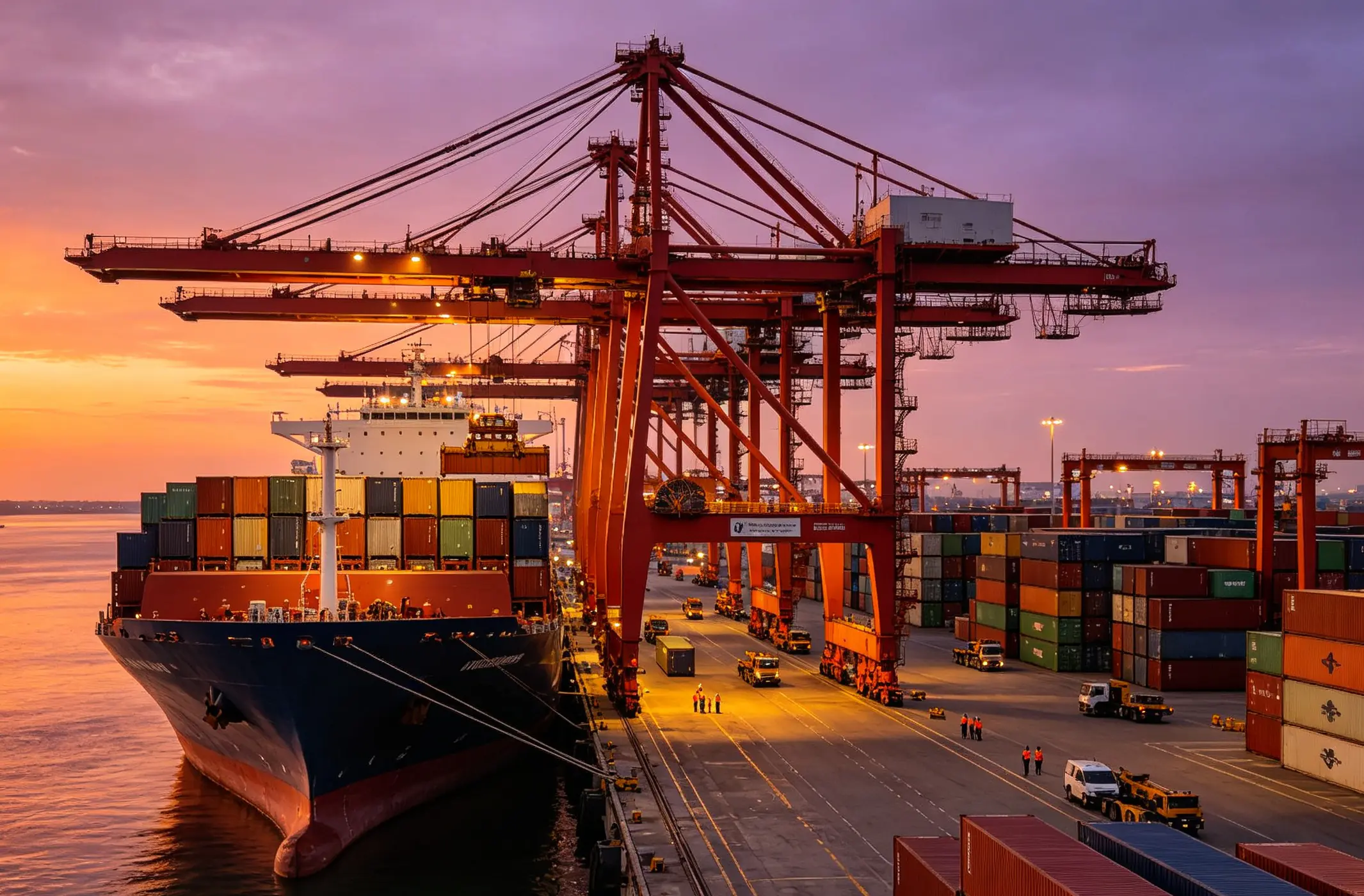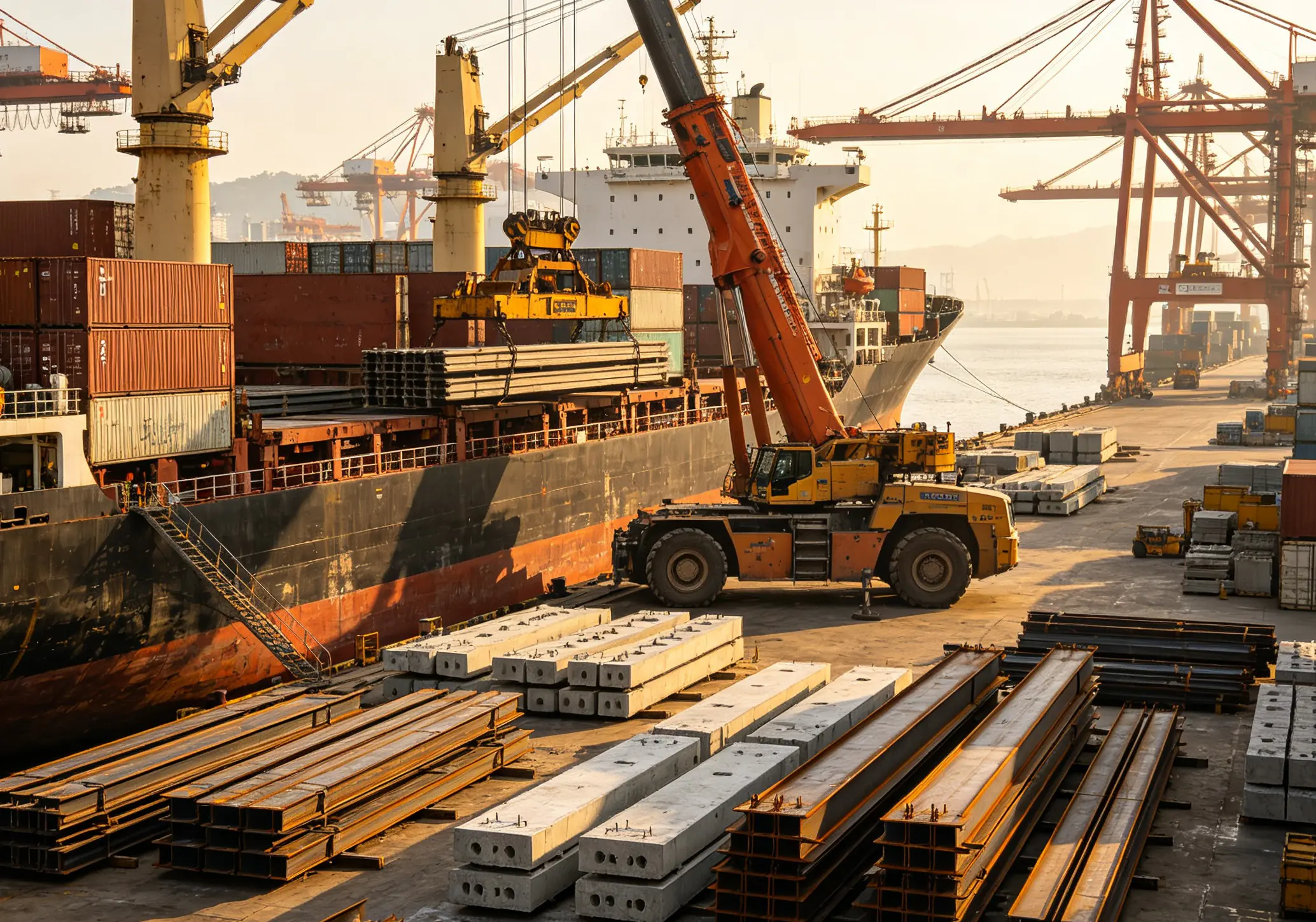
Are you wondering how to ship a car from China to Brazil without facing unexpected delays or hidden fees? With the booming trend of importing Chinese cars—especially New Energy Vehicles (NEVs) like BYD and GWM—to Brazil, buyers are increasingly looking for reliable logistics solutions. Driven by innovation and cost-effectiveness, the demand for electric vehicle (EV) shipping from China to Brazil has never been higher. However, navigating Brazil’s strict customs system (SISCOMEX, INMETRO) and high import taxes requires expert planning.
In this comprehensive guide, we will break down the exact cost to ship a car from China to Brazil, compare RoRo vs. Container shipping, provide a real-world tax calculation, and explain the specific logistics for Electric Vehicles (EVs). Drawing from our years of experience managing auto exports from Shenzhen and Shanghai to Santos, we’ll share insider tips to ensure your vehicle arrives safely and legally.
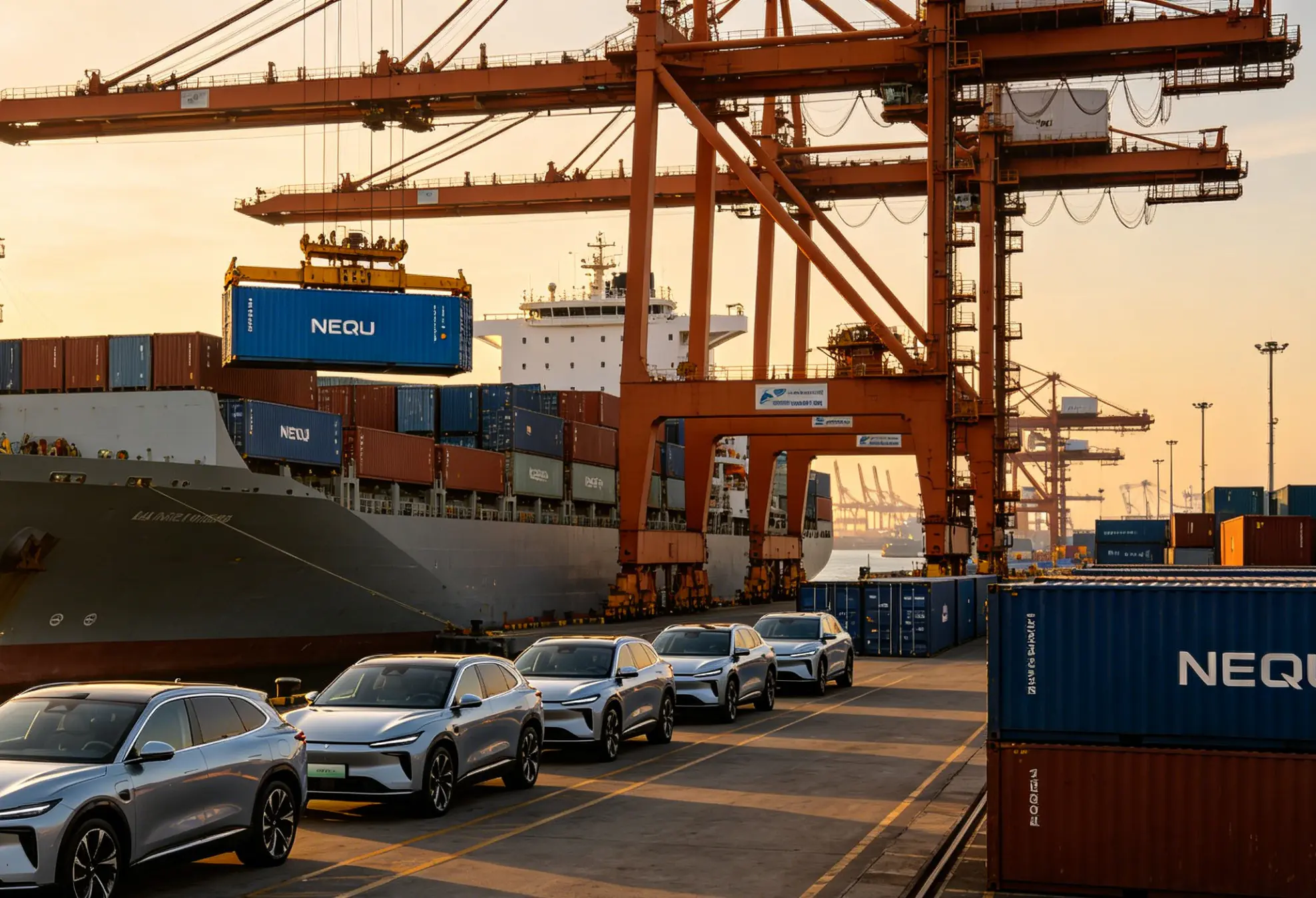
Before You Ship: Critical Rules for Importing Cars into Brazil
Brazil is known for its rigorous import regulations. Before calculating the transit time to ship a car from China to Brazil, you must understand the legal landscape to avoid costly mistakes.
The Strict Used Car Ban
One of the most critical rules to know is that Brazil generally prohibits the importation of used vehicles. Unless you are importing a classic car that is over 30 years old or the vehicle is for specific diplomatic purposes, you cannot import a used car. Attempting to bypass this rule will result in the vehicle being seized by customs and heavily fined. Always ensure you are purchasing and shipping a brand-new vehicle.
Required Credentials: The RADAR License
To legally import a vehicle, the importer must have a RADAR license (Registro e Rastreamento da Atuação dos Intervenientes Aduaneiros). This license allows you to operate within the Siscomex system (Brazil’s integrated foreign trade system). If you do not have a RADAR license, you will need to work with an authorized trading company that can act as the importer of record on your behalf.
Pre-Shipment Approvals (INMETRO & LCI)
You cannot simply load a car onto a vessel and figure out the paperwork later. You must obtain a Certificate of Conformity (COC) from the manufacturer. Furthermore, the vehicle must meet the standards set by INMETRO (Brazil’s National Institute of Metrology, Quality and Technology). For electric vehicles, INMETRO certification for the battery and charging systems is mandatory before the vehicle leaves the Port of Shenzhen or Shanghai. You must also secure an Import License (LCI) prior to shipment.
Shipping Methods: RoRo vs. Container Shipping from China to Brazil
Choosing the right shipping method is a critical decision that impacts the cost, security, and transit time of your shipment. There are two primary ways to transport a vehicle: RoRo shipping and containerized auto transport.
RoRo Shipping from China to Brazil (Roll-on/Roll-off)
In RoRo (Roll-on/Roll-off) shipping, the vehicle is driven directly onto the deck of a specialized cargo ship, secured for transit, and driven off at the destination port.
- Pros: It is generally the most cost-effective method and allows for fast loading and unloading.
- Cons: The vehicle is exposed to the elements (saltwater, wind) during loading/unloading and potentially during transit if not fully enclosed. No personal items or spare parts can be left inside the vehicle.
- Best for: Standard sedans, commercial fleets, and budget-conscious importers.
Container Shipping for Cars from China to Brazil (FCL)
In FCL (Full Container Load) shipping, your car is securely loaded into a 20ft or 40HQ container. (If you are shipping smaller car parts instead of a whole vehicle, you might want to compare fcl vs lcl shipping).
- Pros: Offers maximum security and weather protection. It also allows you to load spare parts or additional cargo inside the container alongside the vehicle.
- Cons: Higher freight cost compared to RoRo. It requires professional blocking and bracing to ensure the car does not shift during the ocean freight voyage.
- Best for: High-value vehicles, Electric Vehicles (EVs), luxury SUVs, and classic cars.
RoRo vs. Container Shipping Comparison

| Feature | RoRo Shipping | Container Shipping (FCL) |
|---|---|---|
| Cost | Lower | Higher |
| Security | Moderate (Driven by port staff) | High (Sealed at origin) |
| Protection | Exposed during loading/unloading | Fully enclosed and protected |
| Spare Parts Allowed | No | Yes |
| Best For | Standard cars, large fleets | Luxury cars, EVs, high-value cargo |
How Much Does It Cost to Ship a Car from China to Brazil? (With Tax Breakdown)
When calculating the cost to ship a car from China to Brazil, you must consider both the freight charges and the heavy Brazilian import taxes.
Freight Costs
Average ocean freight rates fluctuate based on market conditions, the chosen shipping method, and the specific ports. Typically, RoRo shipping might cost between $1,500 and $2,500, while a 20ft container might range from $2,500 to $3,500. For non-vehicle commercial goods, you can check the latest shipping container rates from China to Brazil.
Import Taxes for Cars in Brazil from China
Brazil has a complex and heavy taxation system. When importing a vehicle, you will face several taxes calculated sequentially:
- Import Duty (II): Typically 35% for passenger vehicles.
- IPI (Industrialized Products Tax): Varies based on engine size and type (EVs often have reduced rates), ranging from 7% to 25%.
- PIS/COFINS: Social contributions that generally total around 11.6%.
- ICMS (State Sales Tax): Varies by the destination state in Brazil, typically between 17% and 18%.
Real-Life Mock Calculation: The Landed Cost
Let’s look at a simplified mock calculation for a Chinese SUV with a CIF (Cost, Insurance, and Freight) value of $20,000 arriving at the Port of Santos.

| Cost Component | Calculation Basis | Estimated Amount (USD) |
|---|---|---|
| Vehicle Value + Freight + Insurance (CIF) | Base Value | $20,000 |
| Import Duty (II) | 35% of CIF | $7,000 |
| IPI | 15% of (CIF + II) | $4,050 |
| PIS/COFINS | ~11.6% of Customs Value | $2,320 |
| ICMS (State Tax) | ~18% (Calculated on total + ICMS itself) | ~$6,500 |
| Estimated Total Landed Cost | Sum of CIF + All Taxes | ~$39,870 |
Note: This is a simplified estimate. Actual taxes vary by specific vehicle HS Code, state, and current legislation. Always consult a licensed Brazilian customs broker.
At Efanda Logistics, we provide competitive and transparent pricing based on real market conditions, ensuring you understand all potential freight costs without hidden fees.
Shipping Electric Vehicles (EVs): The New Energy Vehicle Challenge
The importation of electric vehicles (EVs) from China to Brazil is a trending niche, but it comes with unique logistical challenges. Lithium-ion batteries are classified as Dangerous Goods (DG) under maritime law.
Battery Compliance & DG Handling
To ship an EV, the freight forwarder must strictly adhere to International Maritime Dangerous Goods (IMDG) codes. You must provide a valid MSDS (Material Safety Data Sheet) for the vehicle’s battery. The shipping line will require a Dangerous Goods declaration, and failure to provide accurate documentation will result in the shipment being rejected.
State of Charge (SoC)
For safety reasons, shipping lines mandate that EV batteries must be discharged before loading. Typically, the State of Charge (SoC) must be reduced to around 30% to 50% to minimize the risk of thermal runaway during ocean transit. Pro Tip from our team: We’ve seen clients face severe port rejections because their EV batteries were over 50% charged upon arrival at the origin port. This mistake can lead to costly Demurrage & Detention (D&D) charges while the vehicle sits idle waiting for battery discharge protocols.
INMETRO for EVs
Brazil’s INMETRO standards are particularly stringent for electric vehicles. The charging interfaces, cables, and battery safety mechanisms must comply with local regulations. Pre-shipment inspection and certification are mandatory to avoid the vehicle being impounded at customs.
Transit Time to Ship a Car from China to Brazil
Understanding the transit time to ship a car from China to Brazil is crucial for planning your inventory or personal use. If you are importing other types of goods, you might also wonder how long does shipping from China to Brazil take in general.
Major Routes and Estimated Timeline
The most common departure points are the Port of Shenzhen and the Port of Shanghai. The primary arrival ports in Brazil are the Port of Santos, Itajaí, and Paranaguá.
The typical ocean transit time ranges from 30 to 45 days, depending on whether the vessel takes a direct route or transships through other ports (e.g., in Panama or Europe).
The Real Delay: Customs Clearance
While the ocean voyage is relatively predictable, customs clearance in Brazil can be a bottleneck.
“Customs delays can derail your entire supply chain. Recently, our compliance team at Efanda Logistics pre-screened a client’s HS codes (8703.xx) and INMETRO documents for a batch of BYD cars destined for Santos, preventing a potential 2-week hold at the destination port due to missing certification documentation.”
Always factor in an additional 7 to 15 days for customs clearance and port handling in Brazil.
Essential Documentation for Smooth Customs Clearance
To ensure a seamless Customs Clearance process, your documentation must be flawless. Any discrepancy between the documents and the physical cargo will lead to severe delays and steep Demurrage & Detention (D&D) charges (penalties for using port storage and containers beyond the allowed free time).
- Bill of Lading (B/L): The primary transport document, proof of ownership, and contract of carriage.
- Commercial Invoice & Packing List: Must be highly detailed, accurately stating the vehicle’s VIN, make, model, and engine specifications. These often need to be translated into Portuguese.
- Certificate of Origin: Required for customs valuation and potential trade agreement benefits.
- Certificate of Conformity (COC) & INMETRO: Proof that the vehicle meets Brazilian standards.
- Marine Insurance: Highly recommended for high-value cargo like vehicles to protect against total loss or damage during transit.
Why Choose an Experienced Freight Forwarder? (Door-to-Door Car Shipping)
Navigating the complexities of international auto transport requires expertise. If you are new to international trade and wondering what is freight forwarding, it is essentially the management of the entire shipping process on your behalf. While carrier-direct rates might look appealing, the hidden costs of poor coordination, delayed customs clearance, and lack of tracking often make an experienced freight forwarder a more cost-effective choice.
The Efanda Logistics Advantage
Established in 2018 and headquartered in Shenzhen, Efanda Logistics specializes in providing end-to-end solutions for your shipping needs.
When you choose our Door-to-Door (D2D) car shipping China to Brazil service, you benefit from:
- Expert Coordination: We handle factory pickup in China, export customs clearance, and secure ocean freight.
- Compliance Pre-Screening: We verify your documentation, HS Codes, and DG declarations for EVs before the vessel departs.
- Personalized Service: Every client is assigned a dedicated logistics specialist who provides real-time updates and transparent communication regarding freight rate fluctuations and transit times.
You may be interested in the following related articles:
- shipping from china to spain
- shipping from china to germany
- Shipping From China to USA
- shipping from China to Canada
- shipping from china to mexico
FAQs about Shipping Cars from China to Brazil
Can I ship a used car from China to Brazil?
Generally, no. Brazil strictly prohibits the importation of used vehicles unless the car is over 30 years old (considered a classic/collector’s car) or for specific diplomatic use.
What is the HS Code for vehicles?
Passenger vehicles generally fall under the HS Code 8703.xx. However, the exact extension depends on the engine displacement and whether it is a combustion engine, hybrid, or fully electric vehicle.
Should I use FOB or CIF when buying a car from China?
For better control over your logistics costs and shipping timeline, FOB (Free On Board) is often recommended. This allows you to work with your own trusted freight forwarder to handle the ocean freight and insurance, rather than relying on the seller’s logistics provider under CIF (Cost, Insurance, and Freight). To understand the differences in depth, read our comparison of fob vs cif.
Conclusion
Importing a vehicle from China to Brazil offers access to cutting-edge automotive technology, particularly in the EV sector, at competitive prices. However, success depends entirely on meticulous preparation. You must strictly adhere to Brazil’s ban on used cars, secure your RADAR license and INMETRO certifications early, accurately calculate the heavy import taxes, and choose the right shipping method (RoRo vs. FCL) for your needs.
Planning to import vehicles from China, or need general shipping from China to Brazil? Don’t leave your high-value cargo to chance. Partner with a reliable expert who understands the nuances of both Chinese export regulations and Brazilian customs. Contact Efanda Logistics today at +86 18929345880 or visit our website to get a customized, transparent quote for your auto transport needs.