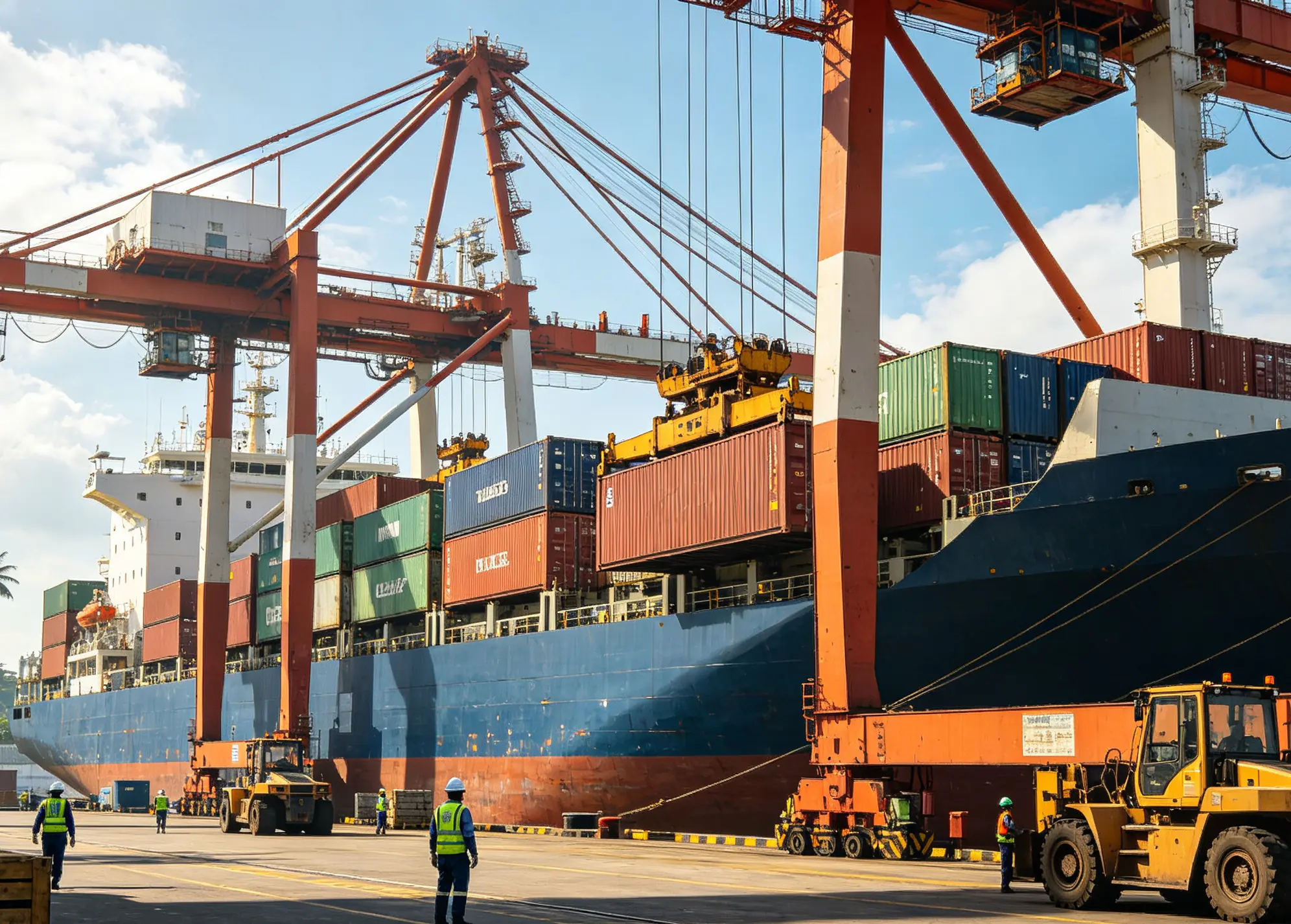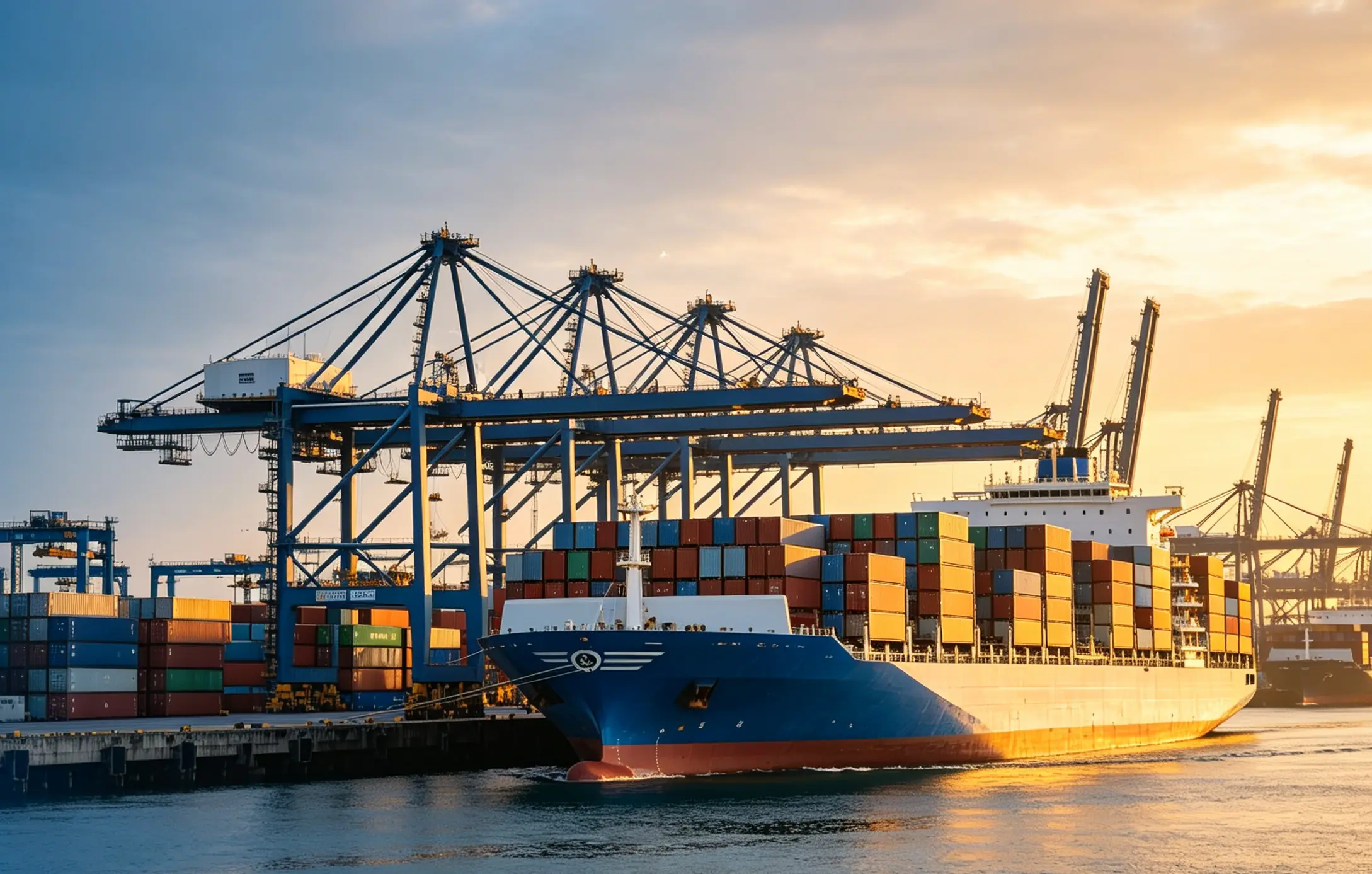
Are you staring at a freight quote from your forwarder and wondering if that shipping cost from China to Belgium is reasonable — or if you are being quietly overcharged? You are not alone. Every week, importers receive invoices packed with surcharges, destination fees, and tax line items that were never mentioned in the original quote.
This guide strips away the guesswork. We break down exactly what you should expect to pay in 2026 for every mode — from sea freight and air freight to rail freight and DDP (Delivered Duty Paid) door-to-door — with real numbers, not vague ranges. You will also learn which hidden fees at the Port of Antwerp can blow your budget, how Belgium’s ET 14.000 VAT deferment can free up working capital, and six actionable strategies that routinely save our clients 15–30% on total landed costs. At Efanda Logistics, we manage China-to-Belgium shipments from our Shenzhen headquarters daily — so the numbers in this guide come from actual operations, not marketing brochures.
Belgium as Your Strategic EU Gateway
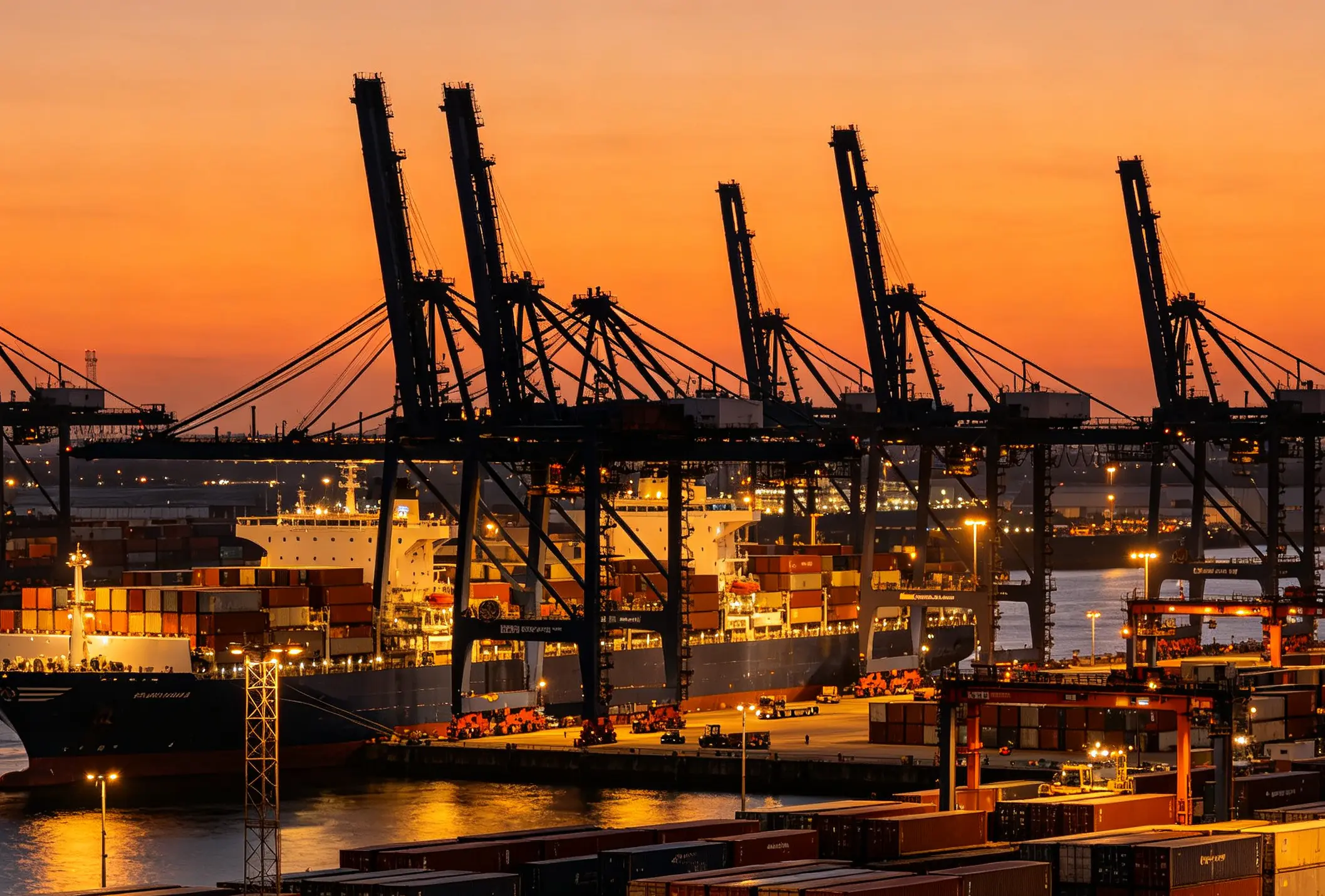
Belgium is not just a destination — it is the most cost-efficient entry point for Chinese goods entering the European single market. Once your cargo clears customs at a Belgian port, it moves freely across all 27 EU member states without additional border checks. With bilateral trade between China and Belgium exceeding $30 billion annually, this corridor has become the preferred route for importers targeting not just Belgium, but Germany, France, the Netherlands, and beyond.
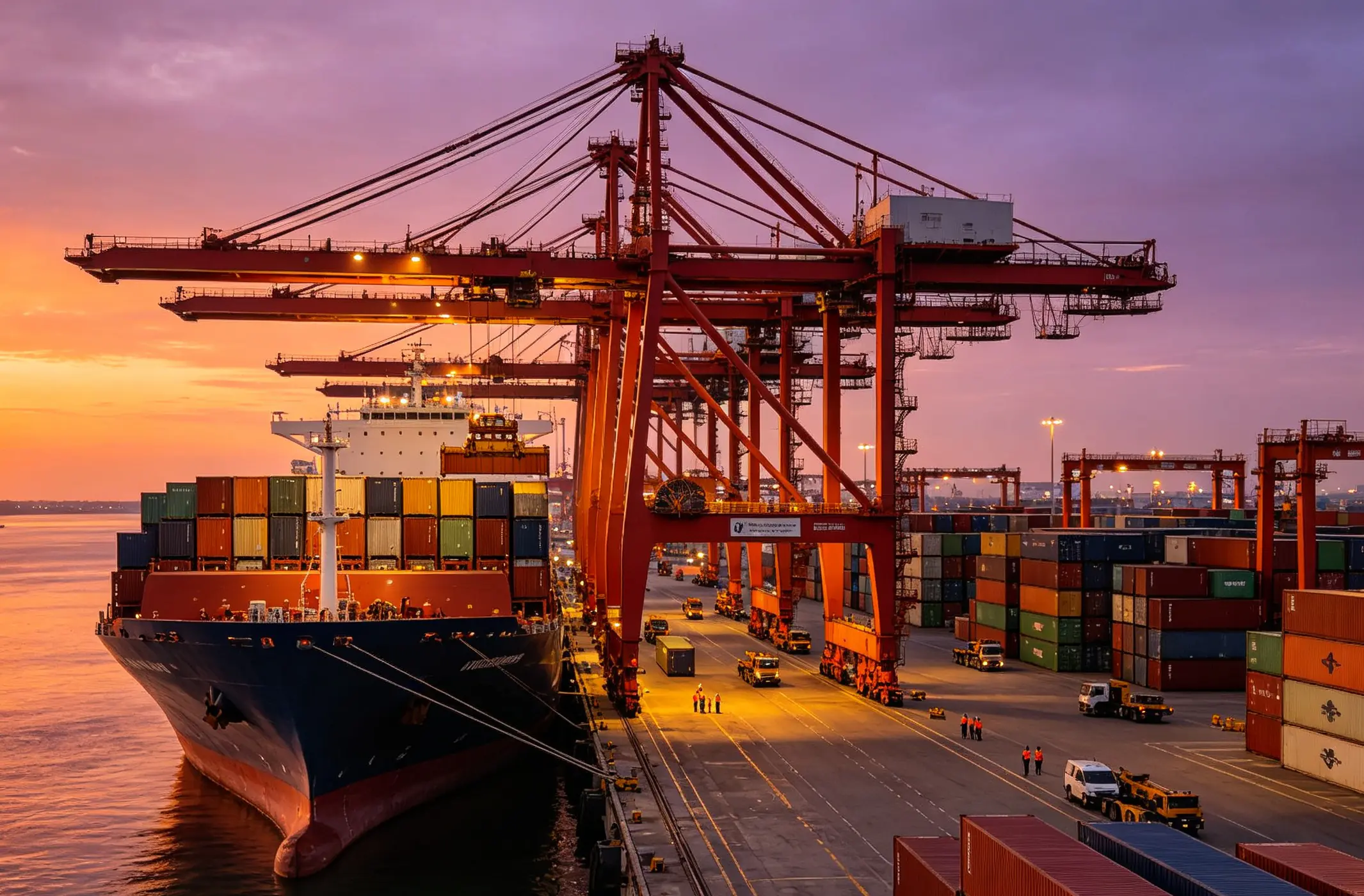
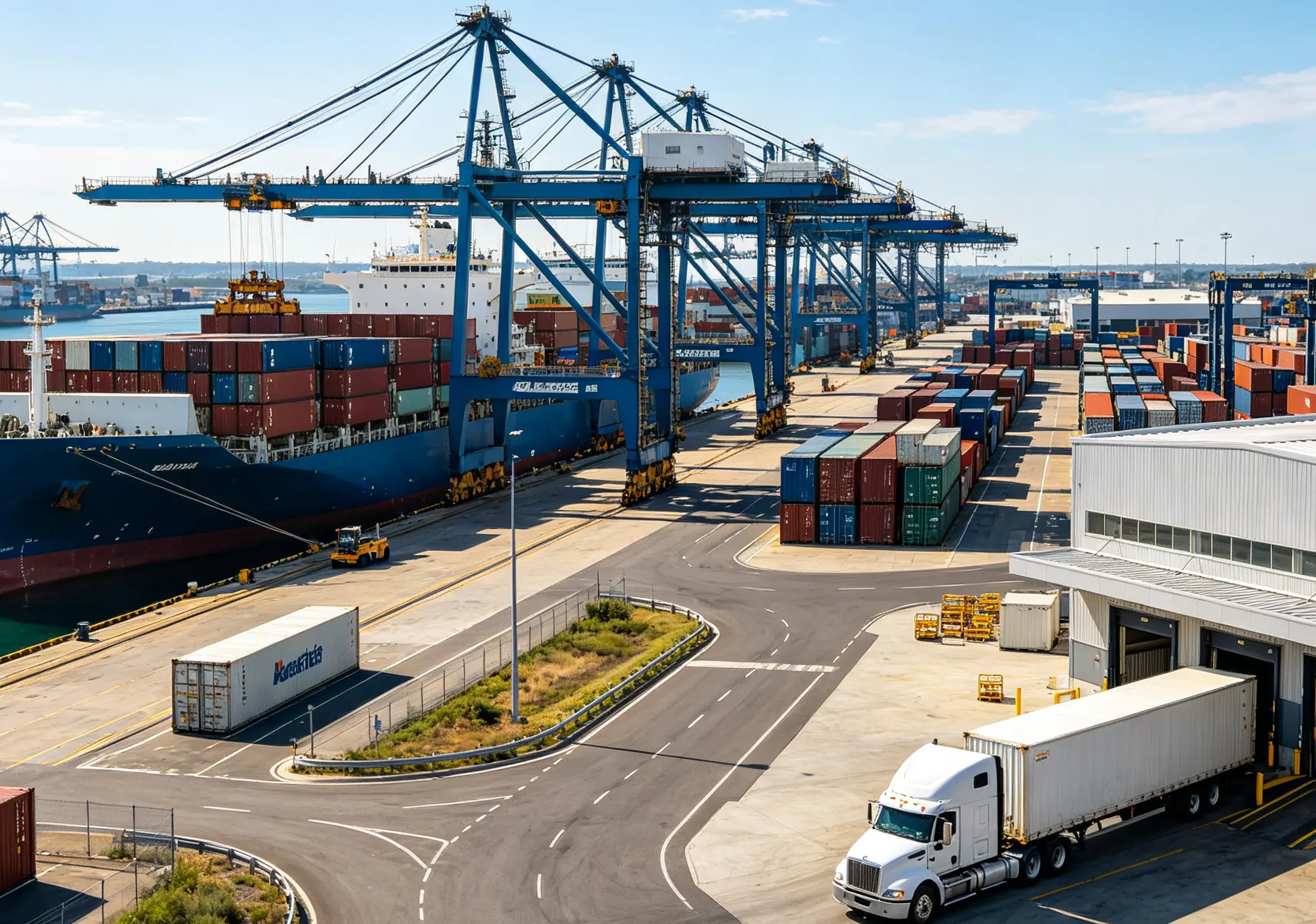
Three ports dominate the China-to-Belgium trade lane, and choosing the right one has real cost implications:
| Port | Annual Throughput | Specialty | Best For |
|---|---|---|---|
| Antwerp-Bruges | 13.5 million TEU | General container cargo, chemicals | Electronics, textiles, machinery |
| Zeebrugge | 3 million TEU | Automotive, ro-ro, perishables | Q4 peak season, UK-bound distribution |
| Liège | Air & Rail hub | E-commerce, pharmaceuticals | Mid-speed rail shipments, air cargo consolidation |
Here is a fact most guides miss: shipping a single 40-foot container from Shenzhen to Antwerp and trucking goods to Germany, France, and the Netherlands almost always costs less than booking three separate containers to three different EU ports. The inland connectivity from Antwerp is exceptional — 24 hours by rail to Cologne, Düsseldorf, and Frankfurt; under 48 hours by truck to Paris and Lyon; and reliable barge connections to Rotterdam within 12 hours. For importers distributing goods across multiple European countries, we also provide dedicated shipping from China to Germany and shipping from China to France routes with inland trucking from Belgian ports.
Our Industry Insight: We recently helped a German furniture importer switch from booking three LCL shipments — one each to Hamburg, Rotterdam, and Le Havre — to a single 40HQ FCL via Antwerp. By consolidating in our Shenzhen warehouse and distributing inland from Belgium, their total logistics cost dropped 22%, and inventory arrived 8 days faster because they eliminated port-deconsolidation delays at three separate CFS terminals.
Shipping Cost Breakdown: What You Actually Pay in 2026
The true shipping cost from China to Belgium is never just the ocean freight rate on page one of your quote. It spans at least six distinct cost layers, and first-time importers routinely underestimate the destination-side charges by 30–50%.
| Cost Layer | What It Includes | Typical Range (2026) | Paid By |
|---|---|---|---|
| Origin Charges | Factory pickup, export customs clearance, THC (Terminal Handling Charge) at Chinese port | $200–$400 | Shipper |
| International Freight | Ocean, air, or rail base rate (see sections below) | Varies by mode | Shipper |
| Destination Port Fees | THC at Antwerp/Zeebrugge, documentation, container release | €150–€350 | Consignee |
| Customs Brokerage | Customs declaration filing, examination fees if scanned | €80–€200 | Consignee |
| Duties & VAT | EU CET import duty + 21% Belgian VAT | Based on CIF value | Consignee |
| Last-Mile Delivery | Trucking from port to warehouse or Amazon FBA center | €200–€600 | Consignee |
These numbers reflect market conditions as of August 2026. Freight rates fluctuate with fuel prices, seasonal demand, and carrier capacity — always request a fresh, itemized quote before booking. At Efanda Logistics, we provide all-in pricing with every line item disclosed upfront, so there are no surprises when your cargo arrives.

Sea Freight from China to Belgium: FCL vs. LCL Cost Comparison
For shipments exceeding 15 CBM (cubic meters), FCL (Full Container Load) sea freight from China is almost always cheaper per unit than LCL (Less than Container Load) — but the tipping point depends on more than just volume. Destination-side handling fees make LCL disproportionately expensive per cubic meter once your shipment reaches a certain size.
Here is what sea freight cost from China to Belgium looks like in 2026 for the main Chinese departure ports to Antwerp:
| Service | Container | Cost Range | Transit Time | Ideal Cargo |
|---|---|---|---|---|
| FCL | 20GP (33 CBM) | $1,400–$2,500 | 28–35 days | Heavy cargo: machinery, tiles, metal parts |
| FCL | 40GP/40HQ (67–76 CBM) | $2,400–$4,500 | 28–35 days | Volume cargo: furniture, textiles, retail goods |
| LCL | Per CBM | $55–$120/CBM | 30–45 days | Small shipments under 15 CBM |
For exact specifications of each container type, check our shipping container dimensions reference guide.
The LCL/FCL Tipping Point: When LCL Gets Expensive
Many importers see “$55 per CBM” and assume LCL is always the cheaper option. In reality, LCL carries destination charges that FCL does not. Here is a real comparison:
| Shipment | LCL Total | FCL 20GP Total | Winner |
|---|---|---|---|
| 5 CBM electronics | ~$575 (freight + CFS) | ~$2,500 | LCL |
| 12 CBM home goods | ~$1,440 + €200 destination | ~$2,500 | LCL (marginal) |
| 18 CBM retail inventory | ~$2,160 + €350 destination | ~$2,500 | FCL |
The golden rule: above 15 CBM, book FCL. Between 12 and 15 CBM, it is worth asking your forwarder for a side-by-side FCL vs. LCL shipping comparison.
The Hidden LCL Costs Nobody Mentions
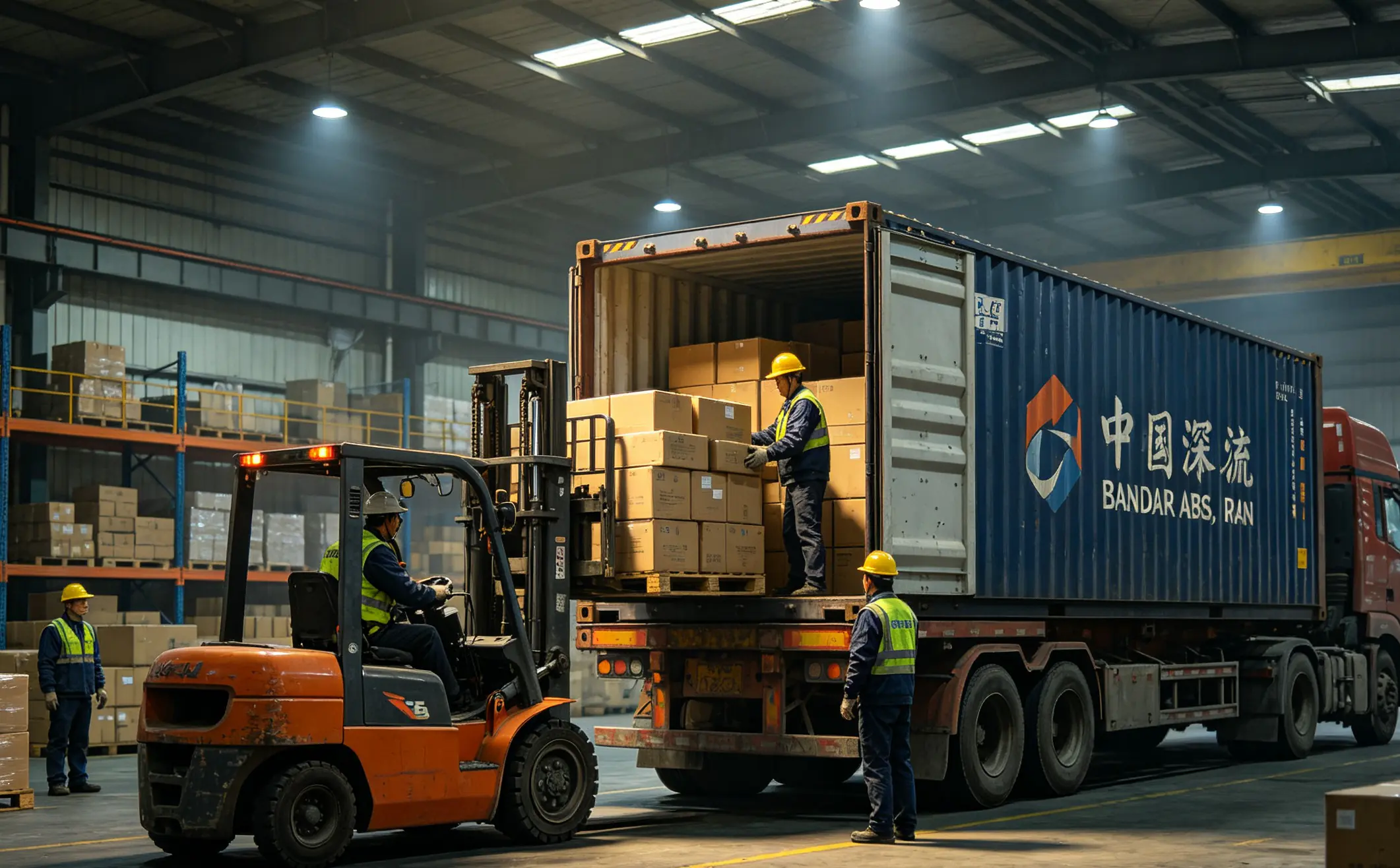
This is where most competitors’ guides fall short. When you ship LCL to Antwerp, your cargo must be deconsolidated at a CFS (Container Freight Station) warehouse — and every step generates a fee:
- CFS Unstuffing Fee: €35–€65 per shipment at Antwerp terminals
- Warehouse Handling: €12–€18 per CBM for unloading, sorting, and palletizing
- Local Agent Fee: €50–€100 per Bill of Lading — essentially a coordination surcharge
- Documentation Fee: €45–€85 for the destination-side paperwork
This is why an LCL quote of “$55/CBM” often lands at the equivalent of “$100–$120/CBM” on your final invoice. The cheapest published rate is rarely the cheapest landed cost.
Our Industry Insight: A Belgian e-commerce client came to us after a competitor quoted LCL at $45/CBM from Ningbo to Antwerp. Their 8 CBM shipment arrived with €385 in unquoted destination fees. We now proactively show every client an FCL vs. LCL landed cost comparison before booking — and roughly 40% of shipments in the 12–15 CBM range end up switching to FCL once they see the full picture.
Port Selection for Sea Freight
- Shanghai: Highest sailing frequency, shortest transit (28–32 days to Antwerp), best for Yangtze River Delta cargo.
- Shenzhen (Yantian/Shekou): Strongest for electronics and e-commerce; growing direct services to Zeebrugge. Learn more about this route in our shipping from Shenzhen to Belgium guide.
- Ningbo: Competitive rates for textiles and machinery; solid direct sailings.
OOG and Heavy Machinery: Flat Rack and Open Top Containers
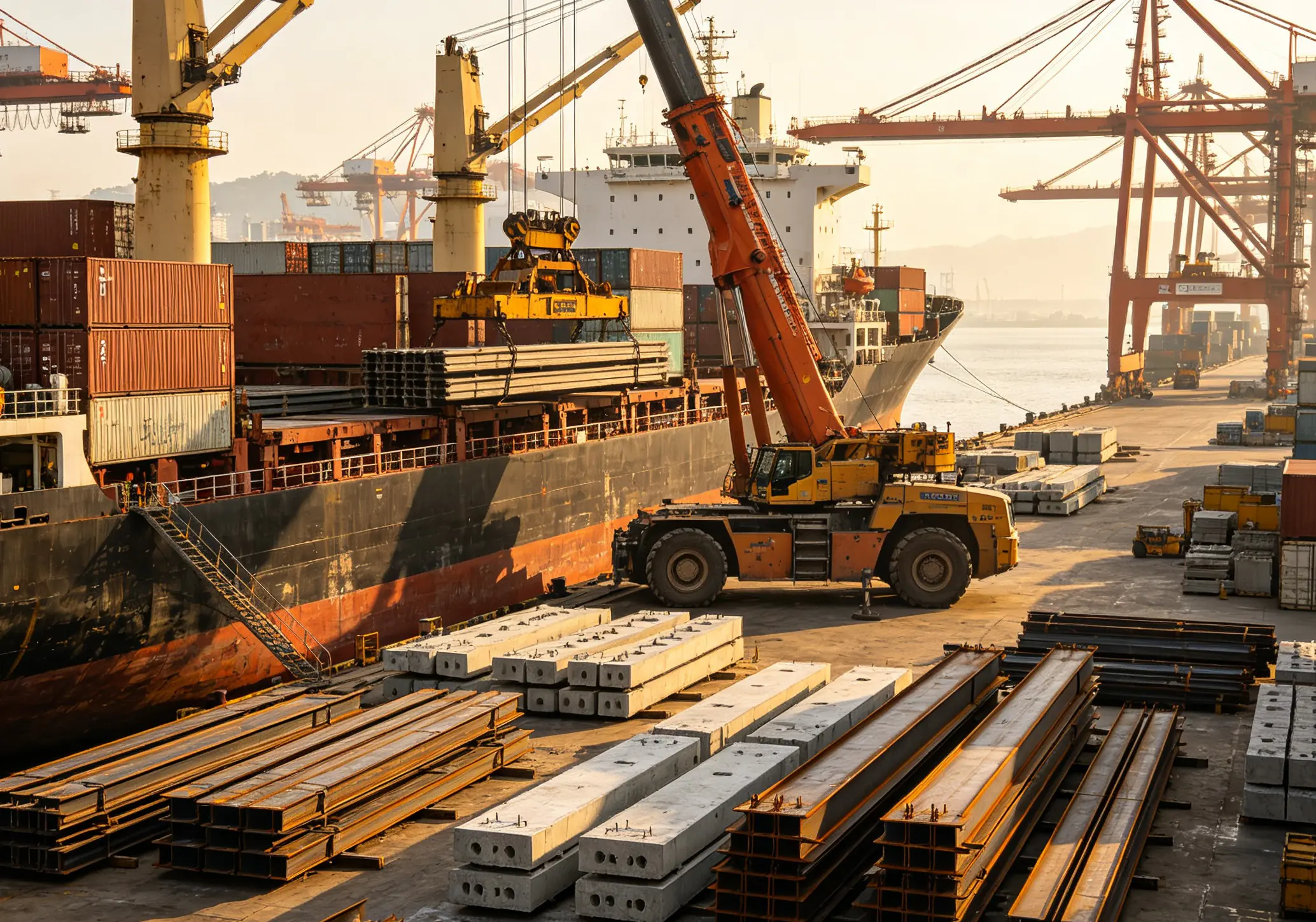
If your cargo will not fit through standard container doors — think industrial boilers, construction equipment, or large molds — you need OOG (Out of Gauge) solutions. Flat rack and open top containers cost 30–60% more in base freight than a standard 20GP, plus $200–$500 for lashing and securing. Machinery imports into Belgium also require CE marking compliance and precise HS Code classification under Chapter 84. This is non-negotiable — Belgian customs at Antwerp actively audits machinery declarations.
Amazon FBA Shipping to Belgium
Antwerp and Liège are one to two hours by truck from major Amazon fulfillment centers in Germany and France. FBA shipments require FNSKU-labeled cartons, EU-standard pallets (120cm × 100cm), and pre-booked delivery appointments — especially during Q4 peak, when slots fill two weeks in advance. Typical FBA headhaul costs: $150–$250/CBM via sea consolidation and $5–$8/kg via air freight. For a deeper dive into pallet compliance, see our guide on standard pallet sizes for international shipping.

Air Freight vs. Rail Freight: When Speed Matters More Than Money
Air freight costs 6–10 times more than sea freight per kilogram, but rail freight has emerged as a compelling middle ground — 18–25 days transit at roughly 40% of the air freight cost. For a detailed side-by-side breakdown, read our sea freight vs. air freight comparison.
| Mode | Cost Range (2026) | Transit Time | Best For |
|---|---|---|---|
| Air Freight (1,000 kg+) | $4.00–$5.50/kg | 3–7 days | High-value electronics, urgent restocks, pharma |
| Express Courier (DHL/UPS/FedEx) | $6.00–$12.00/kg | 2–5 days | Samples, documents, parcels under 50 kg |
| Rail Freight (FCL container) | $4,500–$7,500/container | 18–25 days | Mid-value cargo, inventory replenishment |
| Rail Freight (LCL consolidation) | $3.00–$5.50/kg | 18–25 days | Cargo too big for air, too urgent for sea |
A critical detail for air freight: you are charged on chargeable weight — the higher of actual weight or volumetric weight (calculated as Length × Width × Height in cm divided by 6,000). Poorly packed cartons with excess air space inflate your bill without adding a single kilogram of product.
Rail freight via the China-Europe Railway Express terminates at Liège, Belgium’s inland logistics hub. This route bypasses the Suez Canal entirely — a significant advantage in 2026, since ongoing Red Sea disruptions force many ocean carriers around the Cape of Good Hope, adding 10–14 days to sea transit. During peak season or when ocean spot rates spike, rail often becomes cheaper than sea freight on a total landed cost basis.
Door-to-Door DDP Shipping: The All-Inclusive Option
DDP (Delivered Duty Paid) shipping from China to Belgium bundles freight, customs clearance, import duties, and 21% VAT into a single all-in price — costing approximately $6–$12/kg by air or $150–$300/CBM by sea in 2026.
The choice of Incoterm determines who bears each cost and risk:
| Incoterm | Freight Paid By | Customs & Duties Paid By | Best For |
|---|---|---|---|
| EXW | Buyer | Buyer | Experienced importers with own logistics |
| FOB | Buyer (ocean freight onward) | Buyer | Buyers who want carrier control |
| CIF | Seller (to Antwerp) | Buyer | Buyers with EU customs expertise |
| DDP | Seller | Seller | SMEs, first-time importers, e-commerce sellers |
DDP is hands-down the simplest option for businesses without an in-house customs team. You pay one price, and the forwarder handles everything — factory pickup, export clearance, international transport, Antwerp customs brokerage, duty and VAT settlement, and last-mile delivery. For a complete breakdown of how these terms compare, refer to our FOB vs. CIF guide and DDP vs. DAP Incoterms comparison.
However, convenience comes at a cost. DDP rates typically embed a 15–25% premium over what you would pay handling customs yourself under CIF or FOB. For importers shipping more than four containers per year, building a relationship with a Belgian customs broker and managing clearance independently often saves €200–€400 per container — but only if your documentation is flawless and you understand the ET 14.000 VAT mechanism.
Hidden Costs at Belgian Ports They Do Not Tell You About
The destination charges at the Port of Antwerp can add 15–30% to your total shipping bill — and most forwarders will not itemize them unless you ask.
| Hidden Fee | What It Is | Typical Cost (EUR) | How to Avoid It |
|---|---|---|---|
| THC (Terminal Handling Charge) | Port operator fee for unloading/handling | €180–€280/container | Confirm FCL quote includes both origin and destination THC |
| CFS (Container Freight Station) | LCL deconsolidation and sorting | €12–€18/CBM | Switch to FCL above 12–15 CBM |
| Documentation Fee | Bill of Lading release, arrival notice | €45–€85/shipment | Ask if included in forwarder’s quote |
| Customs Examination | Physical scan or inspection if flagged | €100–€300/shipment | Accurate HS Code classification reduces risk |
| Demurrage | Container sitting at port beyond free days | €50–€120/day after free period | Clear customs within 5–7 free days |
| Detention | Container not returned to depot after pickup | €40–€100/day after free period | Pre-book trucking; avoid weekend arrivals |
Standard free time is 5–7 days at the port (demurrage) and 5–7 days after pickup (detention). These run concurrently — if customs clearance takes 6 days and trucking takes another 4, you are looking at 3 days of detention charges. Pre-booking your customs broker and trucking company before the vessel arrives is the single most effective defense.
Our Industry Insight: Every Q4, we see importers hit with €800–€1,200 in unexpected demurrage at Antwerp because they underestimated the congestion during the September-December peak. Our advice: during Q4, route through Zeebrugge if your cargo type allows it. Discharge is typically 2–3 days faster, and terminal congestion surcharges are lower — sometimes zero.
Belgian Customs, VAT, and ET 14.000: Your Compliance Roadmap
Belgian imports are subject to EU CET (Common External Tariff) duties of 0–17% depending on the HS Code, plus 21% VAT — but businesses with ET 14.000 authorization can defer VAT to their periodic return instead of paying cash at the border.
How to Calculate Your Import Costs
Follow these three steps, using a real example of a $30,000 CIF shipment of furniture (CET duty rate: 0%):
- Step 1 — Customs Value: CIF value = $30,000
- Step 2 — Import Duty: $30,000 × 0% = $0
- Step 3 — VAT: 21% × ($30,000 + $0) = $6,300
Here are typical CET duty rates for common import categories:
| Product Category | CET Duty Rate | VAT Rate |
|---|---|---|
| Electronics | 0–5% | 21% |
| Machinery & Industrial Equipment | 0–4% | 21% |
| Furniture | 0–2.7% | 21% |
| Textiles & Clothing | 8–12% | 21% |
| Footwear | 8–17% | 21% |
| Automotive Parts | 0–4.5% | 21% |
ET 14.000: The Cash Flow Tool Most Importers Overlook
Belgium’s ET 14.000 authorization allows VAT-registered businesses to defer import VAT from the border to their periodic VAT return. For a $50,000 CIF shipment of electronics at 3% duty and 21% VAT: instead of paying roughly $10,800 in VAT upfront at customs, you report it on your monthly or quarterly return — freeing up that cash for inventory, marketing, or operations. The application is free, takes 3–6 weeks, and requires a Belgian EORI number.
Before your vessel departs China, ensure you have: Commercial Invoice, Packing List, Bill of Lading, EORI number (BE-prefix), Certificate of Origin, and CE marking documentation for regulated products.
Six Proven Ways to Lower Your Shipping Cost from China to Belgium
The cheapest way to ship from China to Belgium is not always the most obvious — smart importers save 15–30% by optimizing these six factors.
1. Consolidate in Shenzhen before shipping. If you source from multiple suppliers in Yiwu, Guangzhou, or Dongguan, consolidate everything at one warehouse before loading a container. Each separate LCL shipment generates its own CFS fee at Antwerp — consolidation eliminates this redundancy. A client with five suppliers reduced their destination charges from €680 to €260 by merging into one FCL.
2. Optimize carton dimensions for lower volumetric weight. For air freight, reducing empty space inside cartons by 20% lowers chargeable weight proportionally. Dense packing with minimal void fill saves $5–$15 per CBM. For sea freight LCL, smaller cartons mean fewer billable cubic meters.
3. Route through Zeebrugge during Q4 peak. When Antwerp congestion surcharges appear (typically September through December), Zeebrugge offers faster vessel discharge and lower or zero congestion fees. The inland trucking difference to most Belgian destinations is under €100.
4. Switch to FCL at the 15 CBM tipping point. As demonstrated in section three, the CFS, documentation, and local agent fees that come with LCL make FCL cheaper per cubic meter once you cross roughly 15 CBM — even if the container is only 60% full.
5. Apply for ET 14.000 VAT deferment. This is not a cost reduction but a cash flow optimization — by deferring 21% VAT to your periodic return, you free up thousands in working capital. Over a year of regular imports, the compounding effect on cash availability is substantial.
6. Use rail freight instead of air for mid-urgency shipments. If your cargo needs to arrive faster than 35 days but does not justify a $5/kg air bill, rail freight to Liège at $3.00–$5.50/kg delivers in 18–25 days — roughly 60% cheaper than air. During periods of elevated ocean rates, rail has even beaten sea freight on total landed cost for shipments in the 10–20 CBM range.
FAQ
How much does it cost to ship a container from China to Belgium?
A 20GP container costs approximately $1,400–$2,500, while a 40HQ container ranges from $2,400–$4,500 (August 2026 reference). These are port-to-port ocean freight rates only — destination handling, customs brokerage, import duties, and 21% VAT are additional.
What is the cheapest way to ship from China to Belgium?
For shipments above 15 CBM, sea freight FCL offers the lowest cost per unit. For smaller volumes under 15 CBM, LCL to Antwerp is the most economical — but watch for destination-side CFS charges. For mid-sized, non-urgent cargo, rail freight to Liège often beats both on total landed cost when ocean rates are elevated.
How long does shipping from China to Belgium take?
Sea freight: 28–40 days port-to-port. Rail freight: 18–25 days. Air freight: 3–7 days door-to-door. Express courier (DHL/FedEx/UPS): 2–5 days.
How much does express shipping cost from China to Belgium?
DHL, FedEx, and UPS charge approximately $6–$12 per kilogram for door-to-door delivery in 2–5 business days. Best suited for parcels under 50 kg — samples, documents, and small high-value items.
Do I need an EORI number to import into Belgium?
Yes. Every business importing into the EU must register for a BE-prefix EORI number. The application is free through Belgian customs (FPS Finance) and takes 3–10 business days. Apply at least two weeks before your vessel departs China.
What is ET 14.000 and how does it save money?
ET 14.000 is Belgium’s import VAT deferment authorization. Instead of paying 21% VAT in cash at the border, authorized businesses report it on their periodic VAT return — freeing up working capital. A $50,000 shipment can mean $10,000+ in deferred cash outflow.
Are there hidden fees when shipping to the Port of Antwerp?
Absolutely. Beyond the base ocean freight, expect THC (€180–€280/container), CFS unstuffing for LCL shipments (€12–€18/CBM), documentation fees (€45–€85), customs examination costs (€100–€300 if flagged), and demurrage/detention charges if you exceed free storage days. Always ask your forwarder for a fully itemized destination breakdown.
Start Saving on Your Next China-to-Belgium Shipment
Belgium is the most cost-efficient gateway for Chinese goods entering the European market — but only if you understand the full cost picture. The ocean freight rate on page one of your quote tells you less than half the story. Destination charges at Antwerp, import duties, 21% VAT, and the hidden costs of LCL deconsolidation are the real variables that determine your landed cost.
Whether you are shipping a 20GP container of machinery, consolidating LCL inventory for Amazon FBA, or evaluating rail freight to Liège as an alternative to expensive air freight, the strategies in this guide — consolidating at origin, choosing the right port, switching to FCL at the 15 CBM tipping point, and leveraging ET 14.000 VAT deferment — can save you 15–30% per shipment.
Efanda Logistics, headquartered in Shenzhen since 2018, provides end-to-end China-to-Belgium logistics: factory pickup, warehouse consolidation, export and import customs clearance, international transport via sea/air/rail, VAT management, and last-mile delivery across Belgium. Explore our door to door shipping from China to Belgium service or visit our main shipping from China to Belgium page for a transparent, all-in rate on your next shipment.