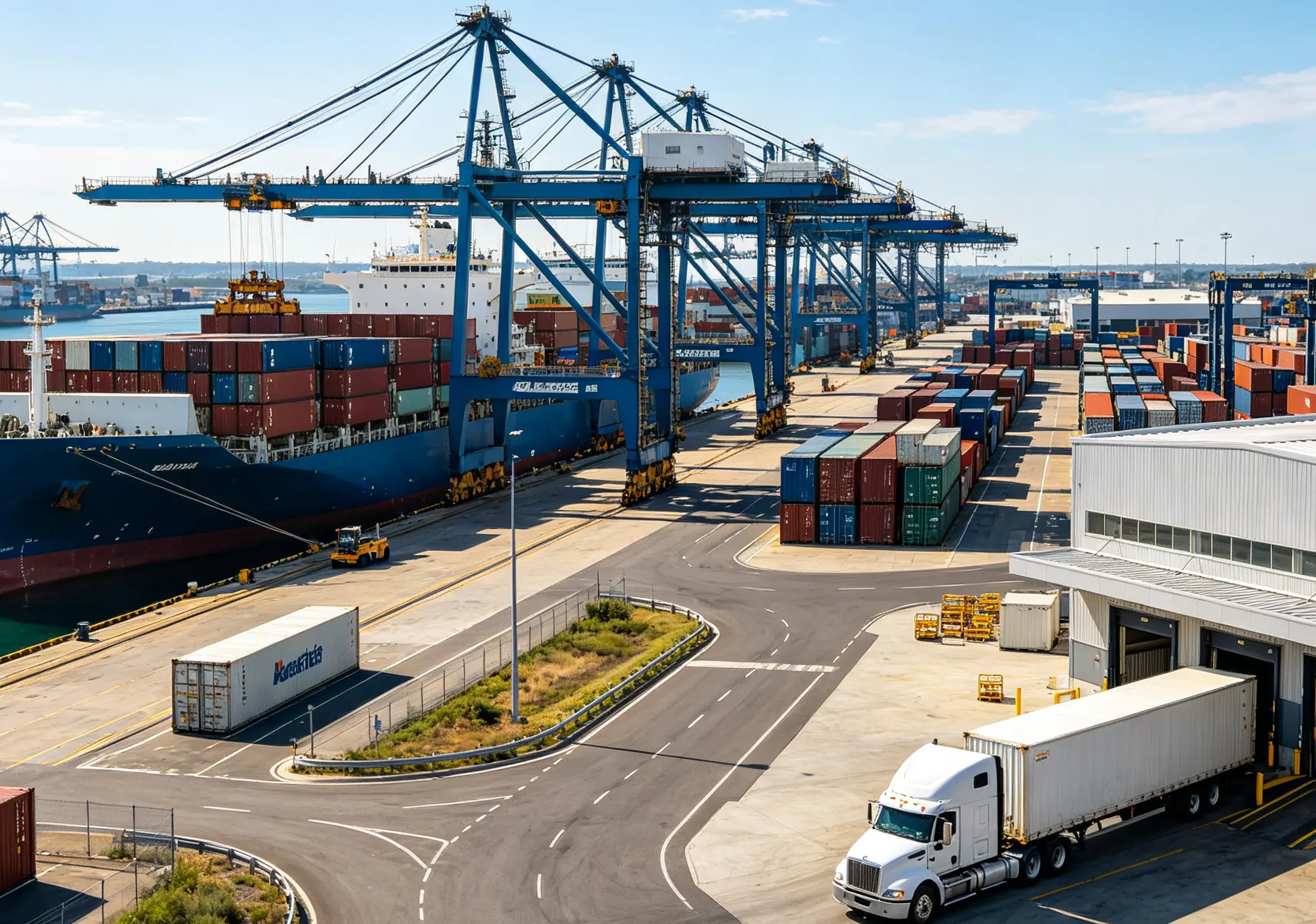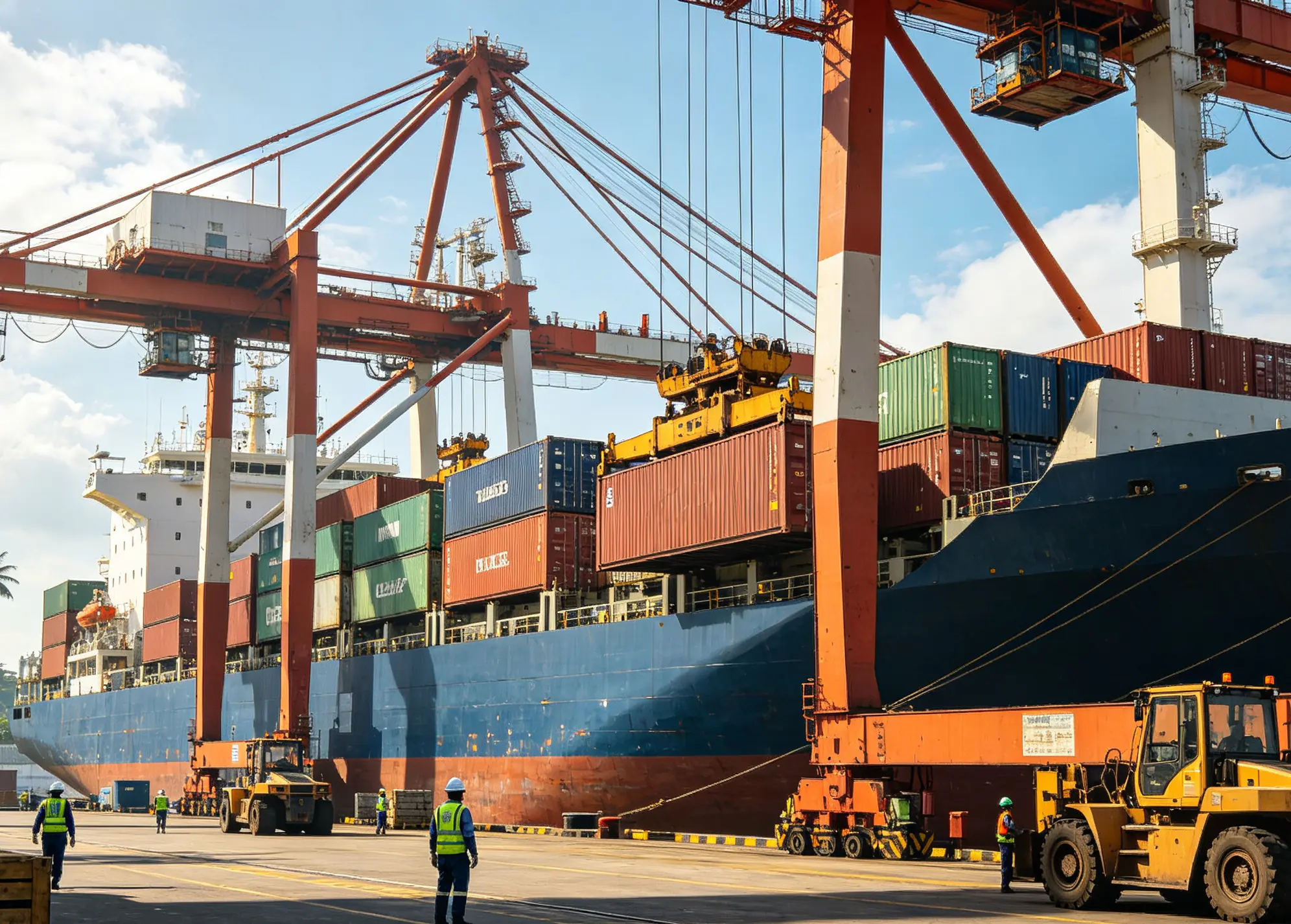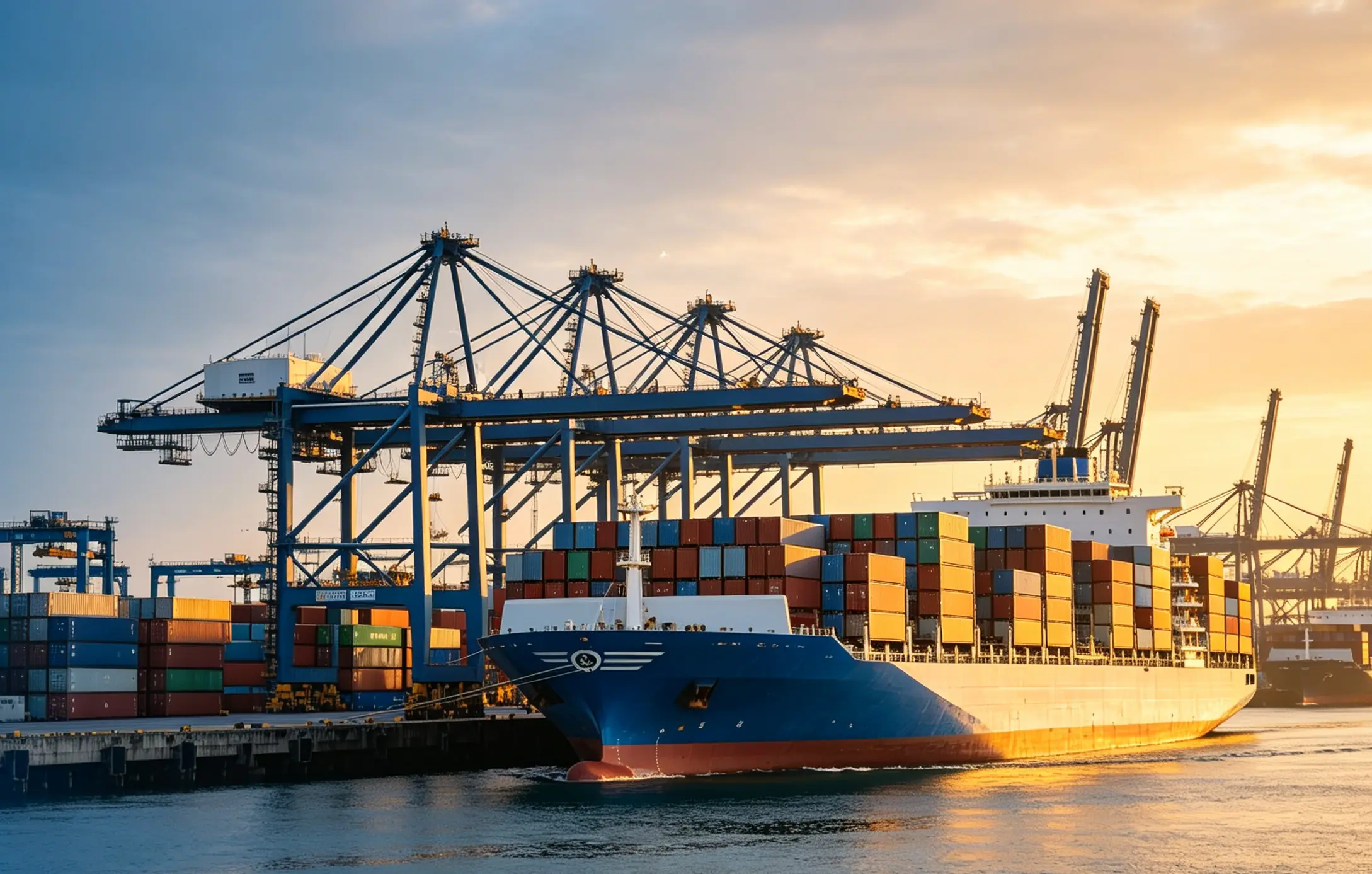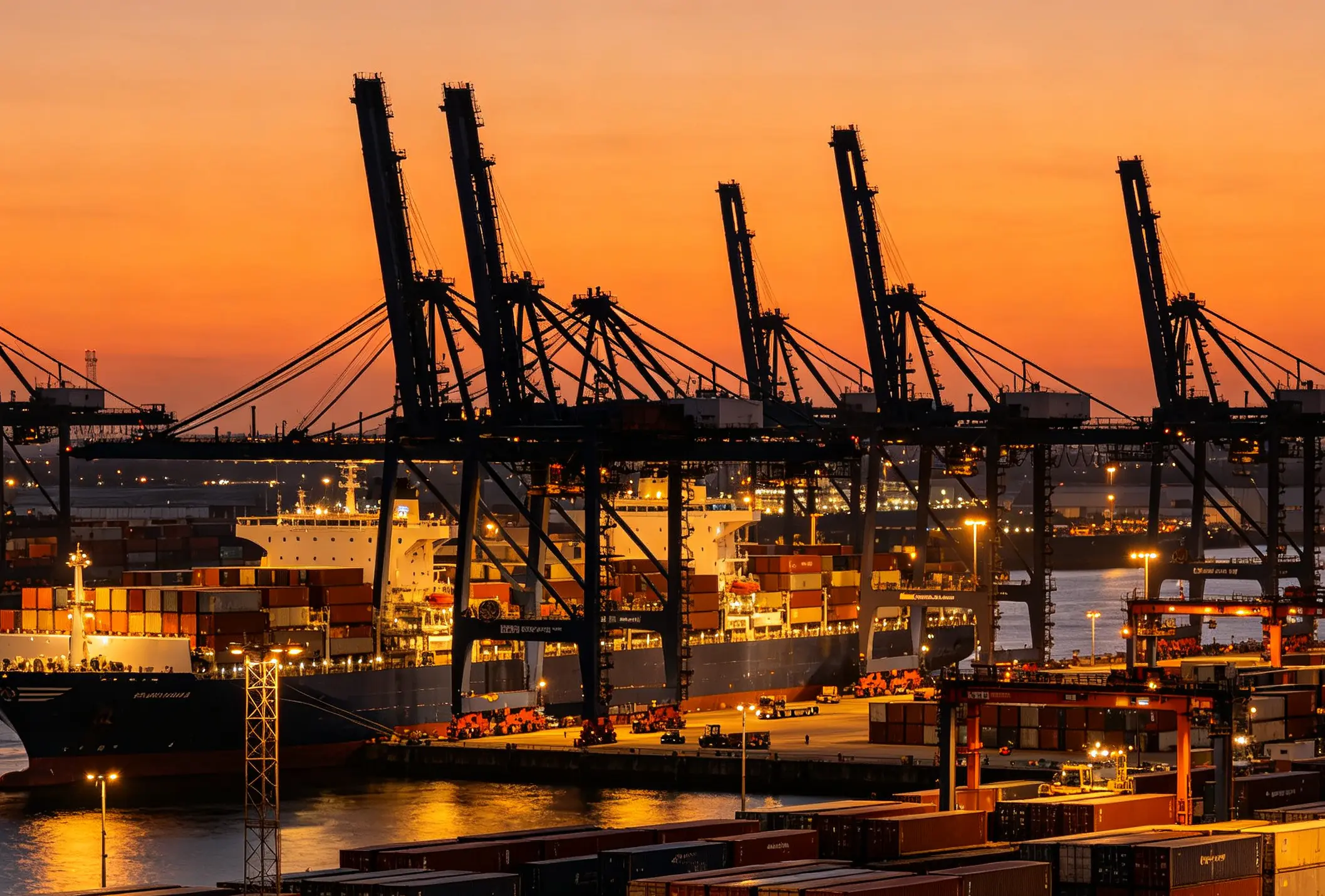
In the $500 billion bilateral trade landscape between these two global economic giants, FCL Shipping from China to USA remains the absolute backbone of trans-Pacific logistics. However, despite its prevalence, many B2B importers and e-commerce sellers continue to bleed profit margins by falling into predictable traps. From volatile ocean freight rates and catastrophic $5,000 penalties for late ISF filings, to the notorious Demurrage and Detention (D&D) hidden fees plaguing major gateways like Los Angeles and Long Beach—shipping a full container requires far more than just booking space on a vessel.
Drawing on our extensive experience at Efanda Logistics—headquartered in the global logistics hub of Shenzhen since 2018—our team of senior freight forwarding experts has engineered this comprehensive guide to expose the true cost breakdowns and transit times. Whether you are shipping heavy construction machinery requiring a 20GP or light electronics suited for a 40HQ, this guide will provide actionable strategies to achieve transparent, hidden-fee-free End-to-End Solutions for your supply chain.
(Disclaimer: Ocean freight rates and transit times are subject to high volatility based on real market conditions. Always request a real-time quote for your specific routing.)
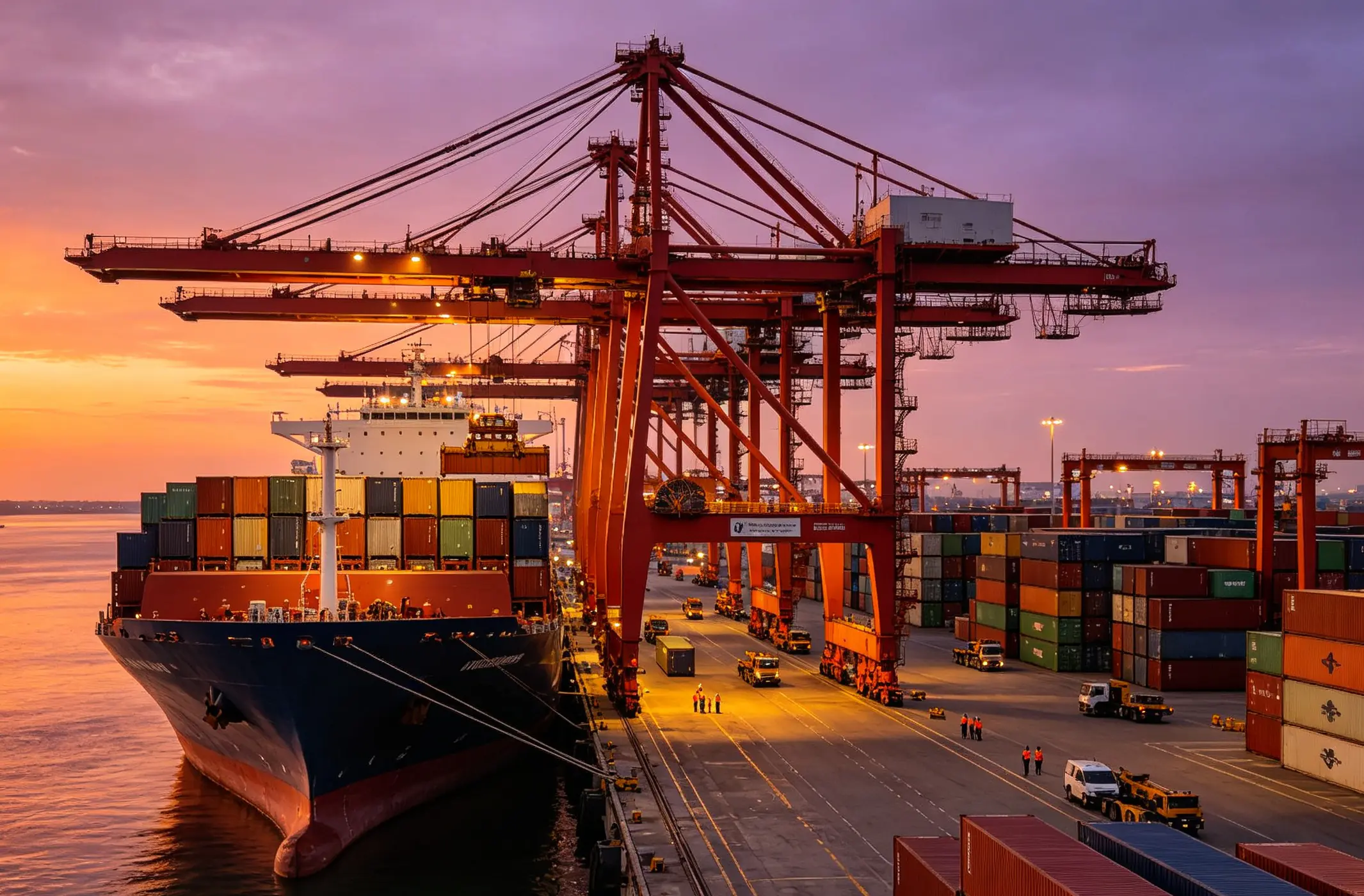
1. What Is FCL Shipping and When Should You Choose It?
To optimize your supply chain, you must first understand the fundamental differences in containerized freight. Full Container Load (FCL) means that an entire shipping container is reserved exclusively for your cargo. Your goods are loaded at the supplier’s factory (or our consolidation warehouse), sealed, and remain unopened until they arrive at your final destination. This single-consignee approach eliminates the deconsolidation risks associated with LCL (Less than Container Load). For a deeper dive into which method is best for your cargo volume, exploring fcl vs lcl shipping is essential for maximizing security and cost-efficiency.
When Does FCL Become the Best Option?
As a general rule of thumb, FCL becomes economically viable when your shipment meets specific volume or weight thresholds:
- Volume Threshold: Your cargo exceeds 15 cubic meters (CBM).
- Weight Threshold: Your cargo weighs more than 10,000 kg.
- Security Needs: You are shipping fragile, high-value, or strictly regulated goods that cannot be mixed with other shippers’ cargo.
20ft vs 40ft Container Shipping China to USA
Choosing the right equipment is critical. The decision usually boils down to 20ft vs 40ft container shipping China to USA.
| Container Type | Internal Volume | Max Payload Weight | Best Suited For |
|---|---|---|---|
| 20GP (Standard) | ~33 CBM | ~28,000 kg | Dense, heavy goods (tiles, machinery, steel). |
| 40GP (Standard) | ~67 CBM | ~26,000 kg | Standard general cargo. |
| 40HQ (High Cube) | ~76 CBM | ~26,000 kg | Voluminous, lighter goods (apparel, furniture, toys). |
Our Industry Insights
Many new importers mistakenly assume a 40ft container can carry twice the weight of a 20ft container because it has twice the volume. This is false. In fact, a 20GP can often hold a slightly higher payload weight than a 40HQ. If you are shipping heavy building materials, a 20GP is the superior choice to prevent overweight penalties.
2. FCL Shipping Rates/Cost from China to USA: Real Cost Breakdown
Navigating FCL shipping rates/cost from China to USA can feel like walking through a minefield. A seemingly cheap port-to-port quote often masks a myriad of destination charges that can double your final invoice. To achieve true Competitive Pricing, you must understand the five distinct stages of FCL billing.
The Five Stages of FCL Billing
- China Origin Charges: Includes container positioning (bringing the empty box to the factory), export customs clearance, Terminal Handling Charges (THC), and documentation fees (like the Bill of Lading (B/L) issuance).
- Ocean Freight: The core port-to-port rate charged by the carrier. This is highly volatile and subject to Peak Season Surcharges (PSS) and Bunker Adjustment Factors (BAF).
- US Destination Charges: Includes US terminal handling, PierPass (in LA/LB), Clean Truck Fees, and cargo release documentation.
- Customs Clearance & Duties: US Customs brokerage fees, single entry or continuous bond costs, and the actual import tariffs based on your HS Code.
- Inland Drayage: The trucking cost to move the container from the US port to your warehouse, including chassis rental.
The Hidden Trap: Demurrage and Detention (D&D)
The most devastating hidden costs in trans-Pacific shipping are Demurrage and Detention (D&D).
- Demurrage: Charged by the terminal when your full container sits at the port beyond the allotted Free Time (usually 3-5 days).
- Detention: Charged by the carrier when you fail to return the empty container to the port within the designated window.
With severe congestion at US ports, D&D charges can quickly accumulate to hundreds of dollars per day. Furthermore, “Chassis Splits” occur when a trucker must go to one location to pick up a chassis and another to get the container, resulting in extra trucking fees. At Efanda Logistics, we provide transparent, upfront breakdowns of these potential risks, ensuring you are never blindsided by unpredictable port fees.
3. Cheapest FCL Shipping from China to USA: Buyer’s Consolidation
If you source products from multiple suppliers across China, shipping individual LCL shipments for each supplier is incredibly inefficient. The Cheapest FCL shipping from China to USA is often achieved through a strategy known as Buyer’s Consolidation.
How Buyer’s Consolidation Works
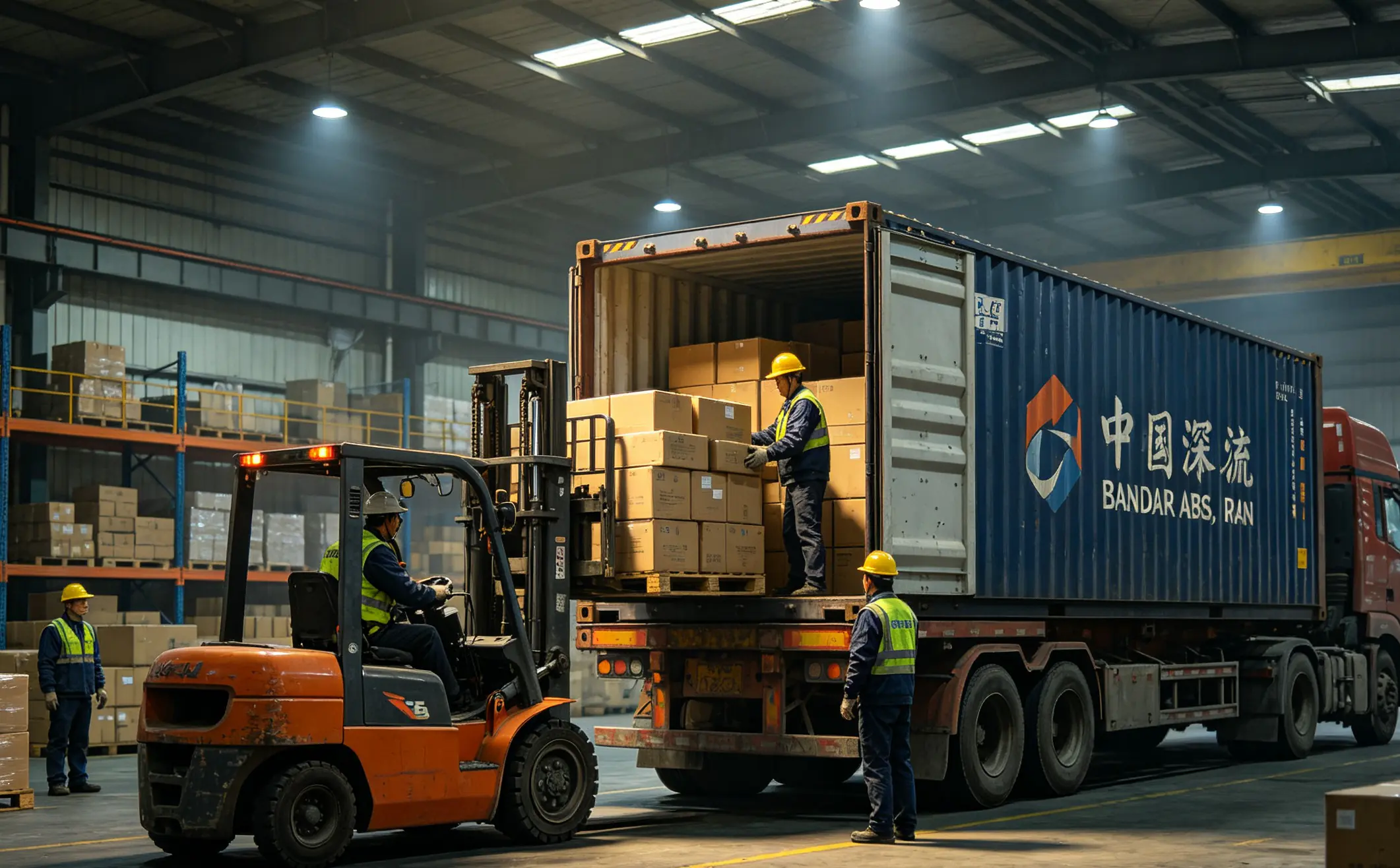
Instead of letting each factory handle its own shipping, Efanda Logistics utilizes our strategically located Shenzhen headquarters to receive goods from all your suppliers. We store, consolidate, and expertly load these mixed goods into a single dedicated FCL container.

This strategy provides three massive financial benefits:
- You pay one set of origin terminal fees instead of multiple LCL handling charges.
- You pay for one US customs clearance entry instead of clearing five different shipments.
- You drastically reduce the risk of damage, as the goods are loaded by our professional team and sealed until they reach your US facility.
Leveraging Incoterms 2020 (FOB, EXW, DDP)
To execute Buyer’s Consolidation effectively, you must control the freight. Purchasing under Incoterms 2020 (FOB, EXW, DDP) dictates this control. We highly recommend buying FOB (Free on Board) or EXW (Ex Works) from your Chinese suppliers—understanding fob vs cif will quickly reveal why controlling the freight at origin is so advantageous. This allows you to nominate Efanda Logistics as your dedicated Ocean Freight Forwarder China, giving us the authority to manage the consolidation process and secure the most competitive ocean rates on your behalf.
4. Transit Time for FCL from China to USA: Routing Strategies
Time is money, especially for e-commerce sellers managing strict inventory cycles. The Transit time for FCL from China to USA varies dramatically based on your chosen routing and the specific carrier alliances (like OA, 2M, or THE Alliance).
Estimated Port-to-Port Transit Times

| Origin Port (China) | Destination Port (USA) | Route Type | Est. Transit Time |
|---|---|---|---|
| Shenzhen / Shanghai | Los Angeles / Long Beach | Direct (West Coast) | 13 – 18 Days |
| Shenzhen / Shanghai | Seattle / Tacoma | Direct (West Coast) | 15 – 20 Days |
| Shenzhen / Ningbo | New York / New Jersey | All-Water (Panama Canal) | 28 – 35 Days |
| Shenzhen / Ningbo | Savannah / Charleston | All-Water (Panama Canal) | 30 – 38 Days |
Fast Boats vs. Standard Routing
For time-sensitive shipments, premium expedited services (like Matson or ZIM fast boats to the West Coast) can cut transit times down to 11-13 days with priority chassis release at the destination terminal. While these services carry a premium rate, they are often cheaper than air freight and provide a vital lifeline for urgent inventory replenishment.
(Note: Transit times are subject to weather, port congestion, and seasonal fluctuations. Always consult your Efanda Logistics representative for real-time schedules.)
5. Customs Clearance & ISF Filing: Avoiding $5,000 Penalties
The United States has some of the strictest import regulations in the world. Flawless Customs Clearance & Duties management is non-negotiable.
The ISF (10+2) Filing Mandate
The Importer Security Filing (ISF), also known as the “10+2” rule, requires importers to transmit specific data to US Customs and Border Protection (CBP) at least 24 hours before the cargo is loaded onto the vessel in China.
Real-Life Business Experience
We frequently see new importers attempt to handle documentation themselves or rely on inexperienced forwarders, resulting in late ISF Filing & AMS submissions. US Customs and Border Protection (CBP) strictly enforces this rule. A late, inaccurate, or missing ISF filing can result in liquidated damages of $5,000 per violation. At Efanda Logistics, our compliance team proactively manages this timeline, ensuring your ISF is filed perfectly and on time, every time.
Choosing the Right Customs Bond
To import commercial goods into the USA, you must have a Customs Bond.
- Single Entry Bond (SEB): Covers one specific shipment. Best if you only import 1-2 times a year.
- Continuous Bond: Covers all your imports for a full year. If you plan to import 3 or more FCL shipments annually, a Continuous Bond is vastly more cost-effective and speeds up the clearance process.
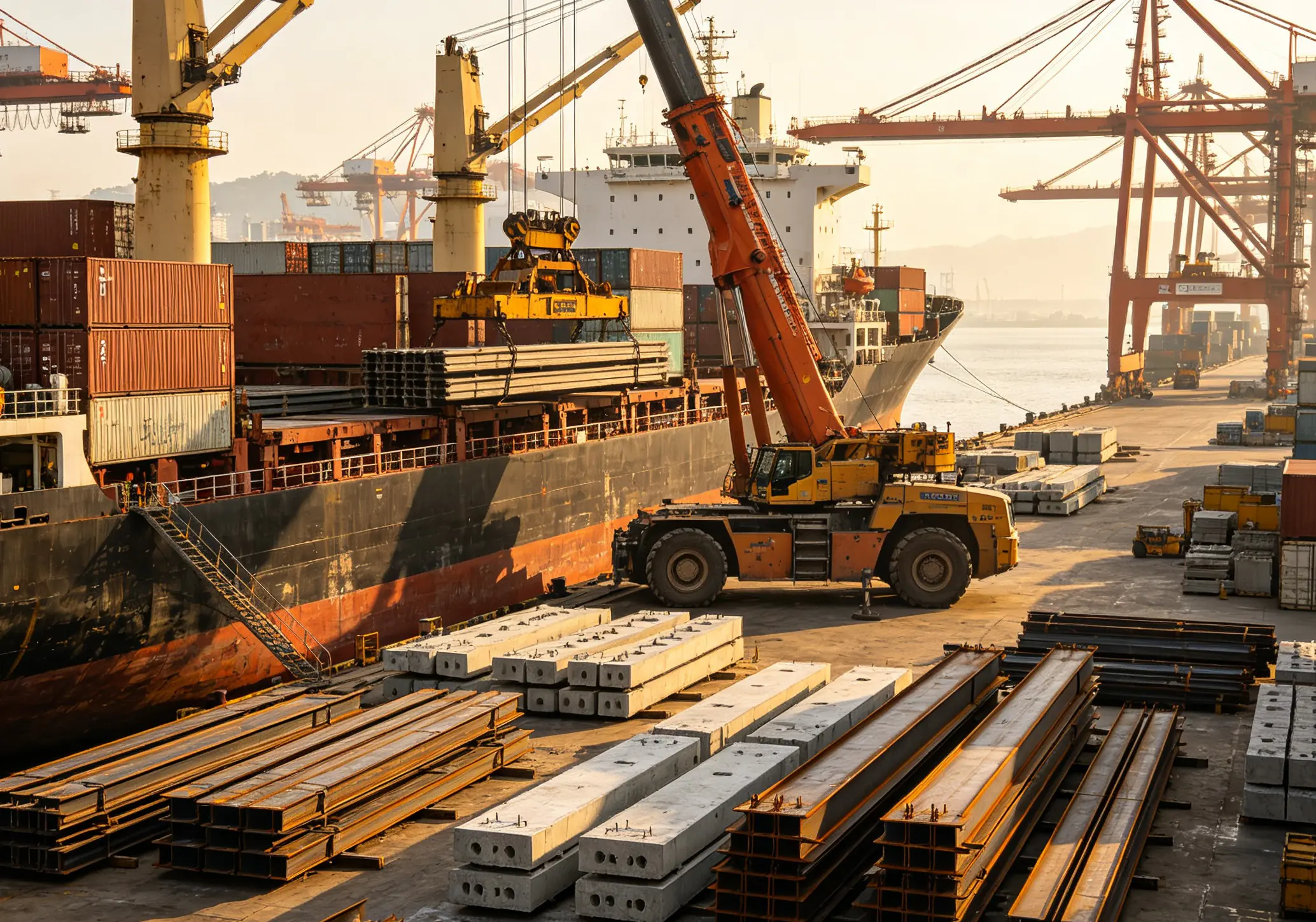
6. Heavy Machinery & Building Materials: Overweight Risks in FCL
While standard consumer goods rarely push the physical limits of a container, shipping heavy industrial equipment presents unique challenges.
The US Highway Weight Limits
When shipping heavy machinery, tiles, or steel coils, you must consider not just the ocean vessel’s capacity, but the US Department of Transportation (DOT) highway weight limits. (It is also crucial to verify exact shipping container dimensions to ensure your bulky goods will fit through the doors.) While a 20GP can physically hold up to 28,000 kg of cargo on the ocean, standard US chassis and highway regulations generally restrict the cargo weight to roughly 19,900 kg (44,000 lbs) for a 20ft container without special permits.
If your container exceeds the US highway limits, you will be hit with severe Overweight penalties, require specialized tri-axle chassis, or face mandatory and expensive transloading (stripping the container) at the port before it can be trucked inland.
Real-Life Business Experience
Last quarter, a client importing heavy excavators to Texas faced severe overweight risks if routed through standard West Coast ports. By analyzing the payload and re-routing their 20GP heavy containers to the Gulf Coast while securing specialized tri-axle chassis in advance, our logistics team saved them over $3,000 in potential DOT fines and forced transloading fees.
Specialized Equipment Solutions
If your cargo is simply too large or oddly shaped to fit inside standard doors, we provide specialized equipment:
- Open Top Containers: For cargo that must be loaded by a crane from above.
- Flat Rack Containers: For Out of Gauge (OOG) cargo that is too wide or tall for standard container walls.
Our engineering team at Efanda Logistics calculates weight distribution meticulously to ensure your heavy shipments comply with both Chinese export and US import highway regulations.
7. Door to Door FCL Shipping China to USA (Amazon FBA Focus)
For e-commerce brands, managing a supply chain from a factory floor in Guangzhou to an Amazon fulfillment center in Dallas is a daunting task. Door to door FCL shipping China to USA eliminates the friction by placing the entire liability and operational burden on a single partner. We integrate seamless door to door shipping solutions to ensure your goods move flawlessly from origin to destination.
FCL Shipping to Amazon FBA from China
Amazon has incredibly strict receiving guidelines regarding pallet sizes, labeling, and delivery appointments. Our FCL shipping to Amazon FBA from China service is tailored specifically for amazon fba sellers.
As part of our End-to-End Solutions, we handle:
- Factory pickup in China.
- Ocean freight and US customs clearance.
- Drayage to our US deconsolidation warehouse.
- Unloading, palletizing, and wrapping to strict Amazon FBA standards.
- Final delivery to the designated FBA warehouse via partnered LTL carriers.
This seamless process ensures you maintain a high Inventory Performance Index (IPI) score on Amazon while benefiting from our Time Efficiency and dedicated tracking.
8. FAQ
Do I need insurance for an FCL shipment from China to the USA?
Yes, absolutely. Under international maritime law, a carrier’s liability is severely limited (often to just $500 per container). We strongly advise purchasing comprehensive cargo insurance services to protect your investment against rough seas, container loss, or port accidents.
How many days of Free Time do I get at US ports?
Typically, carriers offer 3 to 5 days of Free Time at the destination port before Demurrage charges begin. Efanda Logistics actively negotiates extended Free Time for our clients whenever possible to provide a buffer against trucking shortages.
Can Efanda Logistics handle customs clearance at both origin and destination?
Yes. As a full-service logistics provider, we handle export clearance in China and partner with licensed US Customs Brokers to ensure your cargo clears CBP smoothly and legally.
Conclusion
Mastering FCL Shipping from China to USA is not about finding the cheapest absolute ocean freight rate on a given day; it is about total landed cost optimization. Failing to account for US highway weight limits, late ISF filings, or destination D&D fees will quickly erase any savings gained from a cut-rate ocean quote.
By partnering with a seasoned Freight Forwarder, you gain more than just space on a ship—you gain supply chain resilience. Efanda Logistics is committed to providing Personalized Service, competitive and transparent pricing based on real market conditions, and robust risk management with zero hidden fees.
Stop letting hidden fees dictate your profit margins. Contact the Efanda Logistics team today (Call +86 18929345880 or visit our Shenzhen HQ) to consult with a dedicated freight advisor and receive a customized, highly competitive FCL shipping plan tailored to your exact business needs.