Wondering how to get everything you collected at the 140th Canton Fair out of China without paying for eight separate shipments? A Canton Fair shipping plan built while you are still in Pazhou costs far less than one rebuilt from photographs and WeChat messages two weeks after you fly home.
The fair compresses a year of sourcing into three phases, and buyers leave with the same problem: samples and orders scattered across suppliers in different cities. Freight demand lands in one narrow window, which is why the buyers who ship smoothly treat the fair dates as a booking calendar rather than a travel itinerary.
This guide covers the phase calendar and the booking windows inside it, sample shipping, consolidation, mode selection, 2026 costs, the supplier data to collect, the documents that slow shipments down, and why exhibitor logistics is a separate process. Our team has run China pickup and consolidation out of Shenzhen since 2018.
1. Canton Fair 2026 Dates and the Booking Windows Hiding Inside Them
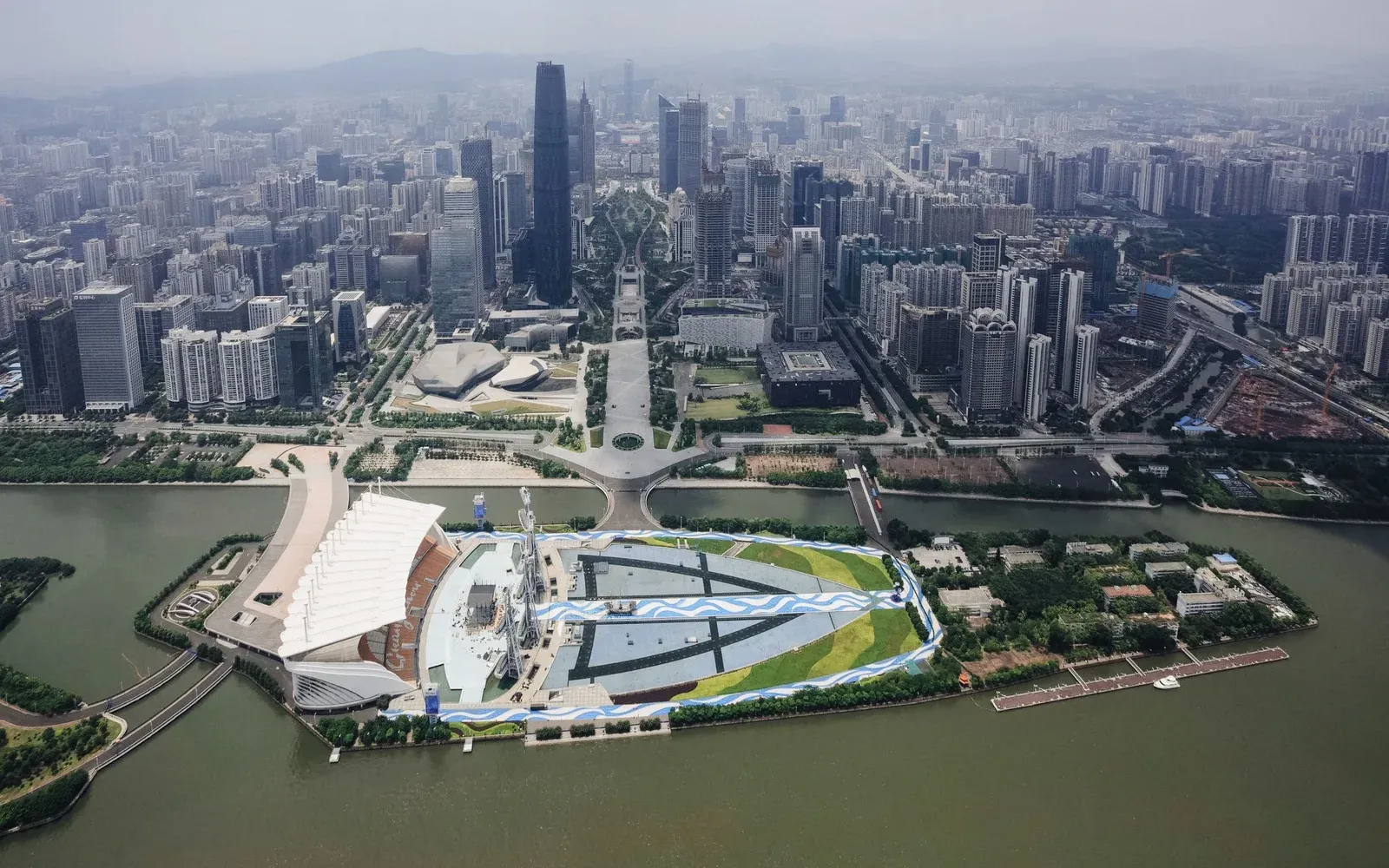
The 140th Canton Fair opened on October 15, 2026 and runs to November 4 at the China Import and Export Fair Complex in Pazhou, Guangzhou, in three phases with a three-day changeover between each of them.
| Phase | Dates | Main product groups | Freight problem it creates |
|---|---|---|---|
| Phase 1 | October 15 to 19 | Machinery, industrial automation, electronics, vehicles and parts, hardware, lighting, new energy products | Heavy pieces, batteries, crated cargo, lifting and loading arrangements |
| Changeover | October 20 to 22 | Complex closed for booth changes | Your quietest working window of the month |
| Phase 2 | October 23 to 27 | Furniture, building materials, kitchenware, ceramics, glassware, home decor, gifts, garden products | Volume, fragile packing, palletizing, container fill rate |
| Changeover | October 28 to 30 | Complex closed for booth changes | Last calm window before the December peak |
| Phase 3 | October 31 to November 4 | Apparel, footwear, bags, home textiles, toys, baby products, stationery, health and personal care, food | Labels, ingredient and product compliance, delivery deadlines |
Official figures put the 140th session at roughly 1.55 million square meters and more than 32,000 exhibiting companies, while the 139th drew 314,000 overseas buyers from 220 countries. That much buying inside three weeks fills South China’s trucks, warehouses and aircraft from the same direction at once.
A product on display is also not cargo ready to leave. A supplier may have a sample on the booth today and need 15, 30 or 60 days to produce an order, with packing still undecided. So the question worth asking at the booth is: “when will the packed cargo be ready, which city is the factory in, and what will the shipment look like?”
Work the changeovers. With the venue closed and most buyers travelling, October 20 to 22 and October 28 to 30 are the best days of the month to chase packing lists, receive cartons at a warehouse and lock vessel space. Waiting until November 4 puts you behind everyone else.
2. How to Ship Samples from the Canton Fair
One small sample from one supplier usually travels best by international express courier, while samples from several suppliers are cheaper and easier to track when they are collected at one China warehouse first and forwarded together.
The three common situations differ more than buyers expect.
| Situation | First option to compare | Confirm before dispatch |
|---|---|---|
| One supplier, one compact sample | Express courier such as DHL, FedEx or UPS | Product description, quantity, declared value, packed size, gross weight, battery, liquid or powder status, full delivery address and postcode |
| Eight suppliers, one sample each | All samples to one consolidation warehouse, then one international shipment | Supplier list, per-batch identification, how long the warehouse should wait, restrictions on each item |
| Heavy, oversized or restricted sample | Air freight or sea LCL, or a decision not to ship it by courier | Final dimensions, chargeable weight, MSDS or UN38.3 where relevant, destination import rules |
Run the arithmetic on the middle row: eight factories dispatching separately means eight minimum charges, eight tracking numbers and eight dispatch dates to chase. Consolidation does not guarantee a lower total, since supplier location, handling and waiting time all cost something, but it is worth one comparison.
Two habits prevent most sample problems. Describe the goods honestly, because a package marked “sample” is not duty free at the destination and a vague description is how a parcel spends three weeks in a customs hold. And do not assume express is automatically right: courier networks have size and weight ceilings, and lithium batteries, liquids, powders, magnets and branded goods carry restrictions that can stop a parcel before it boards.
Carrying samples home in your luggage is fine within the limits of personal effects. Once the quantity or value turns commercial, it needs the same declaration as a container.
3. Consolidating Orders from Multiple Canton Fair Suppliers
Consolidation sends several suppliers’ cartons into one warehouse, verifies and measures them, and releases them as one international shipment. It is the right move whenever the waiting costs less than the freight it saves.
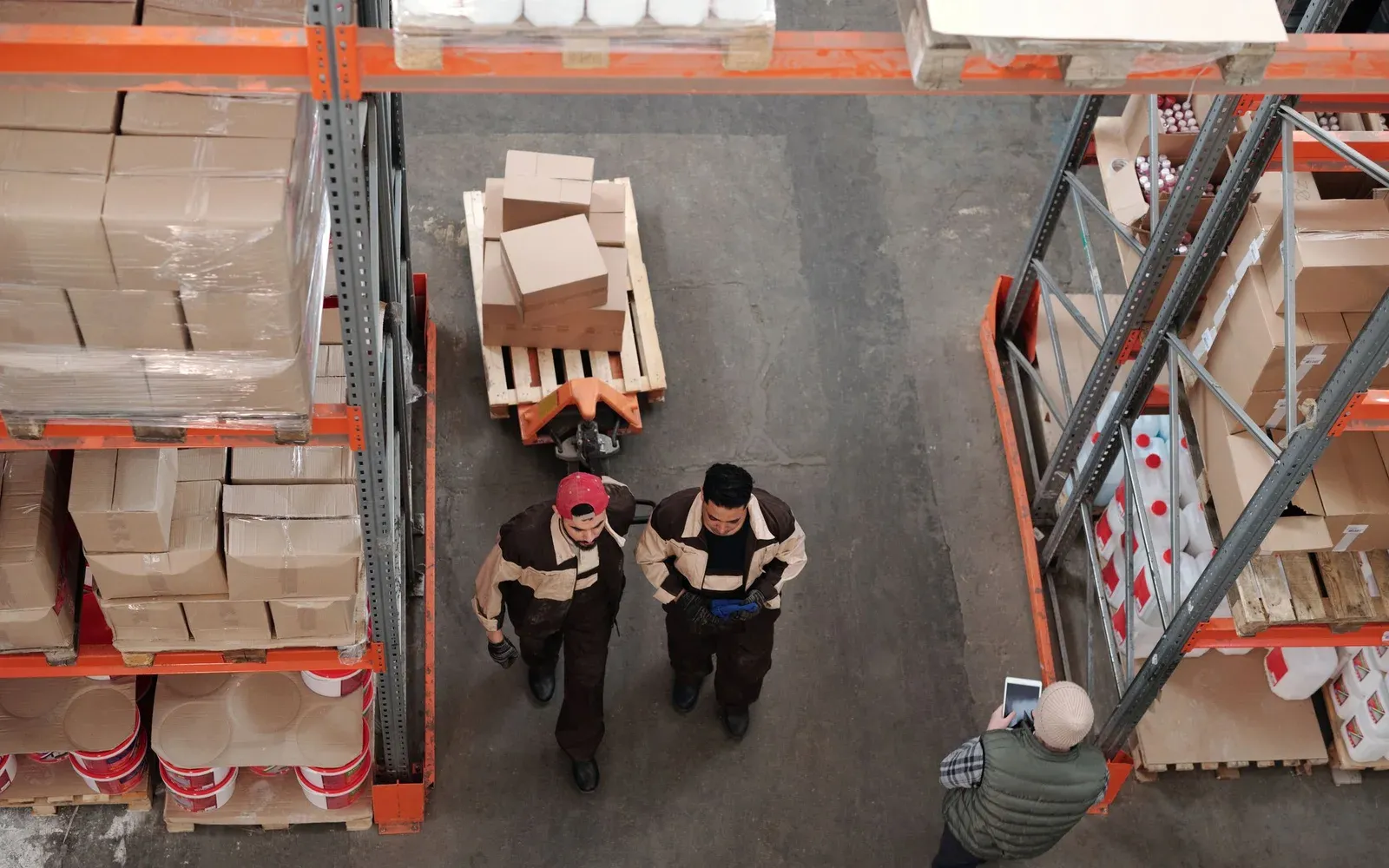
- Collect the batch. Each supplier delivers to one named warehouse address, with your file reference and the supplier name on the label.
- Identify and verify. The warehouse separates suppliers, counts cartons, photographs outer condition, records dimensions and weight, and reports discrepancies the same day.
- Decide what waits. If supplier A finishes on November 15 and supplier C on December 20, A can sail now while C moves later.
- Combine or split. Verified data becomes a packing list, which is used to compare LCL against FCL, or one air shipment against two smaller ones.
- Ship and deliver. Export declaration, booking, bill of lading or air waybill, and delivery to your warehouse, 3PL, Amazon fulfillment center or factory.
Holding urgent stock for a month to build one tidy shipment usually costs more in lost sales than it saves in freight, so decide it shipment by shipment.
Geography decides much of the rest. Suppliers in Guangzhou, Foshan, Dongguan or Shenzhen normally pull into one Pearl River Delta plan, shipping through Nansha in Guangzhou or Yantian and Shekou in Shenzhen. A supplier in Yiwu, Ningbo or Shanghai is a different conversation, because trucking those cartons south can cost more than the consolidation saves. Compare pickup cost, cargo-ready dates and sailing options first.
Receiving is where buyers lose visibility. A good warehouse counts cartons against a named batch, checks outer packaging, weighs and measures each piece, reinforces damaged boxes, palletizes for your mode and sends photographs. A supplier who ships short or mixes two orders in one carton is found out at receiving rather than at the port. Our warehouse services team runs this at Efanda, including per-supplier batch separation and receiving photos.
4. Choosing the Freight Mode: Express, Air, LCL, FCL or Rail
Match the mode to the stage of the purchase, because a sample, a trial order and a first container each need a different answer.
| Purchase stage | Typical volume | Compare first | Trap to avoid |
|---|---|---|---|
| Sample | One or two small parcels | Express courier | Declaring a low value to save duty |
| Trial order | 50 to 300 kg, or 1 to 3 CBM | Express against air against LCL | Volumetric weight making light bulky cargo expensive by air |
| First bulk order | 5 to 15 CBM | LCL against FCL | Assuming LCL stays cheaper, then paying destination charges |
| Confirmed volume | Above roughly 12 to 15 CBM | FCL in a 20GP or 40HQ | Wrong container type, poor fill rate, higher unit cost |
| Replenishment | Repeat, mixed urgency | Split shipment, air for the urgent part and sea for the rest | Sending everything one way |
The switch from LCL to FCL happens earlier than most buyers expect. In our own quoting, a full 20-foot container starts to beat groupage around 12 to 15 CBM once destination charges are counted. Our comparison of FCL against LCL shipping works through that calculation line by line.
Splitting a shipment is the most underused option after a sourcing trip. If your best seller runs out in 30 days and the bulk order needs 60 days of production, send a small air shipment to protect the shelf and let the container follow. Paying air freight on 200 kg is often cheaper than a stockout.
Rail sits between sea and air for European destinations. On the main China to Europe corridors, door-to-door rail moves typically run 18 to 28 days, faster than an all-sea routing and cheaper than air for mid-value cargo. More detail is in our guide to rail freight from China to Europe.
5. Canton Fair Shipping Costs in 2026: What Your Quote Should Cover
There is no single per-kilo price for Canton Fair shipping, because the number moves with the mode, the destination, the Incoterm and how much of the journey the forwarder owns, so treat these ranges as benchmarks.
| Mode | Cost basis | 2026 Q4 reference range from South China | Door-to-door transit |
|---|---|---|---|
| Express courier (DHL, FedEx, UPS) | Per kg | $6.50 to $15 | 3 to 7 days |
| Air freight | Per kg of chargeable weight | $4 to $10 | 5 to 10 days |
| Sea LCL | Per CBM or per tonne, whichever is greater | $50 to $180 per CBM | 30 to 45 days |
| Sea FCL | Per container | $3,000 to $6,600 per 40HQ | 28 to 38 days |
| Rail to Europe | Per CBM and per kg for LCL, per container for FCL | $80 to $120 per CBM, or $1.80 to $4.50 per kg on DDP LCL moves | 18 to 28 days |
| DDP door-to-door | Per container or per CBM, duty and tax included | Quoted per route, since duty rates and VAT differ by destination | Mode transit plus 3 to 7 days |
Every figure depends on the destination, the schedules on your dates, the Incoterm, the commodity and the season. Rates move weekly, and a benchmark quoted today normally holds for two to three weeks. Our published lane pages, such as shipping from China to USA and shipping from China to Germany, are refreshed against the market rather than set once a year.
Force every quote onto the same basis. The landed cost of a Canton Fair order is freight plus origin charges plus destination charges plus duty and VAT plus last-mile delivery. Most buyers stop after the first term, which is how an approved quote becomes an invoice 30 to 40 percent higher than expected. Two forwarders can book the same slot and quote numbers three times apart, because one sells a bare sea leg out of Shenzhen while the other sells a delivered, duty-paid service to your door. Ask each one about origin pickup, export declaration, freight, destination terminal or CFS charges, customs clearance, duty and VAT responsibility, final delivery and quote validity.
Timing adds pressure in the autumn session. Demand builds from the last day of each phase and peaks in the two weeks after November 4, when thousands of orders convert into bookings at once, so locking space 10 to 14 days ahead is normal practice. For most importers, door to door shipping is the simplest structure to compare, because one number covers the journey.
6. What to Collect From Suppliers Before You Leave Guangzhou
Collect three groups of information from every supplier before you leave, because chasing a cargo-ready date over WeChat from another time zone costs more than the five minutes it takes at the booth.
| Supplier details | Product details | Shipping details |
|---|---|---|
| Full registered company name | Clear product name | Estimated cartons, pallets or crates |
| Factory or pickup address in China | Material and intended use | Estimated gross weight |
| Contact person with phone and WeChat | Product photos or a catalogue link | Packed dimensions per piece |
| Manufacturer or trading company | HS code if the supplier already uses one | Estimated total CBM |
| Ability to handle export formalities | Battery, liquid, powder, magnet, chemical or branded status | Packaging type |
| Bank details for the deposit | Certification and test reports available | Production lead time and expected cargo-ready date |
| Quoted Incoterm and the named place it refers to |
The Incoterm line is where money quietly moves. Under EXW the buyer collects from the factory and handles the China export declaration, while FOB puts the goods on board at a named port at the supplier’s cost. When a supplier says the price includes shipping, ask which point the price covers, because the answer decides whether you are buying a truck, a customs declaration or nothing at all. Our customs clearance team handles export declarations for fair orders every week and can confirm what a given term leaves to you.
Copy the block below into WeChat or email and let every supplier fill it in.
Supplier: / City and pickup address: / Product: / Photos or link: / Cartons: / Gross weight: / Carton size: / Total CBM: / Battery, liquid or brand status: / Production lead time: / Cargo-ready date: / Incoterm and named place: / Destination city and postcode:
For multi-supplier orders, keep one row per supplier instead of adding estimates into a single unknown total. A list lets your forwarder decide which orders travel together, which go straight to the port and which need a restricted-cargo route, all before production finishes. Quotes built on packed cartons are more accurate too, since supplier estimates and final data differ by 20 to 30 percent often enough that the final number should come from warehouse measurements.
7. Customs Documents and Restricted Cargo for Post-Fair Shipments
Goods bought at the Canton Fair become an ordinary commercial export shipment once production finishes, so every document must describe the real cargo.
The base set matches any China export: a commercial invoice showing seller, buyer, description, quantity, unit price and total value; a packing list with cartons, net and gross weight, dimensions, CBM and shipping marks; the bill of lading or air waybill details for your mode; the HS code; and the importer of record arrangement for the destination.
Conditional documents follow the product. Lithium batteries need UN38.3 test summaries and usually an MSDS or SDS, and standalone cells are treated differently from batteries inside equipment. Chemicals, cosmetics and food-related products may need ingredient data or registration. Toys, electronics, medical devices and machinery often need conformity marks such as CE or UKCA, with FDA or FCC rules in the United States. Wooden crates and pallets need ISPM 15 markings, and branded goods need authorization from the trademark owner.
The three phases create three compliance profiles. Phase 1 cargo is heavy and regulated: machinery with oil or fuel residue, machines with lifting points and an off-centre centre of gravity, and battery-powered products that carriers class as dangerous goods. Phase 2 cargo is bulky and fragile, so glassware, ceramics, sanitary ware and furniture reward stronger cartons, edge protection and moisture control. Phase 3 cargo is lighter but more regulated by destination, since toys, cosmetics, food and medical devices attract labelling rules, ingredient limits or testing requirements your supplier may never have mentioned.
Never accept “sample” as the description on a commercial quantity. Understating value or hiding the nature of the goods is how shipments get held, redirected or fined, and the delay costs more than the duty it was meant to avoid. Our guide to Amazon FBA shipping from China to the UK shows how compliance drives the schedule on a regulated destination.
8. Gateways, Cut-Off Deadlines and the Post-Fair Capacity Crunch
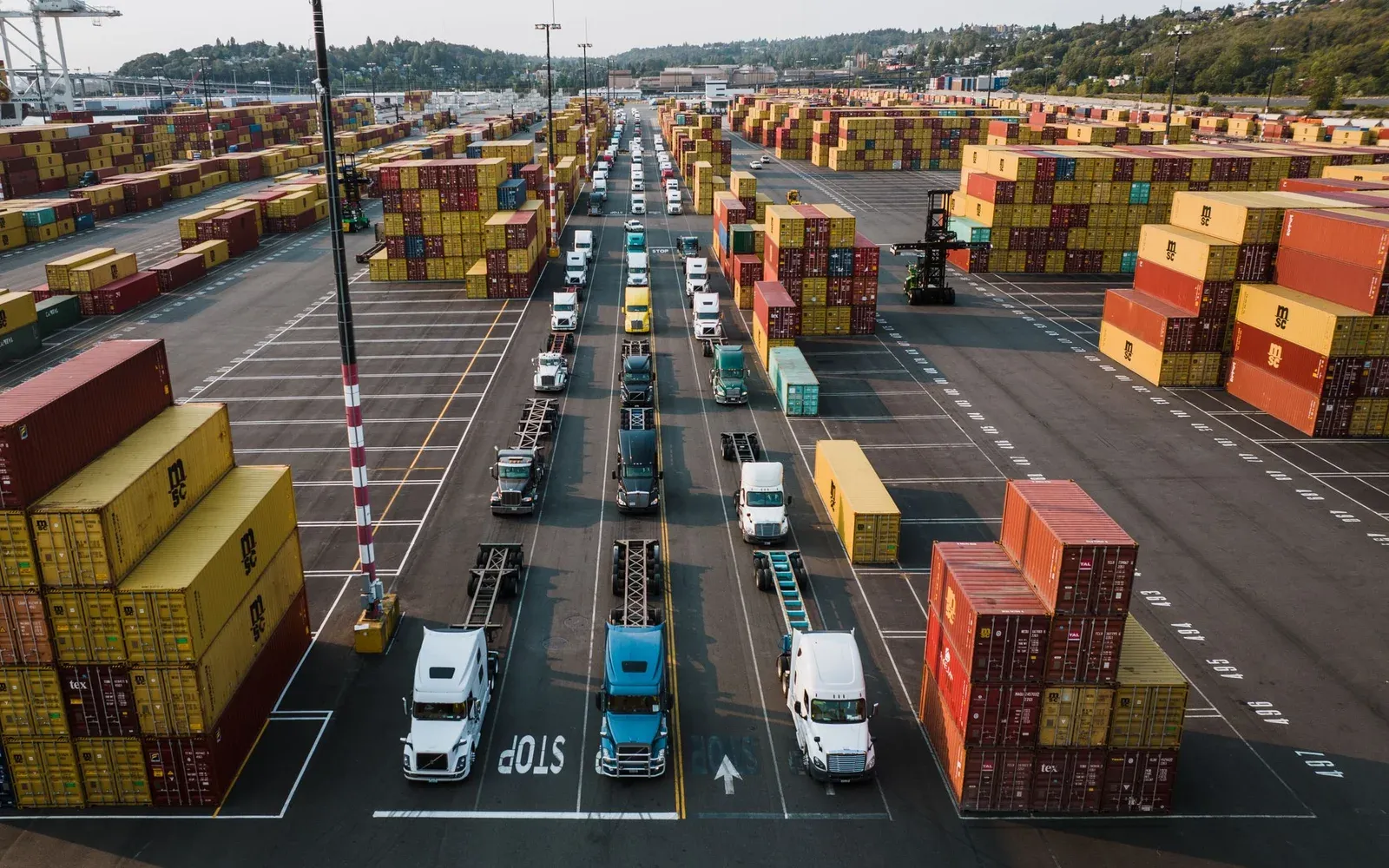
Most Canton Fair cargo leaves through one of three South China gateways, and discipline at each decides whether your container makes the vessel or gets rolled to the next sailing.
Nansha in Guangzhou is the closest major seaport to Pazhou, which keeps inland trucking short and cheap for factories in Guangzhou and Foshan. Yantian and Shekou in Shenzhen carry the densest schedules and the widest choice of direct services to Europe, the Americas and the Middle East. On the air side, Guangzhou Baiyun (CAN) and Shenzhen Bao’an (SZX) both handle general cargo.
Whichever gateway you use, four deadlines decide your fate:
- SI cut-off. Shipping instructions for your bill of lading, normally 1 to 2 days before the container deadline.
- VGM cut-off. The verified gross mass of the container, required under SOLAS, without which it cannot be loaded.
- CY cut-off. The gate-in deadline for the loaded container, usually 2 to 3 days before vessel departure.
- Customs release. The electronic release from China Customs, without which the terminal will not place your container on the loading plan.
Miss any one of them and nothing else matters, because the box stays behind. Gate in 12 to 24 hours before the official CY cut-off to absorb highway traffic, and align the customs release with the same buffer. The sequence and the recovery options are in our guide to Yantian Port cut-off time, and the same logic applies at Nansha and Shekou.
Post-fair congestion is real but predictable. Book space 10 to 14 days before cargo readiness, keep anything that can wait out of the last week of November, and receive cargo during the changeovers while trucks are easy to hire. We will not quote a congestion percentage, because published dwell time figures vary too widely to plan against. Your own dates are what matter, which is why the calendar in section one is the most useful part of this guide.
9. Exhibitors vs Buyers: Two Different Canton Fair Logistics Processes
Shipping exhibits into the fair complex follows rules set by the organizer and China Customs, while shipping goods you purchased follows ordinary commercial export rules. Mixing the two up is a common and expensive mistake.
Exhibitors work through the transporters the Canton Fair appoints for the international pavilion, whose services cover overseas collection, transport, customs clearance, storage, booth portage and return shipment. Handling inside the complex during move-in, the exhibition and move-out is restricted to those carriers, so a forwarder you hire independently cannot work the hall floor for you. A few constraints matter before you book: bills of lading for exhibits must be marked freight prepaid, with the transport document identifying the cargo as exhibition goods and naming the session so customs can match it on arrival. Temporary imports are usually declared through the Guangzhou single window, with ATA Carnet support for duty-free admission. Cases are limited to 6,000 by 2,200 by 2,200 millimetres, and you need a booth vehicle certificate plus a release note before exhibits and samples leave the complex.
None of that applies if you are buying. Your orders follow sections one to eight, and the one habit worth borrowing from the exhibitor side is documentation discipline, because exports and temporary imports fail on paperwork before they fail on transport.
10. FAQ: Canton Fair Shipping Questions Buyers Ask
Can I ship goods directly from the fair venue?
No. Portage inside the complex is handled by the organizer’s appointed transporters, and that service covers exhibits rather than purchased goods. Your suppliers send your orders to a warehouse in Guangzhou or Shenzhen instead.
How do I ship samples from the Canton Fair?
For one compact sample, compare express courier services first. If you collected samples from several suppliers, send them to one China warehouse and forward them together to cut the number of minimum charges and tracking numbers.
Can I consolidate orders from several suppliers at the fair?
Yes, when supplier locations, cargo-ready dates, product types and destinations allow it. The warehouse receives each batch, measures the cartons and combines the goods into one shipment, while urgent orders travel separately.
What is the best shipping method after the Canton Fair?
It depends on the stage of the order. Express suits urgent samples, air freight suits urgent trial orders, LCL and FCL suit larger orders, rail suits mid-value European cargo, and DDP suits buyers who want one party responsible for the journey.
How much does shipping from the Canton Fair cost?
As a 2026 reference, express runs about $6.50 to $15 per kg, air freight about $4 to $10 per kg, LCL about $50 to $180 per CBM and a 40HQ container about $3,000 to $6,600, before duty and destination charges.
How long does shipping take after the fair?
Express typically delivers in 3 to 7 days, air freight in 5 to 10 days, rail to Europe in 18 to 28 days and sea door to door in 28 to 45 days. Add production time, which is often longer than transit.
Can the supplier arrange shipping to my country?
Some suppliers can, and many will quote a delivered price. Check what it includes, because those quotes often exclude destination charges, duty, tax and delivery to your address, and the terms may leave the export declaration with you.
What documents do I need for goods bought at the fair?
A commercial invoice, a packing list, the bill of lading or air waybill, the HS code and your importer details, plus UN38.3 and MSDS for batteries, test reports for regulated products and ISPM 15 treatment for wooden packaging.
Send us your supplier list, the warehouse measurements and your destination city, and we will tell you which orders should travel together, whether air or sea fits your deadline, and what the journey costs. Efanda runs pickup, consolidation, export declaration and final delivery as one service, with transparent pricing and a dedicated consultant.

Written by the EFANDA Logistics team — a Shenzhen-based freight forwarder established in 2018, moving cargo from China to ports worldwide with end-to-end pickup, consolidation, customs and door delivery.About us