
Wondering which week in early 2027 your Chinese supplier stops answering messages, and what that does to the container you were counting on? Chinese New Year 2027 shipping starts biting long before the holiday itself: the dates that decide whether your cargo moves in January or waits until March are spread across December and the first half of January, and they are close enough now to plan against.
Chinese New Year 2027 falls on Saturday, February 6, 2027, the first day of the Year of the Goat. The official break lasts about a week. The disruption that matters to an importer runs closer to six or eight weeks: factories wind down from mid-January, the last dependable ocean sailings leave China between January 15 and 25, air freight tightens through the final days of the month, and most manufacturers only return to full output in early March.
This guide walks the calendar in order: when factories actually close, the cut-offs for sea, air and express, what the holiday does to freight rates, how the restart plays out, and how to size the inventory buffer that carries you through all of it. Our team has shipped out of Shenzhen through every Spring Festival since 2018, and the same pattern repeats each year with the dates shifted.
1. When Is Chinese New Year 2027, and Why One Week Off Costs Two Months
Chinese New Year 2027 begins on Saturday, February 6, 2027, and the statutory break is expected to run Friday, February 5 through Monday, February 8, stretched with adjusted weekends into a 7 to 9 day holiday. One caveat belongs up front: China’s State Council had not published the official 2027 holiday schedule as of late October 2026, so treat the official block as an estimate until it is confirmed. The lunar date itself is fixed.
What turns a one-week holiday into a six-to-eight-week logistics event is the travel around it. Spring Festival drives the largest annual human migration on the planet, and a factory staffed by migrant workers does not switch off on a published date. It leaks capacity for weeks, then goes dark, then refills slowly.
| Phase | Typical window | What it does to shipping |
|---|---|---|
| Order rush | mid-December to mid-January | Suppliers push to finish everything at once; vessel space tightens and rates climb |
| Wind-down | January 9 to February 5 | Workers leave in waves; output, packing and inspection quality get unreliable; truckers thin out |
| Official holiday | about February 5 to 13 | Factories dark, ports on skeleton shifts, banks and customs slow or closed |
| Staggered restart | February 13 to March 1 | Workers return gradually, some never do; the first week back is slow and error-prone |
| Full capacity | early to mid-March | Production queues clear and the shipping backlog moves in earnest |
Labor-intensive plants, such as apparel, furniture, toys and assembly-heavy electronics, close longest, often two to four weeks, because their workers travel the farthest and are the slowest to return. A factory may also stop accepting new production orders weeks before it formally closes, once its pre-holiday schedule is full. That distinction, between the closing date and the last date it will take your order, is the one buyers miss most.
2. The Chinese New Year 2027 Shipping Calendar
Work backwards from February 6 and the calendar builds itself: production orders placed 8 to 10 weeks out, ocean space booked 3 to 4 weeks before departure, cargo ready by mid-January, and everything you care about on the water before the final week of the month. Here is the whole chain with 2027 dates filled in.
| Date or window | Milestone | Why it matters |
|---|---|---|
| Late November to early December 2026 | Finalize production orders | Orders placed later become rush orders competing for pre-holiday capacity |
| Mid-December 2026 | Ocean rates start climbing | Carriers push general rate increases through the rush every 1 to 2 weeks |
| January 9 to 16, 2027 | Factory wind-down begins | Output and inspection quality turn unpredictable |
| About January 10 to 15 | Cargo ready for the last safe ocean departures | Port slots, trucking and consolidation capacity collapse after this |
| January 15 to 25 | Last dependable ocean departures | Later loadings depend on skeleton crews and luck |
| About January 25 to 30 | Last air and express bookings | Airports keep moving, but capacity is thin and rates peak |
| February 5 to 13 | Official holiday (estimated) | The communication blackout: production stops, replies stop |
| February 20 | Lantern Festival | The traditional marker for a real return to work |
| February 13 to March 1 | Staggered restart | First post-holiday sailings fill with rolled cargo and backlog |
| Early to mid-March | Full factory output | The queue at your supplier finally starts moving |

Three footnotes to that table. First, the official State Council schedule is unpublished, so every factory sets its own dates: get the last order date, closing date, reopening date and expected return-to-capacity in writing, per supplier. Second, the further your supplier sits from a major port, the earlier its effective cut-off, because inland trucking thins before ports do. Third, if you sourced at the October 2026 Canton Fair, your production timeline already overlaps this calendar, and the order deadlines in our Canton Fair shipping guide sit right on top of the November and December dates above.
3. Sea Freight Cut-Offs: The Last Sailings Before the Holiday
For ocean freight, the last dependable departures from major Chinese ports fall between January 15 and 25, 2027, and your cargo needs to be booked and ready well behind that line. Three practical numbers govern the window.
Book 3 to 4 weeks before departure, or 4 to 5 once the rush peaks. Space on the last sailings contracts before your cargo exists, and a booking made in the final ten days competes with every other late shipment in Asia.
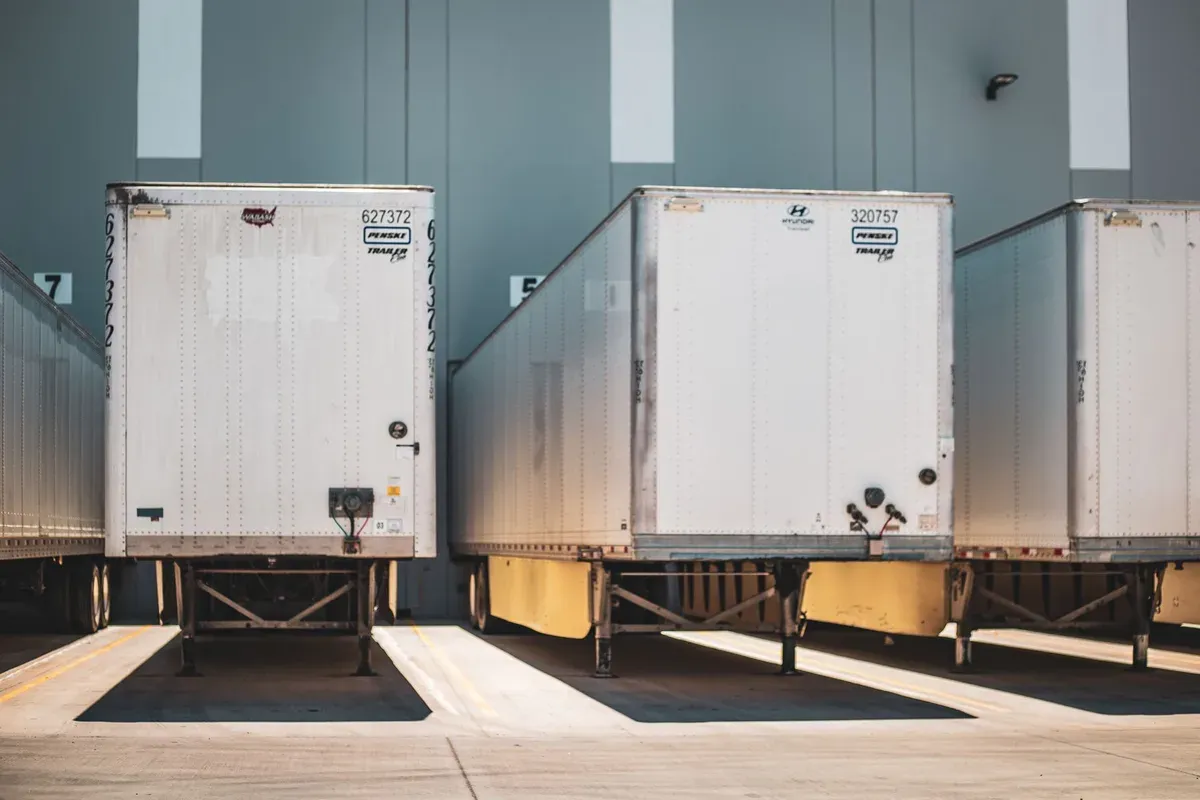
Cargo must reach the port or terminal 3 to 5 days before sailing, and the document deadlines land even earlier: the vessel cut-off, VGM submission and shipping-instruction cut-offs each close ahead of the gate. Every terminal publishes its own rules, and they tighten rather than relax in the rush, which is why we keep a live page on Yantian port cut off times for South China shippers.
LCL closes before FCL. A consolidator has to fill a container from multiple buyers before it can book, so the last LCL boxes often close a full week before the last full-container loadings. If your shipment is groupage, your real deadline is the consolidator’s receiving cut-off, not the vessel’s. The trade-offs between the two modes are worked through in our FCL vs LCL shipping comparison.
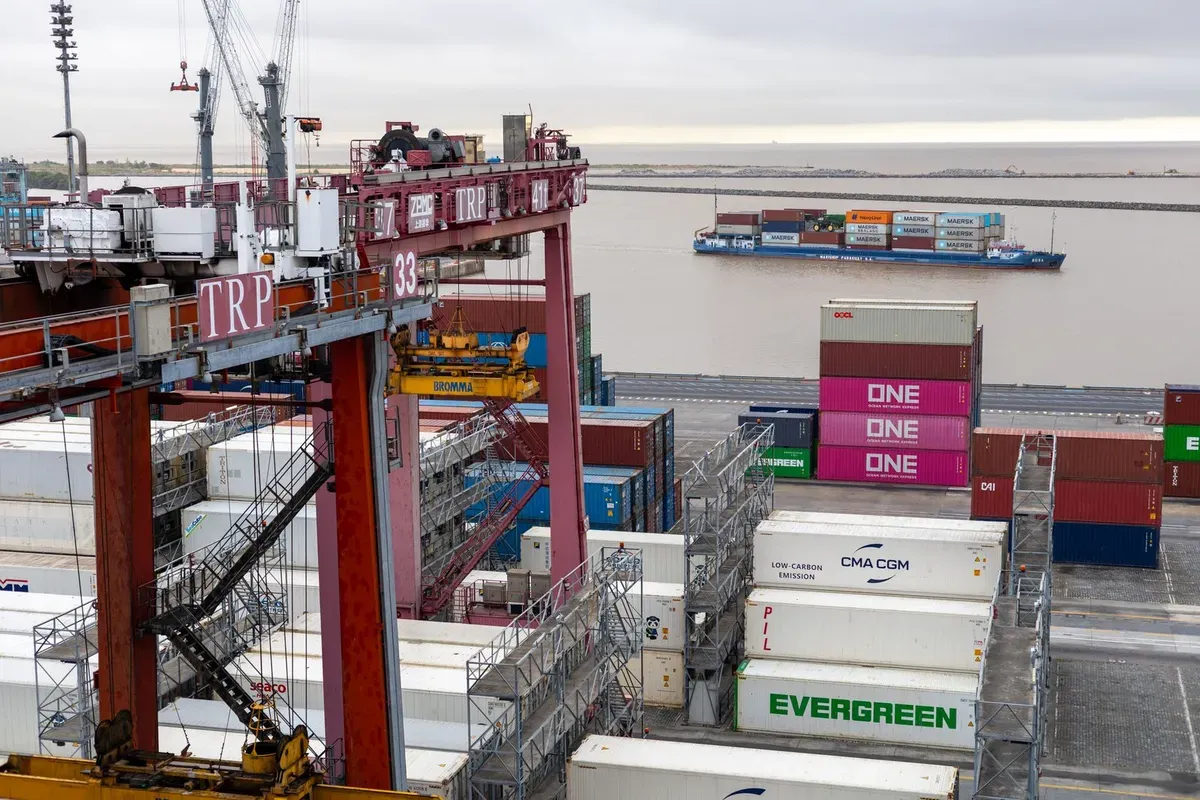
Two more things bite in the last two weeks of January. Trucking capacity disappears as drivers head home, so gate congestion at Yantian, Shekou, Shanghai and Ningbo gets worse exactly when your container needs to gate in. And rolling gets expensive: a container rolled from a January 22 sailing does not wait one week, it waits out the holiday, because the February sailing program is blank sailings and skeleton loads. Ask your forwarder what happens to your cargo if it rolls, and whether you keep priority on the next vessel.
One planning note on destinations: the last departure date is origin-side and roughly the same for every route, but arrivals differ a lot. A container leaving on January 20 reaches the US West Coast in mid-February, the US East Coast in early March, and North Europe, on lanes like shipping from China to Germany, in late February. Plan inventory off the arrival date, not the departure date.
4. Air Freight and Express: The Last Cargo Out
Air freight keeps accepting cargo longer than ocean: the final dependable bookings out of the main airports, Shenzhen, Guangzhou, Shanghai Pudong and Hong Kong, fall in the last week of January 2027, roughly January 25 to 30. That extra week exists because aircraft do not depend on the same long port cut-off chains, and airports run tighter skeleton operations through the holiday itself.
The catch is price and space. The final ten days before the holiday are the annual air freight peak in Asia, because every buyer who missed the ocean window converts to air at the same time. Freighters are full, belly capacity from passenger flights is contested, and rates can move several times a week. Book air 1 to 2 weeks before you need cargo picked up, expect premiums on the final departures, and do not expect a quote from early January to still be valid at the end of the month. Pre-CNY air quotes hold 7 to 14 days at best.
Express courier follows the same curve a few days behind, with last pickups around January 25 to 30. Battery and dangerous-goods shipments cut earlier, because acceptance rules tighten when handling staff thin out.
Whether air makes sense in the last week is arithmetic, not preference. A 150 kg air shipment at late-January rates is expensive against an ocean container; a five-week stockout is usually more expensive. If the goods fit a couple of pallets and the margin supports it, air freight from China is the mode that rescues a missed ocean deadline. If they do not, the honest answer is to plan for March.

5. What Chinese New Year Does to Freight Rates
Around Chinese New Year, rates follow a shape you can plan against: they climb from mid-December, peak in the last two weeks of January, drop after February 6, and firm up again in March as the backlog moves. What is unusual about 2027 is the market sitting underneath that shape.

| Phase | Window | What usually happens | What to do |
|---|---|---|---|
| Pre-holiday climb | mid-December to late January | GRIs every 1 to 2 weeks, space premiums, rolling | Book early, lock validity in writing |
| Holiday floor | February 6 to 20 | Blank sailings, little cargo moving | Nothing to move; land your documents before it |
| Post-holiday softening | late February to mid-March | Spot rates often ease as capacity returns | Good window for non-urgent volume |
| Backlog squeeze | March | Rolled cargo and new orders compete for space | Pre-book the first March sailings |
The 2027 wrinkle is capacity. In late October 2026, the Freightos Baltic Index put China to US West Coast spot near $8,100 per FEU and US East Coast near $9,700, and carriers were cutting announced Asia-US capacity by 12 to 15 percent into November to defend those levels. At the same time, the big alliances have been moving services back through the Suez Canal, with the Gemini cooperation expecting nearly all of its sailings back on Suez routing during the first quarter of 2027. Shorter voyages release ships back into the fleet, which points toward looser capacity and softer spot rates into 2027. The background on that corridor is in our Red Sea crisis 2026 explainer.
Put those together and the direction of rates into CNY 2027 is genuinely uncertain: a tight, carrier-managed market pushing GRIs through the rush, against a capacity wave arriving from the Suez return. The calendar is predictable; the price level is not. Treat any rate quoted for January as valid for 7 to 14 days, re-confirm weekly, and judge a booking on space secured rather than on the last favorable index print. All market figures in this section are dated late October 2026; rates move weekly, so confirm a fresh quote before you commit.
6. After February 6: Blank Sailings, Backlogs and the Slow Restart
Treat the restart as a queue, not a switch. Factories reopen in a stagger from about February 13, most run below full output until early March, and the backlog of everything that missed the pre-holiday window ships well into late March.
Carriers blank sailings after the holiday on purpose. With little cargo moving in the second and third weeks of February, carriers cancel departures so vessels do not sail half-empty and drag rates down with them. The blank programs for the first quarter of 2027 are announced in late 2026, and they mean fewer weekly departures in February just as your supplier starts producing again. The first post-holiday sailings in late February and early March fill with cargo rolled from January plus new production, so they need booking as early as the pre-holiday ones did.
On the factory side, the first two weeks back are the weakest of the year. Return bonuses are common because annual turnover spikes after the holiday: some workers take the new year as the moment to change cities or industries, and replacements need training. New hires plus rusty lines is why quality problems concentrate in the second half of February, and why you should book inspections for restart shipments rather than trusting the first production runs.
For your own timeline, assume a supplier quoting 15 days of production delivers 20 to 25 days in the second half of February, and assume your emails get answered slowly between February 5 and 20. Orders placed in January for post-holiday production hold a queue position; orders placed in late February join the back of the line behind everyone who ordered first.
7. Inventory Planning: Work Backwards from Your Stock-Out Date
The right buffer for most importers is 4 to 6 weeks of extra sales cover, and the honest way to size it is to work backwards from the day your best-selling SKU runs dry. Here is that arithmetic run for a US East Coast importer with about 30 days of production.
| Step | Example date | Note |
|---|---|---|
| SKU stock-out if nothing ships | March 20 | Known from your sales rate |
| Target: replacement inventory landed | March 10 | One week of safety |
| Required vessel departure | about January 20 | 30 to 35 day transit to the US East Coast, plus inland |
| Cargo ready at the port | about January 13 | Gate-in, documents, cut-offs |
| Production complete | about January 10 | Factories stop taking rush work around now |
| Production start | about December 8 | 30 days of manufacturing plus final inspection |
| Order placed, deposit paid | early December | 8 to 10 weeks before CNY, exactly as the calendar says |
Run the same table for your own lane and the buffer sizing falls out of it: if your stock-out lands between mid-February and mid-March, you either ship in the January window or you accept the queue. Sellers who restock Amazon FBA face the added constraints of inbound limits and slower February receiving; the planning pattern in our Amazon FBA shipping from China to the UK guide applies to every marketplace, and transit figures for US lanes are on the shipping from China to the USA page.
Two refinements worth the effort. Split the shipment: air the fast movers that protect your shelf, and sail the bulk behind them. For European destinations where the deadline lands in the middle, rail freight from China to Europe sits between air and ocean on both cost and speed, though China-Europe trains also thin out around the holiday, so it is an alternative, not an exemption from the calendar.
8. What to Lock Down with Your Forwarder Before Mid-January
The most useful thing a forwarder gives you before Chinese New Year is a confirmed cut-off with space actually booked behind it, plus a straight answer about which dates have already gone. Six things to have in writing before mid-January:
- The last sailing per origin port for your destination, with the vessel cut-off, VGM and shipping-instruction deadlines attached.
- Booking validity, and the rollover policy: what happens to your cargo if it misses the vessel, and whether you keep priority on the next one.
- The receiving cut-off at any consolidation warehouse, which closes earlier than the port.
- Who answers your messages between February 5 and 20, when your usual contact is on a train home.
- Payment and paperwork: factory balances settled before banks slow down, and bill of lading drafts approved before the holiday, so destination clearance does not stall while China sleeps.
- Quote validity: 7 to 14 days in the rush, re-confirmed weekly, with surcharges named rather than absorbed into a vague all-in number.
We run this calendar every year at Efanda Logistics, out of Shenzhen, since 2018. What it looks like in practice: space pre-booked on the last January sailings, a warehouse that keeps receiving cargo while the ports wind down, one consultant who tells you when a date has passed instead of taking the booking anyway, and quotes that name every charge before you commit. If you want the window worked out for your own lane, send us your cargo-ready dates and destination: door to door shipping with warehouse services in one plan is where we start.
9. FAQ: Chinese New Year 2027 Shipping Questions
When is Chinese New Year 2027?
Saturday, February 6, 2027, the first day of the Year of the Goat. The official holiday is expected to run about February 5 to 13 once the State Council publishes the schedule, which had not happened as of late October 2026.
When do Chinese factories close for Chinese New Year 2027?
Wind-down starts around January 9 to 16, most factories are fully closed from late January through about February 12 to 14, and labor-intensive plants can stay shut two to four weeks. Confirm each supplier’s dates in writing, because no two factories close on the same schedule.
What is the last date to ship sea freight before CNY 2027?
The last dependable departures from major ports fall between January 15 and 25, with cargo ready by about January 10 to 15 and space booked 3 to 4 weeks ahead. LCL closes about a week earlier than FCL, and exact dates vary by port and terminal.
What is the last date for air freight before CNY 2027?
Roughly January 25 to 30 out of the major airports, with bookings made 1 to 2 weeks ahead and rates peaking in the final ten days. Express couriers run a few days behind the same curve, and battery or dangerous-goods cut-offs land earlier.
Do freight rates rise before Chinese New Year?
Usually, from mid-December, through a series of general rate increases into late January. After the holiday, spot rates often soften under blank sailings before the March backlog tightens space again. For 2027 the direction is unusually uncertain because Suez routings are returning capacity to the market.
When does shipping return to normal after CNY 2027?
Sailings resume through mid-February against a reduced, blanked program, factories reach full output between March 1 and 15, and the backlog generally clears by late March. The first post-holiday sailings need early booking because they fill with rolled cargo.
How much extra inventory should I hold over Chinese New Year?
Four to six weeks of extra sales cover suits most importers, sized by working backwards from your stock-out date as in section seven. Single-supplier SKUs and long-transit lanes justify the top of that range.
Send us your cargo-ready dates, supplier cities and destination port, and we will mark your last safe sailing on the 2027 calendar, tell you what air would cost as the backup, and hold warehouse space for the cargo that arrives while everyone else is scrambling. That plan costs nothing to ask for, and it is the difference between a quiet February and a panicked one.

Written by the EFANDA Logistics team — a Shenzhen-based freight forwarder established in 2018, moving cargo from China to ports worldwide with end-to-end pickup, consolidation, customs and door delivery.About us